
Stem Cell Therapy for Osteoarthritis Price in Monterrey Mexico
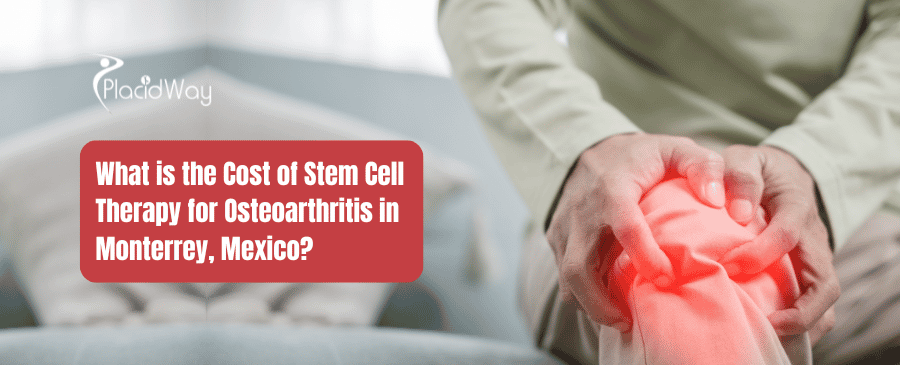
If you are exploring regenerative medicine options for joint pain, you might be researching the estimated costs associated with stem cell therapy for osteoarthritis in Monterrey, Mexico. Osteoarthritis is a degenerative joint disease that gradually wears down the protective cartilage at the ends of your bones, leading to stiffness, pain, and reduced mobility. As patients look for ways to manage symptoms and potentially delay invasive joint replacement surgeries, many are turning to advanced medical procedures available across the border.
Monterrey is a thriving industrial and medical hub in northern Mexico, known for modern healthcare infrastructure and accessibility from the United States. In this comprehensive guide, we will break down the variables that influence pricing, explore the procedure details, discuss patient candidacy, and explain what you should know before planning your medical journey.
Key Takeaways
- The procedure generally costs between $3,000 and $8,000 USD per treated joint.
- The cell source—whether autologous (your own) or allogeneic (donor)—significantly impacts the final price.
- Monterrey features modern medical facilities and is highly accessible for international patients.
- Travel logistics, preliminary imaging, and post-treatment physical therapy are usually separate from quoted clinic prices.
- Stem cell treatments aim to manage inflammation and pain, but results vary, and it is not a guaranteed cure for osteoarthritis.
What factors influence the cost of this procedure in Monterrey?
When assessing the stem cell therapy cost in Mexico, you will quickly notice that clinics rarely offer a flat, universal rate. The most significant variable is the protocol used. For instance, extracting stem cells from your own bone marrow or fat tissue requires minor surgery, specialized laboratory equipment to isolate the cells, and sterile processing time. Alternatively, utilizing ethically sourced donor cells (such as those from umbilical cord tissue) involves purchasing cultured cells from a regulated laboratory.
Furthermore, the number of cells injected—often referred to as the dosage—changes based on the severity of your osteoarthritis and the size of the joint. A large weight-bearing joint like the knee typically requires a higher cell count than a smaller joint like the wrist or ankle. Specialized imaging equipment used to guide the injection, such as fluoroscopy or ultrasound, may also add to the procedural costs.
Which types of stem cells are used for osteoarthritis?
The type of biological material chosen by you and your doctor plays a massive role in both the treatment approach and the final bill.
- Autologous Bone Marrow Aspirate Concentrate (BMAC): Cells are drawn from your hip bone. This is a common orthopedic procedure, but the number of viable stem cells tends to decrease as patients age.
- Autologous Adipose-Derived Stem Cells: Cells are extracted from your fat tissue via a mini-liposuction procedure. Fat tissue contains a high concentration of MSCs, but the extraction process adds time and surgical elements to the visit.
- Allogeneic Umbilical Cord Tissue: These cells are donated from healthy, full-term births following strict screening processes. They are highly potent, culturally expanded in a lab, and do not require a painful extraction procedure from the patient.
Because Mexican medical regulations often permit the laboratory expansion (culturing) of MSCs, many patients travel southward to access higher cell counts that might not be readily available or permitted under current frameworks in their home countries.
What is typically included in the quoted treatment price?
When you contact a stem cell clinic in Monterrey, the package they offer usually bundles the core medical services. This includes the time spent with the attending physician to review your medical history and imaging. It also covers the clinical staff, facility fees, and the specialized laboratory work required to prepare the injection.
Most modern clinics also include image-guided technology in their baseline price. Injecting regenerative material "blindly" is generally discouraged in modern orthopedics. Using ultrasound or fluoroscopy ensures the cells are delivered precisely into the joint capsule where the cartilage degradation has occurred, rather than into the surrounding soft tissue.
Are there hidden costs patients should budget for?
While the medical procedure itself is often more affordable abroad, the total trip cost involves more than just the clinic's fee. You should account for:
- Pre-Travel Diagnostics: Reputable doctors will require recent MRI or X-ray imaging of your joint before approving you for travel. These are usually done in your home country.
- Travel and Lodging: Flights into Monterrey International Airport (MTY), ground transportation, and hotels. Monterrey has upscale districts like San Pedro Garza García, which are popular among medical tourists but can be more expensive than average Mexican cities.
- Post-Care: Successful joint therapy often relies heavily on physical therapy after the injection to restore mobility and strengthen supporting muscles. This will be an ongoing expense in your home country.
How does the cost in Monterrey compare to the US and Canada?
In the United States, patients frequently see quotes ranging from $8,000 to over $15,000 for advanced orthopedic stem cell interventions. Because regenerative therapies are largely considered investigational by most North American health insurance providers, they are almost strictly out-of-pocket expenses.
The lower prices in Monterrey are not indicative of lower medical standards. Instead, they reflect the broader economic context of the country. Lower administrative overhead, reduced costs of living, and different medical liability frameworks allow facilities to offer sophisticated therapies at a more accessible price point. This economic advantage is a primary driver for patients exploring options internationally.
| Location | Estimated Cost Range (Per Joint) | Insurance Coverage |
|---|---|---|
| Monterrey, Mexico | $3,000 - $8,000 USD | Out-of-pocket |
| United States | $8,000 - $15,000+ USD | Rarely covered |
| Canada | $7,000 - $12,000+ CAD | Rarely covered |
Is stem cell therapy a guaranteed cure for osteoarthritis?
It is crucial to approach regenerative medicine with realistic expectations. Osteoarthritis involves complex structural changes to the bone and cartilage. While many patients report significant improvements in pain levels and joint function, the therapy cannot magically regrow entirely depleted cartilage in a severely bone-on-bone joint.
Outcomes vary widely from person to person. Factors such as your age, weight, general health, and the severity of the joint degeneration all play a role in how well your body responds. Some patients may experience relief that lasts for years, while others may see minimal improvement. Consulting with a qualified orthopedic specialist is necessary to understand what results you can reasonably expect based on your specific medical history.
Who is an ideal candidate for this joint treatment?
Suitability for stem cell interventions depends on a thorough medical evaluation. You may be considered a good candidate if:
- You have early or mid-stage cartilage wear (often classified as Kellgren-Lawrence grades I through III).
- You are trying to delay or avoid total joint replacement surgery.
- You are in overall good health without active systemic infections or certain types of active cancers.
Conversely, if you suffer from severe, end-stage osteoarthritis (grade IV) where the joint space is completely gone, stem cells are unlikely to provide meaningful structural benefit, and surgical options may be more appropriate.
What is the typical recovery process like after the injections?
Because the procedure is minimally invasive compared to traditional orthopedic surgery, the downtime is relatively short. However, you cannot immediately return to high-impact activities. Following the injection, it is common to experience a temporary increase in joint stiffness, swelling, or mild discomfort as the body reacts to the cellular material.
Physicians generally advise against using Non-Steroidal Anti-Inflammatory Drugs (NSAIDs) like ibuprofen for several weeks post-treatment, as these can interfere with the healing process initiated by the stem cells. Patients usually transition into a tailored physical rehabilitation program to optimize joint mechanics and support the recovering area safely.
Why do patients choose Monterrey, Mexico, for medical tourism?
The growth of medical tourism in Mexico is heavily supported by cities like Monterrey. Often referred to as the industrial capital of Mexico, Monterrey boasts a robust infrastructure that mirrors major American cities. The healthcare system there includes internationally accredited hospitals and research centers focusing heavily on regenerative therapies and orthopedics.
Travel logistics also play a large part. Monterrey is just a short, direct flight from many major US hubs, such as Houston or Dallas. This makes the journey less physically taxing for a patient already dealing with joint pain, compared to traveling across the globe. Many medical facilities cater specifically to international visitors, offering bilingual staff and comprehensive patient coordination services.
Why Choose PlacidWay for Medical Tourism in Mexico?
Navigating cross-border healthcare can feel overwhelming, but utilizing a structured platform can simplify the process. PlacidWay is designed to assist international patients in researching and planning their medical journeys. Here is what PlacidWay offers:
- Global Network Access: PlacidWay connects patients with a wide directory of international healthcare facilities and specialists.
- Educational Resources: The platform provides extensive articles, cost comparisons, and procedural guides to help you make informed decisions.
- Transparent Platform: Patients can freely browse clinic profiles, view available treatments, and request information without hidden subscription fees.
- Multilingual Support: The team assists patients across different languages, bridging the communication gap between you and international providers.
- Streamlined Navigation: PlacidWay helps you consolidate quotes, answers, and medical itineraries into one manageable process.
Frequently Asked Questions
How long does the stem cell procedure take?
The procedure is typically performed on an outpatient basis and takes a few hours from start to finish. If autologous cells are used, extraction and processing take a bit longer than using prepared allogeneic cells.
Is the stem cell injection painful?
Doctors generally use local anesthesia to numb the injection site and the extraction site if autologous cells are used. Patients may feel pressure and mild discomfort, but severe pain is uncommon.
How soon might I feel joint relief after treatment?
Results vary widely. Some patients report feeling initial improvements in joint mobility and pain reduction within a few weeks, while for others, the regenerative process can take several months to show noticeable changes.
Can I fly home the same day as the procedure?
While it is physically possible to fly the same day, medical professionals often advise resting in Monterrey for one or two days post-treatment to monitor the joint for any immediate inflammation or localized reactions.
Will health insurance cover stem cell therapy in Mexico?
Most US and Canadian health insurance providers consider stem cell therapy for osteoarthritis to be experimental or investigational. Therefore, treatments abroad are almost always paid for out-of-pocket by the patient.
Can multiple joints be treated during the same visit?
Yes, many facilities can treat bilateral knees or multiple affected joints in one session. However, treating multiple areas will increase the overall cost of the therapy.
Are umbilical cord stem cells used in Monterrey safe?
Reputable clinics source allogeneic umbilical cord cells from certified, regulated tissue banks that screen donors for infectious diseases. However, as with any biological treatment, risks such as immune reactions or infections exist.
Do I need to get an MRI before traveling?
Yes, having a recent MRI is highly recommended. It allows the medical team in Monterrey to evaluate the exact degree of cartilage loss and determine if you are a suitable candidate before you commit to traveling.
What are the main risks associated with stem cell injections?
Potential risks include localized infection, bleeding at the injection site, temporary joint stiffness, and the possibility that the treatment may fail to improve your osteoarthritis symptoms.
Do English-speaking staff work at Monterrey clinics?
Yes, facilities that frequently cater to international medical tourists usually have bilingual medical staff, doctors, and patient coordinators to ensure clear communication throughout your treatment.
Ready to Explore Your Options?
Connect with trusted medical facilities in Monterrey to gather factual information, compare treatment costs, and schedule a professional medical consultation.
Compare Treatment OptionsReferences
- Osteoarthritis Symptoms and Causes – Mayo Clinic
- Stem Cell Therapy for Arthritis – Arthritis Foundation
- Mesenchymal Stem Cells for Osteoarthritis: Efficacy and Safety – National Institutes of Health (NIH)
- Information About Regenerative Medicine Therapies – U.S. Food and Drug Administration (FDA)
- Stem Cells for Orthopedic Conditions – American Academy of Orthopaedic Surgeons (AAOS)
- Traveler Information for Mexico – Centers for Disease Control and Prevention (CDC)

























Share this listing