
Affordable Dental Implants Cost in Arad, Romania
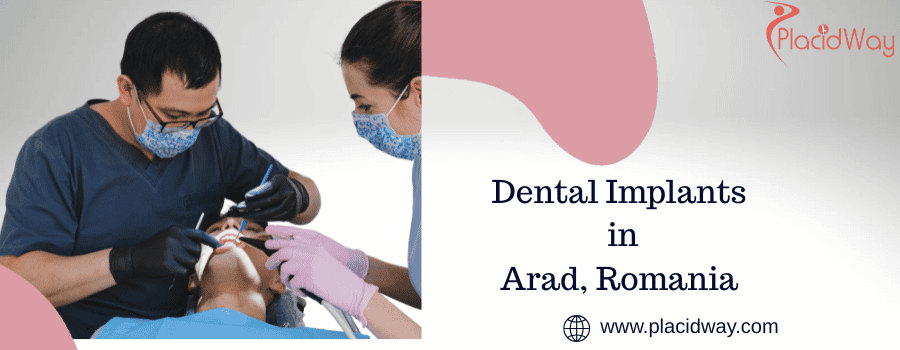
For individuals dealing with tooth loss, finding a functional and aesthetically pleasing replacement is a common priority. Getting dental implants in Arad, Romania has become an option considered by many due to the availability of modern dental clinics and competitive pricing. The treatment involves placing a small titanium post into the jawbone, which acts as an artificial root to support a replacement tooth or bridge.
While calculating the total expenses, it helps to understand what the initial quotes cover and what additional steps might be necessary for your specific oral health condition. This guide explores the factors influencing the price, patient eligibility, and the realities of traveling for dental procedures.
Key Takeaways
- Estimated single implant costs range between €400 and €900, usually excluding the final crown.
- Full-mouth restorations like All-on-4 involve complex surgery and will have higher overall costs.
- Total expenses vary significantly based on implant brand, chosen materials, and individual case complexity.
- Patients must account for travel, accommodation, and the necessity of multiple visits to Romania.
- A comprehensive clinical evaluation by a qualified dentist is necessary to determine if you are a suitable candidate.
What exactly is included in the cost of a dental implant in Arad?
When reviewing price estimates, patients often assume a single flat rate covers the entire tooth replacement process. In reality, restorative dentistry usually breaks the treatment down into distinct phases and components. The primary fee generally applies to the surgical insertion of the titanium post into your jawbone. This phase requires specialized surgical equipment, local anesthesia, and the dentist's time.
Additional components are necessary to complete the restoration. Once the implant has integrated with the bone, an abutment is attached. This small piece serves as the connector between the implant and the final prosthesis. Following this, the custom-made crown—which looks and functions like a natural tooth—is fabricated and secured.
You should also ask your chosen clinic whether their quotes include initial consultations, panoramic X-rays, or 3D CBCT scans. Diagnostic imaging is a required step for safe surgical planning, and these tests may add to the overall financial commitment if not bundled into the treatment package.
Why are dental implant prices in Romania often lower than in Western Europe?
The rising trend of medical tourism in Romania is heavily influenced by the cost difference between Eastern and Western Europe. Dental clinics in Arad operate within a local economy where real estate, administrative staffing, and operational overheads are substantially lower than in countries like the UK, Germany, or the United States.
These economic variables enable clinics to charge less for their professional services without necessarily compromising on the materials used. Many dental professionals in the region import the exact same global implant brands—such as titanium posts manufactured in Switzerland, Germany, or the US—that are used worldwide.
However, a lower price point should not automatically be equated with the right choice for every patient. While the structural costs are lower, patients must still perform careful research. Standards of care, clinical experience, and sterilization protocols can vary from one facility to another, making it essential to thoroughly vet any provider before committing to surgery.
What additional procedures might increase my total treatment cost?
Implants require a strong, healthy foundation. If a tooth has been missing for a long time, the underlying jawbone often begins to resorb or shrink. When a dentist evaluates your 3D scans, they may find that there is not enough bone width or height to securely anchor a titanium post. In these situations, a bone graft is required.
A bone graft involves placing bone material (either synthetic, animal-derived, or from another part of your body) into the depleted area to stimulate new bone growth. If the upper back teeth are being replaced, a specific type of graft called a sinus lift may be needed to prevent the implant from penetrating the sinus cavity. Both of these procedures require extra surgical time, materials, and a healing period of several months.
Other potential expenses include the careful extraction of a damaged tooth prior to placement, or the fabrication of temporary crowns. Temporary teeth are particularly common for front-tooth replacements, allowing patients to maintain their appearance while waiting for the permanent crown to be manufactured.
| Procedure / Component | Estimated Cost Range (EUR)* |
|---|---|
| Single Titanium Implant (Post only) | €400 - €900 |
| Standard Abutment | €50 - €150 |
| Ceramic / Zirconia Crown | €200 - €450 |
| Bone Grafting (per site) | €150 - €400 |
| Sinus Lift (if required) | €300 - €600 |
*Note: These prices are estimates and can fluctuate based on the specific clinic, complexity of the case, and chosen materials.
How many trips to Arad will I need for the full implant procedure?
Replacing a tooth with an implant is rarely a single-day event. The traditional approach requires a minimum of two trips. During the first visit, the dentist performs the necessary extractions (if any) and surgically places the titanium implant into the jawbone. Following this surgery, patients typically return home to heal.
This healing phase, known as osseointegration, is crucial. It is the biological process where the jawbone grows around and fuses to the titanium post, creating a stable foundation. This fusion usually takes between three and six months, depending on the individual's healing capacity and whether a bone graft was performed.
Once osseointegration is confirmed, the patient travels back to Arad for the second phase. During this trip, the dentist attaches the abutment and takes impressions of the mouth. The dental laboratory then creates the custom crown, which is fitted and permanently cemented into place a few days later. While "teeth in a day" (immediate loading) is an option for some suitable patients, it requires strict anatomical conditions and carries different risk factors.
Are dental implants an appropriate option for everyone?
- Bone Health: Sufficient jawbone volume and density are required to support the implant. If lacking, bone grafting may be necessary.
- Gum Disease: Active periodontal (gum) disease must be treated and resolved before an implant can be safely placed to prevent infection.
- Medical Conditions: Uncontrolled diabetes, autoimmune disorders, and conditions affecting bone healing can increase the risk of implant failure.
- Medications: Certain medications, particularly bisphosphonates used for osteoporosis, may interfere with bone healing and present contraindications.
- Lifestyle Factors: Heavy smoking significantly reduces blood flow to the gums, impeding the healing process and greatly increasing the risk of complications.
What should I look for when choosing a dental implant clinic in Arad, Romania?
Finding the right provider is a critical step in your treatment journey. Not all dentists have the same level of experience with oral surgery. It is highly recommended to seek out professionals who have dedicated training in implantology or maxillofacial surgery. Look for clinics that are transparent about their team’s educational background and professional affiliations.
The materials used also play a significant role in long-term success. Reliable clinics typically use internationally recognized implant systems that have extensive scientific research backing their longevity. Asking the clinic which specific brands they utilize can give you insight into their quality standards.
Communication is equally important, particularly for international patients. The clinical team should be able to explain the treatment plan clearly, discuss potential risks, and provide a comprehensive breakdown of estimated costs in a language you fully understand. A trustworthy provider will never pressure you into immediate surgery without a proper consultation.
What are the potential risks and complications of dental implant surgery?
While dental implants have a generally high success rate in suitable candidates, no medical procedure is entirely devoid of risk. During the surgical placement, there is a possibility of localized infection, or unintentional damage to adjacent teeth roots or blood vessels. In the lower jaw, there is a specific risk of nerve damage, which can cause pain, numbness, or tingling in the natural teeth, gums, lips, or chin.
In the longer term, the most significant risk is the failure of osseointegration. If the jawbone does not fuse properly with the titanium post, the implant will remain loose and must be removed. This can be caused by poor bone density, surgical trauma, or excessive early pressure on the implant.
Another complication is peri-implantitis, a destructive inflammatory condition affecting the soft and hard tissues surrounding the implant. This condition is similar to severe gum disease and can lead to bone loss and the eventual loss of the implant. Maintaining impeccable oral hygiene and attending regular dental check-ups are essential steps in mitigating these risks.
How do full-mouth implant restorations like All-on-4 compare in price?
- Efficiency: These systems support an entire arch (upper or lower jaw) of replacement teeth using only four to six strategically placed implants, rather than replacing each tooth individually.
- Bone Utilization: The rear implants are often tilted, which maximizes the use of available bone and may reduce the need for extensive bone grafting.
- Provisional Teeth: In many suitable cases, a temporary fixed bridge can be attached on the same day as surgery, allowing patients to leave with functional teeth.
- Cost Factors: While more expensive than a single implant, it is generally more cost-effective than placing eight to ten individual implants per jaw.
- Final Prosthesis: The final cost depends heavily on whether the permanent fixed bridge is made of acrylic, porcelain, or more durable materials like zirconia.
What is the expected recovery timeline after implant placement?
Immediately following the implant surgery, patients typically experience typical post-operative symptoms. Swelling of your gums and face, minor bruising of the skin or gums, pain at the implant site, and minor bleeding are common. These acute symptoms usually peak within 48 to 72 hours and gradually subside over the following week. Dentists typically recommend a diet of soft foods, cold compresses, and over-the-counter or prescribed pain relief during this time.
However, the absence of pain does not mean the healing process is complete. The microscopic fusion of bone cells to the implant surface happens slowly beneath the gums. Patients must avoid chewing hard or crunchy foods directly over the surgical site while this integration occurs to prevent micro-movements that could cause the implant to fail.
Dentists generally clear a patient for the final restorative phase (placing the permanent crown) only after clinical tests and X-rays confirm that the bone surrounding the implant is dense and stable. Adhering to the dentist's dietary and hygiene guidelines throughout the entire recovery window is vital for long-term success.
How should international patients manage post-operative care and follow-up?
One of the most significant challenges of medical tourism is navigating post-operative care. While the surgery happens abroad, the lifespan of the implant depends on how well it is maintained at home. International patients must be prepared to integrate their new implants into a routine check-up schedule with a local dentist in their home country.
Before leaving Arad, it is crucial to obtain all your dental records, X-rays, and an "implant passport." This document specifies the exact brand, size, and model of the implant and abutment used. If a screw loosens or a minor adjustment is needed months or years later, your local dentist will require this specific information to order the correct tools and parts.
Furthermore, patients must consider what actions to take if an acute complication, such as severe pain or signs of infection, develops shortly after flying home. Traveling back to Romania for a minor adjustment may not be practical or cost-effective. Therefore, establishing a relationship with a local dentist who is willing to monitor and assist with work performed abroad is a necessary precaution before starting treatment.
Why Choose PlacidWay for Medical Tourism?
For individuals exploring healthcare options beyond their borders, PlacidWay serves as a global medical tourism platform designed to provide structured information and facilitate connections.
- Provides access to an extensive network of healthcare providers and dental clinics globally.
- Offers informative resources detailing various medical and dental treatments available abroad.
- Allows patients to compare estimated costs for procedures across different international destinations.
- Facilitates direct communication between prospective patients and international clinics to ask specific medical questions.
- Empowers patients with educational materials to help them navigate international healthcare options and make informed decisions.
Frequently Asked Questions
How long do dental implants typically last?
With proper care, good oral hygiene, and regular dental check-ups, dental implants can last many years, though the crown placed on top may eventually need replacement due to normal wear.
Is the dental implant procedure painful?
The placement surgery is typically performed under local anesthesia to prevent pain during the procedure. Post-operative discomfort, swelling, and bruising are common but can usually be managed with prescribed or over-the-counter pain relievers.
Do clinics in Arad use international implant brands?
Many dental facilities in Arad utilize globally recognized implant brands. Patients should ask their chosen provider which specific systems they use and request documentation for their dental records.
Can I get a dental implant immediately after a tooth extraction?
Immediate implant placement is sometimes possible if there is no active infection and sufficient jawbone density remains. However, many cases require a healing period of several months between extraction and implant placement.
What happens if a dental implant fails?
If an implant fails to integrate with the bone or develops an infection, it usually needs to be removed. After the area heals, and potentially following bone grafting, a new implant might be attempted.
Are there financing options for international patients in Romania?
Payment plans and financing options depend entirely on the individual clinic. International patients often need to pay out-of-pocket or arrange their own financing prior to traveling.
Can smoking affect my dental implants?
Yes, smoking significantly increases the risk of complications, including impaired healing, bone loss, and ultimate implant failure. Dentists typically advise patients to quit smoking well before and after the surgery.
Do I need a passport or visa to travel to Arad for dental work?
Citizens of the European Union can travel to Romania using a national ID card. Visitors from other countries, such as the US or UK, will need a valid passport and should check current visa requirements before booking travel.
Are dental crowns included in the base implant price?
Usually, the base price advertised for a dental implant only covers the surgical placement of the titanium post. The abutment and the final dental crown are generally billed separately.
How do I maintain my dental implants once I return home?
Implants require the same care as natural teeth, including brushing twice a day, daily flossing, and visiting your local dentist regularly for professional cleanings and check-ups to monitor the surrounding gum tissue.
Compare Treatment Options
Connect with global dental professionals and explore your options for restorative care.
Request Treatment InformationReferences
- Implants Overview – American Dental Association (ADA)
- Dental Implant Surgery: Risks and Results – Mayo Clinic
- Osseointegration and Dental Implants – National Center for Biotechnology Information (NCBI)
- Dental Implant Procedures and Care – American Academy of Periodontology
- Medical Tourism Guidelines – Centers for Disease Control and Prevention (CDC)
- Oral Health Fact Sheet – World Health Organization (WHO)

























Share this listing