What treatment


20+ Key FAQs on Dentistry in Romania
Questions About Dentistry in Romania? Start Here
Trusted Medical Tourism Platform Since 2007
How much does Dental Implants Cost in Arad, Romania?
The estimated dental implants cost in Arad, Romania typically ranges from €400 to €900 per implant. This price generally covers the titanium post, but the abutment, crown, and any necessary bone grafting may incur additional fees. For individuals dealing with tooth loss, finding a functional and aesthetically pleasing replacement is a common priority. Getting dental implants in Arad, Romania has become an option considered by many due to the availability of modern dental clinics and competitive pricing. The treatment involves placing a small titanium post into the jawbone, which acts as an artificial root to support a replacement tooth or bridge. While calculating the total expenses, it helps to understand what the initial quotes cover and what additional steps might be necessary for your specific oral health condition. This guide explores the factors influencing the price, patient eligibility, and the realities of traveling for dental procedures. Key Takeaways Estimated single implant costs range between €400 and €900, usually excluding the final crown. Full-mouth restorations like All-on-4 involve complex surgery and will have higher overall costs. Total expenses vary significantly based on implant brand, chosen materials, and individual case complexity. Patients must account for travel, accommodation, and the necessity of multiple visits to Romania. A comprehensive clinical evaluation by a qualified dentist is necessary to determine if you are a suitable candidate. What exactly is included in the cost of a dental implant in Arad? The quoted price for an implant usually covers only the surgical placement of the titanium root. The connecting abutment and the final visible crown are often billed separately. When reviewing price estimates, patients often assume a single flat rate covers the entire tooth replacement process. In reality, restorative dentistry usually breaks the treatment down into distinct phases and components. The primary fee generally applies to the surgical insertion of the titanium post into your jawbone. This phase requires specialized surgical equipment, local anesthesia, and the dentist's time. Additional components are necessary to complete the restoration. Once the implant has integrated with the bone, an abutment is attached. This small piece serves as the connector between the implant and the final prosthesis. Following this, the custom-made crown—which looks and functions like a natural tooth—is fabricated and secured. You should also ask your chosen clinic whether their quotes include initial consultations, panoramic X-rays, or 3D CBCT scans. Diagnostic imaging is a required step for safe surgical planning, and these tests may add to the overall financial commitment if not bundled into the treatment package. Why are dental implant prices in Romania often lower than in Western Europe? Lower overhead costs, differing economic factors, and localized wage structures allow dentists in Romania to offer treatments at reduced rates compared to Western European countries. The rising trend of medical tourism in Romania is heavily influenced by the cost difference between Eastern and Western Europe. Dental clinics in Arad operate within a local economy where real estate, administrative staffing, and operational overheads are substantially lower than in countries like the UK, Germany, or the United States. These economic variables enable clinics to charge less for their professional services without necessarily compromising on the materials used. Many dental professionals in the region import the exact same global implant brands—such as titanium posts manufactured in Switzerland, Germany, or the US—that are used worldwide. However, a lower price point should not automatically be equated with the right choice for every patient. While the structural costs are lower, patients must still perform careful research. Standards of care, clinical experience, and sterilization protocols can vary from one facility to another, making it essential to thoroughly vet any provider before committing to surgery. What additional procedures might increase my total treatment cost? Many patients require preparatory treatments such as bone grafting, sinus lifts, or tooth extractions before an implant can be safely and successfully placed. Implants require a strong, healthy foundation. If a tooth has been missing for a long time, the underlying jawbone often begins to resorb or shrink. When a dentist evaluates your 3D scans, they may find that there is not enough bone width or height to securely anchor a titanium post. In these situations, a bone graft is required. A bone graft involves placing bone material (either synthetic, animal-derived, or from another part of your body) into the depleted area to stimulate new bone growth. If the upper back teeth are being replaced, a specific type of graft called a sinus lift may be needed to prevent the implant from penetrating the sinus cavity. Both of these procedures require extra surgical time, materials, and a healing period of several months. Other potential expenses include the careful extraction of a damaged tooth prior to placement, or the fabrication of temporary crowns. Temporary teeth are particularly common for front-tooth replacements, allowing patients to maintain their appearance while waiting for the permanent crown to be manufactured. Procedure / Component Estimated Cost Range (EUR)* Single Titanium Implant (Post only) €400 - €900 Standard Abutment €50 - €150 Ceramic / Zirconia Crown €200 - €450 Bone Grafting (per site) €150 - €400 Sinus Lift (if required) €300 - €600 *Note: These prices are estimates and can fluctuate based on the specific clinic, complexity of the case, and chosen materials. How many trips to Arad will I need for the full implant procedure? Traditional implant treatment typically requires at least two separate visits to Arad, spaced three to six months apart, to allow for proper bone healing. Replacing a tooth with an implant is rarely a single-day event. The traditional approach requires a minimum of two trips. During the first visit, the dentist performs the necessary extractions (if any) and surgically places the titanium implant into the jawbone. Following this surgery, patients typically return home to heal. This healing phase, known as osseointegration, is crucial. It is the biological process where the jawbone grows around and fuses to the titanium post, creating a stable foundation. This fusion usually takes between three and six months, depending on the individual's healing capacity and whether a bone graft was performed. Once osseointegration is confirmed, the patient travels back to Arad for the second phase. During this trip, the dentist attaches the abutment and takes impressions of the mouth. The dental laboratory then creates the custom crown, which is fitted and permanently cemented into place a few days later. While "teeth in a day" (immediate loading) is an option for some suitable patients, it requires strict anatomical conditions and carries different risk factors. Are dental implants an appropriate option for everyone? While implants are a standard solution for missing teeth, they are not suitable for everyone and require healthy gums, adequate bone density, and good general health. Bone Health: Sufficient jawbone volume and density are required to support the implant. If lacking, bone grafting may be necessary. Gum Disease: Active periodontal (gum) disease must be treated and resolved before an implant can be safely placed to prevent infection. Medical Conditions: Uncontrolled diabetes, autoimmune disorders, and conditions affecting bone healing can increase the risk of implant failure. Medications: Certain medications, particularly bisphosphonates used for osteoporosis, may interfere with bone healing and present contraindications. Lifestyle Factors: Heavy smoking significantly reduces blood flow to the gums, impeding the healing process and greatly increasing the risk of complications. What should I look for when choosing a dental implant clinic in Arad, Romania? Selecting an appropriate clinic involves reviewing the dentist's credentials, the types of implant brands used, the facility's hygiene standards, and transparency in communication. Finding the right provider is a critical step in your treatment journey. Not all dentists have the same level of experience with oral surgery. It is highly recommended to seek out professionals who have dedicated training in implantology or maxillofacial surgery. Look for clinics that are transparent about their team’s educational background and professional affiliations. The materials used also play a significant role in long-term success. Reliable clinics typically use internationally recognized implant systems that have extensive scientific research backing their longevity. Asking the clinic which specific brands they utilize can give you insight into their quality standards. Communication is equally important, particularly for international patients. The clinical team should be able to explain the treatment plan clearly, discuss potential risks, and provide a comprehensive breakdown of estimated costs in a language you fully understand. A trustworthy provider will never pressure you into immediate surgery without a proper consultation. Important Consideration: Always request a written treatment plan that outlines all expected phases of surgery, healing times, and associated costs before making travel arrangements. What are the potential risks and complications of dental implant surgery? As with any surgical procedure, dental implants carry inherent risks, including infection at the site, damage to surrounding teeth or blood vessels, nerve injury, and implant failure. While dental implants have a generally high success rate in suitable candidates, no medical procedure is entirely devoid of risk. During the surgical placement, there is a possibility of localized infection, or unintentional damage to adjacent teeth roots or blood vessels. In the lower jaw, there is a specific risk of nerve damage, which can cause pain, numbness, or tingling in the natural teeth, gums, lips, or chin. In the longer term, the most significant risk is the failure of osseointegration. If the jawbone does not fuse properly with the titanium post, the implant will remain loose and must be removed. This can be caused by poor bone density, surgical trauma, or excessive early pressure on the implant. Another complication is peri-implantitis, a destructive inflammatory condition affecting the soft and hard tissues surrounding the implant. This condition is similar to severe gum disease and can lead to bone loss and the eventual loss of the implant. Maintaining impeccable oral hygiene and attending regular dental check-ups are essential steps in mitigating these risks. How do full-mouth implant restorations like All-on-4 compare in price? Full-mouth treatments such as All-on-4 or All-on-6 are comprehensive surgeries that generally cost between €3,000 and €6,000 per arch in Romania. Efficiency: These systems support an entire arch (upper or lower jaw) of replacement teeth using only four to six strategically placed implants, rather than replacing each tooth individually. Bone Utilization: The rear implants are often tilted, which maximizes the use of available bone and may reduce the need for extensive bone grafting. Provisional Teeth: In many suitable cases, a temporary fixed bridge can be attached on the same day as surgery, allowing patients to leave with functional teeth. Cost Factors: While more expensive than a single implant, it is generally more cost-effective than placing eight to ten individual implants per jaw. Final Prosthesis: The final cost depends heavily on whether the permanent fixed bridge is made of acrylic, porcelain, or more durable materials like zirconia. What is the expected recovery timeline after implant placement? Initial surgical recovery usually takes a few days to a week, but the internal bone healing process required to secure the implant takes several months. Immediately following the implant surgery, patients typically experience typical post-operative symptoms. Swelling of your gums and face, minor bruising of the skin or gums, pain at the implant site, and minor bleeding are common. These acute symptoms usually peak within 48 to 72 hours and gradually subside over the following week. Dentists typically recommend a diet of soft foods, cold compresses, and over-the-counter or prescribed pain relief during this time. However, the absence of pain does not mean the healing process is complete. The microscopic fusion of bone cells to the implant surface happens slowly beneath the gums. Patients must avoid chewing hard or crunchy foods directly over the surgical site while this integration occurs to prevent micro-movements that could cause the implant to fail. Dentists generally clear a patient for the final restorative phase (placing the permanent crown) only after clinical tests and X-rays confirm that the bone surrounding the implant is dense and stable. Adhering to the dentist's dietary and hygiene guidelines throughout the entire recovery window is vital for long-term success. How should international patients manage post-operative care and follow-up? Patients traveling abroad for dental work must have a reliable plan for maintaining oral hygiene and accessing local dental care if complications arise after returning home. One of the most significant challenges of medical tourism is navigating post-operative care. While the surgery happens abroad, the lifespan of the implant depends on how well it is maintained at home. International patients must be prepared to integrate their new implants into a routine check-up schedule with a local dentist in their home country. Before leaving Arad, it is crucial to obtain all your dental records, X-rays, and an "implant passport." This document specifies the exact brand, size, and model of the implant and abutment used. If a screw loosens or a minor adjustment is needed months or years later, your local dentist will require this specific information to order the correct tools and parts. Furthermore, patients must consider what actions to take if an acute complication, such as severe pain or signs of infection, develops shortly after flying home. Traveling back to Romania for a minor adjustment may not be practical or cost-effective. Therefore, establishing a relationship with a local dentist who is willing to monitor and assist with work performed abroad is a necessary precaution before starting treatment. Why Choose PlacidWay for Medical Tourism? For individuals exploring healthcare options beyond their borders, PlacidWay serves as a global medical tourism platform designed to provide structured information and facilitate connections. Provides access to an extensive network of healthcare providers and dental clinics globally. Offers informative resources detailing various medical and dental treatments available abroad. Allows patients to compare estimated costs for procedures across different international destinations. Facilitates direct communication between prospective patients and international clinics to ask specific medical questions. Empowers patients with educational materials to help them navigate international healthcare options and make informed decisions. Frequently Asked Questions How long do dental implants typically last? With proper care, good oral hygiene, and regular dental check-ups, dental implants can last many years, though the crown placed on top may eventually need replacement due to normal wear. Is the dental implant procedure painful? The placement surgery is typically performed under local anesthesia to prevent pain during the procedure. Post-operative discomfort, swelling, and bruising are common but can usually be managed with prescribed or over-the-counter pain relievers. Do clinics in Arad use international implant brands? Many dental facilities in Arad utilize globally recognized implant brands. Patients should ask their chosen provider which specific systems they use and request documentation for their dental records. Can I get a dental implant immediately after a tooth extraction? Immediate implant placement is sometimes possible if there is no active infection and sufficient jawbone density remains. However, many cases require a healing period of several months between extraction and implant placement. What happens if a dental implant fails? If an implant fails to integrate with the bone or develops an infection, it usually needs to be removed. After the area heals, and potentially following bone grafting, a new implant might be attempted. Are there financing options for international patients in Romania? Payment plans and financing options depend entirely on the individual clinic. International patients often need to pay out-of-pocket or arrange their own financing prior to traveling. Can smoking affect my dental implants? Yes, smoking significantly increases the risk of complications, including impaired healing, bone loss, and ultimate implant failure. Dentists typically advise patients to quit smoking well before and after the surgery. Do I need a passport or visa to travel to Arad for dental work? Citizens of the European Union can travel to Romania using a national ID card. Visitors from other countries, such as the US or UK, will need a valid passport and should check current visa requirements before booking travel. Are dental crowns included in the base implant price? Usually, the base price advertised for a dental implant only covers the surgical placement of the titanium post. The abutment and the final dental crown are generally billed separately. How do I maintain my dental implants once I return home? Implants require the same care as natural teeth, including brushing twice a day, daily flossing, and visiting your local dentist regularly for professional cleanings and check-ups to monitor the surrounding gum tissue. Compare Treatment Options Connect with global dental professionals and explore your options for restorative care. Request Treatment Information References Implants Overview – American Dental Association (ADA) Dental Implant Surgery: Risks and Results – Mayo Clinic Osseointegration and Dental Implants – National Center for Biotechnology Information (NCBI) Dental Implant Procedures and Care – American Academy of Periodontology Medical Tourism Guidelines – Centers for Disease Control and Prevention (CDC) Oral Health Fact Sheet – World Health Organization (WHO) Medical Disclaimer: The information provided in this article is for educational and informational purposes only and does not constitute medical or dental advice. Dental implant procedures, associated risks, recovery times, and outcomes vary significantly from patient to patient based on individual health conditions and anatomy. Pricing information is strictly estimated and subject to change. Always consult with a qualified, licensed dental or medical professional before making any decisions regarding your health, treatment plans, or traveling abroad for medical care....
Read more details

What is the Average Price of Dental Veneers in Bucharest, Romania?
The average price of dental veneers in Bucharest, Romania ranges from $250 to $450 per tooth. This cost varies depending on the material used, such as porcelain or composite, and the specific dental clinic chosen for your smile makeover. Key Takeaways: Smile Makeovers in Eastern Europe Cost Efficiency: Patients typically save between sixty to eighty percent compared to North American or UK prices. Premium Materials: Leading facilities utilize top-tier international brands like E-max and advanced zirconia. Rapid Turnaround: With in-house laboratories and digital scanning, a full transformation often takes just one week. European Standards: Dentists operate under strict European Union health and safety protocols. What factors influence the dental veneers cost in Romania? The final price is heavily dictated by the specific restorative materials chosen, the level of technology utilized for manufacturing, and the professional reputation of the cosmetic specialist performing the procedure. When calculating your budget for dental veneers in Romania, understanding the underlying cost variables is essential. The most significant factor is the raw material selected for your restoration. Direct composite resins are the most economical choice because they are shaped directly on your teeth during a single visit. Conversely, indirect options like ultra-thin lithium disilicate require advanced laboratory fabrication, significantly increasing the overhead but delivering superior aesthetic longevity. Technology plays another massive role in determining your final bill. Facilities that invest heavily in modern Digital Smile Design software and advanced milling machines tend to charge a slight premium. This state of the art equipment allows prosthodontists to simulate your final result before any physical enamel preparation begins. While you might pay slightly more for this digital precision, it eliminates the guesswork and drastically reduces the chances of needing costly revisions down the road. Lastly, the geographic location and the prestige of the specialist impact the fees. A high-end boutique located in the premium northern districts of the capital will have higher operational costs than a standard neighborhood practice. Highly sought-after specialists who frequently lecture internationally or hold advanced European board certifications will naturally command higher rates for their proven artistic skill and clinical predictability. Treatment Destination Average Cost Per Tooth Estimated Savings Bucharest, Romania $250 - $450 Base Rate United Kingdom $900 - $1,400 Up to 70% United States $1,200 - $2,500 Up to 80% Which materials are primarily used for dental veneers in Romania? Specialists in this region favor premium materials renowned globally, primarily focusing on lithium disilicate, high-grade aesthetic zirconia, and advanced composite resins tailored for cosmetic longevity. Choosing the correct material is vital for ensuring both the functionality and beauty of your final result. Every patient has unique bite forces and aesthetic goals. Here is a detailed breakdown of the options provided by a top tier dental veneers clinic in Romania: Lithium Disilicate Often known by brand names like E-max, this material is celebrated for its incredible light-reflecting properties. It mimics natural tooth enamel so perfectly that it is almost impossible to distinguish from a biological tooth. It requires minimal enamel shaving, making it a highly conservative option. Aesthetic Zirconia Zirconia is virtually indestructible. While older generations of zirconia looked somewhat opaque and chalky, the modern multilayered variations used in the capital offer excellent translucency combined with unmatched fracture resistance. This is highly recommended for patients who have a heavy bite or clench their jaws. Feldspathic Glass This is the traditional artisan approach to cosmetic dentistry. Highly skilled master ceramists layer this material by hand, baking it in specialized ovens. It provides stunning bespoke aesthetics but is generally more fragile than modern pressed ceramics. Direct Composite Resins Composite bonding is the most affordable pathway to a better smile. The practitioner sculpts a putty-like resin directly onto the tooth surface, hardening it with a special curing light. While they may require polishing over time and are more prone to staining, they require zero removal of natural tooth structure. Hybrid Ceramics These innovative blocks combine the strength of ceramic with the elasticity of composite resin. They are often milled rapidly using on-site technology and are excellent at absorbing chewing impact, making them incredibly comfortable for the patient. How long does it take to get a complete smile makeover in Bucharest? A comprehensive treatment plan usually requires two to three clinic visits spread across five to seven consecutive days. This allows ample time for digital scanning, laboratory fabrication, and precise final placement. International patients planning their itineraries must understand the clinical workflow. The process begins with a comprehensive consultation where your specialist will take high-resolution photographs, 3D intraoral scans, and discuss your desired shade and shape. Following this, the teeth are gently prepared, and temporary covers are bonded in place so you can continue to eat and smile confidently while your permanent restorations are crafted. The waiting period between preparation and final placement is typically three to five days. During this window, specialized local laboratories work tirelessly to mill and hand-glaze your new teeth. This downtime is highly prized by international visitors, as it provides the perfect opportunity to explore the historical architecture, vibrant café culture, and beautiful parks that the city has to offer without any medical interruptions. Once the laboratory completes the manufacturing phase, you will return for the try-in session. The specialist will temporarily rest the new structures on your teeth to check the fit, bite alignment, and color match. If everything meets your expectations and the clinical standards, they are permanently cemented into place using high-strength light-curing adhesives, completing your transformation journey. Did You Know? Many premier facilities catering to foreign patients operate entirely digitized workflows. By utilizing intraoral scanners instead of traditional messy impression paste, the digital files are sent instantly to the laboratory, shaving precious days off the production time and allowing you to return home faster. Is the quality of care at a dental veneers clinic in Romania comparable to Western Europe? The quality of care strictly adheres to European Union medical directives, making it identical to or even exceeding the standards found in London, Berlin, or Paris, but at a drastically reduced economic scale. A common misconception regarding medical travel is that lower costs equate to lower quality. In this region, the affordability stems strictly from favorable economic factors, such as lower local real estate overhead, reduced administrative costs, and different taxation structures. The medical materials purchased, the sterilization equipment used, and the hygienic protocols strictly follow the exact same regulatory frameworks enforced across the entire European Union. Furthermore, the educational pedigree of local prosthodontists is exceptional. Medical universities in the region are highly competitive, drawing students from all over the globe. After graduation, top specialists frequently invest heavily in continuous education, attending prestigious international symposiums and completing advanced fellowship programs in cosmetic rehabilitation across the United States and Switzerland to refine their mastercraft. When you step into a leading facility catering to international visitors, the environment feels akin to a high-end luxury spa rather than a traditional medical office. You will encounter fully equipped surgical suites, onsite 3D CBCT imaging machines, and dedicated patient coordinators who ensure your comfort. The intersection of this cutting-edge technology with warm, empathetic patient care is what solidifies the region as a premier hub for cosmetic transformations. What are the hidden expenses when getting a smile makeover in Bucharest? Beyond the advertised per-tooth rate, patients should budget for preliminary diagnostic imaging, the creation of temporary covers, necessary gum contouring, and customized protective night guards for aftercare. Transparency in billing is crucial for a stress-free medical journey. While the core dental veneers cost in Romania is highly attractive, a comprehensive smile makeover involves several supplementary clinical steps. For instance, before any cosmetic work can commence, the specialist must ensure your foundational oral health is perfect. This might necessitate professional deep cleaning, the removal of old decayed fillings, or minor periodontal treatments to ensure your gums are perfectly framed and healthy. Another frequently overlooked expense is the cost of provisional restorations. Because your natural teeth must be slightly reshaped to accommodate the new ceramic layers, you cannot leave the office with exposed enamel. High-quality acrylic temporaries must be milled and bonded to protect your teeth and maintain your appearance while the permanent fixtures are being manufactured. Some facilities bundle this into the total price, while others itemize it separately. Finally, protective aftercare items are essential investments. If you are investing thousands of dollars into a flawless new smile, your specialist will strongly advise purchasing a custom-fitted occlusal splint. This night guard prevents you from unconsciously grinding and chipping your new ceramics while you sleep. Additionally, comprehensive diagnostics like panoramic X-rays or diagnostic wax-ups designed to preview your smile carry their own separate diagnostic fees. Am I a suitable candidate for cosmetic restorations in Bucharest? Ideal candidates possess generally healthy teeth and gums but wish to correct severe discoloration, noticeable gaps, minor misalignments, or structural wear that cannot be fixed with traditional bleaching or orthodontics. Not everyone is immediately ready for this specific cosmetic procedure. A thorough evaluation by a qualified specialist is mandatory to determine true suitability. Here are the primary criteria utilized during the diagnostic phase: Sufficient Enamel Volume The bonding cement relies heavily on the outermost layer of your tooth to achieve a permanent grip. If severe acid erosion or overzealous brushing has depleted your enamel, the restorations may fail to adhere properly, making full coverage crowns a safer alternative. Periodontal Health Healthy, pink, and firm gums are the non-negotiable foundation for any cosmetic dentistry. Active gum disease causes tissue recession and bleeding, which compromises the precise bonding process and ruins the aesthetic framing of the new teeth. Manageable Bruxism Chronic teeth grinding places immense pressure on ceramic materials. While modern zirconia is incredibly strong, untreated bruxism can eventually cause fractures. Candidates must be willing to commit to wearing protective sleep appliances. Minor Orthodontic Issues These restorations are excellent at camouflaging slight overlaps or closing small diastemas. However, severe crowding or significant bite malocclusions must first be addressed with clear aligners or traditional braces to ensure functional stability. Intrinsic Discoloration Teeth stained deeply from inside due to childhood antibiotics or root canal treatments often resist standard whitening gels. Thick masking ceramics offer a permanent, bright white solution to these stubborn blemishes. Expert Insight It is imperative to cure all underlying infections before focusing on aesthetics. Any reputable specialist will absolutely refuse to place high-end ceramics over active decay, as sealing bacteria underneath the restoration leads to rapid tooth loss and severe complications down the road. How long do the results from a Romanian clinic typically last? With exceptional clinical execution and rigorous at-home maintenance, premium ceramic and porcelain restorations can comfortably last between ten to fifteen years before requiring professional replacement. The lifespan of your cosmetic investment is a partnership between the skill of the clinical team and your dedication to home care. When placed by a master prosthodontist, the chemical bond created between the ceramic and your natural enamel is incredibly robust. These restorations do not simply fall off under normal conditions. However, the underlying tooth structure remains vulnerable to decay if plaque is allowed to accumulate along the gum line. To maximize longevity, patients must treat their newly enhanced teeth with respect. This means completely avoiding harmful habits such as using teeth as tools to open plastic packaging, biting fingernails, or aggressively chewing on ice cubes and hard candies. While the materials are highly resistant to normal chewing forces, targeted pinpoint pressure can cause micro-fractures that eventually lead to complete structural failure. Routine maintenance is just as critical as daily habits. Visiting your local hygienist every six months for a professional cleaning ensures that tartar does not build up around the margins. Additionally, these check-ups allow your local professional to verify the integrity of the bonding cement and identify minor issues before they evolve into expensive emergencies, ensuring your smile remains flawless for over a decade. Why is medical tourism in Romania becoming popular for dentistry? The rapid growth is driven by the perfect intersection of immense financial savings, uncompromising clinical quality, and the appeal of recovering in a culturally rich, highly accessible European capital. Over the last decade, the landscape of global healthcare has shifted dramatically. Patients are no longer bound by the astronomical pricing structures of their domestic healthcare systems. Medical tourism in Romania has flourished because the capital offers an irresistible value proposition. An individual requiring eight or ten anterior restorations might face a bill of twenty thousand dollars in North America. That exact same clinical procedure, using the exact same imported materials, can be executed for a fraction of that cost in Eastern Europe. Beyond the pure economics, accessibility plays a massive role. The city boasts a major international airport with direct low-cost flights connecting to almost every major European hub, and increasingly accessible routes from the Middle East and North America. The hospitality infrastructure is equally impressive, featuring luxury international hotel brands and boutique accommodations that cater specifically to the comfort requirements of recovering international patients at highly affordable nightly rates. Finally, the destination itself serves as a beautiful backdrop for a healing journey. Known historically as Little Paris, the city offers expansive green parks, a historic old town filled with remarkable architecture, and a flourishing culinary scene. Patients find that blending a high-end cosmetic procedure with an engaging European vacation creates a holistic, stress-free experience that significantly diminishes the typical clinical anxiety associated with major dental work. Why Choose PlacidWay for your dental veneer procedure in Romania? PlacidWay removes the uncertainty of seeking healthcare abroad by connecting you exclusively with rigorously vetted, globally accredited dental specialists who prioritize transparency, patient safety, and clinical excellence. Navigating an unfamiliar healthcare landscape requires a trusted partner to ensure your medical and financial safety. PlacidWay serves as your dedicated advocate, streamlining the complex process of international healthcare coordination. Here is how our comprehensive platform elevates your medical journey: Rigorous Professional Vetting We do not compromise on medical standards. Our network only includes facilities that have proven track records, proper government accreditations, and specialists holding verified international board certifications. Absolute Price Transparency Hidden medical fees are eliminated. We ensure you receive comprehensive, itemized quotes before you ever make a decision, allowing you to accurately budget for your clinical procedure without fear of unexpected clinical charges. Continuous Patient Support From your very first informational inquiry until the final follow up after your procedure, our dedicated support team advocates for your needs, ensuring all medical communications with the overseas specialist are clear and promptly addressed. Focus on Clinical Safety Patient well-being dictates our partnerships. We exclusively collaborate with centers that deploy advanced sterilization protocols, utilize globally recognized material brands, and operate cutting-edge diagnostic technology to guarantee optimal clinical outcomes. Global Expertise Network Our extensive platform allows you to compare multiple elite providers side-by-side. You have the power to review detailed medical profiles, evaluate clinical before-and-after portfolios, and select the specific practitioner whose aesthetic philosophy perfectly aligns with your vision. Frequently Asked Questions About Dental Care in Romania Are dental consultations typically free in Bucharest? Many top clinics catering to international patients offer a complimentary initial online consultation. Once you arrive for your in-person visit, detailed diagnostics like panoramic X-rays or 3D scans usually carry a small fee that is often deducted from your final treatment plan cost. Does dental insurance cover cosmetic treatments in Romania? Because veneers are generally classified as cosmetic procedures, most standard insurance policies do not cover them, regardless of where the treatment is performed. Patients typically pay out of pocket, which is why traveling abroad for more affordable rates is highly beneficial. Is Bucharest a safe city for international medical tourists? Bucharest is considered a very safe destination for international visitors. Violent crime rates are extremely low compared to many Western capital cities, and areas around major medical centers are well-lit, secure, and easily accessible via modern public transportation. Do local dentists communicate effectively in English? Yes, the vast majority of medical professionals in the capital are highly fluent in English. Dental universities place a strong emphasis on international medical literature, and clinics targeting tourists specifically hire bilingual staff to ensure seamless communication. Can I complete a full smile makeover in a single visit? Most smile makeovers involving multiple teeth can be completed in a single trip lasting roughly five to seven days. This allows adequate time for the initial preparation, the laboratory manufacturing process, and the final bonding and adjustment sessions. What is the standard protocol if a restoration cracks after returning home? Reputable facilities provide extensive warranties on their restorative work. If a structural failure occurs due to manufacturing or bonding defects, the facility will typically replace it free of charge, though you would need to return to the location for the physical procedure. How should I maintain my new smile for maximum longevity? Maintenance requires standard oral hygiene practices, including brushing twice daily with non-abrasive toothpaste and flossing regularly. Additionally, wearing a custom night guard is highly recommended if you have a history of grinding or clenching your jaw during sleep. What exactly is the difference between E-max and traditional materials? E-max is crafted from lithium disilicate, which provides unparalleled translucency that mimics natural enamel perfectly. Traditional porcelain is slightly more opaque and thicker, meaning more of your natural tooth structure might need to be removed during the preparation phase. Will the tooth preparation process cause significant pain? The preparation is performed under local anesthesia, ensuring you remain completely comfortable and pain-free. After the numbing wears off, some patients experience mild sensitivity to hot and cold temperatures, which subsides within a few days after the final placement. What are the accepted payment methods for international patients? Major credit and debit cards like Visa and Mastercard are universally accepted at modern facilities. Bank transfers are also common for large treatment plans, and many places accept cash payments in local currency or Euros depending on their specific billing policies. Start Your Smile Transformation Journey Today Don't let high local costs prevent you from achieving the perfect smile you deserve. PlacidWay connects you with Eastern Europe's top-rated, accredited dental specialists. Secure a comprehensive treatment plan from verified professionals and unlock exceptional value without compromising on quality. Get Your Free Quote...
Read more detailsUnlock the Best Dentistry Packages Just for You
Discover the ultimate Dentistry packages designed to meet your health and wellness goals. Choose the perfect fit for your journey.

Price starting from $7,500
Dental Implants Package in Istanbul, Turkey for Patients from Overseas with Missing or Damaged Teeth
International Multispecialty Hospital in Istanbul, Turkey
- Dentistry
Istanbul, Turkey

Price starting from $1,000
Cheap Cosmetic Dentistry Package by Private Olimpos Demirtas Oral and Dental Health Center
Private Olimpos Demirtas Oral and Dental Health Center in Turkey
- Dentistry
Bursa, Turkey
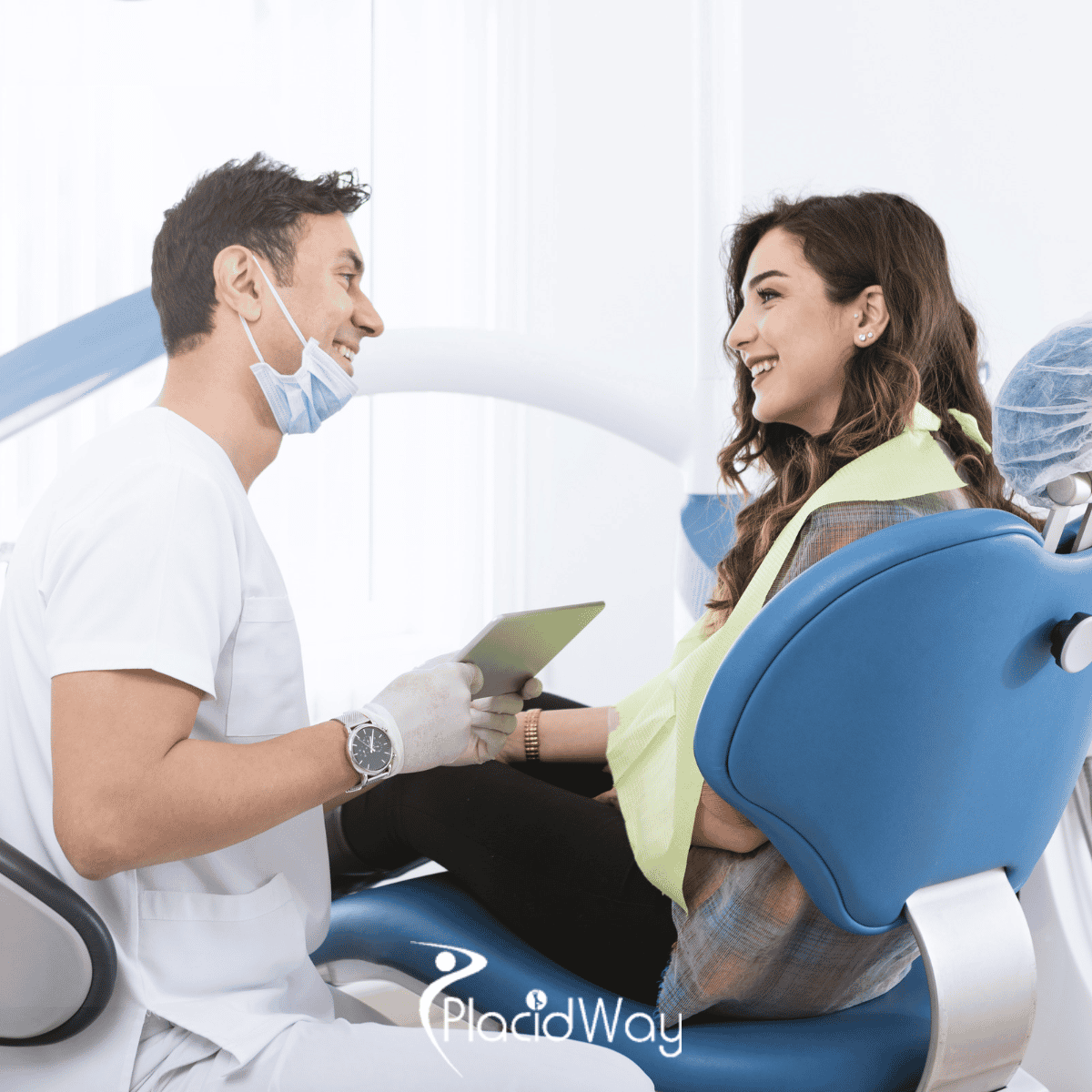
Price starting from $10,745
Full-Arch Zirconia Restoration on Six Implants in Barcelona | CHC
CHC Clínica Dental in Barcelona, Spain
- Dentistry
Barcelona, Spain

Price starting from $6,200
Osstem All-on-6 Full Mouth - Removable Overdenture
TH Dental Clinic in Istanbul, Turkey
- Dentistry
Istanbul, Turkey
Dentistry Solutions Near You: Explore Top Medical Centers
Discover how Dentistry is transforming lives at leading medical centers in , Romania. Dive into center profile, specialties, doctors, reviews, etc. and explore the best options tailored to your needs in this region.

ClinicExpert - Multispecialty Hospital in Istanbul
Istanbul, Turkey
Phinova Clinics - Dental Clinic Izmir
Izmir, Turkey
DRGO Smile - Dental Clinic in Istanbul, Turkey
Istanbul, Turkey

ACIBADEM Bayındır Hospital
Istanbul,Ankara, Turkey
Transformative Dentistry Experiences: Dive into Procedure Insights
Discover the power of Dentistry through compelling patient experiences. Uncover detailed insights into procedures, recovery journeys, and life-changing results.



Price starting from $370
Dental Implants in Istanbul, Turkey
- Dental Implants,Dentistry
Istanbul, Turkey

Explore Dentistry: Stories, Testimonials, and Procedures
Watch in-depth videos covering everything from Dentistry success stories to detailed procedure explanations. Learn what to expect and hear from real patients.

The Story Behind Nicolo Zaniolo's New Smile: Exploring Cosmetic Dental Treatment and Smile Makeovers in Istanbul, Turkey
Dentistry
Natural Clinic - Aesthetics, Dental & Hair Clinic in Istanbul
Turkey

A Smile That Tells a New Story: Vitalina's Hollywood Smile Makeover in Istanbul, Turkey
Dentistry
ClinicExpert - Multispecialty Hospital in Istanbul
Turkey
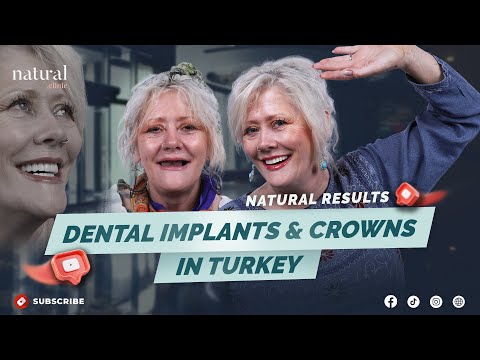
A Journey to a More Confident Smile: Dental Implant and Smile Restoration in Istanbul, Turkey
Dentistry
Natural Clinic - Aesthetics, Dental & Hair Clinic in Istanbul
Turkey
Learn More with These Dentistry Articles
Take a look at these interesting articles, stories and research that will help you learn more about Dentistry.

Dental Implants in Turkey: Cost & Complete Guide for Europeans
PlacidWay Medical Tourism
- Dentistry
Turkey

Romanian Medical World at Turning Point Because Doctors and Patients Exodus
PlacidWay Medical Tourism
- Dentistry
Romania