


Contents
Why Should You Get Dental Implants in Istanbul, Turkey?
Istanbul has rapidly transformed into arguably the world's leading destination for dental tourism. Situated at the crossroads of Europe and Asia, this vibrant metropolis offers a unique proposition: premium European-standard dentistry at prices that are accessible to almost everyone. For patients in the UK, Europe, and the US facing prohibitive costs for restorative dentistry, Istanbul is the ultimate solution.
When you choose Dental Implants in Istanbul Turkey, you aren't compromising on quality for cost. The city boasts ultra-modern dental hospitals equipped with 3D Tomography, CAD/CAM technology, and in-house laboratories that can fabricate crowns in a single day. Turkish dentists are renowned for their technical skill and aesthetic eye, frequently using top-tier global implant brands like Straumann, Nobel Biocare, and Osstem.
The experience is often described as a "Dental Holiday." Clinics provide a VIP experience that includes luxury transfers, 5-star hotel stays, and personal translators, all woven into a trip where you can enjoy the Bosphorus views and historic Hagia Sophia between appointments.
Whether you need a single tooth replaced or a full-mouth restoration with All-on-4 implants, Istanbul offers a path to a perfect smile that is efficient, affordable, and executed with world-class expertise.
The "Hollywood Smile" Trend
Istanbul is famous for the "Hollywood Smile Makeover." While implants provide the structural foundation, many patients combine this with Zirconia crowns or E-Max veneers to achieve a flawless, bright white aesthetic. Turkish labs are masters at creating this look quickly, often completing a full smile design in just 5 to 7 days.
Key Insights at a Glance
Save up to 70% compared to UK/US prices. An implant that costs £2,000 in London might cost £400 in Istanbul.
Clinics use internationally recognized, FDA/CE approved brands like Straumann, Nobel Biocare, and Osstem.
Most reputable clinics offer a lifetime guarantee on the implant screw itself, providing long-term peace of mind.
With in-house labs, wait times for prosthetics are minimal. Many procedures are completed in just two short visits.
Standard use of 3D volumetric tomography and guided surgery software for precise, painless implant placement.
Packages often include airport pickups, personal hosts, and accommodation, removing logistical stress.
A History of Hygiene
Turkey's emphasis on hygiene and wellness dates back centuries to the Ottoman Hamams. Today, this cultural obsession with cleanliness translates into spotless, sterile dental clinics that often feel more like high-end spas than medical facilities, adhering to strict ISO and JCI accreditation standards.
In Istanbul, "All-Inclusive" means total peace of mind. The clinics listed below offer comprehensive packages tailored for international guests. These bundles typically include your free consultation and X-rays, the implant surgery and abutment, airport transfers via VIP van, and 4-5 star hotel accommodation nearby. By bundling these services, clinics can offer incredible value, allowing you to focus on sightseeing and recovery rather than logistics.
Note: Flights are usually the only thing not included, but with Istanbul being a major hub, airfare is often very affordable.

Price starting from $500
Dental Implant Package in Istanbul, Turkey by ClinicExpert
ClinicExpert - Multispecialty Hospital in Istanbul
- Dentistry
Istanbul, Turkey

Price starting from $370
Dental Implants Istanbul Package by Novusklinik Turkey for a Confident Smile
Novusklinik Istanbul Turkey
- Dentistry
Istanbul, Turkey

Price starting from $7,500
Dental Implants Package in Istanbul, Turkey at Medical Park Dental Clinics
Medical Park Hospitals Group in Istanbul, Turkey
- Dentistry
Istanbul, Turkey
The financial incentive is the primary driver for dental tourism here. A standard titanium implant in the UK or US can cost between $2,000 and $3,000. In Istanbul, the same quality implant ranges from $350 to $700. For full mouth restorations like "All-on-4," the savings can exceed $15,000 to $20,000. The table below breaks down typical costs for single implants, crowns, and full-arch procedures.
Tip: Always confirm if the price includes the "abutment" and the "crown," or just the implant screw itself.
Dental Implants Centers Cost Comparison in Istanbul, Turkey
| Provider | Procedure | Price |
|---|---|---|
| ClinicExpert - Multispecialty Hospital in Istanbul | Dental Implants, Dentistry | $275 |
| Novusklinik Istanbul Turkey | Dental Implants, Dentistry | $370 |
Dental Implants Cost Comparison in Turkey
| Country | Procedure | Price |
|---|---|---|
| Canada | Dental Implants, Dentistry | $3000 |
| France | Dental Implants, Dentistry | $1570 |
| Germany | Dental Implants, Dentistry | $2750 |
| United States | Dental Implants, Dentistry | $3500 |
| United Kingdom | Dental Implants, Dentistry | $2500 |
Istanbul is home to hundreds of dental clinics, but quality varies. We have selected elite "Dental Hospitals" and specialized clinics in upscale districts like Ni?anta??, Levent, and Be?ikta?. These centers are characterized by their ISO certifications, English-speaking staff, and state-of-the-art infrastructure including 3D volumetric tomography devices. Browse the profiles to see facility photos and learn about their specific expertise in oral surgery.
Safety First: Choose clinics that have a full-time Oral Surgeon (Maxillofacial Specialist) on staff, not just general dentists.
Medical Park Hospitals Group in Istanbul, Turkey
Istanbul, Turkey
ClinicExpert - Multispecialty Hospital in Istanbul
Istanbul, Turkey
.png)
Novusklinik Istanbul Turkey
Istanbul, Turkey
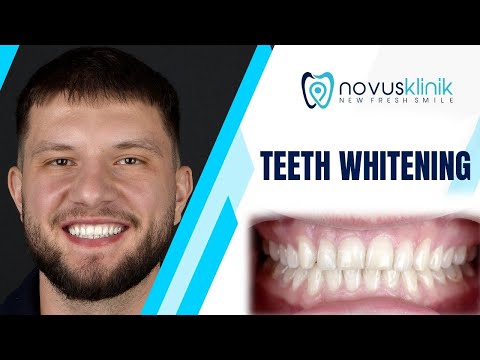
A smile speaks a thousand words. In the videos below, watch real patients reveal their new smiles and discuss their experiences. They talk about the painless nature of the procedure, the luxury of the clinics, and the joy of being able to eat properly again. These testimonials offer authentic insight into the quality of care and the life-changing results achievable in Istanbul.
Insight: Notice how many patients mention the friendly, welcoming nature of the Turkish staff, easing their dental anxiety.
Verified reviews consistently rank Istanbul as a top destination for dental work. Patients highlight the efficiency of the treatment plans, the high standard of hygiene, and the huge cost savings. Read through the feedback to learn about their experiences with specific doctors, the comfort of the partner hotels, and their overall satisfaction with their "Dental Holiday."
Review Tip: Look for reviews that mention long-term follow-up and how the implants have held up over years.

What Are The Qualifications and Experience of Turkish Dentists?
As Turkey solidifies its reputation as a premier destination for world-class dental care, a primary question for prospective patients is: what are the qualifications and experience of Turkish dentists? When traveling abroad for medical procedures, it's natural and wise to seek assurance about the expertise of the professionals who will be performing your treatment. The affordability of dental work in Turkey can sometimes lead to the misconception that the standards of care or the dentists' qualifications might be lower. However, the reality is quite the opposite. The Turkish dental education system is robust, highly regulated, and aligned with international standards, producing a generation of highly skilled and experienced practitioners. The journey to becoming a licensed dentist in Turkey is a long and demanding one, involving years of intensive academic study and hands-on clinical practice. Furthermore, the system for specialization is equally rigorous, requiring dentists to pass competitive national exams and dedicate several more years to advanced training in specific fields like oral surgery, prosthodontics, or orthodontics. This commitment to education is bolstered by a strong regulatory framework overseen by the Turkish Ministry of Health and the Turkish Dental Association (TDA). This guide will provide a comprehensive overview of the entire process, from university education to specialist training and ongoing professional development, giving you the confidence that you are in highly capable and expert hands when you choose a reputable dentist in Turkey. What is the standard educational path for a dentist in Turkey? "The standard educational path to become a dentist in Turkey is a comprehensive 5-year Master's degree program at a faculty of dentistry, which is an integrated program combining undergraduate and graduate level studies." The journey to becoming a dentist in Turkey begins with a highly competitive university entrance exam. Once admitted to a dental faculty, students embark on an intensive 5-year program. This is not equivalent to a simple bachelor's degree; it's a Master's level qualification (DDS or DMD) that integrates foundational sciences with advanced clinical skills. This single-tier system ensures that every graduate has a deep and thorough understanding of dental medicine from both a theoretical and a practical standpoint. Unlike some systems where a separate graduate degree is required after an undergraduate science degree, the Turkish model is a direct path. This allows for a focused and cohesive curriculum where students are immersed in dental sciences from day one. Upon successful completion of the five years and passing all requisite exams, graduates earn the title of "Di? Hekimi" (Dentist). How rigorous is the dental curriculum in Turkish universities? "The dental curriculum is extremely rigorous, with the first two years focused on preclinical theoretical sciences like anatomy and pharmacology, and the final three years dedicated to intensive, hands-on clinical training on actual patients." The 5-year program is strategically divided to build a strong foundation before moving to complex practical applications. The structure typically looks like this: Years 1-2 (Preclinical): Students delve into fundamental medical and dental sciences. This includes anatomy, physiology, biochemistry, pharmacology, pathology, and dental anatomy. This phase provides the essential scientific knowledge required to understand oral health and disease. Year 3 (Transition): This year serves as a bridge, where students begin practical work on phantom heads and models in simulation labs while continuing advanced theoretical coursework. They start to learn the manual dexterity and techniques for procedures like fillings and crowns. Years 4-5 (Clinical): These years are spent in university dental hospitals or affiliated clinics. Students work directly with patients under the close supervision of experienced professors and specialists. They rotate through all departments—prosthodontics, periodontics, endodontics, surgery, etc.—gaining comprehensive, real-world experience in diagnosing and treating a wide variety of dental issues. Are Turkish dental degrees recognized internationally? "Yes, dental degrees from Turkish universities are recognized in many countries worldwide, especially throughout Europe, as the curriculum is aligned with the Bologna Process, ensuring compatibility with European higher education standards." The Bologna Process is a series of agreements between European countries to ensure comparability in the standards and quality of higher-education qualifications. Turkey is a full member of this process. This means that its university system, including its dental faculties, is structured to be compatible with those across Europe. This alignment facilitates academic and professional mobility for graduates. While direct registration in another country always depends on that specific country's dental board regulations (and may require passing local licensing exams), the foundational degree from a reputable Turkish university is well-respected. Many Turkish dentists use this strong educational base to pursue further training or fellowships in the USA, UK, Germany, and other leading nations, further enhancing their global credentials. How do Turkish dentists specialize in fields like oral surgery or implantology? "To become a specialist, a general dentist must pass a highly competitive national examination called the DUS (Di?hekimli?i Uzmanl?k S?nav?) and then complete an additional 3 to 4 years of full-time hospital-based training in their chosen specialty." Graduating with a 5-year dental degree makes you a general dentist. To earn the title of "Specialist," such as an Oral and Maxillofacial Surgeon or a Prosthodontist, is a separate and even more demanding path. The DUS exam is the gateway to this advanced training. It's a challenging, centralized exam, and only the highest-scoring candidates gain entry into the limited number of specialty training positions available at university hospitals. This specialty training is not a part-time course; it is a full-time residency. For instance, an aspiring oral surgeon will spend four years working exclusively in a hospital's surgery department, performing complex procedures from wisdom tooth extractions to advanced dental implant placements and bone grafting, all under the mentorship of senior surgeons. This ensures that a certified specialist has an incredibly deep level of knowledge and practical experience in their specific field. What are the most common dental specialties in Turkey? "The officially recognized dental specialties in Turkey include Oral and Maxillofacial Surgery, Prosthodontics, Orthodontics, Periodontology, Endodontics, Pedodontics (Pediatric Dentistry), and Oral Diagnosis and Radiology." When you seek treatment at a high-quality Turkish clinic, you will often find a team of different specialists. This multidisciplinary approach ensures you receive care from a dentist with the most advanced training for your specific needs. Here’s what some of these specialists do: Oral and Maxillofacial Surgeon: The expert for all surgical procedures, including placing dental implants, performing bone grafts, sinus lifts, and complex extractions. Prosthodontist: The specialist in restorative dentistry. They are experts in designing and fitting crowns, bridges, veneers, and dentures, essentially "rebuilding" a smile. Periodontist: The specialist for gum health. They treat gum disease and may also place dental implants, focusing on the health of the supporting bone and gum tissues. Endodontist: The expert on the inside of the tooth, specializing in root canal treatments. Orthodontist: The specialist for aligning teeth and jaws using braces or clear aligners. Is it mandatory for dentists in Turkey to be licensed? "Yes, it is absolutely mandatory. To practice dentistry legally in Turkey, every dentist must be registered with the Turkish Ministry of Health and be a member of the Turkish Dental Association (TDA)." There is no legal way to practice dentistry in Turkey without being officially licensed and registered. This is a crucial patient protection measure. The process involves verifying the dentist's university diploma and ensuring they have no professional or legal impediments to practicing. This registration is a public record and provides a fundamental layer of assurance for patients. Any reputable clinic will be transparent about the registration of its dentists. You have the right to ask for a dentist's registration details, and a trustworthy provider will have no hesitation in sharing this information. This system ensures a baseline of verified qualifications for every practicing dentist in the country. What is the role of the Turkish Dental Association (TDA)? "The Turkish Dental Association (TDA) is the main professional and regulatory body for dentists in Turkey. It oversees ethical standards, promotes continuous education, and advocates for the profession and public oral health." The TDA plays a vital role in maintaining the high standards of dentistry in Turkey. Membership is compulsory for all practicing dentists. The association is responsible for several key functions: Ethical Guidelines: It sets and enforces the code of professional ethics that all dentists must follow. Continuing Education: The TDA organizes and promotes congresses, seminars, and courses to ensure dentists stay up-to-date with the latest advancements in dental technology and techniques. Public Health Initiatives: It works to improve the nation's oral health through public awareness campaigns. Professional Advocacy: It represents the interests of dentists and works with the Ministry of Health on regulations and policies. How much experience do dentists in popular Turkish clinics typically have? "Dentists in clinics that cater to international patients often have extensive experience, treating a high volume of cases that allows them to hone their skills rapidly, particularly in complex procedures like full mouth restorations and dental implants." Experience is not just measured in years, but in the number and complexity of cases handled. Because Turkey is a hub for dental tourism, top clinics perform a vast number of procedures like dental implant placements and smile makeovers every year. An oral surgeon in a busy Turkish clinic might place hundreds, if not thousands, of implants annually—a volume that a dentist in a smaller local practice elsewhere might not see in a decade. This high case volume leads to a deep level of practical expertise and efficiency. They become masters of their craft, comfortable with a wide range of clinical scenarios and adept at achieving predictable, high-quality results. This hands-on experience is one of the most significant, yet often overlooked, advantages of seeking treatment from a specialist in a major Turkish dental center. Do Turkish dentists have international training or certifications? "Yes, it is very common for leading Turkish dentists, especially specialists, to have pursued additional training, fellowships, or certifications from prestigious institutions in Germany, the USA, the UK, and other European countries." The best dentists are committed to lifelong learning. Many of Turkey's top dental professionals actively seek out international training to complement their domestic education. They attend global conferences, participate in workshops with world-renowned experts, and become members of international dental organizations like the International Team for Implantology (ITI) or the American Academy of Cosmetic Dentistry (AACD). This pursuit of international knowledge ensures they are proficient in the very latest global techniques and treatment philosophies. When choosing a dentist, you can often see these international certifications proudly displayed on their clinic's website or in their office. This is a strong indicator of a dentist who is dedicated to providing care at the highest possible global standard. What should I look for to verify a dentist's qualifications? "To verify a dentist's qualifications, you should ask for their university diploma, specialization certificate if applicable, their Turkish Dental Association (TDA) registration number, and look for memberships in reputable international dental organizations." A reputable clinic and a confident dentist will be fully transparent about their credentials. Don't be hesitant to ask for this information. Specifically, you can look for: University Diploma: Verifies their 5-year dental degree. Specialization Certificate: If they claim to be a specialist (e.g., Oral Surgeon), they must have a certificate from the university hospital where they completed their 3-4 year residency. TDA Membership: Confirmation of their license to practice in Turkey. International Certifications: Look for certificates from well-known implant companies (e.g., Straumann, Nobel Biocare) or international dental societies, which show advanced training. Ready to connect with highly qualified and experienced dentists in Turkey? PlacidWay provides access to a network of pre-vetted, accredited clinics with proven track records. Find the right specialist for your needs and get a free, no-obligation quote for your treatment plan. Your journey to a confident smile begins with a trusted expert!
What Are the Sanitation Standards in Dental Clinics in Turkey for Germans?
When considering dental treatment abroad, one of the primary concerns for any patient is the standard of hygiene and safety. Turkey has rapidly emerged as a leading destination for dental tourism, attracting thousands of international patients each year. This popularity isn't just due to the affordable prices but also because of the high-quality care and stringent hygiene standards in dental clinics in Turkey. Many potential patients wonder if the lower cost means a compromise on cleanliness and safety. The reassuring answer is no. In fact, top-tier Turkish dental clinics often rival or even exceed the standards found in Western Europe and the United States. The Turkish Ministry of Health, along with various dental associations, has established a robust framework to ensure patient safety. This includes mandatory sterilization protocols, regular inspections, and the use of modern, state-of-the-art equipment. For anyone considering getting their dental work done in Turkey, understanding these standards is crucial for peace of mind. This guide will delve deep into what you can expect in terms of hygiene, the regulations in place, and how you can verify the credentials of a clinic to ensure you are in safe hands. From the moment you step into a reputable clinic, you should observe a clean, professional environment that prioritizes your well-being above all else. How are dental clinics in Turkey regulated for hygiene? "Dental clinics in Turkey are regulated by the Turkish Ministry of Health, which sets and enforces strict guidelines for hygiene, sterilization, and patient safety, often in line with international standards." Ministry of Health Oversight: The Turkish Ministry of Health is the primary regulatory body for all healthcare facilities, including dental clinics. They conduct regular and unannounced inspections to ensure compliance with national health and safety regulations. Turkish Dental Association (TDA): The TDA also plays a crucial role in upholding professional standards. Membership in the TDA requires adherence to a strict code of ethics and practice, which includes hygiene protocols. International Accreditations: Many leading clinics in Turkey voluntarily seek international accreditation from bodies like the Joint Commission International (JCI) or ISO (International Organization for Standardization) to demonstrate their commitment to global quality standards. This is a strong indicator of a clinic's dedication to excellence. Mandatory Protocols: Regulations mandate specific protocols for everything from instrument sterilization to waste disposal. This ensures a consistent level of hygiene across all licensed facilities. What sterilization methods are used in Turkish dental clinics? "Reputable Turkish dental clinics use advanced sterilization methods, primarily autoclaving, to ensure all instruments are free from bacteria, viruses, and other pathogens, following international best practices." Autoclaving: This is the gold standard for sterilization in dentistry worldwide. An autoclave uses steam under high pressure and temperature to kill all microorganisms, including spores. Every reputable clinic in Turkey will have at least one, often more, of these machines. Chemical Sterilization: For instruments that cannot withstand the high temperatures of an autoclave, clinics use chemical solutions (cold sterilization) that are approved for medical use. Disposable Instruments: To further minimize any risk of cross-contamination, clinics make extensive use of single-use items like needles, gloves, masks, and suction tips. These are disposed of immediately after being used on a single patient. Surface Disinfection: All surfaces in the treatment room, including the dental chair, countertops, and light handles, are thoroughly disinfected with hospital-grade cleaning agents between each patient appointment. Are Turkish dentists trained in infection control? "Yes, Turkish dentists and their clinical staff undergo rigorous training in infection control and hygiene protocols as part of their formal education and ongoing professional development requirements." University Education: Dental education in Turkey is a comprehensive five-year program, which includes detailed coursework and practical training on microbiology, cross-contamination, and infection control. Continuing Professional Development (CPD): Dentists are required to participate in ongoing education to maintain their licenses. These courses often include updates on the latest hygiene practices and technologies. Staff Training: It's not just the dentists; the entire clinical team, including dental assistants and hygienists, receives regular training on maintaining a sterile environment. Adherence to Protocols: In a professional clinic, you will observe the staff consistently wearing personal protective equipment (PPE) like gloves, masks, and eye protection, and following hand hygiene protocols meticulously. How can I verify a clinic's hygiene standards before my visit? "You can verify a clinic's hygiene standards by checking for international accreditations, reading patient reviews, asking for photos or virtual tours of their sterilization area, and directly questioning them about their protocols." Check for Accreditations: Look on the clinic's website for logos of accrediting bodies like JCI, ISO, or national health tourism certifications. Don't hesitate to ask for proof of these certifications. Read Patient Reviews: Look for detailed reviews on independent platforms that mention cleanliness and the clinic's environment. Past patients often comment on the hygiene standards they observed. Virtual Consultation: Many clinics offer virtual consultations. Use this opportunity to ask specific questions about their sterilization processes. You can even ask for a video tour of their facilities. Ask Direct Questions: A reputable clinic will be transparent and happy to answer your questions. Ask them: "What type of autoclave do you use?" or "How do you ensure surfaces are disinfected between patients?" Their willingness and ability to answer confidently is a good sign. What should I look for when I first visit a dental clinic in Turkey? "Upon visiting a dental clinic in Turkey, look for a clean and organized environment, staff wearing appropriate personal protective equipment (PPE), and the use of sealed, sterile instrument pouches for your treatment." Overall Cleanliness: The reception area, waiting room, and restrooms should be spotless. This is often a good first indicator of the clinic's overall attention to detail. Sterile Instrument Packs: For your treatment, the dentist or assistant should open a sealed, sterilized pouch of instruments in front of you. This confirms that the tools have been through the autoclave and have not been exposed to the open air. Use of PPE: Ensure your dentist and their assistant are wearing fresh gloves and masks for your procedure. They should change gloves if they touch anything non-sterile, like a computer keyboard. Modern Equipment: While not a direct measure of hygiene, modern and well-maintained equipment often correlates with a clinic that invests in high standards across the board. Is the water used in Turkish dental units safe? "Yes, high-quality dental clinics in Turkey use distilled or specially filtered water in their dental units to prevent contamination and ensure patient safety during procedures." Closed Water Bottle Systems: Modern dental chairs are equipped with their own self-contained water systems. This means they don't use tap water directly. Instead, they use bottles of distilled or purified water, eliminating the risk of contamination from municipal water lines. Regular Flushing: The water lines within the dental unit are regularly flushed and disinfected according to a strict schedule to prevent the buildup of biofilm. Quality Control: This is a standard practice in any modern dental clinic, and it's a key part of infection control that reputable Turkish clinics take very seriously. What about the disposal of dental waste? "Dental clinics in Turkey follow strict regulations for the disposal of medical waste, using designated biohazard containers and specialized disposal services to protect public health and the environment." Segregation of Waste: All waste is carefully segregated at the point of use. Sharps (like needles and blades) go into puncture-proof containers, while items contaminated with blood or saliva go into special biohazard bags. Licensed Disposal Companies: This medical waste is not disposed of with regular trash. Clinics have contracts with licensed companies that specialize in the safe collection, transport, and incineration of hazardous medical materials. Environmental Responsibility: Following these protocols is not just about patient safety within the clinic; it's a legal and ethical responsibility to protect the wider community and the environment. Are hygiene standards the same in all Turkish dental clinics? "No, hygiene standards can vary. While top-tier clinics catering to international patients typically have exemplary standards, it is crucial for patients to research and choose accredited and well-reviewed clinics." Do Your Research: The rise of dental tourism means there are many new clinics, and quality can differ. It is essential to choose a clinic with a long-standing reputation and proven track record. Focus on Accredited Clinics: Prioritize clinics that have invested in international accreditations. This is a reliable benchmark for quality and safety. Price vs. Quality: While Turkey offers excellent value, be wary of prices that seem too good to be true. Extremely low prices might indicate cuts in other areas, such as materials or hygiene protocols. The best value comes from finding a clinic that offers a fair price for high-quality, safe treatment. Trust Your Instincts: If a clinic is not transparent, is slow to respond to your questions about safety, or you see any red flags, it is best to look elsewhere. How has COVID-19 impacted hygiene protocols in Turkish dental clinics? "The COVID-19 pandemic led to even more stringent hygiene protocols in Turkish dental clinics, including enhanced air purification, patient screening, and increased use of personal protective equipment (PPE)." Enhanced PPE: Many clinics have made higher-level masks (like FFP2/N95) and face shields standard for their staff. Patient Screening: Expect to be asked screening questions about your health and have your temperature checked upon arrival. Air Purification: Top clinics have invested in high-efficiency particulate air (HEPA) filtration systems to continuously clean the air and reduce the presence of airborne pathogens. Social Distancing: Appointment scheduling has been adjusted to minimize the number of people in the waiting room at any one time. What is the role of technology in maintaining hygiene? "Modern technology, such as digital scanners and CAD/CAM systems, plays a significant role in hygiene by reducing the number of physical impressions and materials needed, thus minimizing potential cross-contamination points." Digital Impressions: Intraoral scanners create a 3D model of your teeth without the need for messy and reusable impression trays. This is more comfortable for the patient and inherently more hygienic. CAD/CAM Dentistry: Computer-Aided Design/Computer-Aided Manufacturing allows for crowns and veneers to be made in-house, reducing the risk of contamination that can occur when sending work to an external lab. Automated Cleaning Systems: Many clinics use washer-disinfectors to pre-clean instruments before they are placed in the autoclave, ensuring a more effective sterilization process. Are there specific hygiene requirements for surgical procedures like implants? "Yes, surgical procedures like dental implants are performed in a dedicated, sterile environment, often a specific operating room, with the highest level of aseptic technique to prevent surgical site infections." Sterile Operating Field: For implant surgery, the patient is draped with sterile cloths, and the surgeon and assistant wear sterile gowns and gloves. Single-Use Drills: Many components of the implant placement kit, including the final drills, are often single-use to guarantee sterility. Aseptic Technique: The team follows a strict protocol to ensure that nothing non-sterile comes into contact with the surgical site. This is the same standard of care you would expect in a hospital operating theatre. What if I have a concern about hygiene during my treatment? "If you have any hygiene concerns during your treatment, you should feel comfortable raising them immediately with the clinic's staff or your patient coordinator. A professional clinic will take your concerns seriously and address them." Speak Up: Your safety is the priority. Do not hesitate to ask a question or point something out if it worries you. For example, if you don't see your dentist change their gloves, it's okay to politely ask them to. Patient Coordinators: Clinics that cater to international patients have coordinators who are your point of contact. They are there to ensure you are comfortable and can address any issues on your behalf. Right to Refuse: Ultimately, you are in control of your treatment. If you are not satisfied with the hygiene standards or the response to your concerns, you have the right to stop the procedure. Ready to explore safe and high-quality dental care in Turkey? Explore PlacidWay to find accredited clinics, read patient reviews, and get personalized quotes for your dental treatment. Your journey to a new smile starts with a choice you can trust.
What Are The Risks of Dental Tourism in Turkey for German Patients?
The idea is tempting: a brilliant new smile at prices often 50-70% below German cost estimates, combined with a sunny holiday in Istanbul or Antalya. Dental tourism in Turkey has become a seemingly perfect solution for many German patients. Every year, thousands travel to get dental implants, crowns, or veneers. Clinics advertise with all-inclusive packages, state-of-the-art technology, and English-speaking support. But behind the glossy brochures and positive testimonials, there are also significant risks that often only become apparent when something goes wrong. For German patients, it is crucial to see not only the obvious cost advantages but also to understand the potential disadvantages and dangers. What happens if the new crowns don't fit or an implant gets infected? Who covers the cost of follow-up treatment? Does German or Turkish law apply? The risks of dental treatment in Turkey are diverse, ranging from medical complications and legal gray areas to unexpected follow-up costs. Thorough research and careful planning are essential to ensure that the journey to a dream smile doesn't end in a nightmare of pain, disappointment, and financial loss. This guide is intended to help you make an informed decision. What are the biggest risks of dental treatment in Turkey? The biggest risks include difficult or impossible aftercare in Germany, unclear liability and warranty issues under Turkish law, variable quality and hygiene standards, and the risk of treatment errors due to overly fast or aggressive procedures. While many treatments are successful, the potential pitfalls should not be underestimated. A central problem is aftercare. German dentists are not obliged to correct the work of a Turkish colleague and often refuse to do so for liability reasons. This means you would have to travel to Turkey again for any corrections, which incurs additional costs and time. Another significant risk lies in the legal framework. In the event of malpractice, Turkish law generally applies, which makes enforcing claims for damages extremely difficult for German patients. Language barriers, the need for a Turkish lawyer, and high litigation costs often present insurmountable hurdles. Furthermore, the two-year warranty, as is common in Germany, is not always provided in Turkey or is difficult to enforce. Medical Risks: Infections, nerve damage, ill-fitting dental prosthetics, implant loss. Quality Risks: Use of inferior materials, overly aggressive grinding of healthy tooth structure. Financial Risks: Unexpected follow-up costs for corrections, travel and accommodation costs for follow-up treatments. Legal Risks: Difficult legal enforcement, unclear warranty claims. How big is the price difference really? The price difference can be substantial, often 50-70% cheaper than in Germany. However, patients must include the total costs, including flights, accommodation, food, and potential costs for follow-up treatments, in their calculation. The lower prices are the main reason for dental tourism in Turkey. They result from lower labor and laboratory costs, as well as lower operating costs for the clinics. A high-quality dental implant, which can cost between €2,500 and €4,000 in Germany including the crown, is often offered in Turkey for €800 to €1,500. However, it is important to make an honest overall cost calculation. Travel, accommodation, and food costs are always added to the treatment costs. Although many clinics offer packages that include a hotel and transfer, flights usually have to be booked separately. You should also budget for unforeseen expenses. If complications arise and a second or third trip becomes necessary, the savings can quickly be depleted. Treatment Average Cost Germany Average Cost Turkey Dental Implant (incl. crown) €2,500 - €4,000 €800 - €1,500 Zirconia Crown €800 - €1,200 €200 - €400 Veneer (per tooth) €700 - €1,500 €250 - €450 Do the quality and hygiene standards in Turkey meet German norms? The standards are not uniform. While there are many state-of-the-art clinics with international certifications (e.g., ISO, JCI) that meet or exceed German standards, there are also practices with poor hygiene and quality. Careful clinic selection is crucial. This is one of the most critical points. There is a wide range of clinics in Turkey. Some are excellent, have the latest technology (e.g., CAD/CAM manufacturing, 3D tomography), and adhere to strict international hygiene protocols. These clinics are often certified by organizations such as the Joint Commission International (JCI) or according to ISO standards and are in no way inferior to German practices. On the other hand, there are also "black sheep" that cut corners on staff, materials, and hygiene to offer even cheaper prices. Reports of inadequate sterilization, outdated equipment, and a lack of cleanliness are not uncommon. It is often difficult for patients to separate the wheat from the chaff from a distance. A missing or deficient hygiene management significantly increases the risk of infections and post-operative complications. What happens if complications arise after the treatment? If complications arise after returning to Germany, you are largely on your own. German dentists are not obliged to make corrections. As a rule, you have to travel to Turkey again for corrections and bear the associated costs. This is the biggest concern for many German patients. If pain, inflammation, or inaccuracies in fit only occur after returning, an often frustrating odyssey begins. Your dentist in Germany can perform emergency treatment (e.g., for an acute infection) but is not obliged to correct the dental prosthesis. Many refuse to do so because they would otherwise have to assume the warranty for the entire work. The Turkish clinic will probably offer to carry out the correction on-site "free of charge." However, you will have to bear the costs of flights and accommodation yourself. This puts the initial savings into perspective. A quick and uncomplicated solution, as you are used to from your dentist at home, does not exist in dental tourism. Who is liable for malpractice in Turkey? In cases of malpractice, the treating doctor or the clinic in Turkey is generally liable under Turkish law. However, enforcing claims for damages from Germany is extremely difficult, time-consuming, and expensive. The legal pursuit of malpractice is one of the biggest hurdles. You have to prove that the Turkish doctor violated medical standards. For this, you need an expert opinion, which often also has to be prepared in Turkey. The entire process must be conducted before a Turkish court and in the Turkish language. The chances of success are low for foreign patients. Even if you win the case, collecting the damages is often problematic. Professional liability insurance, which is mandatory for German doctors, is not always available to the same extent in Turkey. Patients are therefore often left with their costs and health damages. Is there a guarantee (warranty) on Turkish dental prosthetics? Many Turkish clinics advertise guarantees, often for 5 years or longer. However, the practical enforceability of this guarantee is often difficult and usually requires another trip to Turkey at your own expense for flights and accommodation. The generous-sounding guarantee promises are an important marketing tool. In contrast to the legally anchored two-year warranty in Germany, these are voluntary guarantees from the clinic. What exactly this guarantee covers and under what conditions it applies should be recorded in writing and in detail in the treatment contract. The main problem remains the practical implementation. If a crown breaks or an implant causes problems, you have to return to the clinic to claim the guarantee. The guarantee usually only covers the dental work and the material, but not the travel and incidental costs. Clarify in advance whether the clinic cooperates with a partner dentist in Germany, which is rarely the case. Will my German health insurance cover the costs? Statutory health insurance companies in Germany generally only reimburse the German fixed subsidy for standard care for treatments in Turkey. Private and supplementary insurance policies have different regulations that must be clarified in advance. Statutorily insured persons are entitled to the so-called fixed subsidy, regardless of where the treatment takes place within the EU (and in some agreement countries, which include Turkey). However, you must submit and have a treatment and cost plan approved by your health insurance company before the treatment. Reimbursement is often only made after the treatment is completed upon presentation of the invoices. It is important to understand that only the amount that would have been incurred in Germany for comparable standard treatment is reimbursed. The savings, therefore, result from the lower overall costs in Turkey. With private and supplementary dental insurance, the reimbursement depends heavily on the respective tariff. Be sure to clarify the cost coverage in writing with your insurance company in advance to avoid unpleasant surprises. How do I find a reputable and good dental clinic in Turkey? Research thoroughly: Look for independent reviews, before-and-after pictures, international certifications (JCI, ISO), and ask about the qualifications of the doctors. Be wary of pure advertising promises and extremely cheap offers. Choosing the right clinic is the most important step in minimizing risk. Do not rely solely on the clinic's website or the placement agency. Conduct your own comprehensive research. Reviews: Look for authentic, detailed testimonials on independent portals, in forums, and social media groups. Be skeptical of exclusively perfect reviews. Certificates: Ask for certificates such as ISO 9001 or a JCI accreditation. These signal high quality and safety standards. Doctors: Find out about the training and specialization of the treating doctors. How many years of experience do they have, especially with complex cases? Before-and-After Pictures: Ask for pictures of real patients with similar starting situations. Make sure the results look natural and do not just conform to the "Hollywood smile" ideal. Communication: Test the communication. Do you receive clear, understandable answers to your questions? Do you receive a detailed treatment and cost plan in English? Are the materials used (implants, crowns) of inferior quality? Not necessarily. Reputable Turkish clinics often use the same high-quality brand implants (e.g., Straumann, Nobel Biocare) and ceramics as German practices. Be sure to get a material passport that accurately documents the products used. The concern about inferior materials is justified, as this is where there is great potential for savings for disreputable providers. However, renowned clinics know that the longevity of dental prosthetics depends on the quality of the materials and therefore use internationally recognized brand products. Ask specifically about the manufacturers of the implants and crowns. A crucial point is the material passport (implant passport). Insist on receiving a document that provides a complete record of the manufacturer, type, size, and batch number of the implant or the ceramic used. This passport is not only proof of quality but is also essential for any subsequent treatments in Germany. Why are there often reports of "aggressive grinding" for veneers? To quickly achieve a perfect "Hollywood smile," teeth are sometimes aggressively ground down to small stumps and fitted with crowns instead of veneers. This unnecessarily destroys healthy tooth structure and can lead to long-term problems such as tooth nerve damage. This procedure is a serious risk in dental treatments in Turkey, especially for cosmetic corrections. Real veneers are wafer-thin ceramic shells for which the tooth is only minimally ground down (approx. 0.3-0.5 mm) on the front side. However, to enable quick and radical aesthetic changes or to conceal minor misalignments, some dentists grind the teeth down heavily and place crowns on them. This massive loss of healthy tooth structure is irreversible and carries high risks. The trauma can damage the tooth nerve and lead to inflammation or the death of the tooth, which necessitates a root canal treatment. Clarify exactly how much tooth structure will be removed before the treatment and whether you are really getting veneers or (full) crowns. Are you ready to minimize the risks and find a safe, high-quality dental treatment abroad? Choosing dental treatment abroad doesn't have to be risky. The key is to choose the right, certified, and trustworthy clinic. Discover PlacidWay to compare internationally accredited clinics, read authentic patient reviews, and plan your medical journey with confidence and security. For More Details on How to Avoid Dental Scams Read our Guide Here: How to Avoid Dental Scams in Turkey
Best Dental Implants in Istanbul Turkey: Discover Best Clinics
Dental implants are very popular now. If you want good quality and a good price, the best dental implants in Istanbul, Turkey, are a great choice. This article examines why dental implants and dental solutions are popular in Istanbul and how the dental tourism industry has grown in Turkey. We will discuss the growing demand for dental implants, the advantages they offer, and why Istanbul has become a preferred location for dental implant procedures.Additionally, we will look at the process of getting dental implants in Istanbul and share stories from people who have experienced this life-changing treatment. If you're thinking about dental implants or just want to know more about this growing industry, this article will give you important information about the popularity of dental implants in Istanbul. The Growing Demand for Dental Implants The Cost of Dental Implants in Turkey One of the main reasons for the rise of dental implants in Istanbul is the dental implants cost. In countries like the United States, the average cost of a single dental implant can range from $3,000 to $4,500. This high cost can be a barrier for many people seeking dental implant procedures. In comparison, the cost of dental implants in Istanbul can be up to 70% cheaper. Prices range from $200 to $1,220 per tooth, making it a budget-friendly option for improving your smile.T his significant cost difference has made Istanbul a popular destination for those seeking affordable dental implant options. The Advantages of Dental Implants Besides being expensive, dental implants have many benefits compared to dental restoration, dentures or bridges. Dental implants are a permanent solution that can last a lifetime with proper care. They also look and feel like natural teeth, making them a more comfortable and aesthetically pleasing option. Dental implants are low-maintenance as they don't need any special care. Unlike dentures, they don't require regular removal and cleaning. This convenience and long-term benefits have contributed to the growing demand for dental implants in Istanbul. List of Top 5 Board Certified Dental Clinics in Istanbul Here is a list of top 5 dental clinics in Istanbul, Turkey, dental experts for providing dental implant services: Bergedent Clinic? Optimed International Hospital Tower Dental Clinic Zeynep Isilay Kaya Academic Hospital These clinics are known for providing excellent dental care. They have expert dentists, modern facilities, and are specialized in dental treatments.However, please note that this list is not exhaustive, and there are many other reputable dental clinics in Istanbul. When choosing a dental clinic, consider factors such as the dentists' expertise, the reputation of the clinic among people, and the cost of the procedure.You should speak directly to the clinic to find out more about their services and talk about what you need. I hope this information helps you in your search for dental clinics in Istanbul for dental implants. Why Istanbul? High-Quality Dental Care Istanbul has a long history of providing high-quality dental care and affordable implants. The city is home to numerous dental clinics and hospitals that offer state-of-the-art facilities and equipment. Some clinics have dentists from other countries who are skilled in new dental implant methods. Moreover, dental clinics in Istanbul adhere to strict hygiene and safety standards, ensuring that patients receive top-notch care. This combination of quality and affordability has made Istanbul a top choice for dental implant procedures. Tourism and Ease of Travelling to Istanbul Istanbul is a popular tourist destination for dental procedures, known for its rich history, culture, and stunning architecture. This makes it a good place for people who want dental implants and also want to go on vacation. Additionally, Istanbul is easily accessible from many countries, with direct flights available from major cities around the world. This accessibility has made it easier for international patients to travel to Istanbul for dental implant procedures. The Process of Getting Dental Implants in Istanbul Consultation and Treatment Planning The first step in getting dental implants in Istanbul is to schedule a consultation with a dental clinic. During this appointment, the dentist will examine your mouth and decide if you are a good fit for dental implants. If you are a good candidate, the dentist will then create a treatment plan tailored to your specific needs. This may include X-rays, 3D scans, and impressions of your teeth to ensure the implants are placed correctly. Implant Placement The next step is the actual implant placement procedure. Normally, this is done with numbing medicine, and the dentist will cut a small opening in the gum to reach the jawbone. The implant, which is a small titanium screw, will then be placed into the jawbone. After the implant is placed, the gum will be stitched back up, and a temporary crown may be placed over the implant. The healing process can take several months, during which the implant will fuse with the jawbone in a process called The merging process of the bone and implant is referred to as Bone bonding. Final Restoration Once the implant has fully fused with the jawbone, the final restoration can be placed. This is typically a custom-made crown that is attached to the implant, completing the dental implant procedure. Success Stories of Dental Implants in Istanbul Many patients who have traveled to Istanbul for dental implants have shared their success stories and positive experiences. John's Journey to Affordable Dental Implants in Istanbul Meet John, a patient who has been dealing with tooth loss for a long time. Unfortunately, he couldn't afford dental implants in his own country. After researching affordable options, John decided to travel to Istanbul for his dental implant procedure. He was impressed by the quality of care and the expertise of the dentists at the clinic he chose. Today, John is happy and grateful for the great and cheap chance he had in Istanbul that really transformed his life. Final Thoughts Dental implants in Istanbul are becoming more popular. This shows that the dental care there is good, affordable, and easy to get.Many people want dental implants, and they have heard good things about getting them in Istanbul. Istanbul is known for having good quality dental implants at a reasonable price. If you want to get dental implants, Istanbul might be a great choice for you. You can have the smile you've always wanted at a much lower price.Istanbul has lovely views, a vibrant culture, and excellent dental treatment. It's a special place to consider if you want dental implants.
Why Antalya is the Go-To Destination for Dental Tourism Among UK Patients
Antalya is the top destination for UK dental patients due to its combination of world class dental care, advanced technology, and affordable prices. Patients can save up to 70 percent on procedures while enjoying a beautiful Mediterranean setting. Key Takeaways: Dentistry Excellence in Antalya Massive Financial Savings: British citizens routinely save thousands of pounds on complex restorative work. Zero Waiting Times: Skip NHS backlogs and receive immediate attention from top tier specialists. Advanced Digital Precision: Centers utilize 3D CBCT scanners and in house CAD CAM milling machines. Dual Purpose Travel: Recover comfortably in a premier holiday destination renowned for Mediterranean hospitality. Guaranteed Materials: Access to globally certified materials like Straumann implants and E-max porcelain. How much do dental treatments in Antalya cost compared to the United Kingdom? British patients routinely save between fifty to seventy percent on full mouth restorations and cosmetic dentistry in Antalya compared to private UK clinics. These massive savings do not compromise the quality of materials or clinical expertise provided. The primary catalyst driving thousands of UK residents toward the Mediterranean coast is the extraordinary cost discrepancy in private oral healthcare. When comparing identical treatment plans utilizing the exact same premium European or American material brands, the financial difference is staggering. This price advantage is largely driven by favorable currency exchange rates, significantly lower commercial real estate costs, and government incentives designed to boost the healthcare sector. Procedure Type Average UK Price (£) Average Antalya Price (£) Estimated Savings Single Premium Implant £2,000 - £2,500 £450 - £700 Up to 70% Zirconium Crown £600 - £900 £150 - £250 Up to 75% All on 4 Full Arch £12,000 - £15,000 £3,500 - £5,000 Up to 65% It is vital to understand that lower prices do not equate to inferior clinical standards. Specialists in this region are heavily regulated and frequently undergo advanced training in Western Europe or the United States. The reduced overheads allow these modern centers to invest heavily in cutting edge diagnostic technology while still passing substantial financial benefits directly to the international patient. Furthermore, when assessing the overall value, one must consider that premium packages often include luxury hotel accommodations, VIP airport transfers, and dedicated bilingual translation services. Even after factoring in flight costs and spending money for a Mediterranean holiday, British citizens return home with world class smiles and thousands of pounds retained in their savings accounts. What makes a dental clinic in Antalya safe for international patients? The Turkish Ministry of Health strictly regulates every dental facility serving international patients to ensure exceptional hygiene and safety protocols. Clinics must maintain rigorous international accreditation standards to operate in the medical tourism sector. Strict Government Audits: Facilities possessing the official health tourism authorization certificate undergo frequent, unannounced inspections by governmental bodies to verify structural integrity, emergency readiness, and proper sterilization practices. Advanced Sterilization Hubs: Top tier centers employ hospital grade autoclaves and dedicated sterilization units. Instruments are vacuum sealed and barcoded to ensure zero risk of cross contamination between appointments. Highly Qualified Specialists: Maxillofacial surgeons, periodontists, and prosthodontists undergo grueling academic training. Many hold memberships in prestigious global organizations such as the International Congress of Oral Implantologists. Traceable Global Materials: Authorized providers only use verifiable, biocompatible materials. Every titanium fixture or porcelain block comes with an official certificate of authenticity containing unique serial numbers for global traceability. Comprehensive Preoperative Screening: Patient safety begins before the patient sits in the chair. Mandatory 3D volumetric scans, detailed medical history reviews, and blood tests ensure patients are physically suitable for invasive surgical interventions. Why is medical tourism in Turkey booming for British dental patients? The combination of zero waiting lists, affordable luxury, and immediate access to highly specialized dental surgeons drives this unprecedented growth. British citizens can bypass NHS delays and receive premium private care almost instantly. The landscape of healthcare in the United Kingdom has shifted dramatically over the past decade. With NHS dentistry facing severe backlogs and many practices entirely closing their doors to new public patients, individuals are forced toward expensive domestic private care. This crisis has positioned international healthcare travel not just as a luxury alternative, but as a practical necessity for those suffering from severe oral discomfort or aesthetic insecurities. Beyond the simple economics, the appeal lies in the holistic experience created by the host country. Traveling to a renowned Mediterranean resort city transforms a stressful medical intervention into a restorative holiday. Patients can enjoy world class hospitality, warm weather, and stunning coastal views between their clinical appointments, which vastly reduces the psychological anxiety typically associated with intensive oral surgery. Furthermore, the efficiency of the local healthcare model is a massive draw. What might require six months of staggered appointments in the UK can often be completed in a highly coordinated five day window abroad. Centers utilize immense internal resources, including multi disciplinary medical teams working simultaneously and dedicated in house ceramic laboratories, to expedite the restorative process without sacrificing microscopic precision. Did You Know? The city airport welcomes direct flights from almost every major UK airport daily during peak season. With a flight time of just over four hours, getting to your life changing appointment is incredibly convenient and completely hassle free. What are the most popular dental treatments in Turkey for UK citizens? Smile makeovers involving porcelain veneers, full arch implant rehabilitations, and aesthetic zirconium crowns are the most frequently requested procedures. These life changing treatments are completed in a fraction of the time required back home. Cosmetic smile makeovers dominate the itinerary for most younger British travelers. This comprehensive approach usually involves the strategic placement of E-max veneers or zirconium crowns across the entire visible smile line. Specialists work meticulously to correct severe discoloration, close unsightly gaps, and restore worn or chipped enamel, resulting in the brilliant, perfectly symmetrical aesthetic widely recognized in modern pop culture. For older patients, or those suffering from extensive tooth loss due to advanced periodontitis, full mouth rehabilitation is the primary objective. The All on 4 or All on 6 implant systems are exceptionally popular because they offer a permanent, fixed solution to traditional removable dentures. By anchoring a complete arch of custom crafted ceramic teeth onto strategically angled titanium roots, surgeons restore full biting force and total oral confidence. Additionally, localized restorative work remains in high demand. Single tooth replacement using premium titanium fixtures, complex root canal therapies utilizing endodontic microscopes, and laser assisted gum contouring are daily procedures. The ability to access multiple specialists under a single roof ensures that even the most complex multi disciplinary treatment plans are executed flawlessly. How long does a dental clinic in Turkey need to complete full restorations? Most cosmetic procedures require a single visit of five to seven days, while implant surgeries typically necessitate two separate visits spaced three to six months apart. The exact timeframe depends heavily on your specific clinical requirements and healing capacity. Cosmetic Smile Makeovers (1 Visit): Procedures involving crowns or veneers require just five to seven days. Day one involves tooth preparation and digital impressions, followed by lab fabrication, and finalizing with permanent bonding on day five. Implant Surgery Phase 1 (First Visit): The initial surgical placement of titanium roots takes approximately three to five days. During this short trip, the fixtures are surgically inserted, and temporary prosthetics are provided for aesthetics. The Osseointegration Period: Patients must return home for three to six months. This mandatory healing phase allows the jawbone to naturally fuse with the titanium surface, creating an unbreakable foundation for the permanent teeth. Prosthetic Fitting Phase 2 (Second Visit): The final trip lasts about a week. Specialists uncover the healed implants, attach custom abutments, and meticulously fit the permanent, custom milled ceramic crowns or full arch bridges. Expedited Options: While traditional healing is standard, certain patients with exceptional bone density may qualify for immediate load protocols, meaning teeth are extracted, roots are placed, and fixed bridges are attached in a single extended visit. What technology impacts the dental implants cost in Turkey and Antalya? State of the art facilities utilize volumetric tomography, digital intraoral scanners, and computer aided design systems for absolute precision. This modern approach eliminates messy traditional impressions and ensures perfectly fitting restorations. The technological landscape of premium healthcare facilities in this region mirrors or exceeds the standards found in high end London districts. The cornerstone of this high tech approach is the Cone Beam Computed Tomography scanner. This revolutionary imaging device creates a flawless three dimensional map of the skull, allowing surgeons to digitally plan nerve pathways and calculate optimal insertion angles long before the actual surgery begins, vastly increasing safety. Furthermore, the era of uncomfortable, gag inducing putty impressions is over. Modern specialists utilize digital intraoral wand scanners to capture millions of microscopic topographical data points inside the mouth within seconds. This digital mesh is instantly transmitted to highly sophisticated software where prosthodontists design your new smile virtually, analyzing bite mechanics and facial symmetry with mathematical perfection. Finally, the presence of integrated CAD CAM milling technology heavily influences both the speed and price of treatments. By designing and physically carving porcelain blocks in house rather than outsourcing to third party laboratories, facilities dramatically reduce external costs and turnaround times. This seamless digital workflow guarantees that custom zirconium teeth fit perfectly on the first try, minimizing the need for stressful adjustments. Expert Insight Surgical guides represent a massive leap in implantology. By 3D printing a custom surgical template based on computer scans, surgeons can place titanium fixtures through tiny, flapless incisions. This minimally invasive technique dramatically reduces tissue trauma, bleeding, and postoperative swelling for international patients. How do warranties protect your dental treatments in Antalya investment? Reputable facilities provide comprehensive warranties on their workmanship and lifetime guarantees on premium implant materials from global brands. Patients receive official certification documents detailing the exact batch numbers of their titanium fixtures. A common apprehension among British citizens considering healthcare abroad is the fear of being abandoned if complications arise after flying home. Ethical and accredited facilities directly counter this anxiety by offering robust, legally binding warranty structures. Premium titanium roots from industry leading Swiss or American manufacturers inherently come with lifetime global guarantees against material fracturing or structural failure. In addition to manufacturer warranties, high end centers typically provide generous clinic level guarantees on their prosthodontic craftsmanship. Zirconium crowns, E-max veneers, and ceramic bridges are generally covered for three to five years against unprovoked chipping, cracking, or bonding failure. If a legitimate failure occurs within this timeframe, the facility will repair or replace the restoration at zero clinical cost. However, patients must understand their responsibilities to maintain these warranties. Guarantees are universally contingent upon the patient adhering to strict postoperative instructions. This includes maintaining impeccable daily oral hygiene, wearing prescribed protective night guards to prevent bruxism damage, and attending routine check ups and professional cleanings with a local hygienist back in the United Kingdom. What is the recovery process after receiving dental treatments in Turkey? Recovery is carefully managed with prescribed anti inflammatory medications and specialized soft diet protocols to ensure maximum comfort. Most patients feel well enough to enjoy gentle sightseeing within forty eight hours of their surgical appointments. Immediate Postoperative Care: Right after surgery, patients are instructed to apply intermittent ice packs to the jawline to minimize inevitable facial swelling. Biting down on sterile gauze helps stop minor surgical bleeding quickly. Pain Management Protocols: Specialists provide a comprehensive pharmaceutical pack including targeted antibiotics to prevent deep tissue infection and strong anti inflammatory painkillers to manage postoperative aching. Strict Dietary Adjustments: For the first week, a strict soft food diet is mandatory. Soups, yogurts, and mashed vegetables prevent undue pressure on fresh surgical sites, while extremely hot or spicy liquids must be avoided to protect sensitive gums. Modified Oral Hygiene: Vigorously spitting or using harsh commercial mouthwashes is strictly forbidden initially. Patients are taught gentle saltwater rinsing techniques to keep the surgical areas clean without dislodging essential blood clots. Leisure Activity Guidelines: While lounging by the hotel pool is perfectly fine, heavy lifting, vigorous swimming, and excessive sunbathing must be paused to keep blood pressure stable and avoid triggering secondary bleeding. Why choose PlacidWay for your dental clinic in Antalya journey? PlacidWay serves as your dedicated medical advocate by connecting you exclusively with rigorously vetted and internationally accredited dental specialists. Our comprehensive platform ensures complete transparency and exceptional patient support throughout your healthcare journey. Rigorous Vetting Process: We carefully evaluate every partner facility for authentic medical credentials, verified safety records, and consistently high international patient satisfaction rates before allowing them into our network. Unbiased Provider Comparisons: Our intuitive platform empowers you to compare multiple top tier specialist centers, ensuring you find the absolute perfect clinical match for your highly specific anatomical needs. Transparent Pricing Structures: We mandate clear and detailed pre treatment cost estimates from our partners, utterly eliminating hidden surgical fees and ensuring financial peace of mind. Dedicated Patient Coordination: Our experienced facilitation team completely removes the stress of language barriers by ensuring flawless clinical communication between you and your chosen maxillofacial surgeon. Post Treatment Advocacy: Our commitment does not end when you leave the surgery chair. We remain actively available to assist with ongoing medical communication and long term follow up coordination. Frequently Asked Questions About Oral Surgery in the Mediterranean Is it safe to get dental implants in Antalya? Yes, receiving dental implants in Antalya is highly safe when you select a certified facility. The Turkish Ministry of Health strictly monitors these centers, requiring them to adhere to stringent international hygiene and sterilization protocols. Furthermore, top specialists utilize globally recognized and FDA approved titanium implant brands to ensure maximum biocompatibility and long term success for international patients. Do dentists in Antalya speak English fluently? The vast majority of specialists catering to international patients speak excellent English. Facilities dedicated to medical tourism also employ dedicated international patient coordinators who are native or highly fluent English speakers. These coordinators remain by your side throughout consultations and procedures to ensure seamless communication and absolute clarity regarding your personalized treatment plan. Will I experience pain during my dental procedures in Turkey? Your comfort is a primary priority during any restorative work. Specialists utilize highly effective local anesthetics to completely numb the treatment area before beginning any procedure. For patients with high anxiety or those undergoing extensive full mouth rehabilitations, many facilities also offer conscious sedation or general anesthesia administered by licensed anesthesiologists to ensure a completely pain free experience. Can I eat normally immediately after receiving porcelain veneers in Antalya? While you can eat shortly after the bonding cement cures, specialists strongly advise adhering to a soft food diet for the first few days. You should avoid biting into hard foods like apples, raw carrots, or crusty bread with your new front teeth to prevent accidental chipping. Once the initial adjustment period passes, you can resume a normal diet while maintaining mindful chewing habits. What happens if I have an emergency after returning to the United Kingdom? Reputable centers provide comprehensive international warranties on their restorative work and implants. If a genuine structural failure or medical emergency occurs related to the procedure, the original facility will typically cover the cost of remedial treatment. Many top tier providers also maintain collaborative networks with specific practices in the United Kingdom where you can receive immediate emergency assessments. How do I know if I am a suitable candidate for All on Four dental treatments in Turkey? Suitability is determined through comprehensive diagnostic imaging, specifically a 3D CBCT scan. This scan allows the maxillofacial surgeon to precisely evaluate your jawbone density, nerve pathways, and sinus cavity placement. Even if you have experienced significant bone loss, the angled placement technique of the All on Four system often eliminates the need for complex bone grafting, making it suitable for most patients. Are zirconium crowns better than traditional porcelain crowns for international patients? Zirconium crowns offer superior strength and aesthetics compared to older metal fused porcelain crowns. Because zirconium is naturally white and highly translucent, it mimics the light reflecting properties of natural enamel perfectly without leaving a dark line at the gums. Additionally, zirconium is exceptionally durable and biocompatible, making it the preferred choice for both anterior and posterior dental restorations. Can I sunbathe and swim after my dental surgery in Antalya? Direct sun exposure and swimming should be avoided immediately following invasive oral surgeries like extractions or implant placements. Heat can increase blood flow and exacerbate facial swelling, while pool or sea water introduces a risk of bacterial infection to open surgical sites. Specialists generally advise waiting at least three to five days before engaging in any strenuous holiday activities or swimming. How long do dental implants placed in Turkey actually last? When placed by a skilled maxillofacial surgeon and maintained with excellent oral hygiene, the titanium implant posts are designed to last a lifetime. The visible prosthetic crowns or bridges attached to the implants experience daily wear and tear and may require replacement after ten to fifteen years. Regular brushing, flossing, and routine check ups are essential to prevent gum disease and protect your investment. Do Turkish dental clinics accept British credit cards for payment? Yes, all major international credit and debit cards, including Visa and Mastercard, are widely accepted at modern healthcare facilities. Many British patients choose to pay using travel friendly bank cards that offer favorable currency exchange rates. You can also securely pay via international bank transfer before your arrival, ensuring all financial matters are settled smoothly without the need to carry large amounts of cash. Start Your Complete Smile Transformation Today Do not let local waiting times or prohibitive costs keep you from achieving the perfect smile you deserve. PlacidWay connects you with globally accredited, highly rated dental specialists in Antalya. Receive a personalized clinical assessment and unlock exclusive treatment packages tailored to your specific anatomical needs. Get Your Free Quote * Patient privacy is absolutely guaranteed. Expect a specialized response within 24 hours.
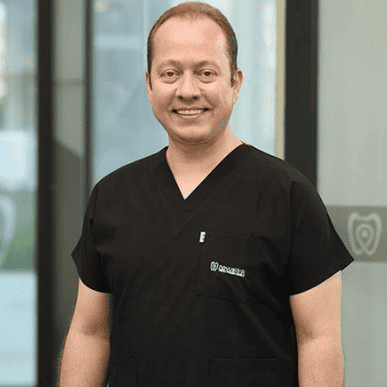
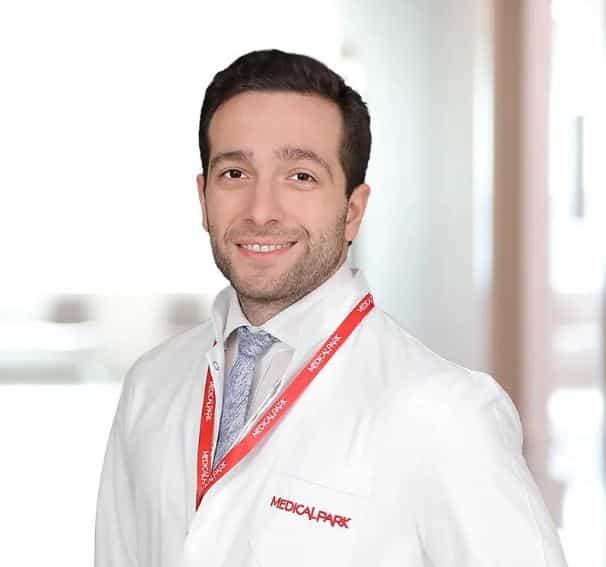
The skill of your dentist is just as important as the brand of the implant. We feature top-rated Oral Surgeons and Prosthodontists in Istanbul who have years of experience with complex cases. These specialists perform thousands of implant procedures annually, ensuring a level of expertise that is hard to find in general practice.
Specialized Oral Surgeons
Experts in Maxillofacial Surgery
Unlike general dentists, our recommended specialists often hold advanced degrees in Maxillofacial Surgery. This qualification is crucial for placing implants, especially in complex cases requiring bone grafting or sinus lifts.
Aesthetic Dentists
Smile Design Masters
For the visible part of the tooth (the crown), you need an artist. Turkish aesthetic dentists are famous for Digital Smile Design (DSD), allowing them to custom-craft a smile that suits your face shape perfectly, rather than a generic "chiclet" look.
High-Volume Experience
Thousands of Successful Cases
Experience matters. The top implantologists in Istanbul place thousands of implants per year. This high volume gives them the proficiency to handle complications effortlessly and ensures a smoother, quicker procedure for you.
Unrivaled Cost-Benefit Ratio
Turkey offers the "sweet spot" of dental tourism: high-end European standards at a fraction of the cost.
Lower operational costs, favorable exchange rates, and government incentives allow clinics to offer premium implants (Straumann, Nobel) for 70% less than in the UK or US, without compromising on hygiene or technology.
Advanced Technology Adoption
Istanbul's dental sector is incredibly competitive, driving clinics to invest in the very latest technology to attract patients.
It is standard to find clinics equipped with panoramic X-rays, 3D volumetric tomography, laser dentistry, and in-house CAD/CAM milling machines, often surpassing the equipment found in local neighborhood dentists abroad.
The "Dental Holiday" Appeal
Istanbul is one of the world's most visited cities, offering a stunning mix of history, culture, and cuisine.
Patients can combine their treatment with a vacation—visiting the Grand Bazaar or taking a Bosphorus cruise between appointments. The excellent hospitality infrastructure makes the entire medical journey feel more like a leisure trip.
Don't let the cost of dentistry keep you from smiling. PlacidWay connects you with Istanbul's top-rated, accredited dental clinics for a safe, affordable, and luxurious dental experience.
Clinic Verification
We rigorously vet clinics for hygiene standards, ISO certifications, and surgeon credentials so you can book with confidence.
Custom Quotes
Get detailed treatment plans and transparent price estimates from multiple clinics to compare your options.
Free Consultations
We facilitate free online consultations (X-ray reviews) with dentists before you fly, so you know exactly what to expect.
Logistics Support
Our team helps coordinate airport pickups, hotel bookings, and clinic transfers for a hassle-free trip.
Patient Advocacy
We are by your side from the first inquiry to your return home, ensuring your questions are answered and needs are met.
Real Results
Browse verified patient reviews and before-and-after photos to see the high-quality work delivered by our partners.
Your dream smile is closer and more affordable than you think. Contact PlacidWay today for a free, no-obligation quote and start your dental journey in Istanbul.
Get Your Free Dental Quote



.png)
.png)




.png)








Share this listing