
Dental Standards in Turkey: A Detailed Guide for Germans
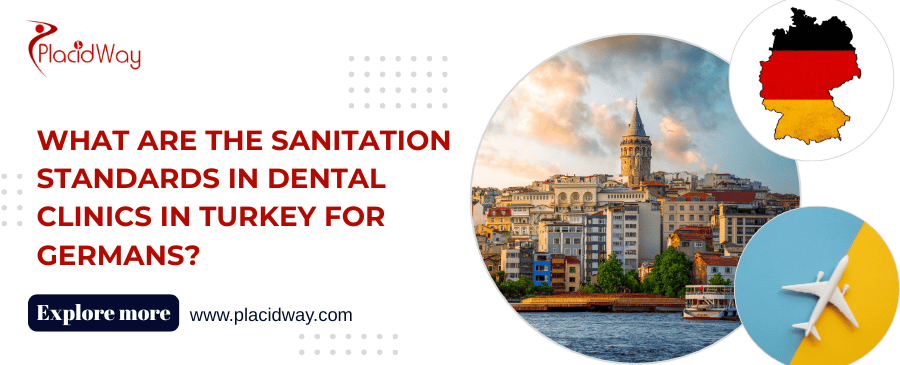
For patients traveling from Germany, understanding the hygiene and safety protocols abroad is often a primary concern. The rise in international travel for healthcare has prompted strict regulatory oversight. When evaluating dental treatments in Turkey, patients often find that regulated facilities employ robust infection control measures designed to prevent cross-contamination and protect patient health. By adhering to international guidelines set forth by organizations like the World Health Organization (WHO) and local health ministries, these facilities strive to create environments that parallel the safety expectations found in Western Europe.
Key Takeaways
- The Turkish Ministry of Health enforces mandatory sanitation and licensing protocols for all dental facilities.
- Instrument sterilization relies heavily on Class B vacuum autoclaves, matching European safety guidelines.
- Single-use items (needles, suction tips, cups) are standard practice to prevent cross-infection.
- International accreditations (like ISO and JCI) offer an additional layer of verifiable quality assurance.
- Patients can proactively check a clinic's credentials and ask to review their sterilization processes before treatment.
1. How does the Turkish Ministry of Health regulate dental hygiene?
Before a facility can open its doors to patients, it must pass a rigorous inspection process to obtain a specialized operating license. The Ministry of Health mandates that every practice has a designated sterilization area, clear protocols for managing medical waste, and specific workflows to prevent clean and contaminated instruments from crossing paths. These regulations are periodically updated to reflect the latest global health standards.
Routine, unannounced inspections are conducted by provincial health directorates. During these visits, inspectors check autoclave maintenance logs, verify the expiry dates on sterilized instrument pouches, and assess the overall cleanliness of the clinical environment. Facilities that fail to meet these stringent criteria face severe penalties, including hefty fines or the immediate suspension of their operating licenses until the issues are rectified.
For individuals researching a dental clinic in Turkey, it is reassuring to know that this governmental oversight is comprehensive. The national guidelines closely mirror the preventive protocols recommended by European health authorities, ensuring that the baseline level of care is heavily regulated across the country.
2. Are sterilization protocols in Turkey comparable to German standards?
The journey of a dental instrument from use back to a sterile state follows a strict, internationally recognized pathway. After a procedure, instruments are initially soaked in enzymatic cleaning solutions to break down organic debris. They are then processed in an ultrasonic cleaner, which uses high-frequency sound waves to remove microscopic particles that manual scrubbing might miss. This pre-cleaning phase is vital for the effectiveness of the final sterilization.
Following cleaning and drying, instruments are sealed in specialized indicator pouches. These pouches are placed into a Class B autoclave—a sophisticated device that utilizes a pre-vacuum cycle to remove ambient air before injecting pressurized, high-temperature steam. This vacuum action ensures that steam penetrates even the narrowest internal channels of complex instruments, such as high-speed handpieces.
To verify the efficacy of the autoclave, staff routinely use chemical indicator strips that change color only when the correct temperature and pressure parameters have been met. Furthermore, biological indicators containing highly resistant bacterial spores are periodically processed and cultivated to confirm that the machine is successfully neutralizing all potential pathogens.
3. What international certifications should German patients look for?
While the local Ministry of Health sets the foundational rules, many practices that focus on medical tourism in Turkey voluntarily undergo rigorous assessments by independent, international accrediting bodies. Achieving Joint Commission International (JCI) accreditation, for example, is a significant undertaking. It requires a facility to prove consistent excellence across hundreds of measurable standards, heavily focusing on patient safety, infection control, and continuous quality improvement.
Similarly, the International Organization for Standardization (ISO), particularly the ISO 9001 certification, indicates that a practice has implemented a robust quality management system. This ensures that every process—from patient onboarding to instrument sterilization—is documented, standardized, and regularly audited.
TEMOS accreditation is another excellent indicator. Specifically tailored for medical tourism, TEMOS evaluates how well a facility manages the unique needs of international patients, including communication, continuity of care, and adherence to cross-border hygiene expectations. Identifying facilities with these badges of approval can provide an extra layer of assurance regarding sanitation standards.
4. How do clinics ensure cross-infection control during treatments?
Cross-infection control is the cornerstone of clinical safety. Between every patient, the treatment room undergoes a strict turnover protocol. All surfaces that the dentist or assistant may have touched—such as the dental chair, overhead light handles, computer keyboards, and instrument trays—are wiped down with hospital-grade, CE-certified chemical disinfectants. These disinfectants are specifically formulated to neutralize robust viruses, including Hepatitis B, Hepatitis C, and HIV, within minutes.
In addition to chemical cleaning, many practices utilize disposable plastic barriers. Clear plastic sleeves are placed over light switches, x-ray sensors, suction valves, and handpiece tubing. Once a treatment is concluded, these barriers are carefully removed and discarded as clinical waste, ensuring that the underlying surfaces remain completely untouched and uncontaminated.
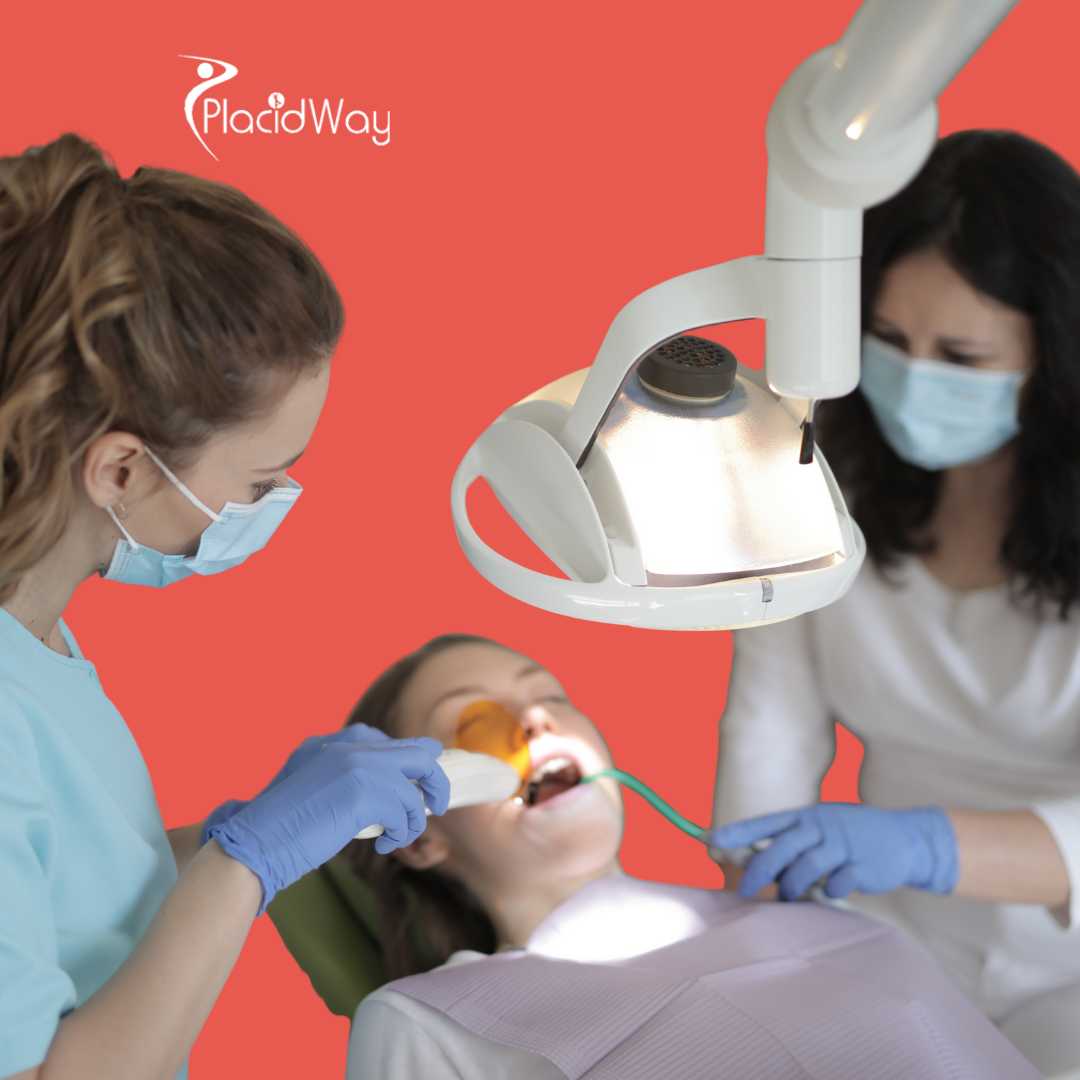
The clinical team themselves act as a critical barrier against infection. Dentists and assistants are required to wash their hands thoroughly using antimicrobial soaps or alcohol-based rubs before donning fresh, single-use examination gloves. Surgical masks and protective eyewear are worn consistently to protect both the patient and the provider from aerosolized particles generated during treatment.
5. What role do single-use materials play in Turkish dental clinics?
The philosophy of modern infection control relies heavily on disposability. Any item that cannot be reliably and safely sterilized using an autoclave is designed to be used exactly once. When you sit in the dental chair, almost all the consumable materials surrounding you are fresh out of their packaging. This includes the plastic cup for rinsing, the bib covering your clothing, and the suction tips used to keep the mouth dry.
More critically, all sharps—such as anesthetic needles, endodontic files used in root canals, and surgical scalpel blades—are strictly single-use. Following a procedure, these sharp items are immediately deposited into puncture-resistant, clearly labeled biohazard sharps containers.
This reliance on disposable materials significantly limits the vectors through which cross-contamination can occur. Reputable facilities factor the expense of these single-use items into the overall dental treatments cost in Turkey, ensuring that patient safety is never compromised for the sake of economizing on supplies.
6. Can I expect a safe environment for major surgical procedures?
When undergoing invasive surgical procedures, the requirements for a sterile environment increase exponentially. Standard treatment rooms are highly clean, but surgical interventions often require operating theater conditions to minimize the risk of post-operative infections. Advanced facilities will maintain dedicated surgical rooms that are separated from the general flow of the practice.
In these specialized suites, the protocols mirror those of a minor hospital operating room. The patient is draped in sterile surgical coverings, leaving only the operative site exposed. The dental surgeon and assistants perform surgical hand scrubs before donning sterile surgical gowns and sterile surgical gloves, which differ from standard examination gloves.
All surgical instruments, including implant drills and implant placement components, are opened from their sterile pouches immediately before use, directly onto a sterile tray. These elevated standards are crucial for preventing complications during bone grafting or sinus lift procedures, where introducing bacteria could lead to implant failure or systemic infection.
7. How are water lines and clinic air quality managed?
Dental unit waterlines consist of narrow plastic tubing that delivers water to handpieces and ultrasonic scalers. Because water sits in these tubes, they are prone to developing biofilms—microscopic layers of bacteria. To combat this, modern dental chairs are equipped with anti-retraction valves that prevent contaminated fluids from the patient’s mouth from being sucked back into the water system.
Furthermore, clinics run regular chemical disinfection cycles through these waterlines and flush them extensively between patients. Many practices also use self-contained water systems, utilizing distilled or sterile water rather than municipal tap water, ensuring a high degree of purity during oral treatments.
Air quality is equally vital, especially since many dental procedures create aerosols (a fine mist of water, saliva, and debris). To manage this, clinical teams utilize High-Volume Evacuation (HVE) suction systems that capture aerosols directly at the source within the mouth. Additionally, many treatment rooms are fitted with medical-grade HEPA air purifiers that continuously cycle and filter the ambient air, removing airborne pathogens and reducing the risk of respiratory infections.
8. What are the legal requirements for dental staff hygiene in Turkey?
The safety of the patient is intrinsically linked to the health and hygiene of the treating staff. Under Turkish occupational health laws, healthcare workers, including dentists and dental nurses, are required to undergo comprehensive health screenings. Immunization against Hepatitis B is a standard requirement for anyone working in a clinical setting where exposure to blood or bodily fluids is possible.
Staff hygiene extends beyond vaccinations. Clinical attire is strictly regulated. Uniforms or scrubs are worn exclusively within the clinical environment and are not to be worn outside the facility. This prevents the introduction of environmental contaminants into the sterile treatment zones. Hair must be tied back or covered, and the wearing of jewelry on the hands and wrists is generally prohibited as it can harbor bacteria and tear clinical gloves.
Continuous education is also a legal mandate. Staff must participate in regular training sessions covering the latest updates in infection control protocols, emergency management, and cross-contamination prevention. This ensures that the entire team remains vigilant and up-to-date with evolving global health standards.
9. How can German patients verify a clinic's sanitation practices before traveling?
Preparation is key when planning medical travel. Before booking flights or committing to a treatment plan, patients have every right to ask detailed questions regarding a facility's safety protocols. A reputable practice will welcome these inquiries and provide transparent, clear answers. You can ask directly whether they utilize a Class B vacuum autoclave and if their clinical materials carry the European CE mark.
Requesting to see photographs or a video tour of the sterilization room is a perfectly reasonable request. Observing a clean, organized, and properly equipped sterilization area provides immense peace of mind. Additionally, checking for recognized accreditations like JCI or ISO on the facility’s official materials can serve as an objective indicator of quality.
Consulting with established medical tourism platforms can also aid in the verification process. These platforms often gather patient reviews, detail the credentials of the medical teams, and provide transparent insights into the environment and standards of care provided. Taking these proactive steps allows patients to confidently pursue treatment in a safe, heavily regulated environment.
Why Choose PlacidWay for Medical Tourism in Turkey?
Navigating the options for international healthcare can be complex. PlacidWay serves as a comprehensive resource for patients seeking educational information about medical tourism destinations globally.
- Extensive Information: PlacidWay provides detailed profiles on various international healthcare providers, allowing patients to review available services and facility standards.
- Provider Credentials: The platform lists educational backgrounds, professional memberships, and certifications of clinical teams to help patients make informed decisions.
- Direct Communication: Patients can use the platform to initiate direct contact with international facilities to ask specific questions about treatment protocols and hygiene standards.
- Comparative Tools: The website offers resources to compare different destinations, treatments, and general facility offerings side-by-side.
- Patient Education: PlacidWay emphasizes educating users on what to expect during their healthcare journey, highlighting important factors like accreditations and post-treatment care requirements.
Frequently Asked Questions
Is it safe for a German citizen to undergo dental procedures in Turkey regarding hygiene?
When visiting a properly registered and regulated clinic, it is generally safe. The Turkish Ministry of Health enforces stringent infection control guidelines that parallel those found in Germany and the broader European Union, significantly minimizing the risk of cross-contamination.
Do Turkish dentists use the same surface disinfectants as those used in Germany?
Yes, many clinics catering to international patients utilize European CE-certified hospital-grade disinfectants. These chemical agents are specifically designed to eliminate resilient pathogens, including hepatitis viruses and bacterial spores, between every patient appointment.
What happens if a facility fails a health ministry hygiene inspection in Turkey?
If a facility fails to meet the mandated sanitation standards during a spot check, the Turkish Ministry of Health can issue heavy fines, suspend the facility's operating license, or mandate immediate closure until the hygiene violations are fully corrected.
Do clinics in popular destinations like Istanbul or Antalya have higher sanitation standards?
While the baseline legal requirements are identical nationwide, clinics in major medical tourism hubs like Istanbul and Antalya often pursue additional international accreditations (such as JCI or ISO) to appeal to the high expectations of patients traveling from Germany and other countries.
Are dental impressions and laboratory materials sterilized before use?
Yes. Standard infection control protocols require that all impressions, prosthetics, and models moving between the patient's mouth and the dental laboratory are chemically disinfected to prevent cross-contamination between the clinical area and the lab technicians.
How are dental drills and handpieces cleaned between patients?
Dental handpieces and drills must be externally cleaned, lubricated, and then processed in a Class B vacuum autoclave. This specialized equipment uses pressurized steam to penetrate the complex internal channels of the drill, ensuring all internal mechanisms are sterile.
Is there a risk of Hepatitis or HIV transmission during treatment?
While no medical procedure globally is entirely without risk, the risk of bloodborne pathogen transmission is exceedingly low when strict sterilization protocols, single-use needles, and appropriate barrier protections are consistently utilized by the clinical team.
Can I request to see the sterilization room at a facility before my procedure?
Most reputable facilities are transparent about their hygiene practices and will gladly show prospective patients their sterilization area, autoclaves, and pouching systems. Asking for a brief tour is a common and encouraged practice for international patients.
Do materials used in Turkey meet European CE standards?
Yes, reputable facilities that treat international patients typically import dental materials, implants, and sterilization pouches from established global manufacturers that carry the European CE mark, ensuring they meet rigorous safety and quality benchmarks.
What personal protective equipment will the dental team wear during my visit?
Standard protocols dictate that the dentist and assisting nurses wear fresh clinical gloves, surgical masks, protective eyewear or face shields, and appropriate clinical uniforms. Gloves and masks are changed strictly between every patient encounter.
Compare Treatment Options Internationally
Gather the information you need to make an educated decision about your healthcare journey. Explore verified clinical credentials and facility standards today.
Request Treatment InformationReferences
- Infection Prevention and Control - World Health Organization (WHO)
- Guidelines for Infection Control in Dental Health-Care Settings - Centers for Disease Control and Prevention (CDC)
- National Health Regulations and Quality Standards - Republic of Turkey Ministry of Health
- Ambulatory Care Accreditation Standards - Joint Commission International (JCI)
- ISO 9001 Quality Management Systems - International Organization for Standardization (ISO)
- Quality in International Patient Care Accreditation - TEMOS International Healthcare Accreditation



















Share this listing