
What are the main safety concerns when getting dental care in Turkey?

Traveling abroad for healthcare has become a prominent option for many patients looking to address complex oral health needs. When researching dental work in Turkey, you will likely find a mix of highly successful patient stories and concerning reports of complications. The reality is that the safety of your treatment depends entirely on the provider you choose, the specific procedures you need, and your willingness to prioritize medical standards over speed and convenience.
Understanding the actual risks, the regulatory environment, and the importance of continuity of care is vital before making any decisions. This guide explores the most pressing questions patients have regarding the safety, protocols, and considerations of seeking dental treatments overseas.
Key Takeaways
- Safety relies heavily on thorough research and selecting accredited providers rather than focusing solely on lower prices.
- The "Turkey Teeth" trend often involves unnecessary filing of healthy teeth for crowns, which carries lifelong dental consequences.
- Rushing treatments like dental implants significantly increases the risk of failure; adequate healing time is medically necessary.
- Language barriers can pose genuine safety risks if they prevent clear communication about medical history and informed consent.
- Securing local follow-up care in your home country can be challenging if complications arise from complex work done abroad.
What are the main risks of getting dental treatments abroad?
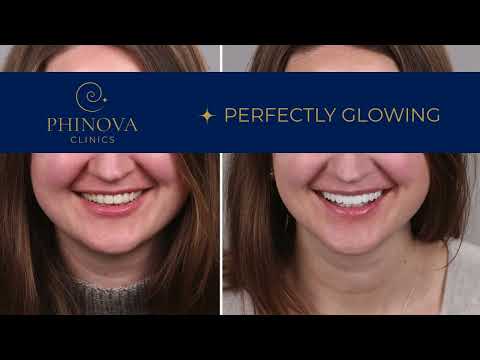
One of the most widely discussed risks in recent years is the phenomenon often referred to in the media as "Turkey Teeth." Many patients travel seeking cosmetic veneers, which typically require minimal preparation of the natural tooth surface. However, some end up receiving full-coverage dental crowns instead. Placing crowns requires filing the natural teeth down to small pegs, an irreversible process that can damage the tooth nerve and lead to a lifetime of required maintenance, root canals, or eventual tooth loss.
Another major risk factor is the timeline. Dental biology cannot be sped up by scheduling flights. Procedures like dental implants require the titanium post to fuse with the jawbone—a process called osseointegration that usually takes three to six months. Attempting to extract teeth, place implants, and load them with permanent crowns in a single one-week holiday dramatically increases the risk of implant failure and severe infection.
How are dentists and clinics regulated in the country?
The regulatory framework in Turkey is rigorous for legally operating healthcare providers. To practice legally, a dentist must complete a five-year degree from a recognized university and register with the Turkish Dental Association (TDB). Specialists, such as oral surgeons or prosthodontists, must complete several additional years of focused postgraduate training.
Furthermore, clinics that cater to international patients are required to obtain a specific Health Tourism Authorization Certificate from the Ministry of Health. Facilities holding this certificate are subject to routine inspections concerning hygiene, emergency protocols, and equipment standards. However, patients must proactively verify that their chosen provider actually holds these credentials, as unlicensed or poorly regulated intermediaries sometimes operate outside these strict frameworks.
Does dental work cost in Turkey impact the safety of the procedure?
It is true that the overall cost of living, lower laboratory fees, and favorable exchange rates allow Turkish clinics to offer procedures at a lower price point than clinics in North America or Western Europe. These economic factors do not inherently compromise safety. High-quality clinics use the same exact sterilization equipment, imaging technology, and imported implant brands as top-tier global facilities.
However, when a quote is drastically lower than the local average in Turkey, it becomes a red flag. Extreme cost-cutting often compromises patient safety. It may mean the clinic is using unbranded, lower-grade titanium for implants, rushing the laboratory fabrication process, or utilizing non-specialized staff for complex oral surgeries. Patients should be wary of any estimate that seems too good to be true and always request a detailed breakdown of the materials being used.
What should patients look for in a safe dental work clinic in Turkey?
Identifying a medically sound facility requires looking beyond glossy social media photographs. A responsible clinic will prioritize diagnostics over sales. They should request panoramic X-rays or 3D CBCT scans before confirming any complex treatment plan, rather than diagnosing solely based on a smartphone photo of your smile.
When evaluating a facility, consider the following indicators of a safety-first approach:
- Accreditation: Look for recognized international standards such as ISO certification or JCI (Joint Commission International) accreditation.
- Specialization: Complex procedures like full-mouth restorations should be handled by a prosthodontist and an oral surgeon, not a general dentist.
- Transparency: The clinic should openly provide the brand names of implants or crowns, the batch numbers, and a written warranty or treatment guarantee outlining specific terms.
- Informed Consent: You should receive a thorough explanation of all risks, potential complications, and alternative treatment options before any work begins.
What happens if I experience complications after returning home?
Post-operative complications can occur with any medical procedure, regardless of geographical location. Infections, persistent pain, bite misalignment, or a loose implant require prompt attention. The difficulty with international treatment is that geographical distance prevents you from easily visiting your original treating dentist for a quick adjustment or prescription.
Many local dentists may decline to take on a patient experiencing acute complications from extensive foreign dental work. They may cite liability concerns, a lack of access to the specific tools required for foreign implant brands, or unfamiliarity with the treatment history. Therefore, it is crucial to establish a local relationship before you travel, or at minimum, bring back all detailed medical records, X-rays, and implant passports to help a local provider understand your case if emergency intervention becomes necessary.
Before traveling, ask the overseas clinic exactly how they handle post-treatment complications. A responsible clinic will have a clear, documented policy detailing how they support patients remotely or whether they partner with dentists in your home country for follow-up care.
Who is a suitable candidate for traveling abroad for dental procedures?
Not everyone is an ideal candidate for combining travel with healthcare. Patients with generally good oral hygiene who require straightforward restorations, a few implants, or standard crown work often have predictable outcomes. They must be prepared to follow all pre-operative and post-operative instructions carefully.
Conversely, patients with severe, untreated periodontal (gum) disease, poorly controlled diabetes, or complex autoimmune disorders carry a much higher risk of surgical complications and implant failure. Additionally, individuals who require extensive bone grafting or sinus lifts usually need many months of healing before crowns can be placed. If you cannot commit to making two or more trips spaced several months apart, you are likely not a safe candidate for extensive international implant procedures.
How long should I stay to ensure my treatment is safely completed?
A common pitfall in dental tourism is the desire to minimize hotel costs and time off work by squeezing complex procedures into an inadequately short window. For example, creating properly fitted custom crowns or veneers typically requires multiple try-in sessions. If the lab work is rushed, the margins of the crowns may not seal correctly against the gums, leading to bacteria entrapment, decay, and chronic bad breath.
| Procedure Type | Typical Safe Timeline (Estimate) | Important Safety Consideration |
|---|---|---|
| Veneers or Crowns | 5 to 8 days | Requires time for lab adjustments and a final bite check. |
| Standard Dental Implants | Trip 1: 3-5 days Trip 2 (Months later): 5-7 days |
Jawbone must heal around the titanium post before pressure is applied. |
| Bone Grafting / Sinus Lift | Adds 4 to 6 months of healing | Cannot be bypassed; bone must be solid enough to hold an implant safely. |
Are language barriers a safety concern during dental procedures?
Clear communication is a fundamental pillar of medical safety. You must be able to accurately convey your medical history, including any medications you take, allergies you have, or previous adverse reactions to anesthesia. Conversely, the dentist must be able to explain the steps of the procedure, what sensations you should expect, and exactly how to care for your mouth after the surgery.
Many clinics that focus heavily on international patients employ fluent English-speaking dentists or dedicated patient coordinators who act as medical translators. If you arrive at a facility and find that you cannot communicate effectively with the person performing the surgery, it is entirely acceptable—and often medically advisable—to halt the procedure. Never agree to irreversible surgery if you do not fully understand what is being done.
Is medical tourism in Turkey generally considered safe?
As a destination, the nation has invested heavily in modernizing its medical infrastructure to attract global patients. Major cities host sprawling, state-of-the-art hospitals and specialized clinics that routinely perform complex surgeries across multiple disciplines. From an infrastructural standpoint, the high-end private healthcare sector is quite robust.
The safety risks typically arise from the "tourism" aspect rather than the "medical" aspect. Treating a surgical trip exactly like a holiday—engaging in strenuous activities, drinking alcohol before or after surgery, or prioritizing sightseeing over rest—can compromise your recovery. Medical tourism is safest when patients approach it as a serious medical undertaking first, and a travel experience second.
How do I verify a Turkish dentist's credentials before booking?
Due diligence is your best defense against medical complications. Do not rely solely on reviews presented on the clinic's own website or heavily curated social media profiles. Instead, ask the clinic directly for the full name and license number of the dentist who will actually be performing your procedure.
Once you have this information, you can request details about their educational background, how many times they have performed your specific procedure, and whether they maintain memberships in international professional bodies, such as the International Congress of Oral Implantologists (ICOI). A reputable provider will never hesitate to provide full transparency regarding their medical qualifications.
Why Choose PlacidWay for Medical Tourism in Turkey?
Navigating international healthcare requires careful research and verified information. PlacidWay helps patients explore global treatment options responsibly.
- Extensive Provider Network: Access a directory of registered healthcare facilities and clinics operating globally.
- Clinic Comparisons: Review educational backgrounds, facility accreditations, and available technologies side-by-side.
- Direct Communication: Utilize the platform to ask specific clinical questions directly to the healthcare providers before making decisions.
- Educational Resources: Access detailed guides, articles, and objective information about international medical procedures.
- Patient-Focused Information: Gather factual details to help you and your local dentist assess whether seeking care abroad is appropriate for your specific health needs.
Frequently Asked Questions
Is it safe to get dental implants in Turkey?
Getting dental implants in Turkey can be safe if performed by an experienced, qualified implantologist using reputable materials. However, safety heavily depends on allowing adequate healing time for osseointegration, which often requires multiple trips rather than a single rushed visit.
Can I fly immediately after having dental surgery in Turkey?
Flying immediately after oral surgery is generally not recommended. Changes in cabin pressure can cause pain, increase bleeding, or exacerbate swelling. Most dentists advise waiting at least 24 to 48 hours, or longer for complex bone grafting, before taking a flight.
Do Turkish dentists use the same implant brands as my home country?
Many reputable Turkish clinics use globally recognized implant brands from Switzerland, Germany, and the USA. It is important to ask for the exact brand name and the implant passport, so your local dentist can source the correct tools if you ever need maintenance at home.
What is the "Turkey Teeth" complication I read about in the news?
The term "Turkey Teeth" often refers to a highly publicized trend where patients travel abroad for cosmetic veneers, but instead receive full dental crowns. This involves aggressively filing down healthy natural teeth into small pegs, which can lead to nerve damage, root canals, and lifelong dental complications.
Will my local dentist treat me if I have a problem with work done in Turkey?
Many local dentists are hesitant to repair complex restorative work performed abroad due to liability concerns, unfamiliar materials, or a lack of treatment records. You may need to seek out a specialist, which can complicate emergency aftercare.
Are clinics in Istanbul safer than in other Turkish cities?
Safety is determined by the specific clinic's accreditations and the dentist's credentials, not the city. While Istanbul has a high concentration of internationally accredited facilities, safe and highly qualified providers operate in many major Turkish cities like Antalya and Izmir.
Is sedation dentistry safe in Turkey?
Sedation dentistry can be safe when administered by a licensed anesthesiologist in an appropriately equipped facility. Patients should verify that the clinic has the necessary resuscitation equipment and protocols in place before agreeing to IV sedation or general anesthesia.
Do Turkish dental clinics follow standard sterilization protocols?
Accredited and regulated dental clinics in Turkey are required to follow strict sterilization and infection control protocols mandated by the Ministry of Health. However, standards can vary between unregulated facilities, making clinic research essential.
What questions should I ask during a virtual dental consultation?
You should ask about the dentist's specific qualifications, the exact materials and brands being used, the contingency plan if complications arise, whether natural teeth will be filed down, and the total timeline required for safe healing.
How long do dental veneers from Turkey typically last?
When properly placed using high-quality materials on suitable candidates, dental veneers can last 10 to 15 years or longer. However, their longevity depends heavily on the patient's oral hygiene, bite alignment, and avoiding habits like teeth grinding.
Compare Treatment Options Safely
Gather the information you need to make an informed, medically sound decision. Request factual details about clinics, credentials, and treatment pathways today.
Request Treatment InformationReferences
- Medical Tourism - American Dental Association (ADA)
- Medical Tourism: Travel Health - Centers for Disease Control and Prevention (CDC)
- Going Abroad for Dental Treatment - UK National Health Service (NHS)
- Dental Tourism Risks and Patient Safety - British Dental Association (BDA)
- Dental Tourism Policy Statement - FDI World Dental Federation
- Health Tourism Framework and Regulations - Republic of Turkey Ministry of Health




















Share this listing