


Innovative Orthopedic Surgery in Puerto Vallarta Mexico

Orthopedic surgery in Puerto Vallarta combines advanced minimally invasive techniques with exceptional affordability. Procedures like total knee or hip replacements typically cost between $7,000 and $12,000, offering international patients high-quality clinical care, premium FDA-approved implants, and rapid recovery in a restorative coastal environment.
Key Takeaways: Innovations & Care in Mexico
- Exceptional Cost Savings: Patients typically save 50 to 70 percent compared to United States healthcare prices.
- Technological Advancements: Facilities utilize computer-navigated surgery and custom 3D implant mapping for maximum precision.
- Minimally Invasive Approaches: Muscle-sparing techniques, such as the anterior hip approach, dramatically reduce recovery time.
- Premium Biomaterials: Surgeons exclusively use top-tier global implant brands ensuring longevity and biocompatibility.
- Holistic Healing: The warm, coastal climate provides a therapeutic backdrop for initial post-operative physical therapy.
How much does orthopedic surgery cost in Puerto Vallarta compared to the US?
The orthopedic surgery cost in Puerto Vallarta generally ranges from $7,000 to $12,000 for major joint replacements, representing a massive 50 to 70 percent reduction compared to North American hospital rates without sacrificing clinical excellence.
Financial accessibility remains one of the primary drivers for individuals seeking cross-border healthcare. In the United States, a standard joint replacement procedure can easily exceed $30,000 to $45,000 when factoring in facility fees, anesthesia, surgical hardware, and overnight hospitalization. This immense financial burden forces many underinsured individuals to live with debilitating chronic pain. By contrast, the pricing model in Mexico is fundamentally different, relying on lower administrative overhead and sensible malpractice insurance structures.
When reviewing quotes for musculoskeletal procedures south of the border, patients quickly notice the advantage of all-inclusive pricing. A comprehensive quote typically bundles the surgeon fees, operating room time, the premium prosthetic implant, anesthesiology, necessary pre-operative imaging, and a designated number of days in a private hospital suite. This transparency eliminates the dreaded surprise billing phenomenon so common in traditional domestic healthcare systems.
Furthermore, these substantial savings do not mean a compromise on materials or medical expertise. The reduced cost simply reflects the economic environment of the destination. Patients receive exactly the same high-end titanium or ceramic prosthetic components they would receive in a top-tier hospital in New York or Los Angeles, ensuring their new joint functions flawlessly for decades.
| Procedure Type | Estimated US Cost | Estimated Mexico Cost |
|---|---|---|
| Total Knee Replacement | $35,000 - $45,000 | $7,500 - $9,500 |
| Total Hip Replacement | $30,000 - $40,000 | $8,000 - $10,500 |
| Arthroscopic Surgery | $10,000 - $15,000 | $3,500 - $5,500 |
| Shoulder Replacement | $35,000 - $50,000 | $9,000 - $12,000 |
What are the latest innovations used by an orthopedic surgery clinic in Puerto Vallarta?
An elite orthopedic surgery clinic in Puerto Vallarta incorporates state-of-the-art computer navigation, 3D kinematic mapping, and patient-specific instrumentation to ensure millimeter-perfect implant alignment and superior biomechanical function.
Modern joint reconstruction has evolved far beyond traditional manual alignment techniques. Today, the most prestigious facilities in the region rely heavily on computer-assisted surgical systems. During the procedure, specialized infrared cameras track anatomical landmarks on the patient, feeding data into a high-powered computer. This creates a real-time, dynamic 3D model of the joint on a monitor, allowing the surgeon to visualize exactly how the new hardware will perform before making a single bone cut.
Another major leap forward is the use of Patient-Specific Instrumentation. Weeks prior to arrival, the patient undergoes a detailed MRI or CT scan. These images are used to engineer cutting guides custom 3D-printed to match the unique contours of the individual bone structure perfectly. This high-tech preparation drastically reduces the time spent in the operating room, minimizes bone loss, and guarantees that the prosthetic component fits with absolute precision.
Finally, kinematic alignment philosophy is gaining massive traction. Instead of forcing every joint into a generic, mathematically straight mechanical axis, surgeons now align the new implant to replicate the native, pre-arthritic curve of the specific patient. This nuanced approach results in a joint that feels much more natural during movement, significantly reducing the sensation of mechanical stiffness often reported by older generations of joint replacement patients.
Computer navigation acts like a high-tech GPS for the surgeon. While the human eye is excellent, sensors and software can measure bone angles to a fraction of a degree. This precision directly translates to less wear-and-tear on the polyethylene inserts over time, potentially adding decades to the lifespan of the joint.
Why is medical tourism in Puerto Vallarta ideal for joint replacement recovery?
Medical tourism in Puerto Vallarta offers the perfect convergence of high-tier clinical infrastructure and a tranquil, warm-weather environment. The stable coastal climate promotes better blood circulation and reduces joint stiffness during the critical early healing phase.
Recovering from major musculoskeletal trauma requires immense physical energy and a low-stress environment. Choosing a destination known for its stunning ocean views and peaceful atmosphere is not just about having a vacation; it is a strategic medical decision. Cold, damp climates often cause freshly operated joints to ache severely, whereas consistent warmth naturally dilates blood vessels, increasing oxygen delivery to healing tissues and soothing traumatized muscle fibers.
Beyond the weather, the local infrastructure caters brilliantly to convalescing individuals. Many premium recovery boutiques and international hotels in the area have modified their ground-floor suites specifically for post-operative guests. These rooms feature walk-in showers without barriers, elevated seating, and easy wheelchair accessibility. The staff at these establishments are highly accustomed to assisting guests who are navigating their first steps on a new hip or knee.
Moreover, escaping the daily stressors of home life allows patients to focus entirely on their rehabilitation. There are no household chores to worry about, no grocery shopping to manage, and no immediate return-to-work pressures. Immersed in a supportive setting with dedicated nursing assistance and personalized room service, patients can dedicate all their mental and physical energy strictly to their prescribed physical therapy exercises.
The therapeutic benefits of coastal climates on joint pain are well-documented. Changes in barometric pressure and temperature heavily influence synovial fluid viscosity. Healing near sea level in a warm climate actually reduces the internal pressure placed on sensitive, newly operated nerve endings.
What types of implants are utilized for orthopedic surgery in Puerto Vallarta?
Surgeons utilize premium, globally recognized implants made from advanced biomaterials like porous titanium, oxidized zirconium, and highly cross-linked polyethylene to guarantee maximum durability, biocompatibility, and optimal joint articulation.
A common misconception regarding cross-border healthcare is that the lower price point means inferior materials. This is entirely false. Leading hospitals source their surgical hardware from the exact same multinational medical device conglomerates that supply top-tier facilities worldwide. Brands celebrated for their extensive clinical research and long-term survivorship rates are the standard, ensuring that patients receive components designed to withstand decades of daily use.
The materials engineering behind these implants is fascinating. Modern prosthetic stems and cups often feature a highly porous titanium coating. Instead of relying solely on bone cement to hold the artificial joint in place, this porous surface encourages osseointegration. This means the patient natural bone biologically grows into the microscopic pores of the metal over time, creating a permanent, biological fixation that is incredibly strong and resistant to loosening.
For the bearing surfaces where friction occurs, advanced technology plays a crucial role. Surgeons frequently use oxidized zirconium or advanced ceramics paired with highly cross-linked polyethylene inserts. These specialized materials generate almost zero wear debris when they glide against each other. Reducing microscopic plastic shedding within the joint capsule prevents osteolysis, which is bone loss caused by inflammation, thereby securing the long-term success of the replacement.
How do minimally invasive techniques improve orthopedic surgery in Mexico?
Minimally invasive orthopedic surgery in Mexico focuses on tissue-sparing methodologies. By maneuvering between muscle groups rather than cutting through them, patients experience drastically reduced pain, less bleeding, and much faster return to independent mobility.
Traditional joint replacements required long incisions and the detachment of major muscle groups to access the bone. Today, leading specialists employ refined techniques that prioritize the preservation of soft tissue. These advanced approaches yield profound benefits for the patient:
- Muscle Preservation: Techniques like the Direct Anterior Approach for hips allow surgeons to slip specialized instruments between muscle planes, leaving critical stabilizing muscles entirely intact.
- Reduced Blood Loss: Smaller incisions and careful soft tissue handling mean significantly less operative bleeding, virtually eliminating the need for post-operative blood transfusions.
- Decreased Reliance on Narcotics: Because major tendons and muscles are not severed, the pain profile is considerably lower. Patients rely less on heavy opioid medications, avoiding side effects like nausea and lethargy.
- Accelerated Mobilization: Patients with intact muscles have far greater joint stability immediately after waking up. Many are able to walk with the assistance of a walker on the very same day as their operation.
- Superior Cosmetic Results: While function is paramount, smaller incisions naturally result in shorter, less noticeable scars, which is an appreciated cosmetic benefit for many individuals.
What is the standard recovery timeline for joint procedures in Puerto Vallarta?
International patients typically plan a comprehensive 10 to 14-day stay. This allows for immediate hospital recovery, close observation, initial physical therapy in a comfortable hotel, and medical clearance to fly home safely without deep vein thrombosis risks.
The timeline for musculoskeletal procedures is structured entirely around patient safety and optimizing early functional outcomes. Upon arrival, the first day is dedicated to pre-operative blood tests, imaging, and final consultations with the surgical and anesthesiology teams. The surgery occurs on day two. Following a major replacement, patients remain in their private hospital suite for two to three nights. This inpatient phase ensures that pain is expertly managed intravenously and that the patient takes their critical first steps under strict professional supervision.
Once discharged from the hospital, patients do not immediately board an airplane. Instead, they transition to a local recovery boutique or a designated recovery-friendly hotel. During this period, which lasts approximately seven to ten days, patients rest, manage localized swelling with ice therapies, and participate in daily mobility exercises. Nurses or physical therapists often visit the hotel room to monitor vital signs, check the incision site for proper healing, and guide the patient through range-of-motion drills.
The final hurdle is obtaining medical clearance for air travel. Flying too soon after major lower-extremity surgery carries a risk of blood clots due to cabin pressure and prolonged sitting. The specialized care teams monitor the patient progress closely, prescribe appropriate blood thinners, and only provide the final clearance certificate when they are absolutely confident the patient can handle the journey home safely. Once home, patients transition to outpatient physical therapy in their own community to build long-term strength.
How are post-operative physical therapy and rehabilitation handled?
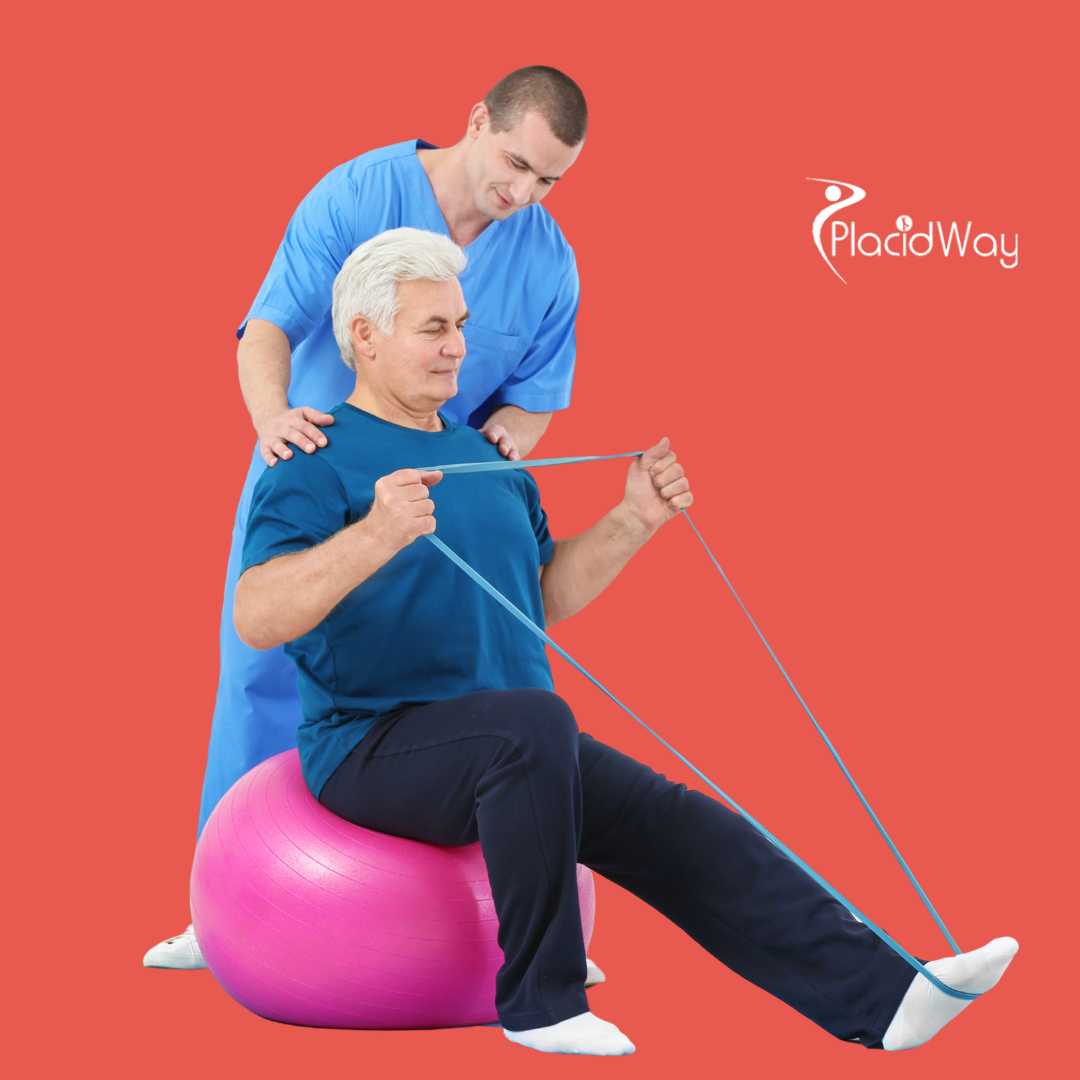
Rehabilitation begins within hours of waking up. Dedicated physical therapists guide patients through immediate mobilization techniques, utilizing Continuous Passive Motion machines and customized exercises to prevent scar tissue formation and restore joint flexibility.
Physical therapy is undeniably the most critical component of achieving a successful outcome following joint replacement. A flawless surgery can be compromised if the joint is allowed to stiffen. In these top-tier medical facilities, the philosophy is aggressive early mobilization. Within a few hours of the anesthesia wearing off, a therapist will visit the room to help the patient sit on the edge of the bed and bear partial weight on the new joint. This immediate activity stimulates blood flow and sends crucial healing signals to the surrounding tissues.
For knee replacements specifically, hospitals frequently utilize Continuous Passive Motion devices while the patient rests in bed. These mechanical cradles slowly and smoothly bend and straighten the leg without requiring any muscular effort from the patient. This constant gentle movement is highly effective at reducing fluid accumulation, soothing the joint capsule, and ensuring that restrictive scar tissue does not form during the night.
As the days progress, the therapy becomes more functional. Therapists teach essential life skills adapted for a healing body, such as navigating stairs with crutches, safely getting in and out of a vehicle, and learning how to dress without bending the hip past restricted angles. Upon departure, patients are provided with a comprehensive, illustrated daily exercise manual and a digital program to share with their physical therapist back home, ensuring a seamless continuum of care.
What safety protocols protect international patients during joint replacement?
Accredited hospitals enforce rigorous clinical safety protocols, including advanced positive-pressure ventilation in operating rooms, mandatory pre-operative cardiovascular screenings, and strict infection control measures to ensure international standards of patient protection.
When selecting an international destination for complex musculoskeletal interventions, safety is the primary concern. Elite facilities achieve exceptional outcomes by implementing multi-layered risk management strategies:
- Advanced Sterilization Environments: Operating suites utilize HEPA-filtered laminar airflow systems that push sterile air downward over the surgical table, dramatically reducing the risk of airborne bacteria entering the open joint space.
- Comprehensive Cardiovascular Screening: Because patients will be under general or heavy spinal anesthesia, mandatory EKGs, chest X-rays, and comprehensive metabolic panels are reviewed by an internist prior to surgical clearance.
- Intensive Care Unit Availability: While rarely needed for elective joint procedures, premium hospitals always feature a fully equipped, 24-hour ICU with specialized critical care physicians on standby for absolute peace of mind.
- Thrombosis Prevention Plans: Surgeons prescribe a strict regimen of mechanical compression stockings, early walking schedules, and specific anticoagulant medications to prevent the formation of dangerous deep vein blood clots.
- Prophylactic Antibiotic Protocols: To protect the metal and plastic implant from any potential bacterial colonization, powerful intravenous antibiotics are administered both immediately before the first incision and continuously for 24 hours post-operation.
Why Choose PlacidWay for your orthopedic procedure in Mexico?
PlacidWay removes the uncertainty from cross-border healthcare by offering independent medical facility vetting, transparent pricing negotiation, and robust patient advocacy to guarantee a secure, high-quality surgical experience.
Attempting to navigate an unfamiliar healthcare system independently while managing chronic joint pain can be overwhelming. PlacidWay acts as your dedicated medical liaison, providing a secure bridge to world-class medical excellence. Here is why discerning patients trust our platform:
- Rigorous Medical Board Verification: We conduct extensive background checks on every surgeon in our network, verifying their board certifications, international fellowship training, and historical complication rates to ensure you are in elite hands.
- Transparent Cost Negotiation: Our team secures comprehensive, pre-negotiated package prices on your behalf. We ensure that quotes explicitly list what is included, shielding you from hidden fees or unexpected billing practices.
- Unbiased Provider Matching: Rather than pushing a single hospital, we analyze your specific medical records, imaging, and personal preferences to match you with the specialist best equipped for your unique anatomical needs.
- Dedicated Patient Advocacy: From the moment you request information until you are safely recovering at home, our patient coordinators facilitate seamless communication between you and the foreign surgical team, overcoming any language barriers.
- Comprehensive Risk Mitigation: We exclusively partner with facilities that maintain prestigious accreditations, such as the Joint Commission International or the General Health Council, ensuring your environment adheres to the strictest global safety standards.
Frequently Asked Questions About Joint Procedures in Mexico
Is a passport required for medical travel to Puerto Vallarta?
Yes, all international patients traveling to Mexico by air must present a valid passport. It is highly recommended to ensure your passport is valid for at least six months beyond your planned date of return to avoid any entry issues at customs and border protection.
Can I get both knees replaced at the same time in Mexico?
Bilateral knee replacement is possible but depends heavily on your overall health, age, and cardiovascular fitness. Surgeons carefully evaluate each patient, as simultaneous replacements require a longer time under anesthesia and demand a more rigorous initial physical therapy phase.
Are the orthopedic surgeons in Puerto Vallarta board-certified?
Top specialists undergo rigorous training and hold certifications from the Mexican Council of Orthopedics and Traumatology. Many also pursue international fellowships in the United States or Europe, ensuring they are proficient in the latest global surgical standards.
What happens if I experience a complication after returning home?
Reputable facilities provide detailed post-operative records, imaging, and surgical reports in English for you to share with your local physician. Furthermore, your surgical team remains accessible via telemedicine to consult with your domestic healthcare providers if unexpected issues arise.
Will my domestic health insurance cover joint surgery in Mexico?
Traditional domestic insurance policies generally do not cover out-of-country elective procedures. However, certain forward-thinking corporate insurance plans and medical tourism facilitators have specific cross-border networks. Patients usually pay out-of-pocket and utilize the massive savings to fund their care.
How soon can I swim in the ocean after a joint replacement in Puerto Vallarta?
Surgeons strictly forbid swimming in oceans, pools, or soaking in bathtubs until the surgical incision is completely healed and closed, which typically takes four to six weeks. Exposing a healing wound to bodies of water poses a severe infection risk.
Do I need to bring my own companion for support during the hospital stay?
While bringing a family member provides excellent emotional support, it is not strictly mandatory. Premium facilities provide extensive nursing care, and private hospital rooms often feature a pull-out bed for companions at no extra charge, making the process comfortable for both of you.
Are blood transfusions safe in Mexican hospitals during orthopedic procedures?
Yes, accredited hospitals follow stringent international protocols for blood typing, screening, and sterilization. However, modern minimally invasive techniques and blood-conservation medications like tranexamic acid have drastically reduced the need for transfusions during joint replacements.
What language do the medical staff speak at Puerto Vallarta hospitals?
Facilities catering to international patients require their lead surgeons, patient coordinators, and specialized nurses to be fluent in English. Bilingual staff are present at all times, ensuring that communication regarding pain management and physical therapy is crystal clear.
How long is the waiting list for joint replacement in Mexico?
Unlike public healthcare systems in Canada or the UK that may have waiting lists spanning over a year, private hospitals in Mexico typically schedule procedures within a few weeks of your initial consultation, allowing you to bypass long periods of joint pain.
Take the First Step Towards a Pain-Free Life
* Responses typically within 24 hours. Strict confidentiality maintained.








.png)









Share this listing