
Premium Dental Implant Clinics in South Korea
Restoring your smile after tooth loss is a significant medical decision. For many international patients, pursuing dental implants in South Korea presents an opportunity to access modern dental infrastructure alongside skilled prosthodontists. Before committing to international dental care, you must understand the clinical steps, potential costs, required travel commitments, and important health considerations.
Key Takeaways
- The procedure usually requires two separate visits spaced three to six months apart to allow the jawbone to heal.
- Patients with low bone density may need supplementary procedures like bone grafting, which extends the timeline and increases the cost.
- Success depends heavily on your overall health, avoiding tobacco use, and adhering to strict oral hygiene.
- You must establish a relationship with a local dentist in your home country to handle routine maintenance and any post-travel complications.
How much is the average dental implant cost in South Korea?
When evaluating international dental care, financial planning is a primary concern. The prices offered in Seoul or Busan are often lower than those found in North America or parts of Europe. However, these figures are baseline estimates for straightforward single-tooth replacements.
Several variables can alter your final out-of-pocket expenses. If your jawbone lacks the volume to support a titanium post securely, you will require a bone graft or sinus lift. These preliminary surgeries add to the overall cost. Additionally, choosing premium materials for your crown, such as high-grade zirconia, or opting for internationally imported implant brands rather than domestic Korean brands, can increase the final bill.
You must also factor in the hidden costs of international treatment. Airfare, accommodations for two separate trips, transportation, and travel insurance must be calculated into your budget to determine if traveling remains financially viable.
Why do patients travel for medical tourism in South Korea for dentistry?
Over the past decade, South Korea has developed a robust infrastructure to support incoming international patients. Dental facilities heavily invest in digital imaging systems, such as Cone Beam Computed Tomography, which provides three-dimensional views of the nerve pathways and bone structure. This technology aids dentists in planning precise surgical interventions.
Beyond the technology, the clinical training standards for oral surgeons and prosthodontists are rigorous. Many providers who cater to international travelers have experience handling complex restorative cases. The presence of dedicated international patient departments also helps bridge communication gaps by providing translation services and assistance with medical documentation.
What happens during the dental implant procedure?
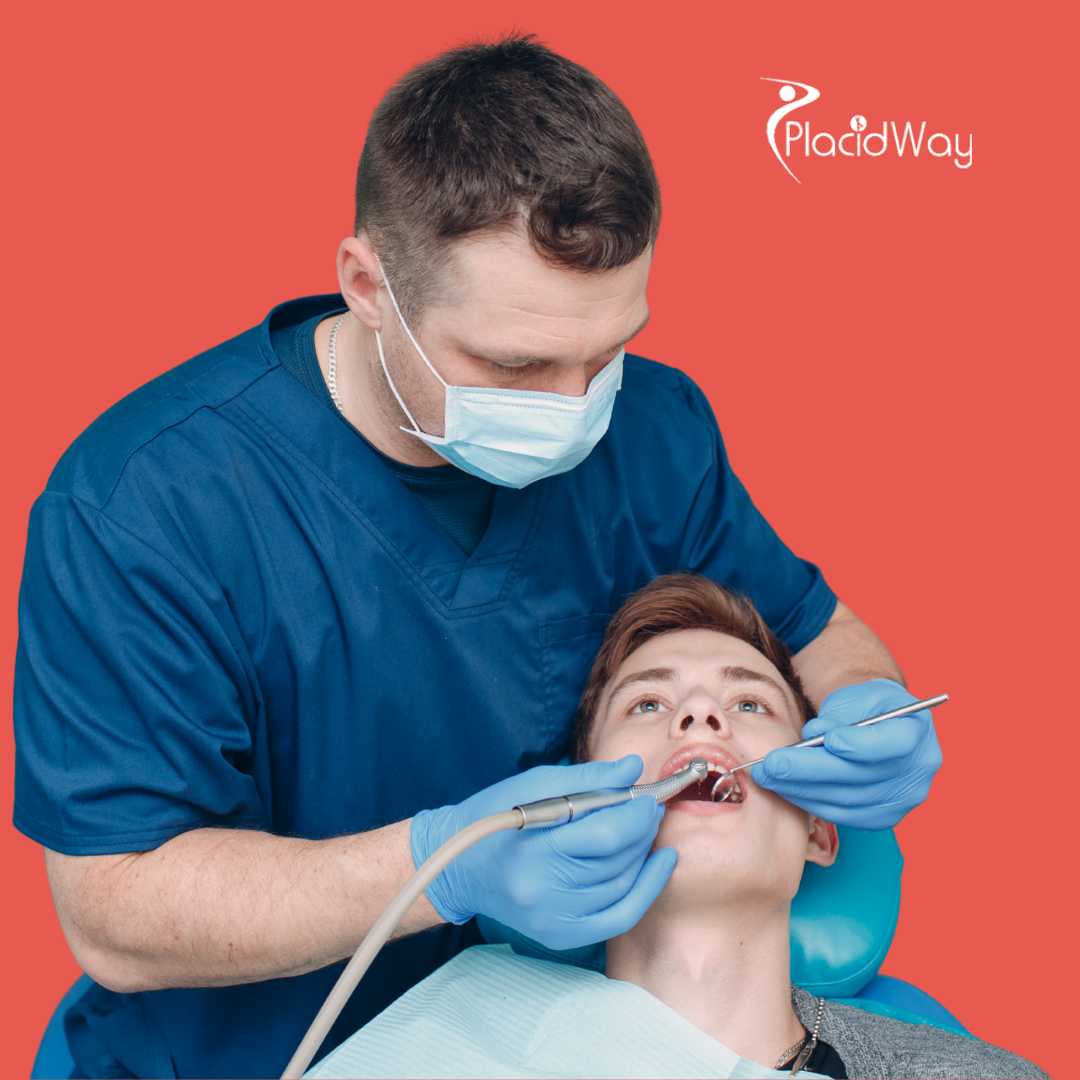
Treatment begins with a thorough clinical examination. Your dentist will evaluate your oral health, review your medical history, and take detailed scans to determine if you are a suitable candidate. If approved, the first surgical phase involves making an incision in the gum line to expose the bone. The dentist drills a precise hole and inserts the titanium implant deep into the bone to serve as an artificial tooth root.
After this surgery, a vital biological process called osseointegration occurs. Over several months, your jawbone grows around and bonds with the surface of the dental implant, securing it firmly in place. You will typically wear a temporary denture or bridge during this period.
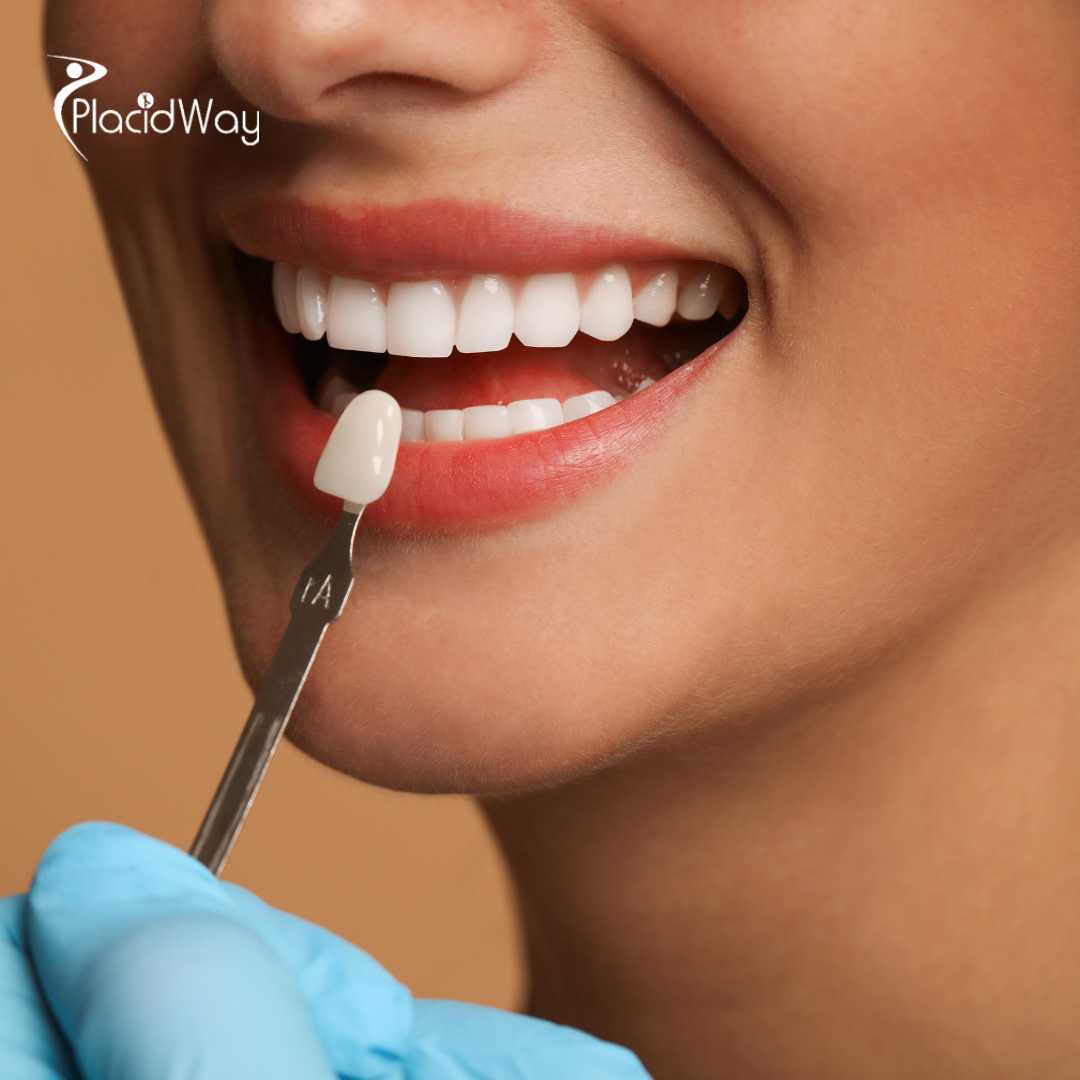
Once the area has fully healed and integrated, you return for the restorative phase. The dentist places an abutment over the post, which acts as a connector. Finally, they attach a custom-fabricated crown designed to match the color and contour of your natural teeth.
How long does it take to get a dental implant in South Korea?
Time commitment is one of the most important factors for international patients to consider. You cannot complete a standard implant procedure in a single weekend. Your body needs time to heal.
| Treatment Phase | Estimated Time Required |
|---|---|
| Initial Visit (Surgery) | 7 to 10 days in-country |
| Healing Period (At Home) | 3 to 6 months |
| Second Visit (Crown Placement) | 5 to 7 days in-country |
If you require preliminary procedures such as tooth extractions or bone grafting, the total timeline may extend up to nine months or a year. Patients must plan their travel logistics carefully around these biological healing requirements.
Are there bone grafting requirements before surgery?
When a tooth is lost, the underlying bone often begins to resorb or shrink due to a lack of stimulation from chewing. If too much bone is lost, there will not be a strong enough foundation to support the physical stress placed on a dental implant. Your dentist will evaluate your bone density using 3D scans during your initial consultation.
If a bone graft is necessary, the surgeon will place synthetic or natural bone material into the weakened area. Depending on the severity of the bone loss, this graft might be done simultaneously with the implant placement, or it might require a separate surgery followed by several months of healing before the implant can be safely inserted.
How do I choose a safe dental implant clinic in South Korea?
Patient safety should always be your highest priority. Rather than choosing a facility based solely on the lowest price, evaluate their clinical standards. Look for clinics that clearly display their infection control protocols and employ specialists with verifiable advanced training in oral surgery or prosthodontics.
During your research phase, request a virtual consultation. Ask detailed questions about the materials they use, how they manage post-operative complications, and what kind of medical records you will receive to share with your home dentist. Reliable facilities will be transparent about the risks and limitations of the procedure based on your specific medical history.
What is the typical recovery time after implant placement?
The immediate aftermath of the surgery involves managing soft tissue healing. You can expect minor bleeding and swelling around your gums and face, which usually peaks within 48 hours. Dentists typically advise applying ice packs and resting with your head elevated to minimize these symptoms.
During the first few weeks, you will need to consume a soft diet to avoid applying pressure to the surgical site. Proper oral hygiene is critical during this phase, but you must clean the area gently as instructed by your surgeon to avoid disturbing the stitches. You should avoid strenuous physical activity for several days following the procedure.
What are the potential risks and complications?
No medical procedure is entirely without risk. While dental implants have a generally high success rate in suitable candidates, complications can occur. Infection at the implant site can jeopardize the surrounding bone and soft tissues. In rare instances, surgical drills or the implant itself can cause nerve damage, leading to pain, numbness, or tingling in your natural teeth, gums, lips, or chin.
For implants placed in the upper jaw, there is a risk that the post may protrude into one of your sinus cavities, requiring immediate medical intervention. Furthermore, certain medical conditions, such as uncontrolled diabetes, osteoporosis, or autoimmune disorders, can impair healing and significantly increase the risk of the body rejecting the implant. A comprehensive medical assessment prior to travel is essential.
Will my new implants require special long-term maintenance?
While titanium posts and ceramic crowns cannot develop cavities like natural teeth, the living tissues surrounding them remain vulnerable to disease. Poor oral hygiene can lead to peri-implantitis, an inflammatory condition that affects the soft and hard tissues surrounding the implant. Left untreated, this condition causes bone loss and eventual failure of the restoration.
You must treat your artificial teeth with the same care as your natural ones. This includes quitting smoking, as tobacco use drastically reduces blood flow to the gums and is a leading cause of late-stage implant failure. Using a water flosser or interdental brushes can help keep the small spaces around your abutment free of plaque.
Do I need to arrange post-operative care back home?
Continuity of care is a major challenge in medical tourism. If you experience severe pain, excessive bleeding, or notice a loose implant weeks after returning home, you cannot easily fly back to your overseas surgeon. Therefore, establishing a relationship with a local dentist before you travel is highly recommended.
Be aware that some domestic dentists hesitate to maintain or repair dental work performed abroad, especially if they are unfamiliar with the specific brand of implant used. Always request comprehensive medical records, including surgical notes, brand names, serial numbers, and all digital X-rays from your overseas provider before leaving the destination.
Why Choose PlacidWay for Medical Tourism Guidance?
Navigating international healthcare systems requires thorough research and preparation. PlacidWay serves as a medical tourism resource designed to help patients explore their international options.
- Extensive Directory: PlacidWay provides information on a wide variety of healthcare facilities and dental specialists operating internationally.
- Educational Resources: The platform offers detailed articles and guides to help you understand procedures, expected timelines, and recovery requirements.
- Provider Connections: Patients can use the service to initiate contact directly with international facilities and request preliminary medical assessments.
- Comparative Tools: The platform allows users to compare estimated costs, facility amenities, and treatment approaches across different destinations.
- Streamlined Inquiries: PlacidWay facilitates the initial communication process, making it easier to ask technical questions and gather necessary information before traveling.
Frequently Asked Questions
Are Korean dental implants of good quality?
South Korea manufactures several internationally recognized implant brands and utilizes materials that meet global standards. Dental clinics there generally use high-grade titanium posts similar to those used in Western countries.
Do dental clinics in South Korea accommodate English speaking patients?
Many facilities that cater to international patients employ English-speaking staff or provide in-house translators to help you communicate effectively with your dentist.
Can I undergo a full mouth restoration in South Korea?
Yes, many facilities offer extensive restorative procedures, including full arch rehabilitations. Suitability for these complex treatments depends on your bone density, overall health, and a thorough medical evaluation.
How long should I plan to stay in South Korea for the initial implant surgery?
Patients typically stay for seven to ten days during the first trip. This allows time for the initial consultation, the surgical procedure, and a follow-up appointment to check the surgical site before flying home.
Is it safe to fly immediately after having dental implant surgery?
Flying immediately after oral surgery can cause discomfort due to cabin pressure changes and may increase the risk of bleeding. Dentists typically advise waiting a few days after the procedure before taking a long flight.
Do facilities offer guarantees on dental implant procedures?
Some providers offer limited policies covering the physical implant post or crown for a specific period. Patients should carefully read the terms, as these policies often require strict adherence to hygiene and maintenance protocols.
Can I receive both the implant and crown during a single trip?
While immediate loading is possible for select candidates with excellent bone density, most standard procedures require a healing period of several months between placing the post and attaching the permanent crown, necessitating two separate trips.
What materials are typically used for crowns?
Most providers offer a range of crown materials, including porcelain fused to metal and full zirconia. Zirconia is highly popular due to its durability and natural appearance.
How does smoking impact the success of dental implant surgery?
Smoking restricts blood flow to the gums, significantly slowing the healing process and increasing the risk of infection and implant failure. Dentists strongly recommend quitting smoking well before and after the procedure.
Will my domestic dental insurance cover procedures performed in South Korea?
Most domestic dental insurance plans do not cover treatments performed abroad. You should contact your insurance provider directly to understand your specific policy limitations regarding out-of-network international care.
Compare Treatment Options
Take the next step in your dental care journey. Request more information to review facility profiles, compare estimated costs, and consult with international dental providers.
Request Treatment InformationReferences
- Dental Implants – American Dental Association (ADA)
- Dental Implant Surgery Overview – Mayo Clinic
- Tooth Loss and Restorations – National Institute of Dental and Craniofacial Research
- Medical Tourism Patient Guidelines – Centers for Disease Control and Prevention (CDC)
- Global Oral Health Data – FDI World Dental Federation
- Oral Health Fact Sheet – World Health Organization (WHO)


















Share this listing