


Affordable Lipo 360 in Dominican Republic
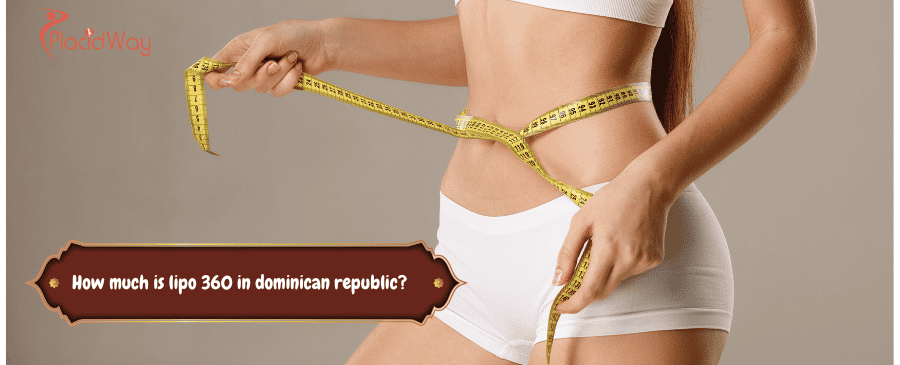
If you are researching body contouring options abroad, you have likely considered undergoing Lipo 360 in Dominican Republic. This destination has grown rapidly in popularity among international patients seeking experienced surgeons in a tropical setting. Understanding the Lipo 360 cost in Dominican Republic involves looking beyond the base surgical fees to include travel, accommodation, and aftercare. Choosing the right Lipo 360 clinic in Dominican Republic requires careful evaluation of medical credentials. Exploring medical tourism in Dominican Republic can be rewarding, provided you prioritize safety, thorough research, and proper medical guidance.
The estimated cost for Lipo 360 in the Dominican Republic generally ranges from $3,500 to $5,500. This often includes surgeon fees, anesthesia, and facility costs, making it a potentially affordable option compared to North American or European prices.
Key Takeaways
- Cost estimates typically fall between $3,500 and $5,500, but vary based on individual treatment plans and clinic expertise.
- Lipo 360 targets the entire midsection, including the upper and lower abdomen, flanks, and mid-to-lower back.
- Proper vetting of credentials, such as verifying a surgeon’s board certification, is crucial for patient safety.
- You should plan to remain in the country for 10 to 14 days post-surgery to manage the risks associated with air travel.
- Budgeting should account for flights, recovery house stays, medications, and specialized compression garments.
What exactly does Lipo 360 include?
Lipo 360 refers to circumferential liposuction targeting the entire midsection, covering the abdomen, obliques, flanks, and the mid-to-lower back.
Unlike traditional liposuction that might only focus on an isolated area like the lower stomach, Lipo 360 takes a comprehensive approach. The "360" refers to the full 360-degree circumference of the torso. Surgeons use this method to create a more cohesive and naturally contoured silhouette, addressing stubborn fat deposits from every angle.
The procedure generally involves making small incisions through which a cannula is inserted to loosen and suction out excess fat. Techniques can vary; some surgeons use tumescent liposuction, while others may utilize ultrasound-assisted or laser-assisted technologies to help break down the fat cells and potentially encourage skin retraction.
It is crucial to understand that this procedure is designed for body contouring, not weight loss. The ideal outcome relies on reshaping the body's natural curves rather than removing massive amounts of weight.
Why is the Dominican Republic popular for this procedure?
The destination attracts international patients due to a combination of lower healthcare operational costs, highly experienced local surgeons, and a robust infrastructure supporting recovery.
Participating in medical tourism in Dominican Republic allows many patients to access specialized body contouring procedures at a lower price point than they would find in the United States, Canada, or Europe. The lower cost of living and reduced administrative overhead in the country translate to savings for the patient, without necessarily compromising the quality of surgical skill.
Additionally, the country has developed a specialized ecosystem for medical travelers. This includes modern private hospitals, dedicated recovery facilities, and bilingual medical staff accustomed to international protocols. The proximity to North America, often requiring just a short flight, adds a layer of logistical convenience.
Many surgeons in the region perform a high volume of body contouring surgeries annually, refining their techniques over time. However, popularity does not guarantee a uniform standard of care, making individual research absolutely essential.
What factors influence the total price of Lipo 360?
The final cost depends on the surgeon’s experience, the specific clinic's fees, anesthesia costs, mandatory pre-operative testing, and post-operative necessities like garments.
When evaluating the Lipo 360 cost in Dominican Republic, the advertised baseline price rarely covers the entire medical journey. The surgeon's fee is usually the largest component, varying significantly based on their reputation, board certification, and demand.
Other direct medical costs include the anesthesiologist's fee, operating room facility charges, and essential pre-operative cardiovascular and blood tests to ensure you are fit for surgery. Some clinics package these together, while others itemize them.
| Expense Category | Estimated Range (USD) |
|---|---|
| Surgical & Facility Fees | $2,500 - $4,000 |
| Anesthesia & Pre-op Tests | $500 - $1,000 |
| Compression Garments & Meds | $200 - $400 |
| Recovery House (per night) | $100 - $250 |
You must also factor in travel expenses, such as round-trip airfare, ground transportation, and accommodations for at least two weeks of recovery.
Important Consideration
Prices found online are estimates. Your actual quote will depend on an individualized medical assessment. Never select a medical provider solely based on the lowest price, as deeply discounted surgeries can sometimes indicate compromises in facility standards or aftercare protocols.
Am I a suitable candidate for Lipo 360?
Ideal candidates are non-smokers in good overall health who are close to their ideal weight, possess good skin elasticity, and have realistic expectations about the results.
- Body Mass Index (BMI): Most surgeons enforce strict BMI limits (typically under 30 or 32) to mitigate the risks associated with anesthesia and deep vein thrombosis.
- Skin Elasticity: Lipo 360 removes fat but does not tighten skin. Patients with significant skin laxity may require an abdominoplasty (tummy tuck) instead.
- Medical History: Pre-existing conditions like diabetes, heart disease, or bleeding disorders may disqualify you from elective surgery.
- Lifestyle Habits: Nicotine constricts blood vessels, severely impairing the body's ability to heal and increasing the risk of tissue necrosis. Smoking cessation well before surgery is mandatory.
- Realistic Goals: Understanding that final results take months to appear as swelling subsides is vital for emotional well-being during recovery.
Only a qualified physician can determine your eligibility after a comprehensive medical evaluation.
How do I verify the safety and credentials of a clinic?
Vetting a clinic requires checking the surgeon's board certification, verifying facility accreditation, and assessing the quality of their emergency protocols.
When searching for a Lipo 360 clinic in Dominican Republic, your primary focus must be safety. In the Dominican Republic, reputable plastic surgeons are members of the Dominican Society of Plastic, Reconstructive and Aesthetic Surgery (SODOCIPRE). Verifying membership in this organization is a critical first step.
Additionally, investigate the facility where the surgery will take place. Is it a fully equipped hospital or a standalone surgical center? Proper facilities should have intensive care units (ICU) or robust transfer agreements with nearby major hospitals in case of an intraoperative emergency. Accreditation from international bodies or the local Ministry of Public Health is a positive indicator.
During your consultation, ask direct questions about their safety protocols, infection rates, and who administers the anesthesia. Anesthesia should only be administered by a certified anesthesiologist.
What does the recovery process look like?
Recovery involves wearing compression garments around the clock, managing surgical drains, attending lymphatic massages, and taking prescribed medications to manage pain and prevent infection.
The initial days following Lipo 360 can be quite uncomfortable. You will experience significant swelling, bruising, and soreness across your entire midsection. Surgeons routinely prescribe pain relievers and antibiotics to help manage these early stages. Most patients find moving around difficult, requiring assistance for basic daily tasks.
You will be required to wear a specialized compression garment, known as a faja, for several weeks or months. This garment helps reduce fluid buildup, supports the new contours, and aids in skin retraction. Your surgeon will provide a strict schedule for when and how to wear it.
Many postoperative care plans also include a series of lymphatic drainage massages. These gentle massages are intended to move accumulated fluids away from the surgical sites, potentially reducing swelling and preventing hard lumps from forming under the skin. Full recovery, where residual swelling completely resolves, can take anywhere from three to six months.
Are there risks or complications associated with Lipo 360?
Yes, like all major surgeries, Lipo 360 carries inherent risks including infection, bleeding, fluid accumulation, fat embolism, and deep vein thrombosis.
While often performed successfully, body contouring is invasive. General surgical risks include adverse reactions to anesthesia, excessive bleeding, and the development of infections at the incision sites. There is also the possibility of seromas (pockets of fluid) or hematomas (collections of blood) forming beneath the skin, which may need to be drained by a medical professional.
More severe, albeit less common, complications include fat embolism syndrome, where loosened fat enters the bloodstream and travels to the lungs or brain, and deep vein thrombosis (DVT), which involves blood clots forming in the deep veins of the legs. DVT is particularly concerning for medical tourists due to the immobility associated with long flights.
From an aesthetic standpoint, risks include contour irregularities, asymmetry, skin discoloration, and changes in skin sensation. Discussing these risks extensively with your surgeon before committing to the procedure is an essential part of informed consent.
How long should I stay in the Dominican Republic post-surgery?
Medical professionals generally recommend staying in the destination for 10 to 14 days following the procedure to ensure safe initial healing and clearance for air travel.
Leaving the country too soon after major surgery is highly dangerous. The trauma of the surgery combined with the cabin pressure and immobility of a commercial flight dramatically increases the risk of life-threatening blood clots. Your surgeon will monitor your healing over several follow-up appointments before officially clearing you to fly.
During this period, you will need to plan for proper accommodations. Many medical tourists opt for specialized recovery houses that cater specifically to post-operative patients. These facilities often provide nursing assistance, tailored meals, and transportation to your doctor's appointments.
Staying the recommended duration also ensures that if early complications—such as a postoperative infection or a stubborn seroma—arise, your operating surgeon is physically present to address them immediately.
What are the travel and logistical considerations?
Organizing medical travel requires ensuring your passport is valid, arranging a travel companion, coordinating airport transfers, and packing appropriately for surgical recovery.
- Travel Documents: Ensure your passport is valid for at least six months beyond your planned travel dates. Check specific entry requirements for the Dominican Republic based on your nationality.
- Travel Companion: Having a trusted friend or family member accompany you is highly beneficial. You will be vulnerable and heavily reliant on others during the first few days.
- Appropriate Packing: Bring loose-fitting, front-buttoning clothing that is easy to put on over bulky compression garments. Pack slip-on shoes to avoid bending over.
- Financial Preparedness: Notify your bank of your travel plans to prevent card blocks. Have a contingency fund for unexpected medical expenses, extra nights in a hotel, or flight changes.
- Medical Records: Bring printed copies of your medical history, recent lab results, and any pre-operative clearance forms required by your international surgeon.
Why Choose PlacidWay for Medical Tourism in the Dominican Republic?
Navigating international healthcare options can be complex. PlacidWay offers an educational platform designed to help patients research their options globally.
- Extensive Directories: PlacidWay provides access to a large directory of international medical facilities and provider profiles to aid in your preliminary research.
- Informative Resources: The platform offers articles, cost estimates, and guides to help patients better understand the logistics of medical travel.
- Direct Connections: Patients can use the platform to communicate directly with international clinics, facilitating easier information gathering and initial consultations.
- Global Reach: PlacidWay lists providers not just in the Caribbean, but across Latin America, Europe, and Asia, allowing for broad comparison.
- Transparency Features: The site strives to present available clinic credentials, accreditations, and specialties clearly to assist patients in their vetting process.
Frequently Asked Questions
Are there BMI restrictions for getting Lipo 360 in the Dominican Republic?
Yes. Most surgeons require patients to have a Body Mass Index (BMI) below 30 or 32 to minimize surgical and anesthesia risks. Patients with higher BMIs may face an increased risk of complications and might be advised to achieve a target weight before undergoing the procedure.
Can I combine Lipo 360 with a Brazilian Butt Lift (BBL) during my trip?
It is quite common for patients to combine these two procedures. During Lipo 360, the harvested fat can be purified and transferred to the buttocks. However, combining surgeries extends operating time, which can increase potential risks and require a more intensive recovery.
Do Dominican clinics provide lymphatic drainage massages?
Many clinics and dedicated recovery houses in the Dominican Republic offer post-operative lymphatic drainage massages. These massages are frequently recommended by surgeons to help reduce swelling and fluid retention during the initial weeks of recovery.
Are recovery houses common in Santo Domingo and Punta Cana?
Recovery houses are very common, particularly in cities like Santo Domingo. They cater specifically to medical tourists, providing meals, assistance with compression garments, transportation to follow-up appointments, and a supportive environment for the initial healing phase.
How soon can I fly back home after my procedure?
Surgeons typically advise waiting at least 10 to 14 days before flying. Air travel shortly after major surgery significantly increases the risk of deep vein thrombosis (DVT) and pulmonary embolism. You must get medical clearance from your surgeon before boarding a flight.
Does the initial quote usually include anesthesia and compression garments?
Quote structures vary by clinic. Some provide all-inclusive pricing that covers the surgeon's fee, anesthesia, facility use, and your first compression garment (faja). Others may bill anesthesia, lab work, and garments separately. Always request an itemized breakdown.
What kind of anesthesia is typically used?
Lipo 360 is generally performed under general anesthesia, though some surgeons may use epidural anesthesia combined with IV sedation depending on the patient's medical profile and the extent of the fat removal.
Can I finance my procedure in the Dominican Republic?
While international clinics rarely offer direct in-house financing to foreign patients, many medical tourists use third-party medical financing companies, personal loans, or specialized healthcare credit cards obtained in their home country to fund their trip.
Will my primary care doctor at home manage my aftercare?
It is crucial to establish a relationship with a local healthcare provider before you travel. While some primary care doctors are willing to monitor basic healing, you may need to consult a local board-certified plastic surgeon to properly assess your surgical recovery and manage specific aesthetic concerns.
What happens if I experience complications after returning home?
If you experience severe complications like excessive swelling, fever, or signs of infection after returning home, you should seek immediate emergency medical care. You will be responsible for the costs of treating complications locally, which is why securing medical tourism complications insurance beforehand is highly recommended.
Ready to Explore Your Treatment Options?
Gather more information and compare facilities safely. Request educational materials and treatment information through PlacidWay.
Request Treatment Information

.png)


.png)
.png)

.png)


.jpg)
.png)
.jpg)










Share this listing