
Breast Reduction Cost in Mexicali, Mexico

For many women experiencing the physical discomfort of overly large breasts, reduction mammaplasty can offer significant relief. Exploring a breast reduction in Mexicali, Mexico is an avenue some patients consider when weighing the costs and accessibility of surgical care. Mexicali, located just across the border from California, has grown into a busy hub for those seeking medical care outside their home countries.
This comprehensive guide explores the estimated costs, surgical procedures, potential risks, and recovery expectations to help you make an informed decision alongside a qualified medical professional.
Key Takeaways
- The estimated cost for the procedure in Mexicali generally falls between $3,500 and $5,000.
- The primary goals of surgery are to alleviate chronic physical pain and reshape breast tissue for better proportion.
- Recovery requires patience, typically taking 2 to 4 weeks before patients can resume non-strenuous daily activities.
- A thorough consultation is necessary to confirm your medical suitability and to receive an individualized price quote.
- Patient safety relies on verifying surgeon credentials, understanding all surgical risks, and planning for proper local follow-up care.
What factors influence the final price of breast reduction in Mexicali?
While the baseline price offers a helpful starting point, medical procedures are highly individualized. The complexity of your specific case is a major determining factor. Patients requiring a more extensive removal of tissue or complex reshaping techniques may face higher surgical fees due to the increased time in the operating room.
Additionally, the credentials and reputation of the surgeon play a role in pricing. Highly experienced, board-certified plastic surgeons generally command higher fees, which reflects their training and expertise. The choice of facility—whether a private clinic or a fully equipped hospital—also impacts the total bill, as hospital operating rooms often have higher overhead costs.
Pre-operative medical clearances, specialized lab tests, and post-surgical garments are sometimes billed separately. It is critical to request a detailed, itemized quote during your consultation so you can accurately budget for your trip.
What is typically included in the quoted surgery cost?
When reviewing a quote from a medical provider in Mexico, clarity is essential. Most standard packages cover the core components necessary to perform the surgery safely. This encompasses the anesthesiologist's time, the use of medical equipment, and the surgical staff.
However, out-of-pocket expenses can quickly add up if you do not know what to look for. You should explicitly ask your provider if the following items are included in their estimate:
- Pre-operative blood work, mammograms, or electrocardiograms (EKGs).
- Prescription medications for pain management and infection prevention to take back to your hotel.
- Specialized post-surgical compression bras or bandages.
- Follow-up visits with the surgeon before you travel home.
- Accommodation and ground transportation within Mexicali.
Am I a suitable candidate for reduction mammaplasty?
Breast reduction is often categorized as both a functional and aesthetic procedure. Many women seek this surgery to resolve physical symptoms like deep shoulder grooves from bra straps, chronic neck and back pain, nerve-related numbness in the arms, and persistent skin rashes beneath the breast crease. If these symptoms heavily impact your quality of life, you may be a candidate.
Medical suitability is carefully evaluated before approval. Surgeons generally require patients to have a stable weight, as significant weight loss or gain can alter breast size and shape after surgery. Your surgeon will also review your medical history to identify conditions that could impair healing, such as uncontrolled diabetes or cardiovascular issues.
How is a breast reduction procedure performed?
Reduction mammaplasty is performed under general anesthesia and typically takes two to four hours to complete. The surgical technique chosen depends largely on your anatomy, the amount of tissue being removed, and your personal goals. The most common techniques involve specific incision patterns.
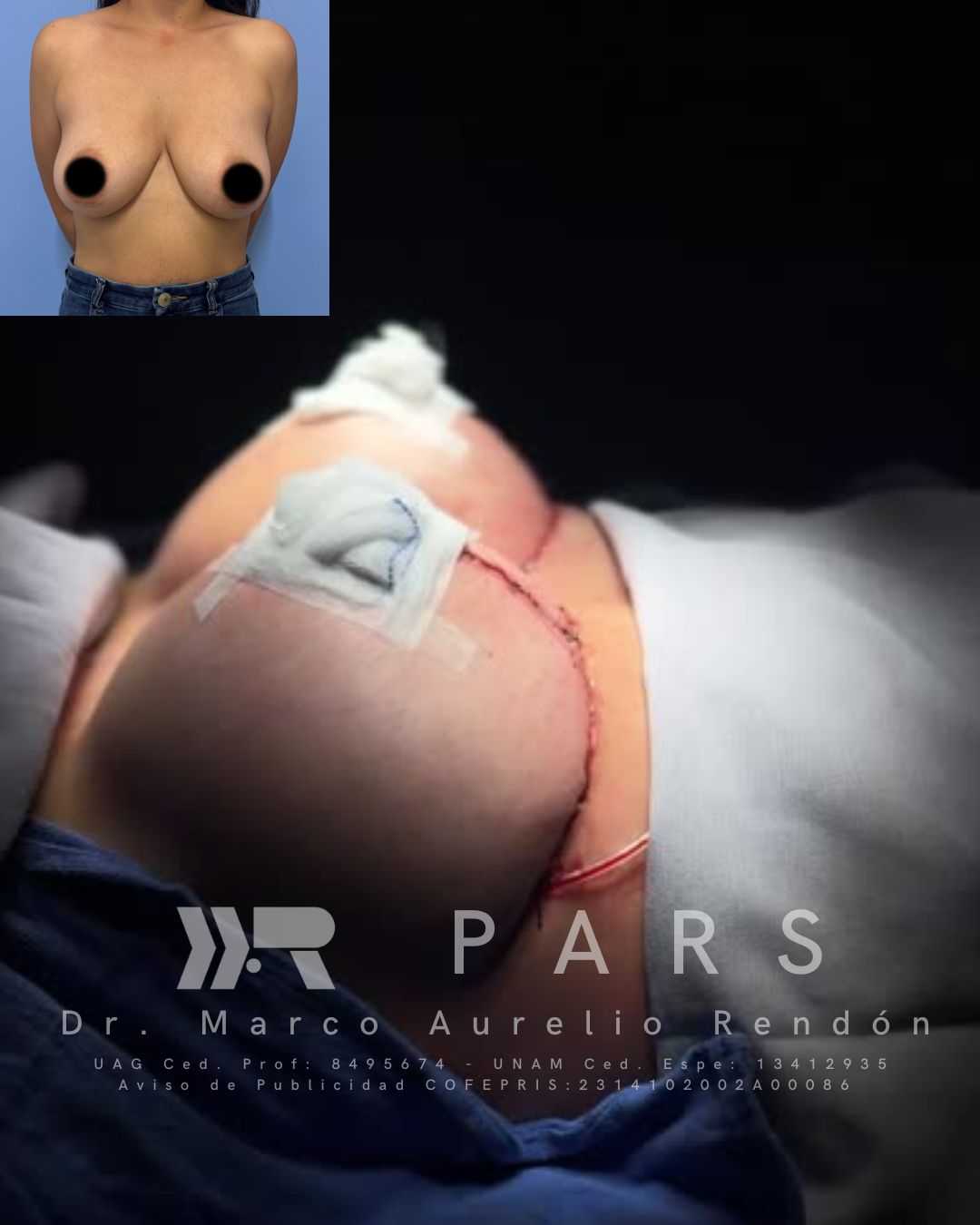
The "anchor" or inverted-T pattern is frequently used for significant reductions. It involves an incision around the areola, one extending vertically down to the breast crease, and another horizontally along the crease. For moderate reductions, a "lollipop" pattern may be sufficient, which avoids the horizontal crease incision. In some cases, liposuction is utilized alongside surgical excision to help contour the breast and underarm area.
Once the excess tissue is removed, the surgeon lifts and reshapes the remaining breast tissue. The areola is often reduced in size and moved higher onto the newly shaped breast to create a natural appearance. Finally, the incisions are carefully closed with sutures.
What are the potential risks and complications?
It is vital to have a realistic understanding of the potential risks before committing to surgery. While many procedures are completed without major issues, complications can and do occur. General surgical risks include deep vein thrombosis (blood clots), infection at the incision sites, and hematoma (a collection of blood under the skin requiring drainage).
Specific to breast reduction, scarring is inevitable. While surgeons strive to place incisions where they can be concealed by clothing, scars can sometimes heal poorly, becoming raised or widened. Changes in sensation are also common; you may experience numbness or heightened sensitivity in the breasts or nipples, which can be temporary or permanent.
A less common but severe risk is the partial or total loss of the nipple and areola due to compromised blood supply. Additionally, the procedure often impacts milk ducts, meaning many women are unable to breastfeed following a reduction. Discussing these risks thoroughly with your healthcare provider is a critical step in the decision-making process.
How long is the typical recovery period after surgery?
The initial days following surgery are marked by swelling, bruising, and discomfort, which are usually managed with prescribed medication. You will likely wake up in a surgical compression bra, and in some cases, small temporary tubes (drains) may be placed under the skin to remove excess blood or fluid.
Rest is paramount during the first week. You will need to sleep on your back with your upper body elevated to help minimize swelling. Heavy lifting, reaching above your head, and strenuous activities are strictly prohibited to prevent placing tension on the healing incisions.
While many women feel well enough to return to non-physical jobs after a couple of weeks, the breasts will take several months to settle into their final shape as internal swelling completely resolves. Following your surgeon's specific post-operative instructions is vital for achieving the best possible outcome.
Why do patients consider medical tourism in Mexico for this procedure?
The primary driver for seeking care internationally is often financial. In the United States and Canada, elective or cosmetic procedures that are not covered by insurance can carry high out-of-pocket costs. Facilities in Mexico often operate with lower overhead and administrative costs, which can translate to lower estimated prices for patients.
Mexicali, in particular, appeals to patients living in the southwestern United States because of its accessibility. Being a border city, patients can frequently fly into nearby US airports (such as in San Diego or Imperial County) and cross the border via land, avoiding expensive international flights.
Many clinics that cater to international patients feature bilingual staff, which helps ease communication barriers regarding medical histories and consent forms. However, the decision to travel for surgery should never be based on price alone; safety and the quality of care must always remain the priority.
What should I plan for travel and aftercare in Mexicali?
Traveling for surgery requires thorough logistical planning. You cannot have surgery and immediately cross the border to go home. Surgeons typically require international patients to stay in the local area for several days to a week. This allows the medical team to conduct vital post-operative check-ups, ensure there are no immediate signs of infection, and safely remove any surgical drains.
It is highly recommended to travel with a companion. After general anesthesia, you will be groggy, have restricted arm movement, and be unable to safely lift luggage, open heavy doors, or manage transportation on your own. A companion provides necessary support during the most vulnerable days of your recovery.
Equally important is planning for your care after leaving Mexico. Complications can arise weeks after surgery. Before you travel, you should speak with your local primary care physician or a local specialist to ensure they are willing to provide ongoing follow-up care or treat any delayed complications if they occur.
How do I evaluate a breast reduction clinic in Mexicali?
Thoroughly vetting your chosen medical provider is the most critical step in minimizing risk. In Mexico, reputable plastic surgeons are typically certified by the Mexican Council of Aesthetic and Reconstructive Plastic Surgery (CMCPER). Certification by this body indicates that the surgeon has undergone rigorous, specialized training.
Beyond the surgeon, the facility itself must be scrutinized. Ask prospective clinics where the surgery will be performed. Procedures done in accredited hospitals or recognized surgical centers generally have better emergency protocols in place than small private office rooms. You should ask what happens and where you will be transferred if a severe medical emergency occurs during surgery.
During virtual consultations, ask detailed questions about infection rates, anesthesia providers, and aftercare policies. A trustworthy medical provider will be transparent, encourage questions, and will not pressure you into making an immediate booking decision.
Why Choose PlacidWay for Medical Tourism in Mexicali?
Navigating international healthcare options requires extensive research and careful planning. PlacidWay acts as a medical tourism platform designed to help patients explore healthcare facilities around the world. When looking into treatments in destinations like Mexicali, PlacidWay offers several features:
- Provides a centralized directory containing profiles of international hospitals and clinics.
- Allows users to request and compare initial cost estimates from multiple providers.
- Facilitates direct communication between patients and international medical teams.
- Offers educational articles and resources concerning various medical procedures abroad.
- Assists in streamlining the initial inquiry process for those researching care outside their home network.
Frequently Asked Questions
Is a medical visa required for treatment in Mexicali?
For citizens of the United States and Canada, a standard tourist visa or passport is typically sufficient for short visits to Mexico. A specialized medical visa is not usually required, but travelers should verify current entry requirements before planning their trip.
Can I combine breast reduction with other procedures in Mexico?
Some patients inquire about combining procedures, such as a tummy tuck or liposuction, with a breast reduction. While medically possible in certain cases, combining surgeries increases the time under anesthesia and the risk of complications. Your surgeon will determine if this is safe based on your overall health.
How soon can I travel back home after surgery?
Surgeons typically advise patients to remain in Mexicali for at least 5 to 7 days following surgery. This allows the medical team to monitor your initial healing, remove surgical drains if used, and clear you for travel. Sitting in a car or plane for extended periods too soon can increase the risk of blood clots.
Will my health insurance cover surgery in Mexico?
Most US and Canadian health insurance policies do not cover elective procedures performed outside of their domestic networks. While breast reduction can sometimes be deemed medically necessary, obtaining coverage or reimbursement for international surgery is highly unusual.
What happens if I experience complications after returning home?
If complications arise after you return home, you must seek immediate medical attention from a local healthcare provider or emergency room. It is vital to establish a relationship with a local primary care doctor before traveling, as they can assist with post-operative care and handle unforeseen issues.
Will I lose sensation in my nipples after a breast reduction?
Changes in nipple and breast sensation are common after surgery. While sensation often returns over several months as nerves heal, some patients experience permanent partial or total loss of feeling in the nipple or areola.
Will the procedure affect my ability to breastfeed?
Breast reduction often involves removing glandular tissue and potentially repositioning the nipple, which can sever milk ducts. Many women find it difficult or impossible to breastfeed exclusively after the procedure. If future breastfeeding is a priority, you should discuss this with your surgeon.
How long do the results of a breast reduction last?
The physical reduction in breast size is generally long-lasting. However, breasts can still change over time due to aging, weight fluctuations, hormonal shifts, or pregnancy. Maintaining a stable weight helps preserve the surgical results.
What type of anesthesia is used during the operation?
Reduction mammaplasty is typically performed under general anesthesia, meaning you will be completely asleep during the operation. In very specific, less complex cases, local anesthesia with intravenous sedation may be used, though this is less common.
Are there age restrictions for this type of surgery?
There is no strict upper age limit, provided the patient is in good health and cleared for surgery. For younger patients, surgeons usually recommend waiting until breast development is fully complete, which typically occurs in the late teens or early twenties.
Ready to Explore Your Options?
Take the next step in gathering information. Compare clinics, request detailed estimates, and learn more about treatment availability.
Request Treatment InformationReferences
- Breast Reduction Overview – American Society of Plastic Surgeons (ASPS)
- Breast reduction surgery: Risks and Results – Mayo Clinic
- Breast Reduction (Reduction Mammaplasty) – Cleveland Clinic
- Breast Reduction Surgery Facts – Johns Hopkins Medicine
- Patient Safety in Aesthetic Surgery – International Society of Aesthetic Plastic Surgery (ISAPS)
- Medical Tourism: Travel for Medical Care – Centers for Disease Control and Prevention (CDC)























Share this listing