


Orthopedic/Knee Surgery in Turkey
The best centers for total or partial knee replacement in Antalya offer world-class orthopedic care, utilizing advanced robotic arm technology and minimally invasive techniques. These JCI-accredited facilities provide comprehensive surgical packages ranging from $7,000 to $12,000, ensuring high-quality implants and expert rehabilitation.
Key Takeaways: Orthopedic Excellence in Antalya
- Advanced Robotic Assistance: Utilization of cutting-edge technology for precise implant alignment and sizing.
- Exceptional Cost Efficiency: Patients typically save up to seventy percent compared to North American or UK healthcare systems.
- Global Accreditation: Procedures are performed in Joint Commission International standard hospitals prioritizing maximum patient safety.
- Premium Implants: Guaranteed use of FDA-approved and CE-marked international prosthetic brands.
- Holistic Rehabilitation: Dedicated inpatient and outpatient physical therapy protocols designed to accelerate your recovery phase.
What is the difference between total and partial knee replacement in Turkey?
A total procedure replaces the entire joint surface with a comprehensive prosthetic, while a partial procedure only replaces the single damaged compartment. Both procedures are expertly customized in Antalya based on your specific level of joint degradation.
Understanding your specific anatomical needs is the first step toward a successful recovery. When you undergo a knee replacement in Turkey, the orthopedic specialist will conduct detailed imaging to assess the three distinct compartments of your joint: the medial compartment on the inside, the lateral compartment on the outside, and the patellofemoral compartment under the kneecap. The extent of your osteoarthritis dictates the surgical approach.
A partial arthroplasty, also known as a unicompartmental procedure, is a highly targeted approach. If your cartilage degradation is isolated to just one of these three areas, the surgeon preserves your healthy bone, cartilage, and crucial ligaments, replacing only the damaged section. Because this method is less invasive, it typically results in a more natural-feeling joint, reduced blood loss, and a noticeably shorter rehabilitation window.
Conversely, a total arthroplasty involves resurfacing the entire lower end of the femur and the upper end of the tibia. This is the gold standard for patients suffering from advanced, widespread arthritis that affects multiple compartments. During this procedure, the damaged surfaces are entirely removed and replaced with robust metal alloys and highly cross-linked polyethylene spacers, providing a complete structural reset for patients experiencing debilitating chronic pain.
Because a partial procedure preserves your anterior and posterior cruciate ligaments, many patients report that their operated leg feels completely natural and normal much faster than those who undergo a complete joint overhaul.
How much does a knee replacement cost in Turkey compared to other destinations?
The average knee replacement cost in Turkey ranges from $7,000 to $12,000, which includes the hospital stay, surgical fees, and standard premium implants. This offers monumental savings compared to the $30,000 to $50,000 typically charged in Western healthcare systems.
The financial advantage of seeking orthopedic care abroad is a primary driver for international patients. When evaluating the knee replacement cost in Turkey, it is crucial to understand that the lower price point is not a reflection of lower quality. Instead, the affordability is driven by the lower cost of domestic medical labor, favorable exchange rates, and heavy government subsidization designed to promote global healthcare access.
A comprehensive financial package in Antalya generally covers the entire clinical spectrum. This typically includes preoperative blood tests, advanced MRI or CT imaging, the surgeon and anesthesiologist fees, the cost of the premium prosthetic implant itself, and your immediate post-surgical hospitalization period. Many centers also bundle the crucial first few sessions of acute inpatient physical therapy into the base price.
In stark contrast, patients in the United States often face catastrophic out-of-pocket expenses, high insurance deductibles, or prolonged waiting lists in countries with socialized medicine like Canada or the United Kingdom. By choosing Antalya, patients bypass these extensive waiting periods, access immediate high-tier medical intervention, and save substantial capital, even when factoring in the required duration of their stay.
What advanced surgical techniques are utilized at a top knee replacement clinic in Turkey?
Leading facilities employ cutting-edge robotic-assisted surgery and computer navigation systems to ensure flawless implant placement. These modern methods result in smaller incisions, preserved surrounding tissue, and significantly optimized recovery times.
Finding a premium knee replacement clinic in Turkey means gaining access to some of the most sophisticated orthopedic technologies available worldwide. Turkish surgeons are rapidly adopting and mastering next-generation techniques that prioritize precision and patient comfort. Key advancements include:
- Robotic-Assisted Arthroplasty: Utilizing robotic arms, the surgeon creates a personalized 3D surgical plan based on your CT scan, allowing for sub-millimeter accuracy during bone resection and implant positioning.
- Minimally Invasive Approaches: Surgeons use specialized instruments to navigate between muscle fibers rather than cutting through them, specifically avoiding trauma to the quadriceps tendon whenever possible.
- Kinematic Alignment: Instead of placing the implant in a standard mechanical grid, this technique aligns the new joint precisely with your body's natural pre-arthritic axis, improving postoperative range of motion.
- Computer Navigation: Infrared cameras and smart sensors track the limb positioning in real-time during the operation, ensuring perfect biomechanical balance and ligament tension.
- Custom Patient-Specific Instrumentation: 3D-printed cutting guides are manufactured based on your unique anatomy prior to surgery, streamlining the operation and reducing time spent under anesthesia.
Am I a better candidate for total or partial knee replacement in Turkey?
You are an ideal candidate for a partial procedure if your cartilage loss is confined to a single compartment without significant ligament damage. If your osteoarthritis is widespread, a complete replacement will be medically mandatory.
Determining your surgical candidacy requires a comprehensive physical examination and high-resolution radiographic imaging. A partial procedure is highly appealing due to its rapid recovery profile, but it has strict qualifying criteria. To be eligible, your anterior cruciate ligament must be intact, your range of motion should be relatively preserved, and the arthritis must be strictly localized, most commonly in the medial aspect of the joint.
If you suffer from inflammatory conditions like rheumatoid arthritis, a partial procedure is generally contraindicated because the disease will eventually attack the remaining healthy compartments. Similarly, significant angular deformities, such as severe bowleggedness or knock-knees, often necessitate the structural correction that only a complete joint overhaul can provide. Age and activity levels also play a role; younger, highly active individuals sometimes opt for partial replacements to preserve bone stock for future revisions.
Below is a comparative breakdown to help you understand the general medical criteria used by orthopedic specialists when formulating your personalized treatment plan:
| Clinical Factor | Partial Replacement Criteria | Total Replacement Criteria |
|---|---|---|
| Arthritis Spread | Isolated to one compartment | Widespread across two or more areas |
| Ligament Health | Intact ACL and PCL required | Can accommodate damaged ligaments |
| Deformity Level | Minimal to no joint bowing | Corrects severe angular deformities |
| Disease Type | Osteoarthritis or focal trauma | Rheumatoid or severe Osteoarthritis |
What does the daily rehabilitation timeline look like for a knee replacement in Turkey?
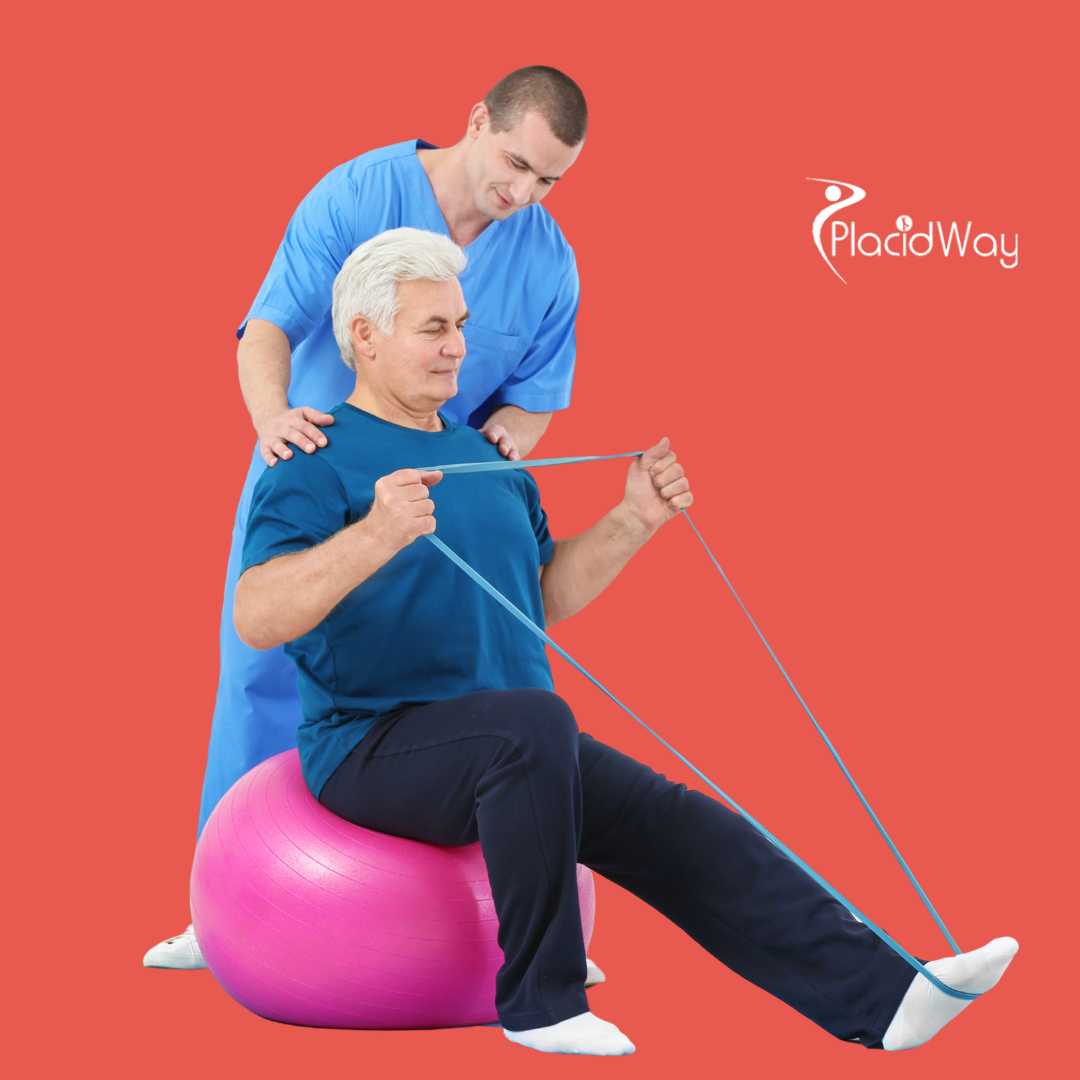
Rehabilitation begins aggressively within twenty-four hours of surgery. Your dedicated physical therapists will guide you through early mobilization techniques, focusing on restoring essential range of motion, reducing swelling, and safely bearing weight.
The success of your orthopedic procedure relies just as much on your postoperative physical therapy as it does on the surgeon's skill. Turkish medical centers employ strict, evidence-based rehabilitation protocols to prevent stiffness and ensure maximum joint functionality. Your therapy journey unfolds through several distinct phases:
- Day One Mobilization: Within hours of waking up, physical therapists will assist you in standing and taking your first steps using a walker, promoting crucial blood circulation.
- Inpatient Acute Care (Days 2-4): You will practice vital functional movements, including getting in and out of bed, basic toilet transfers, and gentle stretching to achieve full leg extension.
- CPM Machine Utilization: Many clinics utilize Continuous Passive Motion machines while you rest in bed, gently bending and straightening your leg to prevent painful scar tissue formation.
- Outpatient Therapy (Weeks 1-3): Transitioning from a walker to crutches or a cane, therapy intensifies with strengthening exercises focusing on the quadriceps and hamstrings.
- Long-Term Restoration (Weeks 4-12): Advanced exercises like stationary cycling and aquatic therapy are introduced to perfect your gait and return you to normal daily activities without assistance.
How long should I plan to stay for medical tourism in Turkey after a joint procedure?
International patients should plan to remain in Antalya for approximately fourteen to twenty-one days. This essential duration covers comprehensive preoperative testing, the necessary hospital admission, and the critical initial outpatient physical therapy phase.
Planning the logistics of medical tourism in Turkey requires careful consideration of the clinical timeline. Arriving a few days before your scheduled surgery is imperative. This preoperative period allows your body to rest after international travel and provides the medical team ample time to conduct thorough cardiovascular clearances, final imaging, and detailed surgical consultations without rushing.
Following the operation, you will typically spend three to five days as an inpatient within the hospital walls. During this acute phase, nurses manage your pain around the clock, monitor your surgical incision for optimal healing, and initiate your early mobilization protocols. Once discharged from the hospital ward, you must remain in the city for continued observation and rehabilitation.
The remaining ten to fourteen days of your stay are dedicated to aggressive outpatient physical therapy and routine check-ups with your operating surgeon. They need to monitor your progress, remove surgical staples or sutures, and officially clear you for a safe return flight. Leaving too early significantly increases the risk of deep vein thrombosis during prolonged air travel.
Antalya is known as the pearl of the Mediterranean. Many patients find that recovering in a sunny, low-stress coastal environment significantly boosts their mental well-being, which is clinically proven to positively impact physical healing speeds.
Which international implant brands are used for joint replacement in Turkey?
Turkish orthopedic centers utilize premium FDA-approved implants from global industry leaders like Zimmer Biomet, Stryker, and Smith and Nephew. These high-quality prosthetics ensure maximum longevity and closely mimic natural joint kinematics.
A common concern for international patients is the quality of the hardware being implanted. Rest assured, elite hospitals in Antalya do not compromise on materials. They strictly utilize prosthetics manufactured by the top-tier medical device companies based in the United States and Europe. These are the exact same high-grade implants utilized by top surgeons in London, New York, and Toronto.
These modern implants are engineered marvels, typically consisting of a highly polished cobalt-chromium or titanium alloy femoral component and a titanium tibial baseplate. Inserted between these metal structures is a highly cross-linked polyethylene bearing surface. This advanced medical-grade plastic serves as your new artificial cartilage, designed specifically to withstand decades of friction and heavy weight-bearing forces.
Furthermore, surgeons have access to a vast inventory of implant sizes and modular components. This extensive selection allows the orthopedic team to perfectly match the prosthetic to your unique bone morphology and gender-specific anatomy. Properly sized implants reduce the risk of postoperative pain, joint instability, and premature wear, ensuring your new joint serves you effectively for twenty years or more.
How can I evaluate the safety protocols of a knee replacement clinic in Turkey?
You should evaluate a facility by verifying internationally recognized accreditations like JCI. Top centers maintain dedicated orthopedic operating theaters equipped with advanced laminar airflow systems and strict infection control metrics.
Patient safety must be the foundational pillar of your decision-making process. The most reliable indicator of a secure environment is the Joint Commission International accreditation. Hospitals holding this prestigious seal undergo rigorous, continuous audits evaluating hundreds of distinct safety parameters, from medication management to emergency response protocols, guaranteeing standards equivalent to the best Western hospitals.
Infection prevention is paramount in joint arthroplasty. Elite facilities utilize specialized orthopedic-only operating rooms featuring laminar airflow ventilation. This technology creates a continuous stream of ultra-filtered air flowing downwards over the surgical table, dramatically pushing airborne contaminants away from the sterile field. Additionally, surgical staff wear comprehensive exhaust suits, often referred to as space suits, to further eliminate contamination risks.
Beyond the operating theater, deep vein thrombosis prevention is a critical safety protocol. Top clinics implement aggressive multi-modal anti-clotting measures. This includes the mandatory use of mechanical sequential compression devices on your calves during and after surgery, combined with pharmacological blood thinners and a rigid schedule of early mobilization to keep blood circulating effectively throughout your lower extremities.
Why Choose PlacidWay to book your knee replacement in Turkey?
PlacidWay provides expert medical guidance to connect you with elite, thoroughly vetted orthopedic centers in Antalya. Our platform ensures total transparent pricing and provides dedicated patient advocacy throughout your entire healthcare journey.
Navigating international healthcare systems requires expertise and a trusted partner prioritizing your clinical outcomes. PlacidWay serves as your dedicated medical liaison, removing the guesswork from finding exceptional orthopedic care. Here is how our comprehensive facilitation ensures a secure and successful surgical experience:
- Stringent Facility Vetting: We perform continuous due diligence, exclusively partnering with hospitals that maintain pristine safety records, hold JCI accreditations, and utilize state-of-the-art orthopedic technology.
- Access to Top Orthopedic Surgeons: We connect you with board-certified specialists who possess decades of specific experience in complex joint revisions and primary arthroplasty techniques.
- Complete Price Transparency: Our team secures comprehensive, all-inclusive medical quotes upfront. We eliminate hidden hospital fees, ensuring you understand exactly what your medical investment covers before committing.
- Preoperative Telehealth Coordination: We seamlessly organize direct virtual consultations between you and your prospective surgical team, allowing for the secure transfer of medical records and MRI scans for precise evaluation.
- Dedicated Patient Advocacy: From your initial inquiry through your postoperative physical therapy, our care coordinators act as your personal health advocates, ensuring clear communication with your medical team.
Frequently Asked Questions About Joint Procedures in Antalya
Is it safe to undergo knee replacement surgery in Antalya?
Yes, it is highly safe to undergo orthopedic procedures in Antalya. The city hosts numerous internationally accredited medical centers that adhere to rigorous global healthcare standards. These facilities employ highly experienced orthopedic surgeons who utilize modern sterile operating theaters equipped with laminar airflow systems to minimize any risk of infection.
Can I have both knees replaced at the same time in Turkey?
Yes, bilateral joint replacement is an option for eligible patients. If you are in good overall cardiovascular health and do not have severe underlying conditions, surgeons in Antalya can perform a bilateral procedure. This allows for a single recovery period, though the initial rehabilitation phase is typically more intensive than a single joint procedure.
Will my new prosthetic trigger airport security metal detectors?
Modern orthopedic implants contain metals like titanium and cobalt-chromium, which will likely trigger airport security metal detectors. Your medical team in Turkey will provide you with an official medical implant identification card before you travel home. You simply need to present this card to security personnel when going through the scanners.
What kind of anesthesia is typically used for joint procedures in Antalya?
Orthopedic specialists in Antalya typically recommend spinal anesthesia combined with a peripheral nerve block and deep sedation. This approach is preferred over general anesthesia because it significantly reduces postoperative nausea, lowers the risk of blood clots, and provides superior pain management during the first twenty-four hours after the procedure.
How soon can I swim in the Mediterranean Sea after my procedure?
While Antalya offers beautiful beaches, you must avoid submerging your surgical incision in oceans, pools, or bathtubs until it is completely healed and cleared by your doctor. This healing process usually takes about four to six weeks. Swimming too early introduces a severe risk of bacterial infection at the surgical site.
Are blood transfusions necessary during orthopedic procedures in Turkey?
Routine blood transfusions are rarely needed thanks to advanced minimally invasive techniques and the use of medications like tranexamic acid, which significantly reduces bleeding during the operation. However, top hospitals maintain fully stocked blood banks on-site as a standard safety precaution for all major procedures.
What is the long term success rate of joint replacements performed in Turkish hospitals?
The success rates mirror the highest global standards, with over ninety-five percent of patients reporting significant pain relief and improved mobility. When premium implants are used and proper rehabilitation protocols are followed, these artificial joints typically last fifteen to twenty years or longer before requiring any revision.
How do orthopedic surgeons in Turkey manage postoperative pain?
Hospitals employ a multimodal pain management protocol. This involves preemptive nerve blocks during surgery, local anesthetic injections directly into the joint capsule, and a combination of oral medications following the procedure. This strategic layering of pain relief minimizes reliance on heavy narcotics and accelerates your ability to participate in physical therapy.
Is there a strict age limit for getting a joint replacement in Antalya?
There is no strict upper age limit for these procedures. Candidacy is determined by physiological health, bone density, and surgical risk factors rather than chronological age. Comprehensive preoperative cardiac and respiratory testing is conducted to ensure that senior patients can safely undergo the anesthesia and subsequent physical rehabilitation.
Do Turkish clinics provide any warranty or guarantee for the implants used?
The premium international implants used by accredited centers come with standard global manufacturer warranties against structural defects. Furthermore, leading orthopedic centers stand behind their surgical work, offering comprehensive follow-up care and clear protocols to address any rare postoperative complications that might arise shortly after the procedure.








.png)









Share this listing