
Transform Your Look with Expert Nose Jobs in Tijuana, Mexico
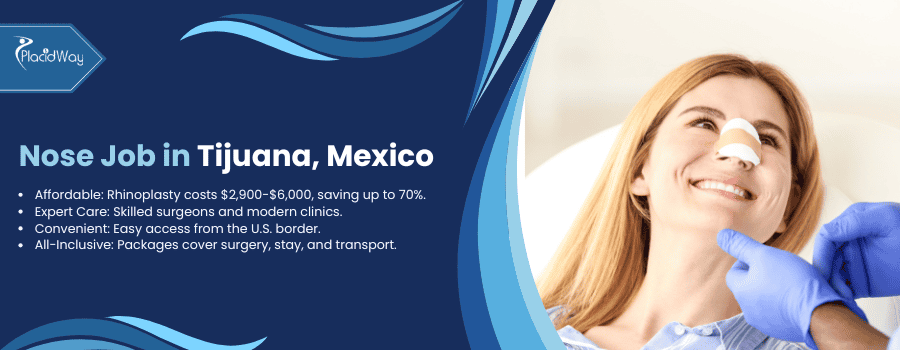
Deciding to travel for cosmetic surgery is a major health decision that requires careful consideration. When exploring the possibility of a nose job in Tijuana, patients often balance the desire for more accessible care with valid concerns about surgical safety, facility standards, and post-operative recovery. Rhinoplasty is a highly complex procedure that alters the delicate bone, cartilage, and tissue of the face, meaning the skill of the surgeon directly impacts both breathing function and aesthetic outcomes.
Key Takeaways
- Safety relies heavily on verifying surgeon credentials, specifically certification by recognized Mexican medical boards.
- Tijuana offers accredited facilities, but clinical standards can vary widely between different private practices.
- Post-operative care is critical; patients should plan for an extended local stay before traveling home.
- All surgeries carry inherent risks, and long-distance travel too soon after surgery can increase the chance of complications.
- Medical tourism requires thorough independent research and a consultation with your primary healthcare provider before making any commitments.
What qualifications should a Tijuana rhinoplasty surgeon have?
In Mexico, any qualified plastic surgeon should hold certification from CMCPER. This organization is the equivalent of the American Board of Plastic Surgery in the United States. Membership indicates that the physician has completed the necessary years of surgical residency and passed rigorous standardized exams to practice aesthetic and reconstructive surgery safely.
Beyond general plastic surgery board certification, you should look for a provider who specializes heavily in rhinoplasty. The nose is a complex functional and aesthetic organ. A surgeon who performs body contouring might not have the nuanced, daily experience required to master nasal anatomy. Don't hesitate to ask a prospective surgeon how many rhinoplasties they perform each month and inquire about their specific training background.
How do clinic safety standards in Tijuana vary?
The facility where your surgery takes place is just as important as the person performing it. High-quality clinics in Mexico adhere to strict hygiene, sterilization, and emergency protocols. Many reputable facilities seek voluntary accreditation from the General Health Council (CSG) in Mexico or international bodies like the Joint Commission International (JCI).
When researching clinics, ask about their emergency preparedness. A safe surgical center will have an intensive care unit (ICU) on-site or an immediate transfer agreement with a nearby major hospital in case of unexpected complications. Avoid providers operating out of uncertified office spaces or facilities that refuse to answer specific questions about their surgical equipment, anesthesia staff, and sterilization processes.
What are the risks of traveling for rhinoplasty?
Rhinoplasty complications can include adverse reactions to anesthesia, hematomas (blood collecting under the skin), skin numbness, asymmetry, and breathing difficulties. When you choose to travel across borders for surgery, you introduce additional variables that can complicate your recovery process.
- Deep Vein Thrombosis (DVT): Long flights or car rides shortly after surgery increase the risk of developing blood clots.
- Continuity of Care: If you develop a late-stage infection or healing issue after returning home, your primary surgeon is miles away.
- Communication Barriers: While many providers speak English, minor misunderstandings regarding medication or post-operative instructions can impact healing.
- Revision Risks: Up to 15% of all nose jobs globally require revision surgery. If you need a secondary procedure, you must factor in the cost and time of traveling back to your original surgeon.
How much does a nose job cost in Tijuana?
Pricing varies significantly based on individual patient needs. A primary rhinoplasty (a patient's first nose job) is usually less expensive than a revision rhinoplasty, which requires working around scar tissue and often involves complex cartilage grafting. The surgical technique—whether an open or closed approach—can also influence the final estimate.
When reviewing a price quote, clarify exactly what is included. A transparent quote should clearly itemize the surgeon's fee, anesthesiologist fee, operating room costs, pre-operative lab work, and post-operative garments or splints. Beware of quotes that seem unusually low, as they may omit hidden fees or indicate a provider lacking proper certification.
How does medical tourism in Mexico work for border cities?
Tijuana’s location directly south of San Diego makes it a major hub for North American patients seeking cross-border healthcare. Many patients fly into San Diego International Airport and cross the border via car or a shuttle arranged independently or through their chosen clinic.
The local infrastructure has heavily adapted to support this influx. There are numerous medical recovery boutiques that provide comfortable lodging, nursing support, and transportation to follow-up appointments. Additionally, many clinics provide a medical pass that grants access to a dedicated fast lane at the US-Mexico border, reducing the time spent sitting in traffic during the journey home.
What happens during a rhinoplasty consultation?
Because many patients travel from out of town, initial consultations are frequently conducted via video call. During this virtual meeting, you will share photos of your nose from multiple angles. The surgeon evaluates your facial proportions, skin thickness, and structural limitations to determine if your aesthetic goals are realistic.
An in-person consultation is then held a day or two before the actual surgery. This physical examination allows the surgeon to assess the internal nasal passages and confirm the surgical plan. Some clinics use advanced 3D imaging technology to simulate potential outcomes, though it is vital to remember these images are estimates, not guarantees of the final result.
How long is the recommended recovery stay in Tijuana?
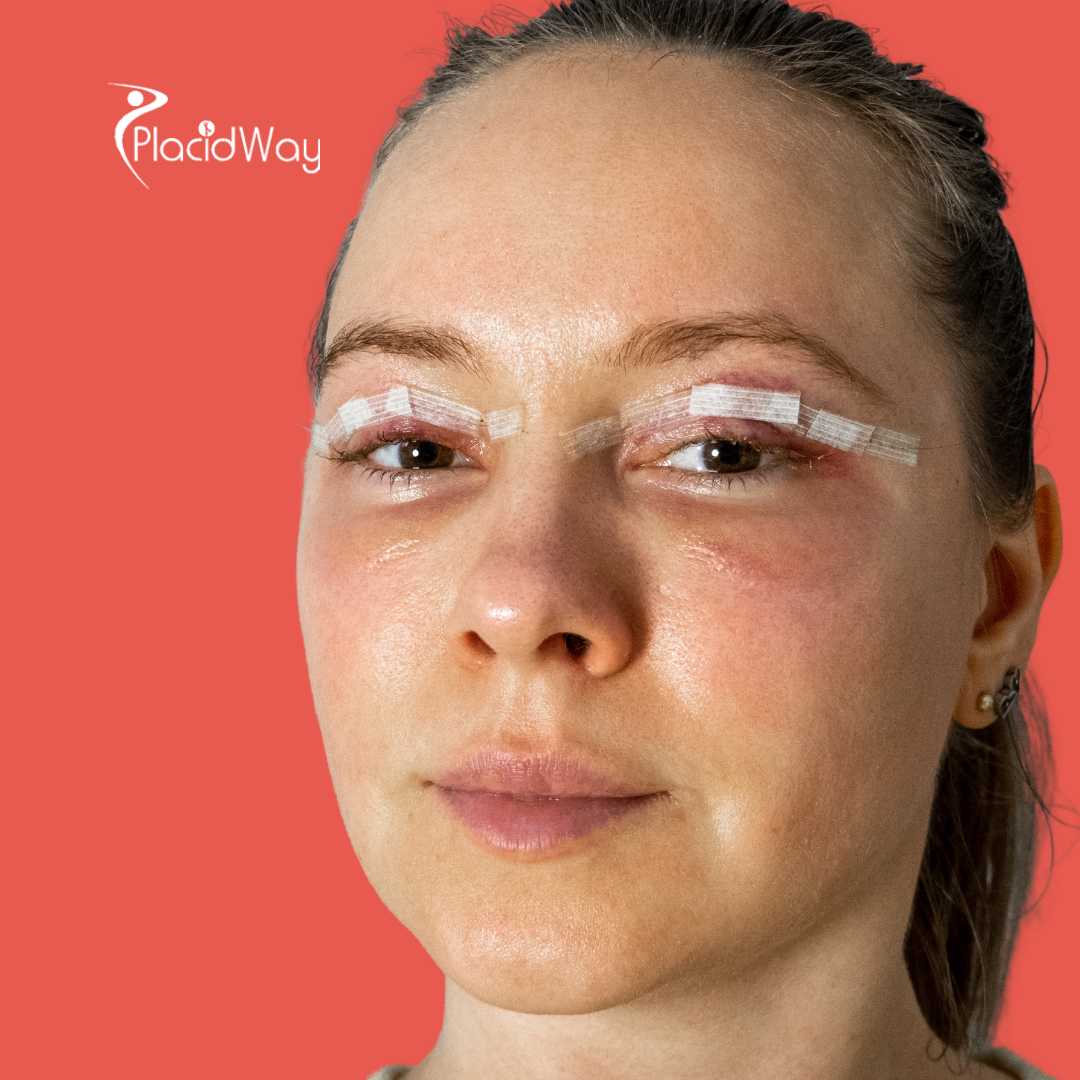
Immediate post-operative care is crucial for safe healing. During the first few days, you will experience congestion, swelling, and bruising around the eyes. You need a calm environment where you can rest with your head elevated. Attempting to travel during this acute inflammatory phase can disrupt the delicate early healing process.
| Recovery Phase | Typical Timeline | Patient Experience & Requirements |
|---|---|---|
| Initial Rest | Days 1 to 3 | Maximum swelling. Nasal packing or drip pads may be in place. Strict bed rest with head elevated is required. |
| Splint Removal | Days 6 to 8 | The external cast/splint and internal stitches are usually removed by the surgeon. Clearance to travel home is often granted. |
| Social Recovery | Weeks 2 to 3 | Bruising fades enough to return to work and social activities, though some swelling remains visible. |
| Full Healing | Up to 12 Months | Subtle swelling resolves completely, allowing the final nasal contour to settle into its permanent shape. |
What should I do if I experience complications back home?
While severe complications are uncommon after the first week, issues like late-onset infection, excessive bleeding, or breathing blockages can occur. Prior to leaving Tijuana, you should request a complete copy of your medical records, including surgical notes and details of any implants or grafts used. Having these records ensures local doctors can treat you effectively if an emergency arises.
Once you have secured local emergency care, contact your surgical team in Tijuana to inform them of the situation. A responsible surgeon will want to track your recovery and coordinate with your local healthcare providers if necessary. Remember that treatments required in your home country will likely be your financial responsibility, as foreign clinics cannot cover international medical expenses.
Am I a suitable candidate for traveling for a nose job?
Suitability for surgery involves both physical and psychological readiness. Your body needs robust healing capabilities to recover from rhinoplasty. Conditions such as uncontrolled diabetes, severe hypertension, or autoimmune disorders may disqualify you from safely undergoing elective procedures, especially when extensive travel is involved.
Furthermore, smoking significantly impairs blood circulation, which can lead to delayed wound healing and tissue necrosis. Surgeons require patients to stop using all nicotine products for several weeks before and after surgery. Psychologically, candidates must understand that rhinoplasty improves appearance but does not guarantee perfection, and the stress of recovering in an unfamiliar city requires resilience.
How do I verify a clinic or surgeon before booking?
Social media platforms can be useful for discovering doctors, but they are ultimately marketing tools. To verify safety, you must conduct independent research. Start by searching the surgeon's name on the CMCPER website to confirm their active board certification. Then, investigate the clinic to ensure it holds valid health permits from Mexican health authorities.
Ask the surgeon directly about their revision rates and how they handle dissatisfied patients. A transparent provider will openly discuss the limitations of surgery and will not pressure you into booking with limited-time discounts or aggressive sales tactics. Take your time, consult with multiple professionals, and trust your instincts regarding communication and transparency.
Why Choose PlacidWay for Medical Tourism in Tijuana?
Navigating healthcare options in another country can feel overwhelming. PlacidWay acts as a resource to help patients gather information and connect with medical providers globally. Here are factual ways the platform assists patients:
- Provides access to detailed informational profiles of medical providers and clinics internationally.
- Compiles publicly available details about clinic accreditations and surgeon credentials for patient review.
- Facilitates the initial communication process between patients and healthcare facilities abroad.
- Offers comparison resources to help patients understand estimated procedure costs across different regions.
- Maintains an educational focus to support independent, informed patient decision-making without applying pressure to book.
Frequently Asked Questions
Does rhinoplasty require general or local anesthesia in Tijuana?
Most surgeons prefer to perform rhinoplasty under general anesthesia so you remain completely asleep and comfortable. In some minor tip-refinement cases, local anesthesia with IV sedation may be an option, but your surgeon will recommend the safest choice based on your specific procedure.
Are revision nose jobs performed frequently in Mexico?
Yes, many board-certified specialists in Mexico perform revision rhinoplasty. However, revision surgery is significantly more complex due to scar tissue and altered anatomy. It requires a highly experienced surgeon and often involves longer surgery times and higher costs than a primary procedure.
Can I use my US health insurance for a nose job in Tijuana?
US health insurance generally does not cover cosmetic surgery performed abroad. If your rhinoplasty includes a functional component, such as correcting a deviated septum (septoplasty) for breathing issues, some insurers might offer partial out-of-network reimbursement, but this is rare and requires prior authorization.
What is a Medical Lane pass at the Tijuana border?
A Medical Lane pass is a special document provided by participating clinics that allows medical tourists to use a designated fast lane when driving back into the United States. This significantly reduces border wait times, which is highly beneficial when you are recovering from recent surgery.
How soon after rhinoplasty can I fly on an airplane?
Most surgeons advise waiting at least 7 to 10 days before flying. Changes in cabin pressure can increase swelling and trigger nosebleeds. You should always get explicit clearance from your operating surgeon before boarding a flight.
Do Tijuana plastic surgeons speak English?
Many board-certified plastic surgeons in Tijuana who cater to international patients are fluent in English. Reputable clinics typically employ bilingual staff to ensure clear communication regarding medical history, risks, and post-operative instructions.
What type of cartilage is used if I need a graft during surgery?
If extra structural support is needed, surgeons often harvest cartilage from your own nasal septum. If septal cartilage is insufficient, especially in revision cases, they may use cartilage from your ear or a small piece of rib cartilage.
Will my nose job results be permanent?
Surgical alteration of the nasal bone and cartilage is generally permanent. However, your nose will still undergo natural aging processes over your lifetime, which can slightly alter its appearance decades down the line.
How long does the swelling last after a nose job?
While major swelling and bruising typically subside within 2 to 3 weeks, subtle residual swelling can persist for up to a year or longer, particularly around the nasal tip. Final results take time to fully manifest.
Can I wear glasses immediately after my procedure?
You should not wear heavy resting glasses or sunglasses for at least 4 to 6 weeks after surgery, as the pressure can alter the healing nasal bones. Your surgeon can provide specific splints or recommend taping your glasses to your forehead.
Compare Treatment Options
Take the next step in your research. Connect with verified medical providers to learn more about procedural options, qualifications, and estimated costs.
Request Treatment InformationMedical Disclaimer: The information provided in this article is for educational and informational purposes only and does not constitute medical advice. Treatment outcomes, recovery times, and eligibility vary significantly by individual patient. Always consult with a qualified, board-certified healthcare professional for an individualized medical assessment before undergoing any surgical procedure. Traveling for medical care involves specific risks, and patients should thoroughly independently research all facilities, providers, and potential complications.
References
- Mexican Council of Plastic, Esthetic and Reconstructive Surgery (CMCPER) – Board Certification Standards
- Centers for Disease Control and Prevention (CDC) – Medical Tourism Travel Health Guidelines
- American Society of Plastic Surgeons (ASPS) – Rhinoplasty Safety and Risks
- Mayo Clinic – Rhinoplasty: Procedure Details and Expectations
- International Society of Aesthetic Plastic Surgery (ISAPS) – Global Rhinoplasty Insights
- Joint Commission International (JCI) – Healthcare Accreditation Standards





















Share this listing