


Why Turkey is the Best Country for Limb Lengthening Surgery?
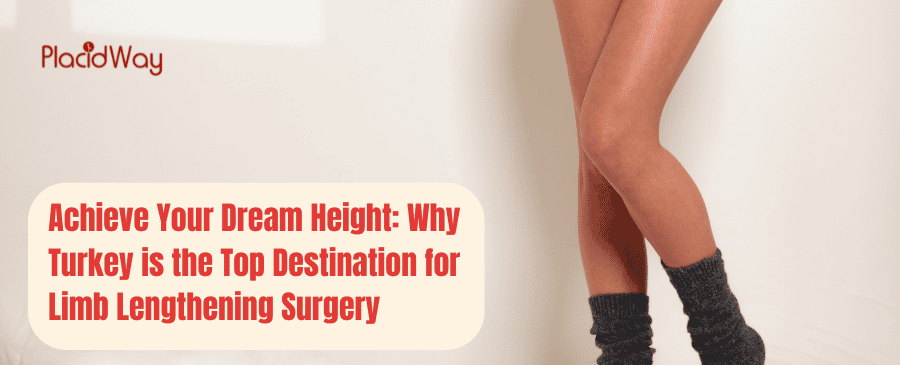
Limb lengthening surgery in Turkey offers exceptional medical expertise at affordable prices, typically costing between $15,000 and $40,000. Patients benefit from advanced techniques like LON and Precice, saving up to 60 percent compared to US prices while achieving safe and permanent height increases under the care of specialized orthopedic surgeons.
Key Takeaways: Height Enhancement in Turkey
- Advanced Surgical Methods: Availability of state-of-the-art internal systems like Precice and Stryker alongside cost-effective LON methods.
- Significant Cost Savings: Comprehensive packages ranging from $15,000 to $40,000, vastly outperforming Western healthcare pricing.
- Specialized Orthopedic Expertise: High concentration of board-certified surgeons with extensive experience in distraction osteogenesis.
- Intensive Rehabilitation: Access to dedicated post-operative care centers providing mandatory daily physical therapy.
- Realistic Results: Potential to safely increase height by 5 to 8 centimeters in a single limb segment.
What makes limb lengthening surgery in Turkey a preferred choice for international patients?
Turkey combines highly skilled orthopedic surgeons with state-of-the-art medical facilities to offer height increasing procedures at a fraction of Western costs, ensuring top-tier medical care without financial ruin.
Over the past decade, the healthcare landscape in the region has evolved dramatically, establishing a robust infrastructure specifically designed to cater to international patients. Choosing to undergo limb lengthening surgery in Turkey means gaining access to Joint Commission International accredited hospitals that adhere to the strictest global safety protocols. These facilities are equipped with the latest diagnostic imaging and sterile operating theaters necessary for complex orthopedic interventions.
Beyond the impressive facilities, the expertise of the medical professionals is a primary draw. Orthopedic surgeons in this region frequently participate in global medical symposiums and possess highly specialized training in distraction osteogenesis. Because the volume of cosmetic and reconstructive height surgeries is significantly higher here than in many other countries, these surgeons have refined their techniques to minimize complications and optimize the bone regeneration process.
Furthermore, the holistic approach to patient care sets these medical centers apart. Recognizing that recovering from bone lengthening is a grueling process, international patient departments orchestrate every detail. From pre-operative psychological evaluations to securing accessible accommodation and providing round-the-clock nursing care, the entire ecosystem is built to support the physical and mental well-being of the patient during their prolonged stay.
How much does limb lengthening surgery cost in Turkey compared to other countries?
The limb lengthening surgery cost in Turkey ranges from $15,000 to $40,000, which is up to 70 percent cheaper than the $70,000 to $100,000 average found in the United States or the United Kingdom.
Understanding the financial commitment is crucial for anyone considering this life-altering procedure. The massive discrepancy in price is primarily driven by favorable exchange rates and a lower overall cost of living, rather than a reduction in medical quality. When analyzing the expenses, patients will find that the exact price heavily depends on the surgical method chosen. The Lengthening Over Nails method is typically on the lower end of the spectrum, while fully internal magnetic systems command a premium price due to the high cost of the titanium implants themselves.
Unlike the fragmented billing systems common in North America, healthcare providers in this region excel at offering comprehensive, all-inclusive packages. A standard medical quotation will generally cover the primary surgery, the anesthesia fees, the specialized intramedullary nails or external fixators, and the initial hospital stay. This bundled pricing model provides massive relief to patients, shielding them from unexpected medical bills that can accrue during complex orthopedic recoveries.
However, prospective patients must meticulously review their proposed packages to understand what post-operative care is included. While the surgical costs are undeniably lower, the mandatory physical therapy, specialized dietary supplements, X-ray monitoring during the distraction phase, and dedicated accessible accommodation for two to three months will add to the total financial outlay. Even when factoring in these extensive recovery costs, the total expenditure remains a fraction of what one would pay in Western healthcare systems.
What are the main surgical techniques used at a limb lengthening surgery clinic in Turkey?
Clinics utilize modern methods such as Lengthening Over Nails and fully internal magnetic systems like Precice or Stryker to ensure safe, precise, and comfortable height gain.
- Lengthening Over Nails (LON): This hybrid method combines an external fixator with an internal intramedullary nail. The external device performs the daily pulling, and once the target height is reached, the internal nail is locked in place, allowing the external frame to be removed much sooner than older methods.
- Precice Intramedullary Nail System: A highly advanced, fully internal method utilizing a magnetic titanium nail inserted into the bone marrow cavity. An external remote control interacts with the magnet to lengthen the rod incrementally, drastically reducing infection risks and eliminating bulky external frames.
- Stryker Fitbone: Similar to Precice, this is a fully implantable, motorized intramedullary lengthening nail. It is controlled via a small electronic receiver placed just beneath the skin, offering precise control over the daily distraction rate and high patient comfort.
- Traditional Ilizarov Method: While highly effective for severe bone deformities or trauma reconstruction, a premium limb lengthening surgery clinic in Turkey rarely uses this purely external circular fixator for purely cosmetic height increases due to the high discomfort and lengthy time the frame must remain attached.
- Osteotomy Precision: Regardless of the lengthening device chosen, all procedures begin with a precise, minimally invasive osteotomy, where the surgeon carefully cuts the outer cortex of the bone while preserving the vital periosteum and blood supply necessary for new bone regeneration.
How long is the recovery process after height increasing surgery in Turkey?
The complete recovery timeline spans several months, divided into a distraction phase requiring a two to three month stay abroad, followed by a longer consolidation phase at home.
The journey to a taller stature is a marathon, not a sprint. The process begins immediately after the osteotomy with a brief latency period of roughly one week, allowing the initial soft callus to form. Following this, the active distraction phase begins. The bone is meticulously separated at a rate of approximately one millimeter per day. If a patient aims for a six centimeter increase, this active pulling phase will require at least sixty days of restricted mobility and intensive daily monitoring to ensure the soft tissues are safely adapting to the stretch.
Once the desired height is achieved, the mechanical lengthening stops, and the consolidation phase commences. During this critical period, the soft regenerate bone that has filled the gap must mineralize and harden into solid, weight-bearing cortical bone. This hardening process takes an average of three to six months. Patients rely heavily on mobility aids such as walkers or crutches during this time, gradually transitioning to full weight-bearing exercises only under strict radiographic guidance from their orthopedic surgeon.
The final stage of recovery is the rehabilitation phase, which extends up to a year or more post-surgery. Even after the bone is technically healed, patients must work diligently to restore their original gait, biomechanics, and muscle strength. The soft tissues, including muscles, nerves, and fascia, require immense time and effort to adapt to their new, elongated state, making relentless physical conditioning the key to a successful, complication-free outcome.
How many inches or centimeters can I grow with limb lengthening surgery in Turkey?
Patients can safely achieve an increase of two to three inches, which equates to five to eight centimeters, on a single bone segment during one surgical lengthening procedure.
While the prospect of gaining significant height is enticing, ethical orthopedic practices dictate strict biological limits to ensure patient safety and preserve long-term mobility. The femur, being the longest and strongest bone in the human body with robust surrounding musculature, can typically accommodate an elongation of up to eight centimeters. The tibia, or shin bone, has tighter soft tissue constraints and a less forgiving blood supply, limiting safe extension to approximately five to six centimeters.
The true limiting factor in this procedure is never the bone itself, as regenerate bone can theoretically grow indefinitely under the right conditions. The restrictions are entirely dictated by the surrounding soft tissues. Nerves, blood vessels, and muscles can only be stretched so far before severe complications, such as nerve paralysis or permanent joint contractures, occur. Surgeons monitor tissue tension daily and will halt the distraction process immediately if signs of dangerous resistance appear.
For individuals seeking extreme height transformations exceeding three inches, a staged approach is required. This involves lengthening the femurs first, undergoing a complete rehabilitation period of at least one year, and subsequently returning to undergo a second independent surgery on the tibias. This quadrilateral lengthening approach is exceptionally taxing both physically and financially, requiring immense dedication from the patient.
What role does physical therapy play during medical tourism in Turkey for height surgery?
Intensive physical therapy is absolutely mandatory to maintain joint flexibility, stretch elongating muscles, and prevent debilitating contractures while the bone is actively being distracted.
One of the most defining aspects of medical tourism in Turkey for orthopedic enhancements is the profound emphasis placed on post-operative rehabilitation. Physical therapy is not an optional add-on; it is the linchpin of a successful outcome. As the bone is mechanically pulled apart one millimeter a day, the surrounding muscles, specifically the hamstrings, quadriceps, and Achilles tendons, naturally resist this extreme stretching. Without aggressive intervention, these muscles will tighten relentlessly, pulling the joints into abnormal, rigid positions known as contractures.
Reputable recovery centers integrate daily physiotherapy sessions into their standard care protocols. Specialized physiotherapists work hands-on with patients to perform deep tissue massages, assisted stretching, and guided range-of-motion exercises. These grueling daily sessions are vital for ensuring that the hips, knees, and ankles remain supple and functional. Patients are also instructed on specific bed exercises to perform independently throughout the day to maximize tissue elasticity.
The success of the physical therapy phase rests heavily on patient compliance. The stretching routines are inherently painful and exhausting, yet avoiding them guarantees severe biomechanical complications that could permanently alter a patient's ability to walk normally. The dedicated medical teams in these international hubs are highly skilled at motivating patients, managing their pain levels therapeutically, and guiding them through the psychological hurdles of this demanding physical rehabilitation.
Are there any age restrictions for undergoing cosmetic limb lengthening in Turkey?
Candidates must have fully closed growth plates, meaning the procedure is strictly reserved for adults, typically falling between the ages of eighteen and fifty years old.
Cosmetic height enhancement is exclusively an adult procedure. The fundamental prerequisite for this surgery is that the patient's natural skeletal growth must have completely ceased. Operating on a teenager whose epiphyseal plates, or growth plates, are still open can cause catastrophic damage, potentially halting their natural growth trajectory entirely and leading to severe limb deformities. Surgeons rely on detailed radiographic imaging to verify that these plates are solidly fused before granting medical clearance.
While the minimum age is strictly biological, the upper age limit is dictated by overall health and bone quality. The ideal demographic typically falls between the early twenties and late thirties, as younger adults possess optimal cellular regeneration capabilities, ensuring the rapid formation of robust callus tissue during the distraction phase. As human bodies age, the natural rate of osteogenesis slows down significantly, making the recovery period substantially longer and more difficult.
Patients approaching their late forties or early fifties are evaluated on a highly individualized basis. Surgeons will conduct extensive bone density scans, known as DEXA scans, to rule out early-onset osteoporosis or osteopenia. If a patient possesses excellent bone mineral density, superb cardiovascular health, and the necessary muscular strength to endure months of rigorous physical therapy, age alone will not automatically disqualify them from achieving their desired stature.
What psychological evaluations are required before booking limb lengthening surgery in Turkey?
Reputable hospitals require a thorough psychological screening to ensure patients have realistic expectations and the mental resilience necessary to endure a profoundly demanding recovery period.
The decision to surgically break and lengthen healthy limbs is extreme, prompting ethical medical providers to implement strict psychological vetting. Mental health professionals evaluate prospective candidates to identify any underlying psychological disorders, particularly Body Dysmorphic Disorder. If a patient believes that gaining a few inches of height will magically resolve deep-seated personal or professional insecurities, surgeons will often decline the procedure, as surgical interventions rarely cure profound psychological dissatisfaction.
Furthermore, the psychological assessment measures a patient's mental fortitude. The recovery phase involves months of severe physical limitation, chronic discomfort, heavy reliance on caregivers, and social isolation while healing abroad. This dramatic loss of independence can trigger severe bouts of depression and anxiety, even in highly stable individuals. Evaluators need absolute certainty that the patient comprehends the grueling reality of being wheelchair-bound and possesses healthy coping mechanisms.
A robust support system is also a critical component of the evaluation. Psychologists assess whether the patient has family or friends available to assist them emotionally upon returning home. By addressing these mental health aspects proactively, clinical teams ensure that patients are not just physically capable of growing taller, but are emotionally prepared to navigate the darkest days of rehabilitation without losing their motivation to heal.
Why Choose PlacidWay for your limb lengthening surgery journey?
PlacidWay provides a secure and transparent pathway to top-tier international healthcare, ensuring you connect only with strictly vetted, elite orthopedic specialists.
- Rigorous Hospital Vetting: We eliminate the guesswork by partnering exclusively with Joint Commission International accredited facilities that have proven, verifiable track records in complex distraction osteogenesis procedures.
- Direct Specialist Access: Through our platform, patients can secure pre-operative virtual consultations directly with board-certified orthopedic surgeons, allowing for detailed discussions regarding surgical techniques and realistic height goals before making any commitments.
- Transparent Financial Structures: We advocate for upfront, all-inclusive pricing models, ensuring you receive comprehensive quotes that clearly delineate surgical fees, hardware costs, and required inpatient rehabilitation without hidden medical surprises.
- Clinical Appointment Coordination: Our dedicated team meticulously organizes your medical itinerary, scheduling all necessary pre-operative blood panels, psychological evaluations, and critical radiographic imaging sessions seamlessly.
- Unwavering Patient Advocacy: From your initial inquiry until your final follow-up scan months later, PlacidWay serves as your personal medical advocate, prioritizing your clinical safety and overall satisfaction throughout the entire complex journey.
Frequently Asked Questions About Limb Lengthening in Turkey
Is it possible to lengthen both the femur and tibia at the same time?
Simultaneous lengthening of both the femurs and tibias is generally not recommended by orthopedic specialists due to the extreme risk of complications, severe pain, and the overwhelming strain it places on the cardiovascular system. Surgeons usually advise completing the femur lengthening first, allowing for full recovery, and then proceeding with the tibias a year later if additional height is desired.
Does limb lengthening surgery leave visible scars on the legs?
Yes, surgical intervention will leave some scarring, but the extent depends heavily on the chosen method. External fixator methods leave multiple small circular scars where the pins entered the skin. Fully internal methods like Precice or Stryker require only a few small incisions at the hip or knee, resulting in minimal, easily concealable scarring that fades significantly over time.
Will I be able to run and play sports after my bones fully heal?
Most patients are able to return to their normal daily activities, including running and participating in recreational sports, once the bone consolidation is entirely complete and the intramedullary nails are removed. This full athletic recovery typically takes one to two years, provided the patient strictly adhered to their physical therapy regimen during the healing phase.
How painful is the bone distraction process?
The initial osteotomy is performed under general anesthesia, so you will not feel the surgery itself. However, the daily distraction phase where the bone is pulled apart by one millimeter per day causes significant aching, muscle tightness, and nerve tension. This discomfort is meticulously managed by the clinical team using prescribed pain medications and muscle relaxants.
Can I stay in a regular hotel during my recovery in Istanbul?
While it is technically possible, staying in a standard hotel is highly discouraged. Patients are mostly wheelchair-bound during the early distraction phase and require fully accessible bathrooms, specialized medical beds, and daily physical therapy. It is highly recommended to stay in dedicated post-operative recovery facilities provided by your clinical team.
Are the magnetic nails removed after the bone has completely healed?
Yes, internal intramedullary nails are designed as temporary implants to stabilize the newly formed regenerate bone. Once the orthopedic surgeon confirms through X-rays that the bone has fully hardened and calcified, a minor secondary surgery is scheduled to remove the hardware. This usually occurs one to two years after the initial procedure.
What happens if the newly formed bone does not harden properly?
In rare cases, patients may experience delayed consolidation or non-union, where the gap does not calcify as expected. If this occurs, the surgeon may temporarily stop the lengthening process, recommend weight-bearing exercises to stimulate bone growth, or in severe cases, perform a secondary bone graft procedure to encourage proper healing.
Do Turkish hospitals provide translators for international patients?
Absolutely. High-level healthcare facilities catering to global patients feature dedicated international patient departments. These departments employ fluent medical interpreters who accompany you during every consultation, surgical prep, and physical therapy session to ensure clear, accurate communication between you and your medical team.
How long do I need to stay in Turkey for the entire lengthening procedure?
Patients are typically required to stay for two to three months. This duration covers the initial surgery, the brief hospital stay, and the entire distraction phase where the bone is actively being lengthened. Only after the desired height is reached and the device is locked can patients safely fly back to their home countries to complete the consolidation phase.
Are there financing options available for international patients traveling to Turkey?
Turkish medical facilities generally require upfront payment prior to the surgery and do not offer direct in-house financing to international citizens due to cross-border credit limitations. However, many international patients secure personal medical loans through banks or specialized healthcare financing companies in their home countries before traveling.
Start Your Transformation Journey Today
* Responses are typically provided within 24 hours. Your privacy is strictly guaranteed.






.png)










Share this listing