


The Importance of Choosing Mexico for Surgery and Recovery
.png)
Recovering from knee replacement surgery in Mexico requires a mix of early mobilization, daily physical therapy, and proper wound care. Most patients stay locally for ten to fourteen days to complete initial rehabilitation successfully.
Key Takeaways: Knee Rehabilitation Essentials
- Extended Stays: Plan for a ten to fourteen-day stay to ensure safe suture removal and initial physical therapy.
- Early Movement: Expect to stand and take assisted steps within twenty-four hours of your operation.
- Pain Management: Strict adherence to your medication schedule prevents severe discomfort from disrupting your exercises.
- Accommodation Safety: Always secure ground-floor lodging or a room with elevator access to avoid post-surgical falls.
- Expert Support: Booking through a reputable agency ensures your recovery is monitored by board-certified specialists.
Undergoing joint replacement is a major life event that brings the promise of pain-free movement. When choosing to pursue this treatment across borders, understanding the specific rehabilitation protocols is essential. A well-planned recovery phase not only protects your investment in your health but drastically accelerates your return to an active lifestyle. Below, we address the most critical questions to help you prepare for a flawless healing journey.
How long should I stay in the country for recovery after knee replacement surgery in Mexico?
You should plan to stay locally for about ten to fourteen days following your procedure. This timeframe allows your orthopedic team to monitor your initial healing and safely clear you for travel.
The first two weeks following joint replacement are the most critical for your overall rehabilitation. By choosing to recover locally rather than rushing onto an airplane, you drastically minimize the risk of developing deep vein thrombosis or other blood clot complications associated with high altitude travel shortly after major orthopedic interventions. Your body needs a stable, stress-free environment to focus purely on cellular repair and adapting to the new implant.
Furthermore, remaining near your chosen medical facility ensures that your primary surgical team can directly oversee your progress. If any minor issues arise, such as unusual joint swelling or the need for medication adjustments, you have immediate access to the highly skilled specialists who performed the operation. This continuity of care is a cornerstone of successful medical travel and provides immense peace of mind to international patients.
Finally, this extended stay allows you to begin your mandatory physical therapy under the direct supervision of trained local specialists. They will guide you through your very first unassisted steps, teach you how to navigate stairs safely, and ensure you have achieved an acceptable range of motion. Only when these specific clinical milestones are met will your surgeon issue the final medical clearance required for your journey home.
Many international patients find that recovering away from the daily chores of their home life actually accelerates their healing. By staying in a comfortable, serviced environment, you are forced to focus one hundred percent of your energy on resting, hydrating, and completing your physical therapy routines.
What are the immediate post-operative steps at a knee replacement clinic in Mexico?
Immediately after waking up, your medical team will focus on aggressive pain management and getting you moving. You can expect to stand or take a few guided steps within the first twenty-four hours.
The care you receive at a top-tier knee replacement clinic in Mexico is highly structured and aligned with global orthopedic standards. The immediate hours following your operation are heavily monitored to ensure your body is responding well to the new joint. Here are the specific steps you will experience during your brief hospital stay:
- Continuous Vitals Monitoring: Nurses will frequently check your blood pressure, oxygen levels, and temperature to rule out any immediate adverse reactions to anesthesia.
- Proactive Pain Management: You will likely have an intravenous line delivering a steady dose of pain medication, ensuring you remain comfortable as the surgical anesthesia wears off.
- Blood Clot Prevention: Specialized compression boots or stockings will be placed on your legs to keep blood circulating continuously, mitigating the risk of deep vein thrombosis.
- Initial Joint Movement: Some surgeons utilize a Continuous Passive Motion machine while you rest in bed to gently bend and straighten the leg, preventing scar tissue from forming early.
- First Assisted Steps: A physical therapist will visit your room within the first day to assist you out of bed, helping you put weight on the new joint using a specialized walker.
- Discharge Preparation: Once you can safely use the restroom and walk short distances, the staff will prepare your medications and transition you to your recovery hotel.
How does physical therapy work during medical tourism in Mexico for knee patients?
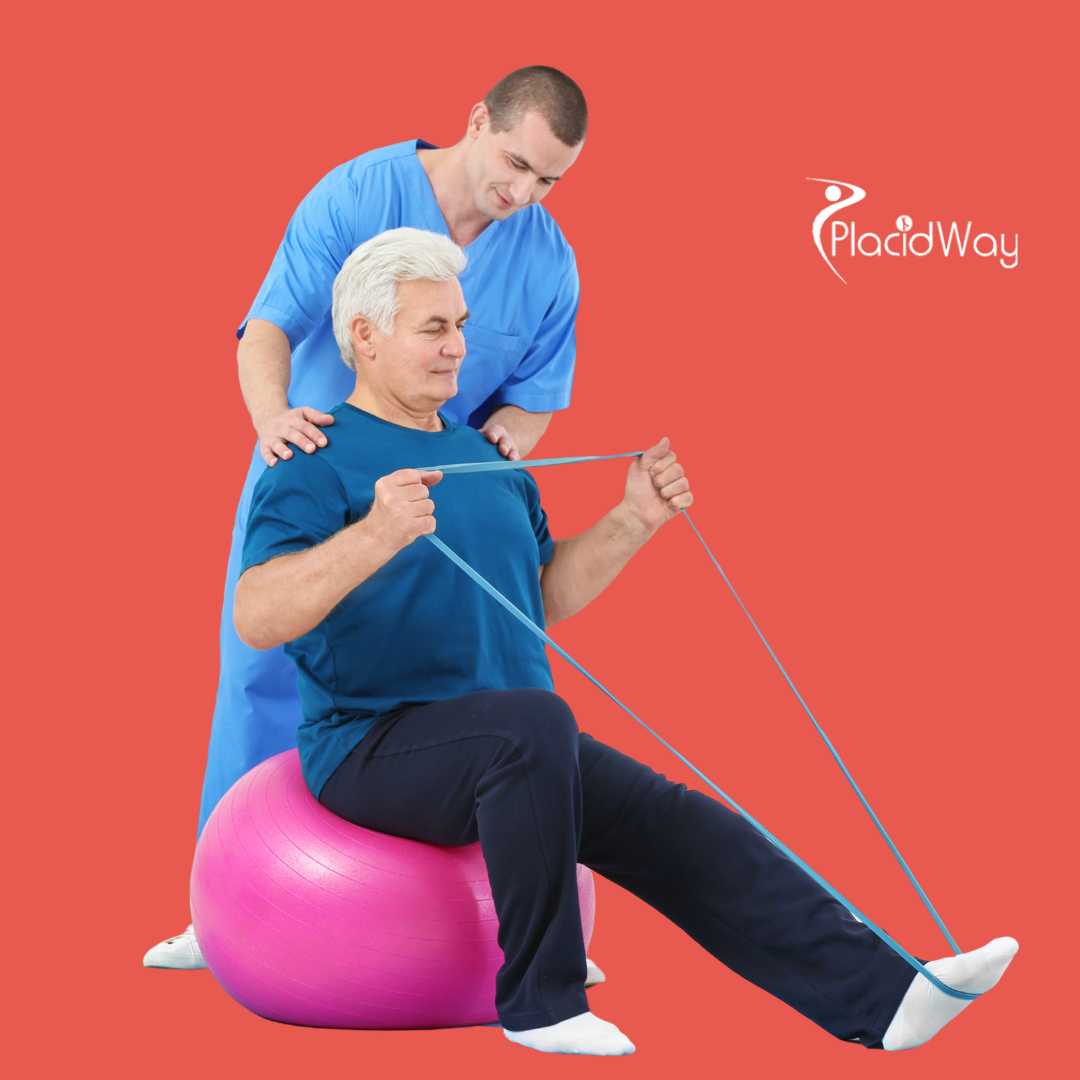
Physical therapy begins on day one and continues daily throughout your stay. Dedicated bilingual therapists guide you through specific exercises designed to restore your range of motion and strengthen leg muscles.
The success of medical tourism in Mexico relies heavily on the quality of aftercare, and physical therapy is the undisputed core of that phase. Unlike home environments where you might wait a week for your first outpatient appointment, therapy here begins almost immediately. During your ten to fourteen-day stay, you will likely have daily, or even twice-daily, sessions with a dedicated rehabilitation specialist who works closely with your surgical team.
These sessions focus intensely on restoring flexibility and building strength around the new joint. You will be instructed on how to perform fundamental exercises such as heel slides, ankle pumps, and straight leg raises. The therapists also focus heavily on functional mobility, ensuring you learn the correct mechanics for getting in and out of bed, sitting down safely, and navigating uneven surfaces with your walker or cane.
A major component of this process is patient education. The local specialists know you will eventually return home, so their goal is to make you entirely self-sufficient. They will provide detailed exercise charts, correct your posture, and ensure you understand exactly how to progress your routine week by week. By the time you board your flight, you will have a deep understanding of your bodily limits and how to push them safely.
What is the average knee replacement cost in Mexico including the recovery phase?
The total expense usually ranges from eight thousand to twelve thousand dollars. This remarkably accessible pricing allows patients to easily afford extended, comfortable stays during their crucial recovery period.
When evaluating the financial aspect of this journey, the Knee replacement cost in Mexico stands out as a primary motivator for thousands of international patients. In the United States or Canada, this procedure can easily exceed forty thousand dollars, often leaving patients with massive out-of-pocket expenses even after insurance contributions. By looking southward, patients access identical premium implants and board-certified expertise for a fraction of that price.
This dramatic reduction in cost is not due to a drop in medical quality, but rather the lower cost of living, reduced administrative overhead, and different malpractice insurance structures within the region. Because the core surgical fees are so reasonable, patients find they have ample budget left over to invest in premium recovery experiences. You can comfortably afford to stay in a luxury ground-floor hotel suite with room service for two weeks.
Furthermore, many specialized clinics offer all-inclusive packages. These bundles typically wrap the surgeon fees, hospital stay, anesthesia, premium FDA-approved implants, physical therapy sessions, and even local ground transportation into one transparent price. This bundled approach eliminates the anxiety of receiving surprise medical bills in the mail months later, allowing you to focus entirely on your physical rehabilitation.
Ice therapy is considered just as important as pain medication in modern orthopedic recovery. Applying specialized ice packs for twenty minutes multiple times a day significantly constricts blood vessels, drastically reducing the deep tissue swelling that restricts your range of motion.
How can I safely manage pain during my knee replacement recovery in Mexico?
Effective pain management involves staying ahead of the discomfort by taking medications on a strict schedule. Your local medical team will provide a tailored plan to keep you comfortable during therapy and rest.
Post-operative pain is a natural part of bone and tissue healing, but it must be controlled meticulously so it does not hinder your ability to walk and stretch. Your surgical team will utilize a multimodal approach to keep your discomfort at a manageable level. To ensure a smooth healing process, you must actively participate in your pain management strategy using the following proven methods:
- Stick to the Schedule: Never wait until the pain becomes unbearable to take your medication. Taking pills strictly by the clock keeps a consistent level of relief in your bloodstream.
- Pre-Medicate for Therapy: Always take your prescribed pain relievers roughly forty-five minutes before your physical therapy sessions to ensure maximum joint mobility during exercises.
- Utilize Elevation: Keep your operated leg propped up above the level of your heart using firm pillows while resting. This drastically reduces fluid pooling and throbbing sensations.
- Communicate Honestly: Always tell your nursing staff if your current medication is not working. They can easily adjust dosages or switch medications to better suit your bodily responses.
- Embrace Ice Therapy: Use the provided ice packs religiously. Cold therapy numbs the nerve endings around the incision site and acts as a powerful, non-chemical anti-inflammatory tool.
What specific dietary changes help speed up healing after knee replacement surgery in Mexico?
Consuming a diet rich in lean protein, vitamin C, and iron is crucial for tissue repair. Staying heavily hydrated also flushes out anesthesia medications and prevents post-surgical digestive issues.
Nutrition is highly underrated when it comes to orthopedic recovery. Your body is working overtime to knit muscle tissue back together, heal a major incision, and integrate a metal implant with your natural bone. To fuel this massive biological project, your caloric and nutritional needs will temporarily skyrocket. Prioritizing high-quality, lean proteins like chicken, fish, and eggs provides the essential amino acids required to rebuild damaged muscle fibers and restore your leg strength.
Equally important are micronutrients that specifically target wound healing and blood health. Vitamin C and Zinc are absolute prerequisites for your body to produce collagen, the primary building block of your new skin and connective tissues. Additionally, because some blood loss is inevitable during joint replacement, eating iron-rich foods like leafy greens or taking a prescribed supplement helps prevent fatigue and anemia during your active rehabilitation sessions.
Finally, aggressive hydration and fiber intake are mandatory. Prescription pain medications are notorious for causing severe constipation, which can be incredibly uncomfortable when you are already dealing with limited mobility. Drinking massive amounts of purified water and eating fresh, locally sourced fruits and vegetables will keep your digestive system moving efficiently and help flush residual anesthesia toxins from your liver and kidneys.
Are there any specific warning signs to watch for while recovering from knee replacement in Mexico?
Patients must actively monitor their incision site for excessive redness, foul-smelling drainage, or sudden spikes in body temperature. Recognizing these signs early allows immediate medical intervention.
While complication rates are exceptionally low at globally accredited facilities, every surgical patient must act as their own advocate during the healing phase. Knowing the difference between normal post-operative discomfort and a true medical red flag can save your joint and your life. You should immediately contact your nursing team or surgeon if you experience any of the following warning signs:
- Signs of Infection: An incision that becomes increasingly red, feels hot to the touch, or begins seeping yellow or green fluid requires immediate antibiotic evaluation.
- Persistent High Fever: While a low-grade temperature is normal right after the operation, a fever spiking above one hundred and one degrees Fahrenheit indicates a systemic problem.
- Blood Clot Symptoms: Sudden, severe pain in your calf muscle that is unrelated to your incision, often accompanied by intense swelling in the lower leg or ankle.
- Respiratory Distress: Any sudden shortness of breath, unexplained coughing, or sharp chest pain could indicate a pulmonary embolism and requires emergency medical response.
- Unmanageable Pain: A sudden, massive increase in joint pain that does not respond to your prescribed narcotic medications, potentially indicating implant shifting or a severe internal complication.
How do I prepare my temporary accommodation for a safe knee replacement recovery in Mexico?
Selecting a ground-floor hotel room or a suite with elevator access is mandatory to avoid stairs. You must ensure the bathroom has grab bars and a walk-in shower to prevent dangerous slip and fall accidents.
Your temporary living space acts as your personal sanctuary during those crucial first two weeks. Before you travel, verify exactly what type of room you will be recovering in. The absolute most important factor is accessibility. You must insist on a ground-floor unit or ensure there is a highly reliable elevator. Navigating stairs with a walker while heavily medicated is a recipe for a disastrous fall that could instantly ruin your surgical outcome.
Once you arrive at your hotel or recovery house, take a few minutes to modify the environment. Ask the staff to remove any loose throw rugs, which easily catch the feet of a walker. Ensure all walking paths from the bed to the bathroom are wide and completely clear of electrical cords, luggage, or low-sitting furniture. Keep your essential items like a phone charger, water bottle, and medications on a nightstand within arm's reach so you do not have to bend over.
The bathroom is historically the most dangerous room for orthopedic patients. Verify ahead of time that your accommodation features a walk-in shower rather than a high-sided bathtub. Sturdy grab bars near the toilet and inside the shower are non-negotiable safety features. Many medical tourism-focused hotels will gladly provide a stable shower chair or elevated toilet seat upon request, making daily hygiene a safe, stress-free experience.
Why Choose PlacidWay for organizing your knee replacement surgery in Mexico?
PlacidWay serves as your ultimate guide, connecting you with globally accredited orthopedic facilities. Our team ensures transparent pricing and high-quality care without the stress of navigating a foreign system alone.
Taking the leap into cross-border healthcare requires immense trust and flawless logistical planning. PlacidWay exists to eliminate the guesswork and protect your best interests at every single stage of your medical journey. Here is exactly why thousands of international patients trust us with their major joint procedures:
- Rigorous Facility Vetting: We do not feature just any clinic. We exclusively partner with modern hospitals that maintain strict international accreditation, ensuring their sterilization and safety protocols match or exceed those found in your home country.
- Transparent Cost Structures: We believe in absolute financial clarity. We provide highly detailed, all-inclusive pricing models upfront so you never encounter hidden medical fees or unexpected hospital surcharges upon discharge.
- Dedicated Patient Coordination: Our experienced team handles the complicated scheduling of your initial consultations, surgical dates, and necessary imaging tests, ensuring seamless communication between you and the foreign surgical staff.
- Access to Top Tier Specialists: We bypass general practitioners and connect you directly with highly sought-after, board-certified orthopedic surgeons who have decades of specialized experience in complex joint replacement.
- Comprehensive Aftercare Planning: We ensure your chosen medical team provides detailed physical therapy guidelines, prescription management plans, and proper medical discharge documentation to guarantee a smooth transition back to your local doctor.
Frequently Asked Questions About Knee Rehabilitation
Is it safe to fly back home after my knee procedure?
Flying is generally safe after you have been cleared by your orthopedic surgeon, which is typically ten to fourteen days post-operation. Flying too soon increases the risk of deep vein thrombosis due to cabin pressure and prolonged sitting. Your medical team will ensure you are mobile enough and may prescribe blood thinners specifically for your flight home.
Do Mexican orthopedic centers provide mobility aids like walkers?
Yes, top-tier facilities will provide you with the necessary mobility aids, such as a walker or crutches, immediately following your operation. Many comprehensive packages include these items so you do not have to worry about purchasing them beforehand or navigating local medical supply stores during your initial healing phase.
How soon can I walk after getting a new knee joint?
Modern orthopedic protocols emphasize early mobilization. In most cases, physical therapists will help you stand and take a few steps with a walker within twenty-four hours of waking up from anesthesia. This rapid movement is crucial for stimulating blood flow and preventing stiffness in the newly implanted joint.
Are the physical therapists handling my rehabilitation bilingual?
Facilities catering to international patients employ highly skilled, bilingual physical therapists. Clear communication is vital during rehabilitation so you can fully understand the exercise instructions, express your pain levels accurately, and learn how to perform your home exercise routine properly once you leave the country.
Will my Mexican surgeon provide a fit to fly certificate?
Yes, before your departure, your attending specialist will conduct a final evaluation and provide a formal fit to fly certificate. This medical document is often required by airlines for passengers who have recently undergone major surgical procedures, ensuring that airline staff are aware of your condition and can provide necessary boarding assistance.
What type of anesthesia is typically used for this procedure locally?
Surgeons typically use a spinal block combined with light sedation rather than general anesthesia. This approach numbs your lower body completely while allowing you to breathe on your own, which significantly reduces post-operative nausea, lowers the risk of respiratory complications, and facilitates a much faster initial wake-up period.
Can I do my rehabilitation in a popular resort town?
Many patients intentionally choose destinations like Cancun or Puerto Vallarta specifically to recover in a serene, resort-like environment. These locations host world-class medical facilities surrounded by relaxing settings, allowing patients to complete their daily physical therapy and rest in comfortable, stress-free accommodations away from harsh winter weather.
How do I handle prescription refills once I leave the facility?
Upon discharge, you will be given enough medication to manage your pain and prevent infection during your journey and initial days back home. Your local specialist will also provide detailed medical reports and prescription guidelines that you can present to your primary care physician back home for any necessary long-term refills.
Do local hospitals use the same implant brands as those in the United States?
Absolutely. Internationally accredited facilities utilize exact the same FDA-approved premium implant brands used in the United States and Canada, such as Zimmer Biomet, Stryker, and DePuy Synthes. You receive the exact same high-quality titanium and polyethylene materials, ensuring the longevity and durability of your new joint.
What happens if I experience complications after returning home?
Reputable facilities offer continuous virtual follow-ups via video calls to monitor your progress long after you return home. Additionally, you will be provided with comprehensive digital medical records, surgical notes, and X-rays, making it incredibly easy for your local orthopedic doctor to take over your long-term care or address any unforeseen issues.
Start Your Journey to Pain-Free Movement Today
* Secure, confidential process. Detailed responses typically provided within 24 hours.
.png)






.png)









Share this listing