
How Much Does Knee Arthroscopic Surgery Cost in Cabo San Lucas?

Many North Americans dealing with chronic joint pain or acute sports injuries find themselves exploring treatment options outside their home healthcare systems. If you are researching knee arthroscopic surgery in Cabo San Lucas, Mexico, you likely want to understand the financial implications, the logistics of receiving care abroad, and what to expect from the recovery process.
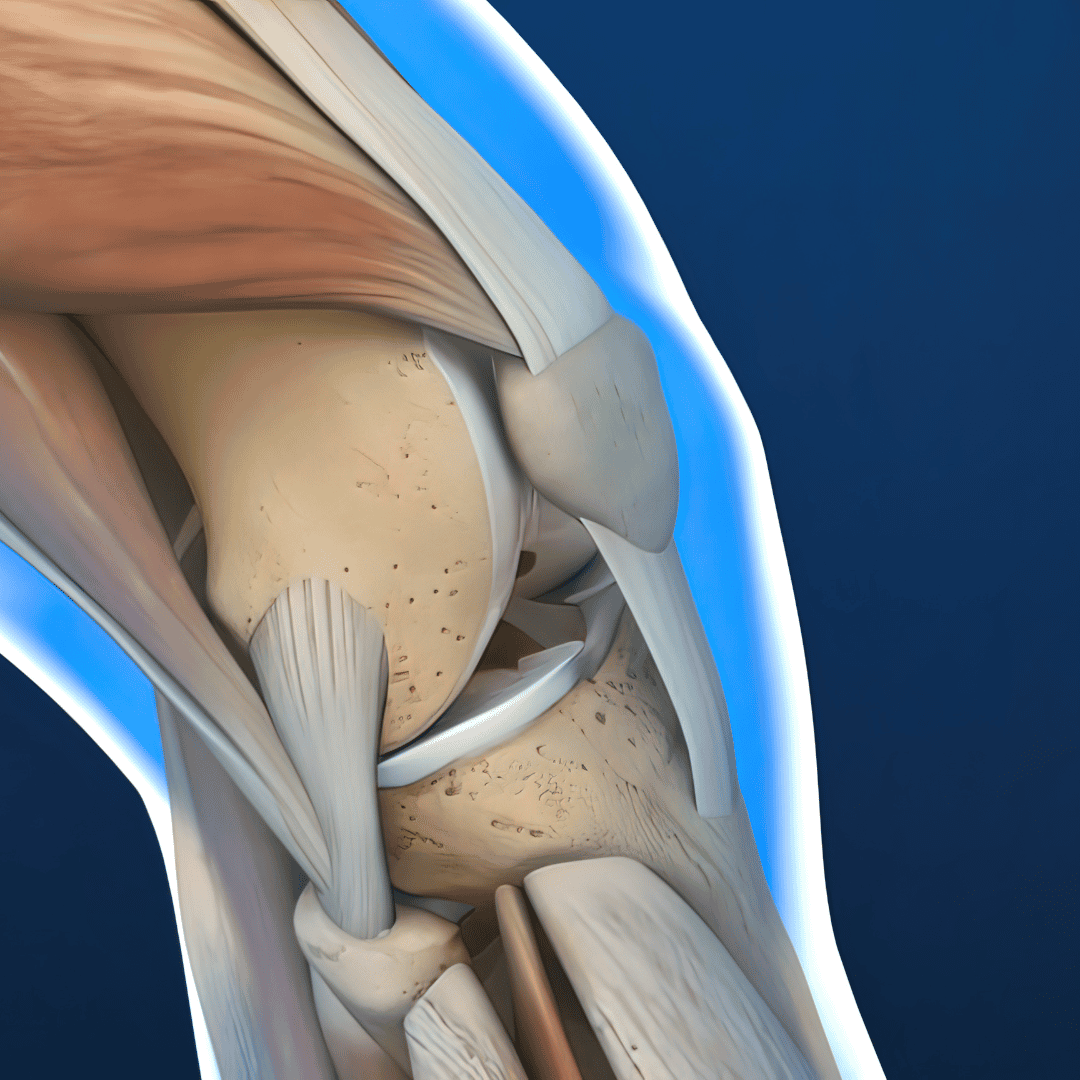
Knee arthroscopy is a minimally invasive procedure that allows orthopedic surgeons to diagnose and treat problems inside the joint using a tiny camera and specialized surgical instruments. Choosing to travel for this care involves balancing medical needs with travel planning. This guide breaks down the essential details you need to know about pursuing this treatment in the Baja California peninsula.
Key Takeaways
- The estimated base price for knee arthroscopy in Cabo San Lucas is roughly $3,500 to $5,500, though complex repairs will increase the final cost.
- Suitability for the procedure depends heavily on a thorough evaluation of your medical history and recent imaging (like an MRI).
- Patients typically need to plan for a post-operative stay in the city to manage initial recovery and attend follow-up appointments before flying.
- Physical therapy is a crucial component of recovery and must be continued once you return home.
- Properly evaluating clinics and understanding the potential risks is essential before committing to any medical procedure abroad.
What exactly does knee arthroscopy treat, and am I a candidate?
Not all knee pain can be resolved with arthroscopy. The procedure is highly effective for mechanical issues within the joint—such as a flap of torn cartilage catching between bones—but it is generally not recommended as a treatment for extensive osteoarthritis. If your joint is severely degenerated, a surgeon may suggest alternative therapies or joint replacement rather than arthroscopy.
To determine if you are a suitable candidate, a doctor will review your medical history, perform a physical examination, and assess imaging studies. Conditions that may affect your eligibility include poorly managed diabetes, bleeding disorders, or active infections. Always consult with your local primary care physician or orthopedist to confirm that arthroscopy is the appropriate next step for your condition.
What factors influence the knee arthroscopic surgery cost in Cabo San Lucas, Mexico?
- Diagnostic vs. Operative: A simple diagnostic arthroscopy or minor tissue trimming costs less than complex ligament reconstruction.
- Implants and Hardware: If the surgeon needs to use anchors, screws, or specialized sutures to repair a meniscus or ligament, these materials add to the total bill.
- Facility Type: Prices differ between small outpatient surgical centers and larger, fully equipped private hospitals.
- Pre-operative Testing: Necessary blood work, EKGs, and imaging studies may be billed separately from the surgical package.
- Medications and Supplies: Post-operative braces, crutches, and prescription medications are often out-of-pocket expenses not included in the base surgery estimate.
How do I choose a qualified knee arthroscopic surgery clinic in Cabo San Lucas, Mexico?
When evaluating a medical facility abroad, you should look for clinics that adhere to recognized national or international healthcare standards. Verify that the operating surgeon is board-certified in orthopedics within Mexico (such as by the Consejo Mexicano de Ortopedia y Traumatología) and inquire about their specific experience performing arthroscopic procedures.
Do not hesitate to ask detailed questions during your initial remote consultation. You have the right to ask about the facility's emergency protocols, their complication rates, and how they handle post-operative care for international patients. A reputable clinic will be transparent and willing to provide detailed answers to help you make an informed decision.
What should I expect during the initial consultation in Mexico?
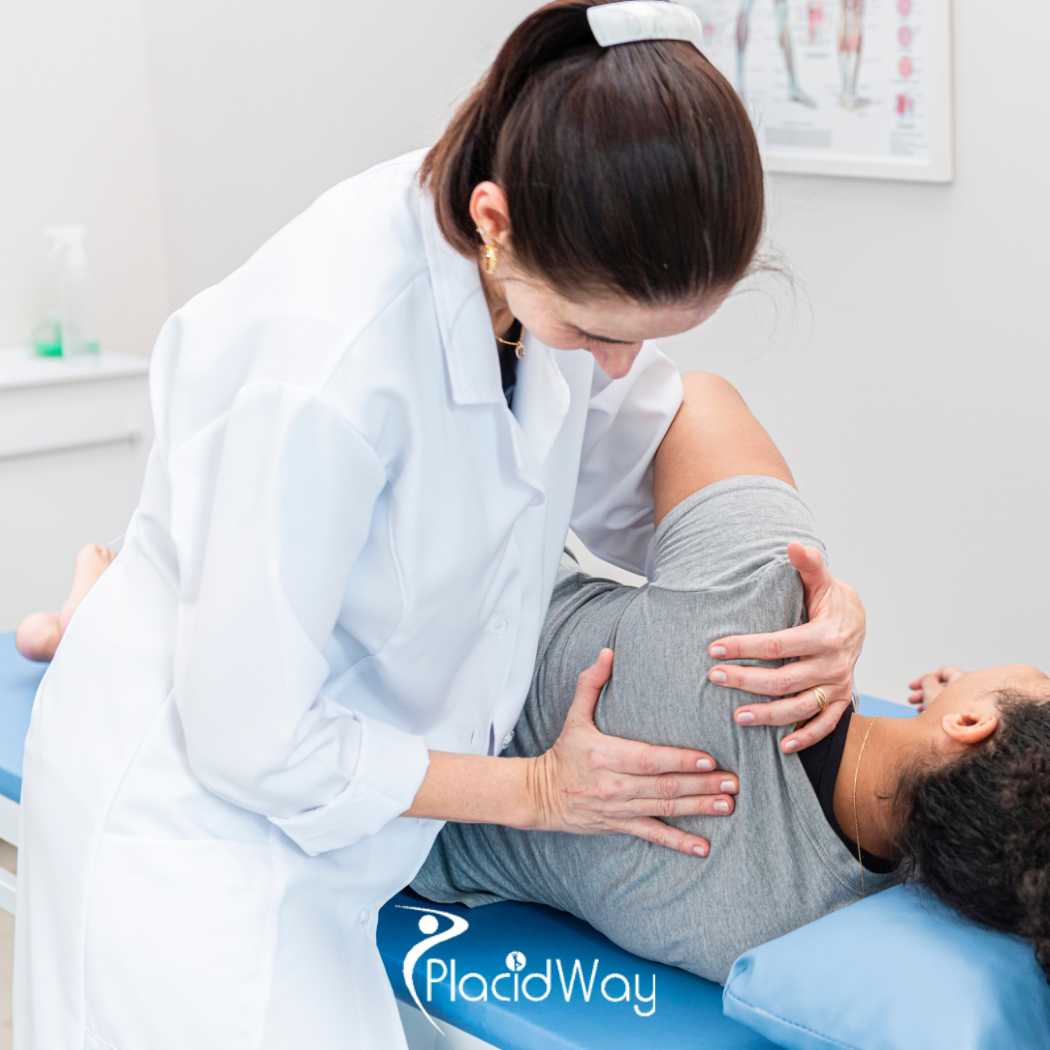
Even if you have had multiple video consultations prior to traveling, the face-to-face evaluation is critical. The surgeon needs to perform physical manipulation tests on your knee to assess joint stability, range of motion, and localized pain points. This hands-on assessment sometimes alters the surgical plan if the doctor discovers issues not clearly visible on the MRI.
This appointment is also your opportunity to finalize logistical details. You will likely meet with the anesthesiologist to discuss your sedation options and undergo any final blood work or electrocardiograms required to ensure you are fit for surgery. Ensure you clearly understand the fasting instructions for the night before your operation.
How long will I need to stay in Cabo San Lucas for recovery before flying home?
Flying too soon after knee surgery can increase the risk of deep vein thrombosis (DVT), a serious condition where blood clots form in the legs. The pressurized cabin and prolonged sitting involved in air travel exacerbate this risk. Your surgeon will monitor your initial healing and advise you on when it is medically appropriate to board a flight.
During your stay in Cabo, you will need to attend at least one or two follow-up appointments. At these visits, the medical team will check your incision sites for signs of infection, remove sutures if non-dissolvable stitches were used, and provide guidance on initiating physical therapy. Staying locally ensures you have immediate access to your surgeon if acute postoperative issues arise.
What are the common risks and complications associated with this procedure?
- Infection: Though small, the incisions can become infected. Keeping the wounds clean and dry is vital.
- Blood Clots: DVT is a risk with any lower-limb surgery. Early mobilization and sometimes blood-thinning medications are used to mitigate this.
- Joint Stiffness: Scar tissue can form, limiting range of motion. Adhering to a strict physical therapy regimen is essential to regain flexibility.
- Incomplete Relief: Results vary by patient. Arthroscopy may not eliminate all pain, especially if underlying arthritis is present.
- Anesthesia Risks: As with any surgery, cardiovascular or respiratory complications can occur, underscoring the need for thorough pre-operative medical screening.
How does the quality of medical tourism in Cabo San Lucas, Mexico compare?
Because the region relies heavily on international visitors, the standard of care in private hospitals often meets high expectations for cleanliness, technology, and patient service. Many specialists practicing in the area maintain active memberships in international medical societies, which helps them stay updated on the latest surgical techniques and safety protocols.
However, quality can vary from one facility to another, as it does anywhere in the world. It is crucial not to assume that all clinics offer the same level of care. Diligent research into the specific clinic's certifications and the individual surgeon's track record is necessary to ensure a safe medical tourism experience.
What is the typical physical therapy and aftercare timeline?
Physical therapy is arguably just as important as the surgery itself. In the initial days post-operation, your focus will be on gentle stretching and reducing inflammation using ice and elevation. You will likely be given specific exercises to perform safely in your accommodations in Cabo San Lucas.
Once you return home, transitioning your care to a local physical therapist is highly recommended. Depending on whether you had tissue removed or a ligament repaired, formal rehabilitation can last anywhere from four weeks to six months. Failure to commit to the aftercare process often results in persistent stiffness, weakness, and suboptimal long-term outcomes.
What happens if I experience complications after returning home?
One of the main challenges of traveling for medical care is managing continuity of care. Before you leave Mexico, ensure you have copies of all surgical reports, imaging, and detailed notes of the procedures performed. You should provide these documents to a local primary care physician or orthopedist back home so they understand exactly what was done.
If you develop a high fever, severe calf pain, excessive swelling, or unusual drainage from your incisions, do not wait to contact your Mexican surgeon for advice. You must present yourself to a local medical professional immediately. Be aware that any medical care required in your home country to treat complications will likely be your financial responsibility or subject to your local health insurance rules.
How can I financially prepare for this medical journey?
- Get Comprehensive Quotes: Ensure the estimate you receive clearly itemizes what is included (surgery, anesthesia, basic hardware) and what is excluded.
- Budget for Travel and Lodging: Factor in the cost of flights for you and a companion, plus 1 to 2 weeks of accommodation in a recovery-friendly hotel or rental property.
- Have an Emergency Fund: Always carry extra funds or have access to credit in case your recovery takes longer than expected or you require additional unplanned treatments.
- Plan for Aftercare Costs: Remember to budget for physical therapy sessions and any necessary follow-up appointments in your home country, which may involve co-pays or out-of-pocket expenses.
- Consider Travel Insurance: Look into specialized medical travel insurance that can provide coverage in the event of travel disruptions or specific medical complications abroad.
Why Choose PlacidWay for Medical Tourism?
Navigating international healthcare requires access to clear, organized information. PlacidWay serves as a resource for patients exploring medical options globally.
Informative Resources
Access educational materials to help you understand various procedures and international healthcare landscapes.
Global Network
PlacidWay features profiles for healthcare providers and clinics across multiple countries and specialties.
Direct Connections
The platform facilitates initial communication between patients and international medical centers.
Provider Transparency
Patients can review clinic details, provided accreditations, and specialty focuses all in one place.
Free to Use
Patients can browse the directory and request information from facilities without being charged a fee by the platform.
Frequently Asked Questions
Is knee arthroscopy done under general or local anesthesia in Cabo San Lucas?
Knee arthroscopy is typically performed under regional anesthesia (such as a spinal block) or general anesthesia, depending on the complexity of the procedure and the anesthesiologist's recommendation. Your medical team in Cabo San Lucas will discuss the safest option for your specific health profile.
Do I need an MRI before scheduling surgery in Mexico?
Yes, an MRI is almost always required before scheduling surgery. It allows the orthopedic surgeon to visualize the soft tissues, cartilage, and ligaments to confirm that arthroscopy is the appropriate treatment and to plan the surgical approach.
Can I walk immediately after knee arthroscopic surgery?
Mobility immediately following surgery depends on the exact work performed. If only damaged tissue was trimmed, you may be able to bear weight quickly. However, if repairs were made to cartilage or ligaments, you will likely need crutches for several weeks to protect the healing joint.
Are surgical implants like meniscus anchors included in the base price?
The base price often covers the operating room, surgeon's fee, and anesthesia. Specialized hardware, such as anchors used for meniscus or ligament repairs, usually incurs additional costs. You should request an itemized estimate from your provider before traveling.
How soon can I swim in the ocean or pool after surgery in Cabo?
You must avoid submerging your knee in pools, hot tubs, or the ocean until the surgical incisions are fully closed and cleared by your doctor, which usually takes at least two to three weeks. Premature exposure significantly increases the risk of infection.
Will my home health insurance cover knee surgery in Cabo San Lucas?
Most standard US and Canadian health insurance plans do not cover elective medical care received outside of their designated networks or abroad. You will likely need to pay out-of-pocket, though some specialized employer medical tourism plans may offer partial coverage.
What language is primarily spoken at private clinics in Cabo San Lucas?
Because Cabo San Lucas is a popular tourist and medical travel destination, many orthopedic surgeons and patient coordinators at private clinics speak fluent English to accommodate international patients.
Are there age limits for undergoing knee arthroscopy?
There is no strict upper age limit; eligibility is based on overall health and the specific condition of the knee. However, older adults with advanced osteoarthritis often do not benefit from arthroscopy and may require different treatments, such as joint replacement.
How do Mexican orthopedic surgeons typically manage post-operative pain?
Pain management usually involves a combination of prescription pain relievers for the first few days, followed by over-the-counter anti-inflammatory medications. Rest, ice, compression, and elevation (RICE) are also standard recommendations for managing pain and swelling.
Do I need a companion to travel with me to Cabo San Lucas for this procedure?
While not strictly mandatory in all cases, bringing a companion is highly recommended. You will likely face mobility challenges and be under the influence of medication in the days immediately following surgery, making assistance with daily tasks and airport navigation invaluable.
Compare Treatment Options
Gather information on clinics, read provider profiles, and request treatment details to help you make an informed decision about your healthcare journey.
Request Treatment InformationReferences
- Knee Arthroscopy – American Academy of Orthopaedic Surgeons (AAOS)
- Arthroscopy: Overview, Risks, and Recovery – Mayo Clinic
- Medical Tourism Guidelines and Travel Safety – Centers for Disease Control and Prevention (CDC)
- Knee Arthroscopy Medical Encyclopedia – MedlinePlus (National Library of Medicine)
- Complications of Knee Arthroscopy – PubMed Central
- Patient Information on Joint Surgery – International Society of Arthroscopy, Knee Surgery and Orthopaedic Sports Medicine (ISAKOS)
Medical Disclaimer
The information provided in this article is for educational and informational purposes only and does not constitute professional medical advice, diagnosis, or treatment. Outcomes, recovery periods, and risks associated with knee arthroscopy vary significantly among individuals. Always seek the advice of a qualified healthcare provider or orthopedic surgeon with any questions you may have regarding a medical condition or treatment plan. Never disregard professional medical advice or delay in seeking it because of something you have read in this article. Pricing and eligibility estimates are not guaranteed and are subject to change.






















Share this listing