
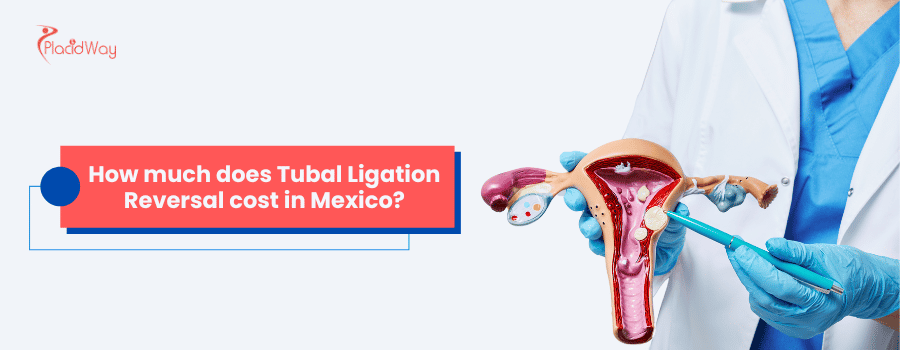
For women who previously opted for permanent birth control but have since decided they want to expand their families, restoring fertility is a deeply personal journey. Understanding the options surrounding a tubal ligation reversal in Tijuana Mexico is a crucial first step for those considering traveling across the border for medical care. Navigating the costs, understanding the medical requirements, and preparing for international treatment require careful planning and research.
Key Takeaways
- Prices in Tijuana generally fall between $2,500 and $4,500, offering a lower-cost alternative to domestic US pricing.
- Not every woman is a suitable candidate; factors like age, BMI, and remaining tube length heavily impact eligibility and success.
- The procedure requires general anesthesia and involves delicate microsurgery to reconnect the fallopian tubes.
- Ectopic pregnancy is a known risk following this surgery, requiring early monitoring for any future pregnancies.
- Partner fertility should always be checked prior to surgery to ensure natural conception is possible.
What factors influence the final cost of this procedure?
While the base price often covers the primary elements of the surgery, patients must account for several variables that can change their total expenses. The type of original tubal ligation you had—whether your tubes were tied, cut, burned, or clipped—can dictate how complex the reversal will be. A more complex surgery requiring advanced microsurgical techniques or longer operating room time may result in higher fees.
Additionally, pre-operative tests are required for your safety. These often include blood work, an electrocardiogram (EKG), and sometimes a specialized X-ray called a hysterosalpingogram (HSG) to evaluate the current state of your fallopian tubes. Some clinics include these in a package price, while others bill them separately. You also need to budget for prescription medications after discharge, such as pain relievers and antibiotics.
Finally, your choice of medical facility plays a role. A specialized clinic may have different pricing structures compared to a full-service hospital. It is crucial to get a comprehensive, itemized quote so you understand exactly what is included before making a commitment.
Am I a good candidate for reversing a tubal ligation?
Determining candidacy is not based on a single factor, but rather a comprehensive evaluation of your reproductive health. The most critical surgical factor is the amount of healthy fallopian tube left after your initial sterilization. Reversing tubes that were closed using clips or rings often yields better results because less of the tube was destroyed compared to procedures where the tubes were extensively burned (cauterized).
Age also plays a significant role in your candidacy and eventual success. As women enter their late 30s and 40s, natural egg quality and quantity decline. A surgeon will discuss your ovarian reserve and may recommend blood tests to check hormone levels. Furthermore, a surgeon will evaluate your overall health, including your Body Mass Index (BMI). Excess weight can complicate abdominal surgery and increase risks associated with anesthesia.
Importantly, your partner’s fertility must be considered. Undergoing an invasive surgery is only beneficial if your partner has viable sperm. A semen analysis is highly recommended prior to scheduling a reversal.
How is the reversal surgery actually performed?
When you arrive for surgery, the medical team will prepare you for general anesthesia, meaning you will be completely asleep during the operation. The surgeon usually makes a small incision, often just above the pubic hairline, known as a mini-laparotomy. Sometimes, the procedure may be performed laparoscopically with smaller incisions and a camera, though microsurgical techniques remain the standard for precise reconnection.
During the surgery, the doctor carefully removes the blocked or damaged portions of the fallopian tubes. Using specialized magnifying equipment (such as an operating microscope or high-powered loupes) and extremely fine sutures, the surgeon aligns and stitches the healthy ends of the tubes back together.
Before closing the incision, the surgeon may inject a special dye through the cervix to ensure the tubes are open and fluid can pass through them successfully. The entire operation typically takes between two to three hours, depending on the complexity of scar tissue and the initial ligation method.
What are the typical success rates for achieving pregnancy afterward?
Success is never guaranteed, and outcomes vary significantly from patient to patient. The most favorable outcomes are typically seen in women under the age of 35 who had their tubes tied using clips or rings, and who have a healthy partner. In these optimal scenarios, success rates can reach the higher end of the spectrum.
However, as age increases, natural fertility decreases. Women over 40 may have lower success rates in achieving a viable pregnancy, even if the surgical reconnection of the tubes is structurally perfect. The length of the repaired tube is also vital; a reconstructed tube must be long enough to properly capture the egg and nourish it as it travels to the uterus.
It is important to understand that "surgical success" (open tubes) does not always equal "pregnancy success" (a live birth). Patients must have realistic expectations and discuss their personal odds thoroughly with their healthcare provider during the consultation.
What should I expect during the recovery period?
Immediately after the procedure, you will spend time in a recovery room as the anesthesia wears off. It is normal to experience abdominal pain, cramping, and fatigue during the first few days. Your medical team will provide instructions on managing discomfort with prescribed or over-the-counter pain medications.
Key recovery timelines to keep in mind:
- First 48 Hours: Rest is essential. You may be encouraged to take short walks to promote blood circulation and prevent blood clots.
- 1 to 2 Weeks: Most women can resume normal daily activities and return to non-strenuous work.
- 4 to 6 Weeks: Avoid heavy lifting, vigorous exercise, and strenuous household chores.
Your surgeon will advise you on when it is safe to resume sexual intercourse, which is often after your post-operative check-up or after your first normal menstrual cycle. Proper rest and adherence to wound care instructions are vital for a smooth recovery.
Are there risks or complications associated with this surgery?
Safety should always be the primary concern. Standard surgical risks apply, such as adverse reactions to anesthesia, excessive bleeding, and the potential for infection at the incision site. While rare, there is also a risk of accidental injury to adjacent structures like the bladder or bowels during the operation.
The most significant specific risk associated with a tubal reversal is an ectopic pregnancy. This occurs when a fertilized egg implants outside the uterus, most commonly getting stuck in the fallopian tube at the site of the surgical repair. An ectopic pregnancy is a life-threatening medical emergency that cannot result in a viable birth and requires immediate intervention to prevent the tube from rupturing.
Because of this risk, it is mandatory to test for pregnancy as soon as you miss a period. Once a pregnancy test is positive, you must arrange an early ultrasound with your local obstetrician to confirm the embryo has safely implanted inside the uterus.
How does the cost in Tijuana compare to the United States?
The financial difference is the primary driver for patients exploring options across the border. In the United States, tubal reversal is almost always considered an elective, out-of-pocket expense that is not covered by standard health insurance. Between the high cost of hospital operating room time, anesthesiologist fees, and surgeon rates, the financial barrier can be substantial.
In Mexico, the lower cost of living, reduced administrative overhead, and different malpractice insurance structures allow medical facilities to offer the procedure at a much lower price point without necessarily compromising the technology used. However, patients must factor in the hidden costs of travel, including flights, hotel stays, passports, and meals, to understand their true out-of-pocket expenses.
What should I look for in a tubal ligation reversal clinic in Tijuana Mexico?
Selecting the right facility requires thorough vetting. Do not base your decision solely on the lowest price. Look for clinics that are transparent about their surgeons' credentials. You want a provider who specializes in fertility restoration and reproductive surgery, rather than a general surgeon.
Important questions to ask a prospective clinic include:
- Is the surgeon board-certified in gynecology or reproductive endocrinology?
- Does the facility have modern monitoring equipment and an intensive care unit (ICU) in case of rare emergencies?
- How many tubal reversals does the surgeon perform annually?
- What kind of pre-operative testing is required, and is it done on-site?
A reputable clinic will also require you to send your original operative report (the medical notes from your initial sterilization) for review before confirming you are a candidate or accepting any deposits.
How do I prepare for medical tourism in Tijuana Mexico?
Planning for surgery abroad requires more logistical effort than domestic care. First, obtain the operative report from your original tubal ligation. Your prospective surgeon in Mexico needs this to evaluate how your tubes were tied and estimate the likelihood of a successful repair.
Travel logistics are also crucial. You must have a valid passport to enter Mexico and return home. It is highly advised to travel with a trusted friend or family member. After general anesthesia and abdominal surgery, you will not be in a condition to navigate airports, carry luggage, or drive yourself across the border. Many patients choose to fly into San Diego, California, and cross the border into Tijuana via medical shuttle services provided by or coordinated with their chosen clinic.
What happens if I experience complications after returning home?
Continuity of care is one of the most critical aspects of traveling for surgery. Once you return home, your surgeon in Mexico will only be available via phone or email. If you develop a fever, notice signs of infection at your incision site, or experience severe abdominal pain, you cannot wait to travel back to Tijuana for help.
Before leaving for Mexico, schedule a follow-up appointment with your local gynecologist. Be transparent about your plans to undergo surgery abroad so they are prepared to assume your post-operative care. Having a local professional to perform an early ultrasound if you become pregnant is essential for ruling out the high risk of ectopic pregnancy.
Why Choose PlacidWay for Medical Tourism in Mexico?
Navigating the options for cross-border healthcare can be overwhelming. PlacidWay serves as a global medical tourism platform to help patients gather information and compare facilities. Here are facts about using PlacidWay:
- Extensive Directory: PlacidWay offers a broad database of international medical centers, allowing patients to view various clinic profiles in one place.
- Informational Resources: The platform provides access to articles, patient guides, and cost estimates to help you understand the landscape of medical tourism.
- Direct Connections: Patients can use the platform to request information and connect directly with clinic representatives in Mexico.
- Comparative Tools: PlacidWay allows users to compare different clinics based on their listed amenities, specialties, and estimated price ranges.
- Global Presence: The organization lists healthcare providers not just in Mexico, but across numerous countries, providing a global perspective on treatment options.
Frequently Asked Questions
Is there an age limit for reversing a tubal ligation in Tijuana?
There is no strict legal age limit, but many surgeons caution that natural fertility significantly declines after age 40. Clinics often evaluate ovarian reserve and overall health rather than relying on age alone to determine candidacy.
Can an Essure sterilization be reversed in Tijuana?
Essure reversal is much more complex than reversing traditional clips or tied tubes. While some specialized surgeons perform Essure removal and reimplantation, it is not always possible, and success rates for pregnancy are typically lower.
Do I need a passport to travel to Tijuana for surgery?
Yes, international travelers, including citizens of the United States and Canada, require a valid passport to cross the border into Mexico and to return to their home country.
How long do I need to stay in Tijuana after the reversal?
Patients are usually advised to stay in Tijuana for 2 to 3 days after the surgery. This allows the medical team to monitor your initial recovery, manage pain, and ensure you are stable enough for travel.
Are there BMI restrictions for tubal reversal surgery?
Yes, many surgical centers have Body Mass Index (BMI) guidelines, often preferring a BMI under 30 or 35. Higher BMIs can complicate the surgery, increase anesthesia risks, and make it difficult for the surgeon to locate and repair the fallopian tubes.
Can I use US health insurance to pay for the procedure in Mexico?
Most US health insurance plans do not cover elective tubal ligation reversal, whether performed domestically or internationally. Patients typically pay out-of-pocket for this procedure.
How soon after surgery can we try to conceive?
Surgeons generally recommend waiting at least one full menstrual cycle, or about 4 to 6 weeks, before attempting conception. This allows the internal swelling to subside and the fallopian tubes to properly heal.
Is IVF a better option than tubal reversal?
The choice between IVF and reversal depends on factors like age, partner sperm quality, and the amount of healthy tube remaining. Reversal allows for multiple natural conception attempts, while IVF may be faster or necessary if the tubes cannot be repaired.
Will the clinic in Tijuana require my partner to be tested?
Reputable clinics often request a recent semen analysis from your partner before scheduling the surgery. It is important to confirm that male-factor infertility is not present before you undergo an invasive procedure.
What happens if I get pregnant but experience sharp abdominal pain?
Sharp abdominal pain after a positive pregnancy test is a warning sign of an ectopic pregnancy, a serious medical emergency. You should seek immediate care at the nearest local emergency room for an ultrasound.
Compare Treatment Options
Gather the information you need to make an informed decision about your reproductive healthcare options.
Request Treatment InformationReferences
- Sterilization for Women and Men – American College of Obstetricians and Gynecologists (ACOG)
- Tubal Ligation Reversal: About the Procedure – Mayo Clinic
- Tubal Ligation Reversal: What to Expect – Cleveland Clinic
- Tubal Ligation Reversal Overview – Johns Hopkins Medicine
- Medical Tourism Guidelines – U.S. Department of State
- Medical Tourism: Travel for Medical Care – Centers for Disease Control and Prevention (CDC)
- Surgical Care Guidelines – World Health Organization (WHO)





























Share this listing