


Affordable and Quality Dental Care: Exploring Dental Surgery in Mexico
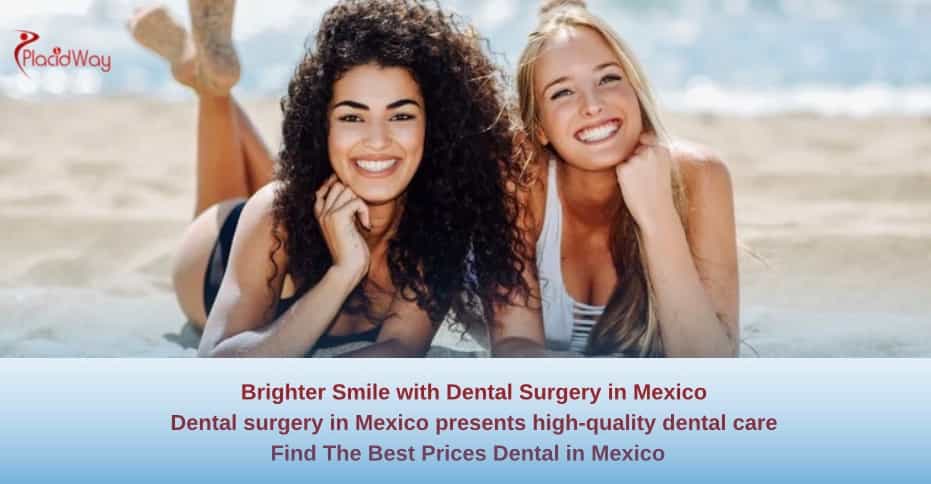
Dental surgery in Mexico typically costs between $500 and $3,000 depending on the complexity of the procedure like implants or full mouth restoration. Patients save up to 70% while receiving world-class care from highly qualified bilingual dentists.
Key Takeaways: Maximize Your Smile and Savings
- Massive Cost Savings: Experience savings of 50% to 70% compared to typical North American pricing structures.
- Premium Materials: Access the exact same globally recognized titanium implants and zirconia crowns used in your home country.
- Expert Specialists: Receive treatment from board-certified maxillofacial surgeons with international affiliations.
- Advanced Technology: Benefit from state-of-the-art 3D CBCT scanners and computer-guided surgical planning.
How does the dental surgery cost in Mexico compare to the United States and Canada?
The dental surgery cost in Mexico is drastically lower, often representing a 70% reduction in price. While a single implant might cost $4,000 in the US, the same procedure across the border typically averages $1,200.
Understanding the pricing differences requires looking at the broader economic landscape rather than the quality of care. The overhead costs required to run a premium facility south of the border are significantly lower than in North America. Real estate, utilities, and administrative salaries are all more affordable. Furthermore, dental students in this region benefit from heavily subsidized university education, meaning specialists do not graduate with massive student loan debt that needs to be passed down to the patient.
Another major factor influencing the affordability is malpractice insurance. In the United States, medical professionals pay exorbitant premiums for malpractice coverage, which fundamentally inflates the cost of every procedure. Because the legal framework surrounding medical liability operates differently across the border, these specific overhead costs are virtually eliminated. This allows specialized centers to offer premium care at a fraction of the traditional cost.
Despite these lower prices, patients do not compromise on the quality of materials. A premier dental surgery clinic in Mexico purchases their titanium posts, bone grafting materials, and porcelain crowns from the exact same global manufacturers as your local hometown dentist. The savings are purely a result of geographical economics, making high-end rehabilitative care accessible to thousands of uninsured or underinsured international patients.
When comparing quotes, always ensure you are looking at comprehensive pricing. A transparent facility will provide a full breakdown including the surgical placement, the abutment, and the final permanent crown, ensuring there are no financial surprises upon arrival.
What are the best destinations for medical tourism in Mexico when seeking dental surgery?
The top destinations include border towns like Los Algodones and Tijuana for driving convenience, as well as resort cities like Cancun and Puerto Vallarta for those looking to combine their treatment with a relaxing tropical vacation.
The landscape of medical tourism in Mexico is vast and diverse, offering different experiences depending on patient preferences. Border cities are incredibly popular due to their sheer convenience. Los Algodones, famously known globally as Molar City, boasts hundreds of specialized centers concentrated within a few square blocks. Patients from Arizona and California often park on the US side and simply walk across the border for their appointments, making complex reconstructive care an easy day trip.
Tijuana offers a similar advantage for those living near San Diego. It has evolved into a highly sophisticated medical hub featuring specialized high-rises dedicated entirely to medical and aesthetic care. These modern facilities offer exclusive medical fast-pass lanes for expedited border crossings, streamlining the entire journey for international visitors undergoing extensive multi-day treatments.
Alternatively, patients seeking a restorative getaway often choose destinations like Cancun, Playa del Carmen, or Puerto Vallarta. These tropical hubs provide an idyllic environment for post-operative recovery. After undergoing significant oral reconstruction, patients can recuperate in luxury resorts away from the stress of daily life. The specialists in these resort cities are equally credentialed, ensuring top-tier surgical outcomes alongside an unforgettable healing environment.
Los Algodones has the highest concentration of dental professionals per square mile anywhere in the world. During the peak winter season, the town hosts thousands of visiting snowbirds exclusively seeking affordable oral healthcare.
What complex procedures are included in dental surgery in Mexico?
Dental surgery in Mexico encompasses highly complex treatments including single and multiple implants, All-on-4 full mouth restorations, complex bone grafting, sinus lifts, and impacted wisdom teeth extractions.
The spectrum of surgical interventions available to international patients is comprehensive. One of the most highly sought-after treatments is the All-on-4 or All-on-6 full arch restoration. This life-changing procedure involves extracting failing teeth, leveling the jawbone, and strategically placing four to six titanium posts to support a fixed, permanent bridge. Specialists across the border execute this exact procedure daily, providing profound functional and aesthetic transformations for a fraction of standard international rates.
For patients who have suffered from prolonged tooth loss, the jawbone often deteriorates, making immediate implant placement impossible. In these scenarios, maxillofacial surgeons expertly perform complex bone grafting and sinus lift procedures. By utilizing synthetic bone materials or taking grafts from other areas, they successfully rebuild the foundational structure of the jaw, ensuring a strong and stable environment for future restorative work.
Beyond implants, specialized centers also handle intricate surgical extractions, particularly impacted wisdom teeth that require precise navigation around facial nerves. Periodontal surgeries, designed to treat severe gum disease and reshape the gum line for better aesthetic symmetry, are also routinely performed. Advanced imaging technology guides every cut and placement, significantly reducing trauma and accelerating the natural healing timeline.
Are the materials used at a dental surgery clinic in Mexico of high quality?
Yes, any premier dental surgery clinic in Mexico utilizes the exact same FDA-approved materials and global brands found in top-tier clinics worldwide, including Nobel Biocare, Straumann, and premium E-max or Zirconia ceramics.
A persistent myth regarding cross-border healthcare is that lower prices equate to inferior materials. This is entirely false when dealing with verified, specialized facilities. Premier restorative centers are deeply committed to longevity and biocompatibility, which is why they refuse to use substandard generic materials. When you undergo an implant procedure, you are receiving world-renowned brands known for their exceptional osseointegration success rates.
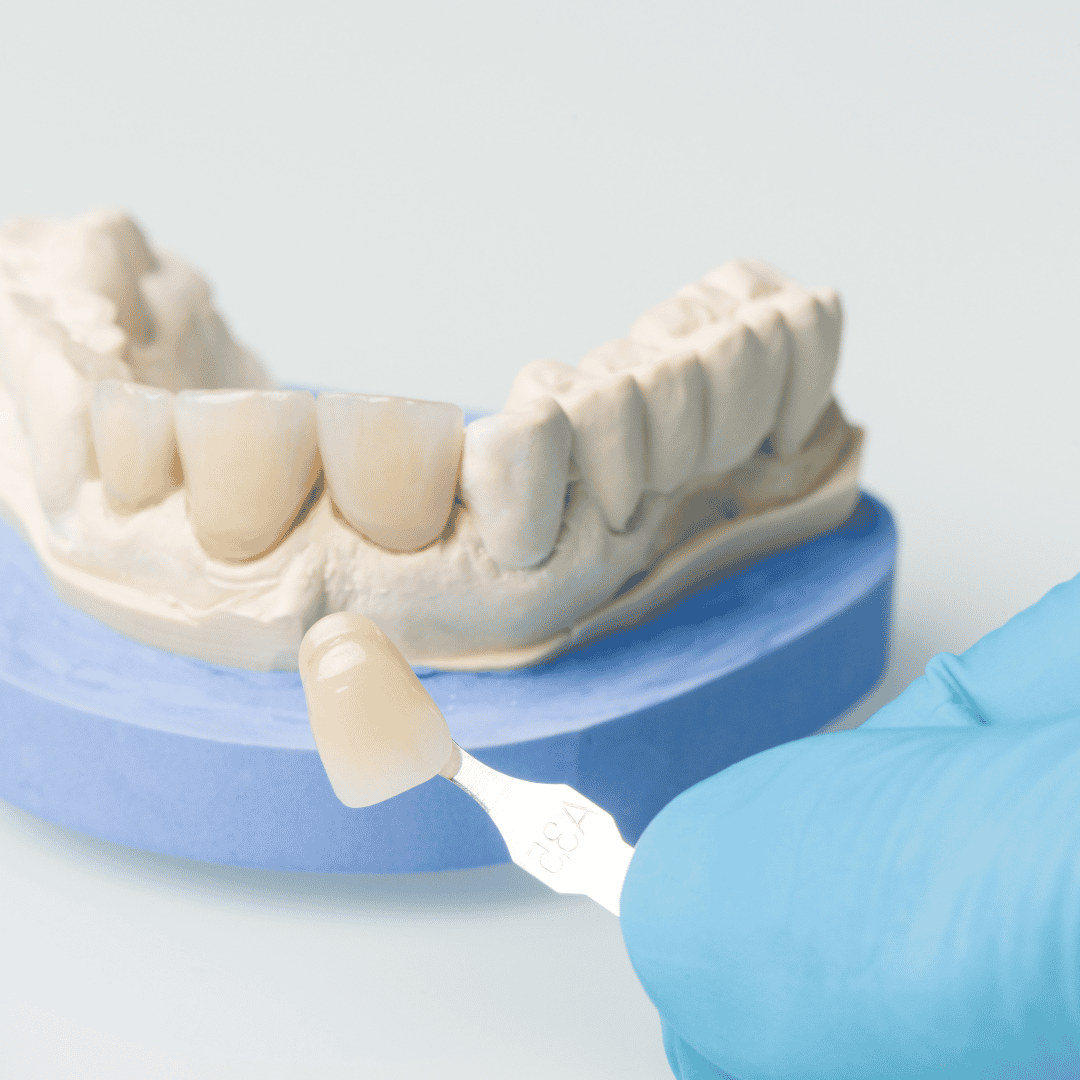
The prosthetic components are equally impressive. Modern centers have shifted away from older metal-based crowns in favor of highly aesthetic, ultra-durable materials like monolithic Zirconia and IPS e.max lithium disilicate. These modern ceramics are prized because they closely mimic the natural translucency of biological enamel while offering incredible resistance to chipping or fracturing during heavy chewing forces.
Furthermore, many leading facilities feature on-site CAD/CAM milling laboratories. By taking digital impressions with intraoral scanners rather than messy traditional putty, specialized technicians can design and mill your custom permanent crowns within hours rather than weeks. This seamless integration of high-end materials and digital workflow ensures that every patient receives a perfectly customized, long-lasting smile restoration.
Because leading centers purchase high-end materials in massive bulk quantities to accommodate the high volume of international patients, they secure significant vendor discounts. These savings are directly passed on to the patient, further lowering the final treatment price.
How are specialists performing dental surgery in Mexico trained and credentialed?
Specialists undergo rigorous university training and frequently pursue postgraduate fellowships in the United States or Europe. Top surgeons maintain active memberships with prestigious organizations like the American Dental Association.
The educational standards for specialists in this region are exceptionally high. A general practitioner must complete five rigorous years of university education followed by a mandatory year of social service. However, the doctors performing complex reconstructive surgeries do not stop there. They spend an additional three to four years completing highly specialized residencies in oral and maxillofacial surgery or advanced periodontics.
Many of the most sought-after surgeons catering to the medical tourism sector take their education a step further by studying abroad. It is incredibly common to find implantologists who have completed intensive fellowships at renowned institutions in California, New York, or Switzerland. This cross-pollination of educational techniques ensures they are fully versed in the latest global advancements regarding minimally invasive surgical protocols.
To provide peace of mind to international travelers, reputable surgeons actively maintain international credentials. They routinely hold active memberships with global boards and attend annual conferences worldwide to keep their skills sharp. When researching providers, looking for these international affiliations is a powerful indicator of a surgeon dedicated to maintaining world-class clinical standards.
What is the standard recovery protocol after extensive dental surgery in Mexico?
Recovery involves a strict soft-food diet, prescribed antibiotics to prevent infection, and managed swelling for the first few days. Complete osseointegration for implants takes three to six months before final crowns are placed.
- Immediate Aftercare: Expect mild to moderate swelling and localized bruising during the first 48 to 72 hours, which is easily managed with prescribed anti-inflammatory medication.
- Dietary Restrictions: A strict liquid and soft-food diet is mandatory for the initial weeks to ensure no undue pressure is placed on the fresh surgical sites or healing bone.
- Infection Prevention: You will be provided with a complete course of antibiotics and a specialized antibacterial mouthwash to maintain a sterile oral environment.
- The Healing Phase: While gums heal quickly, the jawbone requires three to six months to naturally fuse with titanium posts in a biological process called osseointegration.
- Follow-up Appointments: After the bone has fully healed and solidified around the posts, you will return for the final phase to have your permanent, custom-milled porcelain crowns securely attached.
Are hygiene and safety protocols strictly enforced during dental surgery in Mexico?
Yes, premier facilities adhere to rigorous international safety standards. They utilize advanced autoclaves, dedicated sterilization rooms, and strict single-use disposable policies to ensure a completely safe, infection-free environment.
Safety and hygiene are the absolute cornerstones of the cross-border healthcare industry. Facilities that successfully attract international patients know that their reputation depends entirely on maintaining flawless clinical environments. Therefore, they do not just meet local health regulations; they intentionally adopt and enforce stringent guidelines developed by global health organizations to guarantee absolute patient safety.
When you walk into a top-tier surgical center, you will notice dedicated sterilization sectors separate from the main treatment areas. Instruments are subjected to ultrasonic cleaning before being processed in modern, hospital-grade Class B autoclaves. These high-pressure steam sterilizers effectively destroy all microscopic pathogens. Once sterilized, instruments are vacuum-sealed in specialized pouches that are only opened directly in front of the patient immediately prior to the procedure.
Furthermore, cross-contamination is prevented through the aggressive use of disposable, single-use items. Everything from protective barriers and suction tips to the surgical gowns and gloves are utilized once and immediately discarded according to strict biohazard protocols. Advanced water filtration systems are also heavily integrated into the surgical chairs, ensuring that only pure, distilled water is ever utilized during highly sensitive surgical irrigations.
How many trips are required to complete full-mouth dental surgery in Mexico?
Major rehabilitative work typically requires two separate visits spaced several months apart. The first trip is for extractions and structural placement, while the second trip focuses on securing the final permanent prosthetics.
Proper surgical protocol for extensive oral rehabilitation cannot be rushed. For patients undergoing full-arch restorations or multiple individual implants, the journey is meticulously planned over two distinct phases. During your first visit, which generally lasts between four to seven days, the surgeon will perform any necessary extractions, complete complex bone grafting, and securely place the titanium posts directly into the jawbone.
Before you travel back home from this initial stage, you are typically fitted with a temporary, lightweight acrylic denture or bridge. This ensures you never have to face the world without teeth while you heal. You then return home to allow the critical osseointegration process to occur, which usually takes anywhere from three to six months depending on your individual bone density and healing capabilities.
The second and final trip is generally much shorter and completely non-surgical. Upon your return, the specialist will take precise digital impressions of your fully healed gums and the integrated posts. The on-site master ceramists will then fabricate your permanent, heavy-duty zirconia bridges or crowns. Once these final masterpieces are securely attached and your bite is perfectly aligned, your restorative journey is officially complete.
Why Choose PlacidWay to facilitate your dental surgery in Mexico?
PlacidWay removes the guesswork from cross-border healthcare by providing a curated network of strictly vetted facilities, transparent pricing, and comprehensive advocacy to ensure a safe and seamless reconstructive experience.
Choosing the right medical facility abroad can feel overwhelming when faced with countless online options. PlacidWay acts as your ultimate advocate and security blanket, ensuring you are connected only with the most elite professionals in the industry. Here is why partnering with PlacidWay is the smartest choice for your restorative journey:
- Rigorous Facility Vetting: We perform extensive background checks on every partner center. We verify local governmental accreditations, review surgeon credentials, and ensure strict adherence to international safety and sterilization protocols.
- Absolute Price Transparency: We eliminate hidden fees by providing completely itemized, comprehensive treatment quotes before you commit. You will know exactly what your surgical procedures, materials, and medications will cost upfront.
- Expert Patient Advocacy: Our dedicated support team assists you in facilitating communication between you and your chosen specialist. We help transfer your X-rays securely so you can receive highly accurate preliminary treatment plans.
- Bilingual Support Systems: We exclusively partner with specialized centers that boast fully bilingual clinical staff, guaranteeing that you fully understand every single aspect of your complex restorative treatment plan.
- Uncompromising Quality Focus: We only collaborate with centers that utilize globally recognized, FDA-approved materials. We prioritize your long-term health and functional longevity over simply finding the cheapest possible option.
Frequently Asked Questions About Cross-Border Dental Care
Does US dental insurance cover procedures performed in Mexico?
Many US dental insurance providers do offer out-of-network coverage for treatments completed internationally. You will typically need to pay out of pocket at the time of your visit and submit a specialized claim form with itemized receipts to your provider for reimbursement. It is highly recommended to verify cross-border coverage limits with your specific insurance carrier before scheduling any major work.
What payment methods are generally accepted by Mexican dental offices?
Top-tier facilities catering to international patients usually accept a wide variety of payment methods including major credit cards, debit cards, cash in US dollars, and sometimes wire transfers. Some places may offer a small discount for cash payments. Always clarify any potential credit card processing fees with your chosen facility beforehand.
Will there be a language barrier when visiting a Mexican dental provider?
Language barriers are exceptionally rare at facilities that cater specifically to international patients. The vast majority of specialized care centers employ fully bilingual staff, from the receptionists to the surgeons themselves. Many of these specialists have received part of their education or completed fellowships in English-speaking countries.
Do Mexican dental professionals offer warranties on their restorative work?
Reputable specialists frequently provide written guarantees for their restorative work, such as crowns, bridges, and implants. These warranties often range from a few years to a lifetime guarantee on the implant posts themselves, provided you follow proper aftercare and hygiene protocols. Always request the warranty terms in writing prior to beginning your treatment.
What happens if I experience complications after returning home from Mexico?
While severe complications are rare when visiting accredited professionals, premier centers always provide robust aftercare support. They typically offer digital consultations to assess any issues. If a physical correction is required and falls under their warranty, the remedial work is performed at no extra surgical charge, though you would be responsible for transportation back to the border.
Are sedation options available for patients with severe dental anxiety in Mexico?
Yes, extensive sedation dentistry is widely available for those undergoing complex surgical interventions or dealing with high anxiety. Options range from local anesthesia and oral sedatives to nitrous oxide and full intravenous sedation administered by a licensed anesthesiologist. You must request IV sedation in advance so the facility can schedule the anesthesiologist.
How are hygiene and sterilization standards regulated in Mexican dental centers?
The Secretariat of Health sets baseline national standards, but premier centers targeting international patients go significantly further by adopting strict international protocols. They routinely utilize hospital-grade autoclaves, implement stringent single-use item policies, and maintain sterile surgical environments that mirror or exceed the regulations enforced by the American Dental Association.
Can I get a consultation before traveling across the border for dental work?
Absolutely. Most modern centers offer comprehensive virtual consultations. By emailing your recent panoramic X-rays or 3D CBCT scans to the facility, their specialists can review your bone structure, formulate a preliminary treatment plan, and provide a highly accurate cost estimate before you ever leave your home.
Is it possible to combine my dental treatment with a vacation in Mexico?
Combining treatment with a holiday is a core concept of the medical tourism industry. Destinations like Cancun or Puerto Vallarta are perfect for this approach. However, it is advised to enjoy the strenuous vacation activities before your procedure, reserving the post-operative period strictly for relaxation and healing by the resort pool.
What kind of aftercare instructions are provided following Mexican dental implants?
Patients are given detailed, written post-operative instructions tailored to their specific procedure. This typically includes a customized soft-food diet plan, protocols for taking prescribed antibiotics and anti-inflammatory medications, and specific oral hygiene routines using special antibacterial rinses to ensure optimal healing.
Transform Your Smile Without Emptying Your Wallet
* Responses typically within 24 hours. Privacy guaranteed.




.png)
.png)
.png)
.png)

.jpg)
.png)
.jpg)
.jpg)









Share this listing