


Holistic and Traditional Cancer Treatments at ITC Immunity Therapy Center
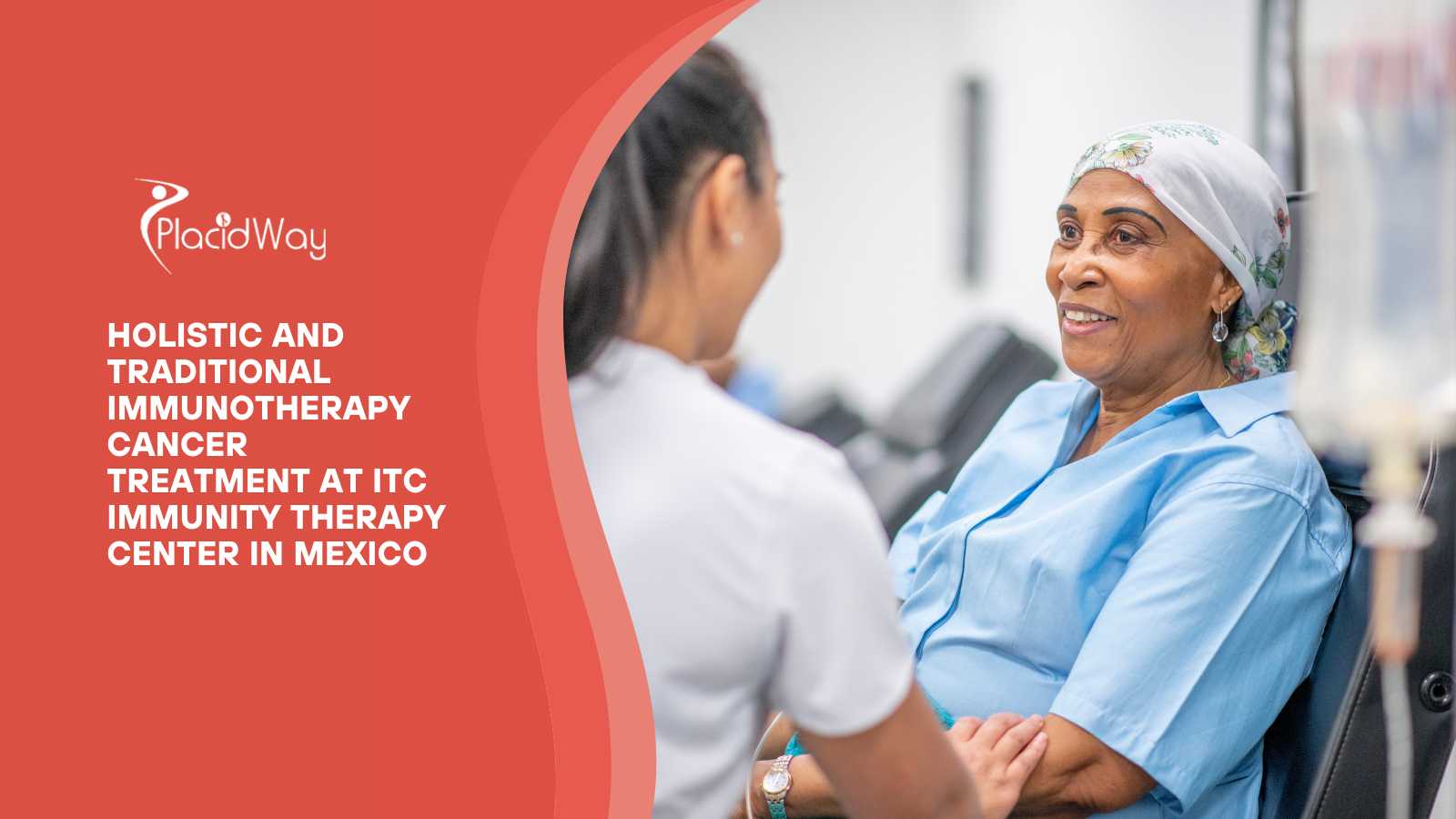
Navigating a cancer diagnosis is one of the most challenging experiences a person can face. As patients and their families review treatment options, many begin looking beyond the standard protocols offered at their local hospitals. Seeking holistic and traditional immunotherapy cancer treatment at ITC Immunity Therapy Center in Mexico has become an avenue for individuals who wish to explore an integrative approach. By combining select elements of conventional medicine with broad holistic therapies, these programs attempt to support the body’s natural defenses while minimizing the severe toxicity often associated with standard oncology.
Medical tourism in Mexico has grown substantially, largely because the country's healthcare regulations permit the administration of therapies that may be considered complementary, alternative, or experimental in the United States and Canada. Facilities just across the border, particularly in Tijuana, cater almost exclusively to international patients. They provide comprehensive, multi-week programs that look at the patient's biological environment, nutritional status, and emotional health, rather than solely focusing on tumor eradication. However, engaging in international medical travel requires careful logistical planning, financial preparation, and a clear understanding of the limitations of alternative care.
Key Takeaways
- Integrative programs combine non-toxic alternative treatments with supportive care to theoretically enhance immune function and overall well-being.
- The Alternative Cancer Treatment by ITC - Immunity Therapy Center focuses on customized, patient-centric protocols rather than a one-size-fits-all approach.
- Holistic therapies are generally viewed as complementary tools and are not clinically proven to replace conventional, life-saving cancer treatments.
- Patients typically pay out-of-pocket for these international programs, as standard health insurance providers rarely cover unapproved cross-border therapies.
- Thorough consultation with a local physician is highly encouraged before committing to international medical travel or altering a prescribed conventional regimen.
What is the difference between traditional and holistic immunotherapy?
Understanding the terminology is crucial when researching treatment options. In conventional modern oncology, "traditional immunotherapy" refers to highly specialized biological therapies. These are typically heavily researched, FDA-approved pharmaceutical drugs such as immune checkpoint inhibitors (like Keytruda or Opdivo), CAR T-cell therapy, or monoclonal antibodies. These drugs are designed to interact with specific proteins on the surface of immune cells or cancer cells, effectively removing the "brakes" from the immune system so it can recognize and directly attack the tumor.
Conversely, the term "immunotherapy" in a holistic or alternative setting refers to a completely different philosophy. Holistic immunotherapy does not typically utilize these targeted pharmaceutical drugs. Instead, it encompasses a wide array of non-toxic modalities designed to modulate the overall bodily environment. The goal is to theoretically create conditions where the body's innate healing mechanisms are optimized. Practitioners focus on reducing systemic inflammation, correcting nutritional deficiencies, detoxifying the liver, and utilizing high-dose natural compounds to stimulate white blood cell activity.
While standard oncology attacks the disease pathology directly, alternative programs attempt to strengthen the host. This fundamental difference means that holistic approaches often carry a much lower risk of acute side effects compared to chemotherapy or targeted drugs, but they also lack the robust, large-scale clinical trial data required to prove direct tumor-shrinking efficacy.
How does the Alternative Cancer Treatment by ITC - Immunity Therapy Center work?
Facilities that focus on integrative medicine rarely apply a standardized protocol to every patient. When a patient enrolls in a program like the Alternative Cancer Treatment by ITC - Immunity Therapy Center, the process begins with an extensive intake evaluation. The medical team reviews past oncological records, scans, and blood work, but they also evaluate factors often overlooked in standard care: lifestyle habits, environmental toxin exposure, stress levels, and precise nutritional markers.
Based on this comprehensive profile, the doctors construct a personalized treatment matrix. The core philosophy is that cancer thrives in a compromised, toxic, or unbalanced biological environment. Therefore, the daily regimen is designed to systematically address these perceived imbalances. Patients typically spend several hours a day at the clinic receiving back-to-back treatments. This layered approach is intentional; practitioners believe that utilizing multiple synergistic therapies concurrently produces a better response than relying on a single modality.
Throughout the treatment, the medical team closely monitors the patient's subjective well-being and basic blood markers, adjusting the therapies as needed. The focus remains heavily on improving the patient's energy levels, managing pain naturally, and restoring an appetite, which can drastically improve the daily quality of life even in advanced stages of the disease.
What specific integrative therapies are used alongside immunotherapy in Mexico?
The menu of treatments available at an international holistic clinic is extensive. Because these facilities operate outside the constraints of US FDA regulations, they can incorporate therapies classified as complementary or experimental. Some of the most common modalities include:
- High-Dose Intravenous (IV) Vitamin C: Administered in doses far exceeding what can be absorbed orally, high-dose IV Vitamin C is utilized for its potent antioxidant properties. Some alternative practitioners suggest it may act as a pro-oxidant specifically around cancer cells, theoretically causing them stress without harming healthy tissue.
- Hyperthermia: This involves carefully elevating the body's core temperature (whole-body hyperthermia) or applying heat directly to a tumor site (localized hyperthermia). The theory is that cancer cells are more vulnerable to heat damage than normal cells, and elevated temperatures may stimulate a broader immune response.
- Ozone Therapy: By introducing medical-grade ozone gas into the bloodstream (often through a process called autohemotherapy), clinics aim to increase tissue oxygenation. This practice is based on the theory that abnormal cells struggle to survive in highly oxygenated environments.
- B17 / Laetrile Therapy: A historically controversial botanical extract derived from apricot kernels. While highly debated and generally not recognized as effective by mainstream oncology, it remains a common offering in alternative Mexican clinics.
- Pulsed Electromagnetic Field (PEMF) Therapy: Used as a supportive measure to help manage pain, improve cellular function, and reduce systemic inflammation.
Who is a suitable candidate for treatment at ITC Immunity Therapy Center in Mexico?
Holistic clinics in Mexico generally accept a wide demographic of patients, from those newly diagnosed to those in advanced stages. A significant portion of patients use these programs in a purely complementary manner. For example, a patient undergoing active radiation therapy at home might travel to Mexico for a short intensive program designed specifically to mitigate radiation side effects, boost energy, and support the liver.
Another common patient profile includes those who have been advised by their home oncologists that standard curative options are no longer viable. In these scenarios, patients often turn to integrative centers seeking palliative care, symptom management, and a focus on prolonging a comfortable quality of life. Facilities like ITC Immunity Therapy Center in Mexico emphasize treating the person rather than just the disease, which resonates deeply with patients feeling overwhelmed by the clinical nature of standard hospitals.
However, international medical travel is not suitable for everyone. Patients who are medically unstable, those suffering from acute organ failure, or individuals requiring immediate emergency surgical intervention are typically not safe candidates. The rigors of travel and the intensive nature of daily therapies require a baseline level of physical stability.
How much does holistic immunotherapy cost in Mexico?
Financial preparation is a massive component of planning alternative cancer care. Because these treatments are largely unapproved by the FDA and take place internationally, traditional health insurance providers simply will not cover the costs. Patients are almost entirely responsible for funding the treatment out-of-pocket, which usually involves paying a substantial deposit prior to arrival.
The estimated $18,000 to $35,000 range typically covers the core program. This usually bundles the initial consultations, daily nursing care, specialized IV therapies, hyperthermia sessions, and clinical nutrition. Many centers include customized daily meals designed to support the specific metabolic requirements of the treatment.
However, patients must budget beyond the base clinic fee. Additional expenses often include airfare, ground transportation, lodging for a caregiver, specialized blood tests that might need to be sent out to external labs, and the take-home supplements. The home-care protocol—which requires purchasing months' worth of specialized biological medicines before leaving the clinic—can easily add several thousand dollars to the final bill. Always request a comprehensive, line-item estimate during your initial consultation.
Are the alternative cancer treatments in Mexico safe and regulated?
From a purely physiological perspective, the majority of holistic therapies offered—such as nutritional IVs, dietary shifts, hyperthermia, and mind-body counseling—are intended to be gentle. They are designed specifically to avoid the severe, systemic toxicity associated with chemotherapy. When administered in a sterile environment by trained medical professionals, the immediate risk of severe adverse reactions from these specific therapies is generally considered low.
The regulatory body governing medical facilities in Mexico is COFEPRIS (Federal Commission for the Protection against Sanitary Risk). Reputable clinics operate legally under the oversight of this agency and employ licensed medical doctors. Despite this oversight, the primary safety concern raised by major medical organizations is not necessarily the direct harm of a vitamin infusion, but rather the risk of omission. If a patient with an early-stage, highly curable cancer decides to refuse standard surgery or chemotherapy in favor of unproven holistic methods, they risk allowing the disease to advance to an incurable stage.
Because of this, safe practice involves maintaining a transparent relationship with your local primary care doctor or oncologist. They can monitor your progress objectively and provide immediate medical intervention if a sudden complication arises either during or after your travels.
What dietary and lifestyle changes are required during your stay?
Nutrition is not an afterthought in alternative cancer care; it is often treated as a primary therapeutic intervention. Holistic practitioners generally adhere to the theory that poor nutrition and a highly processed diet create an inflammatory environment conducive to disease progression. Therefore, arriving at a clinic in Mexico means committing to a significant lifestyle shift.
Patients are usually introduced to metabolic diets. The central tenet of these diets is starving cancer cells of their preferred fuel source—glucose—while deeply nourishing healthy cells. This usually means the complete elimination of white sugar, refined carbohydrates, alcohol, and processed foods. In their place, patients consume vast quantities of organic vegetables, specific low-glycemic fruits, healthy fats, and targeted, clean protein sources.
Beyond food, lifestyle adjustments are required. Stress is viewed as a major immunosuppressant. Clinics integrate daily practices to lower cortisol levels and improve mental resilience. This can involve scheduled rest periods, guided meditation, mild yoga, lymphatic drainage massages, and psychological counseling. The goal is to shift the patient's nervous system out of a constant "fight or flight" stress response, allowing the body to focus its energy on healing and recovery.
How long does a typical integrative cancer treatment program last?
Holistic medicine is rarely a quick fix. Altering a patient's biological terrain and attempting to stimulate an immune response takes time and consistency. The standard recommendation for an initial intensive program is three weeks. During this period, the patient is at the facility six to eight hours a day, Monday through Saturday, receiving continuous therapies, infusions, and medical supervision.
This three-week window allows the medical staff to administer therapies safely, monitor how the patient reacts to specific biological agents, and adjust the protocol accordingly. It also provides the necessary time for intensive education. The clinic staff must teach the patient and their caregiver how to prepare specific meals, administer certain home therapies, and manage their complex supplement schedule.
The treatment does not end when the patient crosses the border to go home. The in-clinic stay is considered the foundational phase. Patients leave with detailed instructions for a home-care regimen that they are expected to follow diligently. Healing holistically requires a permanent commitment to the dietary and lifestyle changes initiated during the trip to Mexico.
What should you expect when traveling to Tijuana for medical care?
For many North American patients, the prospect of traveling internationally while battling cancer is daunting. However, medical tourism in Mexico, particularly in border cities like Tijuana, is a massive, well-oiled industry. The infrastructure is specifically designed to accommodate the needs and vulnerabilities of medical travelers.
Most patients choose to fly into the San Diego International Airport in California. Because Tijuana sits directly on the border, the transit is incredibly short. Reputable clinics typically provide private, medically equipped shuttle services that pick patients up directly from the airport baggage claim and drive them safely across the border to the clinic or their arranged accommodations. This eliminates the stress of navigating a foreign transit system or dealing with border paperwork independently.
The clinics themselves are modern, hygienic, and heavily staffed with fully bilingual doctors, nurses, and patient coordinators. You will not face a language barrier regarding your medical care. Whether you choose an inpatient facility (where you stay in a hospital-like room) or an outpatient model (where you stay in a nearby hotel or apartment and commute to the clinic daily), the environment is structured to provide comfort and reduce anxiety.
How do you prepare for an international alternative cancer program?
Proper preparation dictates the success and safety of your medical journey. Your first operational step is compiling a comprehensive medical dossier. The doctors in Mexico will need to see everything: the original pathology report from your biopsy, the most recent PET, CT, or MRI scans (ideally on a physical disc or secure digital link), comprehensive blood panels from the last 30 days, and a complete list of every prescription medication you currently take. This information is vital for creating a safe protocol.
Second, arrange for a companion. Traveling alone for an intensive three-week medical program is strongly discouraged. The treatments can induce detox symptoms, fatigue, and emotional fluctuations. A dedicated caregiver—whether a spouse, child, or close friend—is essential to manage luggage, prepare specialized meals off-hours, advocate for your needs, and provide moral support.
Finally, prepare your local support system. Have a candid conversation with your home oncologist. They may express skepticism about alternative treatments, but keeping them informed is a matter of safety. If you develop an infection or a sudden complication after returning home, your local doctors need to know exactly what therapies you received abroad in order to treat you effectively.
Why Choose PlacidWay?
Navigating the complexities of international healthcare requires access to clear, organized information. PlacidWay serves as a comprehensive medical tourism platform to help patients research global options and connect with providers.
Detailed Facility Profiles
Access extensive informational profiles outlining the medical philosophies, offered treatments, and facility amenities of various international clinics.
Direct Communication
PlacidWay facilitates the initial contact, allowing you to ask preliminary questions and request estimates directly from the international medical teams.
Treatment Comparisons
Utilize the platform to compare different integrative approaches and baseline cost estimates across multiple destinations to inform your choices.
Educational Resources
Review articles, patient guides, and logistical overviews that help demystify the general processes involved in medical tourism.
Focus on Education
The platform emphasizes the importance of thorough patient research and securing independent medical consultations before traveling abroad.
Frequently Asked Questions
Can I receive standard chemotherapy at the same time as holistic treatments?
Many patients utilize holistic therapies concurrently with standard chemotherapy to help manage side effects and maintain strength. However, you must discuss this with your primary oncologist, as certain high-dose antioxidants can theoretically interfere with specific chemo drugs.
Will US health insurance pay for ITC Immunity Therapy Center?
Traditional health insurance networks in the US and Canada, including Medicare, do not typically cover alternative cancer programs located in Mexico. Patients almost always pay for these integrative medical tourism services out-of-pocket.
Do I need a referral from my home oncologist to go to Mexico?
A formal referral is usually not legally required to seek alternative treatment abroad. However, international clinics will still require comprehensive medical records, recent scans, and pathology reports to evaluate your case before acceptance.
Are caregivers allowed to stay with patients during treatment?
Caregivers are strongly encouraged and often required. Managing cancer treatment in a foreign country is physically and emotionally taxing, and having a family member to assist with daily logistics and provide support is highly beneficial.
What happens if I have a medical emergency while at the clinic?
Reputable centers have protocols to stabilize patients in distress. For acute emergencies requiring intensive care units or emergency surgery, patients are typically transferred to a specialized local hospital in Mexico or transported across the border if stable enough.
Is it safe to cross the border into Tijuana for medical tourism?
Tens of thousands of medical tourists visit Tijuana safely each year. Most clinics facilitate secure border crossings via dedicated medical shuttle services that transport patients directly from San Diego airports to the facility in Mexico.
Are the doctors at holistic clinics in Mexico fully licensed?
Legitimate medical facilities are staffed by licensed medical doctors (MDs) authorized to practice in Mexico by COFEPRIS (the Mexican health authority). Patients should always verify the credentials of their specific medical team.
What kind of follow-up care is provided after leaving Mexico?
Programs usually include an intensive home-care protocol involving customized supplements, dietary plans, and scheduled telemedicine consultations. However, you must still rely on a local physician for physical examinations and emergency care.
Can holistic immunotherapy cure advanced stage cancer?
Alternative and holistic therapies are not proven cures for advanced cancer. For late-stage diagnoses, these programs primarily focus on palliative care—aiming to improve quality of life, reduce pain, and optimize remaining immune function.
Do I need a special medical visa for treatment in Mexico?
Citizens of the United States and Canada do not require a special medical visa for short stays (under 180 days). A valid passport is necessary and sufficient for crossing the border for these programs.
Compare Treatment Options
Gathering accurate information is a critical step in your healthcare journey. Request more details about international facilities, treatment options, and cost estimates to help you make an informed decision.
Request Treatment InformationReferences
- Complementary and Alternative Medicine – National Cancer Institute (NCI)
- Understanding Complementary and Integrative Medicine – American Cancer Society (ACS)
- Medical Tourism Safety Guidelines – Centers for Disease Control and Prevention (CDC)
- Traditional, Complementary and Integrative Medicine – World Health Organization (WHO)



.png)
.png)
.png)
.png)













Share this listing