
Find Out Why Guadalajara is the Best Choice for Advanced Stem Cell Therapy for Osteoarthritis

Osteoarthritis is a degenerative joint disease that affects millions of people worldwide, leading to chronic pain, stiffness, and reduced mobility. When conservative treatments like physical therapy, lifestyle modifications, and pain medications no longer provide sufficient relief, many patients begin exploring alternative medical options. Among these options, Stem Cell Therapy for Osteoarthritis in Mexico has emerged as an increasingly sought-after avenue for those hoping to manage joint inflammation and delay invasive joint replacement surgeries.
Guadalajara, the capital of Jalisco, stands out as a prominent center for medical innovation in Latin America. The city combines robust healthcare infrastructure, state-of-the-art laboratories, and specialists focused on regenerative medicine. While stem cell therapy is not a guaranteed cure and outcomes vary from person to person, understanding how these treatments are administered, the regulatory environment, and the practicalities of traveling can help you make an informed decision about your joint health.
Key Takeaways
- Guadalajara offers access to specialists utilizing both autologous and allogeneic stem cells for joint degeneration.
- Therapy aims to reduce inflammation and manage pain, though it is not proven to regrow significant amounts of cartilage.
- Costs in Mexico are often substantially lower than in North America, but patients should budget for travel and follow-up care.
- Thorough medical evaluation and imaging are required to determine if you are a suitable candidate.
- Patients must plan for appropriate rest, travel clearance, and physical therapy following the procedure.
How does stem cell therapy work for knee and joint osteoarthritis?
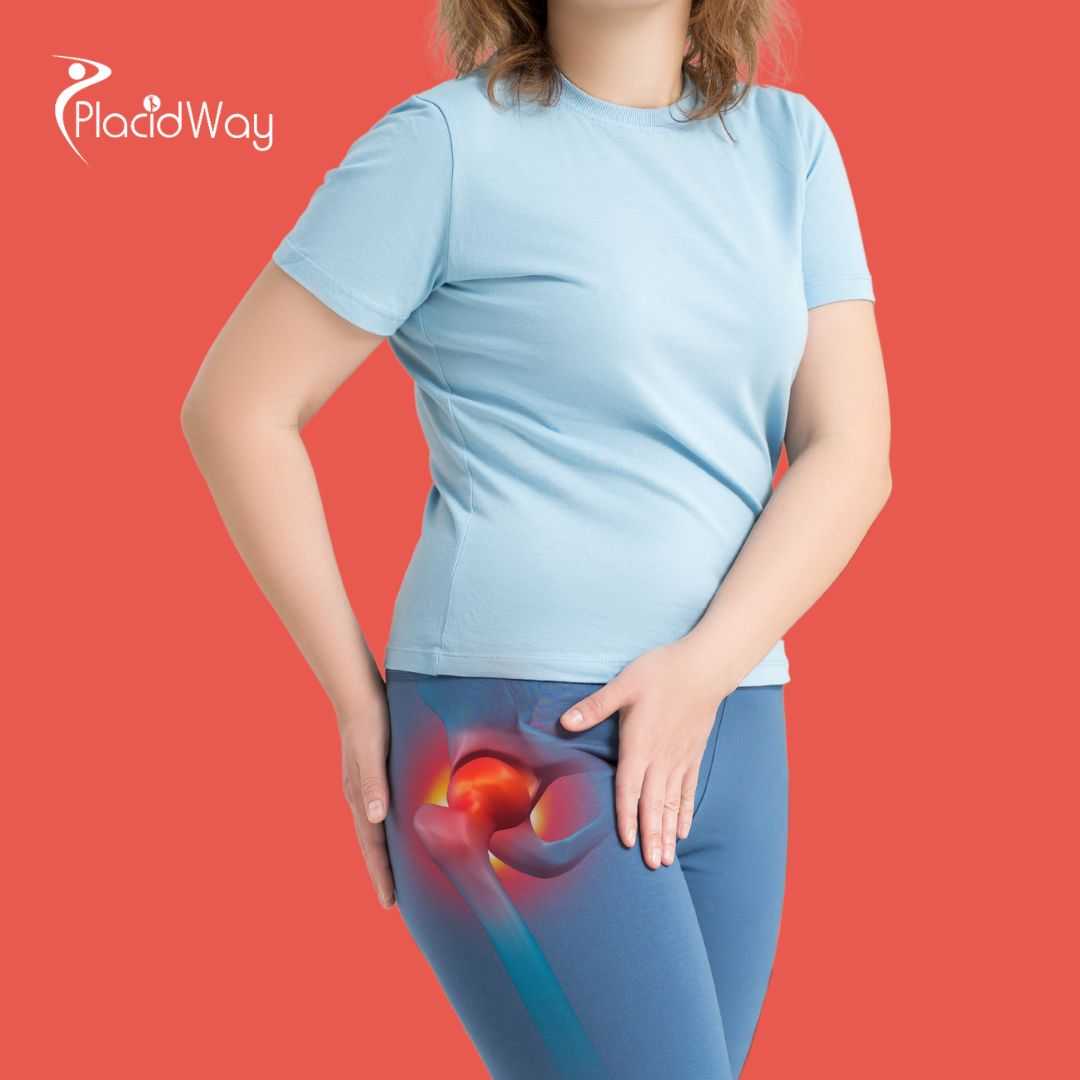
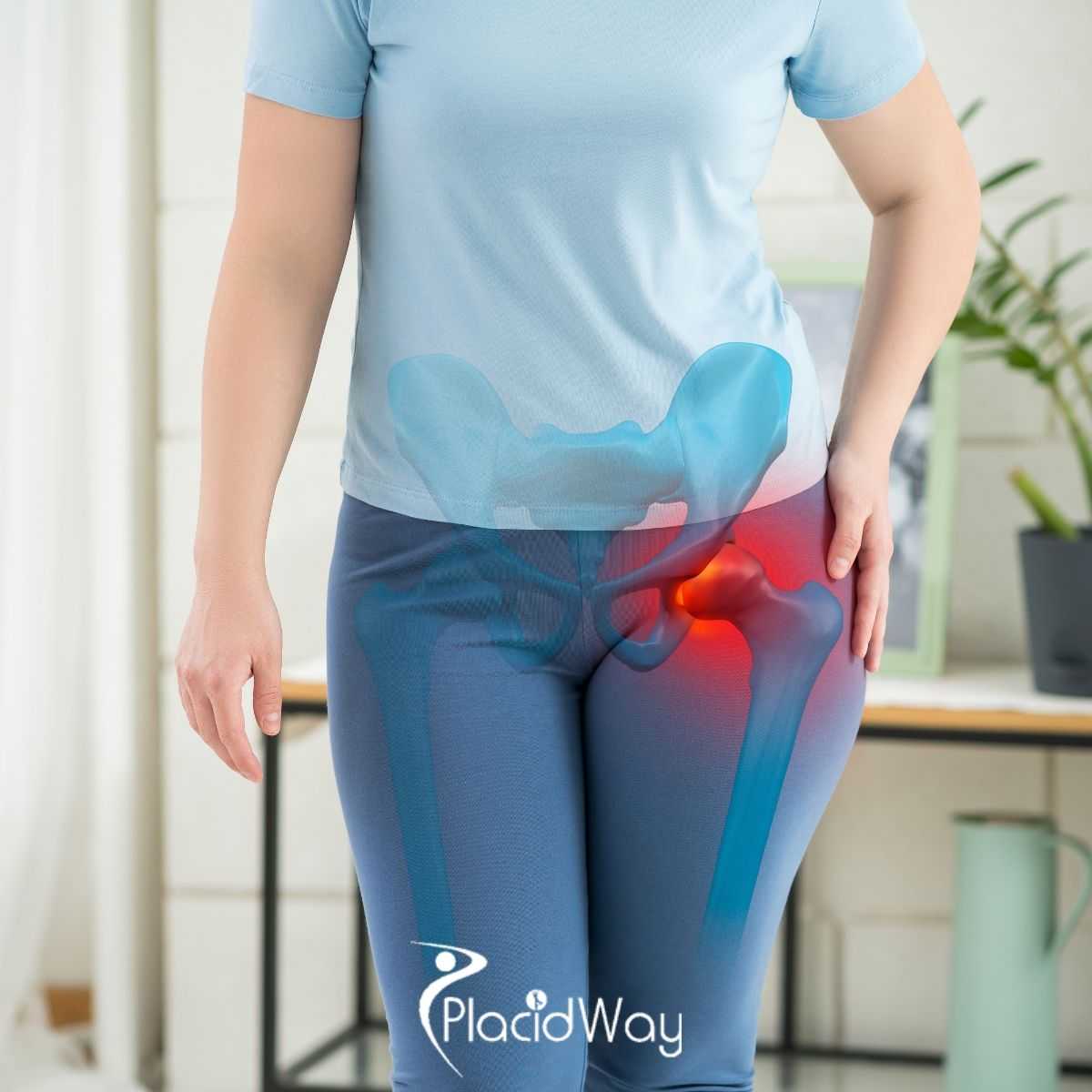
The core concept behind utilizing stem cells for osteoarthritis lies in the unique properties of Mesenchymal Stem Cells (MSCs). In a healthy body, MSCs play a role in tissue repair and managing inflammation. Osteoarthritis causes chronic inflammation that degrades cartilage faster than the body can repair it. By injecting a high concentration of these cells directly into the knee, hip, or shoulder, the goal is to alter the inflammatory environment of the joint.
It is crucial to understand current medical consensus regarding these treatments. The primary benefit observed in clinical studies is not the physical regeneration of thick, new cartilage, but rather the reduction of biochemical markers that cause swelling and pain. The cells release cytokines and growth factors that may help soothe irritated joint linings and potentially slow further degradation.
Results vary significantly from patient to patient. Some individuals experience improved mobility and pain relief for several years, while others may notice only marginal or temporary benefits. Your underlying health, the severity of the arthritis, and your adherence to post-treatment physical therapy all play significant roles in the overall outcome.
What types of stem cells are typically used for osteoarthritis in Mexico?
When researching treatments in Guadalajara, you will likely encounter different cell sources. Understanding the distinction is vital for setting expectations and discussing risks with a healthcare provider.
- Autologous (Bone Marrow-Derived): The doctor extracts bone marrow, usually from the patient's hip bone, concentrates the cells using a centrifuge, and injects them into the joint. This method minimizes the risk of immune rejection since the cells belong to the patient.
- Autologous (Adipose-Derived): Fat tissue is extracted via a mini-liposuction procedure, usually from the abdomen. The tissue is processed to isolate stem cells before injection.
- Allogeneic (Umbilical Cord-Derived): These cells are sourced from the umbilical cords of healthy, screened donors following a cesarean section. They are processed and multiplied in a laboratory. Proponents note that these cells are younger and may have stronger anti-inflammatory properties, but they introduce different regulatory and compatibility considerations.
Each method carries distinct protocols, processing times, and potential risks. A qualified orthopedic or regenerative medicine specialist should review your specific medical history to recommend the most appropriate option based on current medical evidence.
Who is an ideal candidate for this joint treatment?
Not everyone with joint pain will benefit from stem cell injections. Proper patient selection is one of the most critical factors in achieving a positive outcome. A comprehensive evaluation by a specialist is necessary to determine eligibility.
You may be considered a suitable candidate if you:
- Have documented Grade 2 or Grade 3 osteoarthritis confirmed by recent X-rays or MRI scans.
- Experience joint pain that significantly limits daily activities.
- Are in generally good health without active infections, bloodborne diseases, or active cancer.
- Possess a realistic understanding that this therapy manages symptoms rather than curing the disease.
Conversely, patients with "bone-on-bone" (Grade 4) osteoarthritis, severe joint deformities, or certain autoimmune conditions are generally not advised to undergo this therapy, as the structural damage is typically too severe for cellular treatments to provide meaningful relief. In these cases, traditional surgical interventions may be necessary.
What is the estimated stem cell therapy for osteoarthritis cost in Mexico?
One of the primary drivers for patients traveling internationally is the significant cost difference compared to North American healthcare systems. In the United States and Canada, regenerative therapies are rarely covered by insurance because they are considered experimental for osteoarthritis, leaving patients to pay completely out-of-pocket.
When evaluating the Stem Cell Therapy for Osteoarthritis cost in Mexico, it is important to understand what is typically included. Estimates often cover the initial consultation, the cell harvesting or procurement process, laboratory fees, the injection procedure (often guided by ultrasound or fluoroscopy for accuracy), and immediate post-procedure monitoring.
| Treatment Aspect | Estimated Cost Range (USD) |
|---|---|
| Single Joint Injection (Autologous) | $3,500 - $5,000 |
| Single Joint Injection (Allogeneic/Umbilical) | $4,000 - $7,000 |
| Additional Joints (Treated simultaneously) | Discounted rate typically applies |
Please note: These figures are general estimates. Final pricing can vary based on individual medical needs, the specific facility, and fluctuations in material costs. Always request a detailed, itemized quote before committing to travel.
How should patients prepare for their trip to a stem cell therapy for osteoarthritis clinic in Mexico?
Choosing a Stem Cell Therapy for Osteoarthritis clinic in Mexico requires careful planning well before booking a flight. Because you will be receiving medical treatment abroad, remote consultation is the crucial first step. Reputable providers will require a telehealth meeting to discuss your symptoms and review your medical history.
You will typically need to provide recent imaging—usually an MRI taken within the last six months—so the specialist can accurately assess the structural state of your joint. X-rays may also be requested to evaluate joint spacing and alignment.
In the weeks leading up to the procedure, your doctor may ask you to modify your medications. For instance, non-steroidal anti-inflammatory drugs (NSAIDs) like ibuprofen or naproxen are often paused, as they can interfere with the body's natural healing response and the intended action of the injected cells. Always follow the explicit instructions of your treating physician regarding any prescription or over-the-counter medications.
What does the recovery process involve after joint injections?
While stem cell injections are minimally invasive compared to joint replacement surgery, they are still medical procedures that require proper aftercare. Immediately following the injection, patients often experience localized pain, swelling, and stiffness in the treated joint. This is a normal inflammatory response and usually subsides within three to seven days.
Patients are generally advised to use crutches or a brace for a short period if a weight-bearing joint like the knee or hip was treated. After the initial resting phase, a structured physical therapy program is highly recommended. Physical therapy helps restore range of motion, strengthens the muscles supporting the joint, and maximizes the potential long-term benefits of the therapy.
Are there potential risks or side effects with this treatment?
While many patients tolerate stem cell injections well, presenting the procedure as "risk-free" is medically inaccurate. Safety depends heavily on the sterile techniques utilized by the clinic, the quality of the laboratory processing the cells, and the patient's individual health status.
Common, mild side effects include temporary swelling and discomfort at the injection site or the tissue harvest site (if autologous cells are used). More serious, though less common, risks include joint infections (septic arthritis), nerve damage, or blood clots.
If allogeneic (donor) cells are used, there are theoretical risks of immune rejection or the transmission of communicable diseases, although strict laboratory screening protocols aim to mitigate these dangers. It is essential to discuss all potential complications with a qualified healthcare provider and fully understand the risks before consenting to treatment.
How is the quality of care regulated in Guadalajara?
When seeking healthcare outside your home country, understanding the regulatory landscape is critical for patient safety. In Mexico, the Federal Commission for the Protection against Sanitary Risk (COFEPRIS) acts as the equivalent of the FDA. COFEPRIS sets the legal standards for hospitals, specialized clinics, and the laboratories that process human cells and tissues.
However, regulatory enforcement and standard-of-care can vary between individual facilities. Because of this, it is incumbent upon the patient to perform due diligence. You should inquire about:
- The specific COFEPRIS licenses held by the clinic and the partnering laboratory.
- The board certifications of the treating physicians (e.g., in orthopedics, sports medicine, or rheumatology).
- The protocols used for screening donor tissues, if applicable.
- The facility's protocols for handling medical emergencies during procedures.
Why is Guadalajara a popular hub for medical tourism in Mexico?
The rise of medical tourism in Mexico is largely driven by cities like Guadalajara that have actively invested in medical infrastructure. As Mexico's second-largest city, it hosts several major hospitals, universities, and specialized research centers. This concentration of academic and medical resources attracts highly trained specialists, many of whom have completed fellowships or additional training in North America or Europe.
Logistically, the city is accessible. Miguel Hidalgo y Costilla International Airport (GDL) offers direct flights from numerous major cities across the United States and Canada. This reduces the physical strain of travel on patients already dealing with joint pain.
Additionally, Guadalajara offers a comfortable environment for recovery. The city features a mild, temperate climate year-round, which many patients find preferable to extreme heat or cold when recovering from joint treatments. The availability of modern accommodations, diverse culinary options, and bilingual support staff in medical districts further eases the burden of traveling for care.
What should patients know about follow-up care after returning home?
Medical tourism requires careful planning for what happens after you return home. The responsibility for long-term monitoring will transition back to your local primary care physician or orthopedic specialist. It is highly advisable to inform your local doctors about your intention to receive stem cell therapy abroad before you travel.
Ensure that you receive comprehensive medical records from your treating clinic in Guadalajara before departing. These should include detailed operative notes, the type and quantity of cells injected, laboratory processing reports, and post-care instructions. Having these documents translated into English (if provided in Spanish) is crucial for your local care team.
If you experience signs of infection—such as severe, escalating joint pain, persistent redness, warmth, or a fever—after returning home, you must seek immediate medical attention locally. Do not wait to contact the overseas clinic for acute emergency care.
Why Choose PlacidWay for Medical Tourism in Mexico?
Navigating international healthcare options can be overwhelming. PlacidWay acts as an educational resource and connectivity platform for patients exploring medical travel. Here is how the platform assists patients:
- Information Access: PlacidWay provides extensive databases detailing international healthcare providers, helping patients research facilities in Guadalajara and beyond.
- Direct Connectivity: The platform facilitates initial contact between patients and international clinics, allowing you to ask questions directly to the medical staff.
- Cost Comparisons: Patients can view and compare estimated pricing for procedures across different regions and clinics to better understand market rates.
- Educational Resources: PlacidWay offers articles, patient guides, and checklists to help individuals understand the complexities of cross-border medical care.
- Provider Directories: Patients gain access to information regarding the accreditations, facility details, and listed specialties of global healthcare centers.
Frequently Asked Questions
Is stem cell therapy for osteoarthritis officially approved?
In many countries, including the US, stem cell therapy for osteoarthritis is considered investigational and is not fully FDA-approved for standard treatment. In Mexico, facilities providing these therapies operate under the regulatory framework of COFEPRIS, though outcomes and specific protocols still vary.
How long does the stem cell procedure typically take?
The procedure is usually performed on an outpatient basis and can take anywhere from two to four hours, depending on whether the cells are being harvested from your own body or prepared from a donor source.
Will I need more than one treatment session?
Treatment plans are highly individualized. While some patients receive a single injection and experience symptom relief for a period, others may require follow-up therapies or booster injections months or years later.
Does stem cell therapy regrow lost cartilage?
Current clinical evidence suggests that stem cell therapy primarily helps by reducing joint inflammation and modulating the immune response. There is limited evidence to support the claim that it can significantly regrow lost cartilage in severe osteoarthritis.
Can I fly home the same day as my joint injection?
Healthcare professionals generally advise waiting 24 to 48 hours before flying. This allows time to monitor for any immediate adverse reactions, manage early injection-site pain, and reduce the risk of travel-related blood clots.
How soon might I notice improvements in my joint pain?
Results vary widely. Some patients report reduced stiffness and pain within a few weeks, while for others, the anti-inflammatory effects may take two to three months to become noticeable. Some patients may not experience significant relief.
Are donor umbilical cord stem cells safe?
When processed in highly regulated, compliant laboratories, donor (allogeneic) cells undergo rigorous screening for infectious diseases and contaminants. However, all biological treatments carry potential risks of immune reaction or infection that should be discussed with a doctor.
What joints can typically be treated in Guadalajara clinics?
While the knee is the most commonly treated joint for osteoarthritis, specialists also administer therapies for osteoarthritis in the hips, shoulders, ankles, and hands, depending on the patient's specific condition and imaging results.
Do I need physical therapy after receiving stem cells?
Yes, physical therapy is often a crucial component of the recovery process. A guided rehabilitation program can help strengthen the surrounding muscles, improve joint mobility, and potentially enhance the longevity of the treatment benefits.
How long do the effects of the treatment usually last?
The duration of symptom relief can range from several months to a few years. Factors influencing this include the severity of the osteoarthritis, the patient's age, activity level, body weight, and adherence to post-treatment rehabilitation.
Compare Treatment Options
Gather more information and connect with healthcare providers in Guadalajara to see if this treatment aligns with your needs.
Request Treatment InformationReferences
- Stem Cell Therapy for Arthritis – Arthritis Foundation
- FDA Warns About Stem Cell Therapies – U.S. Food and Drug Administration
- Medical Tourism: Travel for Medical Care – Centers for Disease Control and Prevention
- Mesenchymal Stem Cells for Osteoarthritis: Current Perspectives – National Institutes of Health (PMC)
- Patient Handbook on Stem Cell Therapies – International Society for Stem Cell Research
- Regulatory Framework for Health Facilities – COFEPRIS (Mexico)




















Share this listing