
Duration of Stay in Costa Rica for Dental Implants

If you are considering restoring your smile abroad, understanding the timeline is one of the most important steps in your planning process. Many patients choose to seek dental implants in Costa Rica because the country offers modern care facilities and experienced dental professionals. However, dental implant surgery is a biological process that cannot always be rushed. Bone needs time to fuse with titanium, and gums need time to heal.
While some dental treatments can be completed in a single afternoon, implant dentistry is generally a multi-phase commitment. Depending on your oral health, bone density, and the specific type of implant you receive, your personal timeline may vary.
Key Takeaways
- Most traditional dental implant treatments require two separate trips to Costa Rica.
- A typical healing phase (osseointegration) between trips lasts 3 to 6 months.
- Patients who require bone grafting may face a longer timeline before implants can be placed securely.
- Immediate load implants ("teeth in a day") are an option for some, but require careful medical evaluation.
- Proper at-home care and follow-up are necessary to ensure long-term implant success.
Why Do Most Dental Implants Require Two Trips?
Dental implants are essentially artificial tooth roots made of biocompatible materials like titanium. When an implant is placed into the jaw, your body treats it as a natural structure and begins building bone cells around it. This vital integration process provides the stable foundation necessary to support the pressure of chewing and speaking.
If permanent, heavy crowns are attached to the implants before the bone has completely solidified around them, the micro-movements can disrupt the healing process. This is why standard protocols separate the surgical phase (the first trip) from the restorative phase (the second trip).
During the waiting period back home, you are typically fitted with a lightweight, temporary prosthetic. This temporary solution allows you to smile and function normally while avoiding undue stress on the integrating implants beneath your gums.
What Happens During the First Visit for Implant Placement?
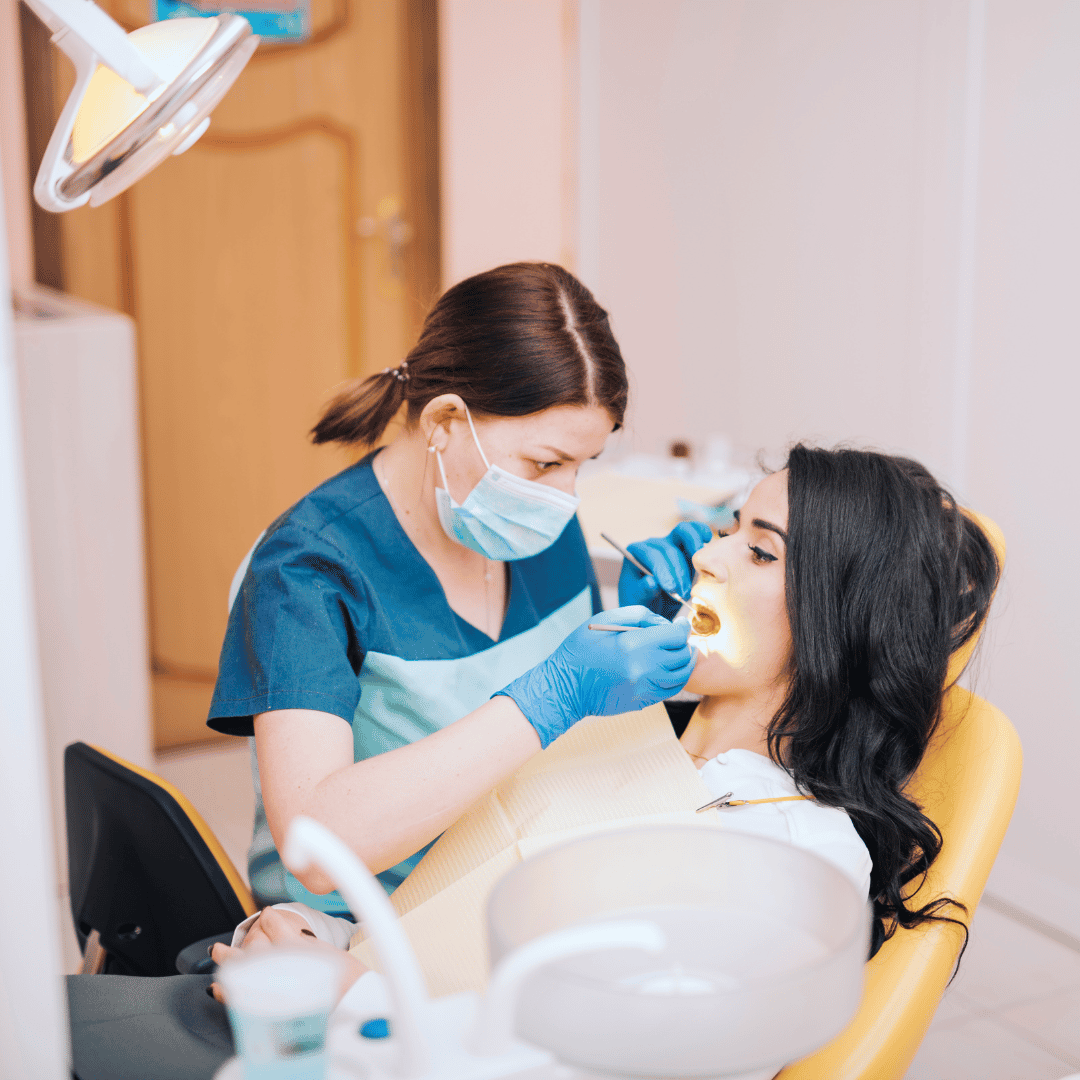
When you arrive for your first appointment, the dental team will conduct a thorough clinical examination. This usually includes a 3D CBCT (Cone Beam Computed Tomography) scan. The scan provides a detailed view of your jawbone, nerves, and sinus cavities, allowing the dentist to precisely plan the angle and depth of the implants.
If you have compromised teeth that need to be removed, extractions are often performed during this visit. Depending on the condition of your jaw, the implants may be placed immediately into the fresh extraction sites, or they may be placed into healed areas of the gums. The surgery itself is typically done under local anesthesia, though sedation options are often available for anxious patients.
Before you fly home, the dentist will place a healing cap over the implant or suture the gum tissue closed. A final check-up is usually scheduled a day or two after surgery to ensure the initial healing is progressing safely and that there are no signs of early infection.
How Long is the Waiting Period Between Trips?
The exact length of your healing phase depends on several individual biological factors. The bone in the lower jaw (mandible) tends to be denser, often requiring about 3 to 4 months for complete osseointegration. The upper jaw (maxilla) is generally softer and more porous, commonly taking 4 to 6 months to achieve the same level of stability.
Age, overall health, and underlying medical conditions also play a role in how quickly you heal. Conditions such as uncontrolled diabetes or autoimmune disorders can slow down bone regeneration. Additionally, lifestyle habits, particularly smoking, can severely impede healing by reducing blood flow to the oral tissues.
Your dentist will evaluate your specific situation before you leave after your first trip and provide you with an estimated timeframe for your return. They may also ask you to send panoramic X-rays from your local dentist back home to confirm the implants have integrated before you book your second flight.
What is Involved in the Second Visit for Final Restorations?
- Implant Uncovering: If the gums were sutured over the implants, a minor procedure is performed to expose the top of the implant.
- Abutment Placement: Small connector pieces, called abutments, are attached to the implants. These hold the new teeth in place.
- Impressions: Digital scans or physical molds are taken of your mouth to create customized crowns that match your bite and facial structure.
- Laboratory Fabrication: The impressions are sent to a dental lab where your permanent ceramic or zirconia crowns are crafted (usually taking a few days).
- Final Fitting: The final prosthetics are attached, your bite is adjusted for comfort, and the dentist ensures everything looks natural and functions properly.
Can I Get Dental Implants in Just One Trip?
Immediate load protocols, such as the All-on-4® or All-on-6® methods, allow a dentist to extract failing teeth, place implants, and attach a full arch of provisional (temporary) teeth all within a few days. This means you do not leave the clinic without fixed teeth.
However, it is crucial to understand that even with immediate load techniques, the teeth attached during this first trip are usually provisional acrylic materials. They are designed to be lighter and less forceful on the healing implants.
To get the final, durable restorations (made from materials like zirconia or porcelain), most patients will still need to return for a second trip once the bone has fully integrated. Furthermore, immediate loading requires excellent primary bone density. If a dentist determines your bone is too soft, attempting an immediate load can lead to implant failure.
How Does Bone Grafting Affect the Overall Timeline?
When teeth have been missing for a long time, or if severe periodontal disease was present, the jawbone naturally begins to shrink and resorb. Implants require a certain width and height of bone to remain stable. If a 3D scan reveals insufficient bone, the dentist will need to perform a bone graft or a sinus lift.
In cases of minor bone loss, grafting material can sometimes be placed at the same time as the dental implant. This does not significantly change the timeline.
However, if extensive bone rebuilding is required, the grafting procedure must be done first as a standalone surgery. You will then need to wait several months for the graft to solidify into strong, living bone before the implants can be inserted. This scenario could turn a two-trip process into a three-trip process.
| Treatment Scenario | Number of Trips | Estimated Total Timeline |
|---|---|---|
| Standard Implants (Good Bone) | 2 Trips | 3 to 6 Months |
| Implants requiring minor graft | 2 Trips | 4 to 7 Months |
| Implants requiring major bone graft | 3 Trips | 9 to 12 Months |
How Do I Choose the Right Clinic for My Schedule?
Because you are traveling internationally for medical care, organization and communication are paramount. A suitable clinic will offer a preliminary virtual consultation, allowing you to send digital X-rays from home. This helps them provide a realistic estimate of your timeline before you ever book a flight.
Another factor that can impact the timeline of your second visit is whether the clinic has an in-house dental laboratory or uses an external one. Clinics with in-house CAD/CAM technology and on-site ceramists can often fabricate final crowns much faster, sometimes shaving days off your required stay in the country.
When communicating with a prospective clinic, clearly state your availability and ask how they handle unexpected delays. Reputable facilities will be honest about biological variables and will not promise a faster timeline simply to secure your business.
What is the Recovery Time After Implant Surgery?
While the underlying bone takes months to heal, the soft tissue (gums) recovers relatively quickly. For the first 48 hours after surgery, you may experience minor bleeding, swelling around the mouth or cheeks, and localized bruising.
Dentists typically advise resting and avoiding strenuous physical activity for the first few days, as elevated blood pressure can increase bleeding and throbbing at the surgical site. You will also be placed on a soft-food diet—such as yogurt, soups, and smoothies—to prevent irritation to the gums and avoid disturbing the new implants.
Most individuals feel well enough to return to work and normal, non-strenuous daily activities within 2 to 3 days. However, because you are recovering while traveling, it is wise to factor in extra rest days at your hotel before undertaking tourist activities or flying home.
How Does the Timeline Affect the Overall Cost?
The primary draw of medical tourism in Costa Rica is the potential for significant savings on clinical fees compared to prices in the US or Canada. However, the total cost of your dental journey extends beyond the dentist's chair. Because the standard procedure requires two visits, travel logistics play a large role in your budget.
For the first trip, you will need to budget for 3 to 5 nights of accommodation, meals, flights, and the surgical cost of the implants (and any necessary bone grafts or extractions). For the second trip, you must budget for an additional 5 to 7 nights, a second round-trip flight, and the cost of the final abutments and crowns.
Even with the added cost of dual travel, many patients find that complex restorations, such as multiple implants or full-mouth reconstructions, remain considerably more affordable abroad. However, for a single implant, the travel expenses might offset the savings, so careful calculation is encouraged.
Are There Risks That Could Delay My Treatment?
Like any surgical procedure, getting dental implants carries inherent risks. While success rates are generally high in suitable patients, an implant can occasionally fail to integrate with the jawbone. If an implant becomes loose or infected during the waiting period at home, it may need to be removed. The site must then heal completely before a new implant can be attempted, which drastically extends the timeline.
Infection at the surgical site can also occur, particularly if oral hygiene instructions are not strictly followed or if the patient smokes during the recovery phase. It is highly recommended to establish a relationship with a local dentist in your home country who can handle routine cleanings, monitor your progress, and intervene if a minor complication arises between your trips.
Your general health also plays a role. If a new medical condition arises or if you are prescribed certain medications (like bisphosphonates for osteoporosis) between visits, your dentist in Costa Rica must be informed, as this could impact your eligibility for the final restorative phase.
Why Choose PlacidWay for Medical Tourism in Costa Rica?
Planning international dental care requires access to reliable information. PlacidWay provides resources to help patients evaluate their options globally.
- Extensive Provider Network: Access profiles for numerous international dental centers to compare credentials and services.
- Educational Resources: Review articles, destination guides, and cost-comparison tools designed to help patients understand medical tourism.
- Direct Communication: Request information and consult directly with international providers to discuss your specific medical needs.
- Global Reach: Explore care options not only in Costa Rica but in numerous top medical tourism destinations worldwide.
- Patient-Focused Information: Access transparent details regarding clinic accreditations, facility features, and language accommodations.
Frequently Asked Questions (FAQs)
Can I travel back home immediately after the implant surgery?
Most dentists recommend waiting at least 24 to 48 hours after implant placement before flying. This short resting period helps minimize the risk of bleeding, swelling, and discomfort associated with cabin pressure changes.
Will I be without teeth between my first and second trip?
Typically, you will not have to go without teeth. Dentists usually provide a temporary denture, flipper, or temporary crown to wear during the 3 to 6 month osseointegration phase while your gums and jawbone heal.
How long do dental implants typically last?
With proper oral hygiene, regular dental check-ups, and a healthy lifestyle, dental implants can often last for decades. However, the lifespan of the attached crowns or prosthetics may be shorter, sometimes requiring replacement after 10 to 15 years.
Do all patients need a bone graft before getting implants?
No, not all patients require a bone graft. Grafting is only necessary if you lack sufficient bone density or volume in your jaw to securely anchor the titanium implant. Your dentist will determine this using a 3D CBCT scan.
What happens if an implant fails after I return home?
If an implant fails or you develop an infection, you should contact a local dentist immediately for evaluation, as well as notify your treating clinic in Costa Rica. You may need local treatment to resolve infections, and a replacement implant might be required later.
Are the materials used in Costa Rica the same as in the US?
Many clinics in Costa Rica use globally recognized, FDA-approved implant brands and high-quality materials (like titanium implants and zirconia crowns) that are identical to those used by dentists in the United States and Canada.
Can smoking affect my dental implant timeline?
Yes. Smoking restricts blood flow to the gums, which can significantly delay healing and increase the risk of implant failure. Most dental professionals strongly advise quitting smoking several weeks before and after the procedure.
How soon can I eat normal food after implant surgery?
You will generally need to stick to a soft-food diet for a few weeks following the surgery to avoid putting pressure on the new implants. You can gradually return to a normal diet once your dentist confirms that the implants have integrated securely.
Do I need to see my local dentist during the healing phase?
It is often recommended to have a local dentist available to monitor your healing, adjust temporary prosthetics if they become uncomfortable, or address any minor complications while you wait for your second trip to Costa Rica.
Is a passport required for multiple trips to Costa Rica?
Yes, you must have a valid passport for every entry into Costa Rica. Your passport should typically be valid for at least six months beyond your planned travel dates, and you will need to meet all current entry requirements for each visit.
Compare Treatment Options
Take the next step in understanding your dental options. Request information from reputable clinics globally and evaluate what timeline fits your needs.
Request Treatment InformationReferences
- Dental Implants – American Dental Association (MouthHealthy)
- Dental Implant Surgery Risks and Recovery – Mayo Clinic
- Osseointegration and Dental Implants – National Center for Biotechnology Information (NCBI)
- Dental Implants: What You Should Know – U.S. Food and Drug Administration (FDA)
- Health Information for Travelers to Costa Rica – Centers for Disease Control and Prevention (CDC)
- Impact of Smoking on Dental Implants – National Center for Biotechnology Information (NCBI)

























Share this listing