


Guide to Tummy Tuck Prices in Colombia
A tummy tuck in Colombia generally costs between $3,500 and $6,000. This estimated price typically includes surgeon fees, anesthesia, facility costs, and post-operative garments, though final expenses vary based on case complexity and clinic location.
Key Takeaways
- A tummy tuck cost in Colombia provides a highly affordable alternative to North American healthcare prices.
- Thorough vetting of local clinic accreditations and surgeon credentials is an essential step for ensuring optimal medical safety.
- International patients should anticipate a mandatory stay of 10 to 14 days to accommodate crucial post-operative monitoring.
- Comprehensive surgical quotes should explicitly outline medical fees, facility costs, anesthesia, and necessary post-surgical garments.
- Strict adherence to provided pre-operative and post-operative medical guidelines significantly reduces the risk of surgical complications.
What exactly does a tummy tuck in Colombia entail for international patients?
A tummy tuck in Colombia, clinically known as an abdominoplasty, involves the surgical removal of excess skin and fat from the middle and lower abdomen. It also typically includes the tightening of the abdominal wall musculature to create a firmer, more toned profile.
The procedure is highly sought after by individuals who have experienced significant weight loss or pregnancy, resulting in loose, sagging skin that simply does not respond to traditional diet or exercise. Surgeons carefully evaluate each patient during an initial consultation to determine the most appropriate surgical technique, which may range from a localized mini tummy tuck to a more comprehensive extended abdominoplasty that addresses the flanks as well.
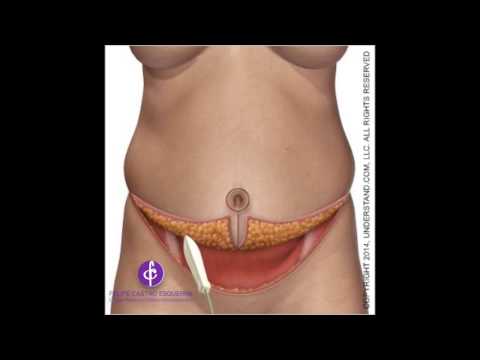
During the surgery, an incision is strategically made just above the pubic area, allowing the medical team to access the underlying muscle and tissue. The weakened or separated abdominal muscles are meticulously repaired and sutured into their proper anatomical position, which helps flatten the abdomen entirely and narrow the waistline to restore a more youthful contour.
Finally, the remaining skin is stretched downward, and any excess tissue is carefully removed before the incisions are closed. Many leading clinics in the region utilize advanced suturing techniques designed to minimize tension on the healing skin, which can help promote finer, more discreet scarring over time while ensuring a smoother recovery process for the patient.
How does the tummy tuck cost in Colombia compare to prices in North America?
The tummy tuck cost in Colombia is generally 40 to 60 percent less than the average prices found in the United States or Canada. While a North American procedure might exceed ten thousand dollars, Colombian clinics often provide similar treatments for under six thousand.
| Procedure Element | North America (Estimated) | Colombia (Estimated) |
|---|---|---|
| Surgeon Fees | $4,500 - $8,000 | $1,500 - $3,000 |
| Anesthesia & Facility Fees | $2,500 - $4,000 | $1,000 - $2,000 |
| Total Estimated Medical Cost | $7,000 - $12,000+ | $3,500 - $6,000 |
*Note: Prices are estimates and vary by clinic, city, materials, case complexity, and specific patient requirements.
- Lower operational costs and highly favorable international exchange rates contribute significantly to the affordability of surgical care in South America.
- The estimated price provided by clinics typically encompasses the surgeon fees, specialized anesthesia, operating room time, and initial medical consultations.
- Many comprehensive medical packages also include essential recovery items such as compression garments and localized transportation for post-operative medical visits.
- Despite the reduced financial investment, patients often receive care in modern, internationally accredited facilities utilizing advanced medical technology.
- It remains crucial for patients to request a fully itemized quote to understand exactly which medical and logistical services are included in the baseline price.
What specific factors influence the final price of this body contouring procedure?
Several distinct variables can affect the total financial investment required for abdominal contouring surgery. Case complexity, the selected surgical technique, and geographic location within the country are the primary determinants of the final customized quote.
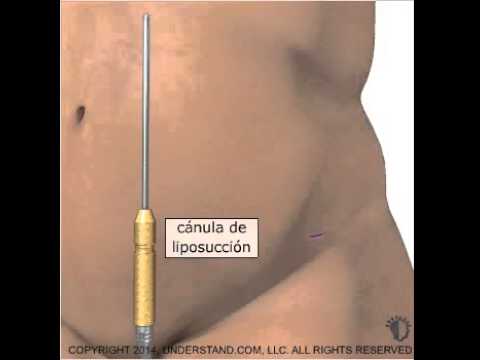
The specific type of abdominoplasty required plays a major role in pricing. A full abdominoplasty involving extensive muscle repair demands significantly more operating time and surgical resources than a simpler mini tummy tuck, thereby increasing the overall cost. Additionally, combining the surgery with complementary procedures like liposuction or breast lifts will naturally elevate the total fee due to the extended time under anesthesia.
The geographical location of the chosen facility also impacts the baseline price. Clinics situated in premium medical districts of major metropolitan cities like Medellin, Bogota, or Cartagena may charge slightly higher rates compared to those in smaller areas, directly reflecting the local cost of operating a high-end medical practice and maintaining international standards.
Expert Insight: Patients who require combined procedures, such as a full lipoabdominoplasty, should budget for additional recovery time and specialized compression garments beyond the standard single-procedure requirements.
Finally, the experience level and specific credentials of the surgical team can greatly influence the required investment. Highly sought-after specialists with extensive international training, robust portfolios, and specialized board certifications may command premium fees for their advanced expertise, ensuring patients receive customized, top-tier medical care.
How can patients select a reputable tummy tuck clinic in Colombia?
Finding a trustworthy tummy tuck clinic in Colombia requires careful research into facility accreditation, surgeon credentials, and clinical safety protocols. Patients should prioritize clinical transparency, rigorous hygiene standards, and consistently verifiable patient outcomes.
- Verify that the primary surgeon holds an active medical license and is registered as a recognized specialist through official governmental medical registries.
- Look for clinical facilities that maintain rigorous international accreditations or adhere strictly to established national health ministry guidelines for surgical centers.
- Request detailed information regarding the clinic emergency protocols and their exact proximity to a fully equipped, modern tertiary care hospital.
- Review comprehensive portfolios of past surgical outcomes to assess the overall consistency, symmetry, and aesthetic quality of the surgical team results.
- Ensure the facility provides clear, written communication regarding post-operative care plans, potential surgical risks, and detailed follow-up schedules.
- Evaluate the clinic responsiveness and willingness to transparently answer complex medical questions during the initial virtual consultation phase before any payment is made.
What does the typical recovery timeline look like after an abdominoplasty?
The initial recovery phase following abdominal contouring usually requires two to three weeks of dedicated rest and restricted movement. Patients can typically return to light daily activities within a month, though strenuous exercise must be avoided much longer.
Immediately following the surgical procedure, patients will experience swelling, bruising, and localized discomfort, which are effectively managed with prescribed pain medications and muscle relaxants. A specialized compression garment must be worn continuously during the first few weeks to support the newly contoured tissues, minimize fluid retention, and encourage optimal skin retraction.
Did You Know? Many modern plastic surgeons utilize progressive tension sutures during the procedure, a highly specialized internal suturing technique that can often eliminate the need for uncomfortable post-operative surgical drains.
During the critical first week, patients are heavily encouraged to take short, gentle walks around their room to promote healthy blood circulation and significantly reduce the risk of deep vein thrombosis. However, they must maintain a slightly flexed posture at the waist while moving or sleeping to avoid placing undue tension on the healing abdominal incision.
By the third or fourth week, most individuals can safely resume sedentary work and light household tasks without major discomfort. Complete internal tissue healing and the final fading of surgical scars can take up to a full year, requiring strict adherence to sun protection and specialized scar care protocols recommended by the local surgical team.
Is medical tourism in Colombia considered safe for aesthetic procedures?
Medical tourism in Colombia can be safe when patients diligently select properly credentialed surgeons and internationally recognized healthcare facilities. The country has steadily developed a robust healthcare infrastructure heavily focused on complex medical and aesthetic care.
- Major metropolitan centers feature highly modern hospitals equipped with advanced medical technology comparable to specialized medical facilities found in North America.
- Many local specialists choose to complete significant portions of their advanced medical training or specialized fellowships in the United States, Europe, or Brazil.
- The national health authorities maintain strict regulatory frameworks deliberately designed to monitor clinical hygiene, surgical safety, and overall patient care standards.
- Complications can occur in any surgical setting globally, making it essential to choose local facilities that prioritize comprehensive pre-operative health screenings.
- Safe medical travel requires patients to fully disclose their complete medical history, including all medications, supplements, and previous surgeries, to avoid adverse anesthetic reactions.
- Planning adequate recovery time before flying home is a critical safety measure that significantly reduces the risk of travel-related vascular complications.
What are the potential medical risks associated with an abdominoplasty?
Like any major surgical intervention, abdominal contouring carries inherent medical risks that require careful consideration and thorough pre-operative evaluation. Potential complications include localized infection, poor wound healing, excessive bleeding, and adverse reactions to general anesthesia.
One of the primary concerns following extensive abdominal surgery is the unwanted accumulation of fluid beneath the skin, clinically known as a seroma. Surgeons often utilize specialized surgical drains or advanced suturing techniques during the procedure to minimize this specific risk, and patients must carefully monitor their incisions daily for signs of excessive, asymmetrical swelling.
Important Consideration: Nicotine significantly restricts essential blood flow and heavily increases the risk of tissue necrosis. Complete cessation of all tobacco and vaping products is mandatory for several weeks before and after your abdominal contouring surgery.
Poor wound healing or skin necrosis is another potential complication, particularly prevalent among patients who smoke or possess underlying metabolic conditions like diabetes. Nicotine severely restricts blood flow to the healing tissues, which is exactly why responsible surgeons mandate complete cessation of all tobacco products well before and after the surgery to ensure tissue viability.
Deep vein thrombosis and pulmonary embolism represent rare but highly serious vascular risks associated with prolonged immobility and extended surgical operating times. To mitigate these cardiovascular risks, surgical teams actively employ mechanical compression devices during the operation and prescribe early, gentle ambulation during the immediate post-operative recovery period.
How long should international patients remain in the country post-surgery?
International patients should firmly plan to remain in the country for a minimum of ten to fourteen days following their abdominal surgery. This extended stay allows the medical team to monitor the crucial initial healing phases and safely remove any surgical drains.
The first week post-surgery is universally considered the most critical period for identifying and properly managing potential early complications such as hematomas or localized wound infections. Remaining close to the primary surgical team ensures immediate access to specialized medical intervention should any unexpected issues arise during this highly vulnerable recovery time.
Post-operative medical appointments are typically scheduled at regular intervals during this mandatory two-week period. During these clinical visits, the surgeon will meticulously assess the incision site, evaluate the skin circulation, adjust the compression garments as swelling subsides, and provide personalized guidance on long-term scar management and gradual mobility progression.
Flying too soon after major abdominal surgery significantly elevates the risk of developing dangerous blood clots due to cabin pressure changes, dehydration, and prolonged periods of sitting. Surgeons will only provide official medical clearance for international air travel once they are fully confident the patient is physically stable and the primary incisions are healing appropriately.
Why Choose PlacidWay for coordinating your cosmetic surgery journey?
PlacidWay provides comprehensive platform access to globally recognized healthcare providers, empowering patients to make thoroughly informed decisions regarding their medical care. The service gracefully streamlines the process of connecting with credentialed medical professionals and accredited surgical facilities worldwide.
Verified Provider Profiles
Patients gain direct access to extensive profiles featuring verified clinic accreditations, detailed surgeon medical credentials, and highly transparent procedural pricing information.
Direct Clinical Communication
The digital platform facilitates direct communication between international patients and specialized medical teams to ensure clear clinical understanding before making decisions.
Comprehensive Quote Comparison
Users can effortlessly compare multiple customized treatment plans and detailed cost estimates from various internationally recognized healthcare institutions.
Patient Education Resources
The service highly prioritizes patient education by offering extensive resources regarding specific surgical techniques, typical recovery timelines, and global healthcare standards.
Medical Record Coordination
Individuals receive dedicated logistical support in gathering necessary medical records and arranging virtual clinical consultations prior to making any financial commitments.
Frequently Asked Questions
Am I a suitable candidate for a tummy tuck?
Suitable candidates are typically healthy individuals who possess excess, sagging abdominal skin and weakened musculature that does not respond to traditional diet and exercise. Ideal patients maintain a stable weight, do not smoke, and have realistic expectations regarding the surgical outcomes. It is generally recommended that women postpone this procedure until they have finished having children.
Will a tummy tuck help me lose significant weight?
Abdominal contouring is not designed or intended as a primary weight-loss method. While the procedure does remove a localized portion of skin and underlying fat, the overall weight reduction is generally minimal. Patients should be at or very close to their ideal target weight before undergoing surgery to achieve the safest and most aesthetically pleasing results.
Can I combine a tummy tuck with liposuction?
Yes, surgeons frequently combine abdominal skin removal with targeted liposuction in a procedure often referred to as a lipoabdominoplasty. Liposuction can effectively contour the flanks, hips, and upper abdomen, providing a more comprehensive and refined overall result. Your surgeon will evaluate your specific anatomy to determine if this combined approach is medically appropriate for you.
How visible will my abdominoplasty scars be?
A full abdominoplasty requires a horizontal incision spanning the lower abdomen, which will result in a permanent scar. However, skilled surgeons meticulously place this incision as low as possible so it can typically be concealed beneath most standard underwear or swimwear. The scar will initially appear red and raised but generally fades and flattens significantly over the course of a year.
Can I safely get pregnant after having a tummy tuck?
While it is perfectly safe from a medical standpoint to become pregnant after undergoing abdominal contouring, future pregnancies can significantly alter the cosmetic results. The abdominal muscles that were surgically tightened may separate again, and the skin can stretch, potentially necessitating secondary revision surgery to restore the initial outcomes.
When can I resume exercise after the procedure?
Light, gentle walking is highly encouraged immediately after surgery to promote healthy blood flow. However, patients must strictly avoid strenuous cardiovascular exercise, heavy lifting, and targeted core workouts for a minimum of six to eight weeks. Your surgical team will provide a customized, progressive clearance schedule based on your individual healing process.
Are drain tubes always used during this surgery?
The use of surgical drains depends heavily on the specific technique employed and the individual surgeon preferences. While traditional methods frequently utilize temporary drains to prevent fluid accumulation, many modern specialists now employ advanced progressive tension sutures. This specialized internal suturing technique can often eliminate the medical necessity for post-operative drains.
What is the difference between a mini and full tummy tuck?
A full procedure addresses the entire abdominal region, including muscle repair from the ribcage down to the pubic bone, and requires the repositioning of the navel. A mini procedure focuses exclusively on the area below the belly button, requiring a shorter incision and generally not involving umbilical repositioning or extensive upper abdominal muscle repair.
Do medical teams in these international clinics speak English?
Many healthcare facilities that regularly cater to international patients employ bilingual medical staff and specialized patient coordinators. The primary surgeons often possess excellent English proficiency, having completed portions of their medical training or attended global medical conferences in English-speaking countries, ensuring clear clinical communication.
Can I fly safely after my abdominal surgery?
Flying immediately following major surgery poses a severe risk for developing deep vein thrombosis due to cabin pressure and immobility. Medical professionals mandate that international patients remain in the country for at least ten to fourteen days for crucial post-operative monitoring. Clearance for air travel is only granted once the surgeon determines you are medically stable.
Ready to Explore Your Abdominal Contouring Options?
Connect with internationally accredited clinics and safely review customized treatment plans for your surgical procedure.
Request InformationReferences
- Tummy Tuck Candidates – American Society of Plastic Surgeons
- Global Statistics – International Society of Aesthetic Plastic Surgery
- Medical Tourism Guidelines – Centers for Disease Control and Prevention
- Surgical Care – World Health Organization
- Tummy Tuck Recovery – Cleveland Clinic
- Tummy Tuck Guide – American Board of Cosmetic Surgery
- Complications in Abdominoplasty – National Institutes of Health (PubMed)
.jpg)






.jpg)









Share this listing