


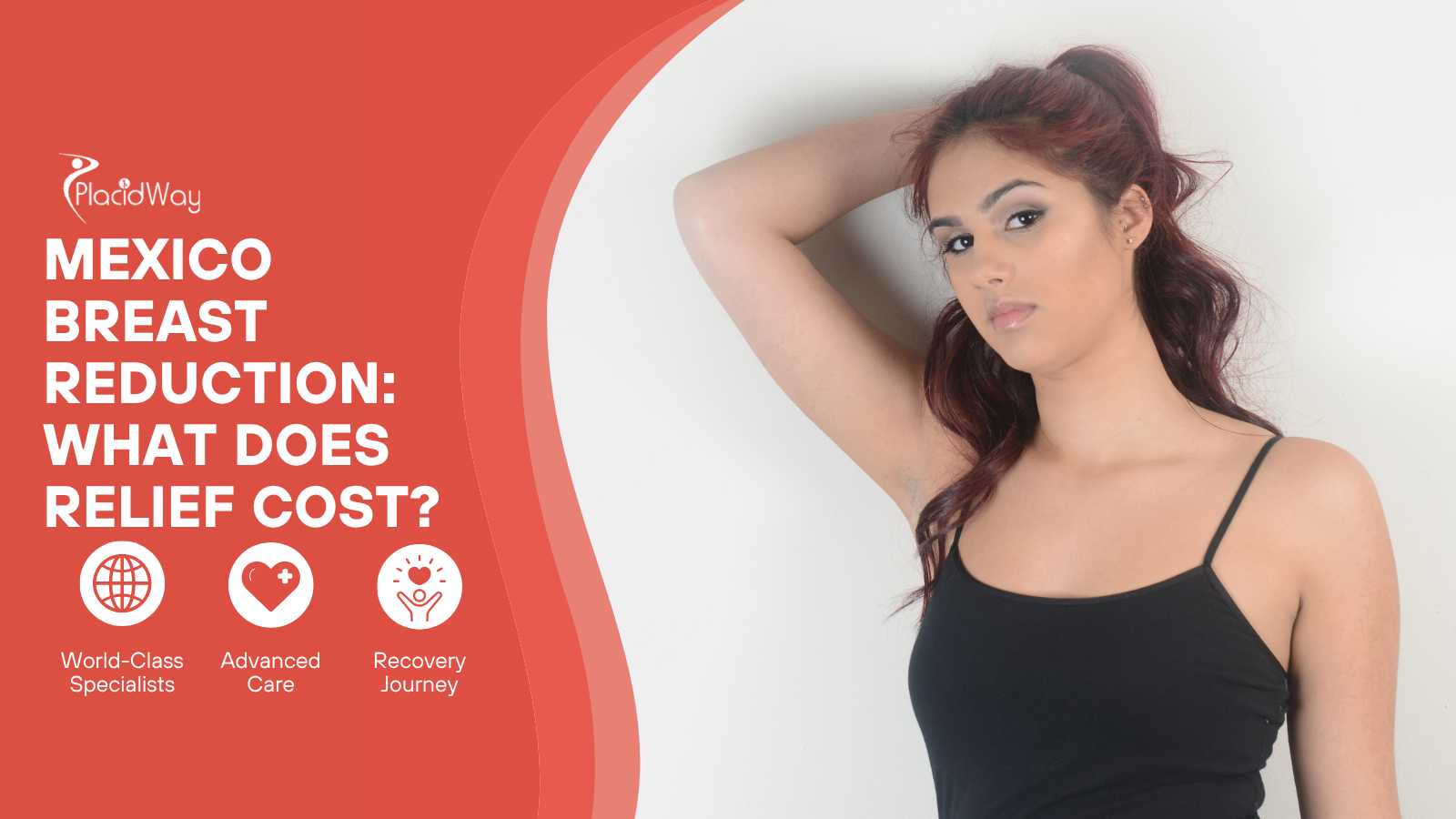
What factors determine the breast reduction cost in Mexico?
The total expense depends on surgical complexity, geographical location, and the medical team experience level. These variables influence the final estimate provided by your chosen facility.
Complex cases requiring extensive tissue removal, severe asymmetry correction, or combined lifting techniques demand more operating room time. This increased duration directly impacts the fees for both the facility usage and the anesthesiologist monitoring the procedure.
Location plays a significant role in pricing variations across the country. Facilities situated in major metropolitan areas or popular resort towns often have different administrative overhead costs compared to those located in smaller border cities. The local cost of living affects the baseline pricing for breast reduction.
The expertise of the surgical team also dictates the required budget. Highly experienced surgeons with specialized reconstructive training typically command higher professional fees, which generally reflects their advanced skill set, lower complication rates, and dedication to patient safety.
| Treatment Phase | Estimated Mexican Cost | Estimated US Cost |
|---|---|---|
| Surgical Procedure | $3,500 - $5,500 | $8,000 - $15,000+ |
| Pre-operative Diagnostics | $100 - $300 | $300 - $1,000 |
| Recovery Accessories | $50 - $150 | $150 - $400 |
What is typically included in a breast reduction in Mexico package?
Standard surgical packages generally bundle the primary surgeon fees, operating room rental, standard anesthesia, and basic medical supplies. Patients should always request a detailed, itemized breakdown.
When you receive an estimate, it usually covers the core components necessary for the operation itself. This includes the time spent in the surgical suite, the utilization of specialized surgical equipment, and the immediate post-operative monitoring in the designated recovery area of a breast reduction clinic in Mexico.
However, several essential elements might be excluded from the initial quote. Diagnostic imaging, comprehensive blood panels, and cardiac evaluations required for pre-operative clearance are often billed separately by third-party laboratories or testing centers.
Post-operative necessities also require additional financial planning. Prescription medications for proper pain management and specialized compression garments needed for healthy tissue support are frequently paid out of pocket upon arrival at the destination.
Expert Insight
Always clarify if follow-up consultations during your stay are included in the upfront payment. Understanding exactly what happens if additional surgical time is required can prevent unexpected financial stress during your recovery phase.
How do I verify the credentials of a breast reduction clinic in Mexico?
Verifying credentials involves checking the national professional registry for the surgeon and requesting facility accreditation documents. This rigorous vetting process is mandatory for ensuring patient safety.
- Request the surgeons valid medical license and specialized training certificates.
- Verify the cedula profesional specifically for plastic and reconstructive surgery through the official government portal.
- Ask the facility to provide proof of current national or international health and safety accreditations.
- Inquire about the clinics detailed emergency protocols and official transfer agreements with nearby intensive care units.
- Ensure the attending anesthesiologist holds proper board certification for complex surgical procedures.
- Review clear documentation regarding their complication rates and standard protocols for addressing post-operative issues. You can often learn about a clinic's reputation by researching patient experiences beforehand.
Why is medical tourism in Mexico popular for plastic surgery?
The destination attracts international patients by offering significant cost savings alongside access to highly trained medical professionals. The geographical proximity further enhances its appeal for North American residents.
The primary motivation for many individuals is the substantial difference in healthcare economics. Lower administrative overhead and regional living costs allow medical providers to offer competitive pricing without inherently reducing the standard of patient care or facility hygiene.
Convenience and accessibility play a crucial role in patient decision-making. Short flight durations and established land border crossings make the travel logistics manageable, especially when planning a trip that involves navigating a surgical recovery period.
The region has systematically developed a supportive infrastructure for international visitors. Many modern facilities feature bilingual staff and dedicated patient coordinators who assist with bridging communication gaps and clarifying critical medical instructions.
What are the common risks associated with reduction mammaplasty?
Potential complications include infection, adverse anesthesia reactions, delayed wound healing, and sensory changes. These surgical risks remain consistent regardless of the geographic location of the procedure.
- Infection at the incision sites requiring prescription antibiotic intervention or further wound care.
- Temporary or permanent changes in nipple and breast tissue sensation due to inevitable nerve disruption.
- Asymmetry in final breast shape, size, or contour after the complete tissue healing process.
- Delayed wound healing or tissue necrosis, particularly prevalent in patients with underlying health conditions or those who smoke.
- Permanent visible scarring following the anchor, lollipop, or donut incision patterns.
- The standard physiological risks associated with prolonged exposure to general anesthesia medications.
How long should I stay in the country for recovery after surgery?
Medical professionals generally recommend an international stay of seven to ten days post-surgery. This timeline allows for crucial preliminary healing and mandatory follow-up evaluations.
The immediate days following the procedure are critical for monitoring your physical response. Staying near your surgical team ensures they can promptly address any early signs of complications, manage your pain effectively, and ensure adequate blood flow to the treated tissues.
During this required stay, you will attend post-operative appointments for comprehensive incision checks. The medical staff will evaluate your healing progress, change sterile dressings, and safely remove surgical drains if they were utilized during the operation by the plastic surgeons in Mexico.
Premature travel can significantly increase the risk of dangerous blood clots. You must obtain official medical clearance from your treating physician before attempting to board an airplane or endure a long journey by car back to your residence.
Can I combine this procedure with other surgeries safely?
Suitable candidates may combine procedures to consolidate recovery time and facility fees. However, this approach requires a rigorous medical evaluation to ensure the body can handle extended surgical trauma.
Combining treatments is a common request among individuals traveling abroad for healthcare. When performed on a healthy candidate, it offers the logistical advantage of undergoing a single recovery phase rather than organizing multiple separate interventions over several years.
The primary drawback is the significantly increased duration under general anesthesia. Extended operating times elevate the risks of blood loss, deep vein thrombosis, and severe cardiovascular stress, making it unsuitable for every patient regardless of their aesthetic goals.
Your physician must conduct a thorough health assessment before approving multiple concurrent surgeries. They will meticulously evaluate your body mass index, pre-existing medical conditions, and overall stamina to determine if a combined approach maintains a safe risk profile.
Will my health insurance cover procedures performed abroad?
Most traditional health insurance plans in the US and Canada do not cover treatments executed outside their designated national networks. Patients typically bear the full financial responsibility for international care.
While reduction mammaplasty is sometimes deemed medically necessary domestically to alleviate severe back pain, insurance providers rarely extend this coverage across borders. Policies generally restrict benefits to pre-approved, in-network facilities within your home country.
Some specialized medical travel insurance policies exist, but they usually cover unexpected emergency complications rather than the primary elective procedure itself. It is critical to differentiate between primary health coverage and supplemental travel protection policies.
Patients should proactively contact their insurance representatives for precise policy details. Understanding your coverage limitations upfront prevents unexpected financial burdens and allows for accurate out-of-pocket budgeting before making travel arrangements.
Important Consideration
Never select a clinic based solely on the lowest price tag. Proper credentials, sterile environments, and experienced staff are non-negotiable elements that ensure your physical safety and influence the quality of your final results.
Why choose PlacidWay for your medical tourism journey?
PlacidWay functions as a comprehensive resource connecting international patients with evaluated healthcare providers globally. The platform empowers individuals to make informed decisions regarding their treatment options.
- Provides access to detailed profiles of medical facilities and internationally trained practitioners.
- Offers transparent pricing estimates to assist patients in formulating accurate financial plans.
- Supplies educational resources detailing various procedures and necessary pre-operative preparations.
- Facilitates direct communication channels between the patient and the chosen international clinic.
- Maintains a diverse global network allowing individuals to compare multiple regional healthcare options before committing.
Frequently Asked Questions
Is it safe to travel immediately after a breast reduction?
Medical guidelines strongly advise against immediate travel following major surgery. Patients should remain near their surgical facility for at least a week to monitor for early complications and prevent deep vein thrombosis associated with restricted movement during transit.
Do Mexican medical facilities follow international safety protocols?
Many reputable hospitals and specialized clinics actively pursue and maintain international accreditations. These recognized institutions adhere to strict hygiene protocols, utilize modern technological equipment, and enforce rigorous patient safety measures comparable to northern standards.
What type of anesthesia is used during the procedure?
The procedure is overwhelmingly performed under general anesthesia to ensure patient comfort and immobility. Certified anesthesiologists continuously monitor vital signs throughout the operation using advanced equipment to maintain a secure physiological state.
Will I lose nipple sensation after tissue removal?
Sensory changes are a documented risk of the procedure. While many individuals experience a gradual return of sensation over several months, there remains a distinct possibility of permanent partial or complete sensory loss depending on the specific surgical technique required.
How long does the actual surgical procedure take?
The operation typically requires two to four hours of active surgical time in the operating room. Complex cases involving significant reshaping or asymmetry correction may extend this duration to ensure optimal aesthetic and functional results.
What kind of scarring can I expect post-surgery?
Incision patterns generally result in permanent scars that resemble an anchor, a lollipop, or a circle around the areola. While these marks are unavoidable, they typically fade and flatten over time with proper post-operative care and diligent sun protection.
Can the surgery impact future breastfeeding capabilities?
The surgical removal of glandular tissue and the potential severing of milk ducts can significantly impair milk production. Individuals who intend to breastfeed in the future must discuss preservation techniques with their surgeon during the initial consultation phase.
Do I need a passport to cross the border for medical care?
International travel regulations require a valid passport for entry into the country by air. While land border crossings may have slightly varied documentation requirements depending on your citizenship, a valid passport remains the most secure and universally accepted form of identification.
What happens if I experience complications after returning home?
Patients must establish a plan for localized post-operative care before traveling. If late-stage complications arise after returning home, you will likely need to consult a local physician or visit an emergency room, which will incur separate domestic healthcare costs.
Are there financing options available for international patients?
Some specialized medical lending companies offer financing specifically for procedures performed abroad. Additionally, certain international clinics partner with financial institutions to provide payment plans, though patients must carefully review the associated interest rates and terms.
Compare Your Treatment Options Today
Explore reputable clinics, review estimated costs, and gather the factual information you need to make an educated healthcare decision.
Request InformationReferences
- Breast Reduction Information – American Society of Plastic Surgeons
- Breast Reduction Surgery: Risks and Results – Mayo Clinic
- Medical Tourism Travel Guidelines – Centers for Disease Control and Prevention
- Breast Reduction Information and Recovery – MedlinePlus
- Patient Safety Guidelines – World Health Organization
- Your Health Abroad – U.S. Department of State
- Patient Education and Surgical Safety – American College of Surgeons
.png)




.png)

.jpg)
.png)

.jpg)
.jpg)

.jpg)









Share this listing