


Affordable Limb Lengthening: Is Mexico an Option
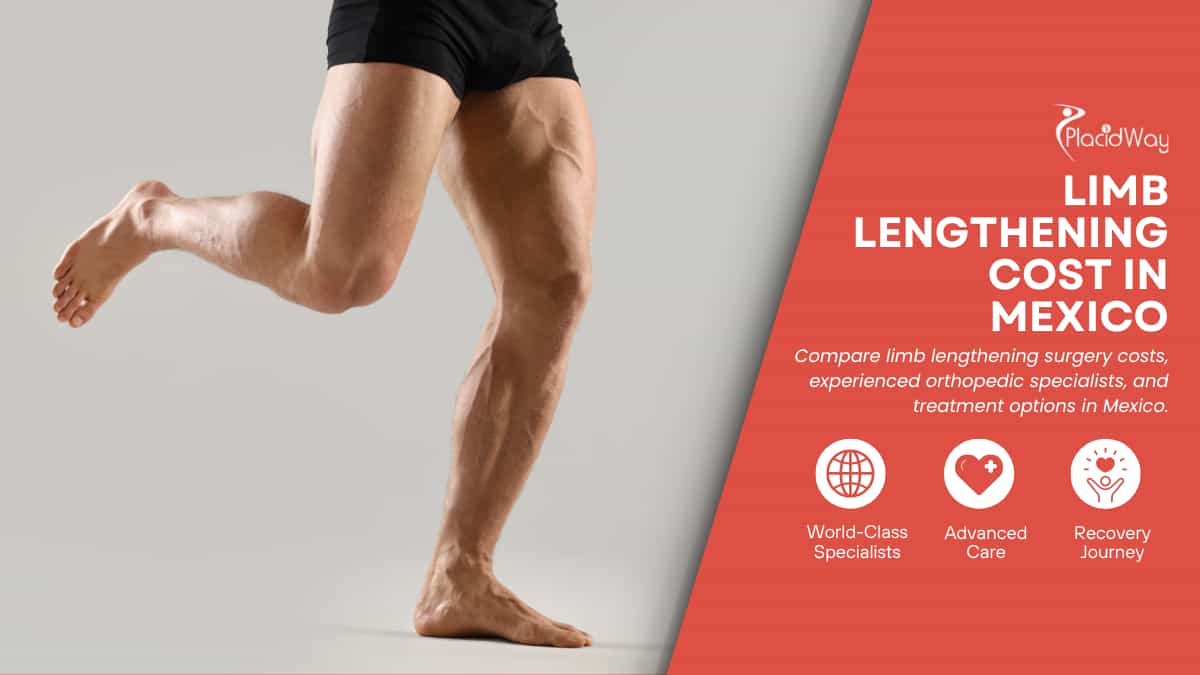
The average limb lengthening cost in Mexico ranges from $20,000 to $45,000, depending on the surgical technique and required hospitalization. This estimate covers the orthopedic surgery, anesthesia, and internal or external fixation devices utilized.
Key Takeaways
- Expenses are notably lower than North American averages while maintaining access to modern surgical interventions.
- The procedure requires specialized intramedullary nails or external frames to facilitate gradual bone distraction.
- Intensive daily physical therapy is mandatory to prevent severe muscle contractures and preserve joint mobility.
- Patients must independently verify the operating surgeon credentials through the official federal registry.
- Successful recovery demands long-term commitment, nutritional support, and local medical supervision after returning home.
What Factors Influence The Overall limb lengthening cost in Mexico?
Understanding the financial commitment requires analyzing multiple procedural variables. The most significant price variable is the choice of hardware. Modern internal magnetic nails, which allow for adjustments without external pins, represent the higher end of the pricing spectrum. Conversely, traditional external fixators may be more affordable but require different maintenance and lifestyle adjustments.
Facility fees also play a crucial role in determining the final estimate. Extended hospital stays in private suites with dedicated nursing care will increase the baseline cost. Patients must ensure that their initial quotation clearly outlines all fees, including operating room time, anesthesia, and any specialized diagnostic imaging required before and immediately after surgery.
Additionally, prospective patients must budget for long-term supportive care. The distraction phase requires ongoing physical therapy sessions, nutritional supplements, and specialized mobility equipment. While the initial surgical expense in this region is lower, the cumulative costs of rehabilitation must be carefully calculated to avoid unexpected financial strain.
| Procedure Component | Estimated Cost Range (Mexico) |
|---|---|
| Bilateral Femur (Internal Nail) | $55,000 - $70,000 |
| Bilateral Tibia (Internal Nail) | $60,000 - $75,000 |
| External Fixation Methods | $35,000 - $50,000 |
| Postoperative Physical Therapy (Monthly) | $800 - $1,500 |
How Does The Procedure Work At A limb lengthening clinic in Mexico?
When attending a limb lengthening clinic in Mexico, patients undergo a highly precise surgical intervention based on the principle of distraction osteogenesis. The orthopedic surgeon first creates a strategic surgical break in the targeted bone, typically the femur or tibia. This controlled fracture triggers the body's natural regenerative response, prompting the production of new bone tissue.
Following the osteotomy, the medical team implants the chosen lengthening device. Over the ensuing weeks, this device is gradually adjusted to separate the two bone segments at a microscopic rate, usually around one millimeter per day. As the gap slowly widens, the body continuously fills the void with new, healthy bone matrix, alongside expanding nerves, muscles, and blood vessels.
This process is carefully monitored through frequent radiographic imaging. The clinical team evaluates the rate of bone formation to ensure it is neither too rapid, which could cause a non-union, nor too slow, which could result in premature consolidation. Patients are taught how to manage the distraction schedule accurately to maintain the optimal healing environment.
Expert Insight
The biological mechanism driving this process, distraction osteogenesis, relies heavily on optimal patient nutrition. Deficiencies in Vitamin D, calcium, or protein may significantly impair the calcification phase, prolonging the overall recovery timeline.
What Are The Differences Between Internal And External Fixation Devices?
The choice of hardware dictates a significant portion of the postoperative lifestyle. Internal intramedullary nails are favored for their cosmetic advantages and reduced infection risk, as they leave minimal external scarring. These telescopic rods are implanted directly inside the bone and interact with an external magnetic remote to achieve the daily distraction rate.
Conversely, external fixators, such as the Ilizarov apparatus, involve circular or unilateral metal frames worn outside the leg. These are secured by rigid pins passing through the skin and muscle into the bone. While they offer surgeons excellent versatility in correcting complex bone deformities simultaneously with lengthening, they demand meticulous daily pin-site care to prevent superficial or deep bone infections.
Internal nails generally offer a more comfortable daily experience and easier clothing choices. However, they may restrict early weight-bearing depending on the specific model used. External frames, while cumbersome, sometimes allow for earlier load-bearing, which can stimulate bone growth. The optimal choice depends entirely on patient anatomy, budget, and the surgeon clinical recommendation.
What Are The Primary Medical Risks Associated With This Orthopedic Surgery?
Undertaking such a profound alteration to the skeletal structure carries substantial medical risks. As the bone is lengthened, the surrounding soft tissues, including nerves and blood vessels, are placed under immense tension. If stretched too quickly, patients may experience severe nerve damage, leading to temporary or permanent numbness and loss of motor function.
Muscle contractures represent another frequent complication. The muscles often struggle to lengthen at the same pace as the bone, pulling strongly against the joints. Without aggressive physical therapy, this tension can lead to permanent joint stiffness or dislocation, particularly in the hips or ankles. Infection is also a persistent threat, especially with external pin tracts, requiring vigilant hygiene and prompt antibiotic treatment if redness or discharge occurs.
Additionally, the bone regeneration process may fail. Poor calcification or delayed union happens when the body does not produce sufficient bone tissue to fill the distracted gap. This complication may necessitate surgical intervention, such as bone grafting, to stimulate healing and prevent structural collapse.
How Can Patients Verify Orthopedic Surgeon Credentials Properly?
Patient safety hinges on objective credential verification. It is essential not to rely on marketing materials or broad medical associations as sole proof of competence. In this jurisdiction, medical professionals must possess a federal professional license, known as the cédula profesional, issued by the Secretariat of Public Education.
Patients should obtain the surgeon full legal name and license number to verify their status online through official government portals. Furthermore, an operating surgeon must hold a specialization certificate in orthopedics and traumatology. Verification of this advanced training confirms they have completed the rigorous academic and clinical requirements necessary for complex skeletal interventions.
Beyond legal licensing, patients should directly inquire about the surgeon specific experience with distraction osteogenesis. Evaluating the number of successful cases performed annually, reviewing their clinical protocols for managing non-unions, and confirming their hospital accreditation status are crucial steps in the vetting process.
Important Consideration
Always confirm the exact brand and origin of the internal or external hardware proposed for your surgery. Ensure the facility uses FDA-cleared or internationally recognized implant systems, where applicable, to guarantee structural integrity and safe biological compatibility.
What Is The Expected Recovery Timeline For Bone Consolidation?
The timeline for healing is extensive and requires profound patience. The initial surgical recovery lasts a few weeks, leading immediately into the distraction phase. During distraction, which may last two to three months depending on the desired height, the bone is actively separated. Patients rely heavily on walking aids and wheelchairs during this restricted mobility period.
Once the target length is achieved, the consolidation phase begins. The newly formed soft tissue matrix must calcify and harden into solid bone. This hardening process generally takes twice as long as the distraction phase. During this time, the hardware remains in place to support the limb and prevent bone collapse.
Full clinical recovery, characterized by the safe removal of hardware and a return to unrestricted athletic activities, can easily exceed a full calendar year. Patients must temper their expectations and prepare for a long, demanding rehabilitation period characterized by gradual, incremental progress.
How Do International Patients Manage Postoperative Care After Returning Home?
The medical protocol does not end upon leaving the surgical destination. Before undertaking the procedure, individuals must establish a relationship with a domestic healthcare provider. This local specialist will be responsible for taking routine radiographic images, evaluating bone density progress, and diagnosing any late-stage complications such as deep infections.
Patients must travel home with comprehensive medical documentation. This includes detailed operative reports, discharge summaries, hardware specifications, and baseline digital imaging. Providing this comprehensive data to the domestic physician ensures a safe and informed transition of medical oversight.
Clear communication channels between the international surgical team and the domestic provider are highly beneficial. If unexpected issues arise, such as a hardware malfunction or a stalled consolidation process, collaborative clinical decision-making will ensure the patient receives appropriate, timely interventions.
Why Is Physical Therapy Crucial During The Lengthening Phase?
- Muscle Adaptation: Exercises force the surrounding muscles and tendons to stretch alongside the rapidly growing bone.
- Joint Preservation: Specialized stretching prevents the hips, knees, and ankles from locking or dislocating due to muscle tension.
- Circulation Boost: Guided movement stimulates blood flow, delivering vital nutrients to the fracture site for optimal healing.
- Gait Training: Therapists assist patients in relearning balanced walking mechanics to accommodate their altered biomechanics.
- Pain Mitigation: Proper stretching and movement can alleviate the acute muscle cramping frequently associated with the distraction phase.
What Makes medical tourism in Mexico A Viable Option For This Procedure?
Seeking healthcare across borders has become a pragmatic solution for individuals requiring specialized treatments unavailable or unaffordable in their home regions. Medical tourism in Mexico thrives because it bridges the gap between high clinical standards and economic feasibility. The private hospital sector has heavily invested in modern operating theaters and advanced diagnostic imaging technologies.
Furthermore, many facilities cater specifically to international visitors by providing dedicated support services. Bilingual medical staff, transparent pricing structures, and comprehensive preoperative evaluations streamline the clinical experience. This organized approach reduces the immense stress associated with undergoing major surgery in a foreign environment.
Accessibility is another primary driver. The geographic proximity for North American patients allows for shorter, less demanding travel itineraries. While medical clearance is strictly required before flying, shorter travel times generally reduce the physical discomfort and physiological risks associated with prolonged postoperative transit.
Did You Know?
Many patients opting for this procedure choose to remain near their chosen clinic for the duration of the active distraction phase. This allows the primary surgeon to directly monitor nerve function and bone separation through weekly physical examinations and rapid clinical imaging.
Why Choose PlacidWay To Evaluate Your Orthopedic Options?
- Transparent Pricing Estimates: Obtain clear, unbundled procedural cost structures to assist with accurate long-term financial planning.
- Credential Verification Guidance: Access resources detailing how to check professional licenses and specialty certifications for international medical staff.
- Direct Clinic Communication: Utilize secure channels to submit medical histories and receive preliminary feedback directly from specialized surgical teams.
- Objective Facility Information: Review factual profiles detailing hospital accreditations, available surgical technologies, and postoperative care protocols.
- Comprehensive Medical Resources: Explore extensive educational materials outlining procedural risks, necessary aftercare, and realistic recovery timelines.
Frequently Asked Questions About limb lengthening in Mexico
Am I a suitable candidate for cosmetic stature lengthening?
Candidacy depends on rigorous psychological and physical evaluations. Specialists typically assess bone density, joint stability, and mental readiness before approving individuals for this demanding procedure.
How much height can typically be gained through this surgery?
Most patients may achieve between two to three inches of additional height per surgical segment. Pushing beyond safe limits increases the risk of nerve damage and severe muscle contractures.
Is the bone generated during the procedure as strong as natural bone?
Once fully consolidated and healed, the newly generated bone tissue generally possesses the same strength and durability as the surrounding natural bone tissue.
What happens if the newly formed bone fails to consolidate properly?
Delayed union or non-union requires immediate medical intervention. Surgeons may recommend bone grafting or adjustments to the hardware to stimulate appropriate calcification.
Will my domestic health insurance cover cross-border orthopedic procedures?
Domestic health insurance plans rarely cover elective or cosmetic procedures performed internationally. Patients generally finance these operations out-of-pocket or through specialized personal loans.
Are internationally recognized implant systems utilized during surgery?
Reputable facilities utilize FDA-cleared or globally recognized internal nails and external fixators. Patients should always request documentation regarding the specific brands used for their surgery.
How soon after the initial operation can I begin bearing weight?
Weight-bearing timelines vary significantly based on the device used. Patients with certain internal magnetic nails may be restricted from full weight-bearing for several months.
Can I travel by airplane immediately after the hardware is placed?
Immediate air travel is highly restricted due to the severe risk of deep vein thrombosis. Patients must secure explicit medical clearance from their surgeon before considering commercial flights.
What type of pain management is typically provided during the process?
Pain management involves a combination of pharmaceutical interventions during the acute phase, transitioning to over-the-counter analgesics as the active distraction phase progresses.
How do facility standards in popular medical travel destinations compare internationally?
Standards vary widely among providers. It is essential to select hospitals holding recognized international accreditations to ensure strict adherence to infection control and patient safety protocols.
Ready to Compare Your Orthopedic Options?
Explore detailed facility profiles, review transparent pricing estimates, and connect with credentialed specialists to plan your healthcare journey.
Request Treatment InformationReferences
- Musculoskeletal conditions – World Health Organization
- Leg lengthening and shortening – MedlinePlus Medical Encyclopedia
- Limb Lengthening and Deformity Correction – OrthoInfo AAOS
- Surgical Site Infection (SSI) – Centers for Disease Control and Prevention
- Complications of limb lengthening – National Center for Biotechnology Information
- Registro Nacional de Profesionistas – Secretariat of Public Education


.png)


.png)










Share this listing