
Affordable Dental Implants in Bogotá, Colombia
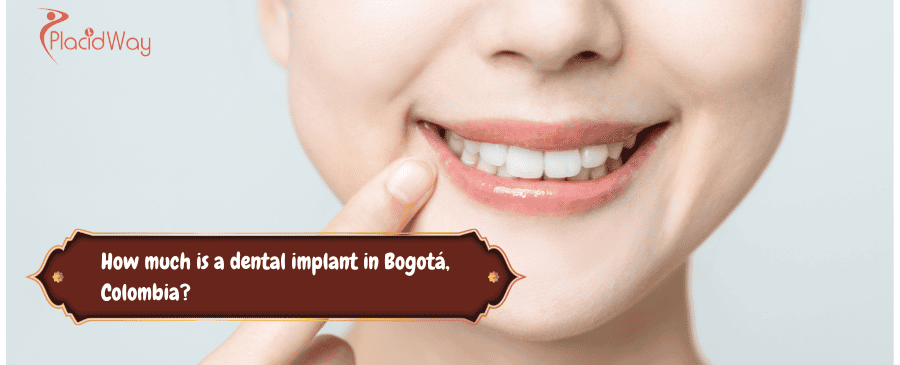
If you are exploring options to restore your smile and improve your oral health, you might be considering a dental implant in Bogotá, Colombia. Over the past decade, this vibrant city has become a recognized hub for individuals seeking dental care outside their home countries. Many patients find that the costs for restorative dentistry abroad can differ significantly from those in North America or Europe, prompting them to look into cross-border care.
Understanding the financial aspects, the timeline, and the medical considerations of getting implants abroad is an important step in your healthcare journey. This guide provides an in-depth look at what you can generally expect when looking into a dental implant cost in Bogotá, Colombia, helping you gather the facts needed to make an informed decision alongside your local healthcare provider.
Key Takeaways
- A single complete implant setup in Bogotá typically estimates between $800 and $1,500.
- Treatment usually requires two separate trips spaced several months apart to allow the jawbone to heal.
- Additional procedures, such as bone grafting or extractions, will increase the overall cost and timeline.
- Not everyone is a suitable candidate; sufficient bone density and good general health are necessary.
- Arranging local follow-up care in your home country is highly recommended for long-term implant maintenance.
What factors affect the dental implant cost in Bogotá, Colombia?
While the baseline estimate offers a good starting point, several variables influence the final bill you might receive from a dental implant clinic in Bogotá, Colombia. Firstly, the materials matter. Titanium is the standard for the implant post, but crowns can be made from porcelain, zirconia, or a combination of materials, each carrying a different price tag. Zirconia, known for its durability and natural look, tends to sit at the higher end of the pricing spectrum.
Secondly, your individual oral health plays a major role. If you have been missing a tooth for a long time, you may have experienced bone loss in your jaw. In such cases, a bone graft or sinus lift is often required to create a sturdy foundation for the implant. These supplementary surgical procedures add to both the financial cost and the healing time required before the implant can be placed.
Lastly, the experience level of the specialist and the technology utilized by the facility can influence fees. Clinics that utilize advanced 3D imaging (CBCT scans) and computer-guided surgery may charge slightly more, but these tools can aid in precise implant placement.
Are dental implants in Bogotá of the same quality as those in North America?
A common question regarding medical tourism in Colombia revolves around the quality of care and materials. In the realm of restorative dentistry, major global manufacturers supply implant components to dentists worldwide. This means that a clinic in Bogotá has access to the exact same titanium posts and ceramic materials that a clinic in New York or Toronto might use.
Furthermore, the field of dentistry in Colombia has grown significantly, and many specialists pursuing implantology undergo extensive training. Some even complete continuing education courses or fellowships internationally to stay updated on modern surgical techniques.
However, quality is not uniform across all providers. As a patient, it is crucial to look beyond the general reputation of the city. You should independently verify the credentials of the specific dentist who will perform your surgery, inquire about the exact brand of implant they intend to use, and ask about their sterilization protocols.
What does the dental implant procedure involve?
- Consultation and Imaging: The dentist assesses your jawbone density using 3D X-rays to plan the precise location and angle of the implant.
- Extraction and Grafting (if needed): Any damaged teeth are removed. If bone density is poor, bone grafting material is placed, which may require its own healing period.
- Implant Placement: During a minor surgical procedure, typically done under local anesthesia, the titanium post is inserted into the jawbone.
- Osseointegration: Over the next three to six months, the bone natural grows around and fuses with the implant, creating a strong anchor.
- Abutment and Crown Placement: Once fused, a connector piece (abutment) is attached, followed by the permanent, custom-made artificial tooth (crown).
How long do I need to stay in Bogotá for dental implant treatment?
Time commitment is a vital consideration for anyone combining healthcare with international travel. Because the titanium post needs time to fuse securely with your jawbone—a biological process known as osseointegration—the treatment cannot typically be completed in a single visit.
Your first trip will involve the surgical placement of the implant. Dentists generally recommend staying in the city for about a week. This allows enough time for the initial consultation, the surgery itself, and a follow-up appointment a few days later to check the initial healing and remove sutures if necessary.
After returning home, you will wait roughly three to six months. Your second trip will involve taking impressions and fabricating the final crown. Because dental labs need time to custom-craft the crown, you should plan to stay in the city for up to ten days during this final stage. Patients must factor the cost of flights and accommodation for both trips into their total budget.
Important Consideration: "Teeth in a Day"
You may hear about immediate load implants, sometimes called "teeth in a day." While these procedures place a temporary crown on the same day as the surgery, they are not suitable for everyone. They require excellent bone density and specific conditions to be successful. Always consult an objective medical professional to see if this approach is medically appropriate for you.
Am I a suitable candidate for a dental implant?
Not every patient with a missing tooth is automatically eligible for an implant. Because the procedure involves minor oral surgery and relies on the body's natural ability to heal bone, your overall systemic health is just as important as your oral health. Active gum disease (periodontitis) must be treated and resolved before an implant can be safely placed, as infection can lead to early implant failure.
Certain medical conditions can complicate the healing process. Patients with uncontrolled diabetes, autoimmune disorders, or those undergoing treatments like radiation therapy to the head and neck area may face higher risks or may not be suitable candidates. Additionally, certain medications, such as bisphosphonates used for osteoporosis, can affect jawbone healing.
Smoking is another critical factor. Nicotine restricts blood flow in the mouth, which can significantly delay healing and increase the risk of the implant failing to integrate with the bone. Most oral surgeons strongly advise quitting smoking well in advance of the procedure and during the entire recovery phase.
What are the potential risks and complications of dental implants?
- Infection: Bacteria can enter the surgical site, leading to localized infection that may require antibiotics or, in severe cases, removal of the implant.
- Nerve Damage: If the implant is placed too close to a nerve in the lower jaw, it can cause pain, numbness, or tingling in your natural teeth, gums, lips, or chin.
- Sinus Issues: Implants placed in the upper jaw can potentially protrude into the sinus cavities, leading to inflammation or infection.
- Implant Failure (Non-integration): Occasionally, the jawbone does not fuse adequately with the titanium post. The implant may become loose and have to be removed.
- Travel-Related Risks: Traveling shortly after surgery can increase the risk of swelling and discomfort, and handling complications is more difficult when you are far from the operating dentist.
How should I prepare for dental implant surgery abroad?
Successful treatment abroad begins long before you board an airplane. Start by obtaining your current dental records, including recent panoramic X-rays or 3D CBCT scans, from your local dentist. Forwarding these to the foreign clinic allows them to provide a more accurate assessment and preliminary treatment plan, though they will still need to perform their own imaging upon your arrival.
Transparency regarding your health is crucial. You must disclose all medications, supplements, and underlying medical conditions to the overseas dental team. They need this information to tailor the anesthesia and ensure that no medications will interfere with surgery or healing.
Equally important is speaking with your local dentist about your plans. Let them know you intend to travel for care. Establishing an agreement for routine cleanings and emergency intervention back home is essential, as the foreign clinic will not be available for immediate, hands-on assistance once you return.
What is the recovery process like after getting an implant?
Following the surgical placement of the implant, it is normal to experience some typical oral surgery side effects. You may notice swelling of your gums and face, minor bruising on your skin or gums, and some minor bleeding at the surgical site. Pain at the implant site is usually manageable with over-the-counter pain relievers or prescribed medications provided by your dentist.
During the initial healing phase, you will need to modify your diet. Stick to soft foods for the first week or so to avoid putting pressure on the new implant or irritating the surgical site. Avoid very hot foods and beverages, as well as using a straw, which can disrupt blood clots.
Your dentist will provide specific instructions on how to keep your mouth clean without disturbing the healing tissues. This often involves gentle rinsing with warm salt water or a prescribed antibacterial mouthwash. Adhering strictly to these aftercare guidelines is vital to prevent infection and promote successful osseointegration.
How do I choose a reliable dental implant clinic in Bogotá, Colombia?
Selecting the right dental implant clinic in Bogotá, Colombia goes beyond finding the lowest price. Begin by looking into the specific qualifications of the dentist performing the surgery. Look for specialists, such as oral surgeons or periodontists, who have dedicated training in implantology. Check if they hold memberships in recognized national or international dental organizations.
Evaluate the communication process from your very first interaction. Are they willing to answer your questions thoroughly? Do they clearly explain the potential risks as well as the benefits? A reputable clinic will prioritize patient education over pressuring you into a quick booking.
Finally, ask for a detailed, itemized estimate. Ensure you understand what is included in the quote—such as the post, abutment, crown, imaging, and anesthesia—and what might incur additional fees, like extractions, bone grafts, or temporary crowns. Transparency in pricing is a good indicator of professional practice.
Why Choose PlacidWay for Medical Tourism in Colombia?
Navigating international healthcare options can be complex. PlacidWay is a medical tourism platform designed to help patients access information about healthcare facilities globally, including dental providers in Colombia. When considering treatment abroad, utilizing an informational resource can assist in your research phase.
- Provider Directory: PlacidWay offers a database of international clinics and hospitals, allowing you to view different options in one place.
- Educational Resources: The platform provides articles and guides about various medical procedures to help you understand what treatments involve.
- Direct Communication: Patients can use the platform to send inquiries directly to overseas healthcare facilities to ask specific questions about care.
- Information Gathering: You can request estimated pricing and treatment plans from multiple providers to aid in your comparative research.
- Global Reach: The platform lists providers across various specialties and regions, helping patients explore healthcare options globally.
Frequently Asked Questions
Does the initial cost estimate include bone grafting?
Typically, initial estimates for a dental implant do not include bone grafting or sinus lifts. If your jawbone lacks sufficient density to support an implant, these additional procedures will be necessary, which will increase the overall cost and extend the treatment timeline.
Can I get a full mouth of implants in Bogotá?
Yes, many clinics in the city offer full-arch restorations, such as All-on-4 or All-on-6 systems, for suitable candidates. A thorough evaluation by a qualified dentist is required to determine if this extensive procedure is appropriate for your specific oral health condition.
What materials are typically used for the dental crowns?
Dentists often use high-quality materials for the final crowns, such as zirconia or porcelain fused to metal (PFM). Zirconia is highly popular due to its durability and natural appearance, though the choice of material will depend on your budget, aesthetic goals, and the dentist's recommendation.
Is it safe to travel for dental care in Colombia?
Many international patients safely travel to the country for dental care every year. However, as with any international travel, it is important to practice standard safety precautions, research your destination, and consult your home country's travel advisories before planning your trip.
Will language be a barrier at a dental clinic in Bogotá?
While Spanish is the primary language, many facilities catering to international patients employ bilingual staff and dentists who speak English. It is always a good idea to confirm the language capabilities of a clinic during your initial inquiries to ensure clear communication.
How soon can I fly after dental implant surgery?
Most dentists advise waiting at least 48 to 72 hours before flying after oral surgery to minimize the risk of bleeding, swelling, and discomfort caused by cabin pressure changes. Always follow your specific surgeon's advice regarding postoperative travel.
What happens if I have a complication after returning home?
If a complication arises after you return home, you will likely need to see a local dentist for immediate evaluation and care. It is highly recommended to establish a relationship with a local dentist before traveling abroad so you have a plan in place for postoperative monitoring and emergencies.
Do I need a visa to travel to Bogotá for dental work?
Citizens of many countries, including the United States, Canada, and much of Europe, typically do not need a visa for short tourist or medical visits to Colombia lasting up to 90 days. However, immigration rules can change, so you should verify current entry requirements with the Colombian consulate before traveling.
Are there financing options available for international patients?
Some international clinics partner with third-party medical financing companies, and certain personal loans or credit cards can be used to cover overseas dental care. Since domestic dental insurance rarely covers international implant procedures fully, you should arrange your budget and payment methods beforehand.
How long do dental implants typically last?
With excellent oral hygiene, regular dental check-ups, and a healthy lifestyle, the titanium implant post can potentially last many years, often a lifetime. However, the visible crown attached to the implant typically experiences wear and tear and may need replacement after 10 to 15 years.
Compare Treatment Options
If you are gathering information about dental implants abroad and want to learn more about facilities, estimated costs, and potential treatment plans, reach out for educational resources to support your research.
Request Treatment InformationReferences
- Dental Implants – American Dental Association (ADA)
- Dental Implant Surgery: Risks and What You Can Expect – Mayo Clinic
- Traveler's Health: Colombia – Centers for Disease Control and Prevention (CDC)
- Medical Tourism Guidelines – Centers for Disease Control and Prevention (CDC)
- Survival Rates and Complications of Dental Implants – National Center for Biotechnology Information (NCBI)
- Tooth Replacement and Oral Health – National Institute of Dental and Craniofacial Research (NIDCR)


























Share this listing