
Guide to Stem Cell Therapy for MS in Tijuana, Mexico
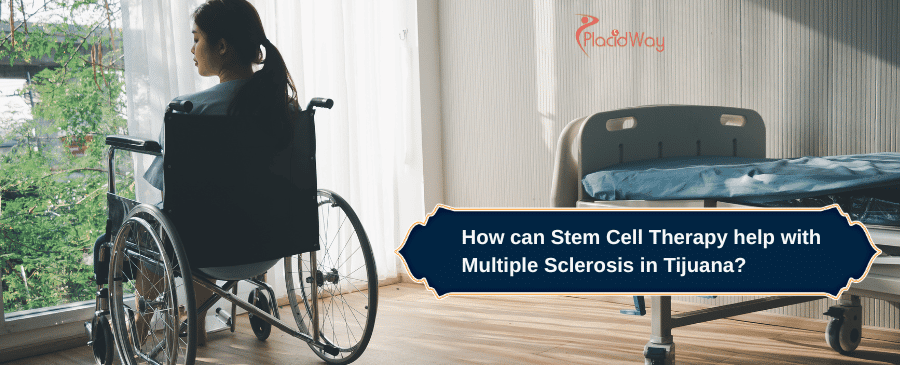
Multiple Sclerosis (MS) is a complex autoimmune condition where the body's immune system mistakenly attacks the protective myelin sheath covering nerve fibers. This leads to communication issues between the brain and the rest of the body. For those seeking alternative approaches when conventional medications fall short, exploring stem cell therapy for multiple sclerosis in Tijuana has become an increasingly considered option. Located just across the border from San Diego, California, this destination offers access to regenerative therapies that aim to address the underlying inflammatory processes of the disease.
It is vital for anyone considering this path to understand that regenerative medicine for autoimmune conditions is largely investigative. While many individuals share positive experiences, responses vary widely. Thorough research, realistic expectations, and consultation with your primary neurologist are required steps before making any medical decisions abroad.
Key Takeaways
- Therapy aims to modulate the immune response and decrease central nervous system inflammation, not to provide a definitive cure.
- Treatments typically utilize mesenchymal stem cells (MSCs), though some specific clinics may offer hematopoietic stem cell transplantation (HSCT).
- Comprehensive medical screening is necessary to determine if a patient's specific type of MS makes them a suitable candidate.
- Patients must continue coordinating care with their local neurologists for ongoing monitoring after returning from Mexico.
- While often more affordable than potential options elsewhere, it remains a significant financial investment rarely covered by insurance.
How does stem cell therapy address multiple sclerosis symptoms?
The primary mechanism behind this treatment is immune modulation. In a patient with MS, the immune cells mistakenly identify the body's own myelin as a threat. By introducing stem cells—specifically those known for their immunomodulatory properties—the goal is to "reset" or quiet this aggressive autoimmune response. This can potentially decrease the frequency of relapses and halt the progression of newly formed lesions in the brain and spinal cord.
Furthermore, researchers are investigating the neuroprotective qualities of certain stem cells. They secrete growth factors and cytokines that may protect existing neurons from further damage. While the concept of remyelination (repairing the damaged protective sheath) is a major goal of regenerative medicine, clinical evidence currently supports the anti-inflammatory benefits much more strongly than the restorative ones. Therefore, patients often notice improvements in energy levels, reduced spasticity, or clearer cognition, though restoring lost mobility is much harder to achieve.
What types of stem cells are used for MS treatments in Mexico?
Mesenchymal Stem Cells (MSCs) are the most common type found in outpatient regenerative clinics. These are often ethically sourced from donated human umbilical cord tissue (Wharton's Jelly) following healthy, full-term pregnancies. MSCs are highly valued for their ability to target inflammation without requiring invasive harvesting from the patient's own body. They are generally well-tolerated and carry a very low risk of rejection, making the treatment process relatively straightforward.
Conversely, Hematopoietic Stem Cell Transplantation (HSCT) is a much more intense, hospital-based procedure. It involves harvesting the patient's own bone marrow or blood stem cells, using chemotherapy to suppress the faulty immune system, and then reintroducing the stem cells to build a new, healthy immune system. While some specialized facilities in Mexico do offer HSCT, the majority of standalone clinics focus primarily on the less invasive MSC therapies.
Who is typically considered a suitable candidate for this treatment?
Not everyone living with multiple sclerosis is an ideal candidate for regenerative medicine. The initial screening process is crucial for patient safety. Medical professionals will review recent MRI scans, blood work, and the history of disease progression. Patients who are experiencing frequent flare-ups driven by active inflammation tend to see more benefit because the introduced cells target that exact inflammatory process.
Patients with advanced primary progressive or secondary progressive MS may still be considered, but their expectations must be managed carefully. In these later stages, nerve damage is often permanent, and the goal shifts from reversing disability to potentially stabilizing the condition to prevent further decline. Disqualifying factors often include active infections, a history of certain cancers, or severe organ dysfunction that would make travel and treatment unsafe.
What is the estimated stem cell therapy cost in Tijuana for MS?
Financial planning is a significant part of preparing for medical care abroad. Because regenerative therapies are rarely covered by standard domestic health insurance plans, patients generally pay entirely out-of-pocket. The pricing structure in Mexico is often more accessible than in the United States or other parts of North America due to differences in clinical overhead, lower administrative costs, and the localized cost of living.
When reviewing potential costs, patients should ask exactly what the quoted price includes. A comprehensive treatment package usually covers the initial medical consultations, the stem cell vials, the administration procedure (intravenous or intrathecal), and basic post-procedure monitoring. It often does not include flights, hotel accommodations, specialized diagnostic imaging like MRIs, or ongoing physical therapy once you return home.
What should patients expect during the treatment process?
The journey begins long before arriving at the clinic, usually with a detailed virtual consultation where medical teams review your localized neurologist's notes. Upon arriving in the city, the first day generally involves physical examinations and blood draws to confirm you are healthy enough to proceed. Depending on the facility, you may be guided through dietary or hydration protocols to prepare your body.
The administration phase varies based on the medical team's strategy. Intravenous (IV) therapy is common, involving a simple drip that lasts a few hours, delivering cells systemically. Intrathecal administration, where cells are injected into the spinal fluid via a lumbar puncture, is frequently used for neurological conditions to bypass the blood-brain barrier. Patients are then monitored in the clinic for a few hours to ensure there are no immediate adverse reactions before returning to their hotel.
How do you find a reputable stem cell therapy clinic in Tijuana?
Because the market for alternative therapies is large, due diligence is non-negotiable. A trustworthy provider will always be transparent about their licensing, the source of their biological materials, and the credentials of their attending physicians. You should seek out facilities that employ multi-disciplinary teams, including immunologists, neurologists, and specialized nursing staff, rather than a single practitioner acting alone.
Red flags to watch out for include clinics that promise a "100% cure," those that rush you into making a financial deposit without requesting your medical records, or facilities that refuse to answer specific questions about their cell culturing processes. A reputable clinic will encourage you to discuss the treatment with your home doctor and will be honest about the potential limitations of the therapy regarding your specific stage of MS.
Are there recognized risks and potential side effects to consider?
While umbilical cord-derived MSCs are generally considered to have a strong safety profile and low immunogenicity, no procedure is entirely risk-free. Common, mild side effects can include fatigue, a low-grade fever, headache, or soreness at the injection site (especially following a lumbar puncture for intrathecal delivery). These symptoms usually resolve within 24 to 48 hours with rest and basic supportive care.
More severe complications, though uncommon in well-regulated environments, can involve infections if sterile protocols are not strictly followed, or unexpected inflammatory responses. If a patient is undergoing the much more aggressive HSCT protocol, the risks are significantly higher and include severe immunosuppression, making the patient highly vulnerable to serious infections during the recovery phase. Understanding these distinctions is critical for informed consent.
What does the recovery timeline look like after returning home?
Most patients who receive outpatient MSC therapies find they can travel home safely within a few days of their final infusion. During the first few weeks, it is advised to avoid strenuous physical activity, maintain a healthy diet, and allow the body time to heal. It is normal to feel fatigued during this initial period as the body responds to the introduced cells.
The true "recovery" and evaluation of the treatment's success take much longer. Changes in MS symptoms, if they occur, often manifest gradually over three to six months as systemic inflammation subsides. It is imperative that patients continue seeing their primary neurologist back home to monitor lesions via MRI and to maintain a comprehensive approach to managing their multiple sclerosis.
Why is medical tourism in Tijuana popular for MS patients?
For patients residing in the United States or Canada, the proximity of this border city is a major advantage. Many individuals fly into San Diego International Airport and cross the border via brief medical shuttle services, minimizing the physical stress of long-haul international travel—a crucial factor for those dealing with MS fatigue or mobility challenges.
Additionally, the regulatory environment in Mexico allows licensed practitioners to offer advanced cellular therapies that are still confined to strict clinical trials in other nations. This accessibility allows patients who have exhausted traditional pharmacological options to explore new avenues for symptom management without having to travel overseas to destinations in Europe or Asia.
How does the safety and regulation of this therapy work in Mexico?
COFEPRIS (Federal Commission for the Protection against Sanitary Risk) functions similarly to the FDA in the United States, enforcing strict guidelines for the handling, processing, and administration of biological products. Clinics offering regenerative treatments must hold specific licenses for cellular therapy and operate under the supervision of specialized, certified medical professionals.
When selecting a destination for care, patients have the right to request proof of these certifications. Ethical clinics are transparent about their compliance with local laws and international medical standards. While regulation exists, enforcement can vary, making it the patient's responsibility to meticulously verify the credentials of their chosen provider to ensure a safe medical tourism experience.
Why Choose PlacidWay for Medical Tourism Research?
Navigating international healthcare options can be overwhelming, especially when researching complex conditions like multiple sclerosis. PlacidWay serves as a comprehensive resource for patients exploring treatments abroad.
PlacidWay offers a vast database of international healthcare providers, allowing patients to view various clinics and hospitals that offer specialized care.
Patients can access detailed profiles outlining facility credentials, available treatments, and medical team backgrounds to aid in their independent research.
The platform facilitates initial contact, helping individuals ask specific medical questions directly to the clinical teams abroad.
By providing estimated pricing models, PlacidWay helps patients understand the financial requirements and budget accordingly for cross-border care.
The platform provides comprehensive medical tourism guides to help patients make informed, confident choices regarding their healthcare journey.
Frequently Asked Questions
Is stem cell therapy a recognized cure for multiple sclerosis?
No, there is currently no recognized cure for multiple sclerosis. Stem cell therapy is utilized as an investigative approach to help manage symptoms, reduce inflammation, and potentially slow disease progression, but it does not cure the underlying condition.
Can I use my domestic health insurance for MS treatment in Mexico?
Typically, health insurance providers in the United States and Canada do not cover the costs of elective or experimental stem cell treatments performed outside of their networks, especially internationally. Patients usually pay out-of-pocket for these procedures.
Do I need a passport to travel to Tijuana for medical care?
Yes, international patients traveling across the border into Mexico require a valid passport to enter the country and to successfully re-enter their home country after their medical treatment is complete.
How long do I need to stay in Mexico for the procedure?
Depending on the specific clinic protocol and the type of stem cells being administered, patients typically stay in the city for an estimated 3 to 7 days for consultations, the actual infusions, and initial observation.
Will I need to stop taking my current MS medications?
You should never stop taking prescribed medications without explicit instructions from your primary neurologist. The treating clinic in Mexico will review your current prescriptions and collaborate with your home physician if temporary pauses are required.
Are the results from stem cell infusions permanent?
Results vary significantly among individuals and are generally not considered permanent. While some patients report extended periods of symptom relief, others may require follow-up evaluations or booster treatments in the future.
What is the difference between IV and intrathecal administration?
Intravenous (IV) administration delivers stem cells directly into the bloodstream to promote systemic anti-inflammatory effects. Intrathecal administration involves injecting cells into the spinal canal, aiming to bypass the blood-brain barrier and target the central nervous system more directly.
Can patients with progressive MS receive stem cells in Mexico?
Some clinics do evaluate and treat patients with primary or secondary progressive MS. However, the existing clinical evidence suggests that patients with highly active, relapsing-remitting MS typically show better responses to these therapies.
How soon might a patient notice changes in their MS symptoms?
The timeline for potential symptom changes is highly variable. Some patients report feeling differences within a few weeks, while others may not observe any functional or symptomatic changes for several months, and some may not respond to the treatment at all.
What happens if I experience a medical emergency while in Tijuana?
Reputable facilities have protocols for medical emergencies and are usually affiliated with or located near comprehensive general hospitals. It is critical to discuss emergency action plans with your chosen provider before beginning any treatment.
Compare Treatment Options
Take the next step in your healthcare journey by gathering more information about available options, facility credentials, and estimated pricing in Mexico.
Request Treatment InformationReferences
- Stem Cells in MS - National Multiple Sclerosis Society
- Important Patient and Consumer Information About Regenerative Medicine Therapies - U.S. Food and Drug Administration (FDA)
- Mesenchymal Stem Cell Therapy for Multiple Sclerosis - National Institutes of Health (NIH)
- Bone Marrow Transplant (Stem Cell Transplant) - Mayo Clinic
- Medical Tourism: Travel for Medical Care - Centers for Disease Control and Prevention (CDC)
- Federal Commission for the Protection against Sanitary Risk (COFEPRIS) Regulatory Information




















Share this listing