
The Cost and Process of Gender Selection in Tijuana: A 2025 Guide
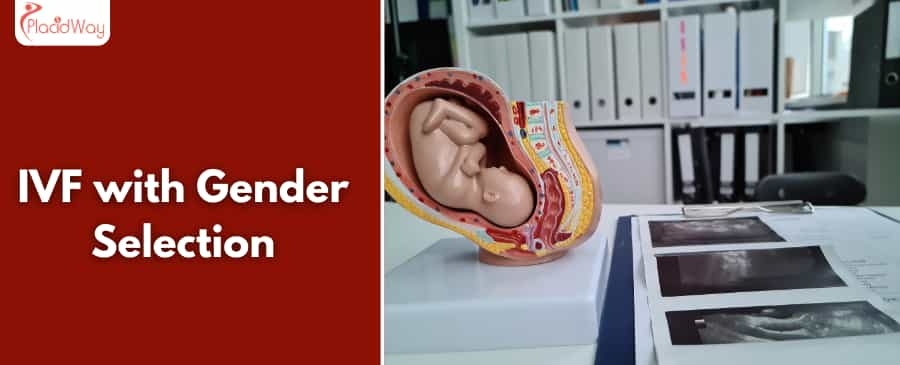
Many families explore options for family balancing, hoping to welcome a child of a specific sex. Because regulations and pricing vary dramatically across the globe, a growing number of prospective parents are looking across borders. Finding a reputable gender selection clinic in Tijuana has become a popular route for couples seeking accessible, advanced reproductive technology. Situated just south of San Diego, California, Tijuana offers a combination of modern fertility treatments and geographic convenience.
Understanding the medical steps, financial commitments, and travel requirements is crucial before embarking on this journey. Medical procedures like IVF require physical preparation, emotional resilience, and thorough research. This guide breaks down what you can expect when navigating the costs and clinical processes associated with family balancing in this popular destination.
Key Takeaways
- Gender selection is not a standalone procedure; it requires a full cycle of In Vitro Fertilization (IVF).
- Sex determination is achieved using Preimplantation Genetic Testing (PGT-A), which also screens for chromosomal abnormalities.
- Prices in Tijuana typically range from $7,000 to $12,000, excluding the cost of fertility medications.
- Patients usually split their treatment into two separate trips or plan for an extended stay of two to three weeks.
- While PGT-A is highly accurate at identifying sex, IVF success rates depend heavily on maternal age and overall reproductive health.
How does the gender selection process work?
To choose the sex of a baby, you must first create embryos outside of the body. The process begins with ovarian stimulation. You will take injectable fertility medications for roughly 10 to 12 days to encourage your ovaries to produce multiple mature eggs. A fertility specialist monitors this progress using blood tests and transvaginal ultrasounds.
Once the eggs are mature, they are retrieved during a minor surgical procedure performed under light sedation. In the laboratory, an embryologist fertilizes the eggs with sperm, often using Intracytoplasmic Sperm Injection (ICSI) to ensure successful fertilization. The embryos are then left to develop in an incubator for five to six days until they reach the blastocyst stage.
At the blastocyst stage, a highly trained embryologist removes a few cells from the outer layer of the embryo (the part that will become the placenta, leaving the inner fetal cells untouched). These cells are sent for PGT-A testing, which maps the chromosomes to reveal whether the embryo is XX (female) or XY (male). The embryos are immediately frozen while waiting for the test results. Once results return, a healthy embryo of the desired sex is thawed and transferred to the uterus.
What is the estimated gender selection cost in Tijuana?
The gender selection cost in Tijuana is generally much lower than in the United States or Canada due to differences in healthcare administration costs, facility overhead, and local economic factors. When reviewing pricing, it helps to understand how clinics bundle their services. A comprehensive package usually includes ultrasound monitoring, egg retrieval, ICSI, embryo culture, and the embryo transfer.
The genetic testing (PGT-A) is often billed separately or as an add-on tier. Some clinics charge a flat fee to test up to eight embryos, while others charge a per-embryo fee. If you produce a high number of blastocysts, your testing fees may increase accordingly.
It is crucial to budget for items rarely included in base packages. Fertility medications, which are purchased through a pharmacy, typically add $1,500 to $3,000 to your total expenses. Additionally, you should account for pre-cycle blood work, travel, accommodations, and potential fees for freezing and storing any remaining embryos.
Why do patients choose medical tourism in Tijuana for this procedure?
For many international patients, the laws in their home countries dictate their medical decisions. In countries like Canada, the United Kingdom, and Australia, gender selection for non-medical reasons (family balancing) is strictly prohibited by law. While it is legal in the United States, the prohibitive cost—often exceeding $20,000 to $25,000—keeps it out of reach for many families.
Medical tourism in Tijuana provides an accessible alternative. Mexico does not federally prohibit family balancing, allowing clinics to offer these services legally. Furthermore, Tijuana's proximity to San Diego means patients can fly into a major U.S. airport and cross the border via medical fast lanes or clinic shuttles, eliminating the need for long-haul international flights.
Who is generally considered a suitable candidate?
While anyone seeking family balancing might be interested in the procedure, medical suitability depends heavily on reproductive health. The cornerstone of success is having a sufficient ovarian reserve. Your doctor will assess this using an Anti-Müllerian Hormone (AMH) blood test and an antral follicle count via ultrasound. Because the genetic testing process filters out chromosomally abnormal embryos and embryos of the non-desired sex, starting with a higher number of eggs is highly advantageous.
Maternal age plays a significant role in candidate eligibility. As women age, the percentage of chromosomally normal (euploid) eggs decreases naturally. A woman in her late 30s or early 40s may need multiple IVF cycles to find one healthy embryo of the desired sex. Patients should have an honest discussion with a specialist about realistic expectations based on their individual medical history.
What are the medical risks and side effects?
Because family balancing requires IVF, patients face the same medical risks as anyone undergoing fertility treatment. The injectable hormones can cause bloating, headaches, mood swings, and bruising at the injection site. A more severe risk is Ovarian Hyperstimulation Syndrome (OHSS), where the ovaries swell and fluid leaks into the abdomen. While modern protocols have made severe OHSS rare, it remains a condition that requires careful medical monitoring.
The egg retrieval is a minor surgical procedure carrying small risks of bleeding, infection, or damage to surrounding organs. Additionally, while the embryo biopsy (PGT-A) is performed by skilled embryologists, there is a very small risk that an embryo could be damaged during the cell-removal process.
It is crucial to understand that outcomes vary by patient. There is no guarantee that the IVF cycle will produce viable embryos, nor is there a guarantee that the transferred embryo will successfully implant and result in a live birth. Local follow-up care with an obstetrician in your home country is necessary once pregnancy is achieved.
How long do I need to stay in Tijuana for treatment?
If you choose to complete your treatment in one extended stay, you will arrive a few days before your menstrual cycle begins to start monitoring and medications. You will stay through the stimulation phase and the egg retrieval. Because genetic testing results take time, you would either need to wait in Mexico for several weeks for the results and subsequent transfer, or go home and return later.
Most patients prefer the "two-trip" method.
- Trip 1 (Stimulation and Retrieval): You can either complete the initial monitoring at a local clinic in your home country and fly to Tijuana for the final days before retrieval, or stay in Tijuana for 10-12 days.
- Interim: You return home while the embryos develop, are biopsied, frozen, and tested.
- Trip 2 (Embryo Transfer): You return to Tijuana a month or two later for a brief 2-3 day trip to have the chosen embryo transferred.
How accurate is preimplantation genetic testing?
Old methods of sex selection, such as sperm spinning (Microsort), offered much lower accuracy rates and are no longer standard practice. Today, PGT-A is the gold standard. By analyzing the actual DNA makeup of the embryo, the lab can definitively see if the 23rd pair of chromosomes is XX or XY.
Beyond sex determination, PGT-A provides a significant medical benefit. It identifies embryos with chromosomal missing pieces or extra copies (aneuploidy), which are the leading causes of failed implantation and early miscarriage. Transferring a euploid (chromosomally normal) embryo improves the chances of a healthy pregnancy, though no medical screening is 100% infallible.
What happens to the embryos that are not selected?
It is very common for an IVF cycle to produce multiple healthy embryos of both sexes. Once your primary embryo is transferred, you must decide how to handle the remaining blastocysts. Most patients choose to keep them frozen (cryopreserved) at the clinic. This acts as a backup in case the first transfer does not result in a pregnancy, or for expanding the family further in the future. Clinics typically charge an annual storage fee for this service.
If your family is complete and you no longer wish to store the remaining embryos, you can opt for compassionate disposal. Some couples choose to donate remaining healthy embryos to another family struggling with infertility, though this involves psychological screening and legal paperwork. Your clinic will provide you with consent forms to clearly outline your wishes before the cycle even begins.
How do I prepare for IVF and genetic testing abroad?
Preparing for IVF requires lifestyle adjustments to support optimal egg and sperm quality. Doctors often recommend taking prenatal vitamins, maintaining a nutrient-rich diet, limiting alcohol and caffeine, and managing stress levels in the months leading up to treatment. Both partners should review their medical histories with the treating physician to ensure no underlying conditions might contraindicate IVF.
Logistically, coordinating care between your home country and Tijuana requires communication. Many patients use a local obstetrician or fertility clinic to perform initial baseline ultrasounds and blood tests, sending the results to the team in Mexico. After the embryo transfer, you will need a local doctor to administer a blood pregnancy test (hCG) two weeks later and to provide standard prenatal care if the treatment is successful.
Why Choose PlacidWay for Medical Tourism in Tijuana?
Navigating international healthcare requires careful planning and reliable information. PlacidWay helps connect patients with medical facilities globally. Here are a few factual ways PlacidWay can assist your research:
- Comprehensive Clinic Profiles: Access detailed information about facility infrastructure, treatment options, and available medical technologies in Tijuana.
- Provider Backgrounds: Review the educational backgrounds, professional memberships, and specialized training of various fertility specialists.
- Transparent Estimates: Compare estimated treatment costs and package inclusions across multiple healthcare providers to fit your budget.
- Direct Communication: Utilize the platform to send inquiries directly to international clinics to ask specific questions about their protocols.
- Patient Education: Read through extensive resources regarding medical tourism, what to expect during IVF, and how to prepare for cross-border care.
Frequently Asked Questions
Does the gender selection process hurt?
The genetic testing is performed on the embryo in a lab, so you do not feel it. The IVF process, however, involves daily hormone injections that can cause mild discomfort, bloating, and mood changes. The egg retrieval is typically performed under light sedation, so you sleep through the brief procedure, though mild cramping often follows.
Can I choose eye color or other physical traits?
No. Preimplantation Genetic Testing (PGT-A) looks at the chromosomes to identify sex and screen for chromosomal abnormalities (like Down syndrome). It cannot safely or legally be used to design cosmetic traits like eye color, hair color, or height.
Are stimulation medications usually included in the base package price?
Fertility medications are rarely included in base IVF packages because the required dosage varies significantly from patient to patient based on age, weight, and ovarian reserve. You should budget an additional $1,500 to $3,000 for these medications.
Is a passport required to cross the border into Tijuana for treatment?
Yes. If you are traveling from the United States, you need a valid passport or a passport card to return across the U.S.-Mexico border, regardless of whether you cross by driving or walking.
What happens if the IVF cycle produces no embryos of the desired sex?
Because biology is unpredictable, a cycle may yield only embryos of the opposite sex, or no chromosomally normal embryos at all. If this occurs, you would need to decide whether to transfer an embryo of the opposite sex or begin a new IVF cycle, which incurs additional costs.
How long does the preimplantation genetic testing take?
After the embryo biopsy is taken on day 5 or 6 of development, the genetic material is sent to a specialized laboratory. Results typically take anywhere from one to three weeks to return, during which time your embryos remain safely frozen.
Can I travel back home immediately after the embryo transfer?
Most fertility specialists recommend resting for one to two days after the embryo transfer before undertaking long-distance travel. A short drive across the border is usually fine the next day, but strenuous travel should be avoided while the embryo attempts to implant.
Do fertility clinics in Tijuana cater to English-speaking patients?
Because Tijuana is a major medical tourism hub, most clinics treating international patients have bilingual staff, coordinators, and doctors who speak fluent English to ensure clear communication regarding medical instructions and consent.
Are there age limits for undergoing IVF with PGT-A?
While strict cut-offs vary by provider, clinics generally assess eligibility based on ovarian reserve testing rather than age alone. However, success rates drop significantly for women over 40 using their own eggs, as the percentage of chromosomally normal embryos decreases.
Can I transport frozen embryos back to my home country?
Yes, embryos can be shipped internationally using specialized medical couriers that maintain cryogenic temperatures. However, this process involves export/import documentation, coordination between both clinics, and significant shipping fees.
Compare Treatment Options in Tijuana
Gather the information you need to make an informed decision about family balancing and reproductive care abroad.
Request Treatment InformationReferences
- Preimplantation Genetic Testing – American College of Obstetricians and Gynecologists (ACOG)
- Use of Preimplantation Genetic Testing – American Society for Reproductive Medicine (ASRM)
- Assisted Reproductive Technology (ART) Data – Centers for Disease Control and Prevention (CDC)
- In vitro fertilization (IVF) – MedlinePlus Medical Encyclopedia
- Pre-implantation genetic testing for aneuploidy (PGT-A) – Human Fertilisation and Embryology Authority (HFEA)
- In vitro fertilization (IVF) Risks and Process – Mayo Clinic



























Share this listing