
Is Costa Rica the Ideal Destination for Addiction Recovery?
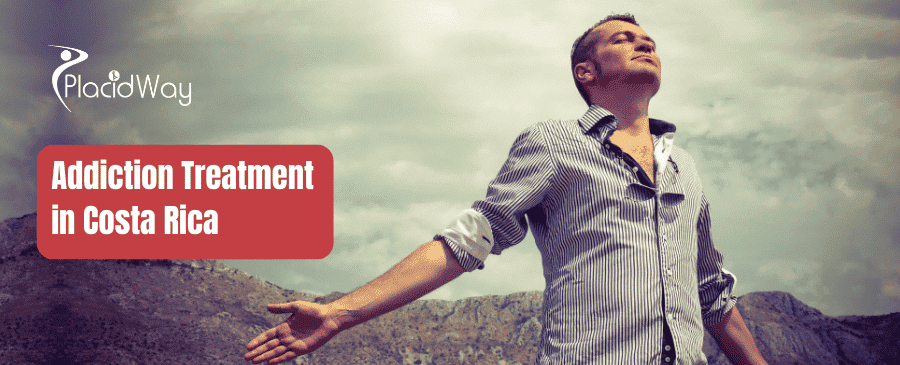
Deciding to seek help for substance use disorders is a profound step, and choosing the right environment can play a supportive role in that journey. In recent years, seeking addiction recovery in Costa Rica has become an option for individuals looking to heal away from the stresses of their daily lives. The country's blend of tropical landscapes, focus on holistic well-being, and established healthcare infrastructure creates a unique setting for physical and emotional rehabilitation.
However, traveling abroad for medical and psychological care requires careful consideration. Addiction treatment is a complex medical process that demands qualified professionals, safe protocols, and long-term planning. This guide explores what you can expect from treatment programs, the factors influencing care, and the practicalities of navigating rehabilitation away from home.
Key Takeaways
- A tranquil, nature-immersed environment can support both holistic and traditional recovery approaches by removing familiar daily stressors.
- Seeking treatment abroad offers increased privacy and distance from usual behavioral triggers.
- Comprehensive programs typically combine medical detox, behavioral therapy, and wellness activities.
- It is vital to thoroughly vet any facility for proper medical licensing, credentialed psychiatric staff, and emergency protocols.
- Post-treatment aftercare planning with local professionals upon returning home is essential for maintaining long-term sobriety.
What types of addiction treatment programs are available in Costa Rica?
The core of an effective rehabilitation program relies on evidence-based practices. In Costa Rica, many international facilities provide structured residential inpatient care. These programs usually include Cognitive Behavioral Therapy (CBT), Dialectical Behavior Therapy (DBT), individual counseling, and group therapy sessions. The goal is to identify the root causes of substance use and develop healthy coping mechanisms.
Additionally, many programs embrace the "Pura Vida" lifestyle of the region by integrating holistic care. This often means treating the mind, body, and spirit simultaneously. While clinical therapy addresses the psychological aspects of addiction, physical wellness is supported through nutrition, fitness, and stress-reduction techniques.
You may also find dual-diagnosis programs designed for individuals dealing with co-occurring mental health disorders, such as anxiety, depression, or trauma, alongside substance use. Treating both conditions concurrently is widely recognized by medical professionals as a critical component for lasting recovery.
What is the typical addiction recovery cost in Costa Rica?
When comparing costs, patients often find that treatment abroad can present a different value proposition than domestic care. The expenses are heavily influenced by the specific needs of the patient. A facility offering basic residential care with shared rooms will have a vastly different fee structure than a luxury private estate providing one-on-one therapy, private chefs, and extensive excursions.
Factors that influence the overall estimate include:
- Medical Detoxification: Specialized medical supervision during the initial withdrawal phase typically increases the cost due to the need for 24/7 nursing and physician care.
- Duration of Stay: Standard programs last 30, 60, or 90 days. Naturally, longer stays require a higher financial investment.
- Staff-to-Patient Ratio: Programs with a high number of licensed therapists and medical doctors per patient often charge more for the individualized attention.
- Amenities and Location: Oceanfront properties or secluded jungle retreats with high-end facilities tend to be priced at a premium.
Is it safe to travel to Costa Rica for rehabilitation?
Safety in the context of addiction treatment involves both medical safety and geographical security. Medically, patients must ensure they are attending a facility equipped to handle their specific health needs. Substance withdrawal can induce severe, sometimes life-threatening complications. Therefore, medical safety hinges entirely on the qualifications of the clinic's staff and their emergency protocols.
From a travel perspective, Costa Rica has a well-developed tourism and medical tourism infrastructure. While petty crime can occur in tourist areas, rehabilitation centers are usually located in secure, gated, and private environments designed to protect patient privacy and physical safety.
Before traveling, patients should consult with a healthcare provider in their home country to assess if they are medically stable enough to fly. Those at risk of severe withdrawal symptoms should ideally complete medical detox closer to home before traveling internationally for the therapeutic phase of recovery.
How do I choose a qualified addiction recovery clinic in Costa Rica?
The lack of a single global accrediting body means patients must be diligent in their research. A beautiful website does not guarantee high-quality clinical care. Start by verifying that the facility is registered and licensed by Costa Rica’s Ministry of Health (Ministerio de Salud). This ensures they meet baseline national standards for healthcare operations.
When evaluating a facility, ask these essential questions:
- Who makes up the clinical team, and what are their specific degrees and licenses?
- Is there a medical doctor and a psychiatrist available on-site or on-call 24/7?
- What evidence-based therapeutic models form the core of the program?
- How does the facility handle medical emergencies or psychiatric crises?
- Do they provide comprehensive discharge planning and aftercare support?
What holistic therapies are integrated into Costa Rican rehab programs?
Holistic therapies are not a replacement for medical care or clinical psychotherapy; rather, they are complementary practices designed to support overall wellness. Addiction often takes a severe toll on a person’s physical health and nervous system. Integrating holistic practices can help patients rebuild physical strength, manage stress, and process emotions in non-verbal ways.
For example, mindfulness and meditation are frequently used to help patients manage cravings and regulate their emotions. Equine-assisted therapy involves interacting with horses, which can promote empathy, responsibility, and emotional awareness. Experiential therapies, such as guided hikes through the rainforest or supervised surfing lessons, can help individuals rediscover joy and healthy stimulation without the use of substances.
These activities are typically woven into the daily schedule alongside individual and group clinical sessions, creating a balanced routine that promotes healing on multiple levels.
Do treatment centers in Costa Rica offer medical detox?
Medical detoxification is the process of safely managing the acute physical symptoms of withdrawal associated with stopping drug or alcohol use. Depending on the substance—particularly alcohol, benzodiazepines, and opioids—withdrawal can be dangerous and sometimes fatal without proper medical intervention. Medications may be necessary to ease symptoms and prevent complications like seizures.
Not every wellness retreat or therapy center is equipped to handle this acute medical phase. If a patient requires detox, they must choose a clinical facility with 24-hour nursing care, an attending physician, and the legal authority to prescribe and administer medication-assisted treatment (MAT).
In cases where a facility does not offer in-house detox, they may require patients to complete the detoxification process at a hospital or a specialized detox center before admitting them for residential therapy.
How long do residential rehab programs usually last?
The appropriate length of stay depends heavily on the individual's specific needs, the severity of the substance use disorder, and the presence of any co-occurring mental health conditions. A 30-day program is often considered a baseline, providing enough time to complete physical detox, stabilize emotionally, and begin learning fundamental relapse prevention skills.
However, many medical professionals recommend 60 to 90 days, or even longer, for individuals with chronic addiction history. Longer programs allow more time for the brain to heal from substance-induced changes. It provides patients the opportunity to deeply practice new coping mechanisms in a safe environment before facing the challenges of the outside world.
The transition out of a highly structured environment should ideally be gradual, which is why the duration of primary care is just one phase of a much longer recovery timeline.
Can medical tourism in Costa Rica benefit addiction recovery?
One of the most significant advantages of traveling abroad for treatment is the geographical distance it creates. By stepping away from the environmental cues, relationships, and routines associated with substance use, individuals can focus entirely on their healing without daily distractions.
Furthermore, the anonymity of seeking treatment internationally appeals to many professionals, executives, or public figures who prioritize extreme privacy. While domestic clinics offer confidentiality, leaving the country adds an extra layer of discretion regarding medical leaves of absence.
Costa Rica’s specific appeal lies in its emphasis on biodiversity and peace. The shift from a stressful urban environment to a serene, nature-focused setting can help lower cortisol levels, reduce anxiety, and foster a mindset conducive to introspection and behavioral change.
What happens after completing a rehab program abroad?
Completing a residential program is a major milestone, but it is not a cure. Addiction is widely recognized as a chronic condition that requires ongoing management. Returning home can be one of the most vulnerable times in a patient's recovery journey, as they are reintroduced to former stressors and potential triggers.
A robust aftercare plan typically includes:
- Continued Therapy: Scheduling appointments with a local psychotherapist or addiction counselor.
- Support Groups: Identifying local meetings, such as AA, NA, SMART Recovery, or other community-based support systems.
- Psychiatric Follow-up: Ensuring any prescribed medications for mental health or relapse prevention are managed by a local physician.
- Sober Living: For some, transitioning to a local sober living home before returning to a completely independent environment is recommended.
Some international facilities also offer virtual follow-up sessions with your primary therapist or alumni support networks to help bridge the gap during the initial transition period.
Why Choose PlacidWay for Medical Tourism?
Navigating international healthcare options can be complex. PlacidWay serves as a resource for patients looking to understand their choices when traveling abroad for medical and wellness treatments. Here is how PlacidWay can assist:
- Comprehensive Directory: Provides a centralized platform to explore and compare international healthcare providers and wellness centers.
- Direct Connection: Facilitates direct communication between patients and clinics, allowing you to ask specific medical and logistical questions.
- Facility Information: Supplies details regarding clinic accreditations, medical credentials, and available treatments to aid in your research.
- Educational Resources: Offers guides and articles to help patients understand the practicalities and considerations of medical tourism.
- Global Options: Features a wide variety of destinations and specialized facilities, helping you find an environment that aligns with your specific recovery goals.
Frequently Asked Questions
Do rehabilitation centers in Costa Rica have English-speaking staff?
Yes, many facilities catering to international patients employ bilingual medical and therapeutic staff. It is advisable to verify the primary language spoken during therapy sessions before committing to a program to ensure effective communication.
Can I use my health insurance for rehab in Costa Rica?
Some international health insurance policies offer partial coverage for out-of-network care abroad, but many US or European plans do not cover international rehabilitation. You should contact your insurance provider directly to understand your specific benefits and reimbursement options.
Are visitors allowed during residential treatment?
Visitor policies vary widely among facilities. Some encourage family visits during specific phases of recovery to support family therapy, while others maintain strict no-visitor policies initially to help patients focus entirely on their recovery without outside distractions.
What items should I pack for a rehab stay in Costa Rica?
Pack comfortable, weather-appropriate clothing, personal hygiene products (often without alcohol), necessary prescribed medications with original labels, and reading materials. Facilities typically provide a specific list of permitted and prohibited items, such as electronics or certain personal care products.
Do facilities treat co-occurring mental health disorders?
Many comprehensive treatment centers offer dual-diagnosis programs designed to treat substance use disorders alongside mental health conditions like depression, anxiety, or PTSD. Patients should confirm that a facility has licensed psychiatrists on staff if they require mental health care.
Is internet access permitted during the recovery program?
Access to the internet and mobile phones is often restricted, especially during the initial detox and early therapy phases. Some programs gradually allow limited, supervised access to help patients reconnect with work or family as they progress through treatment.
What is the difference between luxury rehabs and standard clinics?
Luxury facilities typically offer private rooms, gourmet meals, resort-like amenities, and extensive holistic therapies like equine therapy or acupuncture. Standard clinics focus primarily on clinical evidence-based treatments and essential medical care, often with shared accommodations.
Are outpatient addiction treatment options available?
While residential inpatient care is the most common reason people travel abroad for rehab, some centers do offer intensive outpatient programs (IOP). However, outpatient care is usually more practical for local residents rather than international patients seeking temporary medical care.
How does the tropical climate affect the recovery process?
The warm climate and natural surroundings can provide a calming environment that reduces stress. Being immersed in nature often supports holistic therapies and physical activities like hiking or swimming, which can be beneficial components of a comprehensive recovery plan.
Will my privacy be protected while undergoing treatment abroad?
Reputable international facilities follow strict confidentiality protocols similar to HIPAA standards in the United States. Traveling abroad also inherently provides a layer of privacy by distancing patients from their local communities and professional circles.
Compare Treatment Options
Explore accredited facilities, review available programs, and connect with healthcare providers to make an informed decision about your recovery journey.
Request Treatment InformationReferences
- Principles of Drug Addiction Treatment: A Research-Based Guide – National Institute on Drug Abuse (NIDA)
- Treatment Approaches for Substance Use Disorders – Substance Abuse and Mental Health Services Administration (SAMHSA)
- Travelers' Health: Costa Rica – Centers for Disease Control and Prevention (CDC)
- Substance Abuse Overview – World Health Organization (WHO)
- What Is a Substance Use Disorder? – American Psychiatric Association (APA)
- Definition of Addiction – American Society of Addiction Medicine (ASAM)





















Share this listing