
The Ultimate Guide to Heroin Addiction Treatment in Spain
Deciding to seek help for opioid dependence is a critical and courageous step. For many individuals, traveling to a new environment can provide the necessary distance from familiar triggers and daily stressors. Spain has emerged as a destination for those seeking private, structured recovery programs, combining professional medical care with discreet, therapeutic settings.
Key Takeaways
- Spain offers various private rehabilitation centers specializing in opioid use disorders.
- Programs typically start with medically supervised detoxification to manage severe withdrawal symptoms safely.
- Treatment relies on a mix of individual counseling, cognitive behavioral therapy, and group support.
- Many private centers cater to international patients by providing programs entirely in English.
- Long-term recovery requires ongoing aftercare and support once you return to your home country.
What types of heroin addiction programs are available in Spain?
Private healthcare facilities in Spain generally provide a continuum of care for addiction. For international patients, residential (inpatient) treatment is the most common and practical choice. In these programs, patients live at the facility 24 hours a day, providing a structured, trigger-free environment that allows them to focus entirely on their recovery.
Outpatient programs are also available, though these are typically utilized by local residents or individuals who have already completed a residential program and are transitioning back into everyday life. Outpatient care involves attending therapy sessions during the day while living independently or in a sober living facility.
Many centers also specialize in dual diagnosis. This approach is designed for individuals who struggle with substance abuse alongside underlying mental health conditions, such as depression, anxiety, or post-traumatic stress disorder, ensuring that both issues are treated concurrently.
How does the heroin detoxification process work?
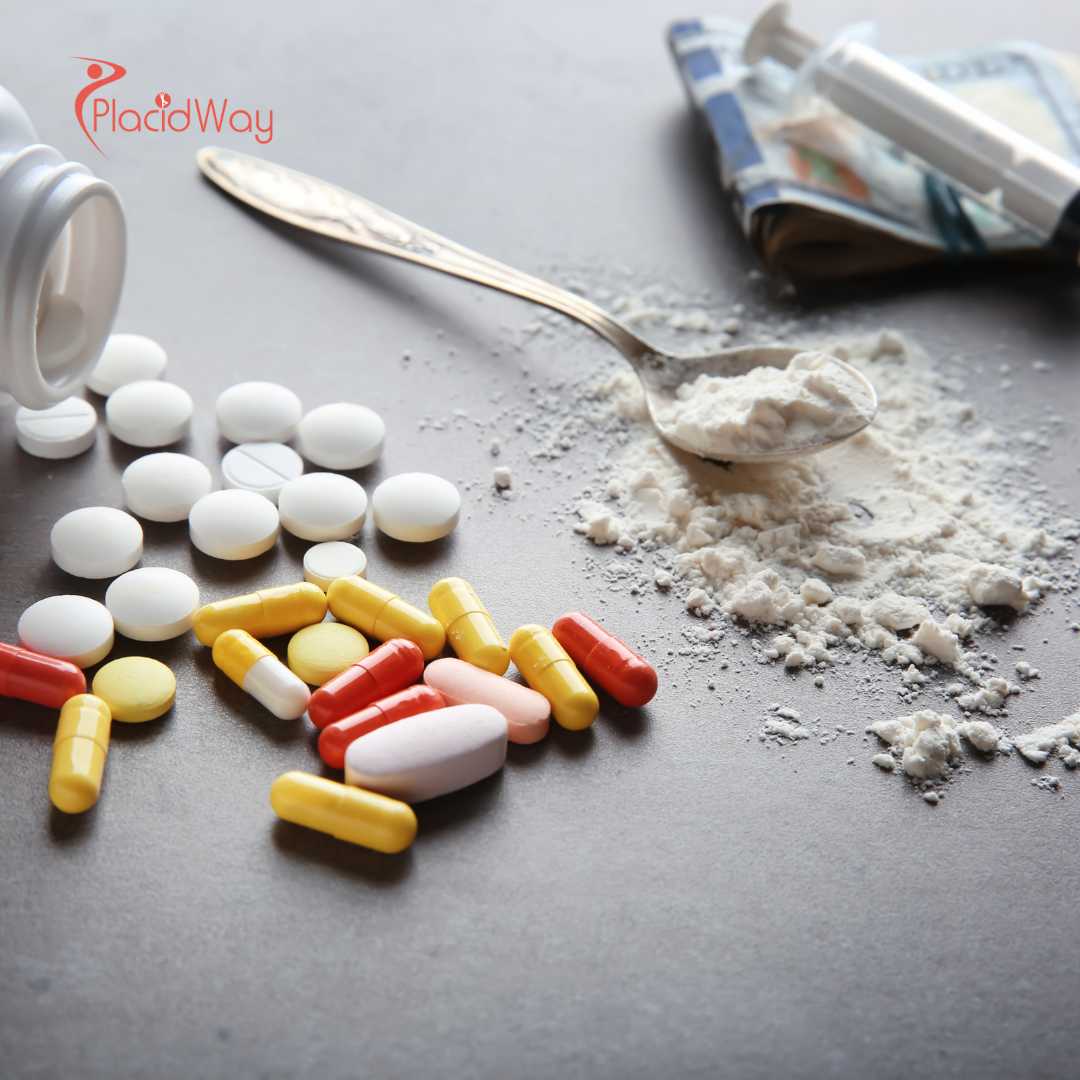
Detoxification is the crucial first stage of treatment. When a person stops using heroin, the body goes through withdrawal, which can cause intense physical pain, nausea, muscle cramping, anxiety, and profound cravings. Because these symptoms can be overwhelming and sometimes present medical complications, undergoing detox without professional medical supervision is highly discouraged.
In a clinical setting, doctors and nurses monitor vital signs continuously. Depending on the patient's medical history and the facility's protocols, medical staff may administer approved medications—such as buprenorphine or specific comfort medications—to ease the withdrawal process and stabilize the patient.
What therapies are used during heroin rehab in Spain?
Once stabilized, patients transition into the therapeutic phase of rehabilitation. The core of this treatment usually relies on evidence-based psychological therapies. Cognitive Behavioral Therapy (CBT) is widely used to help patients identify the negative thought patterns and emotional triggers that lead to substance use, teaching them healthier coping mechanisms.
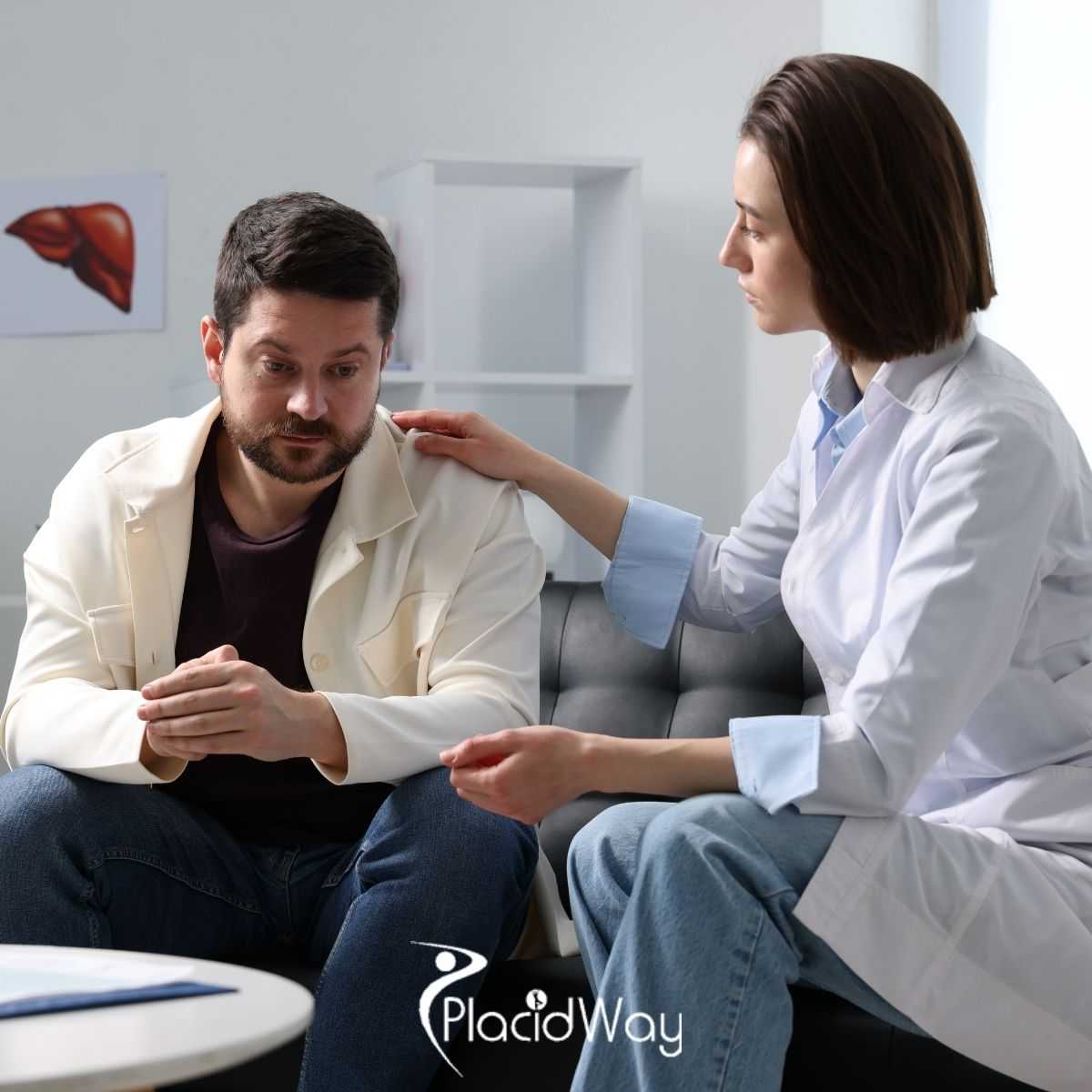
Group therapy is another vital component, offering patients a safe space to share experiences, build empathy, and realize they are not alone in their struggles. Facilitated by licensed therapists, these sessions help rebuild communication skills and foster a supportive community among peers.
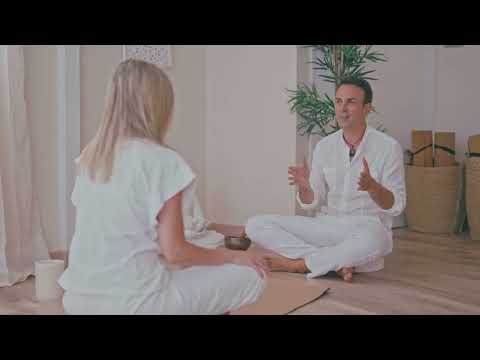
In addition to traditional psychotherapy, many private centers in Spain incorporate holistic approaches. This may include mindfulness training, yoga, art therapy, and nutritional counseling, all aimed at healing the body and mind simultaneously.
How long does residential addiction treatment usually take?
There is no single timeline for addiction recovery, as every patient responds differently to treatment. However, standard residential programs often begin with a 28-day commitment. This timeframe allows enough time for physical detoxification and the introduction of foundational therapeutic concepts.
For individuals with a long history of substance use, severe physical dependence, or co-occurring mental health disorders, a longer stay of 60 to 90 days is frequently recommended. Extended programs provide a deeper opportunity to practice new coping skills in a secure environment before facing the stressors of everyday life.
| Program Phase | Estimated Timeline | Primary Focus |
|---|---|---|
| Medical Detoxification | 5 to 14 Days | Medical stabilization and withdrawal management |
| Standard Residential Rehab | 28 to 30 Days | Intensive therapy and behavioral education |
| Extended Residential Care | 60 to 90+ Days | Relapse prevention and deeper psychological work |
What is the estimated heroin addiction treatment cost in Spain?
Pricing for private rehabilitation is highly variable. Basic residential programs that focus primarily on essential medical and psychological care usually fall at the lower end of the spectrum. These facilities provide quality care but may offer shared room accommodations and fewer holistic or recreational extras.
On the higher end, luxury or executive rehab centers—often located in coastal areas like Marbella or Ibiza—can cost substantially more. These facilities often feature private suites, personal chefs, extensive wellness amenities, and highly individualized one-on-one therapy schedules.
When evaluating costs, patients should inquire about what is explicitly included. Medical detox, specific prescription medications, psychiatric evaluations, and aftercare planning may sometimes be billed separately from the standard room and board fees.
How do I choose the right heroin addiction treatment clinic in Spain?
Selecting a facility is a decision that requires careful research. Because you are traveling abroad, you want to ensure the clinic meets high clinical standards. Look for centers that are properly licensed by Spanish health authorities to provide psychiatric and addiction medicine.
Consider the following factors when evaluating options:
- Medical Staffing: Does the clinic have an on-site psychiatrist, medical doctors, and 24/7 nursing staff available for detox?
- Therapist Credentials: Are the counselors and therapists licensed psychologists or certified addiction specialists?
- Staff-to-Patient Ratio: A lower ratio generally means more personalized attention during therapy.
- Treatment Philosophy: Does the program rely on scientifically supported methods rather than unproven alternative treatments?
What are the benefits of seeking addiction treatment abroad?
One of the main reasons individuals choose to leave their home country for rehab is to break the cycle of their immediate environment. Often, local settings are tied to the people, places, and habits associated with substance use. By physically removing themselves from this environment, patients can reduce immediate temptations and focus deeply on personal growth.
Privacy is another significant factor. For professionals or high-profile individuals, attending a clinic in another country minimizes the risk of peers or colleagues discovering their treatment. Spanish clinics accustomed to international clientele prioritize discretion and confidentiality.
Are treatments in Spain offered in English for international patients?
Effective psychotherapy requires clear, nuanced communication. Recognizing the demand from Northern Europe, the UK, and North America, many Spanish rehab facilities employ bilingual or native English-speaking medical professionals, therapists, and support staff.
When communicating with a prospective clinic, it is helpful to confirm that all aspects of the program—from psychiatric evaluations to group therapy sessions and aftercare instructions—are conducted in a language you fully understand. This ensures that you can actively participate and gain the maximum benefit from the psychological work.
What aftercare and relapse prevention support is provided?
Completing a residential program is a major milestone, but it is only the beginning of a lifelong recovery process. The transition back home is often the most vulnerable time for a patient. A responsible rehabilitation center will begin planning for this discharge well before the program ends.
Aftercare planning involves identifying potential relapse triggers in the patient's home environment and developing strategies to handle them. The clinic may facilitate introductions to local therapists or 12-step groups in the patient's home city. Additionally, many centers now offer virtual follow-up counseling and telehealth sessions to maintain continuity of care during the crucial first few months post-discharge.
Is medical tourism in Spain safe for addiction recovery?
Spain possesses a highly developed healthcare infrastructure. However, because addiction treatment is complex and carries medical risks, especially during detox, safety depends entirely on the specific facility chosen. It is vital to separate wellness retreats from clinical rehabilitation centers; the latter must have the medical capacity to handle emergencies.
Patients should have an honest discussion with their primary care physician back home before traveling. Certain underlying health conditions or severe stages of addiction might make international travel inadvisable. A thorough pre-admission medical screening via telehealth is standard practice for reputable international clinics to ensure the patient is stable enough to travel.
Why Choose PlacidWay for Medical Tourism in Spain?
PlacidWay helps individuals research and connect with international healthcare options. Here are five facts about using our platform:
- Global Network: PlacidWay provides access to a directory of medical and wellness centers across dozens of countries, including Spain.
- Direct Communication: The platform allows you to contact facilities directly to ask clinical questions and request information.
- Facility Information: Patients can review facility profiles, available treatments, and accreditations listed by the providers.
- Free to Research: Using the platform to explore treatment options and request initial estimates is free for patients.
- Comparative Capabilities: The directory structure makes it easier for patients to compare different international clinics side-by-side.
Frequently Asked Questions
Can I use my health insurance to pay for private rehab in Spain?
Coverage depends entirely on your specific insurance policy. Some international health insurance plans offer partial coverage for addiction treatment abroad, but many private Spanish facilities operate primarily on a self-pay basis. You should verify out-of-network international benefits with your provider.
Is medical detox always required for heroin addiction?
Because heroin withdrawal can cause severe physical symptoms and intense cravings, a medically supervised detoxification is typically the necessary first step. Attempting to detox without medical support can be dangerous and increases the risk of immediate relapse.
Do Spanish rehab centers treat co-occurring mental health disorders?
Many private rehabilitation centers in Spain offer dual diagnosis treatment. This means they are equipped to simultaneously treat substance use disorders and co-occurring mental health conditions, such as depression, anxiety, or trauma, which often accompany addiction.
What should I pack for a residential rehab stay in Spain?
Patients are generally advised to pack comfortable, casual clothing, athletic wear for physical activities, basic toiletries without alcohol, and necessary prescription medications in their original bottles. Facilities usually provide a specific packing list of prohibited and recommended items.
Will my treatment in Spain be kept confidential?
Yes, private medical and rehabilitation facilities in Spain are bound by strict European data protection laws (GDPR) and medical confidentiality regulations, ensuring a high level of privacy and discretion for all patients.
Can family members visit during residential treatment?
Visitation policies vary by facility. Most programs restrict outside contact during the initial detox and early treatment phases to help the patient focus entirely on recovery. Later in the program, scheduled family visits or family therapy sessions may be encouraged.
What happens if I relapse after returning home?
Relapse is a recognized risk in addiction recovery. If it occurs, it means treatment needs to be reinstated or adjusted. Reputable programs provide aftercare plans and alumni support to help you navigate setbacks and reconnect with local support systems immediately.
Are holistic therapies like yoga included in the treatment?
Many private facilities in Spain incorporate holistic approaches alongside traditional psychotherapy. This often includes yoga, meditation, art therapy, and physical fitness programs, which aim to help patients manage stress and rebuild physical health.
How soon can I be admitted to a private clinic in Spain?
Private facilities often have shorter wait times compared to public health systems. In urgent cases, once a preliminary medical assessment is completed and travel logistics are arranged, admission can sometimes happen within a few days to a week.
Do I need a special medical visa to attend rehab in Spain?
Many international patients enter Spain on a standard tourist visa, which generally allows stays of up to 90 days, enough time for most residential programs. However, visa requirements depend on your nationality, so you should check current entry regulations before traveling.
Explore Recovery Options Today
Take the time to gather information and compare addiction treatment facilities that meet your clinical and personal needs.
Request Treatment InformationReferences
- What are the treatments for heroin use disorder? – National Institute on Drug Abuse (NIDA)
- Medications for Substance Use Disorders – Substance Abuse and Mental Health Services Administration (SAMHSA)
- Opioid Overdose – World Health Organization (WHO)
- European Drug Report: Trends and Developments – European Monitoring Centre for Drugs and Drug Addiction (EMCDDA)
- Detoxification and Substance Abuse Treatment (TIP 45) – SAMHSA
- Principles of Effective Treatment – National Institute on Drug Abuse (NIDA)



















Share this listing