
The Ultimate Guide to Chemotherapy for Lung Cancer in Turkey
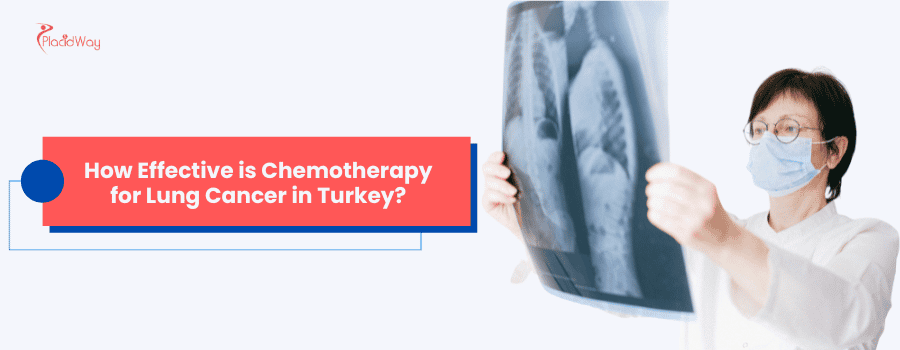
When families begin exploring international options for oncology care, a primary concern is understanding the treatment standards available abroad. Exploring chemotherapy for lung cancer in Turkey involves looking at how medical facilities structure their oncology departments, the types of medications they use, and how they manage complex cases. Over the last decade, many specialized hospitals in the region have updated their protocols to align with global medical guidelines, focusing on comprehensive, multidisciplinary cancer care.
Cancer treatment is a serious undertaking that requires careful planning, especially when traveling across borders. Choosing to pursue medical tourism in Turkey for oncology requires a clear understanding of the disease, realistic expectations about the treatment outcomes, and extensive coordination between international providers and your local healthcare team. Because lung cancer is a complex disease with multiple subtypes and stages, there is no single answer to how effective treatment will be for an individual patient. Effectiveness is measured by how well the medication controls tumor growth, alleviates symptoms, and improves quality of life.
Key Takeaways
- Treatment protocols generally follow established international oncology guidelines from recognized global organizations.
- The success of the treatment varies significantly based on the specific type of lung cancer and how early it is diagnosed.
- Multidisciplinary medical boards routinely review complex cases to determine the most appropriate drug combinations.
- Facilities frequently integrate chemotherapy with targeted therapy or immunotherapy for eligible patients.
- While costs are often lower than in North America, extensive pre-treatment testing and supportive care are required components.
What types of lung cancer are treated with chemotherapy in Turkey?
Non-small cell lung cancer (NSCLC) accounts for the vast majority of diagnoses. For this type, chemotherapy might be used at various stages. In earlier stages, it is sometimes administered before surgery to shrink the tumor, making it easier for the surgeon to remove. It may also be given after surgery to destroy any remaining microscopic cancer cells and reduce the risk of the cancer returning. In advanced stages, it serves as the primary treatment to manage symptoms and slow disease progression.
Small cell lung cancer (SCLC) is less common but tends to grow and spread much faster than NSCLC. Because of its aggressive nature, SCLC usually responds very well to chemotherapy initially. Medical teams often rely on systemic medications as the main line of defense for SCLC, sometimes combining it with radiation therapy. While the initial response rates are often high, this specific cell type has a significant tendency to recur, making close, long-term monitoring vital.
How do oncologists in Turkey determine the right chemotherapy regimen?
Before any medication is prescribed, patients undergo a thorough diagnostic workup. This typically involves CT scans, PET scans, and sometimes MRI imaging of the brain to accurately stage the cancer. Staging determines the extent of the disease and informs the doctor whether a localized or systemic treatment approach is needed. Additionally, a tissue biopsy is evaluated by a pathologist to identify the exact cellular makeup of the tumor.
Modern oncology relies heavily on molecular profiling. Tumor tissues are often tested for specific genetic mutations or protein expressions, such as EGFR, ALK, or PD-L1. If a multidisciplinary tumor board identifies these markers, they may adjust the traditional chemotherapy plan. The tumor board usually consists of medical oncologists, radiation oncologists, thoracic surgeons, and radiologists who collaborate to create a highly individualized treatment schedule.
Can chemotherapy cure lung cancer completely?
When discussing the effectiveness of treatment, it is critical to differentiate between curative intent and palliative intent. If lung cancer is detected in its earliest stages before it has spread beyond the lung, the primary treatment is usually surgical removal of the tumor. In these cases, adjuvant chemotherapy is administered after surgery to eliminate lingering unseen cancer cells, which can significantly improve long-term survival rates and reduce the likelihood of recurrence.
For patients with advanced or metastatic lung cancer, the goal of treatment shifts to palliation and disease control. At this stage, a complete cure is highly unlikely. However, effective medical management can control the growth of the cancer, relieve pain, ease breathing difficulties, and prolong life. Patients must have open, honest discussions with their medical team regarding the realistic goals of their specific treatment plan.
What are the common side effects experienced during treatment?
Because these drugs target rapidly dividing cells, they also affect healthy cells that divide quickly, such as those in the hair follicles, the lining of the digestive tract, and the bone marrow. This systemic action leads to well-known side effects. Patients often report significant fatigue that does not resolve with rest, changes in appetite, mouth sores, and varying degrees of hair loss depending on the specific drug combination used.
One of the most serious side effects is bone marrow suppression, which reduces the production of red blood cells, white blood cells, and platelets. A drop in white blood cells leaves the patient highly vulnerable to infections. To manage these risks, oncology centers routinely perform blood tests before every infusion cycle. If blood counts are too low, the treatment may be delayed. Doctors also prescribe anti-nausea medications and sometimes growth factors to help the bone marrow recover more quickly.
How is chemotherapy administered to patients traveling for care?
For most lung cancer regimens, the drugs are delivered directly into the bloodstream through an intravenous (IV) line. Because cancer treatment often requires multiple cycles over several months, inserting a standard IV for every session can damage peripheral veins. To prevent this, surgeons might place a port-a-cath or a PICC line. This small device is implanted under the skin, usually in the chest, allowing nurses to safely administer drugs and draw blood without repeatedly puncturing the arms.
Administration usually takes place in an outpatient infusion center, meaning the patient does not need to stay overnight in the hospital. An infusion session can last anywhere from one to several hours, depending on the number of drugs being given and the necessary pre-medications for nausea and hydration. During the infusion, patients rest in reclining chairs and are closely monitored by oncology nurses for any immediate allergic reactions or distress.
Are targeted therapies and immunotherapy combined with chemotherapy?
The landscape of lung cancer treatment has evolved significantly, and facilities aligned with modern standards utilize more than just traditional cytotoxic drugs. If molecular profiling reveals specific mutations, targeted therapy drugs may be used. These medications are designed to block the specific pathways that cancer cells use to grow and divide, often causing fewer side effects to healthy tissue compared to traditional systemic treatments.
Immunotherapy is another major advancement frequently integrated into treatment plans. These drugs work by stimulating the patient's own immune system to recognize and destroy cancer cells. Depending on the PD-L1 expression levels in the tumor, immunotherapy might be given alongside traditional infusions or used as a standalone treatment. The decision to combine these therapies requires careful medical evaluation, as it can alter both the effectiveness of the treatment and the profile of potential side effects.
How much does chemotherapy for lung cancer cost in Turkey?
Estimating the financial aspect of cancer care is challenging because it is not a single procedure with a fixed price. The total expense depends heavily on the specific pharmaceutical agents prescribed, the number of cycles required, and the duration of the treatment. Generic cytotoxic drugs are generally more affordable, whereas newer targeted therapies and immunotherapies can significantly increase the overall financial burden.
When reviewing potential costs, patients must account for the entire scope of medical care. A comprehensive estimate should include the initial oncology consultations, blood tests, diagnostic imaging (like CT and PET scans), the infusion facility fees, and the supportive medications required to manage side effects. It is vital to discuss potential unexpected costs with the facility, such as emergency hospitalizations if complications like severe infections arise during the treatment process.
| Treatment Component | Purpose in Care Plan |
|---|---|
| Initial Consultations & Scans | To establish accurate staging and baseline organ function. |
| Pathology & Genetic Testing | To determine cell type and suitability for targeted/immune therapies. |
| Chemotherapy Drugs | The active pharmaceutical agents used to attack cancer cells. |
| Facility & Infusion Fees | Covers the outpatient nursing care, IV equipment, and monitoring. |
| Supportive Medications | Anti-nausea drugs, hydration, and bone marrow stimulants. |
What should international patients expect from a chemotherapy clinic in Turkey?
International patients typically receive care in large, modern, multidisciplinary hospitals rather than small, isolated clinics. These facilities are designed to handle every aspect of cancer treatment under one roof, from the initial biopsy to radiation therapy and critical care. The infusion areas are usually designed for patient comfort, offering reclining chairs, privacy screens, and accommodations for a support person.
Navigation of the healthcare system is often facilitated by international patient coordination departments. These teams assist with translation services, appointment scheduling, and gathering medical records. Despite this support, patients must remain proactive in their care. It is crucial to ask detailed questions about the qualifications of the medical team, the hygiene standards of the infusion center, and the protocols in place for handling after-hours medical emergencies.
How long do patients typically need to stay in the country for a treatment cycle?
Chemotherapy is given in cycles, which consist of a treatment period followed by a rest period to allow the body to recover. A standard cycle might last three or four weeks. For international travelers, logistics can be complicated. It is generally not advisable to fly immediately after an infusion because the immune system becomes compromised and the risk of developing blood clots (deep vein thrombosis) during long flights increases significantly.
Many oncologists recommend that international patients stay in the country for the duration of at least the first full cycle to monitor how their body reacts to the drugs. During this time, the patient will need to visit the clinic regularly for blood tests. If severe side effects occur, being close to the treating hospital is vital for safety. Patients must budget for extended accommodation and living expenses when planning their medical travel.
What follow-up care is necessary after returning home?
Cancer care does not end when the infusion cycles are completed. After returning home, patients enter a surveillance phase to monitor for any signs of the cancer returning or progressing. This involves periodic CT or PET scans and routine physical examinations. Patients may also suffer from long-term side effects, such as peripheral neuropathy (numbness in the hands and feet) or chronic fatigue, which require ongoing management by local healthcare providers.
Continuity of care is a major challenge in medical tourism. Before leaving the destination country, patients must obtain comprehensive medical records, including detailed reports of the exact drugs and dosages administered, imaging files, and discharge summaries, all translated into their native language or English. Establishing a relationship with a local oncologist prior to traveling abroad is highly recommended, ensuring there is a qualified professional ready to take over routine care and handle any delayed complications.
Why Choose PlacidWay for Medical Tourism?
Navigating international healthcare options can be overwhelming. PlacidWay offers resources to help you gather information and make educated decisions regarding your medical care abroad.
- Global Connections: Connects patients with internationally recognized healthcare facilities and specialized oncology centers.
- Transparent Research: Provides detailed profiles of hospitals and clinics, allowing for thorough and independent research.
- Direct Estimates: Allows patients to request customized treatment estimates directly from international healthcare providers.
- Comparative Tools: Offers a centralized platform to compare different medical facilities and destinations based on factual data.
- Facilitated Communication: Helps establish the initial communication between patients and global healthcare coordination teams.
Frequently Asked Questions
How do I know if I am a candidate for chemotherapy in Turkey?
Candidacy depends on your specific diagnosis, the stage of the disease, your overall health, and your organ function. Oncologists require detailed medical records, recent biopsy results, and imaging scans to determine if you are healthy enough to undergo treatment and if the tumors are likely to respond to the medication.
Is the chemotherapy medication used in Turkey the same as in my home country?
Medical facilities in the country typically use internationally approved oncology drugs manufactured by major global pharmaceutical companies. The specific combinations and brands prescribed usually follow standard guidelines set by recognized organizations such as ESMO and ASCO.
Do Turkish oncology clinics offer PET scans for lung cancer staging?
Yes, comprehensive cancer centers generally have advanced diagnostic imaging departments equipped with PET-CT scanners. These scans are routinely used before, during, and after treatment to accurately stage the disease and measure how well the tumors are responding to the drugs.
How soon can I start treatment once I arrive?
The timeline varies based on your condition and the necessary preliminary testing. Typically, patients undergo a few days of consultations, blood work, and imaging to confirm the treatment plan before the first infusion is scheduled. It is highly individualized based on medical necessity.
Are language barriers a problem during cancer treatment in Turkey?
Many major hospitals that cater to international patients maintain dedicated international patient departments. These departments often provide interpreters and have medical staff who communicate in English, helping to ensure you understand your diagnosis, treatment plan, and medication instructions.
What happens if I experience a severe side effect while undergoing medical tourism in Turkey?
If complications arise, specialized oncology hospitals have emergency departments and intensive care units equipped to manage severe reactions like febrile neutropenia or severe dehydration. Patients are monitored closely, and treatment plans are adjusted if toxicity levels become too high.
Can I bring a family member to the infusion sessions?
Most facilities allow at least one adult family member or companion to sit with you during outpatient infusion sessions. Having a support person is encouraged to help you manage the emotional aspects of care and assist with any physical fatigue following the appointment.
Will my local health insurance cover chemotherapy abroad?
Coverage for medical procedures abroad depends entirely on your specific insurance policy. Many standard domestic policies do not cover planned international medical care, though some specialized international plans might. You should contact your insurance provider directly to understand your benefits.
Do clinics in Turkey provide second opinions for lung cancer?
Yes, many oncologists offer remote or in-person second opinions. Patients can send their pathology reports, genetic testing results, and imaging files to a clinic for review. A multidisciplinary tumor board may assess the case to confirm the diagnosis and suggest potential treatment pathways.
How do Turkish doctors handle my existing medical records?
International departments typically use secure digital portals to receive and store your medical history, imaging, and biopsy reports. Before your arrival, they review these documents to draft an initial plan, which is then updated with new data once you undergo physical evaluation at their facility.
Compare Treatment Options
Gather the facts you need to make an informed decision about your oncology care. Connect with international facilities and request detailed medical information.
Request Treatment InformationReferences
- Non-Small Cell Lung Cancer Treatment (PDQ) – National Cancer Institute (NCI)
- Chemotherapy for Non-Small Cell Lung Cancer – American Cancer Society
- Non-Small-Cell Lung Cancer Patient Guide – European Society for Medical Oncology (ESMO)
- Lung Cancer - Non-Small Cell: Types of Treatment – American Society of Clinical Oncology (ASCO)
- Medical Tourism: Travel for Medical Care – Centers for Disease Control and Prevention (CDC)
- Cancer Fact Sheet – World Health Organization (WHO)


















Share this listing