
What treatment


20+ Key FAQs on Cancer Treatment in Turkey
Questions About Cancer Treatment in Turkey? Start Here
Trusted Medical Tourism Platform Since 2007
Why is Turkey Considered a Leading Destination for Medical Tourism Cancer Treatment?
Turkey has emerged as a global leader in medical tourism for cancer treatment by offering a unique combination of world-class healthcare, advanced technology, and significantly lower costs compared to many Western countries. When facing a cancer diagnosis, exploring all possible treatment avenues is paramount. For many, this journey leads them to consider options beyond their home country's borders. In recent years, Turkey has solidified its reputation as a premier destination for medical tourism, particularly for complex specialties like oncology. But what exactly makes Turkey such a compelling choice for individuals seeking high-quality cancer treatment? It's a combination of factors, including access to cutting-edge therapies, highly skilled and internationally trained oncologists, state-of-the-art medical facilities, and a surprisingly affordable cost structure. This, coupled with a patient-centric approach and a welcoming environment for international visitors, has positioned Turkey at the forefront of global oncology care. For those navigating the complexities of a cancer diagnosis, understanding the benefits of seeking treatment in Turkey can be a crucial step toward making an informed and empowered decision about their healthcare journey. This guide will delve into the key aspects that make medical tourism in Turkey for cancer treatment an increasingly popular and viable option for patients worldwide. What are the primary reasons for Turkey's popularity in medical tourism for cancer treatment? Turkey's popularity stems from its provision of high-quality, affordable cancer care, featuring advanced medical technologies, internationally accredited hospitals, and experienced oncologists, often at a fraction of the cost found in Europe and the United States. The rise of Turkey as a hub for medical tourism, especially in the field of oncology, is no accident. It is the result of strategic investments in healthcare infrastructure, a focus on medical education, and a commitment to meeting international standards. Patients from across the globe are drawn to Turkey for a multitude of reasons that extend beyond just cost savings. Firstly, the quality of care is a significant driver. Many Turkish hospitals are accredited by international organizations like the Joint Commission International (JCI), which signifies a commitment to the highest standards of patient safety and care. This external validation provides a level of trust and assurance for international patients. Secondly, the technological advancements available in Turkish cancer centers are on par with, and sometimes exceed, those in other developed nations. From the latest in radiation therapy to robotic surgery, patients have access to a wide array of innovative treatment options. Lastly, the holistic patient experience, which often includes comprehensive packages covering treatment, accommodation, and translation services, makes the process of seeking medical care abroad much more manageable and less stressful. How does the cost of cancer treatment in Turkey compare to other countries? The cost of cancer treatment in Turkey is substantially lower than in many Western countries, with potential savings of 50-70%. For example, a chemotherapy cycle that might cost over $10,000 in the U.S. could be in the range of $1,000-$6,000 in Turkey. One of the most significant advantages of choosing Turkey for cancer treatment is the considerable cost savings. This affordability does not come at the expense of quality. The lower prices are primarily due to the country's lower cost of living, favorable exchange rates for foreign currencies, and government support for the medical tourism sector. To put it into perspective, complex surgical procedures, extensive courses of radiotherapy, and cycles of chemotherapy can be priced significantly lower than in the United States, the United Kingdom, and other European nations. This financial accessibility allows patients to receive top-tier medical care without the overwhelming financial burden that often accompanies a cancer diagnosis. Many hospitals also offer transparent, all-inclusive packages that cover the entire treatment journey, from initial consultations to post-treatment follow-ups, providing clarity and peace of mind. Treatment Estimated Cost in Turkey Estimated Cost in the US Chemotherapy (per cycle) $1,000 - $6,000 $10,000 - $30,000+ Radiotherapy (full course) $8,000 - $20,000 $50,000 - $100,000+ Bone Marrow Transplant $35,000 - $100,000 $300,000 - $800,000+ What types of advanced cancer treatments are available in Turkey? Turkish cancer centers offer a comprehensive range of advanced treatments, including chemotherapy, radiotherapy, immunotherapy, targeted therapy, robotic surgery, and proton therapy, ensuring patients have access to the latest innovations in oncology. Turkish hospitals are equipped with some of the most advanced medical technologies for diagnosing and treating cancer. This commitment to innovation means that international patients can access a wide spectrum of cutting-edge therapies. The availability of these treatments allows for highly personalized and effective cancer care. Radiotherapy Technologies: Many Turkish hospitals are equipped with state-of-the-art radiotherapy devices like CyberKnife, Gamma Knife, and TrueBeam, which deliver highly precise radiation to tumors, minimizing damage to surrounding healthy tissues. Surgical Oncology: The use of robotic surgery, particularly the da Vinci surgical system, is widespread in Turkey. This minimally invasive approach leads to smaller incisions, less pain, and faster recovery times for patients undergoing cancer surgery. Medical Oncology: Patients in Turkey have access to the latest chemotherapy protocols, as well as newer treatments like immunotherapy, which harnesses the body's own immune system to fight cancer, and targeted therapy, which uses drugs that specifically target cancer cells with minimal side effects. Are Turkish oncologists and medical staff experienced and well-qualified? Yes, Turkish oncologists are highly experienced and often internationally trained, with many having studied and worked in leading medical institutions in Europe and the United States. They are known for their expertise in complex cancer cases. The expertise of the medical professionals is a cornerstone of Turkey's success in oncology tourism. A significant number of Turkish doctors, particularly specialists in oncology, have received their education and training from renowned universities and hospitals in the United States and Europe. This international exposure ensures that they are well-versed in the latest global treatment protocols and research. Furthermore, many Turkish oncologists are active members of international oncology societies and regularly participate in global conferences and collaborations. This continuous engagement with the international medical community keeps them at the forefront of their field. The multidisciplinary approach to cancer care in Turkish hospitals, where teams of surgeons, oncologists, radiologists, and pathologists work together, ensures that each patient receives a comprehensive and well-coordinated treatment plan. What is the quality of cancer hospitals and medical facilities in Turkey? The quality of cancer hospitals in Turkey is exceptionally high, with many facilities boasting JCI (Joint Commission International) accreditation, modern infrastructure, and the latest medical technologies, rivaling top hospitals worldwide. The healthcare infrastructure in Turkey has undergone a massive transformation in recent decades. The country is now home to a network of modern, well-equipped hospitals that are designed to cater to the needs of international patients. These facilities are often housed in state-of-the-art buildings with comfortable patient rooms and a welcoming atmosphere. The presence of numerous JCI-accredited hospitals is a testament to the commitment to quality and patient safety. This accreditation is considered the gold standard in global healthcare and involves a rigorous evaluation of a hospital's performance in areas such as patient care, medication management, and infection control. For international patients, choosing a JCI-accredited hospital in Turkey provides an added layer of confidence in the quality of care they will receive. What is the process for an international patient to receive cancer treatment in Turkey? The process is streamlined for international patients, typically starting with an online consultation and medical record review, followed by assistance with travel arrangements, visa support, and the assignment of a dedicated international patient coordinator. Turkish hospitals have well-established international patient departments dedicated to making the process as smooth as possible. The journey usually begins with the patient or their representative contacting the hospital and providing their medical records for a second opinion and a proposed treatment plan. This initial consultation is often free of charge. Once a decision is made, the international patient services team assists with every step of the process, including: Scheduling appointments Providing cost estimates Assisting with visa applications Arranging airport transfers and accommodation Providing interpretation services in various languages This comprehensive support system alleviates much of the logistical burden on patients and their families, allowing them to focus on their treatment and recovery. How are the success rates for cancer treatment in Turkey? Success rates for cancer treatment in Turkey are comparable to those in other developed countries, with some reports indicating success rates exceeding 80% due to the use of advanced technologies and early detection programs. While success rates can vary depending on the type and stage of cancer, the outcomes for cancer treatment in Turkey are generally on par with international benchmarks. The combination of experienced oncologists, advanced technology, and adherence to international treatment protocols contributes to these positive results. Turkish hospitals place a strong emphasis on early diagnosis and personalized treatment plans, which are crucial factors in improving cancer survival rates. The multidisciplinary team approach ensures that each patient's case is thoroughly reviewed to determine the most effective course of treatment. This comprehensive and individualized approach to care plays a significant role in achieving favorable outcomes for patients. What support services are available for international patients and their families? Hospitals in Turkey offer comprehensive support services for international patients, including dedicated patient coordinators, multilingual staff, assistance with accommodation and travel, and psychological support to ensure a comfortable experience. Recognizing the challenges of seeking medical care in a foreign country, Turkish hospitals go to great lengths to provide a supportive and comfortable environment for international patients and their families. The international patient departments act as a single point of contact, providing continuous support throughout the treatment journey. Services often include: Language Interpretation: Professional interpreters are available to facilitate clear communication between patients and their medical team. Accommodation: Assistance with booking hotels or furnished apartments near the hospital. Transportation: Airport and hotel transfers are often arranged by the hospital. Cultural and Emotional Support: The staff is trained to be sensitive to the cultural and emotional needs of patients from diverse backgrounds. Are there language barriers for international patients seeking treatment in Turkey? Language barriers are generally not an issue, as major hospitals in Turkey have multilingual staff and provide professional interpretation services in numerous languages to facilitate clear communication between patients and their healthcare providers. The medical tourism industry in Turkey is well-prepared to cater to an international clientele. Most major hospitals have staff who are fluent in English and other major languages. For languages that are less common, professional medical interpretation services are readily available. This commitment to overcoming language barriers ensures that patients can fully understand their diagnosis, treatment options, and care plan. Clear and effective communication is a priority, fostering a sense of trust and confidence between the patient and their medical team. How does the quality of life for a medical tourist in Turkey during treatment? Medical tourists in Turkey can experience a high quality of life during their treatment, with access to comfortable accommodations, a rich cultural heritage for exploration during recovery periods, and a welcoming and hospitable environment. Beyond the hospital walls, Turkey offers a unique and enriching experience for medical tourists. Many patients find that the opportunity to be in a new and culturally rich environment can be a positive distraction during their treatment. The country's famous hospitality, delicious cuisine, and historical sites can provide a welcome respite for patients and their families. The affordability of daily living in Turkey also contributes to a higher quality of life. Patients and their companions can enjoy comfortable accommodations, dine at excellent restaurants, and explore local attractions without the financial strain they might experience in other countries. This combination of world-class medical care and a pleasant environment can contribute to a more positive and less stressful treatment journey. Is it safe to travel to Turkey for medical treatment? Yes, it is generally safe to travel to Turkey for medical treatment. The country has a well-developed tourism infrastructure, and major cities with leading hospitals are accustomed to welcoming international visitors, ensuring a secure and comfortable stay. Turkey is a major tourist destination, and its cities are accustomed to welcoming millions of international visitors each year. The medical tourism sector, in particular, is highly regulated, and hospitals prioritize the safety and well-being of their international patients. From secure hospital environments to reliable transportation and accommodation options, the necessary infrastructure is in place to ensure a safe and comfortable experience. Of course, as with travel to any foreign country, it is always advisable to take standard precautions and stay informed about the local environment. However, the overall feedback from medical tourists in Turkey is overwhelmingly positive regarding their safety and the quality of their experience. How quickly can I get an appointment for cancer treatment in Turkey? One of the significant advantages of the Turkish healthcare system is the short waiting times. International patients can typically get an appointment for a consultation and start their treatment within a matter of days or a few weeks. In many countries, patients can face long waiting lists for specialist consultations and cancer treatments. This is not the case in Turkey. The private healthcare sector is highly efficient, and hospitals are well-equipped to handle a large volume of patients without compromising the quality of care. This rapid access to treatment can be crucial in cancer care, where timely intervention can significantly impact outcomes. The streamlined process for international patients, facilitated by dedicated support teams, further contributes to the speed at which treatment can begin. This efficiency is a major draw for patients who want to start their treatment as soon as possible. Does Turkish healthcare offer personalized cancer treatment plans? Yes, a cornerstone of cancer care in Turkey is the development of personalized treatment plans. Multidisciplinary teams of specialists collaborate to create a tailored treatment strategy for each patient based on their specific cancer type, stage, and overall health. The "one-size-fits-all" approach to cancer treatment is a thing of the past. In Turkey, leading cancer centers embrace the concept of personalized medicine. This involves a comprehensive evaluation of the patient's unique medical situation, including genetic testing of the tumor in some cases, to determine the most effective treatment approach. The multidisciplinary tumor boards, where specialists from various fields come together to discuss each patient's case, are central to this process. This collaborative approach ensures that all possible treatment options are considered and that the final treatment plan is optimized for the best possible outcome. To explore your options for cancer treatment and other healthcare services in Turkey, explore PlacidWay for solutions related to medical tourism and healthcare services. ...
Read more details

Who is a good candidate for Bone Marrow Transplant in Turkey?
A good candidate for a bone marrow transplant in Turkey is typically someone with blood cancer or a marrow disorder who has stable organ function, is in good overall physical condition, and can withstand intensive conditioning treatments. Undergoing a stem cell or bone marrow transplant is one of the most physically demanding medical treatments available today. For patients considering specialized medical care abroad, understanding whether they meet the necessary physical and medical criteria is the vital first step. Candidacy is not solely based on the type of illness a person has, but rather a complex combination of disease stage, biological age, and overall physical endurance. Because the procedure requires destroying the patient's existing immune system before introducing new, healthy stem cells, specialized medical teams conduct rigorous evaluations. These assessments help ensure that the potential benefits of the treatment outweigh the significant risks involved. Key Takeaways Eligibility relies heavily on the specific type of blood or immune disorder and its current state of remission. Major organ health, particularly the heart, lungs, liver, and kidneys, must be strong enough to handle intensive chemotherapy or radiation. Extensive pre-transplant testing is mandatory for all patients to clear them for the procedure. Biological age and general fitness level (performance status) are often more critical than chronological age alone. Individualized assessments by a specialized hematology and transplant team are always required to determine true candidacy. What conditions are typically treated with a bone marrow transplant? This procedure is generally considered for patients diagnosed with severe blood cancers, bone marrow failure syndromes, or certain genetic immune disorders that affect cell production. The primary reason a hematologist may recommend this treatment is to replace diseased or malfunctioning bone marrow with healthy stem cells. It is most commonly discussed as a treatment pathway for patients battling acute leukemias (such as AML and ALL), Hodgkin and Non-Hodgkin lymphomas, and multiple myeloma. Beyond cancers, the procedure can also be an option for severe non-malignant conditions. Patients with severe aplastic anemia (where the marrow stops producing new blood cells), sickle cell anemia, and thalassemia may be candidates. Additionally, certain rare genetic metabolic and immune system disorders, such as severe combined immunodeficiency (SCID), are often treated this way. It is important to understand that having one of these conditions does not automatically make someone a candidate. The medical team will carefully evaluate how the disease has progressed and whether it has responded to standard frontline treatments like standard chemotherapy. How does a patient's age and general health affect candidacy? While there is no strict upper age limit, a candidate's overall physical fitness and biological age are crucial in determining if they can tolerate the demanding treatment process. Historically, bone marrow transplants were rarely offered to patients over the age of 50 due to the immense physical toll of the high-dose conditioning treatments. However, advances in medical protocols—specifically the development of Reduced Intensity Conditioning (RIC) or "mini-transplants"—have broadened candidacy guidelines. Today, medical professionals focus more on a patient's "performance status" than their date of birth. This status measures how well a patient can carry out daily activities and manage self-care without assistance. A biologically fit patient in their late 60s who leads an active lifestyle and has no major organ dysfunction may be a much better candidate than a frail patient in their 40s with significant co-morbidities. What medical tests are required to confirm eligibility in Turkey? Before approval, patients must undergo a comprehensive evaluation including blood tests, imaging, and organ function tests to ensure their body can handle the transplant. When you visit a bone marrow transplant clinic in Turkey for an evaluation, the medical team will put you through a rigorous series of diagnostic tests. This pre-transplant workup is designed to uncover any hidden health issues that could become life-threatening when the immune system is suppressed. Common assessments during this phase include: Cardiac evaluation: Electrocardiograms (ECG) and echocardiograms check the heart's pumping strength, as conditioning drugs can be taxing on the heart muscle. Pulmonary function tests (PFTs): These measure lung capacity and oxygen transfer efficiency. Renal and hepatic panels: Detailed blood and urine tests evaluate how well the liver and kidneys filter toxins, which is vital for processing high-dose chemotherapy. Infectious disease screening: Checking for latent viruses such as Hepatitis B and C, HIV, and Cytomegalovirus (CMV). Dental clearance: A thorough dental exam is necessary to ensure there are no hidden oral infections that could spread during periods of low immunity. What is the difference between autologous and allogeneic candidates? Autologous candidates use their own healthy stem cells for the procedure, whereas allogeneic candidates require a matched donor because their own bone marrow is diseased or failing. Candidacy looks very different depending on the type of transplant required. Autologous transplants are often recommended for conditions like multiple myeloma or certain lymphomas. To be a candidate for this, the patient’s own bone marrow must be healthy enough—and free enough of cancer cells—to be safely collected, frozen, and re-infused after chemotherapy. The primary advantage here is that there is no risk of the body rejecting its own cells. Allogeneic transplants, however, are typically needed for leukemias and bone marrow failure diseases where the patient's own cells cannot be used. Candidacy for an allogeneic procedure is highly dependent on finding a suitable donor. Furthermore, allogeneic candidates must be prepared for the risks associated with Graft-Versus-Host Disease (GVHD), a condition where the newly transplanted donor cells attack the patient's healthy tissues. Who is usually not considered a suitable candidate for this procedure? Individuals with severe dysfunction of major organs, active uncontrolled infections, or diseases that do not respond to initial therapies are often not viable candidates. Because the preparatory regimen for a transplant is exceptionally harsh, certain medical realities can disqualify a patient. If the pre-transplant evaluations reveal severe congestive heart failure, advanced chronic obstructive pulmonary disease (COMD), or significant liver cirrhosis, the risks of the treatment usually outweigh the potential benefits. Additionally, patients who have active, uncontrolled bacterial, viral, or fungal infections cannot safely proceed until the infection is resolved. Another major barrier to candidacy is refractory disease—meaning the cancer continues to grow and spread despite standard chemotherapy. In most protocols, the disease must be suppressed or in remission for a transplant to have a reasonable chance of being effective. How do medical teams match donors for allogeneic candidates? Candidates needing an allogeneic transplant must find a donor whose human leukocyte antigens closely match their own to reduce the risk of graft-versus-host disease. For those requiring an allogeneic procedure, establishing candidacy involves genetic typing. Doctors look at Human Leukocyte Antigens (HLA), which are specific proteins found on the surface of most cells in the body. The closer the HLA match between the patient and the donor, the lower the risk of severe immune complications post-transplant. A full sibling with the same parents offers the best chance of a perfect HLA match (usually a 1 in 4 chance). If a sibling is not a match, the medical team will search international registries for an unrelated matched donor. If neither option is available, specialized clinics may consider a haploidentical transplant, which uses cells from a half-matched donor, typically a parent or a child. What role does the stage of the disease play in determining candidacy? The timing of the procedure is critical, as candidates generally have better outcomes if the transplant is performed while their disease is in remission rather than during an active relapse. The phrase "timing is everything" strongly applies to stem cell transplants. Patients are generally considered better candidates when their disease burden is as low as possible. This is usually achieved through induction chemotherapy aimed at forcing the disease into complete or partial remission. Attempting a transplant when a patient is heavily burdened with active cancer cells significantly increases the likelihood of the disease returning (relapsing) shortly after the procedure. Therefore, part of determining candidacy involves assessing whether the patient's current disease state provides a viable window of opportunity for the transplant to succeed. How do pre-existing conditions impact a candidate's eligibility? Pre-existing conditions such as diabetes, heart disease, or chronic kidney issues can complicate the procedure and may disqualify a patient if they are not well-managed. Comorbidities—health issues that exist alongside the primary diagnosis—play a major role in a medical team's decision-making process. The conditioning regimen involves toxic medications that can exacerbate existing health problems. For instance, poorly managed diabetes can complicate healing and increase infection risks, while chronic hypertension can place extra stress on a heart already taxed by chemotherapy. If a patient has pre-existing conditions, the medical team will attempt to optimize their health before making a final decision on candidacy. This might involve adjusting medications, improving nutritional intake, or requiring the patient to undergo physical therapy to build strength. What is the estimated bone marrow transplant cost in Turkey for eligible candidates? The estimated bone marrow transplant cost in Turkey typically ranges between $40,000 and $80,000, depending heavily on the transplant type, required hospital stay, and individual medical needs. Understanding the financial implications is a key part of the planning process. While the exact bone marrow transplant cost in Turkey varies from patient to patient, autologous procedures are generally on the lower end of the spectrum. This is because they do not require donor search fees, donor testing, or prolonged immunosuppressive therapies to prevent rejection. Allogeneic transplants naturally incur higher expenses due to the complexity of donor matching, cell harvesting, and the potential for a longer hospital stay in specialized isolation rooms. It is crucial for candidates to discuss all potential costs, including the pre-transplant evaluation, potential post-transplant ICU stays, and outpatient medications, directly with their chosen facility to get an accurate, individualized estimate. How can international candidates prepare for medical tourism in Turkey? Candidates traveling for treatment must plan for an extended stay, coordinate their medical records, and arrange for a dedicated caregiver to support them during recovery. Pursuing medical tourism in Turkey for a treatment as complex as a stem cell transplant requires extensive logistical preparation. Candidates cannot undergo the procedure and immediately fly home. Recovery involves a fragile period where the immune system is slowly rebuilding itself. Patients should be prepared to secure local accommodation for at least two to three months following discharge from the hospital. During this outpatient phase, frequent visits to the clinic are necessary for blood draws, transfusions, and medication adjustments. Additionally, treatment protocols universally require the patient to have a dedicated, responsible caregiver—usually a family member—present 24/7 to monitor for fevers, manage medications, and handle daily domestic tasks in a sterile environment. Why Choose PlacidWay for Medical Tourism in Turkey? Navigating international healthcare options can be overwhelming, especially when planning for complex medical care. PlacidWay serves as a global medical resource to help patients access information efficiently. Broad Network Access: PlacidWay connects patients with internationally accredited medical centers and specialized hematology departments. Provider Information: The platform allows users to review the profiles, specialties, and credentials of various healthcare professionals in one place. Direct Communication: Patients can use the platform to facilitate direct communication with clinic representatives to ask specific medical questions. Cost Transparency: PlacidWay helps patients obtain initial estimates and compare the costs of different medical procedures across multiple facilities. Informed Decision-Making: By consolidating global healthcare options, the platform assists patients in exploring facilities that align with their specific health needs and budgets. Frequently Asked Questions (FAQs) 1. Can a child be a candidate for a bone marrow transplant in Turkey? Yes, children can be candidates for pediatric bone marrow transplants. Pediatric hematologists evaluate children for conditions like leukemia, severe combined immunodeficiency (SCID), and sickle cell disease, adjusting conditioning regimens specifically for their developing bodies. 2. Is prior successful chemotherapy required to be a candidate? In many cases, patients need to undergo initial chemotherapy or radiation to bring their underlying disease into remission before a transplant can be performed. Active, uncontrolled disease often lowers the chances of a successful transplant. 3. How long does the medical evaluation process take? The pre-transplant evaluation typically takes one to three weeks. It involves coordinating numerous specialist appointments, blood draws, imaging scans, and organ function tests to ensure the patient is physically prepared for the procedure. 4. Do international candidates need to bring their own donor to Turkey? While bringing a fully matched sibling donor is highly beneficial and often simplifies the process, it is not strictly required. Many specialized clinics have access to international bone marrow registries to help find unrelated matched donors. 5. Can patients with HIV qualify for a bone marrow transplant? A well-controlled HIV infection is not always an absolute barrier to a bone marrow transplant. Candidacy depends on the patient's viral load, CD4 count, and overall health, and requires evaluation by a highly specialized multidisciplinary team. 6. Are there specific dietary requirements for transplant candidates? Yes. Candidates are often placed on a neutropenic (low-microbial) diet before and after the procedure to minimize the risk of foodborne infections, as their immune systems will be severely compromised during treatment. 7. What happens if an allogeneic candidate cannot find a 100% matched donor? If a perfect match is unavailable, medical teams may consider a haploidentical (half-matched) transplant, usually from a parent or child, or explore the use of umbilical cord blood, depending on the patient's specific medical situation. 8. Will I need to stop taking my current medications before the transplant? Patients may need to pause or adjust certain medications, especially blood thinners or immunosuppressants. However, this must only be done under the direct supervision of the transplant team during the evaluation phase. 9. Can a patient receive a second transplant if the first one fails? In some specific scenarios, a second transplant may be considered if the first graft fails or the disease relapses. This depends heavily on how well the patient recovered from the first procedure and their current physical endurance. 10. How soon can a successful candidate return home after treatment? International patients are typically advised to remain close to the clinic for 2 to 3 months after hospital discharge. This allows the medical team to monitor blood counts closely and manage any immediate post-transplant complications before the patient travels home. Ready to Explore Your Treatment Options? Connect with medical professionals to review your medical history and determine if this treatment pathway is appropriate for your specific health needs. Request Treatment Information References Who Needs a Transplant – Be The Match (National Marrow Donor Program) Stem Cell Transplantation – The Leukemia & Lymphoma Society Why Stem Cell Transplants Are Used – American Cancer Society Stem Cell Transplants in Cancer Treatment – National Cancer Institute Bone Marrow Transplant Overview & Risks – Mayo Clinic Bone Marrow Transplant Medical Encyclopedia – MedlinePlus (National Institutes of Health) Are You a Candidate for Transplant? – Blood & Marrow Transplant Information Network Global Observatory on Donation and Transplantation – World Health Organization Medical Disclaimer: The information provided in this article is for educational and informational purposes only and should not be construed as professional medical advice, diagnosis, or treatment. Medical conditions, treatment requirements, risks, and post-transplant recovery vary significantly from patient to patient. Always consult with a qualified, board-certified hematologist or healthcare professional to determine if you are an appropriate candidate for a stem cell or bone marrow transplant....
Read more details
Is Turkey a Good Place for Cancer Treatment?
Turkey has become a prominent destination for oncology care due to its modern facilities, multidisciplinary medical teams, and advanced technologies. However, traveling for cancer treatment requires careful medical evaluation and planning. When patients receive an oncology diagnosis, finding timely, effective, and accessible care becomes the primary focus. For many, exploring cancer treatment in Turkey has become a viable consideration. The country has developed a robust healthcare infrastructure over the past decade, attracting individuals from across the globe seeking various therapies. However, cancer is a complex and highly individualized disease. Deciding to travel internationally for oncology care involves balancing potential benefits against the physical toll of travel, the logistical challenges of living abroad during treatment, and the absolute necessity of ongoing local aftercare. This comprehensive guide explores what patients need to know when considering this significant health decision. Key Takeaways Many Turkish hospitals hold international accreditations (like JCI) and utilize modern oncology technologies. Treatment plans typically involve multidisciplinary tumor boards, combining medical, surgical, and radiation oncology. International travel while immunocompromised carries inherent risks and requires prior clearance from a local doctor. Arranging continuity of care with an oncologist in your home country is essential for managing aftercare and potential complications. Pricing varies significantly based on the cancer stage, required therapies, and length of stay. 1. Why do international patients seek oncology care in Turkey? Many international patients choose Turkey for its combination of internationally accredited medical facilities, experienced oncology specialists, and access to modern therapeutic options. The healthcare system in Turkey has seen substantial investment, particularly in specialized fields like oncology. Patients frequently travel from regions where specialized therapies may have long wait times, limited availability, or exceptionally high domestic costs. Turkish medical centers often provide a comprehensive approach, housing diagnostics, surgery, and rehabilitation under one roof. Furthermore, many leading physicians in Turkey have completed fellowships or training programs in Europe or North America. This cross-border exchange of medical knowledge helps align local practices with international oncology standards. However, it is important to remember that the availability of these resources does not guarantee a cure, as outcomes depend entirely on the individual's specific pathology and response to treatment. 2. What therapies are available for cancer treatment in Turkey? Facilities in Turkey typically offer a comprehensive range of therapies, including systemic chemotherapy, targeted therapy, immunotherapy, advanced radiation therapy, and surgical oncology. Modern oncology relies on a combination of treatments tailored to the specific characteristics of a tumor. Hospitals catering to international patients generally provide: Medical Oncology: Including traditional chemotherapy, hormone therapies, and newer immunotherapies that help the body's immune system recognize and attack malignant cells. Radiation Oncology: Utilizing external beam radiation, brachytherapy (internal radiation), and stereotactic radiosurgery. Surgical Oncology: Ranging from traditional open surgeries to minimally invasive laparoscopic and robotic-assisted tumor resections. Nuclear Medicine: Using radioactive substances for both targeted diagnostics (like PET scans) and specific internal therapies. Expert Insight: Eligibility for specific therapies like immunotherapy or targeted drugs requires detailed molecular profiling of the tumor. Not all patients or tumor types will respond to these advanced options. 3. How do standards at a cancer treatment clinic in Turkey compare globally? Many prominent oncology centers in Turkey maintain international healthcare accreditations and adhere to global oncology guidelines, such as those published by ESMO or ASCO. When selecting a cancer treatment clinic in Turkey, accreditation is a primary marker of facility standards. Numerous hospitals in cities like Istanbul and Ankara are accredited by the Joint Commission International (JCI). This accreditation indicates that a facility undergoes rigorous, independent evaluations regarding patient safety, infection control, and quality of care. Additionally, medical teams at these institutions typically follow standardized clinical pathways developed by international oncology bodies. This means the protocols used for staging and treating a malignancy often closely mirror those used in Western Europe or the United States. Patients should always verify a hospital's specific credentials and ask the medical team which clinical guidelines they follow for treatment planning. 4. What should you know about the cancer treatment cost in Turkey? While pricing is often more accessible than in North America, the total expense depends heavily on the specific diagnosis, required therapies, and the total duration of care. The cancer treatment cost in Turkey is a significant factor for many travelers. Because the cost of living and operational medical expenses are lower than in many Western nations, hospitals can often provide services at a reduced price point. However, oncology care is inherently unpredictable. Initial estimates can change rapidly if a patient requires a longer hospital stay, experiences side effects, or needs additional cycles of medication. When evaluating costs, patients must budget for more than just the medical procedures. A realistic financial plan must include: Initial consultations, biopsies, and restaging scans (PET-CT, MRI). The therapies themselves (surgery, radiation, or ongoing systemic drugs). Medications for managing side effects (anti-nausea drugs, pain management). Long-term accommodation, as treatments like radiation can require daily visits for several weeks. Round-trip airfare, specialized medical transport if needed, and living expenses for a companion. 5. Are advanced oncology technologies used by Turkish medical teams? Yes, numerous oncology centers in Turkey utilize advanced diagnostic and therapeutic technologies, including PET-CT imaging, robotic surgery systems, and precise linear accelerators. Access to modern medical equipment is crucial for accurate staging and targeted therapy. Turkish hospitals that cater to international patients heavily invest in such technologies. For diagnostics, PET-CT and 3 Tesla MRIs are frequently used to map the exact location and spread of malignant cells. Genomic sequencing is also utilized in pathology labs to identify tumor mutations. In radiation oncology, devices like TrueBeam, CyberKnife, and Gamma Knife are commonly available. These technologies allow radiation oncologists to deliver high doses of radiation directly to a tumor while attempting to minimize damage to surrounding healthy tissue. While these tools represent modern standards of care, their application and effectiveness vary significantly depending on the patient's unique anatomy and disease stage. 6. Is it safe for oncology patients to travel internationally? Travel safety for cancer patients depends entirely on their current health status, immune function, and the physical toll of their specific disease and prior treatments. International travel adds a layer of physical and emotional stress that must not be underestimated. Patients undergoing chemotherapy or radiation often experience compromised immune systems, making them highly susceptible to infections encountered in airports, on airplanes, or in unfamiliar environments. Furthermore, active malignancies and certain treatments increase the risk of deep vein thrombosis (DVT) or blood clots, a risk that is exacerbated by long flights. Before making any travel arrangements, a patient must consult their local oncologist. The local physician needs to assess blood counts, fatigue levels, and overall fitness to fly. In some cases, a patient's condition may be too fragile for travel, and staying close to home for care is the only medically responsible option. 7. How does medical tourism in Turkey impact patient support services? The established infrastructure for international healthcare means many hospitals have dedicated departments to assist foreign patients with language translation and medical coordination. The rise of medical tourism in Turkey has led to the development of robust International Patient Centers within major hospitals. These departments exist specifically to bridge the gap between foreign patients and the medical staff. Their role typically involves gathering initial medical records, scheduling multidisciplinary consultations, and explaining hospital protocols. This infrastructure aims to reduce the logistical friction of receiving care abroad. However, patients should remain actively involved in their care coordination. Do not rely solely on administrative staff for medical understanding; always ensure you have direct communication with your attending physicians regarding your treatment plan and risks. Phase of International Care Typical Patient Responsibilities 1. Initial Inquiry Collecting translated medical records, pathology slides, and recent imaging to send for a remote consultation. 2. Travel & Assessment Obtaining local medical clearance to fly, traveling, and undergoing in-person restaging upon arrival. 3. Active Treatment Attending scheduled therapies, managing side effects, and maintaining nutrition and rest. 4. Post-Treatment Transition Securing translated discharge summaries and detailed follow-up protocols before flying home. 8. What role do multidisciplinary tumor boards play in treatment planning? Tumor boards are collaborative teams of specialists who meet to discuss complex oncology cases and recommend evidence-based, personalized treatment plans. A hallmark of comprehensive oncology care is the use of multidisciplinary tumor boards. In reputable Turkish hospitals, a single doctor does not make treatment decisions in isolation. Instead, a panel consisting of medical oncologists, radiation oncologists, surgical oncologists, radiologists, and pathologists reviews the patient's case. This collaborative approach ensures that all potential therapeutic avenues are considered. For instance, the board may discuss whether a tumor should be shrunk with chemotherapy before surgery, or if targeted radiation is a better first step. Patients traveling abroad should ask if their case will be reviewed by a formal tumor board prior to finalizing any treatment strategy. 9. How is language and communication managed for foreign patients? Major hospitals serving international patients typically provide in-house interpreters and translated medical documents to ensure clear communication. Informed consent is the foundation of medical ethics. Patients must thoroughly understand their diagnosis, proposed treatments, potential side effects, and long-term prognosis. Recognizing this, Turkish medical centers that frequently treat foreign nationals employ full-time medical interpreters who specialize in healthcare terminology. These interpreters accompany patients during doctor consultations, diagnostic tests, and treatment sessions. Additionally, crucial medical documents, including consent forms and final discharge summaries, are typically provided in the patient's native language or in English. If you ever feel you do not fully understand a medical explanation due to a language barrier, it is your right and responsibility to pause the process until clarity is achieved. 10. What aftercare and local follow-up are necessary upon returning home? Ongoing monitoring, follow-up scans, and management of late side effects are crucial, requiring a seamless handover between your overseas medical team and your local oncologist. Cancer care does not end when a patient completes their primary therapy and boards a flight home. Long-term surveillance is necessary to monitor for potential recurrence and to manage lingering side effects of treatment, such as neuropathy, fatigue, or radiation-induced tissue changes. Therefore, establishing a relationship with a local oncologist in your home country *before* you travel is arguably the most important step in the medical tourism process. Before leaving Turkey, patients must ensure they receive a comprehensive medical dossier. This should include surgical reports, detailed pathology findings, exact dosages of radiation delivered, and the specific names and cycles of any pharmacological drugs administered. Your local physician will need this precise data to safely resume your care, order appropriate follow-up scans, and intervene if complications arise. Why Choose PlacidWay for Medical Tourism in Turkey? Navigating international healthcare options can be complex, especially when dealing with an oncology diagnosis. PlacidWay serves as an informational resource to help patients research their options abroad. Here is how the platform assists patients: Facility Information: PlacidWay provides access to profiles of various medical centers, detailing their specialties and technologies. Accreditation Visibility: The platform highlights clinics that hold recognitions such as Joint Commission International (JCI) accreditation. Direct Communication: Patients can use the platform to connect with international patient departments to ask preliminary medical questions. Cost Comparisons: PlacidWay allows users to request initial estimates from multiple facilities, helping them understand potential financial requirements. Educational Focus: The platform emphasizes sharing comprehensive healthcare information, allowing patients and their local doctors to make informed, independent decisions. Frequently Asked Questions (FAQs) How long do I need to stay in Turkey for cancer treatment? The required length of stay varies widely based on your specific diagnosis and the type of therapy. Surgical oncology may require a few weeks for recovery, while radiation or chemotherapy cycles can necessitate staying for several months. Your medical team will provide an estimated timeline during the consultation. Can I receive immunotherapy in Istanbul or Ankara? Yes, many major hospitals in cities like Istanbul, Ankara, and Izmir offer immunotherapy. However, availability depends on whether the specific drug is approved for your tumor type and if your medical history makes you a suitable candidate. Will my local health insurance cover oncology care in Turkey? Most domestic health insurance plans do not cover medical care received overseas. You will likely need to pay out-of-pocket, though some specialized international medical insurance policies may offer partial coverage. Always check with your provider beforehand. Are targeted therapies available for international patients in Turkey? Targeted therapies are available at many major oncology centers. Eligibility is typically determined through genomic testing or molecular profiling of the tumor to identify specific mutations that the drugs can target. Do I need a medical visa to travel to Turkey for cancer care? Visa requirements depend on your nationality. Many patients enter on a standard tourist visa, while others may apply for a specific medical visa. It is essential to check the official Turkish Ministry of Foreign Affairs guidelines for your country. How are medical records transferred between my home country and Turkey? Medical records, including imaging scans and pathology reports, are typically transferred via secure digital patient portals or encrypted email systems before you travel. You should also bring physical copies and original imaging discs as a backup. What happens if I experience a complication after returning home from Turkey? If complications arise after returning home, you must immediately seek care from a local physician or emergency department. This is why it is critical to have a local oncologist willing to take over your follow-up care before you travel abroad. Can I bring a companion with me during my cancer treatment in Turkey? Yes, bringing a companion is highly recommended. A family member or friend can provide essential emotional support, help with daily tasks during periods of fatigue, and assist in communicating with medical staff. Are the oncology medications used in Turkey internationally approved? Hospitals in Turkey use medications approved by the Turkish Ministry of Health, many of which align with approvals from the FDA (USA) and EMA (Europe). Patients should always ask for the exact names of the drugs being proposed. How quickly can I start treatment upon arriving at a Turkish oncology center? Treatment usually begins only after the local medical team conducts their own consultations, blood work, and often restaging scans to confirm your current health status. This preparation phase typically takes several days to a week. Compare Treatment Options If you are researching oncology care abroad, gather the facts first. Request facility information, compare options, and consult with a medical professional to make the right choice for your health. Request Treatment Information References Cancer Key Facts – World Health Organization (WHO) Traveling for Treatment – American Society of Clinical Oncology (ASCO) Immunocompromised Travelers – Centers for Disease Control and Prevention (CDC) Clinical Practice Guidelines – European Society for Medical Oncology (ESMO) Accredited Organizations Directory – Joint Commission International (JCI) Types of Cancer Treatment – National Cancer Institute (NCI) Medical Disclaimer: The content provided in this article is for informational and educational purposes only and does not constitute medical advice, diagnosis, or treatment planning. Oncology care is highly complex, and treatment outcomes, risks, and recovery times vary significantly among individuals based on tumor type, staging, and overall health. Never disregard professional medical advice or delay seeking it because of something you have read here. Traveling internationally for healthcare carries unique risks. Always consult with a qualified, local healthcare provider or oncologist before deciding to pursue medical treatment abroad....
Read more detailsDiscover your treatment options with a free, no-obligation quote!
Get your quote now!
Is Liver Transplant available for Liver Cancer Patients in Turkey?
Yes, liver transplants are available for liver cancer patients in Turkey. International patients can undergo living-donor transplants if their tumors meet specific medical guidelines, such as the Milan criteria, ensuring the procedure is medically appropriate. Key Takeaways Liver transplantation can treat primary liver cancer (like HCC) if the tumor size and quantity fall within strict medical criteria. International patients traveling to Turkey must bring a compatible living donor, as deceased donor organs are reserved for local citizens. Living donors must pass rigorous medical, psychological, and ethical evaluations to ensure their safety and suitability. Patients require a comprehensive multidisciplinary evaluation before surgery to confirm the cancer has not spread beyond the liver. Following a transplant, lifelong adherence to immunosuppressant medications and careful local medical follow-up is mandatory. What criteria must liver cancer patients meet for a transplant? Patients with primary liver cancer must meet specific tumor size and quantity limits, such as the Milan criteria, to qualify for a transplant in Turkey. Not all liver cancer can be treated with a transplant. The procedure is typically reserved for early-stage Hepatocellular Carcinoma (HCC) that has not spread outside the liver or invaded major blood vessels. Medical teams rely on established international guidelines to determine if removing and replacing the liver will offer a high probability of long-term survival without cancer recurrence. The most widely used guideline is the Milan criteria. Under these rules, a patient may be eligible if they have a single tumor measuring 5 centimeters or less, or up to three tumors, each measuring 3 centimeters or less. Some transplant centers evaluate patients using the slightly broader UCSF criteria, depending on the individual’s overall health and tumor biology. If a tumor is too large, the risk of microscopic cancer cells already circulating in the bloodstream increases significantly. Because transplant patients must take medications that suppress the immune system, any remaining cancer cells can multiply rapidly. Therefore, strict adherence to these criteria protects the patient and maximizes the chances of a favorable outcome. Can international patients get a deceased donor liver in Turkey? International patients traveling to Turkey for medical care generally cannot receive organs from deceased donors due to national health regulations. Organ shortage is a global medical challenge, and countries manage their national waiting lists strictly. In Turkey, organs recovered from deceased donors are legally allocated to Turkish citizens who are enrolled on the national transplant waiting list. Because the demand for organs among the local population far exceeds the available supply, foreign patients cannot join this deceased-donor waitlist. For international patients seeking a transplant, the only viable pathway is living-donor transplantation. This means the patient must travel with a willing, healthy individual who is prepared to donate a portion of their liver. Turkey has developed extensive expertise in living-donor procedures specifically to accommodate this need, making it a prominent destination for patients who have identified a compatible donor back home. Who is eligible to be a living liver donor? A living donor must be a healthy adult with a compatible blood type, and under Turkish regulations, typically a close relative of the patient. The safety of the donor is the highest priority in any transplant program. A potential living donor must usually be between 18 and 55 years old, have a healthy Body Mass Index (BMI), and possess liver anatomy suitable for division. They must share a compatible blood type with the recipient and be free of chronic diseases like diabetes, severe hypertension, transmissible infections, or active psychiatric conditions. Turkish regulations surrounding living donation are stringent to prevent organ trafficking and coercion. The law permits donation from relatives up to the fourth degree (such as parents, siblings, children, aunts, uncles, and cousins) or a spouse. If the patient wishes to bring a non-relative friend as a donor, the case must be presented to a regional Ethics Committee in Turkey. The committee interviews both the donor and the recipient to verify that the relationship is genuine, long-standing, and that the donation is entirely voluntary with no financial exchange involved. How do hospitals evaluate liver cancer before surgery? Medical teams conduct extensive imaging, blood tests, and physical evaluations to accurately stage the cancer before approving a patient for surgery. High-Resolution Imaging: Multiphase CT scans or MRIs of the liver map the exact number, size, and location of the tumors. Metastasis Screening: Chest CTs and bone scans check to ensure the cancer has not spread to the lungs, bones, or lymph nodes. Tumor Markers: Blood tests measuring Alpha-fetoprotein (AFP) levels help assess tumor activity and predict the risk of recurrence. Cardiopulmonary Testing: EKGs, echocardiograms, and lung function tests confirm the patient is strong enough to endure major surgery. Multidisciplinary Review: A tumor board comprising hepatologists, oncologists, and transplant surgeons reviews all data to decide if transplantation is the best therapeutic path. This thorough assessment process may take several days. It is critical for establishing that the patient will genuinely benefit from the procedure and that the cancer has not quietly advanced beyond treatable stages. What does a liver transplant in Turkey typically involve? Undergoing a liver transplant in Turkey involves synchronized, complex surgeries for both the donor and the recipient, performed by specialized hepatobiliary teams. Living-donor liver transplantation requires two operating rooms running simultaneously. In the first room, surgeons carefully remove a portion of the healthy donor's liver—usually the right lobe for adult-to-adult transplants. The medical team pays meticulous attention to preserving the delicate blood vessels and bile ducts attached to this segment. In the second operating room, the recipient’s diseased, cancerous liver is completely removed. Once the donor’s liver segment is ready, it is transplanted into the recipient. The surgeons then meticulously connect the recipient's blood vessels and bile ducts to the new liver graft to restore blood flow and function. Because the liver has an extraordinary capacity to regenerate, the remaining portion of the donor's liver and the transplanted segment in the recipient will both grow to near-normal size and functional capacity within several weeks following the surgery. What is the estimated liver transplant cost in Turkey? The liver transplant cost in Turkey generally ranges from $50,000 to $90,000, though this is an estimate that varies based on hospital, complexity, and recovery needs. Medical care costs are a significant factor for international patients. In places like the United States or the United Kingdom, a liver transplant can often exceed $300,000 or more. In comparison, costs in Turkey are substantially lower due to differences in healthcare economics and operational expenses, not due to a reduction in medical standards. An estimated package often includes: Pre-operative evaluation tests for both the donor and recipient. Surgical fees for both operating rooms, surgeons, and anesthesiologists. Intensive Care Unit (ICU) stays and standard hospital room days for both individuals. Standard post-operative medications administered during the hospital stay. However, it is crucial to understand that medicine is unpredictable. If complications arise—such as infections, rejection episodes, or the need for prolonged ICU care—the total cost can increase significantly. Patients should maintain an emergency budget and request transparent, detailed estimates before proceeding. How can patients identify a safe liver transplant clinic in Turkey? Identifying a reputable liver transplant clinic in Turkey requires looking for international accreditations, dedicated transplant facilities, and high surgical volumes. Not every hospital is equipped to handle complex organ transplants. Patients should look for institutions that possess international recognitions, such as Joint Commission International (JCI) accreditation. This indicates that the hospital adheres to strict global standards for patient safety and facility management. Additionally, the presence of a specialized organ transplant department is essential. A well-equipped center will have dedicated transplant ICUs with specialized nursing staff trained specifically in post-transplant care and immunosuppression management. They will also feature multidisciplinary tumor boards where hepatologists, oncologists, and surgeons collaborate. Experience matters greatly in liver surgery. Centers that perform a high volume of living-donor liver transplants annually tend to have refined their surgical techniques and complication management protocols, which can positively influence patient outcomes. What are the main risks associated with transplanting for liver cancer? The primary risks include surgical complications, rejection of the new organ, infections, and the specific risk of the liver cancer returning. A liver transplant is a major, life-saving surgery, but it carries substantial risks that every patient must weigh. Surgical complications can include bleeding, blood clots in the liver's arteries (hepatic artery thrombosis), or leaks from the bile ducts. These complications can require additional surgeries or interventions to correct. Because the body views the new liver as foreign tissue, the immune system will try to attack it. To prevent this organ rejection, patients must take immunosuppressive medications for the rest of their lives. While these drugs prevent rejection, they lower the body's natural defenses, increasing vulnerability to bacterial, viral, and fungal infections. For liver cancer patients, there is the added risk of cancer recurrence. Even if preoperative imaging suggests the cancer is contained, microscopic cells may remain in the body. If the cancer returns while the patient's immune system is suppressed, it can progress rapidly. Careful adherence to selection criteria is the best defense against this outcome. How do patients manage post-transplant care when returning home? Long-term success requires establishing care with a local hepatologist or transplant specialist before leaving the destination country for ongoing medication management. A transplant is not a one-time event; it marks the beginning of lifelong medical management. Before returning home, international patients must secure a reliable healthcare provider in their home country who can take over their care. This local physician will be responsible for drawing frequent blood tests to monitor liver enzyme levels and kidney function. Monitoring immunosuppressant drug levels is crucial. If the drug levels are too low, the body may reject the organ. If they are too high, the patient risks severe infections or kidney damage. The local doctor will adjust these dosages over time. Patients should also understand what to do in case of an emergency. If they develop a fever, abdominal pain, or jaundice after returning home, they must seek immediate medical attention locally rather than attempting to travel back to the surgical center, as these could be signs of acute rejection or severe infection. Why is medical tourism in Turkey popular for liver transplants? The prominence of medical tourism in Turkey for liver transplants stems from its specialized medical infrastructure and extensive experience in living-donor procedures. Turkey has strategically invested in healthcare infrastructure, developing large medical cities and specialized university hospitals. Because deceased donor organs have historically been scarce in the region, Turkish surgeons have spent decades perfecting living-donor liver transplantation techniques. This necessity has resulted in a medical workforce highly adept at this specific, complex procedure. Furthermore, the Turkish Ministry of Health heavily regulates transplant centers. Hospitals offering these services must meet stringent national criteria regarding survival rates, facility standards, and ethical evaluations. This combination of surgical volume, regulatory oversight, and relative cost-effectiveness makes the country a frequent choice for patients from regions where waitlists are long or specialized care is prohibitively expensive. Why Choose PlacidWay for Medical Tourism in Turkey? Navigating international healthcare, especially for complex procedures like liver transplantation, requires careful planning and access to clear information. PlacidWay assists patients by: Connecting Patients to Accredited Centers PlacidWay helps patients identify JCI-accredited hospitals and specialized transplant facilities operating under the regulations of the Turkish Ministry of Health. Facilitating Pre-Evaluation They assist in transferring medical records, imaging, and tumor marker results to multidisciplinary teams in Turkey to assess initial suitability based on Milan criteria. Providing Cost Transparency Patients can request detailed estimates covering both recipient and living-donor surgical fees, hospital stays, and standard post-operative care. Explaining the Ethical Process PlacidWay provides educational resources on Turkish laws regarding living-donor eligibility, relationship requirements, and Ethics Committee procedures. Supporting Informed Decisions By presenting diverse clinic options, PlacidWay allows patients and their primary care doctors to compare facilities, experience levels, and multidisciplinary approaches. Frequently Asked Questions How long does the patient stay in Turkey after surgery? Patients typically need to stay in Turkey for 6 to 8 weeks after a liver transplant. This allows the medical team to monitor liver function, adjust immunosuppressant medication doses, and ensure no early signs of rejection or infection occur before the patient travels home. Can Hepatitis C patients with liver cancer get a transplant? Yes, having Hepatitis C does not automatically disqualify a patient. Modern antiviral treatments are highly effective, and doctors can manage Hepatitis C either before the transplant or shortly after to prevent the virus from damaging the new liver. Does the liver grow back after living donation? Yes, the human liver has a unique ability to regenerate. After a living donor gives a portion of their liver, both the donor's remaining liver and the recipient's new partial liver will typically regenerate to near-normal size and function within 6 to 8 weeks. What immunosuppressant drugs are required? Transplant recipients must take anti-rejection medications, such as tacrolimus, mycophenolate, or corticosteroids, for the rest of their lives. The exact combination and dosage depend on the individual's immune system and medical history. Is a liver biopsy always required before transplant? Not always. For Hepatocellular Carcinoma (HCC), which is the most common type of primary liver cancer, doctors can often confirm the diagnosis using high-quality imaging (like MRI or CT scans) combined with blood tumor markers, avoiding the need for a biopsy. What happens if the cancer has spread beyond the liver? If liver cancer has metastasized (spread to other organs or distant lymph nodes), a liver transplant is contraindicated. In these cases, systemic treatments like targeted therapy or immunotherapy are usually explored instead of transplantation. Can blood type incompatible transplants be done in Turkey? While ABO-incompatible liver transplants are performed in some highly specialized centers globally, they carry a higher risk of rejection. Most Turkish transplant centers require strict blood type compatibility between the living donor and the recipient to ensure the best possible outcome. How is the donor's safety ensured? Living donors undergo a rigorous evaluation process that includes physical exams, psychological assessments, extensive blood work, and high-resolution imaging. Surgery is only approved if the medical team determines the donor is in excellent health and faces minimal risk. Are downstaging treatments available in Turkey? Yes, if a patient's tumor slightly exceeds transplant criteria, specialists may use locoregional therapies like Transarterial Chemoembolization (TACE) or Radiofrequency Ablation (RFA) to shrink the tumor. If successful, the patient might then qualify for a transplant. What lifestyle changes are necessary post-transplant? Recipients must adopt a lifelong healthy diet, strictly avoid alcohol and smoking, and practice good hygiene to prevent infections due to a suppressed immune system. Regular exercise and strict adherence to medication schedules are also essential. Request Treatment Information If you have questions about criteria, medical evaluations, or facility options for a liver transplant, you can gather more details to discuss with your primary healthcare provider. Compare Treatment Options References Liver Transplant Overview – Mayo Clinic Liver Transplant for Liver Cancer – American Cancer Society Organ Donation and Transplantation Guidelines – World Health Organization Guidelines for the Management of Hepatocellular Carcinoma – American Association for the Study of Liver Diseases (AASLD) Living Donor Liver Transplantation: An Overview – National Center for Biotechnology Information (NCBI) Liver and Intestine Allocation Policies (Milan Criteria context) – Organ Procurement and Transplantation Network Medical Disclaimer: The information provided in this article is for educational and informational purposes only and does not constitute medical advice, diagnosis, or treatment recommendations. Transplant eligibility, risks, and recovery vary significantly depending on individual medical histories and tumor biology. Always consult with a qualified healthcare professional, hepatologist, or oncologist regarding your specific medical condition and before making any decisions related to surgery or medical travel....
Read more details
Can I Receive Surgery for Cervical Cancer in Turkey?
Yes, you can receive surgery for cervical cancer in Turkey. International patients often travel to Turkish medical facilities for various oncology treatments, including hysterectomies and lymph node removals, following a thorough evaluation by a specialized gynecologic oncologist. When faced with an oncology diagnosis, finding timely, specialized care is a primary concern for patients worldwide. Undergoing cervical cancer surgery in Turkey has become an option considered by many international patients seeking comprehensive medical evaluation and surgical intervention. Treatment options depend heavily on the stage of the disease, overall health, and a patient's individual fertility goals. Navigating treatment abroad requires careful planning, understanding your diagnosis, and coordinating with both foreign surgeons and local healthcare providers. This guide explores the types of procedures available, patient eligibility, the consultation process, and what you need to know about pursuing medical travel for oncology care. Key Takeaways Surgery for cervical cancer is available in Turkey for eligible candidates following strict medical evaluation. Options may range from fertility-preserving trachelectomies to radical hysterectomies, depending on cancer staging. Patients must travel with comprehensive medical records, including biopsy pathology and recent imaging (MRI/PET). A mandatory recovery period in the country is required before it is medically safe to fly home. Long-term care requires a strong relationship with a local oncologist in your home country for follow-up monitoring. 1. What Types of Cervical Cancer Surgery Are Available? Turkish medical centers offer several surgical options ranging from localized excisions for early-stage disease to radical hysterectomies for more advanced cases, often incorporating minimally invasive techniques. The type of surgery recommended is highly dependent on the stage and size of the tumor. For very early-stage cancers or pre-cancerous lesions, doctors may perform a cone biopsy (conization), which removes a cone-shaped piece of cervical tissue. If the cancer is slightly larger but the patient wishes to preserve the ability to become pregnant, a radical trachelectomy might be considered. This procedure removes the cervix and upper part of the vagina but leaves the uterus in place. For cancer that has progressed beyond the earliest stages, or for patients who do not wish to preserve fertility, a hysterectomy is the standard approach. This may be a simple hysterectomy (removing the uterus and cervix) or a radical hysterectomy (removing the uterus, cervix, part of the vagina, and surrounding supportive tissues). Procedure Type What is Removed General Indication Cone Biopsy A cone-shaped section of the cervix. Very early-stage (microscopic) cancer. Radical Trachelectomy Cervix, upper vagina, surrounding tissue. Early-stage cancer; preserves the uterus. Simple Hysterectomy Uterus and cervix. Early-stage disease, no fertility preservation needed. Radical Hysterectomy Uterus, cervix, parametrium, upper vagina. More extensive localized tumors. In addition to the primary tumor removal, surgeons often perform a pelvic lymph node dissection. Removing the lymph nodes helps pathologists determine if the cancer has begun to spread, which is critical for deciding if further treatment like radiation or chemotherapy will be necessary. 2. Am I Eligible for Surgical Treatment in Turkey? Eligibility is determined by a multidisciplinary oncology team after reviewing your pathology reports, imaging scans, and overall physical health; not all stages of cervical cancer are treated surgically. Being diagnosed with cervical cancer does not automatically mean you need or will qualify for surgery. Generally, surgical intervention is most appropriate for early-stage cervical cancer (typically Stages I and sometimes early Stage II) where the tumor is confined to the cervix and immediately surrounding tissues. For more advanced stages (Stage IIB and higher), the international standard of care usually involves a combination of radiation therapy and chemotherapy rather than surgery. Attempting surgery on larger tumors can increase the risk of severe complications and often fails to remove all cancer cells, meaning radiation would still be required afterward. Your overall health is also a major factor. Major pelvic surgery requires a patient to be healthy enough to undergo general anesthesia and manage the physical demands of recovery. A thorough pre-operative assessment, including cardiovascular and respiratory checks, is necessary to ensure you are a safe candidate for the procedure. 3. How Much Is the Estimated cervical cancer surgery cost in Turkey? Pricing varies significantly based on the complexity of the surgery, but patients often find that estimates in Turkey may be lower than out-of-pocket costs in North America or Western Europe. It is vital to understand that the cervical cancer surgery cost in Turkey cannot be accurately quoted without a comprehensive review of your medical file. The final price depends on whether you require a simple day procedure, like a cone biopsy, or a complex inpatient procedure, such as a radical robotic-assisted hysterectomy with lymph node dissection. When reviewing estimates provided by international patient departments, clarify exactly what is included. Typically, estimates might cover the surgeon's fees, anesthesia, operating room time, a set number of days in the intensive care or standard ward, and immediate post-operative medications. Patients must also budget for unexpected medical expenses. If complications arise requiring a longer stay in the hospital, or if pathology results indicate the need for additional immediate treatments, costs will increase. Accommodation, flights, and travel insurance should be calculated separately from your medical budget. 4. What Should I Expect During the Consultation Process? The process begins with a remote consultation where a tumor board reviews your medical records, followed by in-person diagnostic confirmations once you arrive in the country. Because you are traveling across borders, the initial assessment is done virtually. You will be asked to securely transfer your complete medical history, including the pathology report from your cervical biopsy and digital copies of recent imaging (such as MRI, CT, or PET scans). An English translation of your records is usually necessary. A multidisciplinary team—often consisting of a gynecologic oncologist, radiation oncologist, and radiologist—will review your case. This "tumor board" approach is critical for ensuring that surgery is the appropriate next step based on international oncology guidelines. If they agree you are a candidate, a preliminary treatment plan will be drafted. Upon arriving in Turkey, do not expect to go straight into the operating room. You will undergo in-person consultations, routine blood tests, and potentially repeat imaging or biopsies. This is done to verify the remote diagnosis and ensure your condition has not changed since your last scans were taken. 5. How Do I Choose a cervical cancer surgery clinic in Turkey? Selecting the right facility requires looking for comprehensive cancer centers that feature multidisciplinary oncology teams, specialized intensive care units, and international accreditations. When evaluating a cervical cancer surgery clinic in Turkey, the focus must be on safety and clinical expertise rather than luxury amenities. Complex oncological surgery should ideally take place in a fully equipped, multidisciplinary hospital rather than a small standalone clinic. This ensures that a specialized intensive care unit (ICU), blood bank, and diverse medical specialists are immediately available if complications occur. Important Consideration: Always inquire about the specific qualifications of the surgeon. Procedures should be performed by a board-certified gynecologic oncologist—a specialist with advanced training in treating reproductive tract cancers—rather than a general gynecologist. Many international patients look for facilities that hold accreditations from recognized bodies, such as the Joint Commission International (JCI). While accreditation is a useful indicator of standardized hygiene and administrative protocols, you should also ask questions about the hospital's volume of gynecologic oncology surgeries and their protocols for managing post-operative emergencies. 6. What Are the Potential Risks and Complications? Like all major surgical procedures, operations for cervical cancer carry inherent risks, including excessive bleeding, infection, and potential damage to surrounding pelvic organs. No surgical intervention is entirely risk-free, and oncology procedures often involve complex navigation around critical blood vessels and nerves. Immediate post-operative risks include bleeding that may require a blood transfusion, adverse reactions to anesthesia, and surgical site infections. There is also a significant risk of deep vein thrombosis (blood clots in the legs) following pelvic surgery, which is why movement and blood thinners are often prescribed during recovery. Because the cervix sits closely between the bladder and the rectum, radical surgeries pose a risk of injury to these organs or to the ureters (the tubes carrying urine from the kidneys). Damage to pelvic nerves can occasionally lead to temporary or long-term bladder or bowel dysfunction. If lymph nodes are removed, patients may develop lymphedema—a chronic condition characterized by swelling in the legs due to fluid buildup. Furthermore, any surgery removing the uterus results in permanent infertility. Even fertility-sparing procedures like trachelectomy carry risks of miscarriage or premature delivery in future pregnancies. These outcomes vary widely among patients, making informed consent a critical part of the process. 7. How Long Will I Need to Stay for Recovery? You should expect to remain in the hospital for several days and must stay in the country for a minimum of 10 to 14 days before it is considered safe to fly home. Recovery timelines depend heavily on the surgical approach. A minimally invasive (laparoscopic or robotic) hysterectomy generally involves a shorter hospital stay—often 2 to 4 days—compared to an open abdominal surgery, which may require 4 to 7 days in the hospital. During this time, the medical team will monitor your pain, ensure your bladder and bowels are functioning correctly, and check for signs of infection. After being discharged from the hospital, you cannot immediately board a plane. Extended air travel shortly after pelvic surgery significantly elevates the risk of life-threatening blood clots. Surgeons typically require international patients to recover locally in a hotel for at least one to two weeks. During this local recovery period, you will return to the clinic for follow-up appointments to have incisions checked and staples or sutures removed. Only when the surgeon is satisfied with your initial healing will they provide the medical clearance required by airlines to fly. 8. What Kind of Aftercare and Follow-up Is Required? Surgical treatment is only one phase of cancer care; you will need regular, long-term monitoring by a local oncologist upon returning to your home country. One of the most critical aspects of traveling for medical care is planning your transition back home. Before leaving Turkey, you will receive a comprehensive discharge summary and a detailed pathology report detailing exactly what was removed and whether cancer was found in the margins or lymph nodes. This pathology report is vital because it dictates whether you need adjuvant therapy, such as radiation or chemotherapy, to destroy any microscopic cancer cells that might remain. These subsequent treatments usually take several weeks and are almost always coordinated in your home country rather than abroad. Cervical cancer requires long-term surveillance to monitor for recurrence. This typically involves physical exams, Pap tests (if the cervix remains), and imaging scans every few months for the first several years. It is highly recommended that you establish a relationship with a local gynecologic oncologist prior to traveling so they can take over your ongoing care seamlessly upon your return. 9. How Does medical tourism in Turkey Work for Oncology Patients? Major medical facilities often have specialized international departments designed to help patients navigate language barriers, medical record translations, and logistical arrangements. Navigating cancer treatment in a foreign country can be intimidating, which is why medical tourism in Turkey has evolved to include dedicated infrastructure for international patients. Large oncology centers employ patient coordinators who act as a bridge between the patient and the medical staff. These departments typically handle the administrative burden of cross-border healthcare. They assist with translating medical documents, arranging remote consultations, and scheduling necessary pre-operative appointments. Once you arrive, they often provide in-person medical interpreters to ensure you fully understand your diagnosis, the risks of the procedure, and your post-operative instructions. While this logistical support can ease the stress of travel, patients must remain vigilant about their health decisions. Ensure that all communication regarding the clinical aspects of your care comes directly from your specialized medical team, and that you have ample opportunity to ask questions before signing informed consent documents. Why Choose PlacidWay for Medical Tourism in Turkey? For those exploring treatment options abroad, PlacidWay acts as an informational resource to help connect patients with international medical centers. Choosing to use a medical facilitation platform can offer several distinct educational features: Comprehensive Information Access: PlacidWay offers a directory of various international healthcare providers, helping patients gather preliminary information about different facilities in one place. Provider Comparisons: The platform allows users to view profiles of multiple clinics, outlining their available specialties and listed credentials. Direct Communication Pathways: PlacidWay facilitates initial contact, allowing patients to request information or remote consultations directly from the medical centers. Specialty Focus: Users can filter searches to find departments specifically focused on gynecologic oncology and complex surgical procedures. Global Perspective: The platform offers broad insights into healthcare infrastructure in various countries, assisting patients in understanding the international medical landscape. Frequently Asked Questions Is it safe to fly after cervical cancer surgery? Flying shortly after major pelvic surgery increases the risk of deep vein thrombosis (blood clots). Your surgical team will typically require you to stay in Turkey for 10 to 14 days post-operation before issuing a fit-to-fly certificate. You may also be advised to wear compression stockings and walk regularly during your flight home. Will I need radiation therapy after my operation in Turkey? Whether you need adjuvant (additional) treatments like radiation or chemotherapy depends entirely on the pathology report from your surgery. If the tumor is larger than expected, or if cancer cells are found in the lymph nodes or margins, your multidisciplinary team may recommend follow-up radiation, which you can usually arrange in your home country. Do Turkish clinics have English-speaking oncology teams? Yes, facilities that regularly treat international patients employ medical staff who speak English. Furthermore, international patient departments typically provide dedicated translators for various languages to ensure clear communication during consultations, surgery, and recovery. How soon can a surgery be scheduled for international patients? Once your medical records (scans, biopsy reports) are reviewed by a tumor board and you are deemed a candidate, scheduling can often happen within a few weeks. However, coordination depends on visa processing, travel arrangements, and clinic availability. Can a radical trachelectomy preserve my fertility? For eligible patients with early-stage cervical cancer, a radical trachelectomy removes the cervix while leaving the uterus intact, potentially preserving the ability to carry a pregnancy. However, this is only an option for specific tumor sizes and stages, and it still carries risks for future pregnancies, such as premature birth. Are robotic-assisted surgeries performed in Turkish centers? Many major medical centers in Turkey utilize minimally invasive techniques, including laparoscopic and robotic-assisted platforms, for certain gynecologic oncology procedures. The suitability of a robotic approach depends on the tumor characteristics and the surgeon’s evaluation. What medical records do I need to send before traveling? You will generally need to provide complete pathology reports from your cervical biopsy, recent imaging scans (such as MRI, CT, or PET scans) translated into English if possible, and a detailed summary of your medical history, current medications, and overall health status. How is pain managed after a hysterectomy? Post-operative pain is typically managed through a combination of intravenous pain medications immediately following the procedure, transitioning to oral painkillers as you recover. Your medical team will monitor your pain levels closely while you remain admitted. Will my home health insurance cover oncology treatment abroad? Coverage varies widely depending on your insurance provider and policy. Some private health insurance plans offer cross-border coverage, while national health systems (like the NHS or Medicare) generally do not cover planned medical treatment in Turkey. You must contact your provider directly to confirm. What happens if I experience complications after returning home? Before you leave Turkey, you should establish a clear communication plan with your surgical team. However, any acute medical emergencies upon returning home must be treated at your nearest local emergency department. It is crucial to have a local oncologist or gynecologist willing to manage your long-term follow-up care. Explore Your Treatment Options Connect with medical facilities to review your case, compare treatment plans, and request educational information about oncology care abroad. Request Treatment Information Medical Disclaimer: The information provided in this article is for educational and informational purposes only and does not constitute medical advice, diagnosis, or treatment planning. Cervical cancer is a serious, life-threatening condition, and surgical eligibility must be determined by qualified medical professionals based on individualized assessment. Always consult with a licensed oncologist or healthcare provider regarding your specific medical condition, treatment options, and the risks associated with medical travel. References Surgery for Cervical Cancer – American Cancer Society Cervical Cancer Diagnosis & Treatment – Mayo Clinic Cervical Cancer Treatment (PDQ®)–Patient Version – National Cancer Institute Cervical Cancer – American College of Obstetricians and Gynecologists (ACOG) Deep Vein Thrombosis & Pulmonary Embolism – Centers for Disease Control and Prevention (CDC) Cervical Cancer Fact Sheet – World Health Organization (WHO)...
Read more details
How is Pancreatic Cancer Treated in Turkey?
Pancreatic cancer in Turkey is typically treated through a multidisciplinary approach combining surgery, chemotherapy, and radiation therapy. Treatment plans are customized based on the tumor's stage, location, and the patient's overall health. Key Takeaways Care usually involves a combination of surgery, systemic chemotherapy, or targeted radiation. Multidisciplinary tumor boards collaborate to review pathology and design personalized care plans. Only a subset of patients are candidates for upfront surgery; many require chemotherapy first. Participating in medical tourism in Turkey requires careful planning and coordination with local doctors back home. Individual outcomes depend heavily on early detection, tumor biology, and overall physical health. Receiving a pancreatic cancer diagnosis is overwhelming, and exploring treatment avenues often leads patients to research options globally. Seeking pancreatic cancer treatment in Turkey has become an alternative for individuals looking for advanced oncological care, multidisciplinary medical teams, and modern hospital infrastructure. Navigating cross-border healthcare requires a clear understanding of what medical interventions are available, the risks involved, and how to safely manage your recovery. This guide explains the primary therapeutic approaches, candidate eligibility, and essential considerations for international patients. What are the main treatment options for pancreatic cancer in Turkey? Pancreatic cancer treatment in Turkey generally includes surgical resection, systemic chemotherapy, radiation therapy, or a combination of these approaches based on international oncology protocols. Treatment strategy is rarely reliant on a single discipline. In well-equipped medical centers, a multidisciplinary tumor board—consisting of surgical oncologists, medical oncologists, radiation oncologists, radiologists, and pathologists—reviews each patient's case. If the tumor is localized and has not spread to critical blood vessels, surgery might be the first step. For tumors that are intertwined with blood vessels (borderline resectable) or have spread to other organs (metastatic), medical oncologists typically prioritize systemic treatments like chemotherapy to shrink the tumor or slow its progression. Treatment Modality Primary Goal Surgery Physical removal of the tumor and surrounding affected tissue. Chemotherapy Destruction of cancer cells throughout the body using specific medications. Radiation Therapy Targeted high-energy beams to shrink tumors locally or manage pain. Am I a candidate for pancreatic cancer surgery in Turkey? Eligibility for surgery depends heavily on the tumor's specific location, whether it involves major abdominal blood vessels, and if the cancer has spread to distant organs. Because pancreatic cancer is often diagnosed at a later stage, only a subset of patients are initial candidates for surgery. The most common complex surgery for tumors located in the head of the pancreas is the pancreaticoduodenectomy, widely known as the Whipple procedure. If the tumor is in the body or tail of the pancreas, a distal pancreatectomy may be performed. Surgeons rely on high-resolution CT or MRI scans to map the tumor's relationship to the superior mesenteric artery and vein. If the cancer is firmly attached to or encasing these vessels, surgery may carry severe risks or be deemed technically impossible until chemotherapy has successfully shrunk the margins. How does chemotherapy fit into the treatment plan? Chemotherapy may be administered before surgery to shrink tumors, after surgery to reduce the risk of recurrence, or as the primary treatment for advanced or metastatic disease. Neoadjuvant Chemotherapy: Given before surgery. This approach aims to reduce the tumor size, making a subsequent surgery safer and potentially more effective. Adjuvant Chemotherapy: Administered after surgical recovery. Its purpose is to eliminate microscopic cancer cells that might remain in the body, aiming to lower the chance of the cancer returning. Palliative/Systemic Chemotherapy: Used when the cancer has spread to other parts of the body, such as the liver or lungs. It focuses on slowing disease progression, extending survival, and managing symptoms. Medical oncologists will select drug combinations—such as FOLFIRINOX or gemcitabine-based regimens—based on the patient's age, baseline health, and ability to tolerate side effects. Is radiation therapy used for pancreatic cancer? Radiation therapy is frequently utilized alongside chemotherapy to treat locally advanced tumors that cannot be surgically removed, or to relieve severe pain. Radiation therapy uses high-energy beams to destroy cancer cells in a specific, targeted area. In the context of pancreatic cancer, it is often combined with chemotherapy (chemoradiation) to enhance the effectiveness of the treatment. Some facilities offer highly focused techniques like Stereotactic Body Radiation Therapy (SBRT). SBRT delivers a high dose of radiation to a precise area over a shorter time, usually minimizing damage to surrounding healthy tissue. Radiation is also an effective palliative tool for shrinking tumors that are pressing on nerves and causing debilitating pain. Are targeted therapies and immunotherapy available? Yes, some clinics offer targeted therapies and immunotherapy for specific types of pancreatic cancer, though eligibility is strictly determined by genetic and biomarker testing of the tumor. Unlike traditional chemotherapy which attacks all rapidly dividing cells, targeted therapy attacks specific vulnerabilities within cancer cells. For example, patients who carry a BRCA genetic mutation may be candidates for a class of drugs known as PARP inhibitors. Immunotherapy, which helps the body's immune system recognize and attack cancer, is only effective for a very small percentage of pancreatic cancer patients whose tumors display specific genetic markers (such as MSI-H or dMMR). Patients must undergo comprehensive molecular profiling of their tumor tissue before these therapies are considered. How much does pancreatic cancer treatment cost in Turkey? The pancreatic cancer treatment cost in Turkey varies significantly depending on whether the patient requires major surgery, prolonged intensive care, or extended cycles of systemic chemotherapy. Estimating oncology costs is inherently difficult because cancer care is highly individualized. A patient requiring only a few cycles of palliative chemotherapy will face entirely different expenses than a patient undergoing a complex Whipple procedure followed by an extended hospital stay. Factors influencing total estimates include the length of time spent in the Intensive Care Unit (ICU), the specific chemotherapy drugs required, the need for advanced imaging (PET/CT scans), and whether the patient experiences complications requiring additional interventions. Patients should always request a detailed, itemized estimate based on their specific medical records prior to making decisions. How do I choose a pancreatic cancer treatment clinic in Turkey? Selecting a pancreatic cancer treatment clinic in Turkey requires researching facility accreditations, verifying the presence of a multidisciplinary tumor board, and reviewing the center's experience with complex pancreatic surgeries. Because pancreatic surgery is among the most demanding abdominal operations, medical research consistently suggests that patient outcomes are often better at high-volume centers where surgeons perform these procedures frequently. When evaluating options, you might look for hospitals with international accreditations such as the Joint Commission International (JCI). It is also vital to ask about their intensive care capabilities, availability of interventional radiology (to manage potential post-operative complications), and the level of language and logistical support provided to international patients. What is the recovery process like after pancreatic surgery? Recovery from pancreatic surgery is intense and prolonged, typically requiring a hospital stay of one to two weeks, followed by several months of gradual rehabilitation at home. Immediate Post-Op: The first few days are often spent in the ICU to closely monitor vital signs, fluid balance, and signs of internal bleeding or infection. Dietary Adjustments: The digestive system requires time to adapt. Patients start with clear liquids and slowly transition to solid foods. Many will need pancreatic enzyme replacement therapy (PERT) to help digest fats and proteins. Endocrine Changes: Because a portion of the pancreas is removed, insulin production may drop. Some patients develop new-onset diabetes and require insulin therapy and blood sugar monitoring. What are the risks and complications of pancreatic cancer treatments? Treatments carry substantial risks, including severe post-operative infections, pancreatic fistulas, delayed stomach emptying, and severe fatigue or immunosuppression from systemic chemotherapy. Important Consideration Pancreatic cancer surgery is technically complex. A known complication is a pancreatic fistula, where digestive enzymes leak from the surgical connections into the abdomen. This can lead to serious infections or damage to nearby blood vessels. Chemotherapy carries its own risks, including neutropenia (low white blood cells), which increases susceptibility to dangerous infections. Patients must discuss all potential adverse events with their medical team. Before proceeding with treatment, a thorough physical assessment is required to ensure the patient's heart, lungs, and liver can withstand the stress of aggressive therapies. Always arrange for local follow-up care in your home country to manage long-term complications or nutritional deficiencies. Why Choose PlacidWay for Medical Tourism in Turkey? For patients researching cross-border healthcare options, PlacidWay serves as an informational portal. Here are five facts about using the platform: PlacidWay provides access to a global directory of medical providers, clinics, and hospitals. The platform allows patients to view and compare healthcare facilities across various international destinations. Users can request treatment information and estimated costs directly through the secure online portal. PlacidWay offers educational articles and resources on a wide array of medical conditions and procedures. The service helps facilitate initial communication between inquiring patients and international healthcare administration teams. Frequently Asked Questions How long do I need to stay in Turkey for pancreatic cancer surgery? Patients undergoing pancreatic surgery typically need to stay in Turkey for at least three to four weeks. This allows time for pre-operative testing, the hospital stay (often 7 to 14 days), and crucial post-operative monitoring before traveling is safe. Do oncology teams in Turkey follow international cancer guidelines? Yes, oncologists and surgeons at accredited facilities in Turkey typically base their treatment protocols on recognized international frameworks, such as those published by the National Comprehensive Cancer Network (NCCN) or the European Society for Medical Oncology (ESMO). Will I need to bring my medical records and imaging to Turkey? You will need to provide comprehensive medical records, including blood tests, pathology reports, biopsy slides, and recent imaging (like CT or MRI scans in DICOM format) so the multidisciplinary tumor board can accurately assess your case. Can I continue chemotherapy in my home country after starting in Turkey? Many patients opt for a co-management approach where they undergo surgery or initial treatment phases in Turkey and return home for ongoing chemotherapy. This requires clear communication and coordination between your Turkish medical team and your local oncologist. Is the Whipple procedure performed minimally invasively in Turkey? Some highly specialized surgeons in Turkey offer laparoscopic or robotic-assisted Whipple procedures for suitable candidates. However, traditional open surgery remains the standard approach for many complex cases. How is pain managed during pancreatic cancer treatment? Pain management is a primary focus of supportive care. Specialists may use oral medications, intravenous pain relief, or specialized procedures like a celiac plexus block, which involves injecting medication to numb the nerves carrying pain signals from the pancreas. What happens if I develop complications after returning home? If complications arise after you return home, you must seek immediate care from a local hospital or oncologist. It is vital to establish a relationship with a local healthcare provider before traveling abroad for treatment. Are language barriers an issue during cancer treatment in Turkey? Major hospitals catering to international patients usually maintain dedicated international patient departments that provide medical interpreters and translation services to help ensure you fully understand your diagnosis, treatment plan, and consent forms. Do I need genetic testing before starting treatment? Your oncologist may recommend genetic testing of both the tumor (somatic) and your own DNA (germline) to identify specific mutations, such as BRCA. These test results can sometimes help determine if you are a candidate for specific targeted therapies. What dietary changes are necessary during pancreatic cancer treatment? Patients often need to eat smaller, more frequent meals. If the pancreas cannot produce enough digestive enzymes, you may be prescribed pancreatic enzyme replacement therapy (PERT) to take with food to aid digestion and prevent malnutrition. Explore Treatment Information Compare facility options, gather relevant medical information, and connect with healthcare administration teams to understand your choices better. Request Treatment Information References Treating Pancreatic Cancer – American Cancer Society (ACS) Pancreatic Cancer Treatment (PDQ®)–Patient Version – National Cancer Institute (NCI) Pancreatic Cancer: Diagnosis and Treatment – Mayo Clinic Pancreatic Cancer: Types of Treatment – Cancer.Net (ASCO) NCCN Clinical Practice Guidelines in Oncology: Pancreatic Adenocarcinoma – National Comprehensive Cancer Network Pancreatic Cancer Clinical Practice Guidelines – European Society for Medical Oncology (ESMO) Medical Disclaimer: The information provided in this article is for educational and informational purposes only and does not constitute medical advice, diagnosis, or treatment recommendations. Pancreatic cancer is a complex and severe disease; outcomes, risks, and suitability for treatment vary heavily based on individual medical histories and tumor biology. Never disregard professional medical advice or delay seeking it because of something you have read here. Always consult with a qualified, board-certified oncologist and your primary healthcare provider before making any decisions regarding cancer treatment or medical travel....
Read more details
How Effective is Chemotherapy for Lung Cancer in Turkey?
The effectiveness of chemotherapy for lung cancer in Turkey matches international standards, focusing on shrinking tumors, slowing progression, and improving survival rates. Outcomes depend heavily on cancer stage, cell type, and patient health. When families begin exploring international options for oncology care, a primary concern is understanding the treatment standards available abroad. Exploring chemotherapy for lung cancer in Turkey involves looking at how medical facilities structure their oncology departments, the types of medications they use, and how they manage complex cases. Over the last decade, many specialized hospitals in the region have updated their protocols to align with global medical guidelines, focusing on comprehensive, multidisciplinary cancer care. Cancer treatment is a serious undertaking that requires careful planning, especially when traveling across borders. Choosing to pursue medical tourism in Turkey for oncology requires a clear understanding of the disease, realistic expectations about the treatment outcomes, and extensive coordination between international providers and your local healthcare team. Because lung cancer is a complex disease with multiple subtypes and stages, there is no single answer to how effective treatment will be for an individual patient. Effectiveness is measured by how well the medication controls tumor growth, alleviates symptoms, and improves quality of life. Key Takeaways Treatment protocols generally follow established international oncology guidelines from recognized global organizations. The success of the treatment varies significantly based on the specific type of lung cancer and how early it is diagnosed. Multidisciplinary medical boards routinely review complex cases to determine the most appropriate drug combinations. Facilities frequently integrate chemotherapy with targeted therapy or immunotherapy for eligible patients. While costs are often lower than in North America, extensive pre-treatment testing and supportive care are required components. What types of lung cancer are treated with chemotherapy in Turkey? Oncologists in Turkey use chemotherapy to treat both non-small cell lung cancer and small cell lung cancer. The specific approach depends entirely on how the cancer cells behave and how far they have spread. Non-small cell lung cancer (NSCLC) accounts for the vast majority of diagnoses. For this type, chemotherapy might be used at various stages. In earlier stages, it is sometimes administered before surgery to shrink the tumor, making it easier for the surgeon to remove. It may also be given after surgery to destroy any remaining microscopic cancer cells and reduce the risk of the cancer returning. In advanced stages, it serves as the primary treatment to manage symptoms and slow disease progression. Small cell lung cancer (SCLC) is less common but tends to grow and spread much faster than NSCLC. Because of its aggressive nature, SCLC usually responds very well to chemotherapy initially. Medical teams often rely on systemic medications as the main line of defense for SCLC, sometimes combining it with radiation therapy. While the initial response rates are often high, this specific cell type has a significant tendency to recur, making close, long-term monitoring vital. How do oncologists in Turkey determine the right chemotherapy regimen? Medical teams rely on international oncology guidelines, detailed diagnostic imaging, and comprehensive biopsy results to select the most appropriate drugs. Genetic testing is frequently utilized to tailor the medical approach. Before any medication is prescribed, patients undergo a thorough diagnostic workup. This typically involves CT scans, PET scans, and sometimes MRI imaging of the brain to accurately stage the cancer. Staging determines the extent of the disease and informs the doctor whether a localized or systemic treatment approach is needed. Additionally, a tissue biopsy is evaluated by a pathologist to identify the exact cellular makeup of the tumor. Modern oncology relies heavily on molecular profiling. Tumor tissues are often tested for specific genetic mutations or protein expressions, such as EGFR, ALK, or PD-L1. If a multidisciplinary tumor board identifies these markers, they may adjust the traditional chemotherapy plan. The tumor board usually consists of medical oncologists, radiation oncologists, thoracic surgeons, and radiologists who collaborate to create a highly individualized treatment schedule. Can chemotherapy cure lung cancer completely? Chemotherapy alone rarely cures advanced lung cancer, but it is effective at shrinking tumors, preventing further spread, and extending patient survival. For early-stage cancers, it can increase the chances of a cure when combined with surgery. When discussing the effectiveness of treatment, it is critical to differentiate between curative intent and palliative intent. If lung cancer is detected in its earliest stages before it has spread beyond the lung, the primary treatment is usually surgical removal of the tumor. In these cases, adjuvant chemotherapy is administered after surgery to eliminate lingering unseen cancer cells, which can significantly improve long-term survival rates and reduce the likelihood of recurrence. For patients with advanced or metastatic lung cancer, the goal of treatment shifts to palliation and disease control. At this stage, a complete cure is highly unlikely. However, effective medical management can control the growth of the cancer, relieve pain, ease breathing difficulties, and prolong life. Patients must have open, honest discussions with their medical team regarding the realistic goals of their specific treatment plan. Important Consideration: Outcomes vary widely from person to person. Factors such as age, underlying lung conditions like COPD, kidney function, and overall physical resilience play a major role in how well a patient tolerates and responds to aggressive cancer treatments. What are the common side effects experienced during treatment? Patients commonly experience fatigue, nausea, hair loss, and an increased risk of infection due to lowered white blood cell counts. Medical teams provide supportive medications to help manage these physical reactions. Because these drugs target rapidly dividing cells, they also affect healthy cells that divide quickly, such as those in the hair follicles, the lining of the digestive tract, and the bone marrow. This systemic action leads to well-known side effects. Patients often report significant fatigue that does not resolve with rest, changes in appetite, mouth sores, and varying degrees of hair loss depending on the specific drug combination used. One of the most serious side effects is bone marrow suppression, which reduces the production of red blood cells, white blood cells, and platelets. A drop in white blood cells leaves the patient highly vulnerable to infections. To manage these risks, oncology centers routinely perform blood tests before every infusion cycle. If blood counts are too low, the treatment may be delayed. Doctors also prescribe anti-nausea medications and sometimes growth factors to help the bone marrow recover more quickly. How is chemotherapy administered to patients traveling for care? The medication is typically given intravenously during outpatient visits at specialized oncology centers. Depending on the regimen, patients may have a central line placed to make repeated infusions easier and safer. For most lung cancer regimens, the drugs are delivered directly into the bloodstream through an intravenous (IV) line. Because cancer treatment often requires multiple cycles over several months, inserting a standard IV for every session can damage peripheral veins. To prevent this, surgeons might place a port-a-cath or a PICC line. This small device is implanted under the skin, usually in the chest, allowing nurses to safely administer drugs and draw blood without repeatedly puncturing the arms. Administration usually takes place in an outpatient infusion center, meaning the patient does not need to stay overnight in the hospital. An infusion session can last anywhere from one to several hours, depending on the number of drugs being given and the necessary pre-medications for nausea and hydration. During the infusion, patients rest in reclining chairs and are closely monitored by oncology nurses for any immediate allergic reactions or distress. Are targeted therapies and immunotherapy combined with chemotherapy? Doctors frequently combine traditional regimens with immunotherapy or targeted therapy if the tumor exhibits specific genetic mutations. This combined approach can often improve overall treatment response in suitable candidates. The landscape of lung cancer treatment has evolved significantly, and facilities aligned with modern standards utilize more than just traditional cytotoxic drugs. If molecular profiling reveals specific mutations, targeted therapy drugs may be used. These medications are designed to block the specific pathways that cancer cells use to grow and divide, often causing fewer side effects to healthy tissue compared to traditional systemic treatments. Immunotherapy is another major advancement frequently integrated into treatment plans. These drugs work by stimulating the patient's own immune system to recognize and destroy cancer cells. Depending on the PD-L1 expression levels in the tumor, immunotherapy might be given alongside traditional infusions or used as a standalone treatment. The decision to combine these therapies requires careful medical evaluation, as it can alter both the effectiveness of the treatment and the profile of potential side effects. How much does chemotherapy for lung cancer cost in Turkey? The chemotherapy for lung cancer cost in Turkey is generally lower than in many Western nations, though exact prices fluctuate based on the specific drugs required. Patients should request detailed estimates covering all associated care. Estimating the financial aspect of cancer care is challenging because it is not a single procedure with a fixed price. The total expense depends heavily on the specific pharmaceutical agents prescribed, the number of cycles required, and the duration of the treatment. Generic cytotoxic drugs are generally more affordable, whereas newer targeted therapies and immunotherapies can significantly increase the overall financial burden. When reviewing potential costs, patients must account for the entire scope of medical care. A comprehensive estimate should include the initial oncology consultations, blood tests, diagnostic imaging (like CT and PET scans), the infusion facility fees, and the supportive medications required to manage side effects. It is vital to discuss potential unexpected costs with the facility, such as emergency hospitalizations if complications like severe infections arise during the treatment process. Treatment Component Purpose in Care Plan Initial Consultations & Scans To establish accurate staging and baseline organ function. Pathology & Genetic Testing To determine cell type and suitability for targeted/immune therapies. Chemotherapy Drugs The active pharmaceutical agents used to attack cancer cells. Facility & Infusion Fees Covers the outpatient nursing care, IV equipment, and monitoring. Supportive Medications Anti-nausea drugs, hydration, and bone marrow stimulants. What should international patients expect from a chemotherapy clinic in Turkey? A standard chemotherapy clinic in Turkey provides comprehensive care, often featuring dedicated infusion rooms, English-speaking staff, and on-site emergency support. Many facilities hold accreditations from international healthcare organizations. International patients typically receive care in large, modern, multidisciplinary hospitals rather than small, isolated clinics. These facilities are designed to handle every aspect of cancer treatment under one roof, from the initial biopsy to radiation therapy and critical care. The infusion areas are usually designed for patient comfort, offering reclining chairs, privacy screens, and accommodations for a support person. Navigation of the healthcare system is often facilitated by international patient coordination departments. These teams assist with translation services, appointment scheduling, and gathering medical records. Despite this support, patients must remain proactive in their care. It is crucial to ask detailed questions about the qualifications of the medical team, the hygiene standards of the infusion center, and the protocols in place for handling after-hours medical emergencies. How long do patients typically need to stay in the country for a treatment cycle? A single cycle usually takes a few days to administer, but patients may need to remain nearby for several weeks to monitor blood counts and side effects before traveling safely. Treatment schedules are highly individualized. Chemotherapy is given in cycles, which consist of a treatment period followed by a rest period to allow the body to recover. A standard cycle might last three or four weeks. For international travelers, logistics can be complicated. It is generally not advisable to fly immediately after an infusion because the immune system becomes compromised and the risk of developing blood clots (deep vein thrombosis) during long flights increases significantly. Many oncologists recommend that international patients stay in the country for the duration of at least the first full cycle to monitor how their body reacts to the drugs. During this time, the patient will need to visit the clinic regularly for blood tests. If severe side effects occur, being close to the treating hospital is vital for safety. Patients must budget for extended accommodation and living expenses when planning their medical travel. What follow-up care is necessary after returning home? Once patients return home, they must continue regular check-ups, blood tests, and imaging scans with a local oncologist. Coordination between the international team and local doctors is essential for safe, long-term monitoring. Cancer care does not end when the infusion cycles are completed. After returning home, patients enter a surveillance phase to monitor for any signs of the cancer returning or progressing. This involves periodic CT or PET scans and routine physical examinations. Patients may also suffer from long-term side effects, such as peripheral neuropathy (numbness in the hands and feet) or chronic fatigue, which require ongoing management by local healthcare providers. Continuity of care is a major challenge in medical tourism. Before leaving the destination country, patients must obtain comprehensive medical records, including detailed reports of the exact drugs and dosages administered, imaging files, and discharge summaries, all translated into their native language or English. Establishing a relationship with a local oncologist prior to traveling abroad is highly recommended, ensuring there is a qualified professional ready to take over routine care and handle any delayed complications. Why Choose PlacidWay for Medical Tourism? Navigating international healthcare options can be overwhelming. PlacidWay offers resources to help you gather information and make educated decisions regarding your medical care abroad. Global Connections: Connects patients with internationally recognized healthcare facilities and specialized oncology centers. Transparent Research: Provides detailed profiles of hospitals and clinics, allowing for thorough and independent research. Direct Estimates: Allows patients to request customized treatment estimates directly from international healthcare providers. Comparative Tools: Offers a centralized platform to compare different medical facilities and destinations based on factual data. Facilitated Communication: Helps establish the initial communication between patients and global healthcare coordination teams. Frequently Asked Questions How do I know if I am a candidate for chemotherapy in Turkey? Candidacy depends on your specific diagnosis, the stage of the disease, your overall health, and your organ function. Oncologists require detailed medical records, recent biopsy results, and imaging scans to determine if you are healthy enough to undergo treatment and if the tumors are likely to respond to the medication. Is the chemotherapy medication used in Turkey the same as in my home country? Medical facilities in the country typically use internationally approved oncology drugs manufactured by major global pharmaceutical companies. The specific combinations and brands prescribed usually follow standard guidelines set by recognized organizations such as ESMO and ASCO. Do Turkish oncology clinics offer PET scans for lung cancer staging? Yes, comprehensive cancer centers generally have advanced diagnostic imaging departments equipped with PET-CT scanners. These scans are routinely used before, during, and after treatment to accurately stage the disease and measure how well the tumors are responding to the drugs. How soon can I start treatment once I arrive? The timeline varies based on your condition and the necessary preliminary testing. Typically, patients undergo a few days of consultations, blood work, and imaging to confirm the treatment plan before the first infusion is scheduled. It is highly individualized based on medical necessity. Are language barriers a problem during cancer treatment in Turkey? Many major hospitals that cater to international patients maintain dedicated international patient departments. These departments often provide interpreters and have medical staff who communicate in English, helping to ensure you understand your diagnosis, treatment plan, and medication instructions. What happens if I experience a severe side effect while undergoing medical tourism in Turkey? If complications arise, specialized oncology hospitals have emergency departments and intensive care units equipped to manage severe reactions like febrile neutropenia or severe dehydration. Patients are monitored closely, and treatment plans are adjusted if toxicity levels become too high. Can I bring a family member to the infusion sessions? Most facilities allow at least one adult family member or companion to sit with you during outpatient infusion sessions. Having a support person is encouraged to help you manage the emotional aspects of care and assist with any physical fatigue following the appointment. Will my local health insurance cover chemotherapy abroad? Coverage for medical procedures abroad depends entirely on your specific insurance policy. Many standard domestic policies do not cover planned international medical care, though some specialized international plans might. You should contact your insurance provider directly to understand your benefits. Do clinics in Turkey provide second opinions for lung cancer? Yes, many oncologists offer remote or in-person second opinions. Patients can send their pathology reports, genetic testing results, and imaging files to a clinic for review. A multidisciplinary tumor board may assess the case to confirm the diagnosis and suggest potential treatment pathways. How do Turkish doctors handle my existing medical records? International departments typically use secure digital portals to receive and store your medical history, imaging, and biopsy reports. Before your arrival, they review these documents to draft an initial plan, which is then updated with new data once you undergo physical evaluation at their facility. Compare Treatment Options Gather the facts you need to make an informed decision about your oncology care. Connect with international facilities and request detailed medical information. Request Treatment Information References Non-Small Cell Lung Cancer Treatment (PDQ) – National Cancer Institute (NCI) Chemotherapy for Non-Small Cell Lung Cancer – American Cancer Society Non-Small-Cell Lung Cancer Patient Guide – European Society for Medical Oncology (ESMO) Lung Cancer - Non-Small Cell: Types of Treatment – American Society of Clinical Oncology (ASCO) Medical Tourism: Travel for Medical Care – Centers for Disease Control and Prevention (CDC) Cancer Fact Sheet – World Health Organization (WHO) Medical Disclaimer: The information provided in this article is for educational and informational purposes only and does not constitute medical advice. Cancer treatment outcomes, risks, and recovery times vary significantly depending on the individual patient's medical history, age, and specific diagnosis. This content should not be used to diagnose or treat a health problem or disease. Always consult with a qualified, board-certified oncologist or healthcare professional before making any decisions regarding medical procedures, international travel for medical care, or altering your treatment plan....
Read more detailsDiscover your treatment options with a free, no-obligation quote!
Get your quote now!
Can I Get Surgery for Stomach Cancer in Turkey?
Yes, you can get surgery for stomach cancer in Turkey. Turkish oncology centers offer procedures like partial or total gastrectomy for eligible patients. Treatment depends on cancer staging and requires a thorough medical evaluation by an oncologist. A cancer diagnosis is overwhelming, and exploring treatment options often leads patients to look beyond their borders for timely, specialized care. If you are researching stomach cancer surgery in Turkey, it is helpful to understand the medical landscape, the types of procedures offered, and the practicalities of traveling for major oncology care. Turkey has heavily invested in its healthcare infrastructure over the past decade, developing specialized oncology centers equipped to handle complex gastrointestinal surgeries. However, seeking treatment for a highly sensitive medical condition requires careful planning, a clear understanding of the risks, and coordination with your local healthcare providers. Key Takeaways Surgery options typically include partial or total gastrectomy, often combined with lymph node removal. Eligibility depends heavily on the cancer's stage, tumor location, and your overall health. Stomach cancer surgery cost in Turkey is generally lower than in North America or Western Europe, though outcomes and expenses vary by individual. Treatment requires a multidisciplinary oncology team, including specialized surgeons and medical oncologists. An extended stay in the country is necessary for post-operative recovery, pathology results, and managing potential complications. Consulting with your home oncologist is essential before traveling for cancer treatment to ensure continuity of care. What types of stomach cancer surgery are available in Turkey? Hospitals in Turkey offer several surgical procedures for stomach cancer, primarily subtotal (partial) gastrectomy, total gastrectomy, and lymph node dissection, depending on tumor location and spread. The type of surgery you might undergo depends heavily on where the tumor is located within the stomach and how far it has progressed. A subtotal gastrectomy involves removing the part of the stomach containing the cancer, along with nearby lymph nodes and sometimes parts of adjacent organs. This is usually considered when the cancer is confined to the lower section of the stomach. If the cancer is located in the middle or upper part of the stomach, or if it has spread throughout the organ, a total gastrectomy may be required. In this procedure, the surgeon removes the entire stomach, nearby lymph nodes, and parts of the esophagus and small intestine. The surgeon then attaches the end of the esophagus directly to the small intestine to allow you to digest food. Depending on the specific stomach cancer clinic in Turkey and your medical suitability, these procedures may be performed using traditional open surgery or minimally invasive techniques, such as laparoscopic or robotic-assisted surgery. Minimally invasive methods can sometimes offer shorter recovery times, though they are not appropriate for all tumors. Am I a suitable candidate for a gastrectomy in Turkey? Suitability for surgery depends on the stage of the cancer, your overall physical health, and your ability to tolerate major abdominal surgery and anesthesia. Not every patient with stomach cancer is a candidate for surgery. When you submit your medical records to an oncology team, they will review your pathology reports, CT or PET scans, and endoscopy results to determine the clinical stage of the disease. If the cancer has spread widely to distant organs (metastasis), surgery to remove the stomach may not be recommended, as it is unlikely to cure the cancer and subjects the patient to unnecessary surgical risks. Even if the tumor is localized, you must be in good enough overall health to undergo major surgery. The medical team will evaluate your heart, lungs, and nutritional status. Because stomach cancer often causes weight loss and malnutrition, patients sometimes need nutritional support before surgery can safely take place. Before traveling, a multidisciplinary tumor board—consisting of surgeons, medical oncologists, and radiologists—should review your case. They will outline a treatment plan that indicates whether surgery is appropriate immediately, or if you require other treatments first. How much does stomach cancer surgery cost in Turkey? The cost of stomach cancer surgery in Turkey typically ranges from $10,000 to $25,000, depending on the surgical method, hospital, and length of stay in the intensive care unit. While the stomach cancer surgery cost in Turkey is often more affordable compared to out-of-pocket expenses in the United States or the United Kingdom, it remains a significant financial investment. The final price varies widely based on individual circumstances. When reviewing estimates, it is important to understand what is included. A standard treatment package may cover: Pre-operative blood tests, imaging, and anesthesia clearance. Surgeon and anesthesiologist fees. The operating room and required surgical equipment. A specific number of days in the intensive care unit (ICU) and a regular hospital room. Routine post-operative medications administered during hospitalization. However, cancer treatment is complex. Costs can increase significantly if you experience complications requiring an extended ICU stay, or if you need blood transfusions. Furthermore, the base cost usually does not include neoadjuvant (pre-surgery) or adjuvant (post-surgery) chemotherapy, which requires separate billing and planning. How do I find a reliable stomach cancer clinic in Turkey? Look for hospitals that hold international accreditations, such as Joint Commission International (JCI), and have dedicated, multidisciplinary oncology departments with experienced surgeons. Choosing the right facility is one of the most critical decisions you will make. A reliable stomach cancer clinic in Turkey should operate with a multidisciplinary approach, meaning that a team of specialists collaborates on your treatment plan rather than relying on a single doctor's opinion. When evaluating hospitals, look for those that are accredited by international bodies like the JCI. This accreditation indicates that the facility meets rigorous global standards for patient safety, infection control, and quality of care. You should also inquire about the specific surgeon's experience. Ask how many gastrectomies they perform annually and whether they have specialized training in surgical oncology or gastrointestinal surgery. Additionally, reliable hospitals will be transparent about their capabilities. They will request comprehensive medical records before issuing a treatment plan, explain the potential risks in detail, and avoid making unrealistic promises about completely curing the disease. Is it safe to travel to Turkey for oncology surgery? Traveling for major cancer surgery carries inherent risks, particularly concerning blood clots during flights and managing post-operative complications away from home. Safety depends on both the quality of the medical facility and your physical fitness to travel. Long-haul flights can increase the risk of deep vein thrombosis (DVT) and pulmonary embolism, especially in cancer patients, who naturally have a higher risk of blood clots. Your doctor may recommend blood thinners or compression stockings for the journey. Another crucial safety aspect involves immune system suppression. Cancer and major surgery weaken your immune system, making you more susceptible to infections. Traveling through busy airports requires careful hygiene and precautions. Finally, there is the risk of post-operative complications. You must be prepared to stay in Turkey until your surgical team clears you for air travel, which is usually several weeks after the procedure. Flying too soon after abdominal surgery can be dangerous due to changes in cabin pressure. Important Consideration: Always have your local oncologist or primary care physician review your international treatment plan. Maintaining a collaborative relationship with your home doctors ensures you have medical support when you return. What should I expect during recovery in Turkey? Recovery involves a 7 to 14-day hospital stay, pain management, gradual reintroduction of food, and monitoring for surgical complications. Immediately after surgery, you will likely spend a day or two in the intensive care unit for close monitoring before moving to a regular ward. You will have a tube passing through your nose into your stomach or small intestine to keep it empty and allow it to heal, as well as intravenous (IV) lines for fluids, nutrition, and pain medication. Once your digestive tract begins to function again, your medical team will help you slowly transition to an oral diet. This begins with small sips of clear liquids and gradually progresses to soft foods. Because a portion or all of your stomach has been removed, you will need to learn how to eat small, frequent meals throughout the day. During this recovery period in the hospital, nurses and physical therapists will encourage you to walk as soon as possible. Mobility helps prevent blood clots and pneumonia. After discharge, you will need to rest at a local hotel or apartment for several weeks while attending follow-up appointments to monitor your healing and review pathology results. What are the risks and complications of stomach cancer surgery? Major risks include bleeding, infection, leaks where the digestive tract is reconnected, blood clots, and long-term digestive issues like dumping syndrome. A gastrectomy is a complex and highly invasive procedure. Immediate surgical risks include heavy bleeding, reactions to anesthesia, damage to nearby organs, and infections. One of the most serious complications is an anastomotic leak, which occurs when the surgical connections (anastomoses) between the remaining stomach, esophagus, or intestines fail to heal properly, allowing digestive fluids to leak into the abdomen. Long-term complications are primarily related to changes in digestion and nutrition. Many patients experience "dumping syndrome," a condition where food moves too quickly into the small intestine, causing nausea, cramps, and diarrhea. This usually requires strict dietary adjustments to manage. Additionally, because the stomach plays a vital role in absorbing vitamins, patients who have had a partial or total gastrectomy are at high risk for nutritional deficiencies, osteoporosis, and anemia. Most patients will require lifelong supplementation of vitamin B12, iron, and calcium. Will I need chemotherapy or radiation along with surgery? Many patients require chemotherapy before surgery to shrink the tumor, or after surgery to destroy any remaining cancer cells and reduce the risk of recurrence. Surgery is rarely the only treatment used for stomach cancer. Based on the stage of your disease, your oncologist may recommend neoadjuvant chemotherapy. This involves receiving chemotherapy drugs before the operation to shrink the tumor, making it easier to remove and potentially improving long-term outcomes. After surgery, pathology tests on the removed tissue and lymph nodes will determine if cancer cells were found near the surgical margins or in the lymph system. If they are present, adjuvant therapies—such as chemotherapy, targeted drug therapy, or radiation—may be recommended to eliminate microscopic cancer cells that surgery could not remove. If you require these additional treatments, you must decide whether to stay in Turkey for the duration of the therapy (which can take months) or coordinate with your home oncologist to receive the treatments once you have safely returned home. How does medical tourism in Turkey work for cancer patients? Medical tourism for oncology involves careful logistical planning, obtaining specialized medical visas, and utilizing hospital international patient departments to navigate language and care coordination. Participating in medical tourism in Turkey for a serious condition like cancer is vastly different from traveling for elective surgery. The process begins with remote consultations where you share your medical files via secure portals. Once a hospital agrees to treat you, they will issue an official letter that can be used to expedite medical visas if required by your country of origin. Major Turkish hospitals have dedicated international patient centers designed to assist foreign patients. They typically assign a patient coordinator who acts as a liaison between you and the medical team. This coordinator can help arrange airport transfers, assist with hospital admissions, and provide certified medical translators so you fully understand your diagnosis, treatment plan, and consent forms. Because you will be dealing with complex medical terminology and high-stress situations, having clear, translated communication is essential for your safety and peace of mind during the treatment process. How do I handle aftercare once I return home? Aftercare requires transferring your complete surgical and pathology records to a local oncologist who will manage your ongoing surveillance and nutritional health. Stomach cancer surgery is just one part of a lifelong health journey. Before you leave Turkey, ensure you receive copies of all your medical records in English (or your native language). This should include surgical reports, detailed pathology reports, imaging scans on a digital drive, and a comprehensive discharge summary. Upon returning home, you must immediately connect with a local oncologist or primary care physician. They will take over your long-term monitoring, which typically involves regular physical exams, blood tests, and periodic endoscopy or CT scans to check for cancer recurrence. Your local doctor will also monitor your nutritional status and prescribe necessary vitamin injections or supplements. If you experience any signs of complications—such as severe abdominal pain, persistent fever, inability to swallow, or sudden weight loss—you should seek emergency medical care at a local hospital, providing them with your surgical history from abroad. Why Choose PlacidWay for Medical Tourism in Turkey? Navigating international healthcare options for oncology treatment can be a daunting process. PlacidWay is a medical tourism platform designed to help patients research and connect with global healthcare facilities. Here are a few factual ways PlacidWay can assist patients seeking treatment in Turkey: Provides a Centralized Directory: PlacidWay allows you to research and compare accredited international hospitals and specialized oncology centers in Turkey from one platform. Facilitates Direct Communication: The platform helps connect you with the international patient departments of various clinics, enabling you to ask specific questions about your condition. Helps Gather Estimates: You can request preliminary cost estimates from multiple providers to better understand potential treatment expenses. Information Access: PlacidWay provides access to details regarding hospital accreditations (like JCI) and facility capabilities. Supports Informed Decisions: By offering a space to evaluate different multidisciplinary oncology centers, patients can make educational comparisons before committing to travel. Frequently Asked Questions How long do I need to stay in Turkey for stomach cancer surgery? Patients typically need to stay in Turkey for 3 to 4 weeks. This includes a few days for pre-operative testing, a 7 to 14-day hospital stay after surgery, and additional time in a hotel for follow-up appointments and clearance to fly home safely. Can stomach cancer surgery be performed laparoscopically in Turkey? Yes, many oncology surgeons in Turkey offer laparoscopic (minimally invasive) and robotic-assisted gastrectomies. However, whether this approach is suitable for you depends on the size and stage of the tumor, as well as the surgeon’s evaluation. Will I be able to eat normally after a total gastrectomy? After a total gastrectomy, you will not be able to eat normally right away. Your digestive system needs to adapt, requiring you to eat very small, frequent meals throughout the day and take specific vitamin and mineral supplements to prevent malnutrition. Are the oncology surgeons in Turkey board-certified? Yes, doctors performing these procedures are typically board-certified by Turkish medical authorities, and many leading oncological surgeons also hold memberships in international professional organizations like the European Society of Surgical Oncology (ESSO). Does a gastrectomy cure stomach cancer? Surgery aims to remove the cancer, and in early stages, it can be highly effective. However, there is no guarantee of a permanent cure. Many patients require additional treatments like chemotherapy and lifelong monitoring to manage the risk of recurrence. What happens if I develop a complication after returning home? It is critical to establish a relationship with a local oncologist or gastroenterologist before traveling. If a complication arises at home, you must seek immediate care at your local hospital. Reputable international clinics provide detailed medical records to assist your local care team. Can I get a second opinion from a Turkish oncologist before traveling? Yes, most major hospitals offering medical tourism services allow you to submit your medical records, biopsy results, and imaging scans for an initial remote consultation and second opinion before you commit to traveling. How do Turkish clinics handle language barriers for medical terminology? Hospitals that frequently treat international patients usually have dedicated international patient departments. They provide skilled medical interpreters who are trained in clinical terminology to ensure clear communication between you and your oncology team. Will my home insurance cover stomach cancer surgery in Turkey? Most standard domestic health insurance policies do not cover planned medical treatment abroad. You will likely need to pay out-of-pocket, though some specialized international medical insurance plans may offer partial or full coverage. What is dumping syndrome, and how is it managed? Dumping syndrome is a condition where food moves too quickly into the small intestine after stomach surgery, causing nausea, dizziness, and cramping. It is usually managed by changing your diet, eating smaller meals, and avoiding high-sugar foods. Explore Your Oncology Treatment Options Connect with accredited healthcare providers in Turkey to learn more about stomach cancer treatment, request information, and evaluate your options carefully. Request Treatment Information References Surgery for Stomach Cancer – American Cancer Society Gastric Cancer Treatment (PDQ®) – National Cancer Institute Gastrectomy Overview – Mayo Clinic Medical Tourism: Travel for Medical Care – Centers for Disease Control and Prevention (CDC) Stomach Cancer: Types of Treatment – American Society of Clinical Oncology (ASCO) Patient Safety and Quality Accreditations – Joint Commission International (JCI) Disclaimer: The information provided in this article is for educational purposes only and should not be construed as medical advice, diagnosis, or treatment recommendations. Oncology outcomes vary widely depending on individual patient health, cancer staging, and medical history. Never disregard professional medical advice or delay in seeking it because of something you have read here. Always consult with a qualified, board-certified oncologist and your primary healthcare provider before making any decisions regarding cancer treatment, surgery, or traveling abroad for medical care....
Read more details
What is the Cost of Lung Cancer Treatment in Turkey?
The estimated cost of lung cancer treatment in Turkey typically ranges from $10,000 to $25,000, depending on the stage and required therapies. Surgery, chemotherapy, and radiation costs vary heavily based on individual patient needs and clinic location. Facing an oncology diagnosis often requires rapid decision-making regarding care pathways, specialist availability, and financial planning. Exploring lung cancer treatment in Turkey has become an option for some international patients seeking comprehensive care plans that include diagnostics, surgical interventions, and advanced therapies. While medical travel presents alternative timelines and estimated price points, it also requires careful consideration of health status, complex logistics, and rigorous post-treatment care. Key Takeaways Pricing varies significantly based on cancer stage, treatment modality, and individual health profiles. Common therapeutic approaches include thoracic surgery, chemotherapy, radiation therapy, and targeted treatments. Patients must budget carefully for initial medical evaluations, travel, specialized accommodation, and potential extended stays. A thorough evaluation by a qualified oncologist is absolutely essential before determining any appropriate treatment plan. Post-treatment follow-up and robust local aftercare in your home country are crucial for ongoing health management and safety. Understanding the financial scope of oncological care requires breaking down the various components of treatment. A multidisciplinary approach means you may require a combination of surgery, medicinal therapies, and radiological care. To help patients and their families navigate this complex landscape, we have detailed the various financial aspects and logistical realities of seeking care abroad. What factors influence the cost of treating lung cancer? Treatment expenses fluctuate based on the cancer stage, the specific types of therapy required, the duration of medical care, and the level of technology utilized by the chosen facility. Oncology pricing is never standardized because no two diagnoses are exactly alike. The primary driver of cost is the staging of the disease upon presentation. Early-stage patients might require a localized surgical resection followed by minimal adjuvant therapy, keeping total expenses on the lower end of the spectrum. Conversely, advanced stages usually demand systemic treatments involving multiple cycles of chemotherapy, immunotherapy, or extensive radiation, which significantly increases the financial requirement. Furthermore, the infrastructure of the medical facility plays a role. Centers that utilize complex robotic surgical systems or highly targeted radiotherapy machines carry significant operational costs, which can be reflected in patient estimates. Other variables include the length of time spent in intensive care post-surgery, the need for supportive medications to manage side effects, and the complexity of initial diagnostic workups required to design the protocol. What are the estimated prices for lung cancer surgery? Surgical interventions for lung tumors, such as lobectomy or pneumonectomy, generally range between $8,000 and $15,000 depending on the complexity of the procedure. When investigating the lung cancer treatment cost in Turkey, thoracic surgery is often a major component for eligible patients. The exact price depends heavily on the surgical technique employed. A wedge resection, which removes a small portion of the lung containing the tumor, is typically less intensive than a full pneumonectomy, which involves the complete removal of a lung. The duration of the operation and the required surgical team directly impact the final bill. Additionally, the method of access alters pricing. Video-assisted thoracoscopic surgery and robotic-assisted procedures are minimally invasive and often result in shorter hospital stays and quicker recovery times. However, the sophisticated equipment required for these approaches usually carries a higher upfront cost compared to a traditional open thoracotomy. Patients should also factor in pre-operative cardiovascular testing and post-operative respiratory therapy into their surgical budget. How much do chemotherapy and targeted therapies cost? Traditional chemotherapy sessions typically cost between $1,000 and $2,500 per cycle, while newer targeted therapies or immunotherapies often carry higher and highly variable price tags. Medical oncology encompasses a wide range of pharmaceutical treatments. Traditional chemotherapy involves administering drugs that target rapidly dividing cells. The cost depends on the specific combination of drugs prescribed by the oncologist, the dosage required based on body surface area, and the total number of cycles needed. Patients often receive these treatments in an outpatient setting, requiring regular visits over several months. In recent years, treatment protocols have increasingly incorporated targeted therapies and immunotherapy, which focus on specific genetic mutations within the tumor or leverage the patient immune system. These advanced medications can be highly effective for suitable candidates, but they are generally much more expensive than traditional cytotoxic drugs. Because these therapies are often priced per vial and may be administered continually over a long period, precise long-term cost estimation requires detailed consultation with an oncologist. Important Consideration: Not all patients are candidates for targeted therapies or immunotherapy. Comprehensive molecular profiling and genetic testing of the tumor tissue are required to determine if these specific and costly drugs will be effective for your particular diagnosis. What is the typical expense for radiation therapy? A full course of radiation therapy utilizing modern linear accelerators can cost approximately $5,000 to $9,000, depending heavily on the total number of required daily sessions. Radiation therapy is frequently used either as a primary treatment, in conjunction with chemotherapy, or as a palliative measure to relieve symptoms. The total cost is primarily dictated by the length of the treatment protocol, which can range from a few highly concentrated sessions to five days a week over six or seven weeks. The type of technology used also influences the price. Advanced techniques such as Intensity-Modulated Radiation Therapy or Stereotactic Body Radiotherapy allow oncologists to deliver high doses of radiation with extreme precision, sparing surrounding healthy lung tissue and the heart. While these technologies minimize collateral damage and side effects, the sophisticated planning software and equipment maintenance required make them more expensive than older, conventional radiation methods. What diagnostic tests are required and how much do they add? Comprehensive diagnostics, including PET-CT scans, brain MRIs, and tissue biopsies, are necessary for accurate staging and usually add $1,000 to $3,000 to your initial budget. Before any treatment can begin, a thorough diagnostic workup is mandatory. Even if you arrive with scans from your home country, a foreign oncology team will often require updated imaging or specific pathology reviews to confirm the staging and histology of the cancer. A typical diagnostic phase includes high-resolution CT scans of the chest and abdomen, a PET scan to check for metastasis, and often an MRI of the brain. Furthermore, obtaining a tissue sample through a bronchoscopy or a needle biopsy is crucial. This tissue is analyzed by pathologists to determine the exact type of cancer, such as small cell or non-small cell, and is subjected to molecular testing for targeted therapy eligibility. These laboratory and imaging services are foundational to creating an effective, individualized care plan and represent a non-negotiable expense. What additional expenses should international patients anticipate? Beyond direct medical bills, patients must budget carefully for international flights, extended hotel accommodations, local transportation, specialized nutrition, and travel companion costs. Participating in medical tourism in Turkey requires comprehensive logistical planning. The cost of living abroad during treatment can add up rapidly. Unlike a brief trip for dental work, oncology care often requires weeks or months of continuous presence in the country. Patients must secure comfortable, accessible accommodation near the medical facility to minimize travel stress during periods of low energy and immune suppression. Other hidden costs include the potential need for medical visa extensions, specialized dietary requirements to maintain weight during therapy, and medications to manage side effects like nausea or anemia. Additionally, most patients travel with a caregiver or family member whose flights, meals, and lost wages back home must also be factored into the overarching financial plan. Are comprehensive oncology packages available for medical tourists? Many international departments offer bundled oncology packages combining diagnostics, core treatments, airport transfers, and language support, though these estimates often adjust upon in-person evaluation. To simplify the financial process for international arrivals, many facilities create comprehensive care packages. A well-organized lung cancer clinic in Turkey might provide a preliminary estimate that includes the initial consultations, necessary staging scans, a defined surgical procedure, and a set number of hospital nights. These packages often bundle logistical support, such as a dedicated translator and transportation between the hotel and hospital. However, it is vital to understand that cancer treatment is highly dynamic. While a package provides a helpful baseline for budgeting, the final cost can change. If surgery reveals the need for more extensive tissue removal, or if the patient requires unexpected time in the intensive care unit, the final bill will reflect these necessary medical interventions. Patients should always ensure they have a contingency fund available. Why do patients choose to travel abroad for oncology care? International patients often seek oncology care abroad to access advanced medical technologies, faster treatment timelines, and multidisciplinary specialist care at a different comparative price point. The decision to seek cancer treatment internationally is usually driven by a combination of factors. In some domestic healthcare systems, patients face long waiting lists to see thoracic specialists or to begin radiation therapy. Because cancer can progress quickly, gaining immediate access to diagnostics and therapeutic intervention is a major motivator for crossing borders. Additionally, some patients travel to access specific technologies, such as advanced stereotactic radiation equipment or particular immunotherapies, that might not be widely available or approved in their home country. While cost is frequently a consideration, the overarching goals for medical travelers in oncology are usually timely intervention, comprehensive care under one roof, and access to experienced multidisciplinary tumor boards. How long should I expect to stay in the country for treatment? The required duration varies from three to four weeks for surgical recovery to several months for patients undergoing comprehensive systemic chemotherapy or prolonged radiation courses. Time commitments vary drastically based on the treatment plan. If you are traveling solely for surgical intervention, you will typically need to arrive a few days early for pre-operative testing. After surgery, you will spend several days in the hospital, followed by a week or two recovering locally before you receive medical clearance to handle the pressure changes of a commercial flight. Systemic treatments require a much longer commitment. Chemotherapy cycles are usually spaced out over weeks, and radiation therapy often requires daily visits to the clinic for up to seven weeks. Patients must remain close to the medical facility during these periods to monitor blood counts, manage side effects, and adjust medications as necessary. Traveling back and forth between cycles is rarely medically advisable due to weakened immune systems. What are the potential risks and aftercare requirements? Cancer therapies involve significant risks such as infection, severe fatigue, and adverse drug reactions, making continuous follow-up care with a local oncologist essential upon returning home. Any medical intervention for oncology carries substantial risks. Surgical complications can include bleeding, pneumonia, blood clots, or prolonged air leaks from the lung. Chemotherapy and radiation can cause significant immune suppression, organ toxicity, and long-term fatigue. These are serious medical realities that can occur regardless of where treatment takes place, and they may require emergency interventions that alter your travel schedule. Because cancer management is a lifelong commitment, your care does not end when you fly home. You must establish a relationship with a local oncologist or pulmonologist prior to traveling. They will need to take over your monitoring, conduct regular follow-up imaging to check for recurrence, and manage any late-onset side effects. Ensure you leave your treatment destination with all medical records, operative notes, and pathology reports fully translated for your home care team. Why Choose PlacidWay for Medical Tourism? Navigating international healthcare options can be complex. PlacidWay offers resources to help patients gather information effectively. Global Directory: Provides access to a comprehensive database of healthcare providers and treatment centers worldwide. Educational Resources: Offers detailed information to help patients understand various international medical systems and care standards. Direct Communication: Facilitates initial contact between prospective patients and international clinics for preliminary medical inquiries. Cost Comparison: Allows users to review and compare estimated treatment costs and available medical technologies across different regions. Informed Decisions: Supports patient research by presenting multiple multidisciplinary facility options without prioritizing specific clinics. Frequently Asked Questions Is lung cancer treatment in Istanbul different from other Turkish cities? While standard oncology protocols remain consistent nationwide, major cities like Istanbul often have a higher concentration of specialized facilities, multidisciplinary tumor boards, and advanced medical equipment compared to smaller regions. Can I use my domestic health insurance to pay for oncology care in Turkey? Most domestic health insurance plans do not cover scheduled medical treatments abroad. You will likely need to pay out-of-pocket, though some specialized international medical insurance policies may offer partial coverage. Always verify directly with your provider. What happens if I develop complications after returning to my home country? It is critical to establish a relationship with a local oncologist before you travel. If complications arise after returning home, your local healthcare provider will need to manage your care, utilizing the detailed medical reports provided by your overseas medical team. Do I need to translate my medical records before traveling? Yes, having your biopsy results, imaging scans, and previous treatment history translated into English or Turkish is highly recommended. Clear records allow the receiving medical team to evaluate your case accurately without unnecessary delays. How soon can I start treatment after arriving? Treatment usually begins within a few days to a week after arrival, depending on whether additional diagnostic tests or multidisciplinary board reviews are necessary to confirm your customized therapy plan. Is immunotherapy widely available in Turkish oncology centers? Many major oncology facilities offer contemporary immunotherapy options for eligible patients. However, availability depends on the specific drugs approved for your cancer subtype and your individual medical suitability. Can I bring a family member with me during my hospital stay? Most international patient wards allow one companion to stay in the private room with the patient. Having a companion is often encouraged to provide emotional support and assist with daily communication. How do I know if I am a suitable candidate for surgery? Surgical candidacy depends on the tumor size, its exact location, the cancer stage, and your overall lung function and cardiovascular health. A thorough pre-operative assessment by a thoracic surgeon is required to make this determination. What should I ask the oncologist during my initial consultation? You should ask about the specific stage of your cancer, the goals of the proposed treatment plan, alternative options, potential side effects, estimated timelines, and what follow-up care will be required once you return home. Are second opinions common before starting cancer treatment abroad? Seeking a second opinion is a very common and encouraged practice in oncology. Many international patients share their local diagnostic results with overseas specialists to explore alternative treatment perspectives before committing to travel. Explore Your Treatment Options Gather comprehensive information, compare estimated costs, and learn more about international facilities to make an informed decision regarding your medical care. Request Treatment Information References Treating Non-Small Cell Lung Cancer – American Cancer Society Lung Cancer Fact Sheet – World Health Organization Non-Small Cell Lung Cancer Treatment – National Cancer Institute Medical Tourism Safety Guidelines – Centers for Disease Control and Prevention Lung Cancer Diagnosis and Treatment – Mayo Clinic Lung Cancer Patient Guide – European Society for Medical Oncology Planning Lung Cancer Treatment – Cancer Research UK Medical Disclaimer: The information provided in this article is for educational and informational purposes only and does not constitute medical advice, diagnosis, or treatment recommendations. Oncology protocols, suitability, risks, and estimated costs vary significantly by individual patient. Always consult with a licensed, qualified oncologist or healthcare professional in your home country before making any decisions regarding travel for medical treatment....
Read more details
What are the Things I Wish I Knew Before My Mastectomy in Turkey?
Before having a mastectomy in Turkey, patients wish they knew to prepare for an extended recovery stay, arrange local support, understand translation services, and budget for varying mastectomy costs in Turkey along with post-op garments. Deciding to travel for major surgery is an emotional and complex process. When planning a mastectomy in Turkey, many patients focus heavily on finding the right surgeon and making travel arrangements, but the realities of international medical care often bring unexpected challenges. A mastectomy is a significant procedure requiring careful post-operative management, physical rest, and emotional support. Navigating a foreign country while recovering from breast surgery means you need to be highly prepared for what happens outside the operating room. From managing surgical drains in a hotel to coordinating pathology reports with your local oncologist, understanding these practical details beforehand can make a substantial difference in your overall experience. Key Takeaways Plan to stay in the country for at least 10 to 14 days for vital post-operative monitoring and drain removal. Bring comfortable, front-closing clothing, as raising your arms will be difficult and restricted. Verify that your chosen mastectomy clinic in Turkey provides comprehensive in-house English translation for medical documents. Discuss your travel plans and long-term follow-up care with your home oncologist before leaving. Understand that while the mastectomy cost in Turkey is often competitive, your budget must include extended hotel stays, companion travel, and potential contingency funds. How long do I actually need to stay in Turkey after a mastectomy? You should expect to stay in Turkey for a minimum of 10 to 14 days following your surgery to allow for proper initial healing, drain management, and clearance to fly. A common misconception is that patients can fly home just a few days after being discharged from the hospital. In reality, a mastectomy involves significant tissue removal, and most patients are fitted with surgical drains to collect excess fluid. These drains usually need to remain in place for one to two weeks, depending on your fluid output. Flying with drains can be highly uncomfortable and may pose additional risks. Your surgical team will require you to attend multiple follow-up appointments to check the incision sites for signs of infection, monitor your healing progress, and safely remove the drains. Only after your surgeon is satisfied with your initial recovery will you be cleared for international air travel. Rushing this timeline can lead to complications such as seromas (fluid buildup) or wound separation. What should I pack for my mastectomy recovery? Pack button-down or zip-up shirts, slip-on shoes, and specialized post-surgical bras, as you will have very limited arm mobility in the weeks following your procedure. Packing for breast surgery recovery requires a completely different approach than standard travel. Because your chest muscles and skin will be tight and sore, and because reaching above your head can disrupt the healing tissue, you will not be able to pull shirts or dresses over your head. Patients often advise bringing the following practical items: Oversized, front-fastening tops and pajamas. A small travel pillow to place between your chest and the seatbelt during car rides to and from the clinic. Slip-on shoes that do not require bending over to tie. Dry shampoo and body wipes, as you will likely be unable to shower normally while drains are in place. Shirts with internal pockets to discreetly hold your surgical drains. Will language barriers be an issue during my treatment? While major facilities usually provide translators, you must confirm beforehand how medical terminology and post-operative instructions will be communicated to ensure nothing is lost in translation. Communication is critical when undergoing cancer treatment. Facilities that frequently host international patients usually employ patient coordinators and translators who speak English fluently. However, conversations about pathology reports, surgical margins, and specific aftercare instructions involve complex medical terminology. Many patients wish they had asked for all instructions in written English rather than relying solely on spoken translation. Having written documentation ensures you can refer back to medication schedules and warning signs of infection once you are recovering in your hotel room. If you feel a translator is not capturing the nuance of your questions, do not hesitate to ask for clarification from the surgeon directly. How do I coordinate care with my home doctors after returning? You need to establish a clear follow-up plan with your local oncologist before you travel, ensuring they are willing to take over your care and administer subsequent treatments. A mastectomy is rarely the end of breast cancer treatment. Depending on the final pathology reports, you may require additional therapies such as radiation, chemotherapy, or hormone therapy once you return home. Some local healthcare providers are hesitant to manage follow-up care for surgeries performed abroad without comprehensive medical records. To create a smooth transition, speak with your primary care doctor or oncologist beforehand. Explain your plans and ask exactly what documents they will need upon your return. Usually, this includes operative notes, pathology results detailing tumor margins and lymph node involvement, and imaging records. Gathering this information before you leave the foreign facility is vital. What is the typical mastectomy cost in Turkey? The mastectomy cost in Turkey generally ranges from $3,500 to $7,000 as an estimate, but this fluctuates based on whether the surgery is unilateral, bilateral, or involves immediate reconstruction. Pricing structures can vary widely depending on the complexity of the procedure and the specific facility you choose. A simple mastectomy without reconstruction will fall on the lower end of the spectrum, while a bilateral mastectomy paired with immediate implant or autologous tissue reconstruction will cost significantly more and require a longer hospital stay. When evaluating cost estimates, you must look beyond the surgical fee. Ask what the quote includes. Does it cover the initial consultation, pre-operative blood work, the anesthesiologist's fee, the required inpatient hospital nights, and pathology testing? Furthermore, remember to factor in the cost of your flights, a two-week hotel stay, meals, and potential emergency funds. Important Consideration Never base your medical decisions solely on price. The cheapest option may not offer comprehensive aftercare, English-speaking staff, or the rigorous safety standards required for major cancer surgery. Always prioritize provider credentials and facility accreditation. How physically demanding is the flight home after breast surgery? Flying shortly after a mastectomy is physically exhausting and carries an increased risk of deep vein thrombosis (DVT), requiring careful mobility planning and assistance with luggage. Air travel subjects the body to pressure changes, dehydration, and prolonged immobility—all of which are challenging when recovering from major surgery. Your chest will feel tight, and your arms will be weak. You will be strictly prohibited from lifting anything heavier than a few pounds, meaning you cannot lift your own suitcase or carry-on bag into an overhead bin. To manage the flight home safely, you should arrange for wheelchair assistance at the airport to avoid long, tiring walks to the gate. Stay hydrated, and discuss DVT prevention with your surgeon; they may recommend wearing compression socks or prescribe a mild blood thinner. Having a travel companion to manage luggage and navigate security is almost essential. What happens if I experience a complication while still in Turkey? If complications arise, you may need to extend your hotel stay and require additional medical care, which is why having flexible travel plans and a contingency budget is crucial. Like any major operation, a mastectomy carries risks such as infection, hematoma (blood pooling), poor wound healing, or adverse reactions to anesthesia. If a complication occurs while you are recovering in your hotel, you will need to return to the clinic for immediate treatment. Before committing to surgery, discuss the facility's policy on complication management. Ask if extended hospital stays or revision treatments for immediate complications are included in your initial fee or if they will be billed separately. Ensure your travel insurance covers medical complications related to elective or planned surgery abroad, as many standard travel policies exclude medical tourism. Can I get breast reconstruction at the same time as my mastectomy? Immediate breast reconstruction is often possible, but suitability depends on your specific cancer diagnosis, need for radiation therapy, and overall health profile. Many patients opt for immediate reconstruction to wake up from surgery with a restored breast contour. This can be done using implants or autologous tissue (your own body tissue, such as a DIEP flap). However, reconstruction adds significant time to the surgery and complexity to the recovery process. It is important to understand that if you require post-mastectomy radiation, your surgical team might advise against immediate reconstruction, as radiation can damage implants or reconstructed tissue. A thorough consultation involving both a surgical oncologist and a plastic surgeon is necessary to determine the safest and most effective approach for your individual case. How do I ensure my medical records are properly transferred? You must proactively request all surgical notes, imaging, and translated pathology reports before your final discharge to ensure seamless continuity of care back home. The gap between international facilities and your local healthcare system can be difficult to bridge. Digital transfer systems do not always align, and privacy laws vary by country. To prevent delays in your ongoing cancer treatment, do not leave the destination without hard copies and digital files (such as a USB drive) of your entire medical file. The most crucial document is the final pathology report, which details the size of the tumor, margins (whether cancer cells extend to the edge of the removed tissue), and lymph node status. Because pathology can take several days to process, you may need to arrange for final reports to be securely emailed to both you and your local doctor if they are not ready before your flight. How does medical tourism in Turkey work for major cancer surgeries? Engaging in medical tourism in Turkey for oncology involves careful logistical coordination, matching with accredited facilities, and prioritizing medical safety over a vacation experience. While medical travel is frequently associated with cosmetic procedures, traveling for oncological surgery is vastly different. The focus must be entirely on clinical excellence, safety, and recovery rather than sightseeing. Facilities catering to international patients often provide comprehensive packages that include airport transfers, lodging in recovery-friendly hotels, and a dedicated patient coordinator. However, the burden of vetting the facility ultimately rests on the patient. It is essential to look for hospitals with recognized international accreditations and to request consultations with surgeons to discuss their specific experience with mastectomies and breast oncology. Keep your itinerary flexible, as medical needs can unpredictably alter travel timelines. Why Choose PlacidWay for Medical Tourism? PlacidWay serves as an educational resource to help patients explore healthcare options globally. Access to Information: Provides detailed profiles of various international medical facilities and clinics. Educational Resources: Offers guides and articles on navigating cross-border healthcare and what to expect from international treatment. Direct Communication: Allows patients to send inquiries directly to healthcare providers to ask clinical questions. Provider Details: Features information on facility accreditations and provider qualifications to aid in patient research. Cost Exploration: Helps users review and compare estimated pricing structures across different regions to support financial planning. Frequently Asked Questions Is it safe to travel to Turkey for a mastectomy? Traveling for surgery carries inherent risks, including exposure to infections and the physical stress of flights. While many facilities in Turkey adhere to strict international safety protocols, you should discuss your individual risk factors with your local oncologist before making travel plans. Do Turkish clinics follow international oncology guidelines? Many major medical facilities that cater to international patients align their protocols with recognized global oncology guidelines. However, you should always ask your chosen facility about their specific accreditation status and the medical standards they follow. How soon after surgery can I shower? Showering instructions vary depending on whether you have drains and the type of bandages used. Typically, surgeons advise sponge baths until drains are removed, which may take one to two weeks, meaning you will likely need to manage this while staying at your hotel in Turkey. Will I need drains, and how are they managed in a hotel? Most mastectomy patients require surgical drains to prevent fluid buildup. Your clinical team will teach you or your companion how to empty and measure the fluid daily. You will need to manage these carefully in your hotel room until your surgeon removes them during a follow-up visit. What types of mastectomy procedures are available in Turkey? Depending on the facility and your medical needs, available procedures typically include simple (total) mastectomies, skin-sparing mastectomies, nipple-sparing mastectomies, and modified radical mastectomies. The right option depends on your specific diagnosis and anatomy. How are prescription medications handled for international patients? Your surgical team will prescribe necessary pain management and antibiotic medications, which you can usually pick up at a local Turkish pharmacy. Be sure to ask for the generic names of these drugs in case you need to discuss them with your local doctor upon returning home. Can I bring a companion to stay with me at the clinic? Most private medical facilities allow a companion to stay in your room during your inpatient recovery, often providing a sleeper sofa or extra bed. Having a support person is highly recommended to assist with mobility, drain management, and emotional support. Do I need a visa to travel to Turkey for medical treatment? Visa requirements depend on your nationality. Many international patients need to apply for an e-Visa online before arriving. Some patients may also apply for a specific medical visa, though standard tourist visas are often sufficient for shorter stays. Are pathology results translated into English? Facilities accustomed to treating international patients typically provide medical reports and pathology results in English. You should explicitly request translated copies of all documents before you travel home so your local oncology team can review them immediately. How soon can I return to work after flying back home? Recovery timelines vary widely. Most patients need four to six weeks of rest before returning to desk work, and longer for jobs requiring physical labor. The physical toll of international travel may slightly extend your initial period of fatigue. Request Treatment Information Gather the facts you need to make an informed decision about your medical care. Explore facility profiles and request information. Compare Treatment Options References Surgery for Breast Cancer (Mastectomy) – American Cancer Society Mastectomy Recovery – Breastcancer.org Medical Tourism: Travel Health Guidelines – Centers for Disease Control and Prevention (CDC) Mastectomy: About the Procedure – Mayo Clinic Mastectomy Information and Overview – National Health Service (NHS) Breast Reconstruction Options – American Society of Plastic Surgeons Medical Disclaimer: The information provided in this article is for educational and informational purposes only and does not constitute medical advice. Treatment outcomes, recovery times, and eligibility vary significantly from patient to patient. A mastectomy is a major surgical procedure carrying inherent risks and potential complications. Always consult with a qualified, local healthcare professional or oncologist for individualized advice before undertaking any medical treatment or traveling abroad for care....
Read more details
Is Immunotherapy available for Breast Cancer in Turkey?
Yes, immunotherapy is available for breast cancer in Turkey. Medical facilities offer targeted immunotherapies, often combined with chemotherapy, primarily for suitable patients with triple-negative breast cancer (TNBC) expressing the PD-L1 protein. For patients exploring options abroad, finding advanced oncology treatments is a major priority. If you are researching immunotherapy for breast cancer in Turkey, you may be encouraged to know that the country's healthcare system provides access to modern immune checkpoint inhibitors. Turkish medical facilities adhere to international oncology guidelines, offering these specialized treatments to eligible patients. Immunotherapy represents a significant advancement in cancer care, but it is not universally applicable to all types of breast cancer. Its use is highly specific, requiring thorough diagnostic testing and personalized evaluation by a qualified medical oncologist. In this comprehensive guide, we will explore patient eligibility, treatment mechanisms, estimated costs, and what you can expect when navigating this medical journey abroad. Key Takeaways Availability: Immunotherapy is accessible in major Turkish cities like Istanbul, Ankara, and Antalya for eligible breast cancer patients. Primary Indication: It is predominantly used for locally advanced or metastatic triple-negative breast cancer (TNBC) that expresses the PD-L1 biomarker. Treatment Combination: In breast cancer protocols, immunotherapy is most frequently administered alongside traditional chemotherapy to maximize effectiveness. Medical Evaluation: Rigorous pre-treatment testing, including biopsies and imaging, is required to confirm candidate suitability and ensure patient safety. Aftercare Importance: Planning for continuous local follow-up in your home country is vital for monitoring potential delayed immune-related side effects. What types of breast cancer can be treated with immunotherapy in Turkey? Immunotherapy in Turkey is currently used primarily for triple-negative breast cancer (TNBC). It may be offered for high-risk early-stage TNBC or advanced/metastatic TNBC that tests positive for the PD-L1 protein. Breast cancer is not a single disease; it is categorized by the presence or absence of specific hormone receptors (estrogen and progesterone) and the HER2 protein. While traditional targeted therapies work well for hormone-receptor-positive or HER2-positive cancers, triple-negative breast cancer lacks these targets. This makes TNBC historically more challenging to treat, leading oncologists to utilize immunotherapy. In Turkey, multidisciplinary tumor boards follow international guidelines established by organizations like the European Society for Medical Oncology (ESMO). Consequently, immunotherapy is generally indicated for patients whose tumors demonstrate a high expression of the PD-L1 protein. Determining this requires a specialized pathology test on a biopsy sample. If your cancer does not express PD-L1, or if you have a different subtype of breast cancer, immunotherapy may not be an appropriate or effective treatment option. How does immunotherapy for breast cancer actually work? Immunotherapy works by blocking proteins that cancer cells use to hide from the body. This unmasks the cancer, allowing your own immune system to recognize and attack the malignant cells. The human immune system has built-in "checkpoints"—proteins that help keep immune responses from being too strong and destroying healthy cells. Breast cancer cells sometimes exploit these checkpoints, specifically the PD-1/PD-L1 pathway, to evade detection. They essentially wear a chemical disguise that tells the immune system, "leave me alone." The immunotherapies used in breast cancer treatment are known as immune checkpoint inhibitors. When administered, these drugs bind to the PD-1 or PD-L1 proteins, removing the cancer cell's disguise. Once the camouflage is stripped away, your immune system's T-cells can recognize the breast cancer cells as a threat and launch an attack to destroy them. Because immunotherapy relies on stimulating the body's natural defenses, its side effect profile and duration of response can differ significantly from traditional chemotherapy. Expert Insight: Combination Therapy Clinical studies have shown that for breast cancer, immune checkpoint inhibitors are often most effective when paired with chemotherapy. Chemotherapy helps to break down cancer cells, which releases more cancer antigens into the bloodstream, making it easier for the newly activated immune system to recognize and target the disease. What is the estimated immunotherapy for breast cancer cost in Turkey? The estimated immunotherapy for breast cancer cost in Turkey typically ranges from $3,000 to $7,000 per treatment cycle. Total costs vary widely based on the specific drug, patient dosage, and required number of cycles. Understanding the financial commitment is crucial when planning medical travel. Immunotherapy is composed of highly specialized biologic drugs (such as Pembrolizumab), which makes it inherently expensive worldwide. However, many international patients find that the overall cost of care in Turkey—including hospital fees, specialist consultations, and diagnostic imaging—can be more manageable than out-of-pocket expenses in North America or parts of Europe. When requesting an estimate, it is important to remember that the price quoted usually covers a single infusion cycle. A complete treatment plan often requires infusions every two to three weeks, potentially lasting for several months or up to a year, depending on how your body responds. Furthermore, the base cost may not include prerequisite diagnostic tests, the chemotherapy drugs administered alongside the immunotherapy, or travel and accommodation expenses. Always request a detailed, itemized breakdown from your healthcare provider before committing to a treatment plan. How do I know if I am a candidate for this treatment? Determining candidacy requires a comprehensive evaluation by an oncologist. This includes blood tests, advanced imaging, and most importantly, a biopsy tested for the PD-L1 biomarker. You cannot be approved for immunotherapy based solely on a breast cancer diagnosis. The decision requires a detailed medical workup. When consulting with specialists, they will review your complete medical history, previous treatments, and current overall health status. Because immunotherapy can trigger autoimmune-like responses, patients with pre-existing autoimmune conditions (such as rheumatoid arthritis, lupus, or Crohn's disease) may not be suitable candidates, as the treatment can cause severe flare-ups. The most critical step in determining eligibility is immunohistochemistry (IHC) testing on your tumor tissue. If you have already had a biopsy in your home country, you may be able to send the pathology slides to Turkey for analysis, or the facility may request a new biopsy upon arrival. If the tumor shows a sufficient Combined Positive Score (CPS) for PD-L1, you may be considered a candidate. Without this biomarker, the treatment is highly unlikely to be effective. What can I expect at an immunotherapy for breast cancer clinic in Turkey? At an immunotherapy for breast cancer clinic in Turkey, you can expect an initial multidisciplinary consultation, followed by treatment administered intravenously in a specialized outpatient oncology unit. Your journey will typically begin with a comprehensive consultation involving a medical oncologist, and potentially a surgical oncologist and radiation oncologist, known as a tumor board. They will review your diagnostic tests to finalize the treatment protocol. Dedicated patient coordinators, often fluent in your native language, will usually guide you through hospital registrations and appointment scheduling. The treatment itself is generally given as an outpatient procedure. You will be seated in a comfortable infusion chair, and the immunotherapy drug will be administered through an intravenous (IV) line or a central port. A standalone immunotherapy infusion takes roughly 30 to 90 minutes. However, because it is frequently paired with chemotherapy, you should expect to spend several hours at the clinic on infusion days. Medical staff will closely monitor your vital signs throughout the process to watch for any immediate allergic reactions. What are the potential side effects and risks? Common side effects include fatigue, skin rashes, and nausea. A major risk is immune-related adverse events (irAEs), where the hyperactive immune system mistakenly attacks healthy organs. While immunotherapy is sometimes better tolerated than traditional chemotherapy, it carries its own unique set of risks that require vigilant monitoring. Because the drugs release the brakes on your immune system, it is possible for the immune system to become overactive. When this happens, it can cause inflammation in healthy tissues and organs, leading to conditions collectively known as immune-related adverse events. These complications can range from mild to life-threatening and can affect almost any organ system. Potential severe risks include: Pneumonitis: Inflammation of the lungs causing shortness of breath or chest pain. Colitis: Inflammation of the colon resulting in severe diarrhea and abdominal pain. Hepatitis: Liver inflammation identified by jaundice or abnormal blood tests. Endocrinopathies: Disruptions to the thyroid, pituitary, or adrenal glands. Early detection of these side effects is crucial. Patients must report any new or worsening symptoms to their oncology team immediately, as managing severe irAEs often requires pausing the immunotherapy and administering high doses of corticosteroids to calm the immune system. Feature Immunotherapy Traditional Chemotherapy Mechanism Empowers the immune system to attack cancer Directly kills fast-growing cells (both cancer and healthy) Typical Breast Cancer Use PD-L1 positive TNBC Various subtypes and stages Primary Severe Risks Autoimmune-like inflammation (irAEs) Low white blood cell count, infection, nausea, hair loss How long do patients need to stay in Turkey for treatment? Immunotherapy is administered in cycles, usually every two to three weeks. Patients may choose to reside in Turkey for several months during active treatment or travel intermittently if deemed medically safe. The timeline for oncology care requires careful logistical planning. Your initial diagnostic phase, waiting for biomarker testing results, and the first consultation can take anywhere from one to two weeks. Once treatment begins, infusions are spaced out to allow your body to recover and respond to the medication. For international patients, deciding whether to stay in Turkey long-term or travel back and forth depends heavily on the treatment frequency, the severity of side effects, and clearance from the oncologist. Frequent flying during active cancer treatment can be physically taxing and increases the risk of deep vein thrombosis (blood clots). Many patients opt to rent short-term apartments in cities like Istanbul to remain close to their medical team during the most intense phases of their treatment protocol. How does medical tourism in Turkey support international cancer patients? Medical tourism in Turkey provides robust infrastructure for foreign patients, including dedicated international patient departments, multilingual translators, and assistance with local logistics. Navigating a cancer diagnosis is overwhelming; doing so in a foreign country adds an extra layer of complexity. Fortunately, Turkey has developed a highly organized medical tourism sector aimed at alleviating these burdens. Major healthcare facilities often feature specialized departments dedicated solely to managing the needs of patients traveling from abroad. These departments typically assign a personal patient coordinator who acts as a liaison between you and the medical staff. They often assist with translating medical documents, facilitating communication with doctors through interpreters, and helping coordinate appointments. While they can greatly smooth out the logistics of receiving care, patients must remember that their primary focus should remain on evaluating the medical credentials of their prospective oncology team and understanding their proposed treatment plan. What should I plan for aftercare and follow-up when returning home? Comprehensive aftercare requires establishing a relationship with a local oncologist in your home country who can monitor your recovery, order follow-up scans, and manage any delayed side effects. Your breast cancer journey does not end with your final infusion in Turkey. Immune-related adverse events can sometimes manifest weeks or even months after completing immunotherapy. Therefore, returning home without a localized continuity of care plan can be dangerous. Before leaving Turkey, ensure you obtain a complete, translated copy of your medical file. This should include all pathology reports, details of the exact immunotherapy drugs and dosages administered, imaging scans (on a digital drive), and a discharge summary detailing your response to the treatment. Present this comprehensive file to your domestic healthcare provider so they can safely resume your follow-up care, which will typically involve periodic blood tests and imaging to monitor for disease recurrence or latent complications. Why Choose PlacidWay for Medical Tourism? Planning international oncology treatment involves significant research and preparation. PlacidWay can assist you in navigating your healthcare options by providing access to valuable resources. Compare Facilities: PlacidWay allows you to view and compare different healthcare providers offering oncology services globally. Access Information: We provide detailed information regarding facility credentials, physician backgrounds, and available treatments. Facilitate Communication: Our platform helps connect you directly with international patient departments at various medical centers to ask specific questions. Evaluate Options: We offer tools to help you gather initial cost estimates, enabling you to better understand the potential financial scope of treatment. Patient Support: PlacidWay offers customer support teams dedicated to helping you navigate the platform and connect with medical providers efficiently. Frequently Asked Questions Is immunotherapy used as a standalone treatment for breast cancer in Turkey? In most cases, immunotherapy is not used as a standalone treatment for breast cancer. It is typically combined with chemotherapy to enhance effectiveness, particularly for triple-negative breast cancer. Do I need a new biopsy before starting immunotherapy in Turkey? You may need a new biopsy if your previous samples were not tested for the PD-L1 protein, as this biomarker is essential to determine if you are a suitable candidate for the treatment. Can HER2-positive breast cancer be treated with immunotherapy? Currently, immunotherapy is primarily approved for triple-negative breast cancer. Treatment for HER2-positive breast cancer typically involves targeted HER2 therapies rather than standard immune checkpoint inhibitors, though clinical trials are ongoing. How long does a single immunotherapy infusion take? A standard immunotherapy infusion usually takes between 30 to 90 minutes. However, if you are also receiving chemotherapy on the same day, your appointment will be significantly longer. Is it safe to fly after receiving an immunotherapy infusion? Many patients can fly after treatment, but travel safety depends on your individual response, side effects, and your oncologist’s specific clearance. Air travel can sometimes increase the risk of blood clots or fatigue. Are oncologists in Turkey certified to international standards? Many medical oncologists practicing in Turkish hospitals hold certifications from the European Society for Medical Oncology (ESMO) and follow globally recognized treatment guidelines. Can I bring my medical records from my home country? Yes, it is essential to bring all relevant medical records, including pathology reports, imaging scans, and treatment histories. Having these translated into English or Turkish is highly recommended. Does immunotherapy for breast cancer cause hair loss? Immunotherapy itself rarely causes hair loss. However, because it is frequently combined with chemotherapy for breast cancer, patients often experience hair loss due to the chemotherapy drugs. How often will I need to travel to Turkey for doses? Immunotherapy cycles are typically administered every two to three weeks. Depending on your treatment plan, you may need to stay in Turkey for several months or travel back and forth if medically cleared. Will my domestic health insurance cover immunotherapy in Turkey? Most domestic health insurance plans do not cover treatments received abroad. Patients traveling for medical tourism usually pay out-of-pocket or use specialized international medical insurance. Compare Treatment Options Discover more about medical facilities, treatment availability, and gather information to help you make an informed decision regarding your healthcare journey. Request Treatment Information References Immunotherapy for Breast Cancer – American Cancer Society Immunotherapy Treatment Options – Breastcancer.org Immune Checkpoint Inhibitors – National Cancer Institute Breast Cancer Guidelines – American Society of Clinical Oncology (ASCO) Breast Cancer Clinical Practice Guidelines – European Society for Medical Oncology (ESMO) Medical Tourism Guidelines – Centers for Disease Control and Prevention (CDC) Medical Disclaimer: The information provided in this article is for educational and informational purposes only and does not constitute medical advice, diagnosis, or treatment planning. Immunotherapy outcomes, risks, eligibility, and recovery vary significantly by patient. Never disregard professional medical advice or delay seeking it because of something you have read here. Always consult with a qualified healthcare professional or appropriately board-certified oncologist to determine if a specific treatment is safe and appropriate for your individual medical condition....
Read more details
How Effective is Surgery for Ovarian Cancer in Turkey?
Surgery for ovarian cancer in Turkey is highly effective. The main goal is optimal cytoreductive debulking performed by skilled gynecologic oncologists, a technique that significantly improves long-term survival rates and patient health outcomes. Key Takeaways The primary surgical goal is removing all visible tumors to improve prognosis. Care is typically managed by multidisciplinary teams including specialized oncologists. Facilities often utilize modern intensive care and diagnostic technologies. Cost structures vary widely based on the complexity of the specific case. Long-term local medical follow-up is required after returning home. What determines the success rate of the procedure? Success depends heavily on achieving optimal cytoreduction and the expertise of the specialized surgical team. Eliminating visible tumors significantly improves overall patient survival rates. The primary objective of this complex operation is cytoreductive debulking. Clinical studies suggest that patients who undergo comprehensive surgical clearance by specialized gynecologic oncologists tend to experience better prognostic outcomes compared to standard surgical interventions. The availability of advanced medical infrastructure plays a critical role in these outcomes. High-acuity intensive care units, rapid pathology laboratories, and access to advanced imaging technologies allow the surgical team to adapt their approach dynamically during the operation. Patient-specific physiological factors also strongly influence the effectiveness of the treatment. The initial stage of the disease, tumor biology, and the patient's baseline physical health determine if they are a suitable candidate for such an extensive surgical procedure. How much does ovarian cancer surgery cost in Turkey compared to other regions? The financial investment for these procedures is generally lower than in North America or Western Europe. However, total expenses fluctuate based on required hospital days and case complexity. Understanding the financial aspects of oncology treatments requires a detailed review of all potential fees. The base cost of the operation typically covers the surgical team, standard anesthesia, and basic operating theater utilization, but many additional variables exist. Patients must account for pre-operative diagnostics, post-surgical intensive care stays, pathology laboratory fees, and potential required blood transfusions. Extended hospital recoveries due to unforeseen complications will directly increase the overall healthcare expenditure. While evaluating international options, it is vital to request comprehensive, itemized estimates. Comparing these transparent structures helps patients understand the genuine financial commitment required before initiating their medical journey. Region Estimated Cost Range (USD) Inclusions Vary By United States $35,000 - $100,000+ Hospital network, ICU duration, insurance United Kingdom $20,000 - $40,000 (Private) Surgeon seniority, private facility fees Turkey $8,000 - $18,000 Debulking extent, medical technology used *Disclaimer: Costs are estimates and vary significantly by clinic, city, disease stage, and treatment requirements. Did You Know? Cytoreductive surgery for ovarian malignancies can be highly extensive, sometimes requiring the removal of portions of the bowel, spleen, or other adjacent organs to achieve the goal of leaving no visible tumor behind. What should patients expect from an ovarian cancer clinic in Turkey? Patients can anticipate care structured around multidisciplinary tumor boards. These facilities typically integrate diagnostic, surgical, and therapeutic departments within a single clinical environment. A well-equipped oncology center in Turkey emphasizes a coordinated approach to patient care. Upon arrival, patients undergo rigorous restaging through advanced imaging and blood tests to confirm the precise extent of the disease before proceeding to the operating theater. These medical environments prioritize adherence to international oncological guidelines. The surgical suites are generally equipped with modern technology designed specifically to support long, complex abdominal operations required for advanced gynecologic cancers. Furthermore, dedicated support staff often guide international patients through the clinical process. This includes facilitating communication with the medical team, translating complex medical concepts, and ensuring that post-operative care protocols are clearly understood. What is the recovery timeline after undergoing surgery for ovarian cancer in Turkey? Initial hospital recovery usually lasts five to ten days, depending on surgical complexity. Full physical recovery can take several weeks to months, requiring careful monitoring. The immediate post-operative phase involves close observation in an intensive care or specialized surgical unit. Medical staff monitor vital signs, manage pain protocols, and encourage early mobility to reduce the risk of post-surgical complications like deep vein thrombosis. Once discharged from the hospital, patients are generally advised to remain near the facility for at least two additional weeks. This outpatient phase is critical for follow-up wound inspections, managing potential infections, and receiving clearance to fly safely. Long-term healing continues well after the patient returns home. Fatigue and changes in bowel function are common during this extended period, emphasizing the necessity of integrating care with local medical providers for ongoing rehabilitation and symptom management. Are non-surgical complementary treatments used alongside the procedure? Yes, surgery is rarely the sole intervention for this disease. Adjuvant therapies like systemic chemotherapy are typically integrated to target microscopic cancer cells remaining in the body. Systemic treatments form a cornerstone of comprehensive oncological care. In many cases, patients receive neoadjuvant chemotherapy before their operation to shrink large tumors, making the subsequent surgical debulking more manageable and potentially more successful. Following the operation, standard protocols often dictate several cycles of adjuvant chemotherapy. This phase aims to eradicate any residual microscopic disease, thereby reducing the likelihood of early recurrence and consolidating the benefits gained from the extensive surgery. In select advanced facilities, specialized localized treatments such as Hyperthermic Intraperitoneal Chemotherapy (HIPEC) may be offered. This involves circulating heated chemotherapy drugs directly inside the abdominal cavity immediately following the tumor removal process. Expert Insight Patients traveling for medical care must prioritize verifying professional credentials. Check that the lead surgeon holds specialized training in gynecologic oncology and verify clinic documentation and complication management protocols before committing to treatment. What are the potential risks and complications associated with this treatment? As a major abdominal procedure, it carries inherent surgical risks. Potential complications include bleeding, infections, organ damage, and adverse reactions to prolonged anesthesia. Due to the expansive nature of cytoreduction, bleeding is a recognized risk requiring strict intraoperative monitoring. Surgical teams prepare for potential blood loss by having necessary transfusion protocols readily available throughout the duration of the operation. Infections represent another primary concern during the post-operative phase. These can occur at the external incision site, within the abdominal cavity, or in the respiratory and urinary tracts, requiring immediate identification and aggressive antibiotic management. Additionally, the surgical manipulation of abdominal organs can lead to temporary or prolonged bowel dysfunction. Adhesions, fistulas, or bowel obstructions are possible long-term risks that patients must understand and monitor closely with their home healthcare providers. How is the precise staging of the disease confirmed during the operation? Surgical staging involves meticulous examination and tissue sampling from multiple abdominal areas. This process provides the exact pathology needed to finalize the treatment pathway. During the procedure, surgeons methodically inspect the entire abdominal and pelvic cavities. They look for any visible spread of the disease on the surface of organs, the peritoneum, and the diaphragm to map the extent of the cancer accurately. Multiple biopsies and fluid samples are collected during this exploratory phase. The surgical team removes specific lymph nodes, abdominal fat tissue (omentum), and abnormal growths, sending them to the pathology laboratory for immediate or subsequent microscopic analysis. The final pathology report generated from these surgical samples definitively dictates the cancer stage. This critical information guides the medical oncology team in determining the precise systemic therapies required for post-operative management. Important Consideration International oncology care is only one part of the journey. Establishing a relationship with a local oncologist in your home country before traveling is crucial. You will require extensive local follow-up, chemotherapy management, and routine scans upon your return. Why is medical tourism in Turkey a popular choice for oncology patients? The region attracts patients by combining modern healthcare facilities with more accessible pricing structures. Multidisciplinary oncology approaches and experienced medical teams further drive this appeal. The expansion of healthcare infrastructure has led to a concentration of specialized medical centers equipped with advanced diagnostic and surgical technologies. These facilities often strive to align their treatment protocols with established global oncology standards. Economic factors heavily influence patient decisions. The overall cost of comprehensive cancer care, including complex surgeries and subsequent therapies, is often lower, allowing patients access to treatments they might find financially prohibitive in their home countries. Furthermore, the integration of dedicated international patient departments helps streamline the clinical experience. These departments assist with medical document translation, appointment scheduling, and facilitating communication, thereby reducing the logistical stress associated with cross-border healthcare. Why Choose PlacidWay for Your Medical Journey? PlacidWay provides an extensive informational platform to help individuals evaluate certified medical providers globally, empowering patients to make well-researched healthcare decisions. Transparent Facility Comparisons Evaluate multiple internationally accredited hospitals and oncology centers using comprehensive facility profiles. Provider Credential Access Review detailed educational and professional backgrounds of specialized surgeons and multidisciplinary medical teams. Clear Cost Estimations Access baseline pricing structures to better understand the potential financial scope of international oncology treatments. Customized Medical Quotes Request individualized informational quotes based directly on your specific diagnosis and medical records. Comprehensive Patient Education Utilize a wide range of educational resources designed to navigate the complexities of global healthcare options. Frequently Asked Questions Is it safe to travel to Turkey for major cancer surgery? Traveling for surgery can be an option for suitable patients cleared by their medical team. Patients typically need to wait several weeks post-surgery before flying to minimize the risk of blood clots and require medical clearance from their treating oncologist. Will I need chemotherapy before or after my operation? Many patients require chemotherapy either before the operation to shrink the tumor or afterward to target remaining cancer cells. The exact sequence depends on the stage of the disease and the multidisciplinary tumor board recommendations. How long should I plan to stay in Turkey for the entire treatment process? Patients should typically plan to stay for at least three to four weeks. This timeframe allows for pre-operative consultations, the surgery itself, initial hospital recovery, and necessary post-operative follow-up appointments before safe travel. What language support is available in Turkish oncology centers? Most international healthcare facilities provide dedicated patient coordination departments with multilingual translators. This ensures clear communication regarding medical terminology, consent forms, and recovery instructions between the patient and the medical staff. Can borderline ovarian tumors be treated with minimally invasive surgery? In highly selected cases with early-stage borderline tumors, minimally invasive laparoscopic techniques may be considered. However, the standard approach for staging and treating most ovarian malignancies remains open surgery. Are robotic-assisted surgeries available for gynecologic cancers in Turkey? Yes, several advanced facilities offer robotic-assisted platforms for selected gynecologic procedures. While less common for extensive advanced-stage debulking, robotic systems can be utilized in specific early-stage cancer treatments. Do I need to bring my previous medical records and biopsy results? Patients must provide all previous medical records, imaging scans, pathology reports, and biopsy results. These documents are critical for the surgical team to evaluate the case accurately and plan the appropriate surgical intervention. How does a multidisciplinary tumor board benefit ovarian cancer patients? A multidisciplinary tumor board consists of various specialists, including surgeons, medical oncologists, and radiologists. They collaborate to design a comprehensive, individualized treatment plan that improves overall care coordination and clinical outcomes. What are the common side effects immediately following cytoreductive surgery? Common side effects include surgical site pain, fatigue, temporary changes in bowel habits, and weakness. The medical team will manage these symptoms with appropriate medications and closely monitor the patient during the hospital stay. Is local follow-up required after returning home from medical tourism? Yes, continuous local follow-up is mandatory. Oncology patients require long-term monitoring, blood tests, and imaging in their home country to track recovery, manage adjuvant treatments, and monitor for any signs of recurrence. Explore Your Medical Options Connect with extensive resources to understand hospital accreditations, surgical expertise, and estimated pricing for oncology treatments globally. Request Treatment Information Medical Disclaimer: The information provided in this article is for educational purposes only and should not be considered as medical advice. Treatment options and outcomes vary significantly between patients. Always consult with a qualified healthcare professional regarding diagnosis, treatment plans, and travel for medical purposes. Pricing data is estimated and subject to change based on individual facility rates and patient requirements. References Surgery for Ovarian Cancer – American Cancer Society Ovarian Epithelial Cancer Treatment (PDQ) – National Cancer Institute Ovarian Cancer Diagnosis and Treatment – Mayo Clinic Surgery for Ovarian Cancer – Cancer Research UK Cancer Fact Sheet – World Health Organization...
Read more details
How Much Does it Cost to Treat Colon Cancer in Turkey?
The estimated cost for colon cancer treatment in Turkey typically ranges from $10,000 to $30,000, depending on the stage and required therapies like surgery, chemotherapy, or radiation. Prices vary by facility and individual patient needs. Key Takeaways Estimates for colon cancer treatment cost in Turkey are highly variable based on tumor staging and required medical interventions. Patients must prioritize verifying facility accreditations, such as JCI, before selecting a colon cancer treatment clinic in Turkey. A multidisciplinary approach involving surgery, chemotherapy, and radiation is standard practice in reputable centers. International patients should budget for extended stays, as post-operative monitoring and initial chemotherapy cycles require time. Comprehensive medical records and pathology slides are strictly necessary for accurate initial consultations. What is the average colon cancer treatment cost in Turkey? The financial investment for oncology care depends heavily on individual medical needs and staging. Generally, international patients find that comprehensive care requires significant planning. Understanding the financial landscape of colon cancer treatment in Turkey requires a careful breakdown of potential services. Base prices often seem lower than those in Western nations, but patients must account for the entire continuum of care rather than a single surgical event. The total financial requirement is a composite of diagnostics, surgical fees, specialized medications, and facility charges. When evaluating the colon cancer treatment cost in Turkey, it is crucial to request transparent, itemized estimates from prospective facilities. These estimates should clearly distinguish between hospital fees, surgical team honorariums, anesthesia, and pathology laboratory costs. Patients should be aware that initial quotes are subject to modification once the local medical team completes a thorough in-person assessment. To provide a realistic perspective, here are general estimated cost ranges for specific modalities. These figures are illustrative and vary widely among institutions: Medical Procedure / Service Estimated Price Range (USD) Diagnostic Workup (PET-CT, Colonoscopy, Biopsy) $1,500 - $3,500 Surgical Resection (Open or Laparoscopic) $8,000 - $16,000 Chemotherapy (Per Cycle, standard protocols) $1,000 - $3,000 Radiation Therapy (Full Course, if applicable) $5,000 - $9,000 Which procedures are included in colon cancer treatment in Turkey? Oncology protocols typically follow international guidelines and may involve a combination of surgical and medical interventions. Multidisciplinary teams collaborate to design these individualized pathways. A comprehensive approach to managing colorectal malignancies involves multiple modalities tailored to the patient. Facilities engaging in medical tourism in Turkey typically offer a full spectrum of oncological services. The primary modality for early-stage disease is surgical resection, aiming to remove the tumor and surrounding lymph nodes. Depending on the pathology results, systemic therapies may be introduced. Medical oncologists evaluate the necessity of adjuvant chemotherapy to target microscopic disease or neoadjuvant therapies to shrink tumors prior to surgery. Radiation therapy is less common for colon cancer compared to rectal cancer but remains an option for specific clinical scenarios. Laparoscopic Colectomy: A minimally invasive surgical approach associated with potentially faster recovery times. Open Colectomy: Traditional surgical resection utilized for larger or more complex tumors. Systemic Chemotherapy: Intravenous or oral medications designed to destroy rapidly dividing cells. Targeted Therapy: Drugs that specifically attack vulnerabilities in cancer cells based on molecular profiling. Palliative Care Interventions: Procedures focused on symptom management and improving quality of life for advanced stages. How does the stage of cancer affect the overall treatment price? Advanced disease stages typically require more extensive and prolonged medical interventions. Consequently, the total financial requirement increases with the complexity of the required care. The pathological stage of the malignancy is the primary driver of both clinical strategy and financial planning. Early-stage localized disease may be managed exclusively with surgical resection, which creates a predictable and contained cost structure. In these instances, the colon cancer treatment cost in Turkey remains on the lower end of the spectrum. Conversely, advanced stages involving regional lymph nodes or distant metastasis demand a multidisciplinary response. This often necessitates integrating surgery with multiple cycles of systemic chemotherapy and potentially targeted biological agents. Each additional therapeutic layer compounds the overall expense, requiring a robust financial buffer. Patients must also understand that higher-stage disease often requires longer hospital stays, more intensive care monitoring, and frequent radiological imaging to assess treatment response. The cumulative effect of these necessary services significantly impacts the final financial obligation. Did You Know? Molecular profiling of tumors can identify specific genetic mutations. While this advanced testing adds to the initial diagnostic cost, it allows oncologists to select more precise targeted therapies, potentially avoiding the expense and side effects of ineffective treatments. What hidden expenses should international patients consider? Beyond clinical fees, patients traveling abroad must account for logistical, accommodation, and extended recovery expenses. Proper financial forecasting prevents unexpected burdens during recovery. When evaluating a colon cancer treatment clinic in Turkey, patients frequently focus solely on the medical quotation. However, the reality of seeking care internationally involves numerous ancillary expenses. Flights, ground transportation, and visas form the baseline of these travel-related costs. Accommodation is a major factor, as oncology care requires extended stays. Patients cannot fly immediately after major abdominal surgery and must remain near the facility for post-operative monitoring. If systemic therapy is initiated, the required stay can extend to several months, necessitating long-term lodging for both the patient and their companion. Additional medical contingencies must also be budgeted. Should complications arise, such as infections or surgical leaks, patients may require extended intensive care or additional procedures. These are rarely included in initial estimates and can escalate the total cost rapidly. How do I choose a safe colon cancer treatment clinic in Turkey? Selecting a facility requires careful verification of international accreditations and the medical credentials of the oncology team. Thorough research is essential for ensuring patient safety. Patient safety must be the overriding priority when navigating medical tourism in Turkey. The first step is evaluating the institutional framework of the hospital. Seek out facilities that possess robust internal quality control mechanisms and a dedicated international patient department capable of handling complex clinical coordination. Investigate the specific qualifications of the surgical and medical oncology teams. Verify their educational background, specialty training, and frequency of performing complex colorectal procedures. Experience is directly correlated with surgical outcomes, making this a critical area of inquiry. Request documentation regarding the hospital infection rates and surgical success metrics. Confirm the presence of a fully equipped intensive care unit capable of managing severe postoperative complications. Ensure the facility utilizes a multidisciplinary tumor board for treatment planning. Verify that the clinic has clear, documented protocols for handling medical emergencies. Review independent patient testimonials, focusing on the quality of aftercare and complication management. What medical accreditations should I look for in Turkish hospitals? Reputable healthcare institutions often seek validation from independent global credentialing organizations. These certifications indicate adherence to rigorous safety and quality standards. Accreditation serves as an objective measure of a hospital operational standards. When researching a colon cancer treatment clinic in Turkey, the Joint Commission International accreditation is widely considered the gold standard. JCI evaluates hundreds of parameters, from infection control to medication safety. Additionally, specialized oncology accreditations provide further assurance. Certifications from organizations like the Organization of European Cancer Institutes indicate a high level of specialized oncological expertise. Facilities maintaining these standards undergo continuous rigorous auditing. Local accreditations also hold value. The Turkish Ministry of Health maintains strict regulatory oversight, and verifying a hospital standing with local health authorities is a mandatory baseline before considering international travel. Important Consideration Accreditation is an indicator of systemic quality, but it does not guarantee individual medical outcomes. Patients must still conduct due diligence regarding their specific physician expertise and the suitability of the proposed treatment plan. How long is the typical stay for medical tourism in Turkey? Oncology treatments require extended timelines for initial consultations, procedures, and critical postoperative monitoring. Patients should anticipate remaining near their facility for several weeks. Time commitment is a significant factor in international oncology care. Patients traveling for colon cancer treatment in Turkey cannot treat the journey as a brief medical vacation. The initial phase involves extensive pre-operative testing, imaging, and consultations, which typically consume the first week. Following surgical resection, patients generally remain hospitalized for five to ten days, dependent on bowel function recovery and the absence of complications. However, discharge from the hospital does not mean clearance to fly. Surgeons usually mandate a local recovery period of two to three weeks to monitor for delayed complications like anastomotic leaks. If the treatment protocol includes systemic therapies, the timeline alters drastically. Chemotherapy cycles are administered over several months. Patients must decide whether to remain abroad for the duration of the therapy or establish a transition of care plan with an oncologist in their home country. What are the potential risks of traveling abroad for cancer care? Cross-border healthcare involves inherent challenges, including managing complications far from home and navigating different regulatory environments. Comprehensive risk assessment is vital before departure. Engaging in medical tourism in Turkey for major oncological intervention carries specific risks that must be carefully weighed against potential benefits. The foremost clinical risk involves post-operative complications. Managing issues such as severe infections or deep vein thrombosis is significantly more stressful when recovering in a foreign environment. Continuity of care is another major hurdle. Upon returning home, patients require ongoing surveillance, scan reviews, and potentially further treatment. Finding local physicians willing to assume care for complex procedures performed abroad can sometimes be challenging, leading to fragmented medical management. Furthermore, patients must consider the legal and ethical differences in healthcare jurisdictions. If medical malpractice or negligence occurs abroad, seeking recourse through foreign legal systems is notoriously difficult and complex for international patients. Why choose PlacidWay for your medical tourism journey? Navigating international healthcare options requires reliable information and structured guidance. Patients often benefit from resources that streamline the evaluation of global medical facilities. Researching oncology care across international borders is a daunting task that requires sifting through vast amounts of fragmented information. PlacidWay serves as a comprehensive discovery platform, assisting patients in organizing their research and connecting with global healthcare providers. By utilizing structured informational platforms, patients can make more informed, data-driven decisions regarding their medical care without feeling overwhelmed by the logistics of international facility comparison. Access to detailed profiles of internationally accredited hospitals. Educational resources regarding international oncology standards and protocols. Ability to compare estimated procedural costs directly across different regions. Patient coordination tools that facilitate initial virtual consultations with medical teams. Support in gathering and organizing preliminary medical information for clinical review. Frequently Asked Questions Is colon cancer surgery cheaper in Turkey than in the US? Many patients find that healthcare services in Turkish facilities offer a lower financial entry point compared to North American systems. However, total costs depend on the specific surgical approach, facility fees, and required postoperative care. Do Turkish oncology centers use advanced technology? Yes, many internationally accredited hospitals in major Turkish cities utilize modern diagnostic and therapeutic technologies. This often includes robotic-assisted surgical systems and advanced linear accelerators for radiation therapy. Can I get a second medical opinion in Turkey before traveling? Most international patient departments offer preliminary virtual consultations. Patients can securely share their digital imaging and pathology reports for review by a multidisciplinary team prior to committing to international travel. Are targeted therapies available for colon cancer in Turkey? Accredited oncology departments typically follow global clinical guidelines and provide access to contemporary systemic treatments. Suitability for targeted therapy or immunotherapy depends on specific tumor biomarkers and physician assessment. How do I transport my medical records internationally? Patients should request digital copies of all scans, operative notes, and pathology slides from their home provider. These should be carried on a secure USB drive and sent via encrypted health portals before arrival. Will my health insurance cover cancer treatment in Turkey? Standard domestic health insurance rarely covers planned care abroad. Patients typically rely on out-of-pocket funding or specialized global medical insurance policies that explicitly include international healthcare coverage. Do Turkish medical staff speak English? Hospitals that cater to international patients usually employ English-speaking oncologists and nursing staff. They also frequently provide dedicated medical interpreters to ensure clear communication regarding complex medical terminology. How soon can I fly after colon resection surgery? Air travel after major abdominal surgery carries risks, particularly deep vein thrombosis. Surgeons typically advise waiting several weeks, and medical clearance is mandatory before undertaking any long-haul flights. What is the standard recovery time for colon cancer surgery? Initial physical recovery from colon resection typically takes three to six weeks. However, returning to normal baseline energy levels or undergoing subsequent chemotherapy may extend the overall recovery timeline significantly. Are specialized oncology boards common in Turkish hospitals? Top-tier medical institutions often utilize multidisciplinary tumor boards. These boards consist of surgeons, medical oncologists, radiologists, and pathologists who collaborate to design individualized patient care plans. Compare International Oncology Options Today Empower your healthcare journey by gathering comprehensive information. Explore accredited facilities, review estimated costs, and request specific details regarding treatments abroad. Request Treatment Information References Treating Colorectal Cancer – American Cancer Society Colorectal Cancer Fact Sheet – World Health Organization Colon Cancer Treatment (PDQ) – National Cancer Institute Medical Tourism Guidelines – Centers for Disease Control and Prevention Gastrointestinal Cancer Guidelines – American Society of Clinical Oncology...
Read more details
How Much Does Esophageal Cancer Treatment Cost in Turkey?
The estimated Esophageal Cancer Treatment cost in Turkey generally ranges from $12,000 to $28,000. This price fluctuates based on the cancer stage, required surgical interventions, chemotherapy cycles, and the specific facility chosen for care. Key Takeaways Cost estimates typically fall between $12,000 and $28,000 depending on case complexity. Treatment plans often involve a multidisciplinary mix of surgery, radiation, and chemotherapy. Many international patients choose this destination for its combination of modern medical technology and accessible pricing. Verifying facility accreditation and oncology team credentials is a critical step for patient safety. Extended local recovery time is mandatory before flying home after major surgical procedures. What Is Included in the Esophageal Cancer Treatment Cost in Turkey? The total expense generally covers initial oncology consultations, surgical fees, facility charges, and standard post-operative monitoring. Standard medical packages may also include basic diagnostic imaging and required medical supplies. When reviewing financial estimates for medical procedures abroad, patients must carefully analyze what the proposed price covers. A comprehensive package from a reputable hospital typically includes the primary surgical procedure, fees for the lead surgeon and anesthesiologist, and the required nights in the intensive care unit and general ward. Additionally, these estimates often bundle essential pre-operative diagnostics such as blood tests and standard electrocardiograms. Basic post-surgical medications administered during the hospital stay are also usually factored into the initial quote provided by the international patient department. However, patients should be aware that highly specialized diagnostic scans, extended ICU stays due to unforeseen complications, or outpatient targeted therapies are frequently billed separately. It is crucial to request a detailed, itemized list of inclusions and exclusions before committing to a treatment plan. Did You Know? Complex oncology cases are often reviewed by a Multidisciplinary Tumor Board. This team includes surgeons, medical oncologists, radiation oncologists, and pathologists who collaborate to design the most effective personalized strategy for each patient. How Does the Esophageal Cancer Treatment Cost in Turkey Compare Globally? Treatment in this region often presents a lower financial burden compared to North America or Western Europe without compromising basic care standards. Patients frequently find the overall estimates significantly more manageable. The financial differences in oncology care across borders can be substantial. In the United States, patients without extensive insurance coverage may face medical bills exceeding $100,000 for complex surgeries like an esophagectomy, especially when followed by intensive care and systemic therapies. In contrast, international destinations with a strong focus on healthcare infrastructure can offer these same complex interventions at a fraction of the cost. This price difference is not inherently indicative of lower quality; rather, it reflects different economic realities, lower administrative overhead, and advantageous currency exchange rates. European patients also frequently travel abroad for care, not always for cost savings, but sometimes to bypass long waiting lists in their home countries public health systems. Accessing prompt intervention is critical in oncology, making efficient international health systems an appealing option. Country Estimated Cost Range (USD) Primary Driving Factor United States $80,000 - $150,000+ High administrative costs and private insurance models United Kingdom (Private) $35,000 - $65,000 High standard of living and premium facility fees Turkey $12,000 - $28,000 Lower operational costs and favorable exchange rates *Disclaimer: Prices are rough estimates and vary based on clinic, complexity, and specific medical needs. What Are the Main Types of Esophageal Cancer Treatment Available? Medical teams typically utilize a combination of surgery, systemic chemotherapy, targeted molecular therapy, and radiation to address the condition. The exact modality depends heavily on tumor location, patient health, and disease progression. Esophagectomy: The surgical removal of a portion or the entirety of the esophagus, often involving reconstructing the digestive tract using a portion of the stomach. Chemotherapy: The use of powerful systemic medications to destroy cancer cells, often administered before surgery to shrink tumors or post-surgery to prevent recurrence. Radiation Therapy: Utilizing high-energy beams to target and destroy localized tumor cells, frequently combined with chemotherapy for enhanced effectiveness. Targeted Therapy: Specialized drugs designed to attack specific vulnerabilities within the cancer cells, leaving normal surrounding cells relatively unharmed. Immunotherapy: Medical interventions that assist the patients own immune system in recognizing and attacking abnormal cancer cells more efficiently. How Do Oncologists Determine the Right Treatment Plan for Patients? Specialists typically rely on extensive diagnostic staging, including advanced imaging and tissue biopsies, to formulate an approach. Evaluating the patients overall physical resilience is also a critical component of this planning phase. The foundation of any effective oncology plan is accurate staging. Medical professionals use tools like endoscopic ultrasounds, PET scans, and CT scans to determine exactly how deeply the tumor has invaded the esophageal wall and whether it has spread to nearby lymph nodes or distant organs. Beyond the physical characteristics of the tumor, doctors must assess the patients performance status. Major surgical interventions like an esophagectomy require a strong cardiovascular system and good lung function to withstand the prolonged anesthesia and rigorous recovery process. Patient preference also plays a role in shared decision-making. Physicians discuss the potential benefits against the expected quality-of-life impacts, helping individuals choose the path that aligns best with their personal health goals and values. What Factors Influence the Total Price of Cancer Care in Turkey? Total expenses fluctuate based on accurate cancer staging, the specific therapeutic modalities selected, and the required duration of hospital admission. Additional elements include utilizing advanced robotic technologies or specialized imported medications. Disease Stage: Advanced stages generally require more extensive, multi-modal interventions, increasing the overall financial requirement. Surgical Approach: Minimally invasive or robotic-assisted surgeries often carry higher immediate price tags compared to traditional open surgeries due to equipment costs. Duration of Hospitalization: Extended stays in the intensive care unit due to slow recovery or complications will significantly impact the final invoice. Medication Costs: The use of novel immunotherapies or specialized targeted drugs typically increases the price compared to older, standard chemotherapy regimens. Facility Reputation: Premium hospitals with luxury amenities and internationally recognized accreditations generally charge more for their services and expertise. Important Consideration Patients should always verify a medical facilities credentials before traveling. Look for certifications from recognized bodies such as the Joint Commission International (JCI) or equivalent rigorous local Ministry of Health standards to ensure clinical safety and quality. Are There Additional Expenses to Consider During Medical Tourism in Turkey? Patients must budget for travel logistics, extended accommodation for recovery, local transportation, and daily living expenses. Factoring in the cost of bringing a companion for essential emotional and physical support is also highly recommended. When planning for medical tourism in Turkey, the medical invoice is only one part of the financial equation. Airfare costs vary drastically depending on the season and the patients origin country. Because surgical recovery requires extended time near the hospital, securing comfortable, long-term accommodation is a necessity. Daily expenses, including specialized dietary requirements post-surgery, local transportation to and from follow-up appointments, and communication tools like international data plans, add up over a multi-week stay. Patients should research local living costs thoroughly. Furthermore, medical travelers must consider the potential for unforeseen medical expenses. Purchasing specialized medical travel insurance that covers procedure complications and emergency repatriation can provide crucial peace of mind, though it adds to the upfront preparation budget. How Long Is the Typical Recovery and Stay Required for This Procedure? Initial recovery typically requires a hospital stay of one to two weeks, followed by several weeks of local recuperation. Full physiological adjustment to new dietary habits and structural changes may take several months. ICU Phase: The first few days post-operation are usually spent in intensive care for close cardiovascular and respiratory monitoring. Ward Recovery: Patients transition to a standard room to begin mobility exercises and initiate cautious liquid intake under medical supervision. Local Recuperation: After hospital discharge, patients must remain in the country for 2 to 4 weeks for vital follow-up assessments and staple removal. Dietary Transition: Learning to eat smaller, frequent meals and managing nutritional intake is a gradual process that continues long after returning home. Long-Term Follow-up: Regular scans and check-ups with a local oncologist in the home country are mandatory to monitor for any signs of recurrence. What Qualifications Should You Look for in a Turkish Oncology Team? Patients should seek medical professionals with documented board certifications, extensive experience in complex thoracic surgeries, and active participation in international medical societies. Verifying these credentials independently is a crucial step. Finding the right Esophageal Cancer Treatment clinic in Turkey involves rigorous vetting of the medical staff. Look for surgeons who specialize specifically in gastrointestinal or thoracic oncology, rather than general surgeons, as esophageal procedures require highly specific technical expertise. Many top-tier specialists in the region have completed fellowships or supplementary training in the United States or Europe. Membership in reputable organizations such as the European Society for Medical Oncology (ESMO) or the American Society of Clinical Oncology (ASCO) demonstrates a commitment to current global standards. Do not hesitate to ask the hospital for detailed profiles of the multidisciplinary team. Request information on the surgeons annual volume for esophagectomies, as higher procedural volumes generally correlate with lower complication rates and improved patient outcomes. Why Should Patients Consider Medical Tourism in Turkey for Oncology? The region combines modern healthcare infrastructure, highly experienced medical specialists, and more accessible pricing structures for international patients. Many leading facilities also operate dedicated departments specifically designed to support foreign visitors. The country has invested heavily in modernizing its healthcare sector, equipping major hospitals with advanced diagnostic tools, robotic surgical systems, and modern radiation therapy machines. This commitment to technology ensures patients have access to contemporary therapeutic options. Geographically, its location creates a convenient bridge between Europe, Asia, and the Middle East, making travel relatively straightforward for many international patients. The major cities feature robust hospitality sectors tailored to long-term medical visitors. Furthermore, the establishment of comprehensive international patient centers within these hospitals drastically reduces the friction of receiving care abroad. These departments assist with language translation, medical record transfers, and appointment coordination, allowing the patient to focus entirely on their health and recovery. Why Choose PlacidWay for Finding an Esophageal Cancer Treatment Clinic in Turkey? PlacidWay provides a comprehensive digital platform to compare specialized medical facilities, review institutional credentials, and understand global treatment options. The portal connects patients directly with established healthcare providers safely and efficiently. Extensive Global Network: Access a curated directory of international hospitals and specialized oncology centers known for treating complex cases. Transparent Provider Information: Evaluate detailed facility profiles, including available accreditations, technological capabilities, and medical team specialties. Direct Communication Channels: Utilize the platform to send inquiries and medical records directly to hospital coordinators for preliminary evaluations. Comprehensive Cost Insights: Gather multiple estimates to better understand the financial landscape and what specific medical packages entail. Educational Patient Resources: Access a wealth of articles and guides designed to help individuals make informed, confident decisions regarding their health journey. Frequently Asked Questions (FAQs) Is esophageal cancer surgery painful? Patients typically experience some pain and discomfort following esophagectomy, but medical teams use advanced pain management protocols to keep patients comfortable. Intravenous medications and epidurals are commonly utilized during the initial recovery phase. How successful is esophageal cancer treatment? Success rates depend heavily on the stage at diagnosis, the tumor location, and the patient's overall health. Early-stage localized cancers generally have a better prognosis, while advanced stages often focus on managing symptoms and prolonging quality of life. Can esophageal cancer be cured if caught early? When detected in its earliest stages before spreading to lymph nodes or other organs, the disease may be treatable with curative intent through surgical removal or localized therapies. However, long-term monitoring is always required. What are the first signs of esophageal cancer? Early symptoms often include difficulty swallowing, unintended weight loss, chest pain, worsening heartburn, or chronic coughing. Individuals experiencing these symptoms should seek immediate medical evaluation. Is chemotherapy always required for esophageal cancer? Chemotherapy is not universally mandatory for every patient. Its use depends on the tumor stage and specific characteristics; it may be used before surgery to shrink tumors, after surgery to eliminate remaining cells, or as a primary therapy. How long does an esophagectomy surgery take? The surgical procedure to remove part or all of the esophagus is highly complex and typically takes between four to eight hours to complete, depending on the surgical approach and anatomical considerations. What kind of diet is needed after esophageal surgery? Post-surgery patients usually begin with a liquid diet and very gradually transition to soft, easy-to-swallow foods. Eating smaller, more frequent meals and remaining upright after eating are typically recommended to aid digestion. Is radiation therapy safe for esophageal tumors? Radiation therapy is a standard and generally safe modality when administered by trained radiation oncologists. While it effectively targets cancer cells, it may cause side effects like skin irritation, fatigue, or temporary swallowing difficulties. Can I fly home immediately after esophageal cancer surgery? Patients are generally advised not to fly immediately after major thoracic or abdominal surgery due to risks of blood clots and pressure changes. A mandatory local recovery period of several weeks is usually required before medical clearance to fly. Is it safe to travel to Turkey for cancer treatment? Many international patients safely receive medical care in the country by choosing internationally accredited facilities with proven oncology departments. Thoroughly researching medical providers and coordinating carefully with medical teams enhances overall safety. Ready to Explore Your Oncology Options? Compare medical facilities, understand treatment protocols, and connect with accredited healthcare providers worldwide to make an informed decision. Request Treatment Information Medical Disclaimer: The information provided in this article is for educational purposes only and should not be considered as medical advice. Treatment options and outcomes vary significantly between patients. Always consult with a qualified healthcare professional regarding diagnosis, treatment plans, and travel for medical purposes. Pricing data is estimated and subject to change based on individual facility rates and patient requirements. References Surgery for Esophageal Cancer – American Cancer Society (ACS) Esophageal Cancer Treatment – National Cancer Institute (NCI) Esophagectomy Risks and Recovery – Mayo Clinic Types of Treatment for Esophageal Cancer – American Society of Clinical Oncology (ASCO) Global Cancer Facts and Figures – World Health Organization (WHO)...
Read more details
How Much Does Liver Cancer Surgery Cost in Turkey?
The liver cancer surgery cost in Turkey typically ranges from $15,000 to $35,000. This estimate varies significantly based on the procedure complexity, surgeon expertise, clinic technology, and the length of your hospital stay. Key Takeaways Prices are highly dependent on whether you need a partial resection or a more complex living-donor transplant. Package costs usually cover hospital stay, surgical fees, and immediate post-operative care, but pre-surgical testing may be separate. Patients must thoroughly verify the credentials of their chosen facility and surgical team before traveling. Extended stays of up to a month are generally required for safe post-operative monitoring before flying. Post-treatment care in your home country is essential and must be arranged prior to departure. What Factors Determine the Liver Cancer Surgery Cost in Turkey? The total expense depends on the specific surgical technique required, the duration of hospitalization, and the level of care provided by the medical team. Understanding the financial aspects of oncology treatments requires breaking down multiple variables. The primary driver of the final price is the specific medical condition of the patient and the corresponding surgical intervention. A straightforward tumor removal demands fewer resources and less operating time compared to a full living donor transplant, which involves two simultaneous surgeries and complex postoperative immunosuppression protocols. Another crucial element is the infrastructure of the facility. High-end hospitals equipped with advanced robotic surgery systems, specialized oncology intensive care units, and private recovery suites will naturally charge a premium. These facilities often maintain international accreditations, which require strict adherence to global safety protocols, thereby impacting their operational overhead and subsequent patient pricing. Finally, the surgeon expertise plays a vital role in cost formulation. Highly sought-after oncological surgeons with decades of experience, international fellowships, and proven track records in complex hepatobiliary procedures command higher fees. While seeking affordability is a common goal in medical tourism in Turkey, patients are strongly advised to prioritize medical expertise over bargain pricing when dealing with serious oncology cases. What Types of Liver Cancer Surgery in Turkey Are Offered? Surgical options typically include liver resection, ablation therapies, and in highly specific cases, living donor liver transplantation. Medical facilities catering to international patients offer several intervention pathways depending on tumor size, location, and overall liver function. A common approach is a hepatectomy, or liver resection, where the surgeon removes the tumor along with a margin of healthy tissue. This is only viable for patients with excellent underlying liver function and singular or localized tumors. The remaining liver typically regenerates over several months. For tumors that cannot be safely removed through resection, surgeons might utilize ablation techniques. Radiofrequency or microwave ablation uses extreme heat to destroy localized cancer cells. While less invasive than a full resection, these procedures require precise imaging guidance and are usually reserved for smaller tumors or patients who cannot withstand major open surgery due to other health complications. In cases where the liver disease is advanced but the cancer has not spread beyond the organ, a living donor transplant may be the only curative option. This is a highly complex procedure where a healthy relative donates a portion of their liver. International patients must bring their own compatible donor, as foreign nationals do not qualify for national deceased donor registries. This double surgery significantly increases the overall liver cancer surgery cost in Turkey. Did You Know? The liver is the only human organ capable of natural regeneration. In suitable candidates undergoing partial resection or living donor donation, the liver can grow back to its normal size and capacity within several weeks to a few months. How Does the Cost Compare to North America and Europe? Patients often find that treatment expenses are notably lower due to economic variables, exchange rates, and lower administrative healthcare costs. The financial burden of oncology care in countries like the United States or the United Kingdom can be overwhelming, especially for uninsured or underinsured patients. North American prices for complex hepatobiliary surgeries can easily exceed six figures when factoring in hospital stays and specialist fees. In contrast, international destinations leverage different economic structures to provide care at a reduced out-of-pocket rate. This price difference does not inherently mean a reduction in technological capability. Lower costs are primarily driven by reduced labor expenses, lower malpractice insurance premiums for doctors, and systemic differences in how national healthcare infrastructure is funded. However, patients must calculate travel, lodging, and companion expenses when comparing absolute costs. Below is an estimated comparison of standard resection procedures. These figures are illustrative estimates; actual prices vary based on case complexity, clinical requirements, and current exchange rates. Region Estimated Starting Price (USD) Estimated Upper Range (USD) United States $60,000 $130,000+ United Kingdom (Private) $45,000 $85,000+ Turkey $15,000 $35,000 What is Included When You Book a Liver Cancer Surgery Clinic in Turkey? Comprehensive medical packages typically bundle the surgical fee, anesthesia, operating room charges, and standard days of hospital hospitalization. Surgical and Medical Fees: Compensation for the primary surgeon, assisting physicians, anesthesiologists, and the nursing team during the operation. Hospital Accommodation: The cost of the private room or intensive care unit stay for a predetermined number of days based on standard recovery timelines. Standard Medications: Routine painkillers, antibiotics, and surgical materials used during the immediate inpatient recovery phase. Language Assistance: Access to an interpreter or international patient coordinator to facilitate communication with medical staff. Post-Operative Monitoring: Routine blood tests and basic imaging conducted while admitted to the hospital to track healing progress. Are There Additional Expenses During Medical Tourism in Turkey? Patients must budget for extensive preoperative diagnostics, prolonged hotel stays, potential medical complications, and companion travel costs. The initial quote provided by a facility rarely covers everything required for a successful medical journey. Extensive preoperative testing is mandatory upon arrival, even if you had scans back home. High-resolution MRIs, CT scans, blood panels, and cardiac clearances are necessary for the surgical team to map the procedure accurately. These diagnostics are frequently billed separately from the core surgery package. Accommodation costs are another significant factor. Patients must remain in the city for several weeks after hospital discharge for crucial follow-up appointments. Booking a comfortable hotel or serviced apartment for a month, alongside daily living expenses for both the patient and their traveling companion, requires careful financial planning. Unforeseen medical complications can also increase costs dramatically. If a patient requires an extended stay in the intensive care unit, additional blood transfusions, or treatment for an infection, these will incur extra charges. It is highly advisable to ask the clinic about their policy regarding complication billing and to secure specialized medical travel insurance if available. How to Evaluate a Liver Cancer Surgery Clinic in Turkey? Diligent research is imperative; look for international hospital accreditations, verified surgeon credentials, and comprehensive complication management protocols. Verify Facility Accreditations: Ensure the hospital holds recognition from strict international healthcare quality organizations, confirming they meet global safety standards. Check Surgeon Credentials: Research the lead surgeon to confirm their registration with the national medical board and examine their specific training in hepatobiliary oncology. Inquire About Multidisciplinary Teams: The best outcomes rely on tumor boards consisting of surgeons, medical oncologists, and radiologists working together to form a treatment plan. Understand Complication Protocols: Ask explicit questions about what happens if a surgical emergency arises, including ICU availability and intensive care capabilities. Request Clear Pricing Structures: Demand an itemized estimate that clearly separates standard inclusions from potential extra costs like pathology lab fees or specialized imaging. Important Consideration Never base your medical decisions solely on promotional materials or social media reviews. Always request documented proof of licensing and conduct independent verification before committing to an invasive procedure abroad. What Are the Risks Associated with Liver Operations? Major hepatobiliary surgery carries substantial risks including massive bleeding, infection, bile leaks, and the possibility of post-operative liver failure. Any invasive abdominal procedure involves significant medical risk, and hepatic resections are particularly complex due to the organ dense vascular network. Hemorrhage is a primary concern during the operation, requiring surgical teams to be highly skilled in blood management and have immediate access to blood banks. Deep vein thrombosis and adverse reactions to general anesthesia are also general surgical risks that apply. Specific to hepatic procedures, patients face the risk of bile leakage into the abdominal cavity, which can cause severe pain and infection, sometimes requiring additional drainage procedures to resolve. Furthermore, if too much tissue is removed or the remaining tissue is unhealthy, patients may experience postoperative liver dysfunction or failure, a critical condition requiring intensive medical intervention. The success rates and longevity after treatment depend heavily on the tumor stage, underlying cirrhosis or hepatitis, and overall patient vitality. Prospective candidates must undergo rigorous cardiac and pulmonary testing to ensure they are physically resilient enough to endure hours under general anesthesia and the demanding recovery period that follows. How Long is the Recovery Process for International Patients? Complete recovery may take several months, with an initial mandatory stay abroad lasting three to four weeks before receiving clearance for air travel. The immediate postoperative phase occurs in an intensive care unit for one to three days, where vital signs and organ function are closely monitored. Following stabilization, patients transfer to a standard hospital ward for another five to ten days. During this time, pain management, early mobilization to prevent blood clots, and dietary adjustments are the primary focus. Upon discharge from the hospital, international patients cannot fly home immediately. The risk of developing deep vein thrombosis during long flights, combined with the need for close observation of potential delayed complications like infection or bile leaks, necessitates remaining in the destination city. Regular outpatient check-ups and blood tests continue during this period. Once medical clearance for travel is granted, the journey home must be managed carefully. Upon returning, fatigue, weakness, and digestive adjustments can persist for months. It is an absolute necessity to have pre-arranged follow-up care with a local hepatologist or oncologist who can monitor long-term recovery and coordinate any necessary adjuvant therapies like chemotherapy. Why is Medical Tourism in Turkey Popular for Oncology? The region has developed robust medical infrastructure, featuring modern facilities and medical professionals who frequently undergo specialized training internationally. The growth of healthcare travel in this region is the result of focused infrastructure development and investment in advanced medical technology over the past two decades. Many private hospital groups have prioritized obtaining international quality accreditations, signaling their commitment to maintaining rigorous clinical standards and patient safety protocols comparable to Western institutions. Furthermore, medical education in the country is highly competitive. Many leading oncologists and hepatobiliary surgeons seek fellowships in Europe or North America to refine their skills in complex tumor resections and transplantations before returning to practice. This blend of global expertise and localized accessibility attracts patients seeking competent care options. Lastly, dedicated international patient departments at these hospitals streamline the administrative process. They manage language barriers, coordinate diagnostic schedules, and facilitate communication between the surgical team and the patient, making the daunting prospect of undergoing major surgery abroad more manageable and organized. Why Choose PlacidWay for Your Healthcare Journey? PlacidWay assists patients in researching global medical options, connecting individuals with healthcare providers that align with their specific medical requirements. Extensive Network Access a wide database of healthcare facilities, allowing you to review different clinic capabilities and treatment approaches. Information Transparency Receive detailed profiles of medical centers, facilitating informed decisions based on facility certifications and specializations. Provider Connection Streamline the initial communication process by allowing us to connect you directly with hospital coordinators for medical reviews. Cost Comparison Evaluate multiple treatment estimates side-by-side to understand the financial scope of procedures across different global locations. Educational Resources Access informational articles and guidelines to help you understand complex medical procedures and prepare for healthcare abroad. Frequently Asked Questions How long do I need to stay in Turkey for liver cancer surgery? Patients typically need to stay in Turkey for three to four weeks. This includes the preoperative evaluation, the hospital stay which usually lasts five to ten days, and the mandatory postoperative monitoring period before doctors clear you for international travel. Is liver cancer surgery in Turkey safe for international patients? The procedure carries the same inherent medical risks as it does anywhere else in the world. However, many facilities catering to international patients hold global accreditations and adhere to strict safety protocols, though success rates and safety depend highly on individual patient health and the specific surgical team. Can I get a liver transplant instead of resection in Turkey? Yes, living donor liver transplants are performed in specialized Turkish medical centers. You must bring your own compatible living donor, as international patients are generally not eligible for deceased donor organs according to local healthcare regulations. Do Turkish hospitals accept international health insurance? Some internationally accredited hospitals work directly with global insurance providers. However, many patients pay out of pocket because not all insurance policies cover treatments abroad. Always verify out-of-network international coverage with your provider beforehand. What language do doctors speak at a liver cancer surgery clinic in Turkey? Top medical facilities typically employ English-speaking surgeons and medical staff. Most international patient departments also provide dedicated translators in various languages to ensure clear medical communication throughout your treatment journey. How soon can I fly back home after the procedure? Flying is usually restricted for at least two to three weeks post-surgery to prevent complications like deep vein thrombosis. Your surgeon will conduct a final assessment to provide medical clearance for air travel based on your specific recovery progress. Are the liver surgeons in Turkey certified? Specialist oncological and transplant surgeons must be registered with the Turkish Medical Association. Many leading professionals also complete fellowships abroad and hold memberships in international surgical societies, which patients should verify prior to booking. What happens if there are complications after I return home? You must establish follow-up care with a local oncologist or hepatologist before you travel. While Turkish clinics often offer remote telemedicine follow-ups, acute complications require immediate in-person attention at a hospital in your home country. Do I need a visa for medical tourism in Turkey? Visa requirements depend strictly on your citizenship. Many nationalities can obtain a quick electronic visa online, while others may require a specific medical visa application through a Turkish consulate using documentation provided by their chosen hospital. How do I start the consultation process for liver surgery? The process begins by submitting your recent medical records, including imaging scans and biopsy results, for remote evaluation. A medical team will review your case to determine if you are a suitable candidate and provide a preliminary treatment plan and cost estimate. Ready to Explore Your Healthcare Options? Compare treatment plans, review facility credentials, and receive tailored cost estimates from leading international healthcare providers. Request Treatment Information Medical Disclaimer: The information provided in this article is for educational purposes only and should not be considered as medical advice. Treatment options and outcomes vary significantly between patients. Always consult with a qualified healthcare professional regarding diagnosis, treatment plans, and travel for medical purposes. Pricing data is estimated and subject to change based on individual facility rates and patient requirements. References Surgery for Liver Cancer – American Cancer Society Liver Cancer Diagnosis and Treatment – Mayo Clinic Adult Primary Liver Cancer Treatment (PDQ) – National Cancer Institute Cancer Fact Sheet – World Health Organization Surgical Management of Hepatocellular Carcinoma – National Center for Biotechnology Information (PubMed)...
Read more details
What is the Cost of Skin Cancer Treatment in Turkey?
Skin cancer treatment in Turkey typically ranges from $2,500 to $12,000 per course, depending on whether you require surgical excision, Mohs micrographic surgery, or advanced immunotherapy options. Key Takeaways Estimated expenses for c are notably lower than in North America and Western Europe without compromising clinical standards. Available therapeutic modalities include standard surgical excision, Mohs micrographic surgery, radiation therapy, and modern systemic immunotherapy. A reputable skin cancer treatment clinic in Turkey typically provides comprehensive diagnostic evaluations, pathology reviews, and personalized treatment planning. Overall costs vary based on tumor depth, staging complexity, facility tier, and the specific geographic city within the country. International patients pursuing medical tourism in Turkey must account for pre-procedure staging, local post-operative recovery stays, and structured follow-up care. What Factors Influence the Cost of Skin Cancer Treatment in Turkey? Direct Answer: The cost of skin cancer care is primarily determined by the histological type of the lesion, cancer staging depth, the chosen therapeutic technique, and facility overhead costs. When international patients evaluate the financial aspects of skin cancer treatment cost in Turkey, multiple variables dictate the final pricing structure. Unlike standardized commodity pricing, oncology care requires individualized diagnostic mapping, precise surgical precision, and often multi-specialist collaboration. The staging of the malignancy—ranging from localized basal cell carcinoma to advanced malignant melanoma—fundamentally dictates whether a simple outpatient excision will suffice or if systemic interventions are mandatory. Additionally, the choice of medical facility plays a pivotal role. Major metropolitan hubs like Istanbul and Ankara feature advanced clinical institutions equipped with cutting-edge histopathology laboratories and specialized oncology departments. While these centers offer exceptional medical expertise, fees can vary between private hospital networks and specialized oncology institutes. Patients should always request itemized estimates that clearly differentiate surgeon fees, pathology assessment charges, and anesthesia costs. Important Consideration Prices for oncological procedures are estimates that vary by clinic, city, materials, case complexity, and specific treatment requirements. It is essential to undergo a formal remote or in-person evaluation before receiving a definitive financial quote. Furthermore, currency exchange fluctuations and seasonal variations can influence package pricing for international medical travelers. Transparent institutions provide comprehensive pre-treatment estimates that outline potential contingencies, such as extended pathology reviews or secondary re-excision margins if initial tissue clearance is incomplete. How Do Different Procedure Types Affect Skin Cancer Treatment Expenses in Turkey? Direct Answer: Procedure expenses scale significantly depending on whether treatment involves minor local tissue excision, specialized margin-controlled Mohs surgery, or complex systemic immunotherapy regimens. Different skin cancer types demand distinct clinical approaches, directly impacting the overall expenditure. Standard surgical excision is frequently utilized for localized basal cell and squamous cell carcinomas, offering a cost-effective and highly successful resolution for early-stage lesions. In contrast, Mohs micrographic surgery requires specialized microscopic processing of tissue layers in real-time during the operation, commanding higher professional fees but providing superior tissue conservation in cosmetically sensitive areas like the face. For advanced or metastatic melanoma, treatment expenses shift toward systemic therapies, including checkpoint inhibitor immunotherapy or targeted molecular drugs. These regimens involve prolonged pharmaceutical administration, regular laboratory monitoring, and advanced diagnostic imaging to track therapeutic efficacy. Treatment Modality Estimated Cost Range (USD) Primary Clinical Indication Standard Surgical Excision $1,500 – $3,500 Localized basal and squamous cell carcinomas Mohs Micrographic Surgery $3,000 – $6,500 High-risk or facial skin cancers requiring margin preservation Radiation Therapy Course $4,000 – $8,500 Non-surgical candidates or adjuvant local control Systemic Immunotherapy (Per Cycle) $3,500 – $7,000 per cycle Advanced or metastatic melanoma cases Expert Insight Surgeon expertise and histological margin verification are critical determinants of long-term local control. Patients should verify that operating specialists possess accredited board certifications in surgical oncology, dermatology, or plastic reconstructive surgery. When planning for these procedures, patients must also consider potential reconstruction costs. If a wide excision leaves a significant tissue defect, secondary skin grafting or flap reconstruction performed by a qualified plastic surgeon may be necessary, adding to the total clinical expenditure. What Additional Medical Expenses Should International Patients Anticipate? Direct Answer: Beyond primary surgical fees, patients must budget for pre-operative diagnostic imaging, biopsy pathology reviews, anesthesiology charges, and post-operative pharmaceutical care. Comprehensive budgeting requires anticipating peripheral medical services that accompany oncological interventions. Prior to any scalpel contact, staging investigations—such as high-frequency ultrasound, sentinel lymph node mapping, and whole-body staging scans—are standard protocol. These diagnostic services typically incur independent charges from hospital imaging departments. Post-operative care also entails specific financial outlays. Prescribed topical medications, specialized wound care dressings, anti-inflammatory drugs, and follow-up consultation visits must be factored into the financial plan. Furthermore, international patients should allocate funds for a mandatory recovery period in the destination city to allow physicians to remove sutures and confirm clean histological margins before air travel is permitted. Did You Know? Official credential verification in Turkey involves confirming the specialist doctor's active registration and professional license through the Ministry of Health's official registry system (such as checking professional credentials via recognized medical association databases and institutional records). Patients are strongly advised to secure international health insurance policies that cover potential medical complications or unplanned extended hospital stays, ensuring complete financial protection throughout their medical journey. Why Choose PlacidWay for Medical Tourism in Turkey? Direct Answer: PlacidWay serves as a global medical tourism resource platform that connects patients with verified international treatment providers, facilitating transparent cost comparisons and personalized care inquiries. Navigating international healthcare options requires reliable information, structured guidance, and access to verified clinical facilities. For individuals exploring medical tourism in Turkey, utilizing a structured coordination resource helps streamline the research and planning phases. PlacidWay offers several core advantages for patients seeking specialized medical procedures abroad: Extensive Facility Network: Access a broad directory of international hospitals and specialized medical centers across major healthcare hubs in Turkey. Transparent Cost Comparisons: Review estimated pricing structures and procedure breakdowns to compare treatment options effectively within your budget. Direct Inquiry Facilitation: Connect directly with medical centers to submit case details, receive preliminary treatment plans, and obtain formal cost quotations. Educational Resources: Utilize comprehensive guides, patient advocacy materials, and country-specific healthcare overviews to make informed medical decisions. Personalized Assistance: Benefit from dedicated customer support assistance designed to help you navigate medical inquiries and cross-border healthcare communication. By leveraging these resources, patients can efficiently research accredited institutions, evaluate clinical qualifications, and establish direct communication channels with healthcare providers in Turkey. What is the Average Cost of Surgical Excision for Skin Cancer in Turkey? Direct Answer: Surgical excision typically costs between $1,500 and $3,500 depending on lesion size and depth. Standard surgical excision is the baseline treatment for localized skin malignancies. The procedure involves removing the visible lesion along with a specific margin of healthy surrounding tissue to ensure complete cancer eradication. Surgeon fees, local anesthesia, and basic histological examination of the excised tissue are usually bundled into the primary quote provided by the clinic. Complexity increases if local flap closure or skin grafting is required to repair the surgical defect. Patients should confirm whether secondary pathology reporting fees are fully covered or billed separately by the laboratory. Is Mohs Micrographic Surgery Widely Available for Skin Cancer Treatment in Turkey? Direct Answer: Mohs micrographic surgery is available at specialized dermatology and surgical centers in major Turkish medical hubs. Mohs surgery is highly specialized technique reserved for high-risk facial lesions or recurrent skin cancers. It allows surgeons to examine 100 percent of surgical margins in real-time during the operation. Availability is concentrated in accredited tertiary hospitals in cities like Istanbul and Izmir, where fellowship-trained dermatologic surgeons practice. Prices generally range from $3,000 to $6,500. International patients must verify that the operating surgeon possesses specific fellowship training in Mohs micrographic techniques. What Types of Immunotherapy Are Available for Skin Cancer in Turkey? Direct Answer: Modern checkpoint inhibitors and targeted biologic agents are accessible in advanced oncology centers across Turkey. For advanced or metastatic melanoma, systemic therapies such as PD-1 and CTLA-4 immune checkpoint inhibitors represent the standard of care. These medications stimulate the patient immune system to recognize and destroy cancer cells. Treatment is administered under the strict supervision of medical oncologists in accredited hospital environments. Each infusion cycle requires careful laboratory monitoring for potential immune-related adverse events. Costs for immunotherapy cycles range widely based on specific drug brand formulations and the required number of treatment sessions. How Are Oncology Specialists and Clinics Credentialed in Turkey? Direct Answer: Clinics are licensed by the Ministry of Health, and specialists maintain registered medical board certifications. Verifying physician credentials is a vital step in ensuring clinical safety. In Turkey, medical doctors must complete rigorous specialty training and register with official medical authorities. Patients should inquire about the surgeon board certifications, years of specialized oncology experience, and hospital affiliation records. International accreditations provide an additional layer of quality assurance. Independent verification ensures that the chosen facility adheres to international clinical safety and hygiene standards. What Diagnostic Tests Are Required Before Starting Skin Cancer Treatment in Turkey? Direct Answer: Required diagnostics include dermatoscopic examinations, biopsy pathology reports, and systemic staging scans when indicated. Accurate staging is essential before initiating any surgical or systemic protocol. Dermatologists utilize high-magnification dermatoscopy to evaluate pigment patterns and lesion borders. If a malignancy is confirmed, tissue biopsy reviews establish the Breslow thickness and mitotic rate. For high-risk melanomas, sentinel lymph node biopsy and cross-sectional imaging are performed. These diagnostic services are typically billed separately from the primary surgical fee and should be included in initial financial estimates. How Long Do International Patients Need to Stay in Turkey for Skin Cancer Recovery? Direct Answer: Recovery stays typically range from 5 to 14 days depending on surgical complexity and suture removal schedules. Following surgical excision or Mohs procedures, patients must remain in the destination city until the surgeon evaluates the wound healing and removes sutures. Traveling too soon after surgery risks wound dehiscence or infection during long-haul flights. Systemic treatments require extended stays or scheduled return visits for subsequent cycles. Clinics provide clear post-operative clearance guidelines before issuing travel permits for international flights. What Are the Potential Risks and Complications Associated with Skin Cancer Surgery? Direct Answer: Potential risks include localized infection, scarring, nerve damage, bleeding, and incomplete initial tumor removal. Like any surgical intervention, skin cancer operations carry inherent risks. Wound infection and hematoma formation are managed through sterile technique and post-operative care instructions. Cosmetic outcomes depend on lesion location and closure technique, with scarring minimized through expert plastic surgery principles. Incomplete margins may require secondary re-excision. Comprehensive pre-operative consultations outline these potential complications and the clinic protocol for managing adverse events. Can Patients Use International Health Insurance for Skin Cancer Treatment in Turkey? Direct Answer: Policy coverage depends entirely on individual international health insurance providers and pre-authorization terms. Many private international insurance policies offer direct billing or reimbursement options for medical care received abroad. Patients must contact their insurers well in advance. Obtaining written pre-authorization and detailed itemized billing codes from the Turkish clinic is essential for processing insurance claims successfully. Some patients choose self-pay options due to lower out-of-pocket costs in Turkey compared to domestic treatment expenses. Why Choose PlacidWay for Planning Skin Cancer Treatment in Turkey? Direct Answer: PlacidWay offers comprehensive directory access, cost comparisons, direct inquiry tools, and educational resources for medical tourists. Planning international medical care involves evaluating multiple treatment providers and comparing pricing models across different geographic locations. PlacidWay connects patients with accredited medical centers, empowering individuals to gather transparent cost quotations and facility details. Utilizing dedicated medical tourism resources helps patients make informed, confident decisions regarding their health and wellness journey abroad. Frequently Asked Questions What staging tests are typically performed prior to skin cancer treatment in Turkey? Pre-treatment staging tests for skin cancer in Turkey generally include comprehensive dermatoscopic examinations, biopsy pathology reviews, sentinel lymph node mapping, and advanced imaging such as CT or PET scans for melanoma cases. These evaluations determine the exact thickness, depth, and potential spread of the malignancy to guide personalized treatment planning. How do Turkish medical facilities manage follow-up care for international patients who have returned home? Clinics in Turkey establish structured post-treatment surveillance protocols that coordinate with local healthcare providers in the patient home country. Telehealth consultations, secure digital transmission of pathology reports, and detailed recovery guidelines ensure that oncological monitoring continues seamlessly after discharge. What is the difference in cost between localized skin cancer removal and advanced metastatic treatment in Turkey? Localized procedures such as standard surgical excision or minor Mohs surgeries typically range from $2,000 to $5,000. In contrast, advanced metastatic treatment regimens involving prolonged systemic immunotherapy, targeted therapies, or complex combination radiation therapy can range from $12,000 to over $30,000 depending on drug cycles and hospital stays. Are English-speaking medical coordinators standard across skin cancer treatment clinics in Turkey? Major medical centers catering to international patients routinely employ dedicated, multilingual international patient coordinators and medical translators. These professionals facilitate clear communication between oncology specialists, surgeons, and patients throughout all consultation, treatment, and recovery phases. What regulatory bodies oversee oncology standards and safety protocols in Turkey? The Turkish Ministry of Health establishes national healthcare regulations, facility licensing standards, and oncology care protocols. Furthermore, many premier centers hold international accreditations such as Joint Commission International (JCI), reflecting adherence to rigorous global clinical quality and patient safety benchmarks. How is pathology confirmation handled during surgical skin cancer procedures in Turkey? Pathology verification is performed using advanced laboratory techniques including frozen section analysis during Mohs procedures or standard permanent histopathological examination. Specialized dermatopathologists analyze tissue margins to ensure complete tumor eradication while preserving healthy surrounding tissue. What are the common recovery timelines following advanced radiation or immunotherapy in Turkey? Recovery timelines vary extensively based on the treatment modality. Minor surgical excisions require only a few days of localized wound care, whereas systemic immunotherapy or fractionated radiation therapy courses may involve ongoing monitoring over several weeks, with patients typically cleared for international air travel after acute side effects subside. What documents should patients bring when consulting for skin cancer treatment in Turkey? Patients should compile complete medical histories, prior biopsy slide reports, dermatological imaging, comprehensive lists of current medications, and physician referral summaries. Having these documents translated into English or Turkish expedites the initial case review and treatment formulation. How do oncology clinics in Turkey handle multidisciplinary tumor board reviews for complex skin cancer cases? Complex or aggressive skin cancer diagnoses are routinely evaluated by multidisciplinary tumor boards comprising surgical oncologists, dermatologists, radiation oncologists, and pathologists. This collaborative approach ensures consensus on optimal staging, surgical margins, and adjuvant therapy recommendations. Can international patients access clinical trials or novel therapeutic drugs in Turkey? Selected tertiary care centers and university hospitals in Turkey participate in international clinical trials or offer access to newly approved targeted biologic agents and immunotherapies, subject to individual patient eligibility, clinical assessment, and institutional ethics committee approval. Explore Skin Cancer Treatment Options in Turkey Compare accredited clinics, review estimated costs, and connect with medical specialists to plan your personalized treatment journey today. Request Treatment Information Pricing Disclaimer: All cost figures and estimates provided in this article are for informational purposes only and subject to change based on individual patient diagnosis, hospital selection, currency fluctuations, and specific clinical requirements. A formal medical consultation is required to receive an accurate, binding financial quotation. Medical Disclaimer: The content presented on this page is intended solely for educational and informational purposes and should not be construed as professional medical advice, diagnosis, or treatment. Always seek the advice of your physician or qualified healthcare provider with any questions regarding a medical condition. References Skin Cancer Overview – American Cancer Society Mohs Surgery Details – The Skin Cancer Foundation Melanoma Treatment Information – National Cancer Institute Skin Cancer Control and Prevention – Centers for Disease Control and Prevention...
Read more details
What Is the Cost of Cancer Treatment in Turkey?
The cancer treatment cost in Turkey generally ranges from $3,000 to $35,000, depending heavily on the required protocols. Individual chemotherapy cycles average $1,000 to $3,000, a full radiotherapy course costs $4,000 to $7,000, and surgical oncology ranges from $6,000 to $15,000. Key Takeaways: Oncology Care in Turkey The overall cancer treatment cost in Turkey is typically 50% to 70% lower than in the US or Western Europe. Comprehensive medical tourism in Turkey for oncology often involves multidisciplinary approaches, including surgery, chemo, and radiation. Advanced technologies, such as CyberKnife, TrueBeam, and PET-CT imaging, are widely available in major Turkish medical hubs. Patients must account for separate diagnostic, inpatient, and accommodation expenses when evaluating clinic estimates. Prioritizing facilities with international accreditations ensures adherence to global clinical protocols and safety standards. What is the Breakdown of Cancer Treatment Costs in Turkey? Oncology expenses in Turkey are divided into diagnostics, surgical intervention, systemic therapies (like chemotherapy), and radiation, with total packages varying widely based on the cancer's stage and location. When planning for cancer treatment in Turkey, it is essential to understand that quotes are rarely a flat rate. The total financial commitment is a combination of different modalities tailored to the patient's specific diagnosis. Most internationally focused hospitals provide itemized estimates rather than all-inclusive guarantees, as treatment plans may change based on the tumor's response. The diagnostic phase is the initial expense. Comprehensive staging, which often involves PET-CT scans, MRI imaging, and specialized biopsies, typically ranges from $500 to $2,000. These precise diagnostics are crucial for the multidisciplinary tumor boards to develop an effective treatment strategy. Following diagnosis, the primary modes of treatment each carry distinct pricing structures. Surgical oncology, if indicated, is usually the largest single expense, followed by systemic or targeted therapies, which are often billed per cycle or session. Treatment Component Estimated Cost Range (USD) Key Variables Surgical Oncology $6,000 - $15,000+ Organ complexity, surgical team expertise, inpatient stay length. Targeted Immunotherapy $2,000 - $6,000 per cycle Specific antibodies required and duration of the protocol. PET-CT Scan $500 - $1,000 Facility technology and contrast materials used. Important Consideration: Ensure any preliminary estimate you receive from a cancer clinic in Turkey explicitly details whether it includes the oncologist's consultation fees, necessary pre-operative testing, and immediate post-surgical care. How Much Does Chemotherapy Cost in Turkey? The chemotherapy cost in Turkey typically ranges from $1,000 to $3,000 per cycle, varying significantly based on the specific drug combinations and the patient's individual treatment plan. Chemotherapy pricing is highly variable because "chemotherapy" is not a single drug but a category of systemic treatments. The cost per cycle depends primarily on the pharmacology involved. Standard traditional chemotherapies tend to be on the lower end of the spectrum, while newer, complex regimens or combinations used for advanced-stage cancers are more expensive. When evaluating the cost of systemic treatments in Turkey, patients should consider the entire intended course. A typical protocol may require anywhere from four to eight cycles, sometimes more, administered over several months. This means the quoted price per cycle must be multiplied by the expected duration of treatment to estimate the total financial impact. Furthermore, the overall cost of chemotherapy encompasses more than just the medication. It includes the facility fees for the infusion center, nursing administration, necessary blood tests to monitor cell counts before each cycle, and supportive medications designed to manage side effects such as nausea or neutropenia. Leukemia Chemotherapy: Often requires intensive protocols and longer hospital stays; comprehensive programs may range from $8,000 to $16,000. Lymphoma Chemotherapy: Depending on the complexity of the drug regimen, total costs often range between $3,000 and $6,000. HIPEC (Hyperthermic Intraperitoneal Chemotherapy): This specialized intra-operative heated chemotherapy procedure for abdominal cancers is complex and typically starts around $15,000. Intra-arterial Chemotherapy: Delivering drugs directly to the tumor site, often used for liver cancers, can cost upwards of $15,000 due to the required interventional radiology. What is the Radiotherapy Cost in Turkey? A complete course of radiotherapy in Turkey generally costs between $3,000 and $11,000. The total is determined by the technology used (like IMRT or SBRT) rather than a per-session fee. Unlike some treatments priced per visit, the radiotherapy cost in Turkey is typically calculated for the entire prescribed course. The most significant factor influencing this price is the type of radiation technology required. Standard external beam radiation therapy (EBRT) is usually the most cost-effective option for many localized tumors. More advanced techniques command higher prices due to the sophisticated equipment and extensive treatment planning required by medical physicists and radiation oncologists. For example, Intensity-Modulated Radiation Therapy (IMRT), which conforms the radiation dose more closely to the tumor shape, typically costs between $6,000 and $11,000 for a full course of 25 to 35 sessions. Specialized precise treatments, such as Stereotactic Body Radiotherapy (SBRT) or Stereotactic Radiosurgery (SRS) using platforms like CyberKnife or Gamma Knife, deliver high doses of radiation in very few sessions (usually 1 to 5). These advanced, non-invasive procedures typically range from $6,000 to $10,000, offering targeted treatment for complex or hard-to-reach tumors. Did You Know? Turkish oncology centers are rapidly adopting advanced Hadrontherapy (proton or carbon ion therapy). While highly effective for specific pediatric and complex adult tumors by minimizing damage to surrounding healthy tissue, these protocols are significantly more expensive, often starting between $13,000 and $20,000. What Factors Influence Medical Tourism in Turkey for Oncology? The growth of medical tourism in Turkey for cancer care is driven by access to international standard facilities, significant cost savings, and the availability of immediate treatment without long wait times. For international patients, navigating oncology care abroad involves more than just the direct medical costs. The overall appeal of a cancer clinic in Turkey is often bolstered by the comprehensive support services designed specifically for medical tourists. This includes dedicated patient coordinators who assist with translation, treatment scheduling, and bridging communication gaps between the patient and the medical team. Logistical factors also play a crucial role in the total expenditure. Patients must budget for extended stays, as cancer treatment protocols—especially surgery followed by systemic therapies—can require weeks or even months of residency in the country. The location of the facility impacts these auxiliary costs; accommodation and living expenses in major hubs like Istanbul may be higher compared to other regions, though they often offer greater convenience and access to specialized care. Furthermore, the reputation and accreditation of the healthcare facility heavily influence both the cost and the decision-making process. Hospitals holding rigorous international accreditations, such as those from the Joint Commission International (JCI), often command slightly higher fees. However, these accreditations provide critical assurance that the facility adheres to strict global standards for clinical protocols, patient safety, and healthcare management. Multidisciplinary Tumor Boards: The best facilities use a collaborative approach, ensuring comprehensive treatment planning from various specialists. Surgeon Expertise: Highly specialized surgical oncologists, particularly those with international training, may charge higher professional fees. Post-Treatment Care: Factoring in the costs of necessary follow-up imaging and consultations before returning home is essential. Travel and Visas: Patients must understand the entry requirements and potential necessity for medical visas when planning their treatment timeline. Why Choose PlacidWay for Cancer Treatment Planning? PlacidWay provides comprehensive resources to help international patients research, compare, and connect with established oncology centers and medical professionals globally. Organizing complex medical care in another country can be a daunting process. PlacidWay serves as an informational platform designed to streamline this research phase. By consolidating data on international healthcare options, patients can make more informed decisions regarding their treatment pathways and potential destinations. The platform emphasizes transparency and education, allowing users to evaluate different facilities based on their specific medical needs, budget constraints, and desired geographic locations. PlacidWay does not provide medical advice but rather facilitates the connection between patients seeking care and the institutions that provide it. Facility Comparisons Access structured directories to compare different oncology centers, their available technologies, and their specialized treatment approaches. Cost Transparency Review verified cost estimates and typical price ranges for various procedures to aid in financial planning and budgeting. Direct Connections Facilitate direct communication with clinic representatives to ask specific questions about credentials, protocols, and patient support. Patient Insights Read documented experiences and reviews from other international patients to understand the standard of care at specific institutions. Educational Resources Utilize articles and guides to better understand different therapeutic modalities and the logistics of international medical travel. Frequently Asked Questions (FAQs) What is the average cost of cancer treatment in Turkey? The average cost of a comprehensive cancer treatment program in Turkey ranges from $10,000 to $35,000. However, specific treatments like a single chemotherapy cycle may start around $1,000, while complex surgical oncology can reach $15,000 or more depending on the case complexity. How much does chemotherapy cost in Turkey? Chemotherapy in Turkey typically ranges from $1,000 to $3,000 per cycle. The total cost depends heavily on the specific drug regimen, the cancer stage, and the duration of the treatment protocol prescribed by the oncologist. What is the price of radiotherapy in Turkey? A full course of conventional radiotherapy (EBRT) in Turkey usually costs between $3,000 and $7,000. Advanced techniques like IMRT or Stereotactic Radiosurgery (CyberKnife) can range from $6,000 to $11,000 for the complete course. Are cancer treatments in Turkey cheaper than in the US or UK? Yes, cancer treatment in Turkey is often 50% to 70% more affordable than comparable care in the United States or the United Kingdom, largely due to lower administrative costs and favorable exchange rates, without necessarily sacrificing clinical standards. What factors influence the total cost of oncology care in Turkey? Total costs are influenced by the type and stage of cancer, the combination of required treatments (surgery, chemo, radiation), the specific hospital's reputation, the length of stay, and necessary diagnostic imaging like PET-CT scans. Is medical tourism in Turkey safe for cancer patients? Medical tourism in Turkey can be a safe option for cancer patients when they choose internationally accredited facilities, verify the oncologists' credentials, and carefully plan their travel and post-treatment follow-up care with their local physicians. Does the quoted price usually include accommodation? While some comprehensive medical tourism packages may include hotel stays and transfers, initial medical quotes often only cover the hospital procedures, surgeon fees, and standard inpatient room and board. Always clarify exactly what is included in the estimate. How do I choose the right cancer clinic in Turkey? Look for hospitals with international accreditations (like JCI), verify the specialized training of the multidisciplinary oncology team, request transparent itemized cost estimates, and ask about their specific protocols for supporting international patients. Are advanced treatments like HIPEC available in Turkey? Yes, many major oncology centers in Turkey offer advanced treatments such as Hyperthermic Intraperitoneal Chemotherapy (HIPEC), targeted immunotherapy protocols, and precision radiotherapy like CyberKnife and TrueBeam. Will I need to arrange post-treatment care in my home country? Yes, arranging follow-up care with a local oncologist in your home country is critical. Medical facilities in Turkey should provide comprehensive medical records, pathology reports, and treatment summaries translated into English to ensure continuity of care. Explore Your Oncology Options Compare treatment plans, review facility credentials, and receive tailored cost estimates from leading international healthcare providers. Request Treatment Information Medical Disclaimer: The information provided in this article is for educational purposes only and should not be considered as medical advice. Treatment options and outcomes vary significantly between patients. Always consult with a qualified healthcare professional regarding diagnosis, treatment plans, and travel for medical purposes. Pricing data is estimated and subject to change based on individual facility rates and patient requirements. References Chemotherapy to Treat Cancer – National Cancer Institute Radiation Therapy Basics – American Cancer Society Medical Tourism – Centers for Disease Control and Prevention (CDC) Cancer Fact Sheet – World Health Organization (WHO)...
Read more details
What is the Cost of Prostate Cancer Treatment in Turkey?
The prostate cancer treatment cost in Turkey typically ranges from $5,000 to $18,000. Prostate cancer surgery in Turkey (like radical prostatectomy) generally costs between $5,000 and $12,000, while advanced robotic-assisted procedures may cost up to $18,000. Radiation therapy usually falls between $3,500 and $8,000. Key Takeaways: Prostate Cancer Care in Turkey Significant Savings: Patients can often save 50% to 70% on treatments compared to prices in the US, UK, or Western Europe. Advanced Options: Clinics offer modern treatments, including robotic-assisted prostatectomy and advanced radiation therapies like IMRT and CyberKnife. Comprehensive Packages: Many facilities provide all-inclusive medical tourism in Turkey packages covering surgery, accommodation, and transfers. Expert Care: Turkish oncology centers frequently employ internationally trained specialists and maintain high standards of patient care. Short Wait Times: International patients typically experience rapid scheduling for consultations and life-saving procedures. Understanding the Prostate Cancer Surgery Cost in Turkey Direct Answer: The estimated prostate cancer surgery cost in Turkey ranges from $5,000 to $18,000. This depends heavily on whether a traditional open approach or a robotic-assisted technique is utilized. Surgery remains one of the primary and most effective treatments for localized prostate cancer. The goal of a radical prostatectomy is the complete removal of the prostate gland and some surrounding tissue to prevent the spread of cancer. In Turkey, the cost of this procedure is notably affordable while maintaining high medical standards. A traditional open radical prostatectomy is typically the most cost-effective surgical option, with estimates ranging from $5,000 to $8,000. While it is an older technique, it is still widely practiced by experienced surgeons and remains a highly effective method for cancer removal in suitable patients. Conversely, a robotic-assisted radical prostatectomy, often performed using the da Vinci Surgical System, commands a higher price, generally estimated between $8,000 and $18,000. This minimally invasive approach is favored for its precision, potential for reduced blood loss, and often faster initial recovery times. The final price for any surgery varies based on the specific prostate cancer clinic in Turkey, the surgeon's fees, and the complexity of the individual case. Treatment Type Estimated Cost in Turkey (USD) Open Radical Prostatectomy $5,000 - $8,000 Robotic-Assisted Prostatectomy $8,000 - $18,000 Radiation Therapy (Full Course) $3,500 - $8,000 Chemotherapy (Per Cycle) $1,000 - $2,500 What Does the Treatment Package Typically Include? Direct Answer: Treatment packages in Turkey often cover the surgical procedure, anesthesia, a multi-day hospital stay, pre-operative testing, VIP airport transfers, and dedicated translation services for international patients. One of the main advantages of choosing medical tourism in Turkey is the availability of comprehensive care packages designed specifically for international visitors. These packages aim to simplify the process, ensuring patients can focus entirely on their recovery rather than logistical concerns. A standard package for a radical prostatectomy typically includes the surgeon's fee, operating room charges, and standard anesthesia. Furthermore, it usually covers a hospital stay ranging from 3 to 5 nights in a private room, along with immediate post-operative care, nursing, and initial medications required during the hospital stay. Beyond the medical aspects, Turkish clinics excel in hospitality. Packages frequently incorporate VIP transfers between the airport, hotel, and the hospital. To overcome language barriers, a dedicated medical interpreter is typically provided to ensure clear communication between the patient and the medical team regarding the procedure, risks, and recovery expectations. Important Consideration While packages are comprehensive, they usually do not cover airfare, extended hotel stays outside the hospital, complex complications requiring prolonged intensive care, or long-term medication needed once you return home. Always request a detailed breakdown of what is explicitly included before traveling. How Do Costs Compare to Other Countries? Direct Answer: The prostate cancer treatment cost in Turkey is generally 50% to 70% lower than in the United States or the United Kingdom, offering substantial financial relief without compromising medical standards. The primary driver for the influx of patients seeking prostate cancer in Turkey is the remarkable cost difference when compared to Western healthcare systems. The lower cost of living, favorable exchange rates, and government support for the medical tourism sector all contribute to these competitive prices. In the United States, a robotic-assisted prostatectomy can easily exceed $30,000, and comprehensive cancer care can quickly run into the hundreds of thousands of dollars, placing an immense burden on uninsured or underinsured patients. Similarly, private healthcare in the UK and parts of Western Europe can be prohibitively expensive, and public systems may involve long waiting lists for surgery. By choosing a prostate cancer clinic in Turkey, patients can access prompt, high-quality care at a fraction of the cost. This affordability allows many patients to afford advanced treatments, such as robotic surgery or specialized radiation, which might be financially out of reach in their home countries. What is the Recovery Process After Prostate Cancer Surgery in Turkey? Direct Answer: Patients typically stay in Turkey for 10 to 14 days. This includes a 3-4 day hospital stay following surgery, followed by local recovery to monitor healing and ensure safe travel back home. Recovery timelines vary depending on whether the surgery was open or robotic-assisted, as well as the patient's overall health. Following a robotic prostatectomy, patients are usually encouraged to walk within 24 hours to promote circulation and aid healing. The hospital stay is typically brief, lasting around 3 to 4 nights. A urinary catheter is placed during surgery and usually remains in place for 1 to 2 weeks to allow the connection between the bladder and urethra to heal. Patients must remain in Turkey for a designated period (usually 10-14 days total) so the surgical team can monitor their initial recovery, manage any immediate post-operative concerns, and safely remove the catheter or provide instructions for its removal at home. Long-term recovery involves regaining urinary control and sexual function, which can take several months. Turkish clinics typically provide detailed discharge instructions, including pelvic floor exercises, and coordinate with the patient's local doctors to ensure continuity of care once they return home. It is crucial to have a local urologist or oncologist ready to manage long-term follow-up. Are Non-Surgical Treatment Options Available? Direct Answer: Yes, Turkish clinics offer a full spectrum of non-surgical treatments, including advanced radiation therapy (IMRT, CyberKnife), hormone therapy, and chemotherapy for advanced cases. Surgery is not always the best option for every patient. Depending on the cancer stage, aggressiveness, and the patient's age and health, non-surgical routes may be recommended. Prostate cancer treatment in Turkey includes access to state-of-the-art oncology departments equipped to handle these therapies. Radiation therapy is a common alternative or adjunct to surgery. Turkish facilities utilize modern linear accelerators for External Beam Radiation Therapy (EBRT) and precise techniques like Intensity-Modulated Radiation Therapy (IMRT) and Stereotactic Body Radiation Therapy (SBRT/CyberKnife). These advanced methods aim to deliver high doses of radiation to the tumor while sparing surrounding healthy tissues, minimizing side effects. For more advanced prostate cancer that has spread beyond the gland, systemic therapies are employed. This includes hormone therapy (androgen deprivation therapy) to starve the cancer cells of testosterone, and chemotherapy. The costs for these treatments are generally lower than in Western countries, making ongoing management more accessible for international patients. Did You Know? Many top hospitals in Turkey hold Joint Commission International (JCI) accreditation, meaning they are evaluated against rigorous international standards for patient safety and healthcare quality, comparable to leading facilities in the US and Europe. Why Choose PlacidWay for Your Medical Journey? Navigating international medical care can be complex, especially when dealing with a serious diagnosis. Facilitators like PlacidWay can streamline the process of finding the right prostate cancer clinic in Turkey. Extensive Network: PlacidWay connects patients with a curated network of accredited hospitals and experienced oncologists globally, including top facilities in Istanbul and Ankara. Transparent Information: We provide detailed information regarding estimated costs, treatment options, and facility credentials, empowering you to make informed decisions. Simplified Coordination: Our platform assists in obtaining free quotes, scheduling initial consultations, and communicating with international patient departments. Patient-Centric Approach: We focus on presenting options that align with your specific medical needs and budget without promoting any single provider over another. Global Perspective: By offering comparisons across multiple countries, we help you understand the full landscape of medical tourism opportunities for prostate cancer care. Frequently Asked Questions (FAQs) How much does robotic-assisted prostatectomy cost in Turkey? The estimated cost for a robotic-assisted prostatectomy in Turkey typically ranges from $8,000 to $18,000. This price often includes the surgeon's fee, hospital stay, and standard pre-operative tests, but total costs can vary based on the specific clinic and case complexity. Is radiation therapy for prostate cancer affordable in Turkey? Yes, radiation therapy in Turkey is generally more affordable than in the US or UK. A full course of treatment, such as External Beam Radiation Therapy (EBRT) or advanced techniques like IMRT, typically ranges from $3,500 to $8,000, depending on the technology used. What is the typical cost for an open radical prostatectomy in Turkey? An open radical prostatectomy in Turkey is usually estimated to cost between $5,000 and $8,000. This traditional surgical method remains an effective option and is often more budget-friendly than robotic-assisted approaches. Are there good medical tourism packages for prostate cancer in Turkey? Many clinics and medical tourism facilitators in Turkey offer comprehensive packages. These typically cover the procedure cost, hospital stay, translation services, and VIP airport transfers, providing a streamlined experience for international patients. How much does a cycle of chemotherapy for prostate cancer cost in Turkey? Chemotherapy for prostate cancer in Turkey is generally priced per cycle. The estimated cost typically ranges from $1,000 to $2,500 per session, though the total cost depends on the specific drugs required and the number of cycles prescribed by the oncologist. Do I need a special medical visa for prostate cancer treatment in Turkey? Visa requirements depend on your nationality. Many international patients can enter Turkey for medical treatment using standard visitor visas or e-Visas. It is essential to check official Turkish government sources or consult with a medical tourism coordinator to confirm the specific requirements for your country. Which cities in Turkey are best for prostate cancer treatment? Istanbul is the primary hub for medical tourism in Turkey, boasting numerous JCI-accredited hospitals and specialized oncology centers. Other major cities like Ankara and Izmir also offer advanced facilities for prostate cancer treatment. How long do I need to stay in Turkey for prostate cancer surgery? For surgical treatments like robotic or open prostatectomy, patients are typically advised to stay in Turkey for 10 to 14 days. This allows time for pre-operative consultations, the surgery, a short hospital stay, and initial recovery and follow-up before flying home. Does the treatment cost in Turkey include follow-up care? Initial postoperative follow-up consultations in Turkey are usually included in the surgery package. However, long-term monitoring, such as regular PSA tests, is typically managed by your local physician once you return home. Clinics in Turkey often provide detailed discharge summaries to ensure continuity of care. Is HIFU available for prostate cancer in Turkey and what does it cost? Yes, High-Intensity Focused Ultrasound (HIFU) is available in select Turkish clinics for suitable candidates. The estimated cost for HIFU treatment generally ranges from $10,000 to $20,000, depending on the facility and the extent of the treatment required. Explore Your Prostate Cancer Treatment Options Compare affordable, high-quality oncology clinics in Turkey. Get a personalized estimate and learn more about your treatment choices today. Request Treatment Information Medical Disclaimer: The information provided in this article is for educational purposes only and should not be considered as medical advice. Treatment options and outcomes vary significantly between patients. Always consult with a qualified healthcare professional regarding diagnosis, treatment plans, and travel for medical purposes. Pricing data is estimated and subject to change based on individual facility rates and patient requirements. References Treatment for prostate cancer – Cancer Research UK Prostate Cancer Treatment Options – ZERO Prostate Cancer Prostate Cancer Treatment (PDQ) – National Cancer Institute Prostate Cancer: Current Treatment and Prevention Strategies – National Institutes of Health (PMC) Survival Rates for Prostate Cancer – American Cancer Society Turkey Medical Visa And Entry Documents Checklist – Acibadem Healthcare Group...
Read more details
What is the Cost of Breast Cancer Treatment in Turkey?
The Breast Cancer Treatment cost in Turkey typically ranges from $4,000 to $20,000. This estimate varies based on surgery type, chemotherapy cycles, facility standards, and the patient's individual medical needs and cancer stage. Key Takeaways Care encompasses diagnostics, surgical interventions, and advanced systemic oncology protocols. Financial requirements vary significantly depending on whether the plan involves localized surgery or systemic treatments like chemotherapy. Patients must thoroughly verify the credentials and accreditations of any Breast Cancer Treatment clinic in Turkey before proceeding. Engaging in medical tourism in Turkey requires careful coordination for extended stays and flight clearances. Establishing a continuum of care with a local oncologist in your home country is critical for long-term health monitoring. What factors influence the Breast Cancer Treatment cost in Turkey? The total expense is primarily determined by the cancer stage, the specific combination of therapies needed, the hospital infrastructure, and the required duration of the patient stay. Understanding the financial scope of oncology care requires breaking down the individual components of the treatment plan. Because breast cancer presents differently in every patient, there is no single standardized price. The foundational variable is the type of surgical intervention required. A localized lumpectomy, which conserves breast tissue, generally requires a shorter operating time and hospital stay compared to a full mastectomy, which subsequently alters the base surgical fee. Beyond surgery, the necessity for systemic therapies dramatically impacts the overall budget. Patients requiring multiple cycles of chemotherapy or daily sessions of radiation therapy will incur higher medical fees. Furthermore, the inclusion of targeted biologic therapies, which utilize specialized medications designed to attack specific cancer cell markers, can significantly elevate the total expenditure due to the high manufacturing costs of these drugs. The choice of facility also plays a role in pricing variations. Hospitals holding prestigious international accreditations often maintain higher fee structures reflecting their investment in technology, multidisciplinary tumor boards, and specialized support staff. Additionally, extended hospital admissions, complex reconstructive procedures performed concurrently, and extensive pre-operative diagnostic imaging all contribute to the final financial estimation. Procedure / Service Estimated Starting Cost (USD) Diagnostic Package (Imaging & Biopsy) $800 - $1,500 Lumpectomy (Breast-Conserving Surgery) $3,000 - $5,500 Mastectomy (Simple or Radical) $4,500 - $8,000 Chemotherapy (Per Cycle) $1,000 - $2,500 Radiotherapy (Standard Course) $4,000 - $7,000 *Disclaimer: These are general estimates. Final prices depend on individual medical assessments, specific hospital policies, and required medication protocols. What types of procedures are included in Breast Cancer Treatment in Turkey? Oncology care typically involves surgical interventions like lumpectomies or mastectomies, followed by systemic therapies such as chemotherapy, radiation therapy, and specialized hormone treatments. Surgical intervention remains the primary method for addressing localized breast tumors. When evaluating options for Breast Cancer Treatment in Turkey, multidisciplinary teams first determine if the patient is a candidate for breast-conserving surgery, known as a lumpectomy. If the tumor size or location prevents this, a mastectomy may be recommended to remove the entire breast tissue. In many suitable cases, reconstructive surgery can be initiated during the same operation. Adjuvant therapies are frequently necessary to manage microscopic disease and reduce recurrence risks. Chemotherapy utilizes powerful medications to destroy rapidly dividing cells and is often administered in cycles over several months. Radiotherapy, which employs high-energy beams to target the surgical site, is commonly used following a lumpectomy to eliminate any remaining abnormal cells in the localized area. For specific cancer subtypes, targeted therapies and hormone-blocking medications become vital components of the care plan. If pathology reports indicate the tumor is hormone-receptor-positive, medications that block estrogen or progesterone may be prescribed for several years. Similarly, tumors that overexpress specific proteins, like HER2, may be treated with biologic drugs designed to specifically inhibit those growth pathways. Did You Know? Many international oncology departments utilize multidisciplinary tumor boards. This means a team consisting of surgical oncologists, medical oncologists, radiologists, and pathologists collaboratively reviews your specific case to design a comprehensive treatment strategy. How do I choose the right Breast Cancer Treatment clinic in Turkey? Patients should prioritize facilities with recognized international accreditations, verified specialist credentials, transparent complication protocols, and comprehensive patient support services. Verify Accreditations: Look for hospitals accredited by organizations like the Joint Commission International, which indicates adherence to rigorous facility safety and patient care standards. Check Specialist Credentials: Ensure the attending surgical and medical oncologists have verifiable board certifications and specialized fellowship training in breast oncology. Evaluate Multidisciplinary Capabilities: A reputable Breast Cancer Treatment clinic in Turkey should have in-house pathology, advanced radiology, and a dedicated tumor board for comprehensive case reviews. Review Complication Protocols: Inquire directly about the facility procedures for managing unexpected surgical complications or severe reactions to systemic therapies. Assess Support Services: Medical travel involves complex logistics. Clinics that offer dedicated international patient coordinators, medical translation services, and assistance with local transfers provide a safer environment for travelers. Is medical tourism in Turkey safe for cancer patients? Traveling for care can be safe for suitable candidates when appropriately planned, requiring strict medical clearance from a primary oncologist and careful coordination with the receiving hospital. Participating in medical tourism in Turkey while facing an oncology diagnosis presents unique challenges that require meticulous planning. The physical toll of the disease, combined with the stress of international travel, means that not all patients are medically fit to fly. Before booking any arrangements, patients must obtain formal clearance from their local healthcare provider, ensuring their blood counts, immune status, and general physical condition can withstand long-haul travel. A primary safety concern involves the risk of deep vein thrombosis, commonly known as blood clots. Both active cancer and major surgery independently increase this risk, and long flights further compound the danger. Medical teams may prescribe specific prophylactic measures, such as compression garments or blood-thinning medications, to manage travel-related circulatory risks. Furthermore, managing continuity of care is essential for safety. Medical tourism should not exist in a vacuum; it requires a seamless transfer of medical records, pathology slides, and imaging data between home providers and the international team. Patients must ensure they have a secure plan for local emergency care in their home country upon return, as complications from surgery or delayed side effects from systemic therapies can occur weeks later. What is the typical recovery process after breast cancer surgery? Initial surgical recovery involves a hospital stay of a few days followed by several weeks of restricted activity. Full recovery timelines depend heavily on whether subsequent adjuvant therapies are administered. The immediate postoperative phase focuses on wound healing and pain management. Following a mastectomy or lumpectomy, patients typically remain hospitalized for one to three days for close monitoring. During this time, surgical drains may be placed to remove excess fluid from the surgical site. Patients are instructed on how to care for these drains and manage their incisions before being discharged to their hotel or local accommodation. In the weeks following surgery, patients face strict mobility restrictions. Heavy lifting, strenuous exercise, and certain arm movements on the affected side are prohibited to allow the tissues to heal and prevent complications such as lymphedema. Physical therapy often begins gently to maintain shoulder mobility without straining the surgical area. Medications are prescribed to manage discomfort, which is typically described as soreness and tightness rather than acute pain. It is crucial to understand that surgical recovery is only the first phase for many patients. If the multidisciplinary team recommends chemotherapy or radiation, the overall recovery timeline is significantly extended. These subsequent treatments introduce new side effects, such as fatigue and immunosuppression, meaning the patient must maintain a flexible schedule and prepare for a prolonged period of medical focus. Important Consideration Patients traveling for surgery must factor in an extended stay before attempting to fly home. Commercial airlines and medical professionals usually require a waiting period to ensure post-surgical stability and minimize the risks associated with cabin pressure changes. Are there hidden expenses in the Breast Cancer Treatment cost in Turkey? While initial medical quotes cover core procedures, patients must carefully budget for travel, extended local accommodations, specialized discharge medications, and potential complication management. Extended Accommodations: Systemic treatments like radiation require daily visits over several weeks, necessitating long-term hotel or apartment rentals that quickly add to the overall budget. Companion Travel Expenses: Traveling for major surgery requires a caregiver. Their flights, meals, and daily living expenses must be factored into the total cost of the journey. Specialized Post-Op Care: Items such as post-surgical compression garments, specific wound care supplies, and outpatient physical therapy sessions may not be included in the initial surgical package. Unforeseen Complications: If a patient experiences an infection, delayed healing, or severe reactions to medications, extended hospitalization or additional treatments will incur extra fees. Translation and Legalization: Translating extensive medical records prior to travel, and legally notarizing international medical documents for local home doctors, can involve unexpected administrative fees. How does the quality of care in Turkey compare to other countries? Many major urban hospitals participating in international healthcare maintain high standards, utilizing modern diagnostic technology and adhering to internationally recognized treatment guidelines for oncology. The standard of care in large metropolitan centers frequently aligns with protocols used in Western medical systems. International hospitals invest heavily in modern infrastructure, including advanced imaging machinery like PET-CT scanners and precise radiation delivery systems like linear accelerators. This technological foundation allows oncology teams to perform complex diagnostics and deliver targeted therapies comparably to facilities in Europe or North America. Furthermore, the medical professionals operating within these specialized centers often possess international experience. It is common for leading oncologists and surgeons in these facilities to have completed fellowships or specialized training programs abroad. They regularly participate in global medical conferences and utilize consensus guidelines published by recognized health organizations to formulate treatment plans. However, quality is not uniform across all clinics nationwide. The disparity between highly accredited international medical centers and smaller regional clinics can be significant. Therefore, patients researching the Breast Cancer Treatment cost in Turkey must base their expectations on verified, accredited institutions rather than assuming equivalent quality across every medical facility in the country. What travel documents are required for medical tourism in Turkey? Entry requirements depend on your citizenship. Most patients require a passport valid for at least six months, a standard tourist e-visa or specific medical visa, and comprehensive translated medical records. Before initiating travel, patients must ensure their passport meets the validity requirements established by border authorities. Typically, passports must remain valid for a minimum of six months beyond the intended date of entry. Depending on the patient citizenship, an electronic visa can often be secured online prior to departure, while others may require a formal visa application through a consulate, which can necessitate an official letter of invitation from the treating hospital. In addition to legal travel documents, carrying physical and digital copies of comprehensive medical records is essential. This dossier should include recent blood work, detailed pathology reports, operative notes from previous surgeries, and high-resolution imaging files on a secure drive. Having these documents readily available prevents redundant testing and allows the receiving medical team to review the case immediately. Patients should also carry a comprehensive list of their current medications in their original packaging, accompanied by a formal letter from their primary physician explaining the medical necessity of these drugs. Customs regulations regarding prescription medications vary, and having formal documentation ensures smooth transit through international borders while managing an ongoing health condition. Why choose PlacidWay for organizing your medical journey? PlacidWay provides robust informational resources and directory services to help patients compare international healthcare options and connect directly with medical providers globally. Centralized Research Directory: PlacidWay offers an extensive, searchable database allowing patients to discover and research facilities offering Breast Cancer Treatment in Turkey. Cost Transparency Profiles: The platform provides initial cost estimates and pricing frameworks to help patients understand regional financial differences before initiating contact. Direct Provider Connection: Patients can utilize the platform to connect with customer support teams and facilitate introductory communications with international hospital coordinators. Facility Information Access: PlacidWay supplies detailed provider profiles that outline the hospital accreditations, available specialties, and spoken languages at various clinics. Patient Empowerment: By centralizing data, the service empowers individuals to independently evaluate their options and make informed healthcare decisions based on factual facility information. Frequently Asked Questions How long does breast cancer treatment take in Turkey? The timeline varies significantly depending on the protocol. Surgery may require a two to three week stay for initial recovery and follow-up, while full courses involving chemotherapy or radiation can span several months, sometimes requiring multiple trips. Is chemotherapy always necessary for breast cancer? Systemic therapies are not required for every patient. The need for chemotherapy depends on the cancer stage, tumor characteristics, hormone receptor status, and the multidisciplinary oncology board recommendations. Can I fly immediately after breast cancer surgery? Flying immediately after surgery is generally discouraged due to the risks of deep vein thrombosis and changes in cabin pressure affecting healing tissues. Surgeons typically advise waiting at least ten to fourteen days before air travel. Do Turkish hospitals use internationally recognized protocols? Many large private hospitals participating in medical tourism follow guidelines established by international medical societies, such as those from the American Society of Clinical Oncology or European Society for Medical Oncology. What languages are spoken at a typical Breast Cancer Treatment clinic in Turkey? While Turkish is the national language, major facilities catering to international patients usually employ English-speaking medical staff and provide dedicated translation services for other languages. Does insurance cover medical tourism in Turkey? Coverage varies extensively by provider. Most standard domestic health insurance plans do not cover cross-border elective care, though some specialized international policies or employers may offer specific medical travel benefits. What is the success rate of breast cancer treatments? Survival rates depend entirely on the stage at diagnosis, tumor biology, and patient health. Treatment aims to manage the disease effectively, but outcomes vary and no medical procedure carries a guaranteed success rate. Are targeted therapies available in Turkey? Yes, many oncology centers offer targeted biologic therapies and immunotherapies. However, availability and approval of specific drugs may differ from those in your home country, and costs can be substantial. Can I get a second medical opinion before traveling? Requesting a remote second opinion is a common and recommended practice. Patients can send their pathology reports and imaging scans to international oncology departments for preliminary review before making travel decisions. Will I need to return to Turkey for follow-up care? While initial post-operative follow-ups happen locally, long-term monitoring usually occurs in the patient home country. It is vital to establish a relationship with a local oncologist who can take over care upon your return. Take the Next Step in Your Healthcare Journey Explore your options, compare facility capabilities, and request detailed treatment information to make an informed decision regarding your health. Request Treatment Information Medical Disclaimer: The information provided in this article is for educational purposes only and should not be considered as medical advice. Treatment options and outcomes vary significantly between patients. Always consult with a qualified healthcare professional regarding diagnosis, treatment plans, and travel for medical purposes. Pricing data is estimated and subject to change based on individual facility rates and patient requirements. References Treating Breast Cancer – American Cancer Society Breast Cancer Diagnosis and Treatment – Mayo Clinic Breast Cancer Information – National Cancer Institute Medical Tourism Guidelines – Centers for Disease Control and Prevention (CDC) Breast Cancer Fact Sheet – World Health Organization (WHO)...
Read more details
How Much Does Thalassemia Bone Marrow Transplant Cost in Turkey for Pakistani Children?
The cost generally ranges from $40,000 to $80,000 depending on the donor type (sibling vs. half-matched parent). This is a fraction of the $250,000+ cost in the US or UK, yet Turkish hospitals boast an 85% to 90% success rate, utilizing the same international medical protocols. Watching your child struggle with the endless, exhausting cycle of blood transfusions and chelation therapy is a heartbreak no parent should ever have to endure. You lie awake at night, desperately searching for a permanent cure, and the question on your mind is likely: How Much Does Thalassemia Bone Marrow Transplant Cost in Turkey for Pakistani Children? It feels overwhelming to look beyond borders, worrying about how you will afford it, if the hospitals are truly safe, and whether this massive step will finally give your child the healthy, vibrant life they deserve. I want to promise you one thing right now: you are not alone in this search, and there is genuine, proven hope. In Pakistan, finding an available, high-quality pediatric BMT bed can mean waiting years time your child may not have. Turkey has emerged as a beacon of hope for Pakistani families, offering world-class care, cultural familiarity, and affordable pricing. In this guide, we are going to look honestly at Thalassemia treatment in Turkey for Pakistanis, breaking down every cost, the medical quality, and exactly what to expect. No medical jargon, no false promises just clear, supportive facts to help you make the best decision for your family. Quick Facts: BMT in Pakistan vs. Turkey Average Cost (Pakistan) $15,000 - $30,000 (High wait times) Average Cost (Turkey) $40,000 - $80,000 (Immediate availability) Wait Time for Treatment 1-2 years (Pak) vs. 2-4 weeks (Turkey) Pediatric Success Rate 60% - 70% (Pak) vs. 85% - 90% (Turkey) Infection Control Standard wards (Pak) vs. Advanced HEPA Isolation (Turkey) What Is a Bone Marrow Transplant for Thalassemia? A bone marrow transplant (BMT) is the only known curative treatment for Thalassemia Major. It replaces your child's defective stem cells (which make faulty red blood cells) with healthy stem cells from a matching donor, allowing their body to produce normal, healthy blood on its own. Think of bone marrow as the factory inside your bones that produces blood. In a child with Thalassemia, this factory is producing defective products. A transplant essentially shuts down the old factory and seeds a brand-new, healthy one. Here is exactly how the process unfolds: HLA Matching: Doctors test the blood of your child and potential donors (usually siblings) to find a genetic match. This is crucial to prevent the body from rejecting the new cells. Conditioning: Your child will receive targeted chemotherapy over a few days. Do not panic—this is necessary to safely clear out the old, defective bone marrow and make room for the new cells. The Transplant: This is surprisingly anti-climactic. There is no surgery. The healthy stem cells from the donor are given to your child through an IV, much like a regular blood transfusion. Engraftment: Over the next 2 to 4 weeks, the new stem cells migrate into the bone cavities and start producing healthy red blood cells, white blood cells, and platelets. Recovery: Your child stays in a highly sterile isolation room to protect them from infections while their new immune system builds its strength. Unlike lifelong transfusions which simply manage the symptoms and lead to dangerous iron buildup, a successful bone marrow transplant cures the condition entirely. Your child can grow, play, and live free from the hospital visits that currently define their routine. Why Choose Turkey for Pediatric BMT for Thalassemia? Families choose Turkey because it bridges the gap perfectly. It offers European-standard medical care and high success rates (85-90%) at a fraction of Western prices, alongside a welcoming, Halal-friendly environment for Pakistani families. World-Class Infrastructure: Turkish hospitals feature dedicated pediatric BMT units with positive-pressure, HEPA-filtered isolation rooms. This dramatically reduces the risk of deadly post-transplant infections, which is the biggest challenge in developing nations. Expertise in Complex Cases: If your child does not have a 100% matched sibling, Turkish doctors are highly skilled in Haploidentical transplants (half-match from a mother or father). This opens doors for families who thought they had no options. Cultural Comfort: Traveling for months is stressful. Turkey offers a Muslim-friendly environment. Halal food is standard, prayer facilities are everywhere, and the culture is deeply respectful and welcoming to Pakistanis. Cost-to-Quality Ratio: You get JCI-accredited care (the highest global hospital standard) for about 70% less than you would pay in the United Kingdom or the United States. International Patient Support: Hospitals provide dedicated translators, airport pickups, and assistance with finding long-term rental apartments for your family's 3-month stay. You are never left to figure it out alone. BMT Options for Pakistani Patients: A Cost Comparison By choosing Turkey over the US or UK, you save 70-80% on treatment costs while maintaining access to world-class, internationally accredited pediatric BMT specialists. Let us talk openly about money. While treatment in Pakistan is technically cheaper, the reality is that high-quality, infection-controlled pediatric beds are incredibly scarce. Many families wait years, during which their child’s condition worsens. When forced to look abroad, Western prices are impossible for most. Here is how the bone marrow transplant cost in Turkey fits into the picture. Procedure Type Pakistan (Est.) Turkey US / UK Matched Sibling Donor (Allogeneic) $15,000-$25,000 $40,000-$50,000 $250,000+ Half-Matched Parent (Haploidentical) Rarely available $60,000-$80,000 $350,000+ Unrelated Donor Registry Search & BMT Not available $80,000-$100,000 $400,000+ Pre-Transplant Workup (Donor & Patient) $1,000-$2,000 $3,000-$5,000 $15,000+ Why are prices so different? The massive savings in Turkey compared to the West come from the country's lower cost of living, favorable exchange rates, and strong government incentives for medical tourism. The medications (like Busulfan and Cyclophosphamide) and the technology used are exactly the same brands utilized in London or New York. You are paying less for labor and administration, not compromising one bit on your child's medical safety. Is it Safe to Travel to Turkey for Medical Treatment for Your Child? Yes. Turkey's top private hospitals hold the same global accreditations (JCI) as top American hospitals. They treat thousands of international pediatric oncology and hematology patients every year with exceptional safety records. It is natural to feel terrified about putting your sick child on an airplane and handing them over to doctors in a foreign country. You want to know if they will be safe. Let us look at the concrete facts that give thousands of international parents peace of mind every year. Quality Metric Pakistan Context Turkey Guarantee Why It Matters Hospital Accreditation Local healthcare commission JCI (Joint Commission Int'l) Guarantees US-level safety protocols Isolation Facilities Basic isolation (often shared) Individual HEPA-filtered rooms Prevents fatal airborne infections Medical Memberships Regional societies EBMT (European Group for BMT) Adherence to strict European protocols Doctor Expertise Highly skilled, but overworked US/Europe trained specialists Access to latest transplant techniques Here is what makes Turkey uniquely safe for your child: Strict Infection Control: The biggest risk during a BMT isn't the procedure itself; it is the child catching an infection while their immune system is zeroed out. Turkish hospitals use positive pressure rooms where air only flows out, never in, keeping bacteria away from your child. Pediatric Specialists: Your child won't just see an adult hematologist. They will be treated by dedicated pediatric hematology-oncology experts who specialize solely in children's bodies. Comprehensive Blood Banking: Turkey has highly advanced blood banks to immediately support your child with safe platelets and red blood cells during their recovery phase. Transparent Outcomes: As members of the EBMT, top Turkish hospitals must report their success rates and adhere to rigorous quality checks. By choosing an accredited facility, you are removing the massive variables of hygiene and supply chain issues that often plague developing healthcare systems. How Long is the Recovery for BMT in Turkey? Plan for a total stay of 3 to 4 months in Turkey. This includes a 4-6 week hospital stay in isolation, followed by 2-3 months of strict outpatient monitoring before you can safely fly back to Pakistan. A bone marrow transplant is not a quick surgery; it is a marathon. You need to be prepared for the timeline. Pre-Transplant Phase (1-2 Weeks): You arrive in Turkey. Doctors run final tests on both your child and the donor, ensuring everyone is healthy enough to proceed. The Hospital Stay (4-6 Weeks): Your child enters the isolation room. They receive the conditioning chemo, the transplant, and then wait for the new stem cells to engraft (grow). During this time, they are closely monitored for infections or signs of Graft-versus-Host Disease (GVHD). Outpatient Monitoring (2-3 Months): Once your child's blood counts reach a safe level, they are discharged. However, you cannot fly home yet. You will live in a rented apartment near the hospital, bringing your child in for checkups 2 to 3 times a week. Important logistical considerations for your trip: Visas: Turkey offers medical visas for patients and their attendants. Your chosen hospital will provide an official invitation letter to expedite the process at the Turkish embassy in Pakistan. Accommodation: You will need to rent a clean, furnished apartment for the outpatient phase. Hospitals often help families find safe, affordable housing nearby. Language: International hospitals assign a dedicated Urdu or English translator to you 24/7. Communication will not be a barrier. Follow-up Care: Before you leave Turkey, doctors will create a detailed care plan and coordinate with your local hematologist in Pakistan to monitor blood work moving forward. Who is the Ideal Candidate for Thalassemia Treatment in Turkey? The best results (85-90% success) are seen in children under 14 years old who have a 100% matched sibling donor and do not have severe organ damage from iron overload. Every child's medical history is different. To give you honest expectations, here is what makes a child an ideal candidate. Your child is likely a great candidate if they: Have a diagnosis of Thalassemia Major. Have a 100% HLA-matched healthy sibling to act as the donor. Are relatively young (ideally under the age of 14, though older patients are treated). Have been properly managed with chelation therapy to keep iron levels low. Do not have severe liver or heart damage (hepatomegaly or cardiomyopathy). Have a supportive family willing to commit to the 4-month process. You may need to discuss alternative plans or higher risks if your child has: No matched sibling: You will need a haploidentical (half-match parent) transplant. Turkey excels at this, but it costs more and carries a slightly higher risk of GVHD. Severe iron overload: High ferritin levels can damage organs and complicate the transplant. Doctors may require aggressive chelation therapy before approving the BMT. Previous transplant failure: A second transplant is possible but is considered high-risk and complex. Active severe infections: The child must be completely infection-free before starting the conditioning chemotherapy. Advanced age: Adult BMT for Thalassemia is possible but the complication rates rise significantly compared to young children. Financial constraints: BMT is a major cash investment. Ensure you have the funds not just for the hospital, but for 4 months of living expenses abroad. If you fit the criteria, the absolute best next step is to send your child's medical reports and donor HLA reports for a remote consultation. The doctors in Turkey can review them and tell you exactly what is possible. Frequently Asked Questions We know you have a lot on your mind. Here are the most common questions Pakistani parents ask when considering a bone marrow transplant in Turkey. How much does a bone marrow transplant cost in Turkey? For Pakistani patients, a bone marrow transplant in Turkey costs between $40,000 and $80,000, depending on whether the donor is a matched sibling or a half-matched (haploidentical) donor. This price typically includes the pre-transplant workup, hospital stay, and immediate follow-up care. Is Turkey better than Pakistan for a bone marrow transplant? While Pakistan has BMT centers, Turkey offers much higher capacity, internationally accredited hospitals (JCI), advanced HEPA-filtered isolation rooms, and an 85-90% success rate, significantly reducing the risk of severe post-transplant infections. Wait times in Turkey are also just weeks, compared to years in Pakistan. What is the success rate of Thalassemia BMT in Turkey? The success rate for pediatric Thalassemia bone marrow transplants in Turkey is between 85% and 90%, especially when a fully matched sibling donor is used and the child is under 14 years old. Haploidentical transplants have slightly lower but still highly promising success rates of 75% to 80%. How long is the recovery for BMT in Turkey? The hospital stay lasts 4 to 6 weeks in an isolation unit. After discharge, your child will need outpatient monitoring in Turkey for another 2 to 3 months before it is safe to fly back to Pakistan. You should plan to be in Turkey for 3 to 4 months total. What are the common complications of a bone marrow transplant? Common complications include infections, Graft-versus-Host Disease (GVHD), and organ toxicity from chemotherapy. Turkish hospitals minimize these risks with strict isolation protocols and advanced immunosuppressive therapies. In 10% to 15% of cases, graft rejection may occur, requiring further treatment. Does my child need bone marrow from a 100% matched sibling? A 100% matched sibling (HLA-matched) is the gold standard and offers the highest success rate. However, if no sibling matches, Turkish centers are highly experienced in haploidentical (half-matched from a parent) and unrelated donor transplants, making treatment possible for almost everyone. Which Turkish cities are best for pediatric BMT? Istanbul and Ankara are the leading cities for pediatric bone marrow transplants. They house the country’s top JCI-accredited facilities and most experienced pediatric hematologists. Istanbul is particularly convenient for international travel and long-term stays. Will our doctor in Pakistan do the follow-up care? Yes, your medical team in Turkey will provide a comprehensive discharge summary and coordinate with your local hematologist in Pakistan to ensure safe, continuous monitoring of your child's blood counts. You will transition back to local care seamlessly. How do I know if a Turkish hospital is reputable? Look for JCI (Joint Commission International) accreditation, specialized pediatric BMT units, European Group for Blood and Marrow Transplantation (EBMT) membership, and transparent success rate data. Do not hesitate to ask the hospital to speak with past Pakistani patients. Is it safe for a mother to travel alone with her child to Turkey? Yes, Turkey is very safe and culturally welcoming to Pakistani families. Hospitals provide dedicated international patient coordinators who assist with translation, airport transfers, and finding safe local accommodation. However, having a second adult is highly recommended for emotional and logistical support. How many trips to Turkey will we need? Usually, only one extended trip is required. You will travel to Turkey and stay for the duration of the 3 to 4 month process, returning to Pakistan only when your child’s immune system is strong enough to handle commercial air travel safely. Can we finance a bone marrow transplant in Turkey? While hospitals typically require direct payment, many Pakistani families fund the procedure through personal savings, community fundraising, NGO support, or private health insurance if international coverage is included. Some hospitals offer package pricing that protects against hidden fees. Give Your Child the Gift of a Healthy Future You have done the research. You know that a life free from transfusions is possible. The only thing left is taking the first step to see if your child qualifies. Request a free, remote medical review today to get a personalized treatment plan and exact pricing. Get My Free Quote No obligation. No pressure. Just honest answers from medical experts. References Joint Commission International (JCI). "JCI Accredited Organizations in Turkey." National Institutes of Health (NIH). "Outcomes of Bone Marrow Transplantation for Thalassemia Major." Bone Marrow Donors Worldwide (BMDW). "Global Donor Registry Protocols." PlacidWay Medical Tourism. "Bone Marrow Transplant in Turkey: Cost and Clinics" Medical Disclaimer Important: This article is for informational purposes only and is not intended as medical advice. Always consult with a licensed pediatric hematologist or transplant surgeon regarding your child's specific condition before making any healthcare decisions. Individual results vary based on medical history. Seek immediate emergency medical attention if your child experiences a high fever, severe weakness, or signs of infection....
Read more detailsTable of Contents
- Why is Turkey Considered a Leading Destination for Medical Tourism Cancer Treatment?
- Who is a good candidate for Bone Marrow Transplant in Turkey?
- Is Turkey a Good Place for Cancer Treatment?
- Is Liver Transplant available for Liver Cancer Patients in Turkey?
- Can I Receive Surgery for Cervical Cancer in Turkey?
- How is Pancreatic Cancer Treated in Turkey?
Unlock the Best Cancer Treatment Packages Just for You
Discover the ultimate Cancer Treatment packages designed to meet your health and wellness goals. Choose the perfect fit for your journey.
Price starting from $15,500
Prostate Cancer Package at Bayindir Healthcare Group, Ankara/İstanbul , Turkey
ACIBADEM Bayındır Hospital
- Cancer Treatment
Istanbul,Ankara

Price starting from $35,000
Bone Marrow Transplantation Package in Istanbul, Turkey by Group Florence
Group Florence Nightingale Hospitals in Istanbul Turkey
- Cancer Treatment
Istanbul,Turkey

Price starting from $900
PET CT SCAN + Oncology Consultation Package in Istanbul, Turkey for Overseas Patients Seeking Cancer Evaluation
International Multispecialty Hospital in Istanbul, Turkey
- Cancer Treatment
Istanbul,Turkey
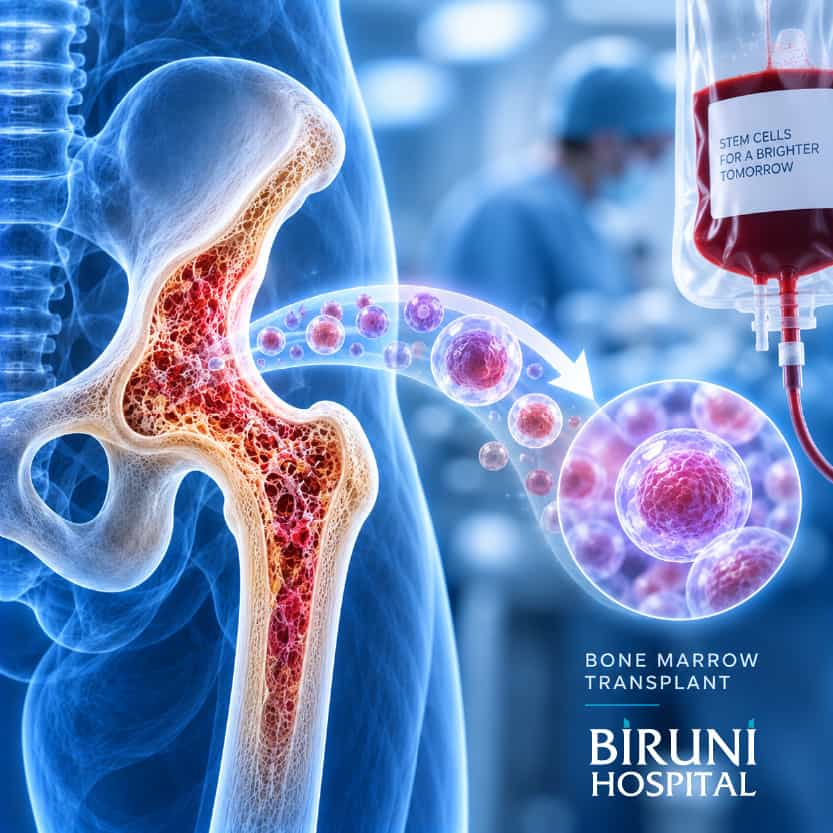
Price starting from $30,000
Bone Marrow Transplant Package in Istanbul Turkey by Biruni Hospital
Biruni Hospital in Istanbul Turkey
- Cancer Treatment
Istanbul,Turkey
Cancer Treatment Solutions Near You: Explore Top Medical Centers
Discover how Cancer Treatment is transforming lives at leading medical centers in , Turkey. Dive into center profile, specialties, doctors, reviews, etc. and explore the best options tailored to your needs in this region.
Baskent University Istanbul Hospital
Istanbul,Turkey

CorpusRenew by Termessos Hospital in Antalya, Turkey
Antalya,Turkey
Istanbul Okan University Hospital
Istanbul,Turkey

Biruni Hospital in Istanbul Turkey
Istanbul,Turkey
Transformative Cancer Treatment Experiences: Dive into Procedure Insights
Discover the power of Cancer Treatment through compelling patient experiences. Uncover detailed insights into procedures, recovery journeys, and life-changing results.

Price starting from $35,000
Bone Marrow Transplant in Turkey
- Bone Marrow Transplant ,Cancer Treatment
Turkey


Price starting from $35,000
Bone Marrow Transplantation in Istanbul, Turkey
- Bone Marrow Transplant ,Cancer Treatment
Istanbul,Turkey

Price starting from $18,995
Breast Cancer Immunotherapy Tijuana, Mexico
- Breast Cancer,Cancer Treatment
Tijuana,Mexico
Explore Cancer Treatment: Stories, Testimonials, and Procedures
Watch in-depth videos covering everything from Cancer Treatment success stories to detailed procedure explanations. Learn what to expect and hear from real patients.
What Is HIPEC in Istanbul, Turkey by Biruni Hospital: Exploring an Advanced Cancer Treatment Approach
Biruni Hospital in Istanbul Turkey
Turkey
What Is Bone Marrow Transplantation in Istanbul, Turkey by Biruni Hospital and How It Supports Cancer Care
Biruni Hospital in Istanbul Turkey
Turkey
Recent Treatments in Nuclear Medicine in Istanbul, Turkey by Biruni Hospital: Exploring Modern Treatment Options
Biruni Hospital in Istanbul Turkey
Turkey
Minimally Invasive Surgery Applications in Gynecological Oncology in Istanbul, Turkey by Biruni Hospital
Biruni Hospital in Istanbul Turkey
Turkey
Learn More with These Cancer Treatment Articles
Take a look at these interesting articles, stories and research that will help you learn more about Cancer Treatment.
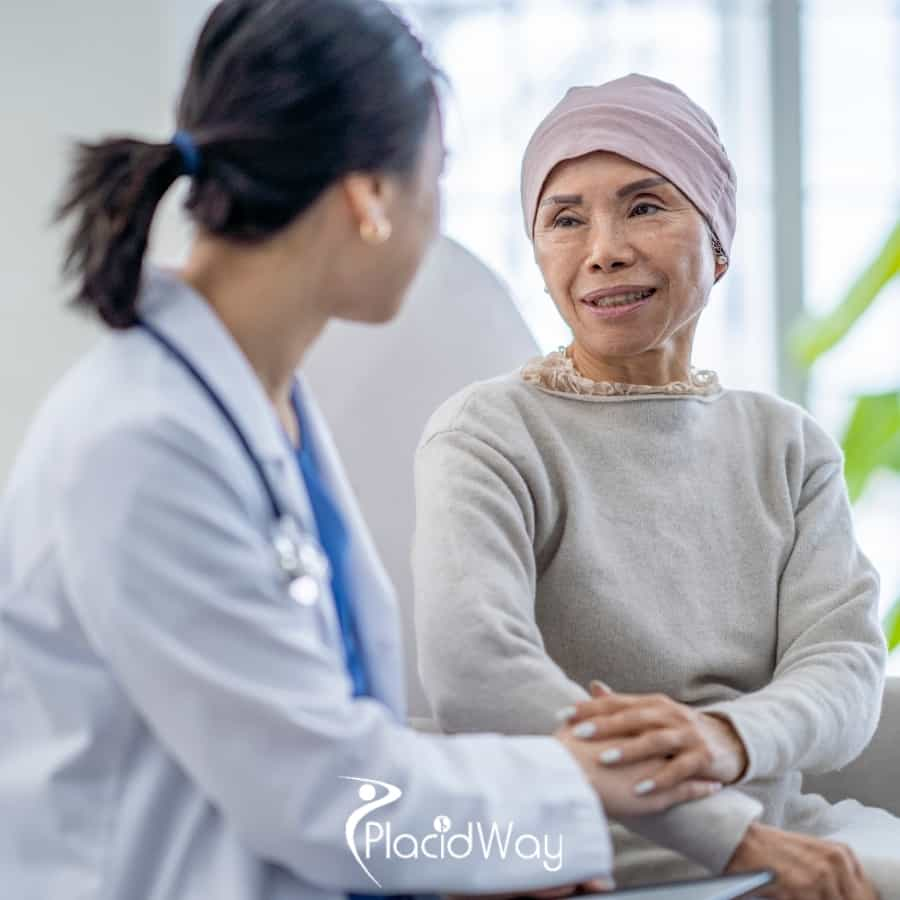
Cancer Treatment in Istanbul Turkey: What Patients Should Know About Oncology Care Abroad
PlacidWay Medical Tourism
- Cancer Treatment
Turkey

Best Hospitals for Bone Marrow Transplant in the World
PlacidWay Medical Tourism
- Cancer Treatment
Turkey
The Appetite That Faded While He Waited: Sergei Volkov’s Gastric Cancer Gastrectomy Story from Russia to Turkey
PlacidWay Medical Tourism
- Cancer Treatment
Turkey

The Shadow on Susan Mitchell’s Scan Turned Every Week into a Question About Breast Cancer Treatment in Istanbul from the UK
PlacidWay Medical Tourism
- Cancer Treatment
Turkey








