


Can Pakistani Children Access Affordable Thalassemia Treatment in Turkey?
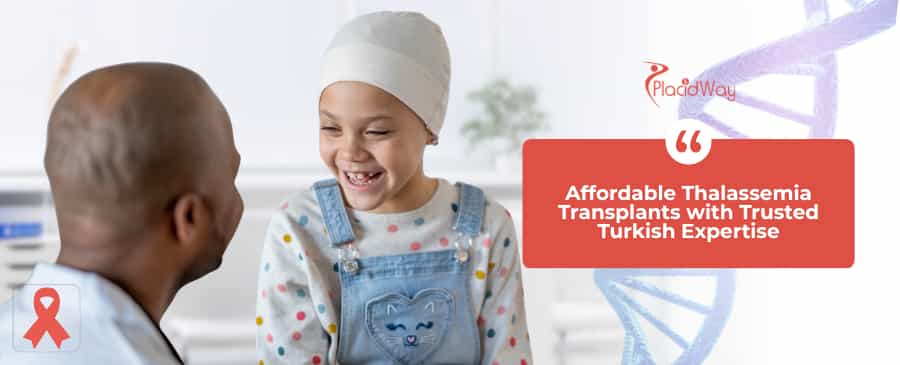
Watching your child struggle with the endless, exhausting cycle of blood transfusions and chelation therapy is a heartbreak no parent should ever have to endure. You lie awake at night, desperately searching for a permanent cure, and the question on your mind is likely: How Much Does Thalassemia Bone Marrow Transplant Cost in Turkey for Pakistani Children? It feels overwhelming to look beyond borders, worrying about how you will afford it, if the hospitals are truly safe, and whether this massive step will finally give your child the healthy, vibrant life they deserve.
I want to promise you one thing right now: you are not alone in this search, and there is genuine, proven hope. In Pakistan, finding an available, high-quality pediatric BMT bed can mean waiting years time your child may not have. Turkey has emerged as a beacon of hope for Pakistani families, offering world-class care, cultural familiarity, and affordable pricing. In this guide, we are going to look honestly at Thalassemia treatment in Turkey for Pakistanis, breaking down every cost, the medical quality, and exactly what to expect. No medical jargon, no false promises just clear, supportive facts to help you make the best decision for your family.
Quick Facts: BMT in Pakistan vs. Turkey
What Is a Bone Marrow Transplant for Thalassemia?
Think of bone marrow as the factory inside your bones that produces blood. In a child with Thalassemia, this factory is producing defective products. A transplant essentially shuts down the old factory and seeds a brand-new, healthy one. Here is exactly how the process unfolds:
- HLA Matching: Doctors test the blood of your child and potential donors (usually siblings) to find a genetic match. This is crucial to prevent the body from rejecting the new cells.
- Conditioning: Your child will receive targeted chemotherapy over a few days. Do not panic—this is necessary to safely clear out the old, defective bone marrow and make room for the new cells.
- The Transplant: This is surprisingly anti-climactic. There is no surgery. The healthy stem cells from the donor are given to your child through an IV, much like a regular blood transfusion.
- Engraftment: Over the next 2 to 4 weeks, the new stem cells migrate into the bone cavities and start producing healthy red blood cells, white blood cells, and platelets.
- Recovery: Your child stays in a highly sterile isolation room to protect them from infections while their new immune system builds its strength.
Unlike lifelong transfusions which simply manage the symptoms and lead to dangerous iron buildup, a successful bone marrow transplant cures the condition entirely. Your child can grow, play, and live free from the hospital visits that currently define their routine.
Why Choose Turkey for Pediatric BMT for Thalassemia?
- World-Class Infrastructure: Turkish hospitals feature dedicated pediatric BMT units with positive-pressure, HEPA-filtered isolation rooms. This dramatically reduces the risk of deadly post-transplant infections, which is the biggest challenge in developing nations.
- Expertise in Complex Cases: If your child does not have a 100% matched sibling, Turkish doctors are highly skilled in Haploidentical transplants (half-match from a mother or father). This opens doors for families who thought they had no options.
- Cultural Comfort: Traveling for months is stressful. Turkey offers a Muslim-friendly environment. Halal food is standard, prayer facilities are everywhere, and the culture is deeply respectful and welcoming to Pakistanis.
- Cost-to-Quality Ratio: You get JCI-accredited care (the highest global hospital standard) for about 70% less than you would pay in the United Kingdom or the United States.
- International Patient Support: Hospitals provide dedicated translators, airport pickups, and assistance with finding long-term rental apartments for your family's 3-month stay. You are never left to figure it out alone.
BMT Options for Pakistani Patients: A Cost Comparison
Let us talk openly about money. While treatment in Pakistan is technically cheaper, the reality is that high-quality, infection-controlled pediatric beds are incredibly scarce. Many families wait years, during which their child’s condition worsens. When forced to look abroad, Western prices are impossible for most. Here is how the bone marrow transplant cost in Turkey fits into the picture.
| Procedure Type | Pakistan (Est.) | Turkey | US / UK |
|---|---|---|---|
| Matched Sibling Donor (Allogeneic) | $15,000-$25,000 | $40,000-$50,000 | $250,000+ |
| Half-Matched Parent (Haploidentical) | Rarely available | $60,000-$80,000 | $350,000+ |
| Unrelated Donor Registry Search & BMT | Not available | $80,000-$100,000 | $400,000+ |
| Pre-Transplant Workup (Donor & Patient) | $1,000-$2,000 | $3,000-$5,000 | $15,000+ |
Why are prices so different? The massive savings in Turkey compared to the West come from the country's lower cost of living, favorable exchange rates, and strong government incentives for medical tourism. The medications (like Busulfan and Cyclophosphamide) and the technology used are exactly the same brands utilized in London or New York. You are paying less for labor and administration, not compromising one bit on your child's medical safety.
Is it Safe to Travel to Turkey for Medical Treatment for Your Child?
It is natural to feel terrified about putting your sick child on an airplane and handing them over to doctors in a foreign country. You want to know if they will be safe. Let us look at the concrete facts that give thousands of international parents peace of mind every year.
| Quality Metric | Pakistan Context | Turkey Guarantee | Why It Matters |
|---|---|---|---|
| Hospital Accreditation | Local healthcare commission | JCI (Joint Commission Int'l) | Guarantees US-level safety protocols |
| Isolation Facilities | Basic isolation (often shared) | Individual HEPA-filtered rooms | Prevents fatal airborne infections |
| Medical Memberships | Regional societies | EBMT (European Group for BMT) | Adherence to strict European protocols |
| Doctor Expertise | Highly skilled, but overworked | US/Europe trained specialists | Access to latest transplant techniques |
Here is what makes Turkey uniquely safe for your child:
- Strict Infection Control: The biggest risk during a BMT isn't the procedure itself; it is the child catching an infection while their immune system is zeroed out. Turkish hospitals use positive pressure rooms where air only flows out, never in, keeping bacteria away from your child.
- Pediatric Specialists: Your child won't just see an adult hematologist. They will be treated by dedicated pediatric hematology-oncology experts who specialize solely in children's bodies.
- Comprehensive Blood Banking: Turkey has highly advanced blood banks to immediately support your child with safe platelets and red blood cells during their recovery phase.
- Transparent Outcomes: As members of the EBMT, top Turkish hospitals must report their success rates and adhere to rigorous quality checks.
By choosing an accredited facility, you are removing the massive variables of hygiene and supply chain issues that often plague developing healthcare systems.
How Long is the Recovery for BMT in Turkey?
A bone marrow transplant is not a quick surgery; it is a marathon. You need to be prepared for the timeline.
- Pre-Transplant Phase (1-2 Weeks): You arrive in Turkey. Doctors run final tests on both your child and the donor, ensuring everyone is healthy enough to proceed.
- The Hospital Stay (4-6 Weeks): Your child enters the isolation room. They receive the conditioning chemo, the transplant, and then wait for the new stem cells to engraft (grow). During this time, they are closely monitored for infections or signs of Graft-versus-Host Disease (GVHD).
- Outpatient Monitoring (2-3 Months): Once your child's blood counts reach a safe level, they are discharged. However, you cannot fly home yet. You will live in a rented apartment near the hospital, bringing your child in for checkups 2 to 3 times a week.
Important logistical considerations for your trip:
- Visas: Turkey offers medical visas for patients and their attendants. Your chosen hospital will provide an official invitation letter to expedite the process at the Turkish embassy in Pakistan.
- Accommodation: You will need to rent a clean, furnished apartment for the outpatient phase. Hospitals often help families find safe, affordable housing nearby.
- Language: International hospitals assign a dedicated Urdu or English translator to you 24/7. Communication will not be a barrier.
- Follow-up Care: Before you leave Turkey, doctors will create a detailed care plan and coordinate with your local hematologist in Pakistan to monitor blood work moving forward.
Who is the Ideal Candidate for Thalassemia Treatment in Turkey?
Every child's medical history is different. To give you honest expectations, here is what makes a child an ideal candidate.
Your child is likely a great candidate if they:
- Have a diagnosis of Thalassemia Major.
- Have a 100% HLA-matched healthy sibling to act as the donor.
- Are relatively young (ideally under the age of 14, though older patients are treated).
- Have been properly managed with chelation therapy to keep iron levels low.
- Do not have severe liver or heart damage (hepatomegaly or cardiomyopathy).
- Have a supportive family willing to commit to the 4-month process.
You may need to discuss alternative plans or higher risks if your child has:
- No matched sibling: You will need a haploidentical (half-match parent) transplant. Turkey excels at this, but it costs more and carries a slightly higher risk of GVHD.
- Severe iron overload: High ferritin levels can damage organs and complicate the transplant. Doctors may require aggressive chelation therapy before approving the BMT.
- Previous transplant failure: A second transplant is possible but is considered high-risk and complex.
- Active severe infections: The child must be completely infection-free before starting the conditioning chemotherapy.
- Advanced age: Adult BMT for Thalassemia is possible but the complication rates rise significantly compared to young children.
- Financial constraints: BMT is a major cash investment. Ensure you have the funds not just for the hospital, but for 4 months of living expenses abroad.
If you fit the criteria, the absolute best next step is to send your child's medical reports and donor HLA reports for a remote consultation. The doctors in Turkey can review them and tell you exactly what is possible.
Frequently Asked Questions
We know you have a lot on your mind. Here are the most common questions Pakistani parents ask when considering a bone marrow transplant in Turkey.
How much does a bone marrow transplant cost in Turkey?
For Pakistani patients, a bone marrow transplant in Turkey costs between $40,000 and $80,000, depending on whether the donor is a matched sibling or a half-matched (haploidentical) donor. This price typically includes the pre-transplant workup, hospital stay, and immediate follow-up care.
Is Turkey better than Pakistan for a bone marrow transplant?
While Pakistan has BMT centers, Turkey offers much higher capacity, internationally accredited hospitals (JCI), advanced HEPA-filtered isolation rooms, and an 85-90% success rate, significantly reducing the risk of severe post-transplant infections. Wait times in Turkey are also just weeks, compared to years in Pakistan.
What is the success rate of Thalassemia BMT in Turkey?
The success rate for pediatric Thalassemia bone marrow transplants in Turkey is between 85% and 90%, especially when a fully matched sibling donor is used and the child is under 14 years old. Haploidentical transplants have slightly lower but still highly promising success rates of 75% to 80%.
How long is the recovery for BMT in Turkey?
The hospital stay lasts 4 to 6 weeks in an isolation unit. After discharge, your child will need outpatient monitoring in Turkey for another 2 to 3 months before it is safe to fly back to Pakistan. You should plan to be in Turkey for 3 to 4 months total.
What are the common complications of a bone marrow transplant?
Common complications include infections, Graft-versus-Host Disease (GVHD), and organ toxicity from chemotherapy. Turkish hospitals minimize these risks with strict isolation protocols and advanced immunosuppressive therapies. In 10% to 15% of cases, graft rejection may occur, requiring further treatment.
Does my child need bone marrow from a 100% matched sibling?
A 100% matched sibling (HLA-matched) is the gold standard and offers the highest success rate. However, if no sibling matches, Turkish centers are highly experienced in haploidentical (half-matched from a parent) and unrelated donor transplants, making treatment possible for almost everyone.
Which Turkish cities are best for pediatric BMT?
Istanbul and Ankara are the leading cities for pediatric bone marrow transplants. They house the country’s top JCI-accredited facilities and most experienced pediatric hematologists. Istanbul is particularly convenient for international travel and long-term stays.
Will our doctor in Pakistan do the follow-up care?
Yes, your medical team in Turkey will provide a comprehensive discharge summary and coordinate with your local hematologist in Pakistan to ensure safe, continuous monitoring of your child's blood counts. You will transition back to local care seamlessly.
How do I know if a Turkish hospital is reputable?
Look for JCI (Joint Commission International) accreditation, specialized pediatric BMT units, European Group for Blood and Marrow Transplantation (EBMT) membership, and transparent success rate data. Do not hesitate to ask the hospital to speak with past Pakistani patients.
Is it safe for a mother to travel alone with her child to Turkey?
Yes, Turkey is very safe and culturally welcoming to Pakistani families. Hospitals provide dedicated international patient coordinators who assist with translation, airport transfers, and finding safe local accommodation. However, having a second adult is highly recommended for emotional and logistical support.
How many trips to Turkey will we need?
Usually, only one extended trip is required. You will travel to Turkey and stay for the duration of the 3 to 4 month process, returning to Pakistan only when your child’s immune system is strong enough to handle commercial air travel safely.
Can we finance a bone marrow transplant in Turkey?
While hospitals typically require direct payment, many Pakistani families fund the procedure through personal savings, community fundraising, NGO support, or private health insurance if international coverage is included. Some hospitals offer package pricing that protects against hidden fees.
Give Your Child the Gift of a Healthy Future
References
- Joint Commission International (JCI). "JCI Accredited Organizations in Turkey."
- National Institutes of Health (NIH). "Outcomes of Bone Marrow Transplantation for Thalassemia Major."
- Bone Marrow Donors Worldwide (BMDW). "Global Donor Registry Protocols."
- PlacidWay Medical Tourism. "Bone Marrow Transplant in Turkey: Cost and Clinics"
.png)




.png)

.png)








Share this listing