
Lung Cancer Treatment Prices in Turkey
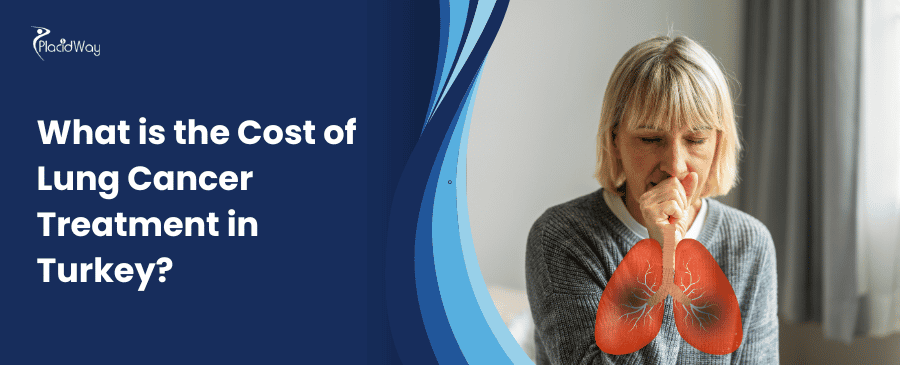
Facing an oncology diagnosis often requires rapid decision-making regarding care pathways, specialist availability, and financial planning. Exploring lung cancer treatment in Turkey has become an option for some international patients seeking comprehensive care plans that include diagnostics, surgical interventions, and advanced therapies. While medical travel presents alternative timelines and estimated price points, it also requires careful consideration of health status, complex logistics, and rigorous post-treatment care.
Key Takeaways
- Pricing varies significantly based on cancer stage, treatment modality, and individual health profiles.
- Common therapeutic approaches include thoracic surgery, chemotherapy, radiation therapy, and targeted treatments.
- Patients must budget carefully for initial medical evaluations, travel, specialized accommodation, and potential extended stays.
- A thorough evaluation by a qualified oncologist is absolutely essential before determining any appropriate treatment plan.
- Post-treatment follow-up and robust local aftercare in your home country are crucial for ongoing health management and safety.
Understanding the financial scope of oncological care requires breaking down the various components of treatment. A multidisciplinary approach means you may require a combination of surgery, medicinal therapies, and radiological care. To help patients and their families navigate this complex landscape, we have detailed the various financial aspects and logistical realities of seeking care abroad.
What factors influence the cost of treating lung cancer?
Oncology pricing is never standardized because no two diagnoses are exactly alike. The primary driver of cost is the staging of the disease upon presentation. Early-stage patients might require a localized surgical resection followed by minimal adjuvant therapy, keeping total expenses on the lower end of the spectrum. Conversely, advanced stages usually demand systemic treatments involving multiple cycles of chemotherapy, immunotherapy, or extensive radiation, which significantly increases the financial requirement.
Furthermore, the infrastructure of the medical facility plays a role. Centers that utilize complex robotic surgical systems or highly targeted radiotherapy machines carry significant operational costs, which can be reflected in patient estimates. Other variables include the length of time spent in intensive care post-surgery, the need for supportive medications to manage side effects, and the complexity of initial diagnostic workups required to design the protocol.
What are the estimated prices for lung cancer surgery?
When investigating the lung cancer treatment cost in Turkey, thoracic surgery is often a major component for eligible patients. The exact price depends heavily on the surgical technique employed. A wedge resection, which removes a small portion of the lung containing the tumor, is typically less intensive than a full pneumonectomy, which involves the complete removal of a lung. The duration of the operation and the required surgical team directly impact the final bill.
Additionally, the method of access alters pricing. Video-assisted thoracoscopic surgery and robotic-assisted procedures are minimally invasive and often result in shorter hospital stays and quicker recovery times. However, the sophisticated equipment required for these approaches usually carries a higher upfront cost compared to a traditional open thoracotomy. Patients should also factor in pre-operative cardiovascular testing and post-operative respiratory therapy into their surgical budget.
How much do chemotherapy and targeted therapies cost?
Medical oncology encompasses a wide range of pharmaceutical treatments. Traditional chemotherapy involves administering drugs that target rapidly dividing cells. The cost depends on the specific combination of drugs prescribed by the oncologist, the dosage required based on body surface area, and the total number of cycles needed. Patients often receive these treatments in an outpatient setting, requiring regular visits over several months.
In recent years, treatment protocols have increasingly incorporated targeted therapies and immunotherapy, which focus on specific genetic mutations within the tumor or leverage the patient immune system. These advanced medications can be highly effective for suitable candidates, but they are generally much more expensive than traditional cytotoxic drugs. Because these therapies are often priced per vial and may be administered continually over a long period, precise long-term cost estimation requires detailed consultation with an oncologist.
What is the typical expense for radiation therapy?
Radiation therapy is frequently used either as a primary treatment, in conjunction with chemotherapy, or as a palliative measure to relieve symptoms. The total cost is primarily dictated by the length of the treatment protocol, which can range from a few highly concentrated sessions to five days a week over six or seven weeks.
The type of technology used also influences the price. Advanced techniques such as Intensity-Modulated Radiation Therapy or Stereotactic Body Radiotherapy allow oncologists to deliver high doses of radiation with extreme precision, sparing surrounding healthy lung tissue and the heart. While these technologies minimize collateral damage and side effects, the sophisticated planning software and equipment maintenance required make them more expensive than older, conventional radiation methods.
What diagnostic tests are required and how much do they add?
Before any treatment can begin, a thorough diagnostic workup is mandatory. Even if you arrive with scans from your home country, a foreign oncology team will often require updated imaging or specific pathology reviews to confirm the staging and histology of the cancer. A typical diagnostic phase includes high-resolution CT scans of the chest and abdomen, a PET scan to check for metastasis, and often an MRI of the brain.
Furthermore, obtaining a tissue sample through a bronchoscopy or a needle biopsy is crucial. This tissue is analyzed by pathologists to determine the exact type of cancer, such as small cell or non-small cell, and is subjected to molecular testing for targeted therapy eligibility. These laboratory and imaging services are foundational to creating an effective, individualized care plan and represent a non-negotiable expense.
What additional expenses should international patients anticipate?
Participating in medical tourism in Turkey requires comprehensive logistical planning. The cost of living abroad during treatment can add up rapidly. Unlike a brief trip for dental work, oncology care often requires weeks or months of continuous presence in the country. Patients must secure comfortable, accessible accommodation near the medical facility to minimize travel stress during periods of low energy and immune suppression.
Other hidden costs include the potential need for medical visa extensions, specialized dietary requirements to maintain weight during therapy, and medications to manage side effects like nausea or anemia. Additionally, most patients travel with a caregiver or family member whose flights, meals, and lost wages back home must also be factored into the overarching financial plan.
Are comprehensive oncology packages available for medical tourists?
To simplify the financial process for international arrivals, many facilities create comprehensive care packages. A well-organized lung cancer clinic in Turkey might provide a preliminary estimate that includes the initial consultations, necessary staging scans, a defined surgical procedure, and a set number of hospital nights. These packages often bundle logistical support, such as a dedicated translator and transportation between the hotel and hospital.
However, it is vital to understand that cancer treatment is highly dynamic. While a package provides a helpful baseline for budgeting, the final cost can change. If surgery reveals the need for more extensive tissue removal, or if the patient requires unexpected time in the intensive care unit, the final bill will reflect these necessary medical interventions. Patients should always ensure they have a contingency fund available.
Why do patients choose to travel abroad for oncology care?
The decision to seek cancer treatment internationally is usually driven by a combination of factors. In some domestic healthcare systems, patients face long waiting lists to see thoracic specialists or to begin radiation therapy. Because cancer can progress quickly, gaining immediate access to diagnostics and therapeutic intervention is a major motivator for crossing borders.
Additionally, some patients travel to access specific technologies, such as advanced stereotactic radiation equipment or particular immunotherapies, that might not be widely available or approved in their home country. While cost is frequently a consideration, the overarching goals for medical travelers in oncology are usually timely intervention, comprehensive care under one roof, and access to experienced multidisciplinary tumor boards.
How long should I expect to stay in the country for treatment?
Time commitments vary drastically based on the treatment plan. If you are traveling solely for surgical intervention, you will typically need to arrive a few days early for pre-operative testing. After surgery, you will spend several days in the hospital, followed by a week or two recovering locally before you receive medical clearance to handle the pressure changes of a commercial flight.
Systemic treatments require a much longer commitment. Chemotherapy cycles are usually spaced out over weeks, and radiation therapy often requires daily visits to the clinic for up to seven weeks. Patients must remain close to the medical facility during these periods to monitor blood counts, manage side effects, and adjust medications as necessary. Traveling back and forth between cycles is rarely medically advisable due to weakened immune systems.
What are the potential risks and aftercare requirements?
Any medical intervention for oncology carries substantial risks. Surgical complications can include bleeding, pneumonia, blood clots, or prolonged air leaks from the lung. Chemotherapy and radiation can cause significant immune suppression, organ toxicity, and long-term fatigue. These are serious medical realities that can occur regardless of where treatment takes place, and they may require emergency interventions that alter your travel schedule.
Because cancer management is a lifelong commitment, your care does not end when you fly home. You must establish a relationship with a local oncologist or pulmonologist prior to traveling. They will need to take over your monitoring, conduct regular follow-up imaging to check for recurrence, and manage any late-onset side effects. Ensure you leave your treatment destination with all medical records, operative notes, and pathology reports fully translated for your home care team.
Why Choose PlacidWay for Medical Tourism?
Navigating international healthcare options can be complex. PlacidWay offers resources to help patients gather information effectively.
Global Directory: Provides access to a comprehensive database of healthcare providers and treatment centers worldwide.
Educational Resources: Offers detailed information to help patients understand various international medical systems and care standards.
Direct Communication: Facilitates initial contact between prospective patients and international clinics for preliminary medical inquiries.
Cost Comparison: Allows users to review and compare estimated treatment costs and available medical technologies across different regions.
Informed Decisions: Supports patient research by presenting multiple multidisciplinary facility options without prioritizing specific clinics.
Frequently Asked Questions
Is lung cancer treatment in Istanbul different from other Turkish cities?
While standard oncology protocols remain consistent nationwide, major cities like Istanbul often have a higher concentration of specialized facilities, multidisciplinary tumor boards, and advanced medical equipment compared to smaller regions.
Can I use my domestic health insurance to pay for oncology care in Turkey?
Most domestic health insurance plans do not cover scheduled medical treatments abroad. You will likely need to pay out-of-pocket, though some specialized international medical insurance policies may offer partial coverage. Always verify directly with your provider.
What happens if I develop complications after returning to my home country?
It is critical to establish a relationship with a local oncologist before you travel. If complications arise after returning home, your local healthcare provider will need to manage your care, utilizing the detailed medical reports provided by your overseas medical team.
Do I need to translate my medical records before traveling?
Yes, having your biopsy results, imaging scans, and previous treatment history translated into English or Turkish is highly recommended. Clear records allow the receiving medical team to evaluate your case accurately without unnecessary delays.
How soon can I start treatment after arriving?
Treatment usually begins within a few days to a week after arrival, depending on whether additional diagnostic tests or multidisciplinary board reviews are necessary to confirm your customized therapy plan.
Is immunotherapy widely available in Turkish oncology centers?
Many major oncology facilities offer contemporary immunotherapy options for eligible patients. However, availability depends on the specific drugs approved for your cancer subtype and your individual medical suitability.
Can I bring a family member with me during my hospital stay?
Most international patient wards allow one companion to stay in the private room with the patient. Having a companion is often encouraged to provide emotional support and assist with daily communication.
How do I know if I am a suitable candidate for surgery?
Surgical candidacy depends on the tumor size, its exact location, the cancer stage, and your overall lung function and cardiovascular health. A thorough pre-operative assessment by a thoracic surgeon is required to make this determination.
What should I ask the oncologist during my initial consultation?
You should ask about the specific stage of your cancer, the goals of the proposed treatment plan, alternative options, potential side effects, estimated timelines, and what follow-up care will be required once you return home.
Are second opinions common before starting cancer treatment abroad?
Seeking a second opinion is a very common and encouraged practice in oncology. Many international patients share their local diagnostic results with overseas specialists to explore alternative treatment perspectives before committing to travel.
Explore Your Treatment Options
Gather comprehensive information, compare estimated costs, and learn more about international facilities to make an informed decision regarding your medical care.
Request Treatment InformationReferences
- Treating Non-Small Cell Lung Cancer – American Cancer Society
- Lung Cancer Fact Sheet – World Health Organization
- Non-Small Cell Lung Cancer Treatment – National Cancer Institute
- Medical Tourism Safety Guidelines – Centers for Disease Control and Prevention
- Lung Cancer Diagnosis and Treatment – Mayo Clinic
- Lung Cancer Patient Guide – European Society for Medical Oncology
- Planning Lung Cancer Treatment – Cancer Research UK

























Share this listing