
All-on-4 Implants in Cancun: Understanding Success Rates
Restoring a full arch of teeth is a major medical and financial decision. For individuals exploring All-on-4 implants in Cancun, understanding the long-term viability of the procedure is critical. The All-on-4 concept uses four strategically angled titanium posts to support a complete set of prosthetic teeth. While it has become a standard approach in modern implant dentistry, its success is not guaranteed and relies on complex biological and mechanical factors.
Because dental restoration requires ongoing commitment, understanding the medical reality behind these statistics helps you set realistic expectations. Whether you are currently researching an All-on-4 implants clinic in Cancun or trying to determine if you are a candidate for the surgery, looking closely at clinical survival rates, potential risks, and necessary lifestyle changes is the best way to prepare.
Key Takeaways
- Long-term studies typically show a 90–95% survival rate for the titanium implants over a decade.
- Systemic conditions, such as uncontrolled diabetes or autoimmune disorders, can lower success rates.
- Smoking significantly impairs blood flow and increases the risk of implant failure.
- Strict adherence to a soft diet during the initial 4–6 month healing phase is crucial to prevent implant movement.
- The prosthetic teeth (bridge) experience normal wear and may require repair or replacement over time, even if the implants remain secure.
1. How successful are All-on-4 dental implants generally?
In medical literature, "implant survival" means the titanium post remains integrated with the jawbone and actively functions without pain or infection. Research consistently demonstrates that when placed by experienced professionals in healthy patients, the All-on-4 technique is highly reliable. The angled placement of the posterior implants increases contact with the bone, providing immediate stability.
However, it is vital to distinguish between the survival of the titanium implants and the survival of the prosthetic bridge. While the implants themselves may last decades, the acrylic, composite, or zirconia teeth attached to them are subjected to daily chewing forces. The bridge may require maintenance, repair of chipped teeth, or eventual replacement, which is a normal part of the treatment lifecycle.
2. What factors influence the success of All-on-4 implants in Cancun?
Success rates do not change based on geography; the biological process of osseointegration remains the same regardless of where surgery takes place. However, the final outcome relies on a delicate balance of surgical execution and patient compliance. Key factors include:
- Surgical Technique: The precise angulation, depth, and placement of the implants by the surgical team at an All-on-4 implants clinic in Cancun are fundamental to achieving primary stability.
- Systemic Health: Conditions that impair immune response or bone healing, such as diabetes or severe osteoporosis, can complicate integration.
- Oral Hygiene: A strict daily cleaning routine is necessary to prevent plaque accumulation, which can lead to bacterial infections around the implants.
- Bite Alignment: The forces exerted by your jaw must be evenly distributed across the prosthesis. An improper bite can overload specific implants, leading to mechanical failure.
3. How does bone density affect implant survival rates?
When teeth are lost, the surrounding jawbone slowly resorbs (shrinks) due to a lack of stimulation from chewing. The All-on-4 technique was specifically developed to maximize the use of available bone. By tilting the two back implants up to 45 degrees, surgeons can often anchor them in denser bone further forward in the jaw, bypassing areas of severe atrophy and often avoiding the need for complex bone grafts.
If a patient's bone density is extremely poor, the implants may not achieve the initial tightness (primary stability) required to safely attach a temporary bridge on the day of surgery. In such cases, loading the implants immediately can cause micro-movements, which disrupts the bone-fusing process and leads to implant failure. Comprehensive 3D imaging (CBCT scans) prior to surgery is essential to assess bone quality.
4. What are the common risks and complications of this procedure?
All surgical procedures carry inherent risks. During the initial healing phase, complications can include prolonged swelling, bleeding, or localized infection. A more severe, long-term complication is peri-implantitis—an inflammatory disease that causes bone loss around the implant, similar to how gum disease affects natural teeth. If left untreated, peri-implantitis can cause the implant to loosen and require removal.
Other risks include potential injury to adjacent anatomical structures, such as the sinus cavities in the upper jaw or the inferior alveolar nerve in the lower jaw, which can result in temporary or permanent numbness. Mechanically, the temporary acrylic bridge worn during the healing phase is prone to fracture if a patient prematurely chews hard foods.
5. How do lifestyle choices like smoking impact implant failure?
Smoking is one of the most prominent risk factors for dental implant failure. Nicotine constricts blood vessels, which deprives the healing bone and gums of oxygen and essential nutrients. This compromised blood supply slows down the osseointegration process, making it difficult for the bone to tightly fuse to the titanium threads.
Furthermore, smoking alters the oral microbiome and suppresses the local immune response, making the gums highly vulnerable to peri-implantitis. Most oral surgeons strongly advise patients to quit smoking entirely for several weeks before the procedure and for at least a few months during the recovery phase to optimize their chances of successful integration.
6. What should patients expect during the recovery period?
The first week following surgery typically involves managing discomfort and inflammation. Patients are usually fitted with a temporary, non-removable acrylic bridge immediately after surgery. While exploring the All-on-4 implants cost in Cancun, you must factor in the time and lifestyle adjustments required for a safe recovery. Your jaw needs profound rest to heal.
During the 4-to-6-month osseointegration phase, the implants remain vulnerable to failure if subjected to heavy chewing forces. Patients must maintain a strictly soft diet—meaning foods that can be easily cut with a fork—to prevent micro-movements of the implants. Once the bone has fully solidified around the posts, you return to the clinic to have the robust, permanent bridge attached.
7. How do material choices affect the longevity of full-arch implants?
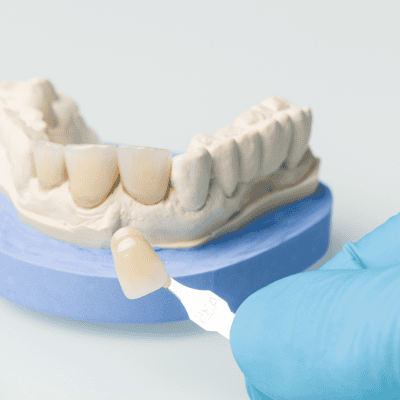
While the four titanium implants placed in the bone are standard, the final prosthetic bridge can be crafted from various materials. Acrylic teeth on a titanium bar are lighter and softer, which dampens chewing forces, but they are more prone to chipping and staining over time. Acrylic bridges generally require more frequent maintenance or eventual replacement of the teeth.
Monolithic zirconia, on the other hand, is exceptionally strong, highly resistant to wear, and less likely to chip or stain. However, zirconia is rigid and heavy; if the bite is not perfectly aligned, the lack of shock absorption can transfer excessive stress down to the implants. The best material for your permanent prosthesis depends on your bite strength, opposing teeth, and aesthetic goals.
8. Who is a suitable candidate for All-on-4 treatment?
Not everyone with missing teeth qualifies for this specific procedure. A thorough evaluation by a qualified specialist is required to determine eligibility. Patients with active, untreated gum disease, severe and uncontrolled medical conditions (such as poorly managed diabetes or cardiovascular disease), or those currently undergoing radiation therapy to the head and neck may face contraindications.
Additionally, patients taking specific medications, such as certain intravenous bisphosphonates for osteoporosis, carry a risk of healing complications in the jawbone. Being a candidate means your body is capable of healthy bone regeneration, which is the foundational requirement for long-term implant survival.
9. How do you maintain All-on-4 implants after returning home?
Because the prosthetic bridge sits snugly against your gums, food particles and plaque can easily accumulate underneath it. Regular brushing is not enough. Patients must use water flossers and super floss daily to clean the gap between the artificial gums and the natural tissue. Failure to remove this plaque invites harmful bacteria that trigger peri-implantitis.
Participating in medical tourism in Cancun requires a proactive approach to your long-term health after you return home. You will need to establish a relationship with a local dentist who is experienced with full-arch implants. They will take periodic X-rays to check bone levels, evaluate your bite, and may occasionally unscrew the bridge to perform a deep, professional cleaning of the implant abutments.
Why Choose PlacidWay for Medical Tourism in Cancun?
Navigating cross-border healthcare requires access to clear, organized information. PlacidWay acts as a medical tourism resource to help patients gather details before making important health decisions. Here is how PlacidWay assists patients researching dental care abroad:
- Provider Profiles: PlacidWay offers detailed profiles of international clinics, outlining their available technologies and the procedures they perform.
- Educational Resources: The platform provides extensive articles and guides to help patients understand complex dental procedures before committing to a treatment plan.
- Transparent Facility Information: Patients can view details about clinic infrastructure and the languages spoken by the staff.
- Global Network: The platform connects individuals with healthcare facilities across various specialties and geographical regions, including major hubs in Mexico.
- Direct Communication: PlacidWay facilitates initial contact, allowing patients to request estimates and ask questions directly to international dental teams.
Frequently Asked Questions
Are All-on-4 implants permanent?
The titanium posts surgically placed into your jawbone are designed to be a long-term or permanent foundation, provided they integrate properly and are maintained. However, the prosthetic teeth attached to these posts experience daily wear and tear and may need repair or replacement over time, depending on the materials used.
What happens if one of the four implants fails?
If a single implant fails to integrate or is lost due to infection, the entire structural integrity of the All-on-4 bridge is compromised. The failed implant typically must be removed, the bone allowed to heal (sometimes requiring a bone graft), and a new implant placed before the prosthesis can be safely supported again.
Is the All-on-4 procedure painful?
The surgery itself is performed under local anesthesia, and sometimes conscious sedation, so patients do not feel pain during the procedure. After the anesthesia wears off, it is normal to experience soreness, swelling, and mild to moderate discomfort, which is usually managed with prescribed oral medications.
How long does the All-on-4 process take in Cancun?
The initial surgical phase, which includes extractions, implant placement, and fitting a temporary acrylic bridge, usually takes a few days. Patients then return home for a healing period of four to six months before traveling back for a second visit to have the permanent, durable bridge fabricated and attached.
Can I get All-on-4 if I have severe bone loss?
The All-on-4 technique is specifically designed to maximize the use of available bone by tilting the posterior implants, often avoiding the need for bone grafts. However, if bone loss is extremely severe in the upper jaw, specialized alternatives like zygomatic implants might be required. A thorough CT scan is necessary to determine eligibility.
What is the difference between All-on-4 and traditional implants?
Traditional implants often require six to eight posts per arch to support a full bridge and usually require bone grafting if bone volume is low. All-on-4 uses only four strategically placed and angled posts to support a full arch, which often circumvents the need for extensive grafting and allows for immediate loading of a temporary bridge.
How soon can I eat normally after All-on-4 surgery?
During the initial four to six months while the implants are fusing with the bone (osseointegration), you must adhere strictly to a soft-food diet to avoid disrupting the healing process. Once the permanent bridge is attached and integration is confirmed, you can gradually resume a normal diet.
Do All-on-4 implants look like natural teeth?
Yes, the final prosthetic bridge is custom-designed to match the shape, size, and shade of natural teeth, as well as complementing your facial structure. The prosthetic also typically includes a pink artificial gum section that conceals the transition line between the bridge and your natural gum tissue.
What is peri-implantitis and how does it affect All-on-4?
Peri-implantitis is an inflammatory condition affecting the soft and hard tissues surrounding dental implants, leading to bone loss. If not treated promptly, it can cause the implants to loosen and fail. It is primarily caused by poor oral hygiene and plaque buildup beneath the prosthetic bridge.
Why do patients travel to Cancun for dental implants?
Many patients travel to Cancun to access specialized dental care at a different price point than their home country, while enjoying a warm climate during the initial consultation and recovery periods. The region has developed a large healthcare infrastructure specifically catering to international patients seeking complex restorative work.
Compare Treatment Options
Research facilities, explore cost estimates, and gather the information you need to make an informed decision about your dental restoration journey.
Request Treatment InformationMedical Disclaimer: The information provided in this article is for educational and informational purposes only and does not constitute medical advice, diagnosis, or treatment recommendations. Dental implant success rates, risks, and suitability vary by individual. Always consult with a qualified healthcare provider or specialized dental professional to determine if a procedure is appropriate for your specific medical history and dental needs.
References
- Long-Term Survival Rates of Implants – National Center for Biotechnology Information (NCBI)
- Dental Implants Overview – American Dental Association (ADA)
- Dental Implant Surgery Risks and Recovery – Mayo Clinic
- The All-on-4 Treatment Concept: Systematic Review – Journal of Clinical Medicine
- Gum Disease and Bone Loss – National Institute of Dental and Craniofacial Research
- Dental Implant Procedures and Peri-implantitis – American Academy of Periodontology























Share this listing