
Save 70% on Gastric Plication | See Mexico Prices
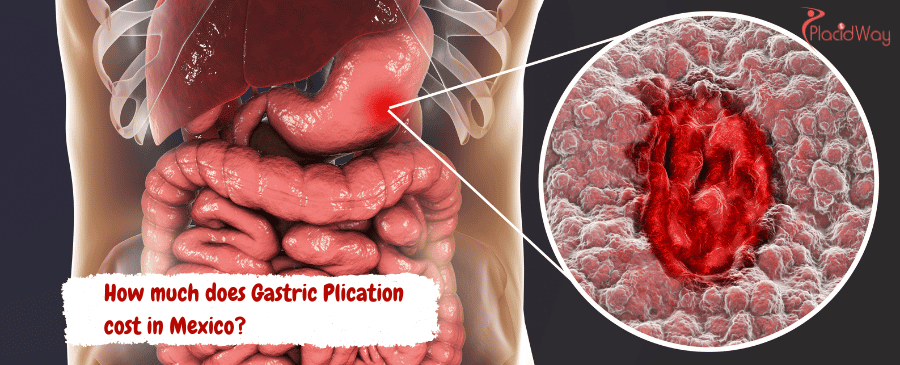
Exploring bariatric surgery options can be overwhelming, especially when weighing the costs of treatment at home against options abroad. For many individuals seeking weight loss assistance, the high cost of healthcare in North America prompts them to look for alternatives. Gastric plication in Mexico has emerged as an option for those looking for a restrictive, minimally invasive weight loss procedure that does not involve removing parts of the stomach.
Key Takeaways
- The average cost for this procedure ranges from $3,500 to $6,000, which is often lower than North American pricing.
- The surgery reduces stomach volume by folding it inward, rather than cutting and removing tissue.
- Choosing a gastric plication clinic in Mexico requires careful research into facility accreditation and surgeon qualifications.
- Results are not guaranteed, and long-term success requires strict adherence to dietary changes and lifestyle modifications.
- Securing follow-up care with a local physician back home is essential for long-term health and safety.
What is gastric plication surgery and how does it work?
Also known as Laparoscopic Greater Curvature Plication (LGCP), this technique is designed to limit the amount of food you can comfortably eat. During the surgery, a surgeon uses small incisions and a camera (laparoscope) to access the stomach. They fold the outer curve of the stomach inward upon itself and sew it in place. Because the stomach is not permanently amputated, it retains its natural nutrient-absorption capabilities.
By creating a much smaller internal space, the procedure helps patients feel full after eating significantly smaller portions. Since no staples are used to divide the stomach and no intestines are rerouted, it is considered less anatomically altering than a bypass. However, the folded tissue remains inside the abdominal cavity, which can cause internal swelling during the initial healing phase.
What factors influence the gastric plication cost in Mexico?
When evaluating gastric plication cost in Mexico, it helps to understand what is typically bundled into the price. Many facilities provide package pricing. These packages often cover the surgical team fees, anesthesia, standard pre-operative tests, and a one to two-night hospital stay. They may also include ground transportation from the nearest airport to the clinic.
However, the price can increase depending on the geographic location. A facility in a popular border town or resort city might charge slightly more due to high demand. Additionally, patients must budget for travel, accommodations for traveling companions, passport fees, and any specialized medical clearances their local doctor might require before the trip. Unexpected complications can also incur additional costs, which is why some patients look into specialized medical travel insurance.
| Expense Category | Typically Included in Packages | Usually Paid Separately |
|---|---|---|
| Medical Fees | Surgeon, anesthesiologist, hospital stay | Treatment for unforeseen complications |
| Travel & Logistics | Local clinic-to-hotel transfers | Flights, hotel for extra nights, passport |
| Ongoing Care | Basic pre-op screening at the clinic | Post-op vitamins, local follow-up visits |
How does gastric plication compare to a gastric sleeve?
Many patients confuse these two operations because they achieve a similar restrictive shape. In a sleeve gastrectomy, the surgeon physically staples and excises a large portion of the stomach. This permanently removes the portion of the stomach that produces hunger hormones like ghrelin, often leading to a significant reduction in appetite.
Gastric plication does not remove any stomach tissue. The stomach is simply folded in on itself. This means the risk of staple-line leaks—a serious complication in sleeve gastrectomy—is eliminated, though plication carries its own risk of suture failure. Plication is technically reversible, though doctors advise patients to consider it a permanent change, as internal scarring can make un-folding the stomach complex. The weight loss results for plication are often similar to or slightly lower than those of a gastric sleeve, depending on the patient's adherence to diet.
Who is typically considered a suitable candidate for this procedure?
Eligibility for bariatric surgery varies by individual health status. Generally, healthcare providers look for patients who have struggled with obesity for years and who may be suffering from weight-related conditions like type 2 diabetes, sleep apnea, or high blood pressure. Since plication is less invasive than bypass, it is sometimes offered to patients with slightly lower BMIs (such as 30 to 35) who still need medical intervention.
A thorough psychological and physical evaluation is crucial. Patients must have the mental readiness to undergo a strict post-operative diet. Those with severe acid reflux (GERD), large hiatal hernias, or previous stomach surgeries may not be suitable candidates. A qualified medical professional must review your full medical history to determine if this specific intervention is safe for you.
What should I expect during recovery from gastric plication?
- Immediate Post-Op: You will likely stay in the hospital for monitoring. Because the bulky stomach tissue is folded inward, significant swelling occurs, leading to less space for even liquids.
- Nausea Management: Severe nausea and vomiting are common in the first few days as the stomach adjusts to its new shape and internal swelling subsides. Medication is often provided.
- Dietary Phases: You will start on clear liquids, slowly progress to thicker liquids, then pureed foods, and eventually soft solids over a period of 4 to 6 weeks.
- Physical Activity: Light walking is encouraged immediately to prevent blood clots. Strenuous exercise and heavy lifting must be avoided for at least a month.
- Return to Work: Many patients take 1 to 3 weeks off work, depending on the physical demands of their job and how their body recovers.
What are the potential risks and complications?
It is vital to understand that no surgery is risk-free. While plication avoids stapling, the sutures holding the stomach together can fail. If a suture breaks or tears through the tissue, the stomach may unfold, which can lead to rapid weight regain and might require a second surgery to repair. In rare instances, folded tissue can create blockages or twist, obstructing the passage of food.
Early complications can include bleeding, infection at the incision sites, and adverse reactions to anesthesia. Severe early nausea is the most widely reported side effect, which can sometimes lead to dehydration requiring intravenous fluids. Engaging in medical tourism in Mexico means you must have a plan for managing these complications if they arise after you have returned home.
How much weight can patients typically lose?
Weight loss results vary significantly from person to person. The most rapid weight loss generally occurs in the first six to twelve months following surgery. Because the stomach holds less food, calorie intake drops drastically. However, over time, the stomach can stretch if a patient consistently overeats, which can stall weight loss or cause regain.
To maximize weight loss, patients must prioritize nutrient-dense foods, avoid high-calorie liquids and sweets, and maintain regular physical activity. Emotional eating habits and underlying metabolic conditions can also impact the final outcome, making nutritional counseling a helpful component of long-term success.
How do I prepare for bariatric surgery in Mexico?
- Medical Records: Gather your medical history, current medications, and previous test results to share with the international surgical team.
- Pre-Op Diet: Most surgeons require a specific low-carbohydrate, low-calorie diet for 2 to 4 weeks prior to surgery. This shrinks the liver, making the laparoscopic procedure safer and easier to perform.
- Local Support: Inform your primary care physician about your plans. You will need their assistance with blood work and monitoring once you return home.
- Travel Planning: Ensure your passport is valid. Pack loose, comfortable clothing, and plan for a relaxed travel itinerary that does not require heavy lifting.
- Ask Questions: Clarify all costs, understand the clinic's policy on handling complications, and ensure you know exactly what is included in your care package.
What post-operative follow-up is required back home?
One of the main challenges of international medical care is the transition back home. Once you leave the facility in Mexico, the responsibility for your day-to-day healing shifts back to you and your local healthcare providers. It is critical to have a doctor willing to take over your post-operative care.
You will need routine blood tests at three, six, and twelve months post-surgery to check for vitamin and mineral deficiencies. Even though plication does not bypass the intestines, the severe reduction in food volume means you might not consume enough iron, calcium, or B-vitamins naturally. If you experience persistent abdominal pain, fever, or an inability to keep fluids down after returning home, you must seek immediate medical attention locally.
Why Choose PlacidWay for Medical Tourism?
Navigating the complexities of healthcare abroad requires organized information and clear options. PlacidWay serves as a resource for patients seeking international treatment, offering platforms to connect with medical providers globally.
- Global Connections: PlacidWay links patients with healthcare facilities across various countries, allowing for broad comparison of options.
- Educational Focus: The platform provides detailed resources to help patients understand procedures, general requirements, and what to expect during their medical journey.
- Communication Assistance: PlacidWay helps facilitate initial contact between patients and international medical teams.
- Transparent Overviews: Patients can access cost estimates, facility profiles, and typical treatment packages to assist in their budgeting and planning.
- Informed Decision Making: By aggregating facility data and treatment information, PlacidWay supports patients in gathering the facts they need before committing to care abroad.
Frequently Asked Questions
Is gastric plication reversible?
Technically, the sutures can be removed to unfold the stomach. However, it is intended to be a permanent weight loss solution, and internal scarring can make reversal difficult or impossible.
Will I have loose skin after gastric plication in Mexico?
Loose skin can occur after any significant weight loss. The amount of loose skin depends on your age, genetics, skin elasticity, and the total amount of weight lost.
How long does the gastric plication surgery take?
The surgery typically takes between one to two hours to complete under general anesthesia, though this can vary depending on individual anatomical factors.
Can I get pregnant after having gastric plication?
Pregnancy is generally possible after bariatric surgery, but doctors usually recommend waiting 12 to 18 months post-surgery so that your weight stabilizes and nutritional intake is adequate for fetal development.
Do Mexican clinics offer financing for gastric plication?
While international clinics typically do not finance directly, many work with third-party medical loan companies that allow patients to finance their medical tourism expenses.
When can I fly back home after surgery?
Most surgeons clear patients to fly home 3 to 7 days after the procedure, provided there are no immediate complications and post-operative evaluations are satisfactory.
Will my health insurance cover gastric plication in Mexico?
Most standard US and Canadian health insurance policies do not cover elective bariatric surgery performed internationally. Patients usually pay out-of-pocket for medical tourism.
Are vitamins required after gastric plication?
Yes. Even though gastric plication does not bypass the intestines, the reduced volume of food you can eat means you will likely need daily bariatric vitamins to prevent nutritional deficiencies.
What happens if the plication stitches come undone?
If the sutures fail or tear, the stomach can unfold. This may lead to an increase in appetite, weight regain, or require revision surgery to repair or convert the procedure.
Which Mexican cities are popular for bariatric surgery?
Cities near the US border, such as Tijuana and Monterrey, as well as resort destinations like Cancun, are frequently visited for bariatric care due to their specialized facilities and accessibility.
Explore Your Bariatric Options
Gather information, compare treatment facilities, and discover which bariatric procedure aligns with your health goals.
Compare Treatment OptionsReferences
- Bariatric Surgery Procedures – American Society for Metabolic and Bariatric Surgery (ASMBS)
- Bariatric Surgery – National Institute of Diabetes and Digestive and Kidney Diseases (NIDDK)
- Patient Information – International Federation for the Surgery of Obesity and Metabolic Disorders (IFSO)
- Laparoscopic Greater Curvature Plication Studies – PubMed / National Library of Medicine
- Medical Tourism Guidelines – Centers for Disease Control and Prevention (CDC)
- Weight Loss Surgery Overview – MedlinePlus


























Share this listing