
ESG in Istanbul: Achieve Lasting Weight Loss Without Surgery

Finding the right approach to managing excess weight involves careful research, especially when considering treatments abroad. In recent years, Endoscopic Sleeve Gastroplasty in Istanbul has emerged as a frequent choice for international patients seeking minimally invasive alternatives to traditional bariatric surgery. The city hosts numerous private hospitals and specialized clinics equipped to perform this endoscopic procedure.
While the prospect of traveling for medical care can be daunting, understanding the realities of the procedure, estimating the costs, and knowing how to safely navigate your healthcare journey are vital first steps. This guide provides a comprehensive overview of what patients can expect regarding the effectiveness, safety, and logistical considerations of undergoing ESG.
Key Takeaways
- ESG is a minimally invasive, non-surgical weight loss procedure performed entirely through the mouth using an endoscope.
- Patients typically experience an estimated weight loss of 15% to 20% of their total body weight over one to two years.
- The procedure requires strict adherence to dietary modifications and behavioral changes for long-term success.
- Treatment costs in Turkey are generally more accessible than in North America or Western Europe, though they vary by facility.
- International patients must plan carefully for pre-treatment evaluations and coordinate post-procedure follow-up care in their home countries.
What is Endoscopic Sleeve Gastroplasty and how does it work?
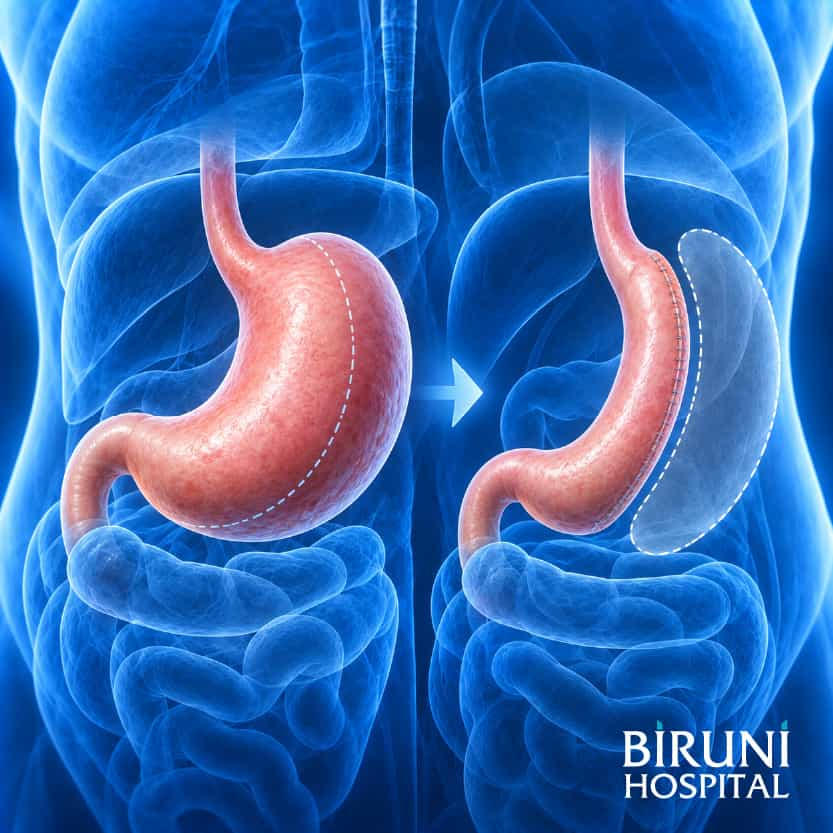
During the procedure, a gastroenterologist or bariatric surgeon inserts a flexible tube equipped with a camera and specialized instruments down the throat and into the stomach. Using a suturing device attached to the endoscope, the doctor places internal stitches in the stomach wall. These stitches are pulled tight to fold the stomach like an accordion, significantly reducing its internal volume.
By restricting the stomach's capacity, the procedure limits the amount of food you can comfortably eat. It may also alter the way the stomach empties, helping you feel fuller for a longer duration after meals. Because it is performed entirely from the inside, the anatomy of the gastrointestinal tract is not surgically altered, and no organs are removed or bypassed.
The intervention is performed under general anesthesia, ensuring the patient remains asleep and comfortable throughout the process. The non-surgical nature of the approach often appeals to patients who prefer to avoid the recovery demands of traditional bariatric surgery.
How much weight can I expect to lose with ESG?
It is important to understand that weight loss results vary significantly from person to person. The procedure provides physical restriction, but it does not operate independently of patient behavior. The effectiveness of the treatment is heavily reliant on your commitment to adopting a healthier lifestyle, including changes to nutrition and physical activity.
Clinical data suggests that the most rapid weight loss occurs within the first six months post-procedure, followed by a more gradual decline. Patients who actively participate in nutritional counseling, behavioral therapy, and regular exercise programs tend to achieve and maintain outcomes at the higher end of the estimated range.
Conversely, patients who return to previous eating habits, consume high-calorie liquids, or graze throughout the day may experience suboptimal weight loss or eventual weight regain. ESG is a powerful tool, but it requires active and ongoing participation from the patient to yield sustainable results.
Who is considered a suitable candidate for ESG?
The procedure is often recommended for individuals who do not qualify for traditional bariatric surgery or for those who wish to avoid surgical interventions. A comprehensive medical evaluation is required to determine eligibility. Doctors will review your medical history, current medications, and any underlying health conditions.
Not everyone is a candidate for ESG. Contraindications may include:
- A history of gastrointestinal bleeding or severe bleeding disorders.
- A large hiatal hernia (a condition where part of the stomach pushes up through the diaphragm).
- Previous stomach surgery.
- Active eating disorders or severe, untreated psychological conditions.
- Pregnancy or plans to become pregnant in the near future.
Before proceeding, a multidisciplinary team—often including a physician, dietitian, and psychologist—will assess whether you are physically and mentally prepared for the lifelong changes required after the procedure.
What is the average Endoscopic Sleeve Gastroplasty cost in Istanbul?
This estimated price range is a major factor driving patients to seek care in Turkey. In the United States or the United Kingdom, the same procedure can often cost more than double this amount, particularly because minimally invasive weight loss procedures are frequently excluded from insurance coverage.
When comparing prices, it is crucial to ask what the quoted fee includes. Comprehensive treatment packages in Istanbul often bundle:
- The primary medical procedure and specialized suturing equipment.
- Anesthesia fees and operating room charges.
- Pre-operative medical tests and evaluations.
- Dietitian consultations during your stay.
Keep in mind that these are estimates. The final cost can vary based on the specific facility, the complexity of your medical case, and any additional services required. Travel expenses, accommodation, and post-procedure nutritional supplements are usually separate costs that need to be factored into your total budget.
Are there risks or complications associated with ESG?
Because ESG does not involve cutting through the abdominal wall, it avoids many of the surgical risks associated with traditional bariatric operations, such as wound infections or hernias. However, it is still a significant medical intervention. In the first few days following the procedure, many patients experience temporary side effects including nausea, vomiting, cramping, and mild abdominal pain. These are usually managed with prescribed medication and resolve relatively quickly.
More severe complications are rare but can occur. These may include internal bleeding from the suture sites, infection, or the development of a leak in the stomach wall. There is also a risk associated with the administration of general anesthesia, which your medical team will discuss with you beforehand.
Patients traveling abroad must be acutely aware of these risks. If a complication arises after returning home, you must seek immediate care from a local healthcare professional. Informing your primary care physician about your plans before you travel is a highly recommended safety measure.
How does ESG compare to traditional gastric sleeve surgery?
The primary difference lies in the level of invasiveness. A Laparoscopic Sleeve Gastrectomy is a surgical operation that permanently removes about 80% of the stomach. Because of the tissue removal, the surgical approach alters the body's production of hunger hormones more significantly and often results in higher total weight loss—sometimes exceeding 25% to 30% of total body weight.
ESG, by contrast, leaves the stomach intact but physically smaller. The recovery time for ESG is typically much shorter, with patients often returning to daily routines within a few days, compared to a few weeks for surgery. The risk of severe complications is also statistically lower with the endoscopic approach.
Deciding between the two depends heavily on your baseline BMI, medical history, risk tolerance, and personal preferences. A qualified medical professional can help you weigh the benefits and limitations of each approach to determine which aligns better with your health goals.
What should I look for in an Endoscopic Sleeve Gastroplasty clinic in Istanbul?
Selecting the right facility is a critical step in ensuring your safety and the success of the procedure. Do not choose a clinic based solely on the lowest price. Instead, look for hospitals or clinics that hold international accreditations, such as from the Joint Commission International (JCI), which indicates adherence to rigorous patient safety standards.
Investigate the credentials of the doctor performing the procedure. They should have specific, documented training in advanced therapeutic endoscopy or bariatric endoscopy. Furthermore, a high-quality facility will offer a multidisciplinary approach, providing access to dietitians and coordinators who speak your native language to ensure clear communication regarding medical instructions.
Ask prospective clinics detailed questions during your initial inquiry. You should request information about their emergency protocols, their infection rates, and exactly what post-procedure support is provided before you leave the country. A reputable facility will answer these questions clearly and without pressure.
What does the recovery process involve after returning home?
The immediate post-procedure diet is highly restricted to protect the new sutures while the stomach heals. For the first few days, you will likely be on a clear liquid diet (such as water, broth, and sugar-free gelatin). This progresses to full liquids (like protein shakes), then pureed foods, soft foods, and eventually, a modified regular diet over the course of about a month.
Adhering strictly to these dietary phases is vital to prevent nausea, vomiting, or damage to the internal stitches. You may also need to take acid-reducing medications or anti-nausea drugs for a prescribed period.
Because you are traveling abroad for the procedure, setting up a local support system is imperative. Before you travel, establish a relationship with a local doctor, dietitian, or weight loss specialist who can monitor your progress, check your nutritional levels, and assist if you experience any complications after returning home.
Why is medical tourism in Istanbul popular for weight loss procedures?
Turkey has heavily invested in its healthcare infrastructure over the last two decades, particularly in the private sector. Many hospitals in Istanbul feature modern technology, stringent hygiene protocols, and dedicated international patient departments. These departments handle medical record translation, coordinate appointments, and facilitate communication between patients and doctors.
The geographic location of Istanbul also makes it highly accessible. Positioned between Europe and Asia, it is well-connected by direct flights from major cities across the globe. This logistical convenience, paired with the lower cost of living and favorable exchange rates, allows medical facilities to offer complex procedures at more competitive prices than many Western healthcare systems.
However, engaging in medical tourism requires careful planning. Patients must consider the physical toll of flying after a medical procedure and ensure they allocate enough time in the destination city for pre-operative consultations and a safe recovery window before departure.
How can I maintain long-term results after my procedure?
The endoscopic procedure reduces the size of your stomach, providing physical restriction that helps control portion sizes. However, it cannot stop you from eating calorie-dense foods or grazing on high-sugar snacks. Over time, poor eating habits can stretch the stomach, leading to weight regain.
To maintain your weight loss, you must focus on nutrient-dense foods, prioritizing protein and vegetables while minimizing refined carbohydrates and sugars. Eating slowly, chewing food thoroughly, and stopping when you feel comfortably full are habits that must be adopted permanently.
Furthermore, integrating regular physical activity into your routine is essential for maintaining muscle mass and metabolic health. Many patients find that regular consultations with a registered dietitian and participation in support groups provide the accountability and encouragement needed to sustain these major behavioral changes over the long term.
Why Choose PlacidWay for Medical Tourism in Istanbul?
Navigating healthcare options in another country requires careful research and planning. PlacidWay helps international patients explore their options by providing access to a wide network of healthcare resources.
- Global Connections: Connects patients with medical facilities and specialized clinics across Istanbul and worldwide.
- Educational Resources: Provides articles, guides, and details about various medical procedures to help patients make informed choices.
- Transparent Comparison: Allows patients to compare estimated costs, facility profiles, and doctor credentials side-by-side.
- Direct Communication: Facilitates initial contact between patients and international clinics to ask specific medical questions.
- Comprehensive Options: Offers information on a wide range of specialties, from bariatrics and orthopedics to dental and cosmetic care.
Frequently Asked Questions
Is ESG permanent or reversible?
Endoscopic Sleeve Gastroplasty is designed to be permanent, as the sutures are meant to stay in place indefinitely. However, unlike surgical gastric sleeves where part of the stomach is removed, the stomach tissue remains intact. In some medical situations, the sutures can be removed, making the procedure technically reversible, though this is not commonly done.
How long does the ESG procedure take?
The procedure typically takes between 60 to 90 minutes to complete. Because it is performed endoscopically, patients often wake up shortly after the anesthesia wears off and are usually monitored for a few hours in the recovery room.
Will I have visible scars after ESG?
No, you will not have visible external scars. The entire procedure is performed using an endoscope inserted through the mouth and down into the stomach, meaning no external incisions are made on the abdomen.
How long should I stay in Istanbul after ESG?
Most medical professionals recommend staying in Istanbul for at least 5 to 7 days following the procedure. This allows time for an initial follow-up appointment, monitoring for early complications, and ensuring you are tolerating liquids before flying.
Can I fly immediately after the procedure?
Flying immediately is generally discouraged due to the risk of deep vein thrombosis (DVT) and the need for medical observation. You should wait until your treating physician gives you medical clearance to travel, which is often a few days post-procedure.
Will ESG cure obesity-related conditions like diabetes?
While ESG can lead to significant weight loss that often improves conditions like type 2 diabetes, high blood pressure, and sleep apnea, it is not a guaranteed cure. Improvements depend on the amount of weight lost and sustained lifestyle changes.
Is anesthesia used during the ESG procedure?
Yes, the procedure is typically performed under general anesthesia. This ensures that you are completely asleep, comfortable, and still while the gastroenterologist or surgeon places the internal sutures.
What diet must I follow immediately after ESG?
Patients usually start with a clear liquid diet for the first few days, progressing to full liquids, then pureed foods, and eventually soft foods over several weeks. Your medical team will provide a specific timeline to protect the healing stomach.
Can my stomach stretch back after an ESG?
Yes, it is possible for the stomach to stretch over time, or for sutures to loosen, particularly if a patient consistently overeats or fails to follow dietary guidelines. Adhering to portion controls is vital for maintaining the reduced stomach capacity.
Does insurance cover ESG done in Turkey?
Most international health insurance plans do not cover medical tourism for weight loss procedures. Patients usually pay out-of-pocket, which is why the lower estimated costs in Istanbul attract many individuals paying privately.
Ready to Explore Your Treatment Options?
Discover more about clinics, compare estimated costs, and gather the information you need to make an informed decision about your healthcare journey.
Request Treatment InformationReferences
- Endoscopic Sleeve Gastroplasty Overview – Mayo Clinic
- Bariatric Surgery Procedures – American Society for Metabolic and Bariatric Surgery (ASMBS)
- Efficacy and Safety of Endoscopic Sleeve Gastroplasty – National Institutes of Health (NIH)
- Medical Tourism Advice and Safety – Centers for Disease Control and Prevention (CDC)
- Obesity and Overweight Fact Sheet – World Health Organization (WHO)
- Endoscopic Sleeve Gastroplasty Information – Johns Hopkins Medicine

















Share this listing