
Explore Lumineers Cost in Mexico

Cosmetic dentistry has become highly accessible, but the costs associated with smile makeovers at home can sometimes put treatment out of reach. For patients exploring options for enhancing their smile, looking across the border has become a common consideration. Understanding the financial differences, alongside the procedural realities, is essential before making any healthcare decisions.
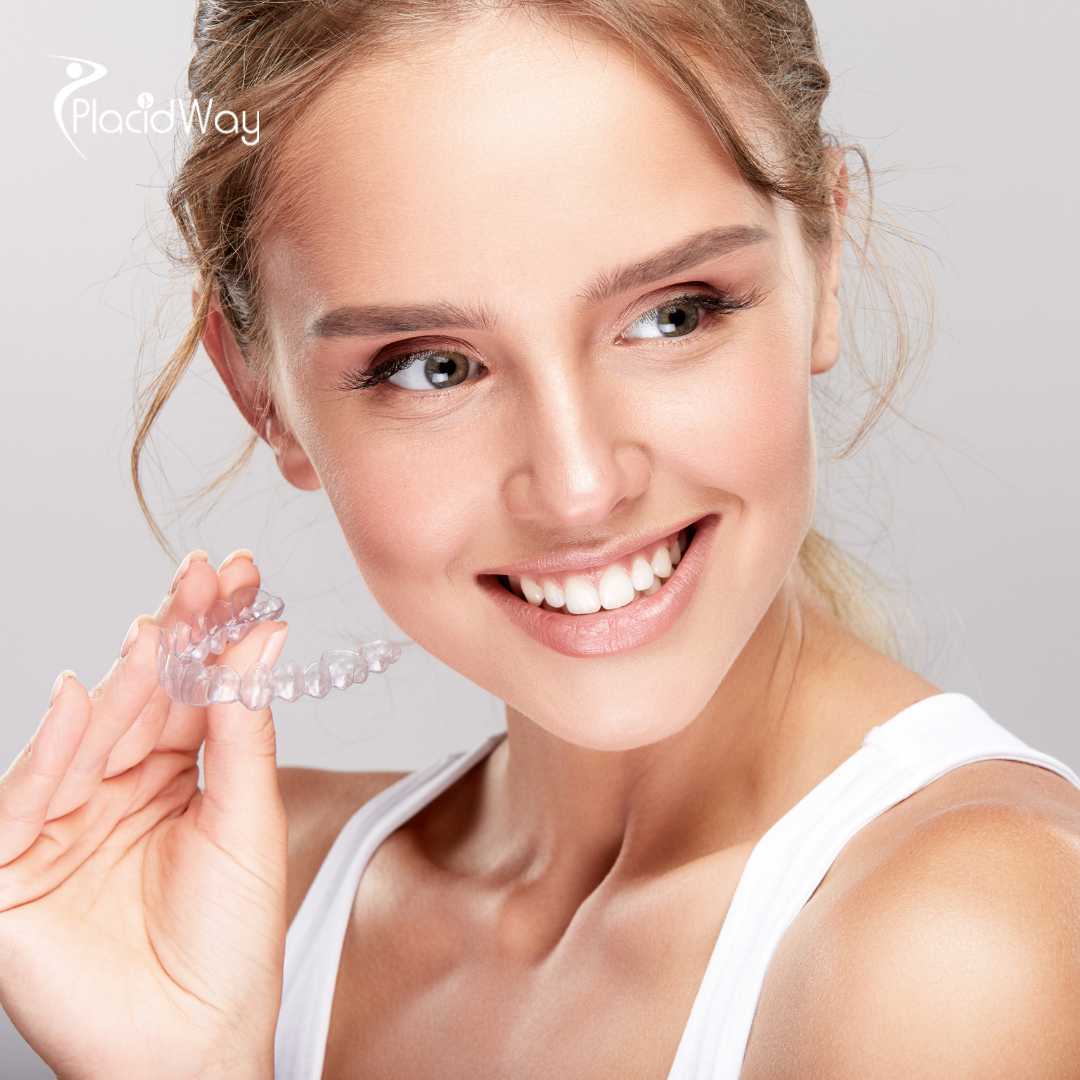
Lumineers are a specific, proprietary brand of ultra-thin porcelain veneers. Because they require specialized laboratory fabrication, they often command a premium price. If you are exploring Lumineers in Mexico, this guide breaks down the estimated costs, patient suitability, procedure details, and important safety considerations to help you have an informed conversation with a qualified dental professional.
Key Takeaways
- Estimated pricing typically ranges from $350 to $600 per tooth in popular destinations.
- Lumineers are ultra-thin (approximately 0.2 mm) and highly translucent, requiring careful case selection.
- Not everyone is a suitable candidate; severe discoloration or misaligned bites may require different treatments.
- While marketed as "no-prep," many cases still require minor enamel modification for a natural fit.
- Patients must factor in travel costs, lodging, and the potential need for follow-up care back home.
What Are Lumineers and How Do They Differ from Traditional Veneers?
Traditional veneers usually require a dentist to remove a small layer of healthy tooth enamel (often 0.5 mm or more) to ensure the porcelain shell fits seamlessly without looking bulky. Because Lumineers are significantly thinner, they are often marketed as a minimal-preparation or "no-prep" alternative.
The thin nature of this material means they are highly translucent, mimicking the natural light-reflecting properties of biological teeth. However, this translucency also means they cannot easily cover very dark stains or severe discoloration. A comprehensive evaluation by a qualified dentist is necessary to determine which type of veneer will achieve the desired structural and aesthetic outcome.
Why Do Patients Travel for Lumineers in Mexico?
The growth of medical tourism in Mexico has been heavily influenced by the rising costs of private dental care in North America. Because dental overhead costs, laboratory fees, and local administrative expenses are generally lower in Mexico, clinics can often offer cosmetic procedures at a reduced rate.
Many patients who need multiple veneers (often 6 to 10 across the upper front teeth) find that the total estimated savings outweigh the costs of travel and accommodation. Furthermore, many dental clinics catering to international patients are located in border towns or popular tourist destinations, making logistics more manageable for North American visitors.
Who is an Ideal Candidate for Ultra-Thin Veneers?
Suitability varies by patient, and a professional assessment is vital. Dentists typically evaluate several factors before recommending this specific treatment:
- Tooth Shade: Because the material is highly translucent, deeply stained or tetracycline-affected teeth may show through the veneer.
- Alignment: Patients with severely crooked teeth or significant crowding may need orthodontic treatment rather than cosmetic masking.
- Bite and Bruxism: Those who grind or clench their teeth (bruxism) may be at a higher risk of chipping or cracking the thin porcelain.
- Gum Health: Healthy periodontal tissue is required. Active gum disease must be treated before any cosmetic restorations can be placed.
Are Lumineers Completely Reversible?
A common misconception is that no tooth preparation is ever needed. If ultra-thin porcelain is placed directly over an un-prepped tooth, the result can sometimes look bulky or feel artificially thick, particularly near the gumline. To prevent an unnatural appearance or gum irritation, dentists often recommend minor shaping or smoothing of the natural enamel.
If any enamel is removed, the tooth is permanently altered. Should the patient decide to remove the restorations in the future, the underlying teeth may be sensitive or aesthetically compromised, requiring replacement veneers or composite bonding. It is important to discuss the exact amount of preparation your specific case will require.
How Many Trips Are Required to Get Lumineers?
Because genuine Lumineers are manufactured at an authorized DenMat laboratory, the clinic must take physical or digital impressions of your teeth and send them out for fabrication. This fabrication period dictates the timeline.
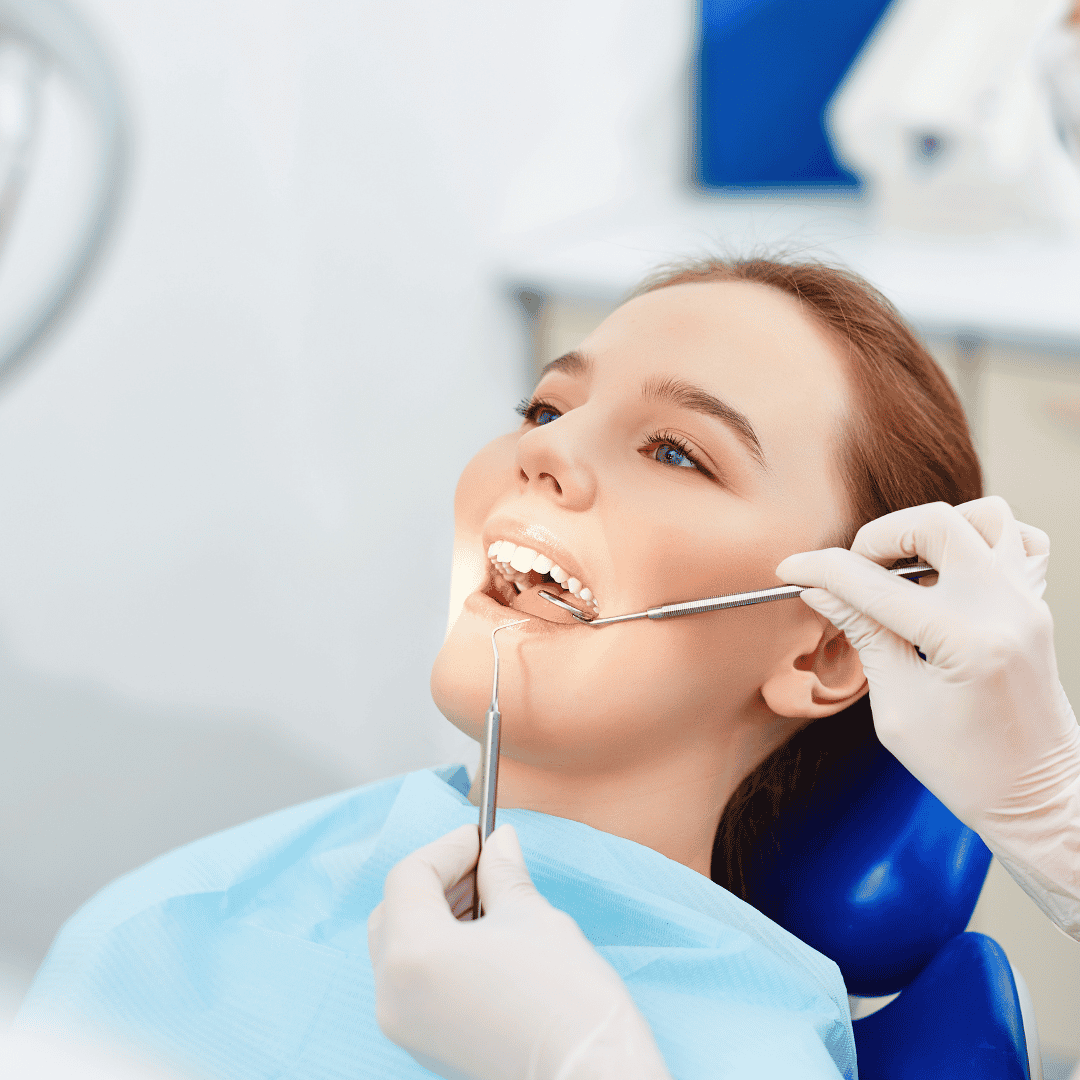
During the first appointment, the dentist conducts an examination, discusses the treatment plan, prepares the teeth (if necessary), and takes impressions. The second appointment, which occurs after the laboratory has returned the custom restorations, involves checking the fit, adjusting the shade if possible, and permanently bonding the porcelain to the natural teeth. Some larger facilities may expedite lab work, but adequate time must be factored into travel plans.
What Factors Influence the Final Price of the Procedure?
While the base estimate is often quoted per tooth, patients must account for the entire scope of the treatment plan. Additional costs that may influence the final bill include:
| Potential Cost Factor | Description |
|---|---|
| Diagnostic Imaging | Panoramic X-rays or 3D scans needed to assess bone and root health before placement. |
| Preliminary Treatments | Professional deep cleanings or cavity fillings required to ensure a healthy foundation. |
| Protective Appliances | A custom night guard is often strongly recommended to protect the investment from nighttime grinding. |
What Are the Potential Risks and Complications?
A primary concern with minimal-preparation techniques is the potential for an over-contoured tooth. If the veneer creates a slight ledge near the gumline, plaque can easily accumulate in that area. This microleakage can lead to gingival inflammation (gingivitis) or secondary decay beneath the restoration.
Additionally, while porcelain is durable, it is essentially a glass-like material. Biting into hard foods, using teeth as tools, or grinding can cause the thin shells to crack or fracture. Patients may also experience temporary temperature sensitivity in the days following the bonding process, particularly if some enamel was removed.
How Long Do These Veneers Typically Last?
Longevity is never guaranteed. The bonding agents used today are highly advanced, but the structural integrity of the veneer relies on how the patient treats their teeth. Avoiding heavily staining substances (like excessive tobacco or dark wines), while not strictly necessary for the porcelain itself, helps maintain the color of the underlying tooth and the bonding cement at the margins.
To maximize their lifespan, patients must commit to standard dental maintenance. This includes brushing with a non-abrasive toothpaste, flossing daily to maintain gum health, and wearing a protective occlusal guard at night if recommended by a dentist.
What Should I Look for When Choosing a Provider Abroad?
Not every dentist who performs general dentistry has extensive experience in cosmetic smile design. When researching providers, patients should seek out professionals who are members of recognized organizations, such as the Mexican Dental Association (Asociación Dental Mexicana) or international cosmetic academies.
It is important to ask for before-and-after photos of actual cases treated by the specific dentist, not just stock imagery. Because Lumineers are a proprietary product, you can also ask the clinic if they are a certified DenMat provider. Clear communication is essential, so ensuring that you and the dental team can communicate effectively regarding your expectations and medical history is a critical step in the selection process.
How Do I Handle Aftercare and Complications Once I Return Home?
One of the primary challenges of receiving dental care abroad is managing post-operative issues. If a veneer falls off or you experience persistent pain after returning home, traveling back to the original clinic may be logistically difficult and expensive. Local dentists can repair or replace compromised work, but this will require out-of-pocket expenses that are generally not covered by the foreign clinic's warranty.
Patients should request a complete copy of their dental records, treatment plans, and details of the materials used before leaving the clinic. Sharing these records with your local dentist ensures continuity of care and helps them properly maintain your new dental work during regular six-month checkups.
Why Choose PlacidWay for Medical Tourism?
Navigating international healthcare options can be complex. PlacidWay provides informational resources to help patients explore global medical and dental possibilities.
- Extensive Directories: Access informational profiles for numerous dental clinics and healthcare facilities globally.
- Educational Resources: Utilize guides, cost estimates, and procedural overviews to better understand potential treatments.
- Direct Communication: Patients can use the platform to submit inquiries and connect directly with clinics to ask questions.
- Provider Transparency: Profiles often list the facility's available accreditations, certifications, and offered services.
- Global Reach: Compare treatment options, techniques, and estimated pricing across multiple countries in one place.
Frequently Asked Questions
Does the price of Lumineers in Mexico include the consultation?
Consultation fees vary by clinic. Many facilities include a basic consultation and treatment plan in the overall package, while others may charge a separate diagnostic fee for initial X-rays and 3D imaging.
Are hidden fees common when paying for dental care abroad?
While reputable clinics provide transparent, itemized quotes, patients should always ask if costs for diagnostic tests, temporary veneers, medications, or protective night guards are included in the initial estimate.
Can I get a full set of Lumineers during a single visit to Mexico?
Because genuine Lumineers are custom-made in a specialized laboratory, the process typically requires two appointments spaced a few days apart during a single trip, or sometimes two separate short trips.
Do Mexican dental clinics use genuine DenMat Lumineers?
Many established cosmetic clinics in Mexico are certified to offer genuine DenMat Lumineers. Patients should request to see the certification and verify that authentic materials are being used.
Is it safe to travel to Mexico for cosmetic dentistry?
Thousands of patients travel for dental care each year. However, safety depends on choosing a properly credentialed clinic, following general travel safety guidelines, and understanding the risks of the medical procedure itself.
Can I finance my dental treatment in Mexico?
Some international clinics accept third-party medical financing plans or credit cards, but options may be more limited than domestic financing. It is best to confirm payment methods before traveling.
How do I maintain my new smile after returning home?
Maintain standard oral hygiene by brushing twice daily with non-abrasive toothpaste, flossing, and visiting your local dentist for regular checkups. Wearing a night guard can help protect the porcelain from grinding.
What happens if a veneer chips or falls off after I return?
If a complication occurs, you will likely need to see a local dentist for repair or rebonding, which will incur additional out-of-pocket costs. Some clinics offer warranties, but these typically require returning to Mexico.
Do I need a passport to travel for dental care?
Yes, international travel requires a valid passport. If crossing land borders by car, a passport book or passport card is required for reentry into the United States.
Are there alternative veneer brands available in Mexican clinics?
Yes, clinics often offer alternatives such as E-max veneers or traditional porcelain veneers, which may be more suitable depending on a patient's bite, tooth color, and structural needs.
Explore Your Dental Treatment Options
Gather more information about cosmetic dentistry abroad, compare facilities, and request details to help you make an informed decision.
Request Treatment InformationReferences
- Veneers - American Dental Association (ADA)
- Clinical Evaluation of Porcelain Veneers - National Center for Biotechnology Information
- Medical Tourism: Travel for Medical Care - Centers for Disease Control and Prevention (CDC)
- Porcelain Veneers: A Review of the Literature - The Journal of the American Dental Association
- Your Health Abroad - U.S. Department of State
- Minimal Intervention Dentistry - National Institutes of Health


























Share this listing