
The Ultimate Guide to Finding the Best Dentist for Crowns in Mexico

When searching for restorative dental care abroad, many patients find themselves asking who the top provider is. Because every patient has unique oral health needs, there is no universal answer. However, understanding how to evaluate providers can help you confidently seek dental crowns in Mexico. By focusing on education, clinic technology, specialized training, and transparent communication, you can narrow down your options to highly qualified professionals who align with your specific treatment goals.
Key Takeaways
- The "best" dentist is highly subjective; prioritize specialists in prosthodontics or cosmetic dentistry for crowns.
- Look for verifiable credentials, continuing education, and memberships in recognized international dental organizations.
- High-quality providers offer various material options, including zirconia, E-max, and porcelain-fused-to-metal (PFM).
- Lower overhead and administrative costs contribute to the affordability of care, rather than a reduction in material quality.
- Careful planning, thorough research, and understanding the risks are essential parts of any medical travel journey.
How do I choose the right dentist for my dental crowns in Mexico?
Selecting a dentist abroad requires careful research. Rather than looking for a single name, you should look for specific indicators of quality. A dentist who focuses heavily on restorative dentistry or prosthodontics—the branch of dentistry dealing with the replacement of teeth—is often better suited for placing crowns than a general practitioner.
Communication is another vital factor. You want a provider who takes the time to explain your options, discusses the pros and cons of different materials, and answers your questions clearly. Many clinics catering to international patients offer remote consultations via video call or email. This initial contact is an excellent opportunity to gauge their professionalism, language proficiency, and willingness to accommodate your concerns. Additionally, reviewing independent patient testimonials and asking for before-and-after photos of previous crown procedures can provide valuable insight into the dentist's skill level.
What specific credentials indicate a highly qualified dentist?
Credentials serve as a foundational benchmark for any healthcare provider. In Mexico, dentists must complete an accredited university program to earn their degree (often listed as DDS or DMD equivalents). However, those who excel in restorative work usually undergo additional years of specialized training. When reviewing a dentist's profile, look for postgraduate certificates or diplomas in prosthodontics, cosmetic dentistry, or implantology.
Professional affiliations also demonstrate a commitment to staying current with global dental standards. Many leading dentists maintain active memberships in international organizations. These memberships typically require ongoing continuing education, meaning the dentist is regularly updating their knowledge on the latest restorative techniques and materials. Do not hesitate to ask a clinic to verify their dentists' qualifications prior to booking an appointment.
Which dental crown materials are commonly used by top providers?
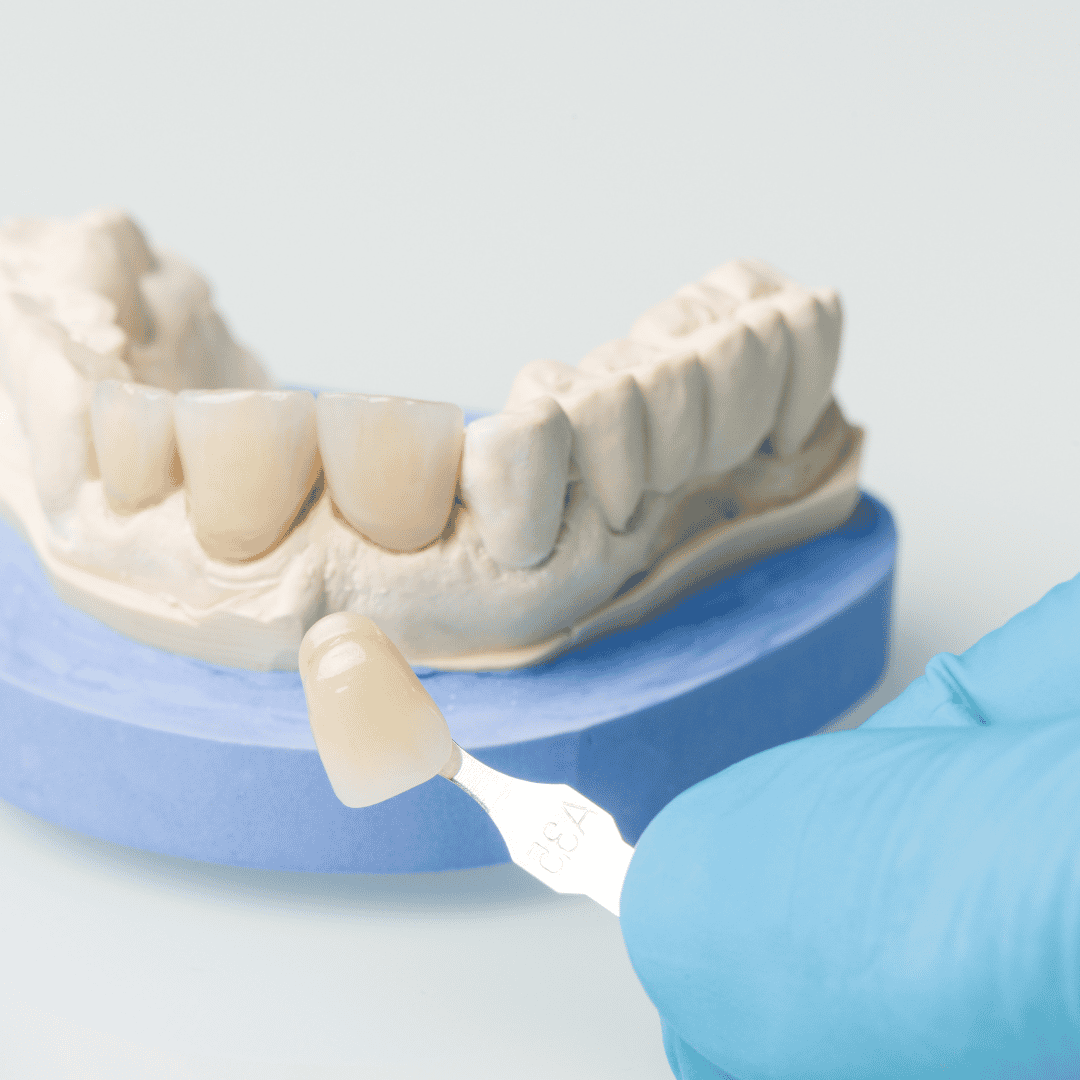
The type of material used for your crown significantly impacts its longevity, strength, and appearance. Because different teeth endure different levels of bite force, your dentist should recommend a material tailored to your specific situation.
| Material | Best Suited For | Key Characteristics |
|---|---|---|
| Zirconia | Molars and heavy biters | Exceptionally strong, highly durable, metal-free. |
| E-max (Lithium Disilicate) | Front teeth (incisors/canines) | Superior aesthetics, closely mimics natural tooth translucency. |
| Porcelain-Fused-to-Metal (PFM) | Back or front teeth | Strong metal core with tooth-colored exterior; an older but reliable standard. |
| Full Metal / Gold | Out-of-sight molars | Requires minimal tooth removal, extremely long-lasting, visible color. |
Established providers use materials from globally recognized dental brands. You can always ask your dentist which brand of zirconia or porcelain they utilize to ensure it meets international quality standards.
What should I expect regarding the dental crown cost in Mexico?
Cost is frequently the primary driver for patients seeking care abroad. It is helpful to understand that lower prices do not automatically equate to lower quality care. The cost differences are largely driven by the broader economic environment. Real estate, staffing, utility costs, and the administrative burdens of complex insurance systems are significantly lower south of the border. Furthermore, many dental professionals graduate with far less student debt compared to their North American counterparts.
When budgeting for your trip, remember that the quote for the crown itself may not encompass all associated expenses. You should ask your clinic for a comprehensive treatment plan that outlines potential additional costs, such as x-rays, panoramic imaging, diagnostic consultations, temporary crowns, and potential root canal therapy if the tooth's nerve is compromised. Getting these estimates in writing helps avoid unexpected expenses during your trip.
What is the typical process for getting dental crowns abroad?
Understanding the clinical steps can help you plan your travel itinerary. During the first visit, the dentist will examine the affected tooth, take x-rays, and determine if the underlying root and bone structure are healthy. If the tooth is deemed suitable for a crown, local anesthesia is administered, and the tooth is gently reshaped to create space for the restorative material.
Once the tooth is prepared, the dentist takes impressions. Many modern clinics now use digital intraoral scanners instead of traditional messy putty, which often results in a more precise fit. A temporary crown is then placed to protect the tooth. Over the next few days, a dental laboratory crafts your custom crown. Finally, you will return to the clinic for the removal of the temporary crown and the fitting and cementation of your permanent restoration. The dentist will check your bite and make any necessary minor adjustments.
What makes a dental crown clinic in Mexico safe and reliable?
Patient safety must always be the top priority. Reliable clinics mimic or exceed the safety standards expected in the US and Canada. This includes the use of medical-grade autoclaves for instrument sterilization, adherence to cross-contamination prevention protocols, and the use of modern diagnostic tools like CBCT (Cone Beam Computed Tomography) scanners when necessary.
Before committing to a clinic, inquire about their sterilization processes. Many facilities are proud to show patients their sterilization rooms and explain their safety measures. A trustworthy clinic will also conduct a thorough review of your medical history, current medications, and existing health conditions to identify any contraindications that might affect your suitability for treatment or local anesthesia.
How long do dental crowns usually last?
While crowns are durable, they are not permanent structures that can be neglected. The longevity of your restoration depends heavily on how well you care for it. The underlying tooth structure is still susceptible to decay at the gum line, and the surrounding gum tissue can develop periodontal disease without proper hygiene.
To maximize the lifespan of your crown, you should brush twice daily, floss gently around the crown margins, and attend routine professional cleanings. Furthermore, habits such as teeth grinding (bruxism), chewing ice, or biting on hard objects like pens can chip or fracture materials like porcelain and E-max. If you are known to grind your teeth at night, your dentist may recommend wearing a custom night guard to protect your new restorations.
What are the potential risks, and how can they be minimized?
As with any medical or dental procedure, placing a crown carries inherent risks. Some patients experience mild discomfort or sensitivity to hot and cold foods immediately following the procedure; this typically subsides within a few weeks. In some instances, the preparation of the tooth can traumatize the inner nerve, which may eventually require root canal therapy to resolve.
A poorly fitted crown can alter your bite, leading to jaw pain or excessive wear on opposing teeth. This underscores the importance of choosing an experienced provider who meticulously checks your occlusion (bite) before final cementation. Minimizing these risks starts with thorough diagnostic imaging, honest communication about your symptoms, and closely following your dentist's aftercare instructions. Should severe pain or swelling occur after returning home, it is vital to seek prompt evaluation from a local dental professional.
How should I plan my medical tourism in Mexico trip for dental care?
The logistics of your trip will depend largely on whether you choose a border town or a resort destination. Border cities are often favored by patients who wish to drive or walk across the border for day trips, returning to the US or Canada to sleep. Conversely, interior resort destinations may require flights and hotel accommodations, but they offer the opportunity to combine dental care with a vacation environment.
When planning, avoid scheduling your return travel too tightly. Unforeseen clinical factors, such as a temporary crown falling off or a lab requiring an extra day for a color adjustment, can delay the final placement. It is generally advisable to add a buffer day to your itinerary. Additionally, check current passport requirements and government travel advisories to ensure a safe and smooth journey.
Why Choose PlacidWay for Medical Tourism?
Navigating international healthcare options can feel overwhelming. PlacidWay is a medical tourism platform designed to help patients research and explore their healthcare options abroad. We aim to support your decision-making process through education and transparency.
- Facilitates Connections: We help connect patients with healthcare providers and dental clinics globally, simplifying the initial contact process.
- Educational Resources: Our platform provides informational articles, treatment guides, and destination insights to help you understand your choices.
- Comparison Tools: Patients can review clinic profiles, read available credentials, and compare different international facilities in one place.
- Transparent Information: We emphasize providing clear, accessible information regarding potential treatments and global healthcare environments.
- Patient-Centered Approach: Our focus is on empowering you to make your own informed healthcare decisions without pressure.
Frequently Asked Questions
Do dentists in Mexico generally speak English?
Many dentists who frequently treat international patients in popular medical tourism destinations are bilingual and speak fluent English. Clinic staff often include English-speaking patient coordinators to assist with communication.
Will my home dental insurance cover crowns in Mexico?
Some dental insurance plans may reimburse a portion of out-of-network or international care, but it varies widely by provider. You typically need to pay upfront and submit itemized receipts and x-rays to your insurance company for potential reimbursement.
Do I need a passport to travel to Mexico for dental care?
Yes, international travel requirements apply. US and Canadian citizens typically need a valid passport to enter Mexico and to return to their home countries, even when crossing via land borders.
Can I get a root canal and a crown during the same trip?
It is often possible to receive a root canal and a crown in the same trip, provided there is sufficient time for the custom crown to be fabricated. However, severe infections may require healing time before a permanent crown can be safely placed.
What happens if I experience complications after returning home?
If complications arise after returning home, you should consult a local dentist immediately to address the issue. Some international clinics may offer to fix the work if you return to them, but local emergency care is vital for sudden pain or infection.
Are the crown materials used in Mexico the same as those in the US?
Reputable clinics typically use the same internationally recognized brands and high-quality materials, such as E-max, zirconia, and porcelain, that are standard in the United States and Canada.
Is it safe to travel to border towns for dental work?
Many patients safely visit border towns for dental care by sticking to established tourist and medical districts, traveling during daylight, and following general travel safety advisories issued by their home governments.
How do I know if I need a dental crown or just a filling?
Only a qualified dentist can determine the appropriate treatment after examining your tooth and reviewing x-rays. Crowns are typically recommended when a tooth is heavily decayed, fractured, or has undergone a root canal.
Can I travel alone for a dental crown procedure?
Getting a crown usually involves local anesthesia, so traveling alone is generally manageable for many patients. However, having a companion can provide comfort and logistical support during international travel.
Do Mexican dental clinics offer warranties on their crowns?
Some clinics provide limited warranties or guarantees on their restorative work, covering material failures under normal use. Terms and conditions vary greatly, so patients should request warranty details in writing prior to treatment.
Compare Treatment Options
Take the next step in your healthcare journey. Request educational materials, compare clinics, and explore potential options for your restorative dental needs.
Request Treatment InformationReferences
- Dental Materials – American Dental Association (ADA)
- Medical Tourism Guidelines – Centers for Disease Control and Prevention (CDC)
- Cavities/Tooth Decay Treatment – Mayo Clinic
- Dental Crowns Overview – Cleveland Clinic
- Tooth Decay and Restorations – National Institute of Dental and Craniofacial Research
- Oral Health Fact Sheet – World Health Organization (WHO)
Medical Disclaimer: The information provided in this article is for educational and informational purposes only and does not constitute medical advice, diagnosis, or treatment planning. Dental outcomes, recovery times, and risks vary significantly based on individual health conditions and clinical complexities. Always consult with a qualified, appropriately licensed dental professional to discuss your specific medical history and determine if you are a suitable candidate for any restorative procedure.






















Share this listing