
Explore Tummy Tuck Cost in Merida, Mexico
"A tummy tuck in Merida, Mexico typically costs between $4,500 and $7,000, varying based on the clinic, surgeon's expertise, and the complexity of the procedure."

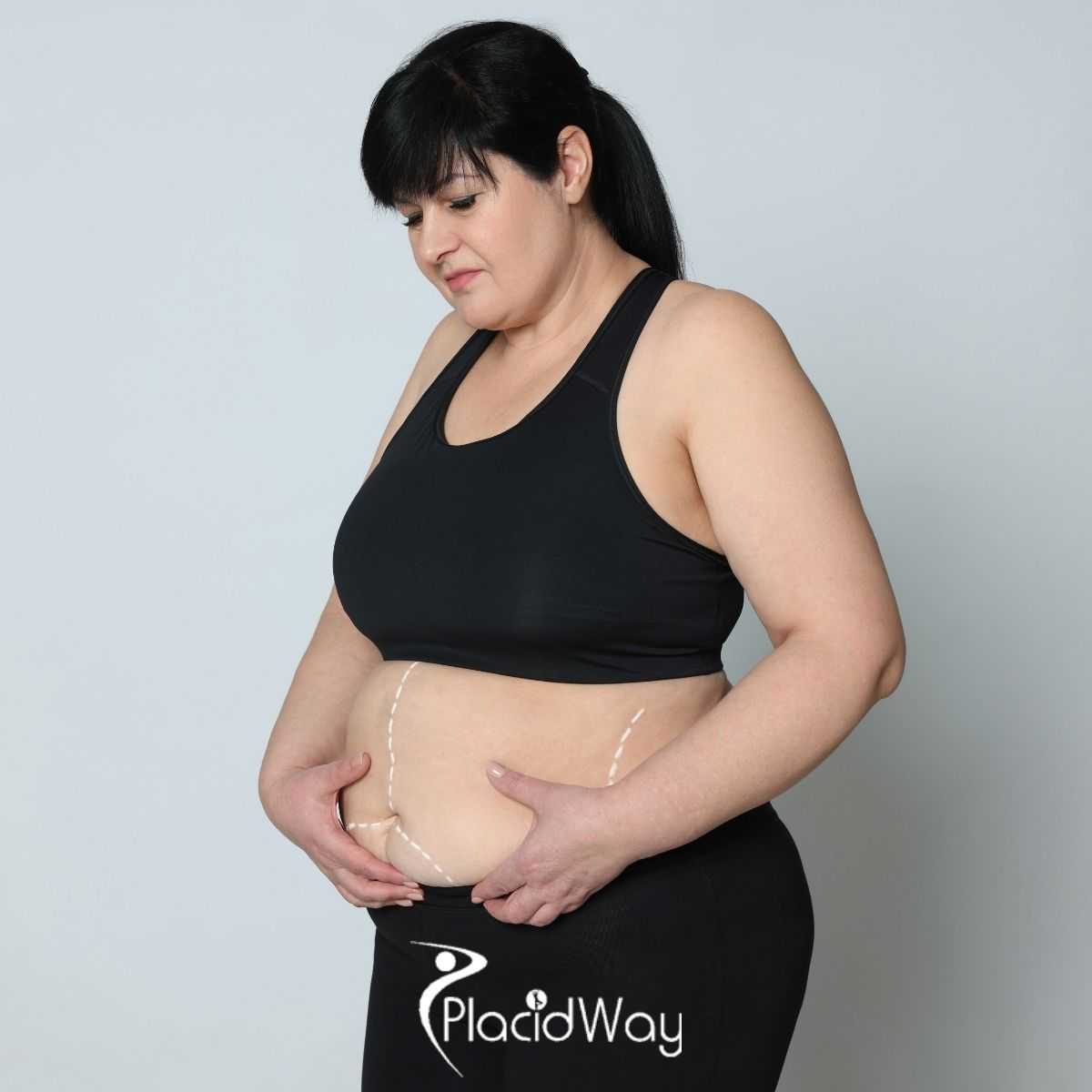
For many patients considering body contouring surgery, understanding the financial commitment is the first step. When exploring a tummy tuck in Mexico, the city of Merida frequently emerges as an accessible location for those seeking medical care outside their home country. Often known as abdominoplasty, this procedure aims to remove excess skin and fat from the abdomen while restoring weakened muscles to create a smoother profile.
Estimating the tummy tuck cost in Mexico involves looking beyond just the surgical fee. Medical travelers must account for travel, accommodation, pre-operative testing, and extended recovery time abroad. Merida offers a distinct environment for recovery, blending modern medical facilities with a more relaxed pace compared to larger metropolitan hubs. This guide explores the realistic costs, typical package inclusions, patient eligibility, and critical safety considerations for those researching an international procedure.
Key Takeaways
- The estimated price for this procedure in Merida usually falls between $3,500 and $5,500.
- Quotes normally cover the operating room, surgical team, and anesthesia, but you must ask for an itemized list.
- Patients should budget for extra travel expenses, local accommodation for 10-14 days, and aftercare supplies.
- Safety relies heavily on thorough medical screening and choosing appropriately accredited facilities.
- Outcomes, risks, and recovery experiences vary significantly based on individual health and anatomy.
What factors influence the final price of abdominoplasty in Merida?
Not every tummy tuck requires the same amount of time in the operating room or the same surgical techniques. A full abdominoplasty, which involves extensive skin removal, belly button repositioning, and muscle repair, naturally costs more than a mini tummy tuck that only addresses the lower abdomen. If the abdominal muscles have separated (a condition known as diastasis recti, common after pregnancy), repairing this muscle wall adds to the complexity and duration of the operation.
The choice of facility also plays a role in the total estimate. Procedures performed in fully equipped hospitals with intensive care units available may carry higher facility fees than those done in smaller ambulatory surgery centers. Additionally, an experienced surgeon who is well-regarded by international patients may charge a higher professional fee based on their training and demand.
Is a tummy tuck in Merida safe for medical tourists?
When evaluating medical tourism in Mexico, safety must be addressed on two fronts: the destination itself and the clinical environment. Merida is the capital of the Yucatan state and is frequently noted for having a lower crime rate and a calmer atmosphere than some border towns. However, patients still need to exercise standard travel precautions, such as arranging reliable transportation and staying in secure accommodations.
Clinically, safety hinges on the protocols followed by the medical team. Just like in any country, the quality of care can vary. It is crucial to select providers who adhere to recognized hygiene and sterilization standards, maintain emergency transfer protocols, and conduct rigorous pre-operative testing to ensure you are healthy enough for surgery. You should feel comfortable asking potential providers about their complication rates and emergency preparedness.
What is typically included in a surgery package in Mexico?
When you receive a quote for a tummy tuck clinic in Mexico, the bundled price often looks comprehensive, but inclusions can vary widely. Knowing exactly what you are paying for helps avoid unexpected bills during your trip.
- Usually Included: Surgeon fees, anesthesiologist fees, operating room time, and basic medical supplies used during the procedure.
- Sometimes Included: One night stay in the hospital or clinic, pre-operative blood work, and the first post-surgical compression garment.
- Rarely Included: Flights, hotel accommodations for your extended stay, meals, prescription medications for home use, and medical complications insurance.
Always ask the clinic coordinator for written confirmation of what is covered and what you will need to pay for out-of-pocket upon arrival.
How long do I need to stay in Merida for recovery?
A tummy tuck is a major surgical procedure that requires significant downtime. Trying to rush the journey home can be dangerous. Flying too soon after major surgery increases the risk of deep vein thrombosis (DVT), a serious condition where blood clots form in the legs. Sitting in a cramped position also places undesirable pressure on your fresh abdominal incisions.
During your stay in Merida, you will likely have several follow-up appointments. The surgical team needs to monitor your healing, check for signs of infection, and safely remove any surgical drains once fluid output has decreased. You will need to rest in your hotel or recovery house, walking slightly hunched over initially to avoid pulling on the tightened skin and muscles.
Who is an ideal candidate for a tummy tuck procedure?
It is vital to understand that a tummy tuck is not a weight-loss surgery. It is a contouring procedure designed for individuals who are already close to their ideal weight. The best outcomes are typically seen in patients who have experienced significant weight loss, leaving behind loose skin, or women whose abdominal muscles have stretched during pregnancy.
Medical eligibility requires a thorough physical evaluation. Conditions like poorly controlled diabetes, heart disease, or a history of blood clots may disqualify someone from elective surgery. Additionally, surgeons heavily advise against smoking or using nicotine products for weeks before and after the procedure, as nicotine severely constricts blood vessels and can lead to dangerous tissue necrosis and poor wound healing.
What are the potential risks and complications of this surgery?
As with any major operation, an abdominoplasty comes with a degree of risk. While many patients undergo the procedure without major issues, complications can and do occur. Fluid accumulation beneath the skin (seroma) is relatively common and is why surgical drains are frequently used. Poor wound healing, particularly along the main incision line, can require additional treatments or prolonged care.
More severe, though less frequent, risks include deep vein thrombosis (DVT) and pulmonary embolism (PE). Traveling long distances for surgery adds to these circulatory risks, making strict adherence to your surgeon's post-operative mobility instructions critical. You should always discuss a contingency plan with your provider in case a complication requires an extended stay or additional medical intervention in Mexico.
Can a tummy tuck be combined with other procedures like liposuction?
Combining surgeries is popular among medical tourists aiming to maximize the results of a single trip, often referred to as a "mommy makeover" when involving the abdomen and breasts. Adding liposuction to the flanks or waistline can help refine the overall contour, as a tummy tuck alone only addresses the front abdominal panel.
However, combining procedures means a longer time under general anesthesia, which inherently increases surgical risk. It also results in a more challenging, painful recovery period since multiple areas of the body are healing simultaneously. A responsible surgical team will set limits on how many procedures can be safely performed during one operation based on your health profile and the estimated operating time.
How do I prepare for abdominal contouring surgery abroad?
Preparation begins months in advance. Your clinical team will likely require blood tests, an EKG, and potentially clearance from your primary care physician to confirm you are fit for surgery. You may be instructed to stop taking medications that increase bleeding risk, such as aspirin, certain anti-inflammatory drugs, and some herbal supplements.
Logistically, ensure your passport is valid well beyond your travel dates. Pack comfortable, loose-fitting clothing that zips or buttons up the front, as pulling shirts over your head will be difficult. Most importantly, arrange for a companion to travel with you. You will not be able to carry luggage, prepare meals easily, or manage all your personal care independently during the first week of recovery in Merida.
What should I look for when choosing a clinic in Yucatan?
Researching international medical providers requires diligence. Look for clinics that are transparent about their team's qualifications. While board certification systems differ by country, reputable providers usually hold memberships in recognized national or international plastic surgery organizations.
During your consultations, assess how the clinic communicates. Do they thoroughly explain the risks, or do they only highlight the benefits? Are they clear about what happens if a complication arises? The clinic should be clean, modern, and willing to show you their facilities (often through video tours). Avoid providers who pressure you into making an immediate booking or who gloss over the importance of pre-operative health screenings.
What does the long-term aftercare involve once I return home?
Returning home from Merida does not mean your recovery is complete. Swelling can persist for months, and the incision will take time to fully mature and fade. You will likely need to wear an abdominal binder or compression garment for 4 to 6 weeks to support the healing tissues and manage swelling. Heavy lifting, strenuous exercise, and abdominal workouts must be strictly avoided until your surgeon gives clearance, which is often 6 to 8 weeks post-surgery.
Because you received care abroad, it is highly recommended to have a general practitioner or a local physician aware of your procedure. While your surgeon in Mexico will likely offer virtual follow-ups, having someone locally who can physically examine your incision or address late-onset complications, such as a delayed infection, is a crucial part of a safe medical tourism plan.
Why Choose PlacidWay for Medical Tourism in Mexico?
PlacidWay is a medical information platform designed to assist patients in researching international healthcare options. Here is how the platform supports those exploring care abroad:
Global Provider Network
Connects patients with an extensive directory of medical centers and clinics located across multiple countries, including Mexico.
Informative Clinic Profiles
Offers access to detailed information regarding clinic amenities, available treatments, and provider background details.
Direct Communication
Facilitates the initial outreach and communication process, allowing patients to ask questions directly to international healthcare teams.
Multilingual Support
Provides customer service and platform navigation options in multiple languages to assist international patients from diverse backgrounds.
Educational Resources
Shares informative articles, pricing guides, and treatment overviews to help patients gather essential facts before making medical decisions.
Frequently Asked Questions
Is a passport required to travel to Merida for surgery?
Yes, international travelers require a valid passport to enter Mexico. Depending on your country of origin, you may also need a tourist visa. Always check current entry requirements well before your travel dates.
How soon can I fly back home after a tummy tuck in Merida?
Most surgeons advise waiting 10 to 14 days before flying home. Sitting in a cramped airplane seat too soon can increase the risk of blood clots (DVT) and put undue stress on your healing incisions.
Does health insurance cover abdominoplasty in Mexico?
Standard health insurance rarely covers a tummy tuck, as it is primarily considered an elective cosmetic procedure. Even if a portion were deemed medically necessary, domestic insurance policies typically do not cover care received outside your home country.
What kind of anesthesia is used for a tummy tuck?
Abdominoplasty is usually performed under general anesthesia, meaning you will be completely asleep. In some specific cases, such as a smaller mini tummy tuck, intravenous sedation combined with local anesthesia might be an option.
How noticeable are the scars after surgery?
A standard tummy tuck leaves a horizontal scar along the lower abdomen, usually placed low enough to be hidden by underwear or a bikini bottom. The appearance of scars varies by individual healing, and they typically fade over a year or more but will never disappear entirely.
Will I need drains after my procedure in Merida?
Many surgeons use small, temporary drainage tubes placed under the skin to prevent fluid buildup. These are usually removed within a few days to a week after surgery, which is why a prolonged stay in Merida is often necessary.
What happens if I experience complications after leaving Mexico?
You should establish a relationship with a local healthcare provider in your home country before you travel. If complications arise after returning home, seek immediate medical attention locally. Your surgeon in Mexico can often communicate with your local doctor to share surgical notes.
How long does the actual surgery take?
The procedure typically takes between two to four hours in the operating room. The exact duration depends on the extent of skin removal, whether muscle repair is needed, and if other procedures like liposuction are being performed simultaneously.
Can I bring a companion with me to the hospital?
Yes, bringing a companion is highly recommended. You will need physical assistance for basic tasks like getting out of bed, walking, and managing your medication during the first several days of your recovery.
Do surgeons in Merida speak English?
Many surgeons and medical staff who work with international patients in Merida are bilingual. However, proficiency levels vary by clinic, so it is advisable to confirm language accommodations or the availability of a medical translator during your initial consultations.
Compare Treatment Options
Gather more information about clinic facilities, pricing estimates, and available surgeons in Merida to help you make an informed decision regarding your care.
Request Treatment InformationReferences
- Medical Tourism Guidelines – Centers for Disease Control and Prevention (CDC)
- Tummy Tuck Safety and Risks – American Society of Plastic Surgeons (ASPS)
- Abdominoplasty Overview and Risks – Mayo Clinic
- Abdominoplasty Procedure Information – International Society of Aesthetic Plastic Surgery (ISAPS)
- Tummy Tuck Guide for Patients – American Board of Cosmetic Surgery
- Patient Safety Directives – World Health Organization (WHO)
- Information for Patients Considering Cosmetic Surgery – U.S. Food and Drug Administration (FDA)






















Share this listing