
The Ultimate Guide to All-on-6 Dental Implants in Istanbul (2025)
Losing a full arch of teeth can significantly impact your daily life, affecting how you eat, speak, and feel about your smile. For many patients seeking restorative dentistry, replacing missing teeth is a high priority. Finding accurate information about All on 6 dental implants in Istanbul, Turkey can help you understand your options if you are considering traveling abroad for dental care.
This guide breaks down what the procedure involves, the factors that influence pricing, safety considerations, and how to plan for the journey and recovery. Whether you are exploring options for yourself or a loved one, understanding the medical and logistical realities is the first step toward making an informed decision.
Key Takeaways
- Cost estimates typically fall between $4,000 and $7,500 per arch, depending on materials and clinical factors.
- The treatment uses six titanium posts to anchor a permanent, full-arch dental prosthesis.
- Candidates need sufficient jawbone volume and must be free of active periodontal disease.
- Full healing and osseointegration usually take three to six months before final teeth are placed.
- Medical tourists often require two separate trips to complete the entire treatment protocol.
- Long-term success relies heavily on rigorous daily hygiene and local professional follow-ups.
What exactly is the All on 6 dental implant procedure?
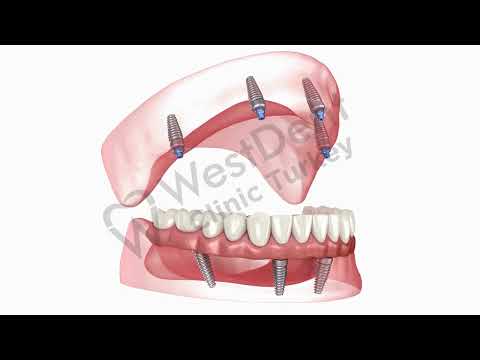
Unlike traditional dentures that rest on the gums and rely on suction or adhesives, an implant-supported bridge is anchored directly into the jaw. The surgical placement of six titanium posts mimics the roots of natural teeth. Over a period of several months, the bone grows around these posts in a process called osseointegration, creating a stable foundation.
The distribution of six implants offers a mechanical advantage by spreading the biting force evenly across the jaw. This can be particularly beneficial for the upper jaw, where bone density is often lower than in the lower jaw.
During the initial surgery, any remaining failing teeth are extracted, the implants are placed, and patients often leave with a temporary acrylic bridge. The final restoration—usually crafted from highly durable materials like zirconia or porcelain—is attached only after the jawbone has fully healed and fused with the implants.
What factors influence the All on 6 dental implants cost in Istanbul, Turkey?
While the baseline estimate often ranges from $4,000 to $7,500 per jaw, several variables dictate the final price. One major factor is the implant brand. Premium, internationally recognized brands often carry a higher price tag due to extensive clinical research and widespread availability of proprietary parts, which can be helpful if you need maintenance back in your home country.
| Cost Factor | Description |
|---|---|
| Implant Brand | Global brands may cost more than local or lesser-known alternatives. |
| Prosthetic Material | Zirconia or porcelain-fused-to-metal bridges are typically more expensive than standard acrylic. |
| Preparatory Work | Extractions, bone grafting, or sinus lifts will add to the overall cost. |
| Technology Used | Facilities utilizing advanced 3D scanning and surgical guides may charge more for enhanced precision. |
It is highly advisable to request a detailed, itemized treatment plan prior to traveling. This plan should clearly separate the surgical costs, materials, temporary prosthetics, and the final fixed bridge so you understand exactly what you are paying for.
Am I a suitable candidate for this full-arch restoration?
Not everyone with missing teeth is immediately ready for the All on 6 system. Because the prosthesis relies heavily on the stability of the six implants, your jawbone must have enough volume and density to hold them securely. If teeth have been missing for a long time, bone resorption (shrinking) may have occurred, potentially requiring bone grafting before implants can be placed.
Systemic health issues also play a significant role. Conditions like uncontrolled diabetes, osteoporosis, or autoimmune disorders can impair healing and increase the risk of implant failure. Furthermore, active gum disease must be treated and resolved prior to surgery, as bacteria can easily spread to the implant sites.
Lifestyle habits are equally scrutinized. Heavy smoking severely restricts blood flow to the oral tissues, making osseointegration difficult. Most dental professionals require patients to cease smoking weeks before and after the surgery to optimize the chances of a favorable outcome.
How does the recovery timeline look for an All on 6 treatment?
Recovery occurs in phases. Immediately following the surgery, you can expect some swelling, bruising, and discomfort around your gums and face. This acute phase is usually managed with prescribed medications and cold compresses, subsiding mostly within the first ten days. During this time, a strict soft-food diet is essential to avoid putting excessive pressure on the newly placed implants.
The second phase happens beneath the surface. Over the next three to six months, the jawbone gradually grows around and bonds with the titanium posts. This biological process is vital; if the implants are subjected to heavy chewing forces too soon, they can become loose and fail.
What are the potential risks and complications?
Like any invasive surgical procedure, dental implant placement carries inherent risks. The most immediate risk is infection at the surgical site, which is why antibiotics and strict oral hygiene protocols are prescribed. There is also a small risk of injuring adjacent anatomical structures. In the lower jaw, damage to the inferior alveolar nerve can cause numbness or tingling in the lip or chin. In the upper jaw, implants may inadvertently protrude into the sinus cavity.
Long-term complications can also arise. Peri-implantitis is an inflammatory condition affecting the gum and bone around the implant, often caused by poor oral hygiene or smoking. If left untreated, it can lead to bone loss and eventual implant failure.
It is important to discuss your complete medical history with your chosen professional so they can assess your specific risk profile and take preventative measures, such as utilizing 3D surgical guides to avoid nerves and sinuses.
How do I choose the right All on 6 dental implants clinic in Istanbul, Turkey?
Selecting a location for major dental surgery requires thorough research. Do not make decisions based solely on the lowest price. Instead, focus on the qualifications of the dental team. Look for specialists, such as prosthodontists or oral surgeons, who have specific, documented experience in full-arch implant restorations.
- Technology: Ensure the facility uses 3D Cone Beam Computed Tomography (CBCT) to plan the surgery safely.
- Transparency: The staff should willingly provide detailed treatment plans, including the brands of implants they use and a breakdown of all costs.
- Communication: Language barriers can be stressful during medical care. Verify that the staff or dedicated translators speak your language fluently.
- Hygiene: Check if they adhere to international standards for infection control and sterilization.
Asking for before-and-after photos of actual cases handled by the specific surgeon, rather than generic stock photos, can also provide insight into their capability.
What should I expect during my trip for medical tourism in Istanbul, Turkey?
Traveling abroad for healthcare requires careful logistical planning. Most full-arch implant treatments require two trips. The initial surgical trip usually mandates a stay of 5 to 7 days. This allows time for the initial consultation, the surgery, fitting the temporary teeth, and a follow-up check before you fly home.
While Istanbul is renowned for its cultural heritage and tourism appeal, it is vital to remember that you are primarily there for surgery. Rest should be your priority in the days immediately following the procedure. Physical exertion, heavy lifting, or extensive walking tours can increase blood pressure and exacerbate bleeding or swelling at the surgical site.
When booking accommodation, consider staying relatively close to the dental facility to minimize transit times in the city's busy traffic. Be sure to factor in the costs of flights, hotels, and local transportation for both trips when calculating your total estimated budget.
How long do All on 6 implants typically last?
The longevity of your dental restoration relies heavily on your commitment to maintenance. The titanium posts integrated into your jawbone are highly resistant to decay, but the surrounding gum tissue and bone are still vulnerable to bacterial infection (peri-implantitis). If the bone supporting the implant deteriorates, the implant will fail.
The prosthetic teeth attached to the implants experience daily wear and tear from chewing. Acrylic prosthetics generally wear out faster (often needing replacement within 5 to 10 years), whereas higher-quality materials like zirconia can last much longer. Regular dental visits are required to check the integrity of the bridge and ensure the screws holding it in place remain tight.
Are there alternatives to the All on 6 system?
- All on 4: Similar to All on 6, but uses only four implants. It is often recommended when bone density is lower in the back of the jaw, as the rear implants are tilted to maximize bone contact.
- Implant-Retained Dentures: These rely on two to four implants to "snap" a removable denture into place. They offer better stability than traditional dentures but must be removed nightly for cleaning.
- Traditional Dentures: The most economical option, requiring no surgery. However, they do not prevent bone loss and can slip during speech or eating.
- Conventional Implants: Placing 8 to 10 individual implants to support multiple smaller bridges. This requires significant bone volume and is generally much more expensive.
How important is post-procedure follow-up care in my home country?
One of the most frequently overlooked aspects of seeking dental care abroad is the necessity of ongoing maintenance back home. Implants require professional cleaning using special instruments that will not scratch the titanium or the prosthetic. Regular X-rays are also vital to monitor bone levels and catch any early signs of bone loss before they threaten the implant.
Before you travel, it is highly recommended to secure a local dentist who is willing to manage your aftercare. Be aware that some domestic practitioners may be hesitant to work on extensive restorations placed abroad, particularly if they are unfamiliar with the specific implant brand used. Requesting a comprehensive medical file in English from your provider in Istanbul—detailing the surgical notes and implant specifications—can greatly facilitate your care at home.
Why Choose PlacidWay for Medical Tourism?
Navigating international healthcare options can be complex. PlacidWay serves as a global medical resource, helping patients explore treatment possibilities worldwide.
- Global Connections: Connects patients with a wide network of international healthcare centers and dental facilities.
- Comparative Information: Provides data and profiles to help patients research and compare different healthcare providers.
- Educational Resources: Features articles, guides, and information about various medical and dental procedures.
- Direct Inquiries: Offers a streamlined platform where users can request quotes and ask questions directly to facilities.
- Patient Perspectives: Highlights testimonials and reviews from past patients to assist in the research phase.
Frequently Asked Questions
Is it painful to get six dental implants placed at once?
The procedure itself is typically performed under local anesthesia, and sometimes conscious sedation, meaning you should not feel pain during surgery. However, post-operative soreness, swelling, and mild discomfort are common for several days after the anesthesia wears off. This is generally managed with prescribed pain relievers.
Can I get the final teeth attached on the same day as the surgery?
Usually, a temporary acrylic bridge is attached shortly after surgery so you do not leave without teeth. However, the final permanent prosthesis is typically not placed until the implants have fully fused with your jawbone, which often takes three to six months.
Do I need bone grafting before getting this procedure in Istanbul?
It depends on your individual bone density. While the six-implant system is designed to maximize existing bone, patients with severe bone loss may still require localized grafting. A 3D scan is necessary to determine if grafting is required.
How many trips to Istanbul will I need for the complete treatment?
Most patients require two separate trips. The first trip involves the surgical placement of the implants and fitting the temporary teeth. The second trip, usually three to six months later, is for taking new impressions and fitting the final, permanent prosthetic arch.
What happens if an implant fails after I return home?
If an implant fails to integrate or becomes infected, it typically needs to be removed. It is crucial to have a local dentist at home who can evaluate the issue. Depending on the situation, the site may need to heal before a replacement implant can be attempted.
Can I smoke during the recovery period?
Dental professionals strongly advise against smoking before and significantly after implant surgery. Smoking restricts blood flow to the gums, slows down the healing process, and drastically increases the risk of implant failure and infection.
Will the artificial teeth look like natural teeth?
Modern prosthetics, especially those made from zirconia or high-quality porcelain, are highly customizable. The color, shape, and size of the artificial teeth are designed to harmonize with your facial structure, often resulting in a very natural appearance.
Can I eat normally once the final prosthesis is attached?
During the initial healing phase with temporary teeth, you must adhere to a soft-food diet to avoid disturbing the implants. Once the final prosthesis is securely attached to fully integrated implants, you can generally return to a normal diet, though it is wise to avoid excessively hard or sticky foods.
How long does the actual surgery take per jaw?
The surgical placement of six implants typically takes between two to four hours per jaw, depending on anatomical complexity and whether any tooth extractions or minor bone adjustments are required during the same appointment.
How do I clean my new implant-supported bridge?
Daily oral hygiene is essential. You will need to use a soft-bristled toothbrush, non-abrasive toothpaste, and special tools like water flossers or interdental brushes to clean beneath the bridge and around the implants to prevent gum disease.
Explore Your Dental Treatment Options
Gather the information you need to make an informed decision. Request details about procedures, compare estimated costs, and learn more about options available through our global network.
Request Treatment InformationReferences
- Dental implant surgery - Mayo Clinic
- Dental Implants: Procedure, Pain & Recovery - Cleveland Clinic
- Dental Implants: What You Should Know - U.S. Food and Drug Administration (FDA)
- Risk Factors for Dental Implant Failure - National Institutes of Health (NIH) / PubMed
- Medical Tourism - Centers for Disease Control and Prevention (CDC)
- Dental Implants - American College of Prosthodontists


























Share this listing