


Dentistry in Cancun, Mexico
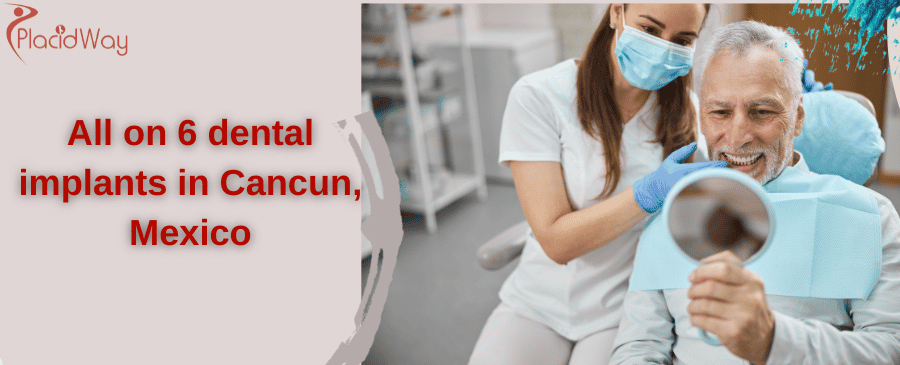
Understanding the All on 6 dental implants cost in Cancun, Mexico is often the first step for individuals exploring international options for extensive restorative dentistry. When facing severe tooth loss, replacing an entire arch of teeth can be a significant financial undertaking. By researching cross-border care, patients look for ways to manage expenses while seeking functional and aesthetic improvements.
The All-on-6 procedure uses six strategically placed titanium posts to anchor a full bridge of artificial teeth. Because of the surgical complexity and the materials involved, it is a major medical and financial decision. This guide breaks down what you can anticipate regarding pricing, medical processes, risks, and the logistics of medical tourism in Cancun, Mexico.
Key Takeaways
- Cost estimates generally range between $8,500 and $12,500 per dental arch.
- The procedure requires thorough medical evaluation and careful pre-surgical planning.
- Treatment typically involves a minimum of two trips to Mexico, separated by several months of healing.
- Individual anatomy, such as bone density and gum health, directly impacts overall suitability and final costs.
- Patients must carefully weigh potential financial savings against travel expenses and the logistics of managing aftercare.
What Is Included in the All on 6 Dental Implants Cost Estimate?
When evaluating quotes from an All on 6 dental implants clinic in Cancun, Mexico, it helps to understand how the pricing is structured. Clinics often bundle the major components of the procedure into a single package to simplify the process for traveling patients. The core components usually cover the surgical placement of the six implants and the hardware required to attach the teeth.
However, it is crucial to ask for a detailed, itemized breakdown before committing to a treatment plan. The type of material used for the final permanent bridge—such as acrylic, porcelain, or zirconia—can significantly alter the final price. High-strength zirconia, which offers excellent durability and natural aesthetics, often pushes the total cost toward the higher end of the estimated range.
Furthermore, you must clarify if diagnostic tests, local anesthesia, and post-operative medications are included. While many facilities provide comprehensive packages, assuming all minor fees are covered can lead to unexpected out-of-pocket expenses once you arrive.
Why Do Patients Choose Cancun for Complex Dental Work?
Over the past decade, Cancun has developed a robust infrastructure to support international patients seeking healthcare. The region hosts numerous facilities tailored specifically to foreign visitors, often employing bilingual staff and utilizing recognized diagnostic technologies like Cone Beam Computed Tomography (CBCT) scanners.
For residents of the United States and Canada, the short flight duration makes travel relatively straightforward. Direct flights are available from many major cities, which eases the logistical burden of the multiple trips required for full-arch implant restorations.
While the primary motivation is often economic, the environment also plays a role. Combining necessary medical care with a recovery period in a warmer climate appeals to many. However, patients must remember that the primary focus of the trip is surgical recovery, and strenuous tourist activities or swimming are generally restricted following the operation.
What Medical Factors Can Increase the Total Price?
No two mouths are anatomically identical, meaning standard pricing packages may not apply to everyone. If you still have failing teeth that need to be removed, extractions will be added to your bill. Depending on the complexity, surgical extractions can increase the total cost notably.
Bone volume is one of the most critical elements in implant dentistry. When teeth have been missing for a long time, the jawbone begins to resorb or shrink. If you lack the necessary bone width or height to securely anchor six titanium posts, a bone graft or a sinus lift (for the upper jaw) becomes medically necessary. These procedures require specialized materials and additional surgical time.
Additionally, if a patient has active gum disease (periodontitis), it must be treated and controlled before implants can be placed. Placing implants in an infected environment severely increases the risk of early implant failure. Addressing these underlying oral health issues will inevitably alter the initial cost projection.
How Does the Consultation and Evaluation Process Work?
Because traveling abroad requires significant commitment, the evaluation process is usually phased. Initially, you will likely communicate with the clinic's coordinators virtually. They will request recent dental records, specifically 3D CBCT scans, which show the density and structure of your jawbone. Based on these images, the dental team can provide a preliminary determination of whether you are a candidate for All on 6.
It is vital to disclose your full medical history during this stage. Conditions such as uncontrolled diabetes, autoimmune disorders, a history of radiation therapy to the head or neck, or the use of certain medications (like bisphosphonates) can affect your eligibility. Smoking also significantly impairs healing and increases failure rates.
Once you arrive in Mexico, an in-person clinical exam is mandatory. The dentist will physically examine your oral tissues, take fresh imaging if necessary, and finalize the surgical plan. Patients should be prepared for the possibility that the treatment plan might change once the dentist conducts the hands-on examination.
What Are the Potential Risks and Complications?
While All on 6 is a well-documented procedure, it is an invasive surgery and carries inherent risks. Minor complications like temporary swelling, bruising, and mild discomfort are expected parts of the healing process. However, more severe complications can occur. Infection at the implant site can jeopardize the surrounding bone and lead to the loss of the implant.
Nerve damage is another risk, particularly in the lower jaw where the inferior alveolar nerve is located. Injury to this nerve can cause tingling, numbness, or pain in the lips, chin, or gums. In the upper jaw, implants can potentially protrude into the sinus cavity, leading to sinus infections or inflammation.
Peri-implantitis, a destructive inflammatory process affecting the soft and hard tissues surrounding dental implants, can develop over time if oral hygiene is poor. Outcomes and longevity vary by patient, and maintaining strict daily hygiene and regular professional cleanings is essential to mitigate these risks.
Who Is Typically Considered a Suitable Candidate?
Suitability for an All on 6 procedure extends beyond just needing replacement teeth. An ideal candidate must have adequate bone volume to support six implants securely. While the All-on-4 technique is sometimes used for patients with lesser bone density, All on 6 requires more available bone structure to accommodate the extra posts.
Systemic health is equally important. Healing from bone surgery requires a healthy immune system and good blood circulation. Patients with well-controlled medical conditions may still be candidates, but they require clearance from their primary care physician.
Commitment to oral hygiene is a determining factor for long-term suitability. Patients must be capable of and committed to cleaning around the prosthetic arch daily using specialized tools like water flossers and interdental brushes. Without this commitment, the investment may ultimately fail.
What Does the Recovery Process Look Like?
The recovery journey is divided into two phases. The acute phase occurs immediately after surgery. Patients typically experience swelling, bruising, and soreness for the first several days. Dentists prescribe pain management medications and antibiotics to prevent infection. During this time, a strict liquid or ultra-soft diet is usually mandated to avoid placing any pressure on the healing surgical sites.
The secondary, much longer phase is osseointegration. Over a period of three to six months, the jawbone heals and naturally fuses to the micro-threads of the titanium implants. This fusion is what provides the immense stability required to chew solid foods eventually.
During these months, you will likely wear a temporary, lightweight acrylic denture. It is crucial to adhere strictly to the modified diet prescribed by your dentist. Biting down on hard or crunchy foods too early can shift an implant before it has fully integrated, leading to failure and requiring the process to start over.
How Many Trips to Cancun Are Required for Full Treatment?
A common misconception is that the entire procedure can be completed in a single week. While "teeth in a day" concepts exist for placing the temporary healing arch, the final permanent restoration requires time. The first trip for surgery generally demands a stay of 7 to 10 days. This allows the dental team to perform the extractions, place the implants, attach the temporaries, and monitor you for a few days to ensure early healing is progressing normally.
After returning home and waiting four to six months for osseointegration, you will travel back to Mexico for the restorative phase. The second trip usually requires a stay of 5 to 7 days. During this visit, new impressions or digital scans are taken, the temporary arch is removed, and the final, durable prosthesis is manufactured and permanently attached.
If severe bone grafting is required prior to implant placement, the process could potentially expand to three trips, extending the overall timeline to nearly a year.
How Do You Manage Post-Operative Care After Returning Home?
Once you are back in your home country, the success of your implants largely depends on your daily habits. Maintaining the temporary bridge is critical. You must follow the hygiene instructions provided, which often involves using specific non-abrasive rinses and a water flosser on low settings to remove food debris without damaging the healing gum tissue.
It is highly recommended to have a dentist in your local area who is aware of your treatment abroad. Routine cleanings and x-rays are necessary to monitor the bone levels around the implants. If a complication arises—such as a loose temporary tooth, persistent pain, or signs of infection—you need immediate access to a professional.
Understand that local dentists may charge standard domestic rates to examine or treat complications arising from procedures performed overseas. Navigating post-operative care across borders requires proactive communication and careful planning.
Why Choose PlacidWay for Medical Tourism in Cancun?
Navigating the landscape of international healthcare can be overwhelming. PlacidWay serves as a global medical tourism platform that helps individuals research and connect with healthcare facilities around the world. Here are five factual ways PlacidWay can assist you:
- Facilitates Connections: The platform allows you to directly contact various dental centers offering implant procedures.
- Clinic Profiles: PlacidWay provides organized profiles detailing the available technologies and services at different facilities.
- Cost Comparisons: The platform helps you gather preliminary cost estimates from multiple providers to aid in financial planning.
- Patient Education: You gain access to articles, resources, and frequently asked questions regarding international medical travel.
- Informed Decision Making: By compiling necessary data in one place, the platform helps you independently evaluate options based on your specific needs.
Frequently Asked Questions
Does the price of All on 6 in Cancun include tooth extractions?
Tooth extractions are typically not included in the baseline estimate for an All on 6 procedure. If you require remaining failing teeth to be removed before implant placement, this is generally billed as an additional service.
Are bone grafts covered in the standard cost estimate?
Standard cost estimates for Cancun clinics usually cover the implants, surgery, and prosthetic arch. Bone grafting or sinus lifts, which are necessary if you have suffered jawbone loss, incur separate fees depending on the volume of material needed.
What materials are typically used for the final prosthesis in Cancun?
Clinics in Mexico commonly offer options such as acrylic over a titanium bar, monolithic zirconia, or porcelain fused to metal. Zirconia is highly durable and natural-looking, though it typically sits at the higher end of the pricing scale.
How long does the initial implant surgery take?
The surgical phase for a single arch generally takes between two and four hours. This timeline can extend if extensive extractions or complex bone grafting are performed concurrently during the same visit.
Will I have teeth immediately after the first Cancun surgery?
In many suitable cases, a temporary acrylic healing denture is placed on the same day as surgery. However, if bone density is compromised, the dentist may require the implants to heal under the gums before bearing any pressure.
Is it safe to fly right after getting dental implants in Cancun?
Most dental professionals advise waiting at least 48 to 72 hours before flying after oral surgery. Cabin pressure changes can cause discomfort or increase bleeding risks, especially if a sinus lift was performed.
Can I use my local dental insurance in Mexico?
Many North American dental insurance plans do not provide direct coverage for international care. However, some PPO plans may offer partial out-of-network reimbursement if you submit translated, detailed receipts and x-rays upon returning home.
What happens if an implant fails after I return home?
If a complication arises, you will likely need to consult a local dentist for immediate evaluation. While some Mexican clinics offer warranties on materials, travel costs to return for correction are typically your responsibility.
How long do I need to wait between the first and second trip?
Patients typically wait four to six months between visits. This extended period allows for osseointegration, a vital biological process where the titanium implants fuse securely with the natural jawbone before supporting the permanent crowns.
Do Cancun clinics accept financing or payment plans?
While international clinics generally expect payment at the time of service, some accept specialized medical financing credit cards. You must arrange these financing options in your home country before traveling.
Compare Treatment Options
If you are evaluating dental restoration and want to review facility profiles, available technologies, and estimates, you can request more information to aid your research.
Request Treatment InformationReferences
- Dental Implants – American Dental Association (ADA)
- Medical Tourism Guidelines – Centers for Disease Control and Prevention (CDC)
- Missing Teeth and Prosthodontics – American College of Prosthodontists (ACP)
- Dental Implant Surgery Risks and Recovery – Mayo Clinic
- Bone Grafting in Implant Dentistry – National Institutes of Health (NIH)
- Global Oral Health Status – World Health Organization (WHO)





.png)
.png)
.png)


.png)
.png)
.jpg)
.jpg)










Share this listing