
Unlocking Longevity: Exploring Mexico's Top Stem Cell Therapy Clinics

Interest in regenerative medicine is growing rapidly, with many people exploring longevity stem cell therapy in Mexico as a potential option for cellular repair and wellness. Rather than focusing on unverified claims, patients seeking the best care must understand how to identify high-quality, regulated facilities. Navigating cross-border healthcare requires careful research, a clear understanding of the regulatory landscape, and realistic expectations regarding outcomes and safety.
Key Takeaways
- Mandatory COFEPRIS certification is the baseline for evaluating legitimate medical and cellular facilities in Mexico.
- Treatments aim to address cellular degradation and inflammation, though results vary widely depending on the individual.
- Patient safety heavily depends on the use of strictly monitored, GMP-compliant laboratories to prevent contamination.
- Costs are generally lower than equivalent procedures in North America, but require out-of-pocket payment as they are not covered by insurance.
- Consultation with a qualified, independent healthcare provider is essential before pursuing any investigational regenerative therapy abroad.
How do you identify a reputable longevity stem cell therapy clinic in Mexico?
Identifying a safe and legitimate medical provider requires looking beyond glossy marketing materials. The primary indicator of a facility's credibility is its regulatory standing. In Mexico, the Federal Commission for the Protection against Sanitary Risk (COFEPRIS) oversees medical licensing. A legitimate clinic will hold distinct licenses: one permitting the facility to practice medicine, and a specialized license for the laboratory handling human tissues and cellular products.
Furthermore, medical leadership is a critical factor. The treating physicians should be board-certified specialists, often in fields such as hematology, immunology, or regenerative medicine. Facilities should maintain complete transparency regarding where they source their cells, how those cells are screened for communicable diseases, and the specific protocols used during expansion and administration.
Be cautious of any facility that promises guaranteed results, claims to cure multiple unrelated diseases with a single treatment, or pressures you into making immediate financial commitments. Reliable healthcare providers will always conduct a thorough medical screening to determine if you are a suitable candidate and will openly discuss the potential risks alongside the expected benefits.
What exactly does longevity stem cell therapy involve?
Regenerative therapies focused on longevity operate on the theory that introducing healthy, potent stem cells can combat the cellular degradation associated with aging. As the human body ages, its native reservoir of stem cells depletes in number and efficiency, leading to slower recovery times, increased chronic inflammation, and tissue deterioration.
The most common approach involves intravenous (IV) infusions of MSCs. These cells are highly regarded in scientific research for their immunomodulatory properties—meaning they can help regulate the immune system and secrete growth factors that encourage neighboring cells to repair damaged tissue. Instead of physically turning into new tissue themselves, they often act as "managers," directing the body's natural healing mechanisms.
While often marketed for wellness and anti-aging, these treatments remain investigational. They are not a substitute for a healthy lifestyle, nor do they halt the aging process entirely. Outcomes are heavily dependent on the patient's existing health status, lifestyle, and the biological quality of the cells administered.
Are stem cell treatments regulated and safe in Mexico?
Mexico has established a legal framework for regenerative medicine, allowing for certain cell culturing and expansion procedures that are heavily restricted in countries like the United States. COFEPRIS sets the standards for cellular banking, laboratory hygiene, and medical administration. Facilities adhering to these standards use Good Manufacturing Practice (GMP) compliant laboratories, which maintain rigorous sterility to prevent bacterial or viral contamination.
However, the existence of regulations does not mean every operating clinic adheres to them. The market includes unregulated actors operating outside the legal framework. Receiving treatments at uncertified clinics poses severe health risks, including life-threatening infections, immune rejection, and adverse reactions to improperly processed biological material.
Safety is not an inherent feature of the treatment itself, but rather the result of stringent medical protocols. Patients must take personal responsibility for requesting documentation, verifying lab compliance, and ensuring the medical staff has appropriate emergency protocols in place.
What types of stem cells do clinics in Mexico use for anti-aging?
The source of the biological material is a crucial factor in both the safety and potential efficacy of the treatment. There are two primary categories of cells used:
- Allogeneic (Donor) Cells: The most common source for longevity treatments is Wharton's jelly, a substance found within umbilical cords. These tissues are donated by healthy mothers following full-term, elective cesarean sections. Cord-derived MSCs are considered biologically robust and have a low risk of triggering immune rejection because they are immunoprivileged (meaning they do not carry the specific markers that cause the recipient's immune system to attack them).
- Autologous (Patient’s Own) Cells: These are harvested from the patient's own bone marrow or adipose (fat) tissue. While using your own cells eliminates the risk of disease transmission or immune rejection, their regenerative potential may be diminished in older adults compared to day-zero umbilical cells.
Legitimate medical providers do not use embryonic stem cells or animal-derived cells for longevity therapies due to severe ethical concerns, tumor formation risks, and unpredictable cellular behavior.
What is the estimated longevity stem cell therapy cost in Mexico?
Pricing for regenerative procedures is highly variable. Because these treatments are personalized, clinics rarely offer a flat fee without first evaluating a patient's medical history. The primary driver of cost is the volume of cells administered. A treatment protocol requiring 50 million cells will cost significantly less than an intensive regimen requiring 200 million or more cells.
| Factor Influencing Cost | Details |
|---|---|
| Cell Dosage | Higher millions of cells increase laboratory processing time and expense. |
| Cell Origin | Cultured umbilical cord MSCs often have different pricing structures than autologous cell extraction. |
| Complementary Therapies | Additions like IV nutrition, exosomes, or hyperbaric oxygen therapy will increase the total estimate. |
While costs in Mexico are generally lower than equivalent private therapies in the United States or Europe, patients must also budget for travel, accommodation, and necessary follow-up care in their home country. Financing options may be available through third-party medical lenders, but these remain strictly out-of-pocket expenses.
Who is considered a suitable candidate for these cellular therapies?
Stem cell therapy is not appropriate for everyone. Determining eligibility requires a thorough evaluation of a patient's medical history, current medications, and specific wellness goals. Ideal candidates are generally those experiencing early to moderate signs of cellular aging, persistent fatigue, or chronic low-grade inflammation who want to support their body's maintenance systems.
There are strict medical contraindications. Individuals with active cancer, a recent history of malignancy, active severe infections, or poorly controlled autoimmune disorders are typically disqualified. Introducing growth factors and stem cells into a body with active cancer can potentially accelerate abnormal cell growth.
Patients must have realistic expectations. Stem cells cannot cure chronic diseases, reverse aging entirely, or replace necessary medical interventions. A reputable physician will ensure the patient understands the limitations of investigational therapies before proceeding.
What should patients expect during the treatment and recovery period?
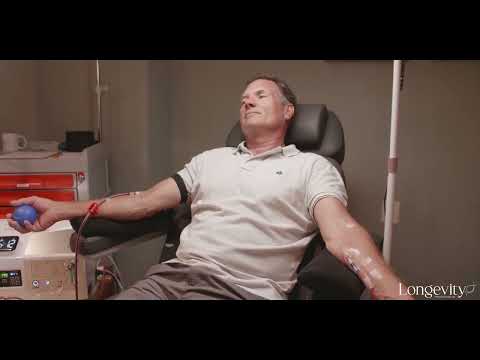
On the day of the procedure, patients undergo a final health check before the biological material is prepared. The infusion itself is comparable to receiving a standard IV drip and is generally painless. Depending on the specific protocol, the actual delivery of the cells may take anywhere from one to three hours.
Immediate recovery is usually straightforward. Most patients are monitored in the facility for a few hours post-infusion to ensure there are no allergic reactions. It is common to experience mild side effects such as fatigue, a low-grade fever, or slight flu-like symptoms for 24 to 48 hours. This is often interpreted as the body's immune system responding to the new biological material.
Cellular regeneration is a gradual process. Patients should not expect to wake up the next day feeling rejuvenated. The immunomodulatory and tissue repair processes occur on a microscopic level over weeks and months. Proper aftercare, including a nutrient-dense diet, adequate hydration, and avoiding strenuous physical activity in the immediate days following treatment, is highly recommended.
What are the medical risks and potential complications?
Any medical procedure carries inherent risks, and stem cell therapy is no exception. The most severe immediate risk is bacterial or viral infection resulting from contaminated cell products. This underscores the absolute necessity of choosing facilities with verified GMP-compliant laboratories that run comprehensive infectious disease screenings on all biological materials.
Other potential complications include adverse immune responses, especially if the cell processing was flawed. Although umbilical cord MSCs have low immunogenicity, allergic reactions to the preserving agents used during cell transport and storage can occasionally occur.
Because stem cell therapies for longevity are still being studied, long-term risks are not completely mapped out. There is theoretical concern regarding the potential for cells to differentiate inappropriately or exacerbate underlying, undiagnosed medical conditions. Patients must openly discuss these risks with their primary healthcare provider before making a decision.
Why is medical tourism in Mexico popular for regenerative medicine?
The popularity of Mexico as a destination for regenerative treatments stems largely from differing regulatory environments. In the United States, the FDA dictates that expanding stem cells in a laboratory effectively alters them into biological drugs, requiring extensive, multi-year clinical trials for approval. Consequently, domestic clinics face strict limitations on the types and quantities of cells they can administer.
Mexico’s COFEPRIS provides a regulatory pathway that allows for cell expansion under specific, licensed clinical frameworks. This enables doctors in Mexico to administer significantly higher cell counts than typically permitted in the US, which many regenerative medicine specialists believe is necessary for systemic longevity protocols.
Additionally, medical tourism hubs in Mexico have developed infrastructure specifically catering to international patients, with modern facilities, bilingual medical staff, and convenient proximity to international borders.
Why Choose PlacidWay for Medical Tourism Exploration?
Researching cross-border healthcare can be complex. PlacidWay serves as an informational platform to help patients navigate international options responsibly.
- Provides a comprehensive directory of internationally recognized healthcare providers and regenerative clinics.
- Offers detailed educational resources to help individuals compare treatments, procedures, and global destinations.
- Facilitates direct, transparent communication between patients and prospective medical facilities.
- Displays clinic profiles that include information on medical credentials, laboratory accreditations, and facility infrastructure.
- Assists patients in gathering the necessary facts to make informed, independent healthcare decisions alongside their primary doctors.
Frequently Asked Questions
Is longevity stem cell therapy FDA-approved?
No. While certain stem cell treatments for specific blood disorders are FDA-approved, the use of stem cells for longevity, anti-aging, or general wellness is considered investigational and is not approved by the FDA.
How many stem cells are typically administered for longevity?
Dosages vary widely based on the patient's body weight and medical assessment, but treatments often range from 50 million to 300 million mesenchymal stem cells (MSCs) per session.
Can I travel home immediately after treatment in Mexico?
Most physicians recommend staying in the area for 24 to 48 hours after an intravenous infusion to monitor for any immediate adverse reactions before flying home.
Do I need to provide my own stem cells?
Not necessarily. While some therapies use your own (autologous) cells, many longevity protocols utilize donor (allogeneic) mesenchymal stem cells derived from ethically sourced umbilical cord tissue.
Does insurance cover stem cell therapy in Mexico?
Health insurance providers generally do not cover stem cell therapies for anti-aging or longevity because they are classified as elective and investigational procedures.
Are there age limits for receiving stem cell therapy?
Suitability is determined by biological health rather than a strict age limit. However, older adults often receive donor MSCs rather than autologous cells, as stem cell vitality can decrease with age.
How long do the effects of longevity stem cell therapy last?
Duration of results varies significantly by individual. Some patients report sustained improvements for several months to a few years, while others may require maintenance sessions.
What is the difference between MSCs and exosomes?
MSCs (mesenchymal stem cells) are live cells capable of dividing and differentiating. Exosomes are tiny extracellular vesicles released by these cells, containing proteins and genetic material that facilitate cellular communication.
How can I verify a Mexican clinic's COFEPRIS license?
You can ask the clinic to provide copies of their operational licenses and verify the registration numbers against the official database maintained by COFEPRIS.
What happens if I experience complications after returning home?
You should establish a post-treatment care plan with your local primary care physician before traveling. If complications arise, seek immediate medical attention from your local healthcare provider.
Explore Your Regenerative Medicine Options
Gather the facts, compare accredited facilities, and request detailed treatment information to make an informed decision about your healthcare journey.
Request Treatment InformationReferences
- Patient Advisory for Stem Cell Therapy – International Society for Cellular Therapy (ISCT)
- Stem Cell Treatments: What to Ask – International Society for Stem Cell Research (ISSCR)
- FDA Warnings About Stem Cell Therapies – U.S. Food and Drug Administration
- Mesenchymal Stem Cells in Tissue Repair and Regeneration – National Institutes of Health (NIH PubMed)
- Medical Tourism Travel Health Guidelines – Centers for Disease Control and Prevention (CDC)
- Regulatory Guidelines for Biological Products – Federal Commission for the Protection against Sanitary Risk (COFEPRIS)





















Share this listing