
What treatment


20+ Key FAQs on Anti Aging in Mexico
Questions About Anti Aging in Mexico? Start Here
Trusted Medical Tourism Platform Since 2007

Which clinics provide Botox in Mexico City
Mexico City offers numerous board-certified dermatology centers and plastic surgery practices providing botulinum toxin treatments. While specific names are not listed here for neutrality, you should seek facilities certified by COFEPRIS with licensed medical professionals. If you are exploring your options for facial rejuvenation abroad, you might be wondering how to find the right Botox clinic in Mexico City. The Mexican capital has grown into a major hub for high-quality, specialized healthcare, attracting thousands of international visitors each year. Seeking Botox in Mexico City allows patients to combine travel with access to experienced medical professionals who specialize in non-surgical cosmetic enhancements. Because botulinum toxin injections require precise anatomical knowledge to ensure safety and natural-looking results, choosing the right medical environment is vital. While you can find these services in various settings, you should always prioritize medical expertise over convenience. Understanding how to evaluate a clinic, what to expect during the consultation, and how to plan your trip will help you make a confident, well-informed decision about your aesthetic care. Key Takeaways Botox should only be administered by licensed medical professionals, such as board-certified dermatologists or plastic surgeons. Reputable clinics in Mexico City must be registered with and certified by COFEPRIS, the national health regulatory agency. While costs are often lower in Mexico than in the US or Canada, unusually low prices can indicate counterfeit products or unqualified providers. Botulinum toxin type A treatments are temporary, with results typically lasting three to four months. International patients should plan for adequate consultation time and brief post-treatment downtime before flying home. What types of medical facilities offer Botox in Mexico City? You will primarily find Botox treatments offered at specialized dermatology clinics, comprehensive plastic surgery centers, and physician-led medical spas throughout Mexico City's established healthcare districts. When searching for a provider, you will notice a variety of establishments offering cosmetic injectables. The safest and most reliable options are specialized dermatology and plastic surgery clinics. These facilities are staffed by physicians who have completed extensive medical training and residencies focused on the skin, facial anatomy, and aesthetic medicine. They are well-equipped to handle any rare adverse reactions and often provide a comprehensive approach to facial aging. Medical spas (medspas) also frequently offer botulinum toxin injections. However, if you choose a medspa, you must ensure that a licensed medical doctor is on-site and actively overseeing the treatments. In many reputable medspas in Mexico City, the injections are performed directly by aesthetic medicine physicians. You should generally avoid beauty salons, hotel spas, or pop-up aesthetics bars where non-medical personnel might be administering the injections, as this significantly increases the risk of complications. Many international patients look for clinics in established, well-connected neighborhoods known for high medical standards, such as Polanco, Roma, Condesa, or Santa Fe. Clinics in these areas frequently cater to international patients, offering bilingual staff and comfortable, modern environments that meet international healthcare standards. How can you verify the credentials of a Botox clinic in Mexico City? You should verify that the clinic is approved by COFEPRIS and that the administering physician is board-certified by recognized medical councils in Mexico. Ensuring patient safety when seeking healthcare abroad requires active research. The primary regulatory body for healthcare facilities and medications in Mexico is COFEPRIS (Comisión Federal para la Protección contra Riesgos Sanitarios). Any legitimate medical facility providing injectable treatments must have current COFEPRIS certification displayed or readily available upon request. This certification ensures the clinic meets the national standards for hygiene, emergency protocols, and medical equipment. Beyond the clinic's certification, you need to verify the individual provider's credentials. Ask for the physician's professional license number (Cédula Profesional). You can look this number up on the official Mexican government registry to confirm their medical degree. Furthermore, check if the doctor is board-certified in their respective specialty. For example, plastic surgeons should be certified by the Consejo Mexicano de Cirugía Plástica, Estética y Reconstructiva (CMCPER), and dermatologists by the Consejo Mexicano de Dermatología. Do not hesitate to ask questions during your initial inquiry. Reputable clinics expect international patients to ask about sterilization practices, the source of their neurotoxins, and physician qualifications. If a clinic is evasive or refuses to provide this information, it is best to look elsewhere. Important Consideration: Always verify that the clinic uses authentic, factory-sealed vials of internationally recognized brands (like Allergan Botox, Dysport, or Xeomin). You have the right to ask the provider to open the box and mix the solution in front of you. What is the estimated Botox cost in Mexico City compared to the US? While prices fluctuate, the estimated Botox cost in Mexico City is typically 30% to 50% lower than in the United States, usually charged per unit or per treatment area. Pricing for cosmetic injectables is a major factor driving medical tourism in Mexico City. In the United States, patients might pay anywhere from $12 to $25 per unit of Botox. In Mexico City, the cost per unit frequently ranges from $7 to $12. The lower cost is not a reflection of lower quality; rather, it relates to the general cost of living, lower overhead for clinics, and different pharmaceutical pricing structures in Mexico. Clinics typically structure their pricing in one of two ways: per unit or per zone. Per-unit pricing means you pay exactly for the amount of medication used. Per-zone pricing means you pay a flat fee for a specific area (like the forehead or frown lines), regardless of the exact number of units required. Both methods are standard, but per-unit pricing often provides more transparency. Treatment Area Estimated Units Required Glabellar Lines (Frown Lines) 15 – 25 units Frontalis (Horizontal Forehead Lines) 10 – 30 units Lateral Canthal Lines (Crow's Feet) 10 – 24 units (total for both sides) Please remember that these numbers are merely estimates. Only a qualified medical provider can determine your precise dosage after evaluating your muscle strength and aesthetic goals. Who is an ideal candidate for cosmetic Botox injections? Ideal candidates are healthy adults looking to temporarily reduce dynamic facial wrinkles who have realistic expectations and no history of neuromuscular diseases. Botulinum toxin type A is highly effective for addressing dynamic wrinkles—the lines that form when you make facial expressions, such as smiling, frowning, or squinting. Suitable candidates are typically individuals between the ages of 25 and 65 who wish to smooth out these lines for a more refreshed appearance. It is also increasingly used as a preventive measure in younger adults to stop deep static lines from forming over time. However, the treatment is not suitable for everyone. You may not be a candidate if you: Are pregnant or breastfeeding, as the effects on a fetus or infant are not fully known. Have a neuromuscular disorder, such as myasthenia gravis or ALS (Lou Gehrig's disease). Have a skin infection at the planned injection site. Are allergic to any of the ingredients in the formulation or have had an adverse reaction to botulinum toxin in the past. During your consultation, you must disclose your full medical history, including any over-the-counter supplements or prescription medications you are taking. Blood thinners, NSAIDs, and certain herbal supplements can increase your risk of bruising. What should you expect during your Botox consultation in Mexico? A comprehensive consultation involves a facial assessment, a review of your medical history, a discussion of your cosmetic goals, and the creation of a personalized treatment plan. Your journey begins with a thorough medical consultation. Even if you have received Botox before in your home country, a reputable doctor in Mexico City will want to assess you independently. They will ask you to make various facial expressions—frowning, raising your eyebrows, smiling broadly—to observe how your facial muscles move and identify the areas that will benefit most from treatment. The physician will explain the expected outcomes and discuss any limitations. They should explain that botulinum toxin treats dynamic wrinkles but may not fully erase deep static lines (wrinkles present when your face is at rest); in such cases, they might suggest combining the treatment with dermal fillers. The doctor will also explain the potential risks, provide a clear breakdown of the required units, and give you a final cost estimate before proceeding. How does Botox work to reduce facial wrinkles? Botulinum toxin type A works by temporarily blocking the nerve signals that cause muscles to contract, thereby relaxing the muscle and smoothing the overlying skin. Botulinum toxin is a purified protein derived from the Clostridium botulinum bacterium. When injected in highly controlled, micro-doses into specific facial muscles, it acts as a neuromodulator. Normally, your nerves release a chemical called acetylcholine, which tells your muscles to contract. Botox intercepts this process, preventing the release of acetylcholine in the targeted area. Because the muscle cannot contract fully, the skin above it remains smoother and less prone to creasing. It is a highly localized treatment, meaning it only affects the specific muscles injected. You will still be able to make natural facial expressions if the treatment is performed correctly by a skilled provider who understands the delicate balance of facial musculature. The effects are not immediate. You may begin to notice a subtle change within three to four days, but it typically takes up to 14 days to see the full, final result of the neurotoxin. What are the potential risks and side effects of Botox? While generally safe when administered by a qualified professional, Botox can cause temporary side effects such as bruising, swelling, headaches, or rarely, unintended muscle drooping. Like any medical procedure, botulinum toxin injections carry some degree of risk, though severe complications are rare in cosmetic applications. The most common side effects occur at the injection site. You might experience mild redness, swelling, pinpoint bleeding, or localized bruising. These symptoms typically resolve on their own within a few days. Some patients report mild headaches shortly after the procedure, which usually fade within 24 to 48 hours. A more concerning, though temporary, risk is the unintended spread of the toxin to adjacent muscles. This can lead to ptosis (drooping of the eyelid or eyebrow), an asymmetrical smile, or dry eyes. These aesthetic complications usually wear off over a few weeks to months as the body metabolizes the product. Very rarely, patients may experience an allergic reaction or symptoms of toxin spread, such as muscle weakness, difficulty swallowing, or breathing problems. If you experience these symptoms after returning home, you should seek immediate emergency medical care. How should you prepare for Botox treatment abroad? Proper preparation involves avoiding blood-thinning medications and alcohol before your trip, staying hydrated, and organizing your travel schedule to allow for a calm recovery. To minimize the risk of bruising, most doctors advise avoiding non-essential blood-thinning medications for about a week prior to your appointment. This includes aspirin, ibuprofen, naproxen, and certain supplements like vitamin E, fish oil, and ginkgo biloba. If you take prescription blood thinners, you must consult with your primary care physician before stopping them. It is also recommended to avoid consuming alcohol for at least 24 hours before your injections, as alcohol can temporarily dilate blood vessels and increase bleeding risk. Arrive at the clinic with a clean face, free of makeup, to allow the doctor a clear view of your skin and natural lines. When planning your travel logistics, try not to schedule rigorous tourist activities immediately following the procedure. Give yourself a relaxed afternoon to rest at your hotel in Mexico City. What is the typical recovery process after receiving Botox? Recovery is immediate with no official downtime, but patients must follow specific aftercare instructions, such as remaining upright and avoiding strenuous exercise for 24 hours. One of the main reasons patients opt for non-surgical rejuvenation is the lack of a lengthy recovery period. You can generally resume normal, light activities right after leaving the clinic. However, to ensure the neurotoxin settles exactly where the doctor injected it, you need to follow some basic rules for the first 24 hours. Doctors typically recommend the following aftercare guidelines: Do not rub, massage, or apply pressure to the treated areas. Remain upright for at least four hours after the injections; avoid lying flat immediately. Avoid strenuous exercise or heavy lifting for 24 hours to keep your blood pressure stable. Stay out of intense heat, including saunas, steam rooms, and direct sun exposure. Avoid wearing tight hats or headbands that compress the forehead. If you experience slight swelling or bruising, applying a gentle cold compress can help, provided you do not press firmly on the skin. How does medical tourism in Mexico City work for non-surgical treatments? Combining cosmetic treatments with a trip to Mexico City allows patients to access high-quality aesthetic medicine while enjoying the cultural and culinary offerings of the capital. Engaging in medical tourism in Mexico City for non-surgical procedures is relatively straightforward compared to planning complex surgeries. Because there is virtually no downtime, many patients easily integrate a clinic visit into a broader vacation or business trip. Mexico City is accessible via direct flights from numerous major international airports, making it a convenient destination for a short weekend getaway. While the procedure itself takes less than 30 minutes, it is wise to schedule your clinic appointment toward the beginning or middle of your trip. This leaves a small window for a brief follow-up or check-in with your doctor before you fly home, should you have any questions or concerns. Even though major complications are rare, knowing you are still in the same city as your provider brings added peace of mind. Why Choose PlacidWay for Medical Tourism in Mexico City? Navigating healthcare options in a foreign country requires careful research. PlacidWay serves as an educational resource and platform to help you explore your international medical options. Comprehensive Provider Profiles: PlacidWay offers detailed information on various clinics, allowing you to review facility credentials and physician specialties. Treatment Comparisons: The platform enables you to compare different treatment approaches and pricing estimates across multiple destinations. Direct Communication: You can request information and communicate directly with international medical facilities to ask specific questions before traveling. Informational Resources: Access articles, patient guides, and checklists to help you understand what to expect when pursuing aesthetic treatments abroad. Global Network: PlacidWay connects patients with a wide network of healthcare providers in Mexico and worldwide, supporting informed decision-making. Frequently Asked Questions Is Botox treatment in Mexico City safe for international patients? Receiving Botox in Mexico City can be safe for international patients when performed by a licensed, board-certified medical professional in a legally registered clinical setting. Patients should always verify facility credentials and avoid unregulated spas. How long do Botox results typically last? The effects of botulinum toxin type A typically last between three and four months, though this varies based on individual metabolism, the area treated, and the dosage administered. Can I fly immediately after getting Botox in Mexico City? While air travel is usually not strictly prohibited, many medical professionals advise waiting 24 to 48 hours before flying. Cabin pressure changes and the stress of travel can occasionally increase the risk of swelling or unintended spreading of the product. Are the Botox brands used in Mexico the same as in the US? Yes, reputable Mexican clinics use internationally recognized, FDA-approved neurotoxin brands such as Allergan (Botox), Dysport, and Xeomin. Always ask your provider to show you the original vial before injection. Does the Botox injection procedure hurt? Most patients report only mild discomfort, often described as a quick pinch. Providers use very fine needles, and many apply a topical numbing cream or ice beforehand to minimize pain. What is the difference between Botox and dermal fillers? Botox temporarily relaxes the muscles that cause dynamic wrinkles (like frown lines), whereas dermal fillers add volume to smooth out static wrinkles and enhance facial contours (like lips and cheeks). Can men get Botox treatments in Mexico City? Absolutely. A growing number of men travel to Mexico City for neurotoxin treatments. Men typically require slightly higher doses due to greater muscle mass in the face. How many units of Botox will I need? The number of units depends on your specific goals and facial anatomy. For example, treating the forehead might require 10 to 30 units, while crow's feet typically require 10 to 24 units per side. A consultation is necessary for a precise estimate. What happens if I decide to stop getting Botox? If you stop treatment, your muscles will gradually regain full movement, and your wrinkles will slowly return to their pre-treatment appearance. They will not become worse simply because you stopped the injections. Are touch-ups required after my initial Botox treatment? Some patients may need a minor touch-up about two weeks after their initial treatment, once the full effects are visible. This allows the provider to correct any slight asymmetries or areas that need a little more relaxation. Compare Treatment Options Ready to learn more about aesthetic treatments in Mexico City? Request information from verified providers to evaluate your options and compare estimates. Request Treatment Information References FDA Approved Label – Botox (onabotulinumtoxinA) – U.S. Food and Drug Administration Botulinum Toxin Overview – American Academy of Dermatology Association Botulinum Toxin – American Society of Plastic Surgeons Botox Injections: About, Risks, and Results – Mayo Clinic Medical Tourism Guidelines – Centers for Disease Control and Prevention (CDC) Botulinum Toxin Injections – Cleveland Clinic Comisión Federal para la Protección contra Riesgos Sanitarios (COFEPRIS) – Gobierno de México Medical Disclaimer: The information provided in this article is for educational and informational purposes only and does not constitute medical advice, diagnosis, or treatment recommendations. Botulinum toxin injections are medical procedures that carry inherent risks, and individual suitability, recovery times, and outcomes vary. Always consult with a qualified, board-certified healthcare provider to evaluate your specific medical history, discuss potential risks, and determine the most appropriate treatment plan for your individual needs. Prices and clinical regulations mentioned are subject to change....
Read more details

Can People Over 70 Get Stem Cell Therapy for Longevity in Mexico?
Yes, individuals over 70 can receive stem cell treatments for longevity in Mexico if they pass strict medical evaluations. Eligibility depends on overall health, especially heart and oncological history, rather than strict age limits alone. As the global population ages, an increasing number of older adults are exploring regenerative medicine to improve their quality of life. For decades, traditional medicine has focused on treating the symptoms of aging. Today, many individuals are looking toward cellular therapies to address the systemic inflammation and tissue degradation that naturally occur as we get older. Pursuing stem cell therapy for longevity in Mexico has become a popular option for many seniors, largely due to supportive regulatory frameworks and the availability of treatments that might be restricted in their home countries. However, when treating patients in their 70s and beyond, the margin for error narrows. While chronological age alone does not automatically disqualify someone from receiving cellular therapies, biological age and pre-existing medical conditions play a significant role. This guide explores how these therapies work, what the eligibility criteria are, and what seniors should carefully consider before traveling abroad for regenerative treatments. Key Takeaways Patients over 70 are often eligible for cellular therapies, provided they pass rigorous medical clearance. Thorough pre-treatment screening for active cancers and severe cardiovascular disease is mandatory for safety. Treatment primarily aims to reduce systemic inflammation and support tissue repair, rather than halting the aging process. Traveling abroad requires careful planning, including arranging local follow-up care upon returning home. Consulting with your primary care physician before pursuing international medical treatments is an essential step. How does stem cell therapy for longevity work for seniors? The therapy works by introducing young, healthy cells into the body to help modulate the immune system and reduce systemic inflammation. These cells secrete proteins that encourage the body's natural repair mechanisms. As we age, our natural reserve of stem cells becomes depleted and less efficient. This decline contributes to a phenomenon often referred to in the medical community as "inflammaging"—a chronic, low-grade inflammation that is linked to many age-related ailments, from joint degeneration to cognitive decline. When seniors receive mesenchymal stem cells (MSCs), these cells do not necessarily turn into new tissue. Instead, they act as cellular managers. They travel through the bloodstream, homing in on areas of inflammation. Once there, they release growth factors, cytokines, and exosomes that instruct the body's own cells to reduce inflammation and begin repairing damaged tissues. For a patient over 70, this process can provide a biological assist, essentially giving their immune system and cellular repair processes tools that have diminished over the decades. While the science is promising, it is important to understand that responses vary greatly from person to person. What are the potential benefits of anti-aging treatments for patients over 70? Potential benefits include increased energy levels, reduced joint pain, improved sleep quality, and an overall sense of enhanced vitality. Outcomes vary significantly based on the individual's baseline health. Patients seeking regenerative medicine often report improvements in quality-of-life markers rather than a reversal of the aging process itself. Common potential benefits reported by seniors include: Reduction in chronic pain: Because MSCs have strong anti-inflammatory properties, patients with osteoarthritis or general musculoskeletal wear and tear often experience a decrease in daily discomfort. Enhanced energy and stamina: Lowering the body's overall inflammatory burden can result in improved energy levels, allowing older adults to engage more actively in daily routines and exercise. Improved sleep patterns: Many patients note deeper, more restorative sleep following treatment, which is vital for cognitive function and physical recovery. Immune modulation: By helping to balance the immune system, the therapy may help the body better manage minor ailments and reduce autoimmune flare-ups. Faster recovery: Some older adults notice that they recover more quickly from physical exertion or minor injuries. Are there medical conditions that disqualify a 70-year-old from treatment? Yes, active cancer, a recent history of malignancy, severe congestive heart failure, and active infections usually disqualify a patient. Stem cells can promote growth, which poses severe risks if cancer cells are present. Patient safety is the most critical aspect of any medical procedure, especially for those over 70. Because stem cells promote cellular growth and the formation of new blood vessels (angiogenesis), introducing them into a body with active cancer could potentially accelerate tumor growth. Therefore, rigorous oncological screening is non-negotiable. Additionally, patients with severe cardiovascular issues, such as unmanaged arrhythmias or severe heart failure, may not be candidates. The physical stress of travel, combined with the fluid volume introduced during an IV infusion, can put undue strain on a compromised heart. Other contraindications often include severe immunosuppression, active acute infections (like pneumonia), and certain unmanaged autoimmune crises. A responsible medical provider will always review a comprehensive medical history, blood work, and imaging before approving a senior for treatment. How is patient safety ensured for older adults traveling abroad? Safety is maintained through extensive pre-treatment testing, careful review of medical records, and ensuring the chosen facility adheres to strict national sanitary and regulatory guidelines. Ensuring safety begins long before the patient boards an airplane. Prospective patients should expect to undergo thorough blood testing, including tumor marker panels, comprehensive metabolic panels, and cardiovascular assessments (such as an EKG or echocardiogram) in their home country. These records must be reviewed by the medical team at the destination facility. Once at the facility, safety relies on the clinic's adherence to sterile protocols and regulatory standards. In Mexico, facilities must be authorized by COFEPRIS, the national health regulatory body. It is vital to verify that the laboratory cultivating the cells holds the appropriate biological and sanitary licenses. Furthermore, patients over 70 are often advised to travel with a companion. Having someone to assist with logistics, monitor recovery, and help communicate with medical staff provides an additional layer of security and peace of mind during international medical travel. What types of stem cells are used for older patients? Most longevity protocols for seniors utilize allogeneic mesenchymal stem cells (MSCs) derived from ethically donated human umbilical cords, specifically from a tissue called Wharton's Jelly. While some treatments use autologous cells (harvested from the patient's own fat or bone marrow), this is often less effective for patients over 70. As we age, our own stem cells lose their potency and reproductive capability. Harvesting them also requires an invasive surgical procedure, which carries additional risks for older individuals. Instead, many facilities prefer umbilical cord-derived MSCs. These cells are "Day Zero" cells—they are youthful, robust, and have a high capacity for replication and secretion of beneficial growth factors. Furthermore, MSCs are immune-privileged, meaning they do not express the markers that typically trigger an immune rejection response, making them generally safe to transfer from a donor to a recipient without matching blood types. These cells are sourced from healthy, full-term pregnancies where the mother has undergone rigorous infectious disease screening, ensuring the biological material is safe for clinical use. Important Consideration: Post-Treatment Care Before traveling, always establish a relationship with a local primary care physician who is aware of your plans. If you experience a fever, swelling, or adverse reactions upon returning home, you will need prompt evaluation by a local doctor who understands the treatment you received. How much does a stem cell therapy for longevity cost in Mexico? The estimated cost typically ranges from $4,000 to $12,000 or more. Prices vary widely based on the number of cells administered, the specific protocols used, and the clinic's location. When evaluating the stem cell therapy for longevity cost in Mexico, patients will find that it is generally more affordable than similar treatments offered in other parts of the world, though still a significant investment. The final price tag depends heavily on the dosage—often measured in millions of cells (e.g., 50 million vs. 200 million cells). Comprehensive anti-aging protocols may include additional supportive therapies, such as hyperbaric oxygen therapy (HBOT), IV nutrition drips, or specialized exosome therapies, which can increase the overall estimate. It is important for patients to request a detailed, written breakdown of costs prior to travel. Be cautious of quotes that seem unusually low, as cell expansion and proper laboratory screening are expensive processes. Ensuring you are paying for viable, properly screened cells is more important than finding the lowest possible price. What should seniors expect during the recovery process? Recovery is generally mild, with many patients experiencing temporary fatigue, mild flu-like symptoms, or slight flushing for a few days as the body processes the new cells. The procedure itself is typically done on an outpatient basis. An IV infusion usually takes between one to three hours, during which the patient can read, rest, or watch television. In the 24 to 48 hours following the infusion, it is common for the immune system to react to the introduction of biological material. Seniors may feel lethargic, experience a low-grade fever, or have mild headaches. These are generally considered normal inflammatory responses as the cells begin to circulate and signal the body. During this time, strict rest and aggressive hydration are highly recommended. Patients over 70 should plan to stay in their hotel or recovery accommodation for a day or two before attempting a strenuous flight home. Avoiding alcohol, anti-inflammatory medications (like ibuprofen), and vigorous exercise for several weeks after the procedure is typically advised by medical professionals. How do I evaluate a stem cell therapy for longevity clinic in Mexico? Evaluate clinics by verifying their COFEPRIS licensing, asking for third-party lab testing on cell viability, and ensuring the medical staff includes board-certified specialists who conduct thorough pre-screening. Choosing the right stem cell therapy for longevity clinic in Mexico requires diligence. Not all facilities adhere to the same standards. A trustworthy clinic will be entirely transparent about where their cells come from, how they are processed, and what quality control measures are in place. Patients should ask specific questions: Does the facility use a certified laboratory? Can they provide a Certificate of Analysis showing cell count and viability? Are the attending physicians specialized in regenerative medicine or relevant internal medicine fields? Additionally, a responsible clinic will never guarantee results or pressure a patient into immediate booking. They will require detailed medical records upfront and will be willing to speak with your home physician to ensure continuity of care. Why is medical tourism in Mexico popular for regenerative treatments? Mexico offers a regulatory environment that permits the use of expanded donor cells, combined with geographic proximity to the US and Canada, and lower overall healthcare operational costs. The primary driver for medical tourism in Mexico within the regenerative medicine sector is the difference in regulatory frameworks. In countries like the United States, the FDA heavily restricts the expansion (multiplying in a lab) of donor stem cells for systemic use. In Mexico, health authorities (COFEPRIS) permit the laboratory expansion of MSCs for clinical application under specific strict guidelines. This allows clinics to offer therapies with much higher cell counts, which many practitioners believe are necessary to achieve a systemic anti-aging effect. Furthermore, the lower cost of living and medical administration in Mexico means these advanced therapies can be offered at a more accessible price point compared to restricted trials elsewhere. Finally, destinations like Tijuana, Cancun, and Puerto Vallarta are easily accessible via short flights from major North American hubs, reducing the physical toll of travel on older patients. Why Choose PlacidWay for Medical Tourism? Navigating international healthcare options can be complex. PlacidWay provides resources to help patients make informed decisions about their care. Educational Resources: PlacidWay offers extensive information on medical procedures, helping you understand your choices. Provider Directories: Access a broad network of international clinics to research and compare options. Cost Transparency: Review estimated pricing models from various facilities to help plan your medical budget. Direct Connections: Facilitates direct communication between patients and international healthcare providers for personalized answers. No Pressure: Empowers patients to gather information and make independent health decisions on their own timeline. Frequently Asked Questions Is stem cell therapy painful for older adults? The procedure is generally minimally invasive. Intravenous (IV) infusions feel similar to a standard blood draw or vitamin drip. Localized joint injections may cause mild discomfort, but clinics typically use local anesthetics to minimize pain. How long do the effects of longevity treatments typically last? The duration of effects varies widely among patients. Some individuals report sustained improvements in energy and joint mobility for 6 to 12 months, while others may require follow-up treatments sooner. It is not a permanent solution. Can stem cells cure age-related diseases like Alzheimer's or Parkinson's? No. Stem cell therapy is not a cure for neurodegenerative diseases or other age-related conditions. While some research suggests it may help manage certain symptoms or reduce inflammation, it should not be viewed as a definitive cure. Are Mexican stem cell facilities regulated by the government? Yes, reputable facilities operate under the regulation of COFEPRIS (the Federal Committee for Protection from Sanitary Risks), which is Mexico's equivalent to the FDA. However, enforcement can vary, making patient research crucial. Do I need a companion to travel to Mexico for this treatment? While not strictly required, traveling with a companion is highly recommended for patients over 70. A companion can assist with luggage, navigating airports, and providing support during the immediate recovery period. Can I combine stem cell therapy with other anti-aging treatments? Some patients combine stem cell infusions with therapies like hyperbaric oxygen or IV vitamin therapy. However, any combination of treatments must be carefully evaluated and approved by a qualified physician to ensure patient safety. What happens if I experience a complication after returning home? If you experience complications after returning home, you should immediately contact your local primary care physician or visit an urgent care facility. It is important to keep copies of all medical records from your treatment in Mexico to show your local doctors. How long do I need to stay in Mexico for the procedure? Most longevity protocols require a stay of 3 to 5 days. This allows time for an initial consultation, the treatment itself (which usually takes a few hours), and a brief observation period before traveling home. Will my domestic health insurance cover treatment in Mexico? No. Domestic health insurance plans (including Medicare in the US) do not cover elective, experimental stem cell treatments performed abroad. Patients must pay for these procedures out-of-pocket. How are the stem cells administered for longevity purposes? For systemic anti-aging and longevity purposes, stem cells are typically administered intravenously (IV). For specific areas of wear and tear, such as osteoarthritic knees, they may also be injected directly into the joint. Explore Your Regenerative Medicine Options Connect with accredited facilities in Mexico to gather information, compare estimated costs, and see if stem cell therapy aligns with your health goals. Request Treatment Information References Patient Resources on Stem Cell Treatments – International Society for Stem Cell Research (ISSCR) Important Patient and Consumer Information About Regenerative Medicine Therapies – U.S. Food and Drug Administration (FDA) Medical Tourism Guidelines and Safety – Centers for Disease Control and Prevention (CDC) Mesenchymal Stem Cells and Aging – National Institutes of Health (NIH) / PMC Ageing and Health Fact Sheet – World Health Organization (WHO) Federal Committee for Protection from Sanitary Risks (COFEPRIS) – Government of Mexico Medical Disclaimer: The information provided in this article is for educational and informational purposes only and does not constitute medical advice. Stem cell therapy for longevity and anti-aging is largely considered experimental and is not a guaranteed cure for age-related decline or specific medical conditions. Outcomes, risks, and recovery experiences vary significantly by individual patient. Always consult with a licensed, qualified healthcare professional before pursuing any medical treatment, especially when traveling abroad....
Read more details
What are the Top Clinics for Longevity Stem Cell Therapy in Mexico?
The top clinics for longevity stem cell therapy in Mexico are highly regulated medical facilities certified by COFEPRIS. They feature on-site GMP-compliant laboratories, experienced hematologists, and prioritize stringent patient safety protocols. Interest in regenerative medicine is growing rapidly, with many people exploring longevity stem cell therapy in Mexico as a potential option for cellular repair and wellness. Rather than focusing on unverified claims, patients seeking the best care must understand how to identify high-quality, regulated facilities. Navigating cross-border healthcare requires careful research, a clear understanding of the regulatory landscape, and realistic expectations regarding outcomes and safety. Key Takeaways Mandatory COFEPRIS certification is the baseline for evaluating legitimate medical and cellular facilities in Mexico. Treatments aim to address cellular degradation and inflammation, though results vary widely depending on the individual. Patient safety heavily depends on the use of strictly monitored, GMP-compliant laboratories to prevent contamination. Costs are generally lower than equivalent procedures in North America, but require out-of-pocket payment as they are not covered by insurance. Consultation with a qualified, independent healthcare provider is essential before pursuing any investigational regenerative therapy abroad. How do you identify a reputable longevity stem cell therapy clinic in Mexico? To find a highly reputable facility, patients should strictly verify the clinic’s dual COFEPRIS licenses for both standard medical practice and cellular laboratory operations. Identifying a safe and legitimate medical provider requires looking beyond glossy marketing materials. The primary indicator of a facility's credibility is its regulatory standing. In Mexico, the Federal Commission for the Protection against Sanitary Risk (COFEPRIS) oversees medical licensing. A legitimate clinic will hold distinct licenses: one permitting the facility to practice medicine, and a specialized license for the laboratory handling human tissues and cellular products. Furthermore, medical leadership is a critical factor. The treating physicians should be board-certified specialists, often in fields such as hematology, immunology, or regenerative medicine. Facilities should maintain complete transparency regarding where they source their cells, how those cells are screened for communicable diseases, and the specific protocols used during expansion and administration. Be cautious of any facility that promises guaranteed results, claims to cure multiple unrelated diseases with a single treatment, or pressures you into making immediate financial commitments. Reliable healthcare providers will always conduct a thorough medical screening to determine if you are a suitable candidate and will openly discuss the potential risks alongside the expected benefits. What exactly does longevity stem cell therapy involve? Longevity stem cell therapy primarily involves the systemic administration of mesenchymal stem cells (MSCs) to potentially reduce systemic inflammation and support the body's natural tissue repair processes. Regenerative therapies focused on longevity operate on the theory that introducing healthy, potent stem cells can combat the cellular degradation associated with aging. As the human body ages, its native reservoir of stem cells depletes in number and efficiency, leading to slower recovery times, increased chronic inflammation, and tissue deterioration. The most common approach involves intravenous (IV) infusions of MSCs. These cells are highly regarded in scientific research for their immunomodulatory properties—meaning they can help regulate the immune system and secrete growth factors that encourage neighboring cells to repair damaged tissue. Instead of physically turning into new tissue themselves, they often act as "managers," directing the body's natural healing mechanisms. While often marketed for wellness and anti-aging, these treatments remain investigational. They are not a substitute for a healthy lifestyle, nor do they halt the aging process entirely. Outcomes are heavily dependent on the patient's existing health status, lifestyle, and the biological quality of the cells administered. Are stem cell treatments regulated and safe in Mexico? Stem cell therapies in Mexico are legally permitted and regulated when performed in clinical settings that comply with the strict guidelines enforced by COFEPRIS. Mexico has established a legal framework for regenerative medicine, allowing for certain cell culturing and expansion procedures that are heavily restricted in countries like the United States. COFEPRIS sets the standards for cellular banking, laboratory hygiene, and medical administration. Facilities adhering to these standards use Good Manufacturing Practice (GMP) compliant laboratories, which maintain rigorous sterility to prevent bacterial or viral contamination. However, the existence of regulations does not mean every operating clinic adheres to them. The market includes unregulated actors operating outside the legal framework. Receiving treatments at uncertified clinics poses severe health risks, including life-threatening infections, immune rejection, and adverse reactions to improperly processed biological material. Safety is not an inherent feature of the treatment itself, but rather the result of stringent medical protocols. Patients must take personal responsibility for requesting documentation, verifying lab compliance, and ensuring the medical staff has appropriate emergency protocols in place. Important Consideration: Always request to see the physical COFEPRIS certification for the clinic's laboratory before agreeing to treatment. Do not rely solely on website badges or verbal assurances. What types of stem cells do clinics in Mexico use for anti-aging? Reputable facilities primarily utilize culturally expanded mesenchymal stem cells (MSCs) derived either from ethically donated umbilical cord tissue or extracted from the patient’s own body. The source of the biological material is a crucial factor in both the safety and potential efficacy of the treatment. There are two primary categories of cells used: Allogeneic (Donor) Cells: The most common source for longevity treatments is Wharton's jelly, a substance found within umbilical cords. These tissues are donated by healthy mothers following full-term, elective cesarean sections. Cord-derived MSCs are considered biologically robust and have a low risk of triggering immune rejection because they are immunoprivileged (meaning they do not carry the specific markers that cause the recipient's immune system to attack them). Autologous (Patient’s Own) Cells: These are harvested from the patient's own bone marrow or adipose (fat) tissue. While using your own cells eliminates the risk of disease transmission or immune rejection, their regenerative potential may be diminished in older adults compared to day-zero umbilical cells. Legitimate medical providers do not use embryonic stem cells or animal-derived cells for longevity therapies due to severe ethical concerns, tumor formation risks, and unpredictable cellular behavior. What is the estimated longevity stem cell therapy cost in Mexico? The estimated longevity stem cell therapy cost in Mexico typically ranges from $3,000 to $10,000, depending on the dosage, cell source, and accompanying supportive therapies. Pricing for regenerative procedures is highly variable. Because these treatments are personalized, clinics rarely offer a flat fee without first evaluating a patient's medical history. The primary driver of cost is the volume of cells administered. A treatment protocol requiring 50 million cells will cost significantly less than an intensive regimen requiring 200 million or more cells. Factor Influencing Cost Details Cell Dosage Higher millions of cells increase laboratory processing time and expense. Cell Origin Cultured umbilical cord MSCs often have different pricing structures than autologous cell extraction. Complementary Therapies Additions like IV nutrition, exosomes, or hyperbaric oxygen therapy will increase the total estimate. While costs in Mexico are generally lower than equivalent private therapies in the United States or Europe, patients must also budget for travel, accommodation, and necessary follow-up care in their home country. Financing options may be available through third-party medical lenders, but these remain strictly out-of-pocket expenses. Who is considered a suitable candidate for these cellular therapies? Suitable candidates are typically stable adults seeking to address age-related decline or systemic inflammation, who have been cleared through comprehensive medical testing. Stem cell therapy is not appropriate for everyone. Determining eligibility requires a thorough evaluation of a patient's medical history, current medications, and specific wellness goals. Ideal candidates are generally those experiencing early to moderate signs of cellular aging, persistent fatigue, or chronic low-grade inflammation who want to support their body's maintenance systems. There are strict medical contraindications. Individuals with active cancer, a recent history of malignancy, active severe infections, or poorly controlled autoimmune disorders are typically disqualified. Introducing growth factors and stem cells into a body with active cancer can potentially accelerate abnormal cell growth. Patients must have realistic expectations. Stem cells cannot cure chronic diseases, reverse aging entirely, or replace necessary medical interventions. A reputable physician will ensure the patient understands the limitations of investigational therapies before proceeding. What should patients expect during the treatment and recovery period? Treatment for longevity typically involves a minimally invasive intravenous infusion taking several hours, followed by a short resting period with minimal immediate downtime. On the day of the procedure, patients undergo a final health check before the biological material is prepared. The infusion itself is comparable to receiving a standard IV drip and is generally painless. Depending on the specific protocol, the actual delivery of the cells may take anywhere from one to three hours. Immediate recovery is usually straightforward. Most patients are monitored in the facility for a few hours post-infusion to ensure there are no allergic reactions. It is common to experience mild side effects such as fatigue, a low-grade fever, or slight flu-like symptoms for 24 to 48 hours. This is often interpreted as the body's immune system responding to the new biological material. Cellular regeneration is a gradual process. Patients should not expect to wake up the next day feeling rejuvenated. The immunomodulatory and tissue repair processes occur on a microscopic level over weeks and months. Proper aftercare, including a nutrient-dense diet, adequate hydration, and avoiding strenuous physical activity in the immediate days following treatment, is highly recommended. What are the medical risks and potential complications? While generally well-tolerated in controlled settings, risks include infection, immune rejection, injection site reactions, and the rare possibility of inappropriate cellular growth. Any medical procedure carries inherent risks, and stem cell therapy is no exception. The most severe immediate risk is bacterial or viral infection resulting from contaminated cell products. This underscores the absolute necessity of choosing facilities with verified GMP-compliant laboratories that run comprehensive infectious disease screenings on all biological materials. Other potential complications include adverse immune responses, especially if the cell processing was flawed. Although umbilical cord MSCs have low immunogenicity, allergic reactions to the preserving agents used during cell transport and storage can occasionally occur. Because stem cell therapies for longevity are still being studied, long-term risks are not completely mapped out. There is theoretical concern regarding the potential for cells to differentiate inappropriately or exacerbate underlying, undiagnosed medical conditions. Patients must openly discuss these risks with their primary healthcare provider before making a decision. Why is medical tourism in Mexico popular for regenerative medicine? Patients often pursue medical tourism in Mexico to access culturally expanded stem cell therapies that face heavy regulatory restrictions in their home countries, often at a reduced cost. The popularity of Mexico as a destination for regenerative treatments stems largely from differing regulatory environments. In the United States, the FDA dictates that expanding stem cells in a laboratory effectively alters them into biological drugs, requiring extensive, multi-year clinical trials for approval. Consequently, domestic clinics face strict limitations on the types and quantities of cells they can administer. Mexico’s COFEPRIS provides a regulatory pathway that allows for cell expansion under specific, licensed clinical frameworks. This enables doctors in Mexico to administer significantly higher cell counts than typically permitted in the US, which many regenerative medicine specialists believe is necessary for systemic longevity protocols. Additionally, medical tourism hubs in Mexico have developed infrastructure specifically catering to international patients, with modern facilities, bilingual medical staff, and convenient proximity to international borders. Why Choose PlacidWay for Medical Tourism Exploration? Researching cross-border healthcare can be complex. PlacidWay serves as an informational platform to help patients navigate international options responsibly. Provides a comprehensive directory of internationally recognized healthcare providers and regenerative clinics. Offers detailed educational resources to help individuals compare treatments, procedures, and global destinations. Facilitates direct, transparent communication between patients and prospective medical facilities. Displays clinic profiles that include information on medical credentials, laboratory accreditations, and facility infrastructure. Assists patients in gathering the necessary facts to make informed, independent healthcare decisions alongside their primary doctors. Frequently Asked Questions Is longevity stem cell therapy FDA-approved? No. While certain stem cell treatments for specific blood disorders are FDA-approved, the use of stem cells for longevity, anti-aging, or general wellness is considered investigational and is not approved by the FDA. How many stem cells are typically administered for longevity? Dosages vary widely based on the patient's body weight and medical assessment, but treatments often range from 50 million to 300 million mesenchymal stem cells (MSCs) per session. Can I travel home immediately after treatment in Mexico? Most physicians recommend staying in the area for 24 to 48 hours after an intravenous infusion to monitor for any immediate adverse reactions before flying home. Do I need to provide my own stem cells? Not necessarily. While some therapies use your own (autologous) cells, many longevity protocols utilize donor (allogeneic) mesenchymal stem cells derived from ethically sourced umbilical cord tissue. Does insurance cover stem cell therapy in Mexico? Health insurance providers generally do not cover stem cell therapies for anti-aging or longevity because they are classified as elective and investigational procedures. Are there age limits for receiving stem cell therapy? Suitability is determined by biological health rather than a strict age limit. However, older adults often receive donor MSCs rather than autologous cells, as stem cell vitality can decrease with age. How long do the effects of longevity stem cell therapy last? Duration of results varies significantly by individual. Some patients report sustained improvements for several months to a few years, while others may require maintenance sessions. What is the difference between MSCs and exosomes? MSCs (mesenchymal stem cells) are live cells capable of dividing and differentiating. Exosomes are tiny extracellular vesicles released by these cells, containing proteins and genetic material that facilitate cellular communication. How can I verify a Mexican clinic's COFEPRIS license? You can ask the clinic to provide copies of their operational licenses and verify the registration numbers against the official database maintained by COFEPRIS. What happens if I experience complications after returning home? You should establish a post-treatment care plan with your local primary care physician before traveling. If complications arise, seek immediate medical attention from your local healthcare provider. Explore Your Regenerative Medicine Options Gather the facts, compare accredited facilities, and request detailed treatment information to make an informed decision about your healthcare journey. Request Treatment Information References Patient Advisory for Stem Cell Therapy – International Society for Cellular Therapy (ISCT) Stem Cell Treatments: What to Ask – International Society for Stem Cell Research (ISSCR) FDA Warnings About Stem Cell Therapies – U.S. Food and Drug Administration Mesenchymal Stem Cells in Tissue Repair and Regeneration – National Institutes of Health (NIH PubMed) Medical Tourism Travel Health Guidelines – Centers for Disease Control and Prevention (CDC) Regulatory Guidelines for Biological Products – Federal Commission for the Protection against Sanitary Risk (COFEPRIS) Disclaimer: The information provided in this article is for educational and informational purposes only and does not constitute medical advice. Stem cell therapies for longevity and wellness are investigational and outcomes vary by individual. Always consult with a qualified healthcare professional before undergoing any medical treatment or traveling abroad for healthcare services. Do not disregard professional medical advice or delay seeking it because of information contained herein....
Read more detailsDiscover your treatment options with a free, no-obligation quote!
Get your quote now!
Where Can I Get Botox In Mexico?
You can get Botox in Mexico at licensed dermatology clinics, plastic surgery centers, and medical spas located primarily in major medical tourism destinations such as Tijuana, Cancun, Mexico City, Los Algodones, and Guadalajara. Always ensure the facility is appropriately certified and staffed by licensed medical doctors. Many people travel across the border seeking aesthetic treatments to help smooth fine lines and wrinkles. Finding a safe, reliable place to receive botulinum toxin injections requires understanding the local medical landscape, verifying credentials, and knowing exactly what to look for in a provider. Below, we explore the locations, safety considerations, costs, and essential questions you need to ask before booking an appointment. Key Takeaways Treatments are widely available in major border cities, resort towns, and metropolitan centers across Mexico. Injections should always be performed by board-certified dermatologists, plastic surgeons, or appropriately trained medical doctors. Consultations are critical to evaluate your facial anatomy and determine an individualized dosage. Results are temporary, typically lasting between three to four months depending on your metabolism and the area treated. You should plan for a brief recovery period and understand what to do if you need follow-up care after returning home. Which cities in Mexico are most popular for cosmetic treatments? The most common locations to find aesthetic medical facilities are border cities like Tijuana and Los Algodones, resort destinations such as Cancun, and major urban hubs like Mexico City and Guadalajara. Geographic accessibility plays a major role in where international visitors choose to seek care. Tijuana is a heavily frequented destination due to its immediate proximity to Southern California. Many visitors drive or walk across the border for day trips to visit medical plazas dedicated almost entirely to international patients. Similarly, Los Algodones caters extensively to visitors from Arizona and nearby states, offering a high concentration of dental and cosmetic clinics. For those looking to combine aesthetic procedures with a vacation, resort cities like Cancun, Puerto Vallarta, and Cabo San Lucas host numerous clinics catering to tourists. These locations often feature doctors who speak fluent English and facilities accustomed to coordinating with international travelers. Alternatively, Mexico City and Guadalajara are massive metropolitan centers that house some of the country's most advanced hospital networks and highly specialized medical professionals. While further inland, these cities often attract patients seeking highly credentialed specialists or more extensive cosmetic procedures alongside their injectables. How much does Botox typically cost in Mexico? The Botox cost in Mexico is typically estimated between $8 and $15 per unit, though prices vary depending on the clinic's location, the provider's expertise, and the specific brand of neurotoxin used. Because practitioners generally price this procedure by the unit rather than by the area, your total expense will depend heavily on your individual anatomy and cosmetic goals. For instance, treating the forehead might require 10 to 30 units, while addressing the glabella (the "11" lines between the eyebrows) often requires 15 to 25 units. Men typically have stronger facial muscles and may require higher doses than women to achieve similar results. While these estimated prices per unit are often lower than those found in the United States or Canada, you must account for travel, accommodation, and consultation fees when calculating your total trip budget. Be cautious of clinics offering prices that seem unusually low; heavily discounted treatments may indicate the use of overly diluted products or unauthorized brands. How do I find a qualified Botox clinic in Mexico? To locate a reputable Botox clinic in Mexico, you should focus on dedicated medical centers, dermatology offices, or plastic surgery practices rather than general resort spas or salons. Finding the right facility involves proactive research. You should look for clinics that clearly display their licensing from COFEPRIS (the Mexican equivalent of the FDA, which regulates health facilities and medical products). The clinic environment should maintain strict hygiene protocols and operate much like a doctor's office in your home country. A reliable clinic will require a formal consultation before any needles touch your skin. They should ask you to fill out a comprehensive medical history form, discuss your current medications, and evaluate your skin health. Avoid facilities that rush you straight to the treatment chair without a proper medical intake process. Is it safe to participate in medical tourism in Mexico for cosmetic injectables? While medical tourism in Mexico is common, your safety depends almost entirely on choosing properly credentialed medical providers and adhering to safe travel practices. Receiving medical care abroad carries inherent considerations. The safety of cosmetic injections relies heavily on the injector's knowledge of facial anatomy, proper sterilization techniques, and the authenticity of the product used. By seeking out board-certified specialists, you significantly mitigate the risk of complications. Additionally, you should review travel advisories from your local government regarding specific regions in Mexico. While many medical tourism hubs are accustomed to hosting international visitors safely, standard travel precautions should always apply. Ensure you have clear transportation arranged, understand the local environment, and know where the nearest major hospital is located in the unlikely event of an emergency. What credentials should I look for in a Mexican Botox provider? You should verify that your injector is a licensed physician (médico cirujano), ideally holding board certification in dermatology or plastic surgery from recognized Mexican medical boards. Professional License (Cédula Profesional): Every doctor practicing in Mexico must have a valid cédula profesional. You can look this number up on the Mexican government’s official registry. Board Certification: Look for affiliations with the Mexican Board of Plastic, Aesthetic and Reconstructive Surgery (CMCPER) or the Mexican Academy of Dermatology (AMD). Specialized Training: General practitioners can legally administer injectables in Mexico if they have taken accredited courses, but specialists have a much deeper understanding of complex facial anatomy. Transparency: A qualified provider will be happy to share their credentials, show you before-and-after photos of their actual patients, and discuss their complication rates. Language Fluency: Clear communication is vital in medicine. Ensure your doctor speaks your language proficiently or that an experienced medical translator is provided. Expert Insight The depth at which botulinum toxin is injected is critical. Injecting too deeply, too shallowly, or in the wrong muscle group can lead to adverse effects like drooping eyelids. This is why thorough anatomical knowledge is more important than finding the cheapest price. What happens during a Botox consultation in Mexico? During a consultation, the doctor will review your medical history, ask you to make various facial expressions to evaluate your muscle movement, and formulate a customized injection plan based on your goals. The consultation is your opportunity to ask questions and ensure you feel comfortable with the provider. The doctor will assess your skin elasticity, the depth of your wrinkles, and the strength of your facial muscles. They will often hand you a mirror so you can point out the specific areas that bother you. You must provide an honest medical history during this time. Disclose any neuromuscular conditions, allergies, or medications you take—especially blood thinners, NSAIDs, or certain supplements like fish oil, which can increase the risk of bruising. Once the assessment is complete, the doctor will explain how many units are recommended, where they will be placed, and provide a final cost estimate before proceeding. Are the Botox products used in Mexico the same as in the US or Canada? Reputable clinics in Mexico use internationally recognized, authentic brands of botulinum toxin type A, such as Botox Cosmetic, Dysport, or Xeomin, which are regulated by local health authorities. Because Mexico is a major market for aesthetics, pharmaceutical companies supply the same authentic products there as they do globally. However, to ensure safety, you have the right to ask the doctor to show you the vial before it is drawn into the syringe. The vial should feature intact branding, a visible lot number, and an expiration date. Be aware that "Botox" is a brand name (manufactured by Allergan), though the term is often used casually to describe all botulinum toxin treatments. Your doctor might recommend a different approved brand like Dysport or Xeomin depending on your needs. Avoid clinics that use unnamed or unbranded "toxins," as these can be counterfeit or lack standardized safety profiles. What are the potential risks or side effects of getting Botox abroad? While generally well-tolerated, potential side effects can include bruising, swelling, headaches, or in rare cases, unintended muscle weakness such as a drooping eyelid or uneven smile. Any medical procedure carries a degree of risk. Minor bruising or redness at the injection sites is common and usually resolves within a few days. Some patients experience a mild, temporary headache after the procedure. More significant complications usually stem from the neurotoxin spreading to adjacent muscles, which can cause ptosis (eyelid drooping) or facial asymmetry. Though extremely rare, there is a theoretical risk of systemic spread of the toxin, which can cause difficulty swallowing, speaking, or breathing. Because you will be returning home shortly after your procedure, it is crucial to understand these risks and know how to access emergency care in your home country if severe symptoms develop. What should my recovery and aftercare look like after returning home? Immediate aftercare involves remaining upright for several hours, avoiding touching your face, and refraining from vigorous exercise for 24 hours to prevent the product from migrating. Do not rub the area: Massaging your face, using harsh skincare tools, or receiving facial treatments immediately after injections can push the toxin into unwanted areas. Avoid intense heat: Skip saunas, hot tubs, and intense sun exposure for the first few days, as heat can exacerbate swelling and bruising. Patience is key: Do not expect to walk out of the clinic with perfectly smooth skin. It typically takes a few days for the medication to block nerve signals, with full effects appearing after about two weeks. Traveling home: If you are flying, discuss this with your doctor. While most people fly without issue, some providers prefer you wait 24 hours. Follow-up care: Because you are a medical tourist, returning for a two-week touch-up might be impractical. You should plan to establish a relationship with a local provider at home for future maintenance. Who is not a good candidate for Botox treatments? Individuals who are pregnant, breastfeeding, have certain neuromuscular diseases, or have an active skin infection at the planned injection site are generally not suitable candidates for this treatment. Ethical medical professionals will decline to treat patients if the procedure poses a health risk. Women who are pregnant or nursing should postpone cosmetic injectables, as the effects on fetal development or breast milk are not fully established. Those with neurological conditions such as ALS, myasthenia gravis, or Lambert-Eaton syndrome may be at an increased risk for severe side effects and should avoid botulinum toxin. Additionally, if you have very thick facial skin, deep dermal scarring, or significant facial asymmetry not caused by muscle activity, neurotoxins may not provide the aesthetic results you desire. In such cases, a qualified physician might suggest alternative or complementary treatments, such as dermal fillers or laser skin resurfacing. Why Choose PlacidWay for Medical Tourism Research? Organizing medical care in another country requires careful consideration and access to factual information. PlacidWay acts as a medical tourism platform to help patients navigate their international healthcare options. When using PlacidWay, you can expect: Clinic Profiles: Access informative profiles detailing facility backgrounds and available medical services. Provider Credentials: Review educational backgrounds and listed professional certifications of international doctors. Direct Communication: Utilize tools that allow you to request information or consultations directly from healthcare centers. Treatment Education: Read extensive resources outlining typical procedures, global destinations, and estimated cost ranges. Global Comparisons: Compare aesthetic treatment options not just in Mexico, but across multiple countries worldwide. Frequently Asked Questions How long does a Botox appointment usually take in Mexico? A standard Botox appointment typically takes between 15 to 30 minutes, though your initial visit may take longer to allow for a thorough medical consultation and facial assessment. Can I fly home the same day I get Botox in Mexico? Many patients do travel home the same day. However, practitioners often advise waiting at least 24 hours before taking a flight, as changes in cabin pressure might theoretically affect the distribution of the neurotoxin, though evidence on this is mixed. Do clinics in Mexico charge by the unit or by the area for Botox? Most reputable medical clinics in Mexico charge for Botox by the unit. This ensures you only pay for the exact amount of medication needed for your specific facial anatomy and desired outcome. What is the minimum age to get Botox in Mexico? You must be at least 18 years old to receive cosmetic botulinum toxin injections in Mexico. Ethical practitioners will evaluate younger patients carefully to ensure the treatment is medically or aesthetically appropriate. Can I combine Botox with dermal fillers during the same trip? Yes, many patients choose to combine neurotoxins like Botox with dermal fillers during the same appointment. Your doctor will determine if this combination is appropriate based on your health and aesthetic goals. How long will it take to see the results of my Botox treatment? You may begin to notice a softening of fine lines within 3 to 7 days after the injection, but it typically takes up to 14 days to see the full final result of the treatment. Is a prescription required to get Botox in Mexico? Botulinum toxin is a regulated medical product. While you do not need to bring a prescription from home, the treatment must be prescribed and administered by a licensed medical professional in Mexico. What should I avoid doing right after my Botox injections? You should typically avoid rubbing or massaging the treated area, lying down flat for at least 4 hours, heavy exercise, and extensive sun or heat exposure for the first 24 hours. Will my facial expressions look unnatural after getting Botox? When administered by a skilled and qualified provider in the appropriate dosage, Botox should subtly soften wrinkles while allowing you to maintain natural facial expressions. What do I do if I experience a complication after returning home? If you experience any signs of a complication, such as difficulty swallowing, breathing issues, or severe asymmetry, you should seek immediate medical evaluation from a local healthcare professional in your home country. Compare Treatment Options Take the next step in your medical tourism journey. Request more information to review clinics, compare costs, and learn about your aesthetic options abroad. Request Treatment Information References Botox Cosmetic: A Look at the Safety – U.S. Food and Drug Administration (FDA) Botulinum Toxin Overview – American Academy of Dermatology (AAD) Botulinum Toxin – American Society of Plastic Surgeons (ASPS) Medical Tourism: Travel Health Information – Centers for Disease Control and Prevention (CDC) Patient Safety Information – International Society of Aesthetic Plastic Surgery (ISAPS) Federal Commission for the Protection against Sanitary Risk – COFEPRIS (Mexico) Medical Disclaimer: The information provided in this article is for educational and informational purposes only and does not constitute medical advice, diagnosis, or treatment recommendations. Always seek the advice of a qualified healthcare provider regarding any medical condition or proposed cosmetic treatment. Individual results, risks, and recovery times vary. Mention of treatments or destinations does not imply a guarantee of safety or outcomes....
Read more details
Why are International Patients Choosing Mexico for Stem Cell Longevity Therapies?
International patients choose stem cell longevity therapies in Mexico due to potential cost savings, geographic proximity, and access to cellular treatments not widely available at home. However, safety, suitability, and medical outcomes vary by individual. Interest in regenerative medicine is growing rapidly, leading many individuals to explore stem cell longevity therapies in Mexico. As populations age and focus shifts toward maintaining vitality, patients often look beyond their home borders for options that aim to support cellular repair and manage signs of aging. Traveling abroad for medical care requires careful consideration. The decision involves weighing potential benefits against travel logistics, varying regulatory standards, and financial investments. Understanding the medical realities of these treatments can help you make a more informed choice about your health. Key Takeaways Treatments in Mexico are often more accessible and may carry lower estimated costs compared to the US and Canada. The regulatory environment differs; Mexican clinics operate under COFEPRIS regulations, which vary from FDA standards. Stem cell therapies are not guaranteed cures for aging and their effectiveness varies widely among patients. Thorough independent vetting of facilities, laboratory standards, and medical credentials is vital for patient safety. Patients should consult their local primary care physician before traveling abroad for elective regenerative treatments. What are stem cell longevity therapies and how do they work? Stem cell longevity therapies are regenerative medical procedures that introduce healthy cells into the body, aiming to reduce inflammation and support tissue repair associated with aging. Regenerative medicine focuses on the body's natural ability to heal itself. As human bodies age, the natural reserve of active stem cells depletes, which can slow down tissue regeneration and increase systemic inflammation. Longevity therapies aim to supplement this natural reserve. Practitioners typically use Mesenchymal Stem Cells (MSCs), which are known for their potential immunomodulatory properties. Once administered into the body, these cells may help signal native cells to repair damaged tissues and modulate immune responses. While some patients report improvements in energy, joint mobility, and overall well-being, the medical community notes that long-term clinical data is still developing. Results are not guaranteed and can differ significantly based on a patient's existing health conditions. How much does stem cell longevity therapies cost in Mexico compared to the US? The stem cell longevity therapies cost in Mexico typically ranges between $3,000 and $12,000 as an estimate, which can be significantly lower than comparable protocols in the United States. Pricing for these therapies is highly variable and depends on several factors, including the type of stem cells used, the cell count required, and the specific administration protocol. In the United States, similar regenerative treatments can cost upwards of $15,000 to $25,000, largely due to higher operational costs and differing regulatory structures. When evaluating costs, patients should ask for transparent pricing structures. A lower initial quote might not include necessary blood work, specialized laboratory fees, post-treatment medications, or follow-up consultations. It is essential to understand exactly what the estimated price covers before traveling. Is it safe to travel to a stem cell longevity therapies clinic in Mexico? Visiting a stem cell longevity therapies clinic in Mexico can be safe if patients thoroughly vet the facility, verify medical licenses, and ensure the laboratory follows strict sterility protocols. Safety in medical tourism depends heavily on the specific facility chosen. Mexico has a robust private healthcare sector with many modern facilities, particularly in border cities and major metropolitan areas like Mexico City, Guadalajara, and Cancun. However, the quality of care is not uniform across all providers. To prioritize safety, patients should look for clinics that use highly regulated laboratories for cell expansion and harvesting. Assessing safety also means understanding your own health status. Traveling post-treatment requires planning, as patients need adequate rest and access to follow-up care in case of unexpected reactions. What types of stem cells are commonly used for anti-aging treatments? Clinics typically utilize Mesenchymal Stem Cells (MSCs), which can be autologous (from the patient's own body) or allogeneic (ethically sourced from healthy donors, often umbilical cord tissue). The choice of cell type is a critical medical decision. Autologous Cells: Extracted from a patient's own fat (adipose tissue) or bone marrow. These carry zero risk of rejection but may be less robust if the patient is older or has underlying health issues. Allogeneic Cells: Usually derived from Wharton’s Jelly in donated umbilical cords following healthy, full-term births. These cells are considered highly vital and have a low immunogenicity, meaning they rarely trigger an immune response. Exosomes: Many modern protocols also incorporate exosomes—the signaling vesicles produced by stem cells—to further support cellular communication and repair. An appropriate healthcare professional must evaluate which cellular product is medically suitable based on the patient's specific health profile. Who is an ideal candidate for longevity and anti-aging stem cell treatments? Ideal candidates are generally healthy adults seeking to address age-related decline, chronic fatigue, or mild joint pain, provided they do not have active infections or certain contraindications. Not everyone is suited for cellular therapies. While many middle-aged and older adults look to these treatments to potentially improve their quality of life, thorough medical screening is mandatory. Conditions that typically disqualify a patient (contraindications) include active cancers, severe current infections, and certain autoimmune disorders in their acute phases. Before traveling, patients should share their complete medical history, including all current medications and previous surgeries, with the treating physician. A local doctor should also be consulted to confirm that international travel and the proposed treatment are appropriate. What should patients expect during the treatment and recovery process? The administration process is usually minimally invasive, often involving an intravenous (IV) drip or localized injections, followed by a short observation period and a relatively rapid initial recovery. Most longevity protocols are completed on an outpatient basis over a few days. The first step involves an in-person consultation and comprehensive blood tests. Once cleared, the actual administration of cells usually takes just a few hours. If IV administration is used, patients typically rest in a comfortable clinical setting. Following the procedure, patients may experience mild fatigue, a low-grade fever, or localized soreness at injection sites. These side effects usually subside within 24 to 48 hours. Medical professionals generally advise patients to avoid strenuous exercise, alcohol, and excessive stress for several weeks post-treatment to allow the body time to process the therapy. Are stem cell treatments in Mexico regulated by health authorities? Yes, stem cell treatments and the laboratories that cultivate them are regulated in Mexico by COFEPRIS (Federal Commission for the Protection against Sanitary Risk). Important Consideration: Regulatory standards in Mexico are not identical to those of the FDA in the United States. While COFEPRIS provides legal frameworks for cellular medicine, the enforcement and standard of care can vary between private facilities. COFEPRIS is responsible for inspecting laboratories and ensuring that biological materials are handled according to national health standards. Properly licensed clinics should be able to produce documentation showing that their lab operations comply with these federal guidelines. Patients are encouraged to independently verify these licenses, as unverified clinics pose significant health risks. How does medical tourism in Mexico facilitate access to these therapies? Medical tourism in Mexico is supported by dedicated infrastructure, including specialized medical clusters, international airports, and clinics staffed by bilingual healthcare professionals. Mexico has invested heavily in creating an environment welcoming to international patients. Cities like Tijuana, Cancun, and Monterrey have established medical districts tailored specifically for cross-border care. This infrastructure often includes patient coordination services, partnerships with local hotels, and dedicated bilingual patient advocates. The ease of travel is a major factor. For North American patients, accessing treatment often involves a short, direct flight or even driving across the border, rather than undertaking long-haul travel to Europe or Asia. This proximity also simplifies potential return trips if follow-up care is desired. What are the potential risks and complications of stem cell therapy? Risks include infection, adverse immune reactions, administration-site complications, and the possibility that the treatment may simply not work as intended. No medical procedure is completely risk-free, and cellular therapies are no exception. Patient safety must be the primary concern. Infection: Any injection or IV carries a risk of localized or systemic infection, especially if strict sterile protocols are not followed. Reactions: While rare with properly screened umbilical cord cells, immune rejection or allergic reactions can occur. Unproven Claims: The greatest risk is often financial and emotional—investing in a therapy based on exaggerated claims that yields little to no physical benefit. Discussing these risks with a non-affiliated local doctor before making a decision can provide a balanced perspective. How should international patients prepare for stem cell treatment abroad? Preparation involves gathering comprehensive medical records, securing travel health insurance, organizing logistics, and maintaining open communication with both your home doctor and the foreign clinic. Thorough preparation can mitigate many risks associated with medical travel. Begin by requesting complete copies of your recent blood work, imaging, and doctor's notes. Translating these documents into Spanish, or ensuring the receiving clinic has competent medical translators, helps avoid critical miscommunications. Additionally, it is vital to have a post-treatment plan. Know what steps you will take if you experience complications after returning home, as local hospitals may have limited experience treating complications arising from experimental therapies obtained abroad. Setting up an appointment with your primary care provider shortly after your return is strongly recommended. Why Choose PlacidWay for Medical Tourism in Mexico? Navigating international healthcare requires reliable information. PlacidWay serves as a global medical resource, offering tools to help patients explore options for treatments abroad. Connects patients with an extensive network of healthcare providers and clinics globally. Provides accessible information and educational resources to help patients compare treatment options. Offers a centralized platform for researching medical tourism destinations, including Mexico. Allows patients to request quotes, details, and facility information directly from healthcare providers. Shares patient resources, articles, and destination guides to support informed decision-making. Frequently Asked Questions How long do the effects of stem cell longevity therapy last? The duration of effects varies widely among patients. Some individuals report feeling benefits for several months to a few years, while others may not experience noticeable changes. Lifestyle, underlying health, and the type of cells used all influence potential outcomes. Are stem cell treatments for aging FDA-approved? No, the U.S. Food and Drug Administration (FDA) has not approved stem cell therapies for general anti-aging or longevity purposes. Treatments in Mexico are regulated locally by COFEPRIS, and standards may differ from those in the US or Canada. Can I fly home immediately after receiving stem cells? While many procedures are outpatient, most medical professionals advise waiting 24 to 48 hours before flying. This observation period helps ensure you do not develop immediate adverse reactions, such as fever or localized pain, before traveling. What is the difference between autologous and allogeneic stem cells? Autologous stem cells are harvested from your own body, typically from fat tissue or bone marrow. Allogeneic stem cells are sourced from a donor, often utilizing ethically sourced umbilical cord tissue. Each type has specific medical indications and varying risk profiles. Do I need a visa to travel to Mexico for medical treatments? Citizens of the United States, Canada, the UK, and many European countries generally do not need a visa for short medical trips to Mexico, but they do require a valid passport and an FMM tourist card, which is often issued upon arrival. Will my health insurance cover stem cell therapy in Mexico? Standard health insurance policies rarely cover stem cell treatments for longevity or anti-aging, whether performed domestically or abroad, because these therapies are typically considered elective or experimental. How do I verify if a clinic in Mexico is properly licensed? You should ask the facility for their current COFEPRIS license numbers for both the clinic and the laboratory producing the cells. Verifying credentials with independent medical boards and asking for physician registration numbers can also help confirm legitimacy. What age is best to start stem cell longevity therapy? There is no universally accepted age to begin these therapies, as candidacy depends more on individual medical history, cellular health, and specific symptoms rather than chronological age alone. A thorough medical evaluation is required to determine suitability. Can stem cells cure age-related chronic diseases? No, stem cell therapies are not a cure for chronic age-related diseases. While they are being researched for their potential to help manage symptoms or support tissue repair, they should not replace proven conventional medical treatments. What follow-up care is required after returning home? Patients should establish a follow-up plan with their primary care physician at home. This includes monitoring for any delayed adverse reactions, tracking blood work if necessary, and maintaining a healthy lifestyle to support recovery. Compare Treatment Options Take the next step in your medical journey. Request treatment information and compare facility details to make an informed choice for your health. Request Treatment Information References FDA Warns About Stem Cell Therapies – U.S. Food and Drug Administration Patient Handbook on Stem Cell Therapies – International Society for Stem Cell Research (ISSCR) Travelers' Health: Mexico – Centers for Disease Control and Prevention (CDC) Stem Cells Information – MedlinePlus / National Institutes of Health (NIH) Frequently Asked Questions About Stem Cell Research – Mayo Clinic Medical Travel Guidance – World Health Organization (WHO) Medical Disclaimer: The information provided in this article is for educational purposes only and does not constitute medical advice, diagnosis, or treatment planning. Stem cell therapies for longevity and anti-aging are largely experimental, and outcomes are not guaranteed. Always seek the advice of your physician or other qualified healthcare provider with any questions you may have regarding a medical condition or treatment plan before deciding to travel abroad for medical care....
Read more details
What are the Latest Trends in Stem Cell Longevity Treatments in Mexico
The latest trends in stem cell longevity treatments in Mexico focus on using mesenchymal stem cells and exosomes to target cellular aging, reduce inflammation, and promote tissue regeneration, offering potential improvements in overall vitality. As the global interest in proactive wellness continues to expand, many individuals are exploring regenerative medicine to help maintain their health as they age. Seeking stem cell longevity treatments in Mexico has become a prominent option for patients looking for access to specialized cellular therapies that may not yet be widely available or affordable in their home countries. Rather than merely treating symptoms of age-related decline, these investigational therapies attempt to address the underlying cellular mechanisms of aging. Current trends highlight a shift away from simple localized injections toward comprehensive, systemic approaches. Facilities are increasingly utilizing expanded mesenchymal stem cells (MSCs) combined with exosomes to target widespread inflammation and promote tissue repair. However, navigating this landscape requires careful consideration of medical evidence, safety protocols, and regulatory oversight. Key Takeaways Mesenchymal stem cells (MSCs) and exosomes form the core of current longevity protocols. Treatments aim to reduce systemic inflammation and support cellular repair, though results vary by individual. Costs are generally lower than in the US, but patients must account for travel and accommodation expenses. Regulatory standards exist in Mexico, but rigorous independent vetting of facilities is essential for patient safety. Stem cell therapy is not a recognized cure for aging; it remains an investigational tool for wellness management. How do stem cells target the biological aging process? Stem cells target aging by potentially replacing damaged cells, modulating the immune system to lower chronic inflammation, and releasing growth factors that stimulate natural tissue repair. Aging is biologically characterized by cellular senescence, a state where cells stop dividing and begin secreting inflammatory signals that damage surrounding tissues. This process, often referred to as "inflammaging," contributes heavily to the physical decline we associate with getting older. Stem cell therapies aim to disrupt this cycle. When introduced into the body, mesenchymal stem cells migrate toward areas of inflammation and tissue damage. Once there, they release cytokines and growth factors. This paracrine effect—how cells communicate with one another—can help calm overactive immune responses and encourage native cells to begin repairing damaged tissues. While they cannot stop time, these biological mechanisms may help the body maintain healthier function for longer periods. What types of stem cells are most commonly used for longevity? The current trend favors Wharton’s Jelly-derived mesenchymal stem cells (umbilical cord tissue) and purified exosomes due to their robust regenerative potential and low risk of immune rejection. Historically, patients underwent procedures to extract their own (autologous) stem cells from bone marrow or body fat. While still used, a major trend in regenerative medicine has shifted toward allogeneic (donor) cells. Mesenchymal stem cells derived from donated umbilical cord tissue—specifically the area known as Wharton’s Jelly—are highly valued. Because these cells are very young, they typically exhibit a high rate of proliferation and secrete abundant healing factors. Additionally, the use of exosomes is a rapidly growing trend. Exosomes are tiny vesicles extracted from stem cells that act as messenger packets, carrying proteins and genetic material to other cells without introducing actual cellular DNA. Many longevity protocols now combine MSCs with exosomes in an attempt to amplify the signaling necessary for cellular rejuvenation. Expert Insight: Because umbilical cord MSCs are considered "immune-privileged," they typically do not provoke an immune response in the recipient, making them a common choice for systemic anti-aging infusions. What are the potential benefits of anti-aging stem cell therapy? Patients often seek these therapies to potentially improve energy levels, enhance skin elasticity, reduce joint discomfort, and support better sleep and cognitive clarity. It is crucial to understand that outcomes vary significantly from person to person. Because stem cells act on the body's internal environment, the physical benefits can manifest differently depending on a patient's specific health profile. Commonly reported areas of potential improvement include: Vitality and Energy: A reduction in chronic fatigue and an overall feeling of increased physical stamina. Musculoskeletal Health: Decreased inflammation in aging joints, potentially improving mobility and reducing daily discomfort. Cognitive Function: Some patients report clearer thinking and better focus, possibly related to reduced systemic inflammation affecting neurological pathways. Aesthetic Improvements: Potential enhancements in skin tone, elasticity, and cellular turnover. What is the typical stem cell longevity treatment cost in Mexico? Prices generally range from $3,500 to over $12,000, depending heavily on the total number of cells administered, the specific type of cells used, and the complexity of the treatment protocol. Cost is a primary driver for many patients exploring options outside their home countries. In the United States or Canada, strict regulations often limit how stem cells can be cultured and expanded, which can drive up the cost of available therapies. In Mexico, facilities operating under different regulatory frameworks can culture cells to much higher quantities. Treatment Variable Estimated Cost Range (USD) Factors Influencing Price Basic IV Infusion (Lower Cell Count) $3,500 - $5,000 Usually around 50 to 100 million MSCs. Comprehensive Anti-Aging Protocol $6,000 - $9,000 Higher cell counts (100M+), combined with exosomes or localized injections. Multi-Day Intensive Programs $10,000 - $15,000+ Includes extensive diagnostics, massive cell counts, and holistic adjunctive therapies. Note: The prices above are estimates based on market averages and will fluctuate based on the specific facility, patient needs, and current exchange rates. Are longevity stem cell treatments regulated and safe in Mexico? Legitimate stem cell therapies in Mexico are regulated by COFEPRIS; however, safety varies significantly between providers, making careful vetting of lab standards and medical credentials essential. COFEPRIS (the Federal Commission for the Protection against Sanitary Risk) is Mexico's equivalent to the FDA. They issue specific licenses for regenerative medicine and cellular banking. While the legal framework permits the expansion (multiplying) of stem cells—a practice heavily restricted in the US—not all facilities adhere to the highest standards. When assessing a stem cell clinic in Mexico, patients must look beyond marketing claims. It is vital to ensure the clinic utilizes a certified laboratory for cell processing, employs rigorous donor screening protocols (for infectious diseases and genetic abnormalities), and maintains sterile environments. While adverse reactions to umbilical cord MSCs are rare, risks such as infection, improper administration, or receiving unviable (dead) cells exist if the clinic operates poorly. Who is considered a suitable candidate for these cellular therapies? Ideal candidates are generally healthy adults looking to manage the physical signs of aging, reduce joint pain, and improve wellness, provided they have no active cancers or severe infections. Suitability is determined through a comprehensive medical review prior to any treatment. Cellular therapy is not a magic cure for severe chronic illnesses, nor is it a substitute for healthy lifestyle choices like diet and exercise. Individuals with active malignancies (cancer) are typically disqualified, as introducing growth factors into the body could theoretically encourage tumor growth. Similarly, those with severe acute infections or certain unmanaged autoimmune conditions may need to delay or avoid treatment. A qualified healthcare professional must evaluate your medical history, current medications, and specific health goals before approving a longevity protocol. Important Consideration: Always discuss your plans to pursue medical tourism with your primary care physician at home. They can help you understand how experimental therapies might interact with your current health management plan. How is the longevity procedure typically administered? Treatments are most frequently administered via a systemic intravenous (IV) infusion, sometimes combined with targeted local injections into joints or specific areas of concern. The administration process is generally straightforward and minimally invasive. For broad anti-aging and longevity benefits, the primary delivery method is an IV drip. This allows the stem cells and exosomes to circulate throughout the bloodstream, seeking out areas of inflammation and tissue degradation. The IV infusion usually takes between one to three hours, during which the patient rests comfortably. If the patient also suffers from localized issues—such as osteoarthritis in a knee or shoulder—the physician may perform a direct injection into that specific joint during the same session. Anesthesia is rarely required, though local numbing agents may be used for joint injections. What does the recovery and follow-up process look like? Recovery involves minimal downtime, with most patients resuming normal activities within a few days; however, the regenerative benefits often take weeks or months to become noticeable. Because the procedure is minimally invasive, acute recovery is swift. Some patients experience mild fatigue, a low-grade fever, or slight headaches in the 24 to 48 hours following an IV infusion. This is typically a normal immune response as the body processes the new biological material. It is important to manage expectations regarding the timeline of results. Stem cells do not provide instant relief; they initiate a gradual biological repair process. Patients may begin to notice subtle improvements in energy or joint comfort after three to six weeks, with ongoing developments continuing for up to six months. Planning for local follow-up care with your physician back home is crucial in case you experience unexpected complications after returning from your trip. Why is medical tourism in Mexico growing for longevity treatments? Mexico offers a combination of specialized cellular protocols that are heavily restricted in North America, geographic proximity to the US and Canada, and significantly lower treatment costs. The regulatory environment in the United States strictly limits the manipulation of stem cells. According to the FDA, multiplying (expanding) stem cells beyond a minimal degree classifies them as a drug, requiring years of clinical trials for approval. Mexico’s regulatory structure allows licensed facilities to legally expand these cells, providing patients access to high-dose therapies that would otherwise be unavailable. Additionally, destination cities like Tijuana, Cancun, Guadalajara, and Puerto Vallarta have developed modern medical infrastructures catering specifically to international patients. The ease of a short flight, combined with English-speaking medical staff and comprehensive care packages, makes the logistics of receiving treatment abroad much more manageable for prospective patients. Why Choose PlacidWay for Medical Tourism in Mexico? Navigating international healthcare requires access to reliable information and established provider networks. PlacidWay assists patients by providing extensive resources to help them research and compare medical options abroad. Extensive Global Directory: PlacidWay offers access to a large network of registered medical centers and clinics in Mexico, allowing patients to view various treatment options in one place. Free Informational Resources: Patients can access educational materials, clinic profiles, and procedure descriptions to help them understand their options better. Direct Provider Connection: The platform facilitates direct communication between the patient and the international healthcare provider for specific medical questions. Patient Education Focus: PlacidWay emphasizes empowering patients with information regarding international medical protocols and facility certifications. No Hidden Booking Fees: Patients can use the platform to request information and quotes without incurring hidden booking charges from PlacidWay. Frequently Asked Questions How long do the effects of stem cell longevity treatments typically last? The duration of effects varies widely among patients. Some individuals report sustained improvements in energy and joint function for several months to a few years, while others may require maintenance sessions to prolong the potential benefits. Is the stem cell procedure painful? Most longevity treatments involve intravenous (IV) infusions, which generally cause only minor discomfort similar to a standard blood draw. Localized injections into joints may cause temporary soreness at the injection site. Can I fly home immediately after receiving IV stem cells in Mexico? While many patients feel well enough to travel the next day, most medical professionals recommend staying in the destination city for 24 to 48 hours post-treatment to monitor for any rare adverse reactions before flying. Are there age limits for receiving longevity cellular therapies? There is no strict universal age limit, but patients are typically adults over the age of 35 seeking to address signs of aging. Eligibility is determined by overall health status rather than biological age alone. Do Mexican clinics use my own cells or donor cells? Clinics may use either autologous (your own) cells harvested from fat or bone marrow, or allogeneic (donor) cells, typically derived from ethically sourced, screened umbilical cord tissue. Your doctor will recommend the appropriate type based on your health goals. What are exosomes and why are they combined with stem cells? Exosomes are tiny vesicles released by stem cells that carry proteins and genetic information. They are often combined with stem cell therapies to help facilitate cell-to-cell communication and potentially enhance the tissue repair process. Can stem cell therapy reverse aging completely? No. Stem cell therapy cannot completely reverse or stop the natural aging process. It is used as an investigational approach to help manage symptoms of aging, reduce cellular inflammation, and support tissue health. Are there any contraindications for this type of therapy? Yes. Individuals with active cancer, severe systemic infections, certain autoimmune disorders, or those who are pregnant are generally not considered candidates for these therapies. A thorough medical evaluation is always required. How many treatment sessions are typically required? Treatment protocols are highly individualized. Some patients receive a single, high-dose session, while others may undergo a series of treatments spread out over several days or return annually for ongoing management. Will my health insurance cover stem cell treatments in Mexico? No. Because stem cell therapy for longevity and anti-aging is considered experimental and elective, it is not covered by standard health insurance policies. Patients must cover the costs out-of-pocket. Compare Treatment Options in Mexico Research facilities, explore costs, and request educational information about longevity therapies to help you make an informed decision. Request Treatment Information References Patient Guide to Stem Cell Treatments – International Society for Stem Cell Research (ISSCR) Mesenchymal Stem Cells in Aging and Regenerative Medicine – National Institutes of Health (NIH) FDA Warns About Unapproved Stem Cell Therapies – U.S. Food and Drug Administration (FDA) Medical Tourism Safety Guidelines – Centers for Disease Control and Prevention (CDC) Ageing and Health Fact Sheet – World Health Organization (WHO) Stem Cells: What They Are and What They Do – Mayo Clinic Medical Disclaimer: The information provided in this article is for educational and informational purposes only and does not constitute medical advice. Stem cell therapies for longevity and anti-aging are considered investigational and are not guaranteed to cure, treat, or prevent any disease or aging process. Individual results vary significantly. Always consult with a qualified, licensed healthcare professional in your home country before making any decisions regarding medical travel or undertaking experimental medical treatments....
Read more details
How Much Does Stem Cell Therapy for Longevity Cost in Mexico vs USA?
Stem cell therapy for longevity in Mexico generally costs between $3,000 and $12,000 per session, whereas comparable systemic anti-aging protocols in the USA typically range from $15,000 to over $30,000. This stark contrast makes cross-border medical travel highly appealing for regenerative medicine. The pursuit of extended healthspan and vitality has driven significant interest in regenerative medicine. As individuals seek advanced interventions to combat the physiological decline associated with aging, evaluating the financial implications becomes crucial. The dramatic price disparity between North American nations has established a robust corridor for patients seeking high-dose cellular therapies without encountering prohibitive domestic pricing structures. Key Takeaways Patients typically save 50% to 70% by choosing a stem cell clinic in Mexico compared to United States facilities for comparable longevity protocols. The stem cell therapy cost in Mexico is lower due to structural economic differences, not a reduction in biological cellular quality or laboratory standards. Mexican regulations allow for the controlled laboratory expansion of potent Umbilical Cord Mesenchymal Stem Cells (UC-MSCs), a process heavily restricted in the USA. Safety requires diligent verification of the clinic’s licensing under COFEPRIS, the Mexican national health authority. Medical tourism in Mexico requires patients to separately budget for international travel, lodging, and essential post-treatment domestic follow-up care. Why is the Stem Cell Therapy Cost in Mexico Lower Than the USA? The cost reduction is primarily driven by systemic economic factors including lower facility overhead, favorable exchange rates, and reduced administrative burdens combined with a regulatory environment that permits efficient laboratory cellular expansion. Understanding the price gap requires looking beyond the clinical setting. The fundamental operational costs of running a highly specialized medical facility ranging from commercial real estate to administrative staffing and medical malpractice insurance are substantially lower south of the border. These baseline economic differences are naturally reflected in the final price offered to international patients. Furthermore, the regulatory framework plays a pivotal role. The United States FDA imposes strict limitations on how heavily donor cells can be manipulated or expanded in a laboratory setting before they are classified as an investigational new drug. To comply, US clinics often rely on complex autologous extractions (harvesting cells from the patient's own fat or bone marrow) or utilize extremely expensive, proprietary methods to process limited quantities of donor cells. In contrast, the Mexican health authority (COFEPRIS) provides guidelines that safely allow licensed laboratories to cultivate and expand umbilical cord stem cells to highly therapeutic doses. This ability to efficiently multiply potent cells in a controlled cleanroom environment significantly drives down the per-million cell cost, making high-dose longevity therapies financially accessible. Factor Mexico United States Estimated Longevity Cost $3,000 – $12,000+ $15,000 – $30,000+ Regulatory Environment COFEPRIS (Permits cell expansion) FDA (Strict manipulation limits) Common Cell Source Expanded Umbilical Cord MSCs Autologous (Fat/Bone) or minimal manipulation Facility Overhead Significantly Lower Extremely High What is Included in a Longevity Stem Cell Protocol? A comprehensive package typically covers specialist consultations, pre-treatment diagnostic blood panels, the intravenous administration of the cellular product, facility fees, and sometimes supportive therapies like specialized vitamin infusions. When evaluating quotes, it is crucial to request a detailed breakdown of the included services. The largest portion of the fee is dedicated to the complex laboratory processes required to purify, expand, and rigorously test the mesenchymal stem cells. Securing biological materials that meet stringent sterility and high-viability standards requires sophisticated, resource-intensive GMP (Good Manufacturing Practice) laboratory environments. Many elite regenerative centers employ an integrative approach to longevity. They may bundle the primary cellular infusion with adjunct therapies designed to optimize the body's internal environment. This can include NAD+ intravenous drips to support mitochondrial function, exosome therapy to enhance intercellular communication, or localized injections to address specific areas of orthopedic wear and tear. Patients must explicitly clarify what is excluded from the medical quote. Medical tourism in Mexico inherently involves logistical expenses. International flights, ground transportation, specialized medical travel insurance, and hotel accommodations for the duration of the clinical protocol are almost universally the patient's independent financial responsibility. Important Consideration Any ethical regenerative medicine provider will insist on reviewing recent, comprehensive medical records and diagnostic blood work before accepting an international patient. Travel should never be finalized until the medical team formally determines you are a safe and viable candidate for the targeted therapy. How Do I Verify the Safety of a Stem Cell Clinic in Mexico? Ensuring safety requires the diligent, independent verification of the facility’s COFEPRIS licensing, the validation of international GMP laboratory standards, and confirming the specific medical credentials of the administering physicians. The most critical step in evaluating a stem cell clinic in Mexico is verifying its regulatory standing. COFEPRIS is the national health authority responsible for overseeing biological products. A reputable clinic will be completely transparent, readily providing documentation that explicitly authorizes them to extract, process, and administer human cellular therapies. Equally important is the origin of the cellular product. The clinic should partner with or operate a laboratory that adheres strictly to Good Manufacturing Practice (GMP) guidelines. Before any infusion occurs, patients should demand to see a batch-specific "Certificate of Analysis" (COA). This vital laboratory document proves the exact cell count, demonstrates a high viability percentage, and confirms negative testing for communicable diseases. Finally, scrutinize the medical staff. The procedure should be overseen by board-certified specialists relevant to the treatment, not simply general practitioners. Patients should avoid facilities that employ aggressive sales tactics, guarantee definitive age-reversal, or present experimental regenerative therapies as a substitute for standard, necessary medical care. What Type of Stem Cells Are Best for Longevity Treatments? International longevity protocols predominantly utilize allogeneic Umbilical Cord Mesenchymal Stem Cells (UC-MSCs) because of their youthful biological state, robust expansion capability, and profound immunomodulatory properties. When targeting systemic aging, the source of the cells is paramount. UC-MSCs are ethically harvested from the Wharton's Jelly of donated umbilical cords following healthy, full-term births. These cells are considered biological "day zero"; they have not been subjected to decades of oxidative stress, environmental toxins, or the natural cellular degradation that affects adult tissues. Compared to autologous cells extracted from an older patient's own fat or bone marrow, UC-MSCs possess longer telomeres and secrete higher concentrations of crucial growth factors and anti-inflammatory cytokines. This makes them highly efficient at combating "inflammaging" the chronic, low-grade systemic inflammation that is a primary driver of the biological aging process. Furthermore, utilizing donor UC-MSCs eliminates the need for the patient to undergo an invasive surgical extraction procedure, such as liposuction or bone marrow aspiration. The therapy can typically be administered via a straightforward, minimally invasive intravenous infusion, significantly reducing physical downtime and associated procedural risks. Did You Know? Mesenchymal stem cells administered intravenously do not typically embed and become new permanent tissue. Instead, they act as powerful cellular signaling agents, circulating through the body and releasing exosomes that instruct the patient's own local cells to reduce inflammation and initiate natural repair mechanisms. Can Stem Cell Therapy Actually Reverse Aging? No current medical intervention can stop or completely reverse the chronological aging process. However, regenerative therapies aim to modulate the biological markers of aging by reducing systemic inflammation and supporting cellular repair. It is vital to approach longevity treatments with realistic, scientifically grounded expectations. Stem cell therapy is not a fountain of youth. Instead, it targets the underlying cellular dysfunctions that accelerate aging. By introducing potent immunomodulatory cells, the therapy seeks to calm the overactive immune responses that damage healthy tissues over time. Patients often report subjective improvements following a comprehensive protocol, which may include increased sustained energy levels, reduced chronic joint pain, improved sleep quality, and a general enhancement in overall vitality. These benefits stem from the cells' ability to mitigate oxidative stress and promote a healthier internal microenvironment. The objective success of these therapies is increasingly measured through advanced diagnostics, such as epigenetic testing, which attempts to calculate a patient's "biological age." While promising data exists regarding the optimization of these biomarkers, stem cell therapies remain classified globally as experimental, and individual clinical responses will vary significantly based on lifestyle and baseline health. Why Choose PlacidWay for Regenerative Medicine Exploration? Navigating the complexities of international healthcare requires a reliable resource. PlacidWay assists patients in evaluating cross-border medical facilities based on specific longevity goals. Facility Information Access We list international clinics that provide documentation of their compliance with local regulatory standards, such as COFEPRIS licensing. Transparent Pricing Estimates Gain clear estimations regarding various treatment protocols, helping you understand the financial differences between the US and Mexico. Educational Resources Utilize our platform to research different types of cellular therapies, understand laboratory standards, and read patient experiences. Direct Coordination Our system facilitates direct communication between you and international medical teams, allowing you to ask critical pre-treatment questions. Global Perspective Compare regenerative protocols and medical approaches across different regions to find the strategy that aligns best with your healthspan objectives. Frequently Asked Questions: Longevity Stem Cell Therapy Why is stem cell therapy for longevity in Mexico significantly cheaper than in the USA? The price difference is primarily driven by lower administrative overhead, reduced facility operational costs, and a favorable currency exchange rate in Mexico. Furthermore, the regulatory environment in Mexico allows for the efficient laboratory expansion of donor cells, avoiding the complex, high-cost proprietary extraction methods often required by stricter regulations in the United States. Are the stem cells used in Mexico the same quality as those in the USA? Reputable clinics in Mexico utilize mesenchymal stem cells (MSCs) sourced from certified laboratories that adhere to rigorous international Good Manufacturing Practice (GMP) standards. These facilities provide a Certificate of Analysis (COA) for each batch, confirming high cellular viability and sterility, ensuring the biological quality is comparable to top international standards. Is medical tourism in Mexico safe for longevity stem cell therapy? Medical tourism in Mexico can be safe when patients conduct thorough due diligence. It is crucial to select clinics that are officially licensed by COFEPRIS, the Mexican health authority, and staffed by board-certified specialists. Verifying credentials and laboratory standards significantly reduces medical and travel risks. Does the stem cell therapy cost in Mexico include travel expenses? No, the quoted medical costs for stem cell therapy in Mexico typically cover only the clinical aspects: consultations, laboratory fees, the cellular product, and administration. Patients must separately budget for international flights, local hotel accommodations, meals, and specialized medical travel insurance. What type of stem cells are most commonly used for anti-aging in Mexico? The most prevalent choice for longevity and anti-aging protocols in Mexico are allogeneic Umbilical Cord Mesenchymal Stem Cells (UC-MSCs). These cells, ethically sourced from donated Wharton's Jelly after healthy births, are favored for their youthful vitality, strong immunomodulatory effects, and lack of requirement for invasive patient extraction. Can US health insurance cover stem cell therapy in Mexico? Standard United States health insurance policies do not cover the cost of regenerative treatments abroad. Because stem cell therapies for longevity are globally classified as experimental and elective, patients must be prepared to pay entirely out-of-pocket or utilize specialized medical travel financing. How many stem cells are typically administered for longevity purposes? The prescribed cell count is highly individualized based on the patient's biological age, overall health, and the physician's specific protocol. For systemic anti-aging infusions, doses generally range from 50 million to over 200 million mesenchymal stem cells per session. What is COFEPRIS and why does it matter for stem cell clinics in Mexico? COFEPRIS is the Federal Commission for the Protection against Sanitary Risk, Mexico's national health regulatory agency. Verifying that a clinic holds valid COFEPRIS licenses for cellular extraction, processing, and administration is the most important step in ensuring the facility operates legally and adheres to strict medical safety guidelines. Are there any hidden costs when booking a stem cell clinic in Mexico? Transparent clinics will provide a comprehensive breakdown of medical fees. However, patients should ask if the quote includes necessary pre-treatment diagnostic blood panels, specialized adjunct therapies like exosomes or NAD+ drips, and follow-up consultations, as these can sometimes be billed separately. How do I ensure continuity of care after returning to the USA? Prior to traveling, it is highly recommended to establish a relationship with a local primary care physician or functional medicine specialist in the USA who is open to monitoring your post-treatment progress. Consistent follow-up blood work and clinical assessments are essential for tracking the long-term efficacy of the therapy. Compare Longevity Stem Cell Options Evaluate treatment protocols, review detailed pricing estimates, and connect with verified medical facilities to discuss your regenerative health goals. Request Treatment Information Disclaimer: The information provided is for educational purposes only and does not constitute medical advice. Prices are estimates and vary significantly based on individual medical needs, clinical assessments, and facility protocols. Always consult a qualified healthcare provider. References Federal Commission for the Protection against Sanitary Risk (COFEPRIS) – Government of Mexico Important Patient and Consumer Information About Regenerative Medicine Therapies – U.S. Food and Drug Administration Mesenchymal Stem Cells: Clinical Applications and Biological Characterization – National Center for Biotechnology Information Patient Advisory and Cell Therapy Information – International Society for Cell & Gene Therapy (ISCT) Health and Safety Guidelines for Medical Tourism – Centers for Disease Control and Prevention (CDC)...
Read more detailsDiscover your treatment options with a free, no-obligation quote!
Get your quote now!
What Is The Price Of Botox In Cancun?
The price of Botox in Cancun ranges from $8 to $12 per unit, or $150 to $350 per area. Patients enjoy 40 to 60 percent savings compared to standard US costs, utilizing the exact same FDA approved neuromodulators at fully certified aesthetic clinics. Key Takeaways: Aesthetic Savings & Quality Exceptional Affordability: Treatments are priced per unit at an average of eight to twelve dollars, drastically lowering overall facial rejuvenation costs. Authentic Products: Facilities strictly utilize authentic, unadulterated Allergan products regulated by rigorous national health standards. Medical Expertise: Injections are predominantly administered by board certified dermatologists and plastic surgeons rather than nursing staff. Vacation Convenience: The minimal downtime associated with neuromodulators perfectly complements a relaxing tropical holiday itinerary. How does the Botox cost in Cancun compare to prices in North America? The Botox cost in Cancun is exceptionally budget friendly, allowing international patients to save approximately half of what they would normally spend at their local dermatology offices back home. In major cities across the United States and Canada, aesthetic clinics typically charge by the unit, with standard pricing hovering between fifteen and twenty five dollars per unit. When treating multiple facial zones simultaneously, such as the forehead and the glabellar complex between the eyebrows, these cumulative costs add up rapidly. It is quite common for North American patients to receive clinical bills exceeding six hundred dollars for a single maintenance session. Conversely, premium medical facilities in the Mexican Caribbean benefit from significantly lower operational overhead, affordable medical malpractice insurance, and favorable currency exchange rates. They pass these substantial financial advantages directly to the consumer without compromising on product quality or medical safety. Patients visiting this tropical region can expect to pay between eight and twelve dollars per unit for identical authentic neuromodulators. This remarkable price discrepancy serves as a major catalyst for international patients seeking high end aesthetic enhancements abroad. By choosing to schedule their cosmetic treatments during their scheduled holiday, individuals can effectively offset the entire cost of their round trip flight and luxury resort accommodation simply through the massive savings generated from their facial rejuvenation procedures. Aesthetic Treatment Area Average US/Canada Cost Average Cost in Cancun Estimated Patient Savings Per Unit Pricing $15 - $25 $8 - $12 Up to 50 percent Forehead Smoothing $300 - $500 $150 - $200 $150 - $300 Crow Feet (Both Eyes) $400 - $600 $160 - $250 $240 - $350 Masseter Jaw Slimming $600 - $1,000 $300 - $450 $300 - $550 Why is medical tourism in Cancun so popular for Botox procedures? The exponential growth of medical tourism in Cancun is driven by a unique combination of globally certified medical professionals, state of the art aesthetic facilities, and a stress free tropical recovery environment. Exceptional Financial Savings: Discounted premium procedures allow international patients to access high end aesthetic care that might otherwise be entirely financially prohibitive in their home countries. Unbeatable Geographic Proximity: Close proximity to major North American travel hubs means patients can quickly reach their medical destination via short, direct, and highly inexpensive commercial flights. Tailored International Care: Specialized clinics are purposefully designed to cater specifically to international visitors, offering fluent bilingual staff, luxurious waiting areas, and streamlined personalized patient protocols. Serene Recovery Environment: The unique opportunity to recuperate quietly in a serene, resort style setting significantly reduces post procedure stress and physiologically enhances the overall cellular healing experience. Stringent Safety Regulations: Strict clinical regulatory standards continuously enforced by local and national health authorities ensure that medical tourists receive dedicated care that matches or exceeds rigorous international benchmarks. Are the products used at a Botox clinic in Cancun authentic and safe? Yes, any reputable Botox clinic in Cancun strictly utilizes authentic, globally recognized neuromodulators sourced directly from official pharmaceutical distributors to ensure absolute patient safety and optimal results. A very common misconception regarding cosmetic treatments performed abroad is that lower regional prices inherently equate to inferior, diluted, or counterfeit products. However, top tier aesthetic centers operating within this bustling tourist hub use the exact same globally approved and scientifically proven brands that serve as the gold standard in North American and European dermatological practices. These specialized products are heavily regulated by COFEPRIS, the national health regulatory agency, which independently enforces rigorous safety standards functionally comparable to the American FDA. Furthermore, accredited facilities must strictly adhere to complex cold chain logistics to perpetually maintain the required temperature, molecular stability, and clinical efficacy of the neurotoxins from the manufacturer laboratory directly to the injection syringe. Visiting patients are consistently encouraged to ask their attending practitioner to visually unbox the sealed vial right in front of them during the appointment. You possess the full right to verify the printed pharmaceutical lot number, hologram seal, and official expiration date. Ethical and highly transparent medical practitioners enthusiastically welcome these verification requests, as it firmly reinforces their unwavering professional commitment to delivering completely safe and highly effective aesthetic outcomes. Expert Insight on Product Safety In premier Mexican clinics, transparency is considered paramount. Many elite dermatologists provide patients with a physical authenticity passport after their treatment. This card clearly lists the exact brand utilized, the specific number of units administered, and the unique factory batch code, guaranteeing complete peace of mind for the international traveler. How many units of Botox in Cancun will I need for facial rejuvenation? The precise required dosage of Botox in Cancun varies significantly among individuals, typically ranging from twenty to sixty total units based on unique facial anatomy, muscle strength, and specific aesthetic goals. Dermatological treatment plans are highly personalized to suit the specific muscular dynamics of each patient. For illustrative purposes, adequately smoothing horizontal forehead lines generally requires anywhere from ten to twenty units. Meanwhile, treating the remarkably strong corrugator muscles located directly between the eyebrows often necessitates fifteen to twenty five units to effectively temporarily paralyze the thick tissue and prevent deep vertical wrinkling. Successfully erasing delicate dynamic lines around the fragile eye area usually takes roughly ten to fifteen units per side. It is also highly important to note that male patients consistently require higher injection dosages due to their naturally greater muscle mass and denser facial tissue structures, meaning their total unit count and subsequent bill will naturally be slightly higher than a female patient treating the exact same facial regions. During your comprehensive initial consultation, the attending medical physician will carefully map out your spontaneous facial expressions and underlying muscle movements using a specialized marking pencil. This incredibly precise anatomical mapping ensures that exactly the right amount of product is strategically injected into the optimal physiological locations, providing a beautifully refreshed and youthful appearance without resulting in an unnatural, overly frozen look. What specific areas can be treated with Botox in Cancun? Highly trained medical specialists offering Botox in Cancun utilize advanced neuromodulators to skillfully address a vast array of aesthetic and functional concerns, extending far beyond basic upper face wrinkle reduction. Upper Face Rejuvenation: Expertly smoothing deep horizontal forehead creases and vertical frown lines between the eyebrows to consistently create a vastly more relaxed, highly approachable, and rested expression. Eye Area Brightening: Delicately erasing crinkling dynamic wrinkles around the outer corners of the eyes, which instantly brightens the upper face and makes the eyes appear visibly larger and vastly more awake. Facial Contouring: Performing non surgical jaw slimming by injecting the enlarged masseter muscles, which creates a desirable V shape face while simultaneously providing immense medical relief from painful teeth grinding. Lip Enhancement: Executing highly precise lip flips, an innovative technique that specifically relaxes the circular muscle around the mouth to subtly roll the upper lip outward, providing the illusion of a much fuller pout without using fillers. Nasal Corrections: Subtly lifting slightly drooping nasal tips or effectively smoothing diagonal bunny lines that naturally form on the upper bridge of the nose during exaggerated facial expressions or smiling. Hyperhidrosis Treatment: Effectively treating severe clinical hyperhidrosis by systematically deactivating overactive sweat glands located in the underarms, palms, or soles of the feet to provide patients with many consecutive months of complete dryness. How do I choose the most reliable Botox clinic in Cancun? Locating a premier Botox clinic in Cancun involves systematically evaluating the medical qualifications of the attending staff, reviewing verified international patient testimonials, and thoroughly checking local health accreditations. Unlike in many Western healthcare systems where registered nurses or medical aestheticians frequently administer routine cosmetic injectables, in Mexico, these precise clinical procedures are predominantly performed directly by specialized medical doctors. It is critically important for travelers to seek out fully board certified dermatologists or extensively trained plastic surgeons who inherently possess an intricate, comprehensive understanding of complex facial anatomy and underlying vascular structures. Prospective international patients should thoroughly and meticulously investigate the clinical facility online presence prior to booking, paying exceptionally close attention to comprehensive written reviews shared by other medical travelers. Authentic before and after photographic portfolios can also provide invaluable visual insight into the chosen practitioner specific aesthetic style, demonstrating their proven consistency in reliably delivering subtle, natural looking cosmetic results rather than exaggerated changes. Clear medical communication represents another absolutely vital factor in your decision making process. The very best aesthetic centers purposely employ fully bilingual medical staff who can clearly and comfortably explain the entire treatment process, openly discuss any potential procedural risks, and help set highly realistic outcome expectations. Establishing this exceptionally clear communication ensures that you and your doctor remain perfectly aligned regarding your desired cosmetic outcomes. What is the recovery protocol after getting Botox in Cancun? The physical downtime associated with non surgical medical tourism in Mexico is incredibly brief, allowing enthusiastic patients to seamlessly blend their rapid aesthetic enhancements with their exciting holiday itinerary. Neuromodulator injections are universally referred to within the industry as simple lunchtime procedures precisely because they require absolutely zero general anesthesia and cause only very minimal localized dermal trauma. Most healthy patients experience nothing more than slight temporary redness or tiny, mosquito bite sized superficial bumps directly at the designated injection sites, which typically resolve completely naturally within fifteen to thirty short minutes. While you can certainly immediately return to your luxurious resort accommodation following the appointment, there are a few highly important tropical climate restrictions to observe. Patients must strictly avoid all direct facial sun exposure, intense environmental heat, resort saunas, and any form of strenuous cardiovascular exercise for at least twenty four full hours to actively prevent increased systemic blood flow from prematurely displacing the neurotoxin into unintended adjacent muscle groups. It is also strongly medically advised to remain in a fully upright physical position for four continuous hours post treatment and to entirely refrain from wearing tightly fitted hats or aggressively massaging the freshly treated facial areas. By diligently following these remarkably simple post operative guidelines and applying broad spectrum sunscreen generously, you can safely and happily enjoy the beautiful local beaches and delicious regional cuisine without ever compromising your valuable aesthetic investment. Did You Know? Many high end medical spas situated in this tropical region specifically schedule their international injectable appointments for the late afternoon. This clever scheduling strategy perfectly allows patients to safely avoid the peak midday sun immediately after their treatment, promoting a cooler, safer, and vastly more comfortable initial recovery period. Can I combine other dermal fillers with Botox in Cancun? Absolutely, the comprehensive and highly flexible nature of medical tourism in Cancun makes it highly convenient and incredibly cost effective to safely combine neuromodulators with a vast variety of complementary aesthetic treatments. One of the absolute most popular procedural combinations globally requested by travelers is the non surgical liquid facelift, which expertly pairs targeted muscle relaxing neurotoxins with strategically placed volumizing dermal fillers. While the neurotoxin rapidly addresses the dynamic wrinkles actively caused by repeated muscle movement, the premium hyaluronic acid fillers beautifully restore lost subcutaneous volume in the hollowed cheeks, thinning lips, and deep nasolabial folds, resulting in a stunningly complete facial rejuvenation. International patients also frequently elect to schedule non invasive superficial skin resurfacing treatments, such as rejuvenating chemical peels, collagen stimulating microneedling, or advanced laser light therapies, during the exact same clinical visit. Expertly addressing both underlying muscle dynamics and superficial skin texture simultaneously yields far superior, highly synergistic, and much longer lasting holistic anti aging results than either solitary treatment modality could possibly achieve entirely alone. Furthermore, many forward thinking visitors intelligently take full advantage of the incredibly diverse, world class medical expertise currently available in the tropical region by efficiently coordinating their dermatological aesthetic appointments alongside advanced cosmetic dentistry procedures. This highly multidisciplinary approach to personal wellness saves incredibly valuable travel time and wonderfully maximizes the immense financial benefits associated with traveling abroad for premium healthcare services. Why is PlacidWay the best choice for booking Botox in Mexico? PlacidWay serves as your premier global patient advocacy platform for safely navigating medical tourism in Mexico, providing a highly secure, financially transparent, and deeply personalized pathway to top tier aesthetic care. Rigorous Professional Vetting: We conduct incredibly rigorous, ongoing background checks on every single medical facility and practicing doctor currently in our expansive network, ensuring they hold fully active board certifications and flawlessly clean safety records. Guaranteed Financial Transparency: Our dedicated platform proudly guarantees one hundred percent transparent pricing structures, providing you with highly comprehensive financial quotes that successfully eliminate the frustrating risk of hidden clinical fees. Dedicated Medical Coordination: Patients receive highly dedicated, ongoing coordination support from extensively trained medical advisors who expertly facilitate seamless, accurate medical communication between you and your chosen specialist. Exclusive Care Packages: We offer special access to highly exclusive, pre negotiated treatment packages that wonderfully maximize your overall financial value while safely encompassing all necessary medical consultations and post procedure checkups. Empowered Decision Making: Our remarkably extensive portfolio of fully verified patient testimonials and visual clinical case studies profoundly empowers you to make highly informed, completely confident decisions regarding your personalized aesthetic journey. How long do the anti aging results of Botox in Cancun typically last? The impressive wrinkle smoothing effects of Botox in Cancun generally last between three and four continuous months, identically mirroring the exact longevity of identical clinical treatments performed anywhere else in the world. The total functional duration of your cosmetic results naturally depends quite heavily on individual systemic metabolic rates, daily lifestyle factors, and the specific facial anatomical areas being treated. Areas characterized by highly constant muscle activity, such as the expressive muscles around the mouth or eyes, may metabolize the protein product slightly faster than broader, significantly less dynamic structural areas like the expansive upper forehead. Interestingly, consistent and properly repeated aesthetic treatments can actually serve to noticeably extend the total lifespan of the injected neurotoxin. Over time, the specifically targeted facial muscles become physiologically trained to relax, and they gradually weaken in physical density from this prolonged lack of strenuous use. This biological phenomenon means that long term, dedicated patients often happily find they can successfully stretch the total time between their regular maintenance appointments up to five or even six full months. To safely preserve your wonderfully youthful, refreshed glow for as long as medically possible, top dermatologists highly recommend maintaining a very high quality topical skincare routine, staying adequately internally hydrated, and utilizing daily, high SPF sun protection. Actively protecting your delicate facial skin from harsh ultraviolet damage is especially and critically crucial when frequently enjoying the beautiful, bright, and intensely sunny climate characterizing the gorgeous Mexican Caribbean. Frequently Asked Questions About Botox in Cancun Is getting Botox in Cancun more affordable than in border towns like Tijuana? While border towns offer highly competitive pricing due to their proximity to the United States, coastal resort destinations maintain similar budget friendly price points ranging from eight to twelve dollars per unit. The primary advantage of choosing the coastal region is the luxurious resort environment and specialized international patient care designed specifically for travelers. How does the tropical climate affect my Botox in Cancun recovery? The hot climate does not degrade the neuromodulator once it is injected into the facial muscle. However, excessive heat can increase blood circulation, which might cause the product to migrate during the first twenty four hours. Staying in an air conditioned environment on your first day ensures optimal product settling and prevents unwanted diffusion. Are aesthetic consultations for Botox in Cancun complimentary? Many premier aesthetic centers offer complimentary initial assessments for international travelers, especially when booking comprehensive treatment packages. During this session, the physician evaluates your facial anatomy, measures muscle strength, and provides an exact unit count and financial breakdown before proceeding with the actual injections. What happens if I need a Botox in Cancun touch up after returning home? Reputable aesthetic centers meticulously document your exact dosage, injection sites, and pharmaceutical lot numbers in your digital medical file. They will gladly provide this detailed clinical documentation so you can seamlessly continue your maintenance schedule with a local dermatologist or plastic surgeon in your home country. Is English widely spoken by specialists providing Botox in Cancun? Yes, because this area is a massive global hub for international healthcare, the vast majority of board certified plastic surgeons and dermatologists are fully bilingual. Many have completed advanced medical fellowships in the United States or Europe, ensuring completely fluent and precise medical communication regarding your aesthetic goals. Is tipping expected after receiving Botox in Cancun? Unlike standard hospitality services at resorts or restaurants, tipping medical professionals such as doctors or registered nurses for clinical procedures is entirely unnecessary and not expected. The quoted price for your aesthetic treatment encompasses the total compensation for their medical expertise and clinical overhead. Can I fly on an airplane the same day I receive Botox in Cancun? Yes, flying after receiving wrinkle relaxers is completely safe and will not affect your final cosmetic results. The cabin pressure changes do not impact the neurotoxin placement. However, attending doctors strictly advise waiting at least four hours before boarding your flight to ensure you remain upright while the product initially binds to the nerve receptors. What payment methods are accepted for Botox in Cancun treatments? International aesthetic facilities are highly accommodating and typically accept all major credit cards, debit cards, and cash payments in multiple global currencies. It is highly advisable to notify your banking institution before traveling abroad to prevent any international transaction blocks on your primary card when paying for your medical services. Should I avoid drinking alcohol before my Botox in Cancun appointment? Yes, it is clinically recommended to abstain from consuming alcoholic beverages for at least twenty four hours prior to your cosmetic procedure. Alcohol acts as a mild systemic blood thinner, which significantly increases the likelihood of localized bruising, swelling, and delayed healing at the precise injection sites. Can male patients benefit from getting Botox in Cancun? Absolutely, male aesthetic treatments represent one of the fastest growing demographic segments in international cosmetic healthcare. Clinics offer specialized masculine facial contouring techniques that smooth deep expression lines while carefully preserving strong, distinguished facial characteristics without ever appearing overdone or overly frozen. Start Your Aesthetic Transformation Journey Today Do not leave your facial rejuvenation to chance. PlacidWay seamlessly connects you with the most highly rated, fully accredited aesthetic clinics abroad. Get a free, no obligation quote, receive a highly personalized treatment plan from board certified medical specialists, and instantly unlock exclusive medical tourism packages designed perfectly just for you. Get Your Free Quote...
Read more details
Where can I get a facelift in Guadalajara?
You can get a high-quality facelift in Guadalajara at major, accredited private hospitals from board-certified (AMCPER) plastic surgeons. The city is renowned for its deep pool of surgical talent and expertise, particularly in facial rejuvenation. Guadalajara, the vibrant cultural heart of Jalisco, has also earned a distinguished reputation as a center of medical excellence in Mexico. While other cities may be more famous for tourism, Guadalajara is renowned for its deep pool of highly skilled, expertly trained surgeons. For patients seeking a facelift in Guadalajara, this means access to some of the country's top specialists in facial rejuvenation. The city offers a sophisticated, metropolitan alternative for medical travel, combining world-class private hospitals with a rich cultural experience. The key to a successful journey is knowing how to tap into this network of expertise safely. While many excellent surgeons practice in the city, your top priority must be to identify a provider who meets the highest standards of safety and qualification. This guide, current for September 2025, will provide a comprehensive overview of your options. We will explore why Guadalajara is a hub for surgical talent, break down the costs of a facelift, and provide a clear, actionable framework for vetting a surgeon and hospital to ensure your plastic surgery in Mexico is a safe and successful experience. Why is Guadalajara a Hub for Surgical Expertise? Guadalajara is considered a hub for surgical expertise because it is home to one of Mexico's most prestigious medical universities and training programs for plastic surgeons. This creates a high concentration of experienced, respected specialists and a culture of medical excellence. Unlike some destinations that are purely focused on tourism, Guadalajara's reputation is built from the inside out. It is a city where many of Mexico's best doctors are trained, which fosters a highly competitive and skilled medical community. Key advantages of choosing Guadalajara: A Deep Pool of Talent: As a major training center, the city has a large number of highly qualified, AMCPER-certified plastic surgeons, giving patients a wide choice of experts. Focus on Expertise: Patients often choose Guadalajara when their primary goal is to access a specific, highly-renowned surgeon who is considered a leader in their field, particularly in complex procedures like facelifts. Top-Tier Hospitals: The city has numerous modern, well-equipped private hospitals that meet high standards of care and are experienced in treating both local and international patients. The #1 Factor: Finding a Board-Certified (AMCPER) Surgeon The most important step for your safety is to verify that your surgeon is board-certified by the Mexican Association of Plastic, Aesthetic and Reconstructive Surgery (AMCPER). This is the only official credential that guarantees their qualifications. AMCPER certification is the gold standard and your non-negotiable first step in research. It is the Mexican equivalent of the American Board of Plastic Surgery (ABPS) and ensures the surgeon has completed years of specialized training. What it Guarantees: An AMCPER-certified surgeon has completed a full medical degree, a multi-year residency in general surgery, and an additional rigorous residency specifically in plastic surgery. How to Verify: You must personally verify any potential surgeon's membership on the official AMCPER website directory. If a doctor is not on this list, they are not a board-certified plastic surgeon. Look for a Specialist: For a facelift, choose a surgeon whose before-and-after gallery shows a clear focus on facial rejuvenation procedures. The Importance of an Accredited Surgical Facility A facelift is a major surgery that must be performed in a full-service, accredited hospital or certified surgical center. This ensures you have access to a board-certified anesthesiologist, emergency services, and the highest standards of sterilization. A great surgeon will only operate in a great facility. When vetting a provider in Guadalajara, you must confirm the quality of the hospital where the procedure will take place. Choose a Hospital, Not a Clinic: Insist on having your surgery in a full-service private hospital (often called a clínica). Avoid any provider who suggests performing a facelift under general anesthesia in a small, in-office surgical suite (consultorio). Look for Accreditation: While JCI accreditation is the highest global standard, many of Guadalajara's top private hospitals are accredited by Mexico's General Health Council, which also ensures high standards for safety, anesthesia care, and emergency response. What is the Average Cost of a Facelift in Guadalajara? The all-inclusive price for a full facelift and neck lift from a reputable, board-certified surgeon in Guadalajara typically ranges from $6,000 to $10,000 USD. A less extensive 'mini facelift' would be at the lower end of this range. This price represents a significant savings compared to the $15,000 to $25,000+ cost for the same procedure in the United States. The price is usually quoted as an all-inclusive package for the medical services, covering the surgeon's fee, anesthesiologist's fee, and all hospital costs. Be very wary of any price quoted significantly below this range, as it is a major red flag that corners are being cut on safety. What Red Flags Should I Watch Out For? The biggest red flags are surgeons who are not AMCPER-certified, procedures offered in small non-hospital clinics, unrealistically low prices, and communication primarily through unofficial social media agents instead of the official clinic staff. Your safety depends on your ability to spot these warning signs and walk away. Be extremely cautious of any provider who: Cannot Prove Board Certification: If they are not on the official AMCPER directory, they are not a qualified plastic surgeon. Offers a "Too Good to Be True" Price: An extremely cheap price is a sign that corners are being cut on hospital safety, anesthesia, or surgeon qualifications. Uses Unofficial Promoters: Be wary of third-party "agents" or "influencers" on Instagram or Facebook who are not official employees of the surgeon's clinic. Lacks Transparency: A reputable surgeon and clinic will be open and honest about their credentials, the facility they use, and the risks of the procedure. Finding a surgeon you can trust is the most important step in your facial rejuvenation journey. Placidway is a global leader in medical tourism, connecting patients with a network of pre-vetted, accredited hospitals and board-certified plastic surgeons in Guadalajara and other top destinations....
Read more details
Which clinics offer Botox in Cancun?
You can get Botox in Cancun at reputable dermatology clinics and the aesthetic departments of JCI-accredited hospitals. For safety, injections must be performed by a board-certified dermatologist or plastic surgeon using a genuine, branded product. Cancun is a world-class destination for sun, sand, and relaxation. It has also become a premier hub for high-quality, affordable cosmetic treatments. For many travelers, getting Botox in Cancun is the perfect way to add a touch of rejuvenation to their vacation. The city is home to modern medical facilities and experienced, often U.S.-trained, doctors. However, in a bustling tourist city, it is absolutely critical to know how to distinguish a reputable medical clinic from a high-risk beauty spa or a tourist trap. The key to a safe and successful experience is not just finding a place that offers injections, but finding a qualified medical professional who uses authentic products in a sterile environment. This guide, current for September 2025, is designed to be your roadmap. We will explore the types of facilities you should look for, what a realistic price is, how to verify your injector's credentials, and the red flags to avoid. This is your essential guide to getting cosmetic injections in Mexico safely and effectively. What is a Realistic Price for Botox in Cancun? The price of Botox from a reputable medical clinic in Cancun typically ranges from $9 to $16 USD per unit. A single treatment area, like frown lines or crow's feet, might cost between $250 and $500. Prices significantly below this are a major red flag. This price range represents a significant savings of 40-60% compared to the U.S., where the cost per unit can be $15 to $25 or more. This affordability is due to Mexico's lower operational costs for medical practices, not a compromise on the quality of the product or the injector's skill at a top clinic. It is crucial to be wary of any provider offering Botox for a price that seems "too good to be true." An unusually low price (e.g., $3-$5 per unit) is a strong indicator that the provider is either using a counterfeit, unregulated product or that the person performing the injection is not a qualified medical doctor. Why the Injector's Qualification is the Most Important Safety Factor The person holding the syringe is the most important factor. For your safety and to achieve a natural result, Botox must only be injected by a licensed and experienced medical doctor, ideally a board-certified dermatologist or plastic surgeon, who has an expert understanding of facial anatomy. Botox is a powerful medical drug. When injected correctly, it is incredibly safe. When injected incorrectly, it can lead to serious complications. A board-certified dermatologist or plastic surgeon has spent years studying the intricate network of facial muscles. Their expertise is critical for: Achieving Natural Results: They know precisely which muscles to target to smooth wrinkles while preserving your natural expressions, avoiding a "frozen" or "surprised" look. Avoiding Complications: They know which critical areas to avoid to prevent side effects like a droopy eyelid (ptosis), an asymmetrical smile, or even difficulty swallowing. Managing Adverse Events: In the rare case of an adverse reaction, a medical doctor is qualified to manage it immediately and effectively. You should never allow a beautician, spa therapist, or other non-medical professional to inject Botox. A qualified surgeon in Mexico will be certified by AMCPER. How to Ensure You Are Receiving an Authentic Product You must ensure you are being treated with a genuine, internationally-approved brand of botulinum toxin. The top global brands are Botox®, Dysport®, and Xeomin®. Always ask to see the sealed vial and box before the injection to verify its authenticity. A reputable clinic will only use products from trusted, globally recognized manufacturers that are approved by COFEPRIS (Mexico's health authority). Brand Manufacturer Key Feature Botox® Cosmetic Allergan (USA) The original and most well-known brand, the global gold standard. Dysport® Ipsen (France) A leading European brand, known to diffuse slightly more, which can be good for larger areas like the forehead. Xeomin® Merz (Germany) A 'pure' toxin without additive proteins, which may reduce the chance of developing resistance. The most important action you can take as a patient is to politely ask your doctor, "May I please see the vial before you draw it up?" A professional, ethical doctor will be more than happy to show you the sealed packaging to give you peace of mind. What Defines a Safe and Reputable Clinic in Cancun? A safe clinic is a professional medical facility, not a beauty spa. Look for the aesthetic department of a major private hospital (like the JCI-accredited Hospital Galenia or Auna network) or a dedicated dermatology or plastic surgery clinic run by board-certified doctors. Your search should focus on places that are clearly medical, not just cosmetic. The Right Setting: A major red flag is any provider offering injections in a hotel room, at a party, or in a non-clinical setting like a hair salon. A reputable provider will operate from a dedicated, sterile medical office. The Right Staff: The person consulting with you and performing the injection must be a licensed medical doctor. The Right Focus: A top clinic will perform a full facial assessment and consult with you on your goals. They will not pressure you or try to "upsell" you on an excessive amount of product. Their goal is a natural, refreshed result. Your face deserves the best and safest care. Placidway is a global leader in medical tourism, connecting patients with a network of pre-vetted, reputable medical clinics and board-certified doctors in Cancun and other top destinations....
Read more details
What is the price of Botox in Mexico?
The price of Botox in Mexico typically ranges from $6 to $15 per unit, making it significantly more affordable than in the United States or Canada. The total cost depends on the number of units needed for specific areas, the clinic's location, and the doctor's expertise. If you've been considering cosmetic enhancements to reduce wrinkles and achieve a more youthful appearance, the idea of getting Botox might have crossed your mind. Many people are now looking beyond their home countries for high-quality, yet more affordable, medical and cosmetic procedures. One destination that consistently comes up in these conversations is Mexico. The popularity of seeking Botox in Mexico has surged, largely due to its competitive pricing and accessibility for those living in North America. When people search for information about Botox costs in Mexico, they're not just looking for a number; they want to understand the value, the safety, and what goes into that price tag. It’s natural to wonder if a lower price means a compromise on quality, or if it's simply a reflection of different economic structures. We understand these concerns and aim to provide clear, comprehensive answers to all your questions about the price of Botox in Mexico. This guide will walk you through everything from per-unit costs to what influences the final bill, helping you make an informed decision about your wrinkle treatment journey. We'll explore why Mexico offers such appealing prices, what to look for in a reputable clinic, and what to expect from the entire process. What is the average price of Botox per unit in Mexico? "The average price of Botox per unit in Mexico typically falls within the range of $6 to $15 USD. This is considerably lower than in the United States, where units can cost $10 to $25, or in Canada, where prices are often $10 to $18 per unit." The cost of Botox is usually calculated per unit, which refers to the standardized measurement of the neurotoxin. In Mexico, you can generally expect to pay anywhere from $6 to $15 for each unit. This price point represents a significant saving compared to what you might pay in the United States or Canada. For instance, in many U.S. cities, a single unit of Botox can cost upwards of $20, and sometimes even more in high-end clinics. The exact price per unit can fluctuate based on several factors. These include the specific clinic you choose, its location (e.g., a border town versus a major city like Mexico City), the brand of neurotoxin being used (as some clinics might offer alternatives to Allergan's original Botox®), and the practitioner's experience level. Always confirm the per-unit cost before beginning any Botox treatment to avoid surprises. How much does a full Botox treatment typically cost in Mexico? "A full Botox treatment in Mexico, targeting common areas like the forehead, frown lines, and crow's feet, usually costs between $200 and $600 USD. The total price depends on the number of areas treated and the precise quantity of units required for effective results." While the per-unit cost gives you a baseline, what most people want to know is the total expense for a complete treatment. The overall cost for a Botox treatment in Mexico depends entirely on how many units are needed to address your specific concerns. Common treatment areas include the forehead lines, the glabellar lines (frown lines between the eyebrows), and crow's feet around the eyes. Each area requires a different number of units: Forehead Lines: Typically 10-20 units Glabellar Lines (Frown Lines): Typically 15-25 units Crow's Feet: Typically 5-15 units per eye (10-30 total) A standard treatment targeting all three of these popular areas might require between 40 to 75 units in total. Based on Mexico's per-unit pricing of $6-$15, this translates to an estimated total cost ranging from approximately $240 to $1,125. However, many clinics offer package deals for multiple areas, often bringing the typical total cost for a common treatment plan into the $200-$600 range, especially for more moderate needs. It's essential to have a consultation with a qualified professional who can assess your needs and provide an accurate estimate for your specific Botox treatment plan. Why is Botox more affordable in Mexico compared to the US or Canada? "Botox in Mexico is more affordable primarily due to lower operating costs for clinics, reduced medication import duties and wholesale prices, a generally lower cost of living, and less expensive medical liability insurance, without necessarily indicating lower quality." The significant price difference for Botox treatments between Mexico and its northern neighbors can be attributed to several economic and structural factors. It's not necessarily a reflection of lower quality, but rather a different economic landscape that makes medical services more accessible. Key reasons for the affordability include: Lower Operating Costs: Rent, utilities, and staffing wages for medical facilities are generally lower in Mexico than in the US or Canada. This reduces the overhead for clinics, allowing them to offer services at a more competitive price. Medication Procurement: The wholesale cost of pharmaceutical products, including Botox, can be lower in Mexico due to different import duties, tax structures, and direct purchasing agreements. Cost of Living: The overall cost of living in Mexico is lower, which impacts everything from salaries for medical staff to the general expenses associated with running a business. Medical Liability and Insurance: The cost of medical malpractice insurance and associated legal fees tends to be lower in Mexico, which is a substantial saving for practitioners that can be passed on to patients. These factors combine to create an environment where high-quality cosmetic procedures like Botox can be offered at a fraction of the price found elsewhere, making Mexico a popular destination for medical tourism. Are there different types of Botox available in Mexico, and do prices vary? "Yes, various brands of botulinum toxin type A, including Allergan's original Botox®, Xeomin®, and Dysport®, are typically available in Mexico. While all are neurotoxins used for wrinkle reduction, their prices may vary slightly based on the specific product, clinic, and patient preference." While "Botox" is often used as a generic term, it specifically refers to the brand Botox® manufactured by Allergan. However, there are other approved neurotoxins on the market that achieve similar results, and these are also available in Mexico. These alternatives include: Xeomin® (IncobotulinumtoxinA): Known for being a "naked" neurotoxin, meaning it doesn't contain accessory proteins, which may reduce the risk of antibody formation. Its onset might be slightly different. Dysport® (AbobotulinumtoxinA): This product tends to spread a bit more, which can be advantageous for treating larger areas. Some users report a quicker onset of action. Jeuveau® (PrabotulinumtoxinA-xvfs): A newer option in some markets, it's specifically approved for glabellar lines. The availability of these different brands can vary by clinic. Most reputable clinics in Mexico will offer the original Botox®, but may also provide one or two alternatives. Prices can differ slightly between these products, usually by a dollar or two per unit. Some practitioners might have a preference for one product over another based on their experience and the patient's specific needs. Always discuss with your practitioner which neurotoxin they plan to use and why, ensuring you are comfortable with the choice and understand any potential price variation. What factors influence the final cost of Botox in Mexico? "The final cost of Botox treatment in Mexico is influenced by several factors, including the clinic's reputation, the doctor's experience and specialization, the total number of units required, the specific brand of neurotoxin chosen, and the geographic location of the clinic within Mexico." Understanding that the "price of Botox in Mexico" is not a single, fixed number is crucial. Several key elements contribute to the final cost you will pay: Factor Impact on Cost Clinic's Reputation & Location High-end clinics in prime tourist areas or major cities (e.g., Cancun, Mexico City, Guadalajara) may charge more than smaller clinics or those in less urbanized areas. Border towns like Tijuana and Nuevo Laredo also have competitive pricing due to high demand from US visitors. Practitioner's Experience Highly experienced, board-certified dermatologists or plastic surgeons specializing in injectables typically command higher fees than less experienced practitioners. Their expertise often justifies the higher cost in terms of safety and results. Number of Units Required This is the most direct determinant. More extensive wrinkle treatment across multiple areas will require more units, thereby increasing the total cost. Brand of Neurotoxin While Allergan's original Botox® is widely available, clinics might offer alternatives like Dysport® or Xeomin®. Slight price variations can exist between these different brands. Promotional Offers/Packages Some clinics offer discounts for booking multiple areas, combining Botox with other treatments (like fillers), or for returning patients. These can reduce the overall expense. Always request a detailed quote after an initial consultation to get a clear understanding of your specific Botox treatment cost. Is the quality of Botox and treatment in Mexico comparable to other countries? "Yes, many reputable clinics and certified medical professionals in Mexico provide Botox treatments of a quality comparable to those in the United States or Canada, utilizing authentic products and adhering to high safety and hygiene standards. Patient research is key to identifying these high-standard facilities." The notion that lower prices automatically equate to lower quality is a common misconception, especially in the realm of medical tourism. Mexico has a thriving medical tourism industry, attracting patients worldwide for a wide range of procedures, including Botox. This industry thrives on providing high-quality care at competitive prices. Many Mexican doctors and specialists receive training internationally, including in the US and Europe, and often belong to international medical associations. Reputable clinics invest in modern equipment, maintain sterile environments, and strictly use authentic, FDA-approved (or equivalent international body approved) Botox products. The key is diligent research: Look for clinics with international accreditations (though not strictly necessary for Botox, it indicates a commitment to high standards). Ensure the practitioner is a board-certified dermatologist, plastic surgeon, or a medical doctor with extensive training and experience in injectables. Read patient reviews and testimonials on independent platforms. Verify that they use sealed, authentic vials of Botox or other neurotoxins. You should be able to see the product packaging. By doing your homework, you can find clinics in Mexico that offer exceptional quality Botox treatments, matching or even exceeding the standards you might expect from clinics in other developed countries. How can I find a reputable clinic for Botox in Mexico? "To find a reputable clinic for Botox in Mexico, thorough research is essential: verify doctor certifications and experience, read comprehensive patient reviews, look for clinics with clear safety protocols, and ideally, seek recommendations from trusted sources or medical tourism facilitators." Finding the right clinic is the most critical step to ensure a safe and effective Botox treatment experience in Mexico. Here's a structured approach to identifying a reputable provider: Verify Doctor Credentials: Ensure the doctor is a licensed medical professional (dermatologist, plastic surgeon, or trained aesthetic physician). Look for certifications from recognized medical boards or associations in Mexico and internationally. Many doctors will proudly display their credentials. Research Clinic Reputation and Reviews: Use online platforms like Google Reviews, Facebook, Yelp, and medical tourism forums to read patient testimonials. Pay attention to consistent themes regarding safety, professionalism, results, and hygiene. Check for Authenticity of Products: A reputable clinic will be transparent about the products they use. They should be able to show you the sealed packaging of the Botox vial, confirming it's an authentic product from a legitimate manufacturer like Allergan. Never accept treatments from unmarked vials. Request a Consultation: Many clinics offer virtual consultations. This is a great opportunity to ask questions about the doctor's experience, the procedure, the products used, and the expected costs. A good consultation should be informative and make you feel comfortable. Examine Facility Standards: Look for clinics that are clean, modern, and well-maintained. While you might not be there in person for initial checks, photos and virtual tours can give you an idea. Good hygiene and safety protocols are non-negotiable. Consider Medical Tourism Facilitators: Companies like PlacidWay specialize in connecting patients with reputable international clinics. They often vet facilities and can provide an added layer of assurance. By following these steps, you significantly increase your chances of finding a high-quality, trustworthy provider for your Botox in Mexico. What is included in the price of Botox in Mexico, and are there hidden fees? "The quoted Botox price in Mexico typically covers the cost of the neurotoxin product and the injection procedure itself. However, it is essential to clarify whether initial consultations, follow-up appointments, or any numbing agents are included, as these can sometimes be considered additional fees." When you receive a quote for Botox in Mexico, it's important to understand exactly what that price covers to avoid any unexpected charges. Generally, the listed price per unit or for a specific treatment area will include: The cost of the authentic Botox (or alternative neurotoxin) product. The fee for the medical professional to perform the injections. However, there can sometimes be additional costs that are not automatically included in the initial quote. It is crucial to ask direct questions about these potential "hidden fees" before agreeing to treatment: Consultation Fee: Some clinics charge a separate fee for the initial consultation, especially if you decide not to proceed with the treatment immediately. Others may waive this fee if you go ahead with the injections. Follow-up Appointments: If you require a touch-up or a follow-up assessment a week or two after the initial treatment, confirm if this visit is included in the original price or if there will be an additional charge. Numbing Cream/Anesthesia: While Botox injections are generally well-tolerated, some individuals prefer a topical numbing cream. Ask if this is an extra cost. Post-Procedure Care Products: Occasionally, clinics might recommend specific skincare products to enhance or maintain results. These are almost always an additional cost. Travel and Accommodation: If you are traveling for your Botox treatment, remember to factor in the costs of flights, hotels, and transportation within Mexico, as these are entirely separate from the medical procedure itself. Always request a detailed breakdown of all expected costs in writing to ensure full transparency and peace of mind before your Botox treatment. Considering medical tourism for affordable and quality healthcare? Explore your options with PlacidWay! Discover Medical Solutions with PlacidWay...
Read more detailsTable of Contents
- Which clinics provide Botox in Mexico City
- Can People Over 70 Get Stem Cell Therapy for Longevity in Mexico?
- What are the Top Clinics for Longevity Stem Cell Therapy in Mexico?
- Where Can I Get Botox In Mexico?
- Why are International Patients Choosing Mexico for Stem Cell Longevity Therapies?
- What are the Latest Trends in Stem Cell Longevity Treatments in Mexico
Unlock the Best Anti Aging Packages Just for You
Discover the ultimate Anti Aging packages designed to meet your health and wellness goals. Choose the perfect fit for your journey.

Price starting from $800
Anti Aging Stem Cell Therapy in Mazatlan Guadalajara Mexico
PROVIDA
- Anti Aging
Tijuana,Guadalajara,Mazatlan, Mexico
Price starting from $2,900
Exosomes skin micro-needling + Stem Cell IV Skin Rejuvenation in Cancun Mexico | NAD Anti Aging - Promo: All-inclusive 3 nights hotel + transportation
Quantum Biohack
- Anti Aging
Cancun,Playa Del Carmen, Mexico

Price starting from $3,500
Botox Treatment Package in Guadalajara, Mexico by Medica Golfo de Cortes
Medica Golfo de Cortes
- Cosmetic/Plastic Surgery
Guadalajara,Jalisco,Puerto Vallarta, Mexico
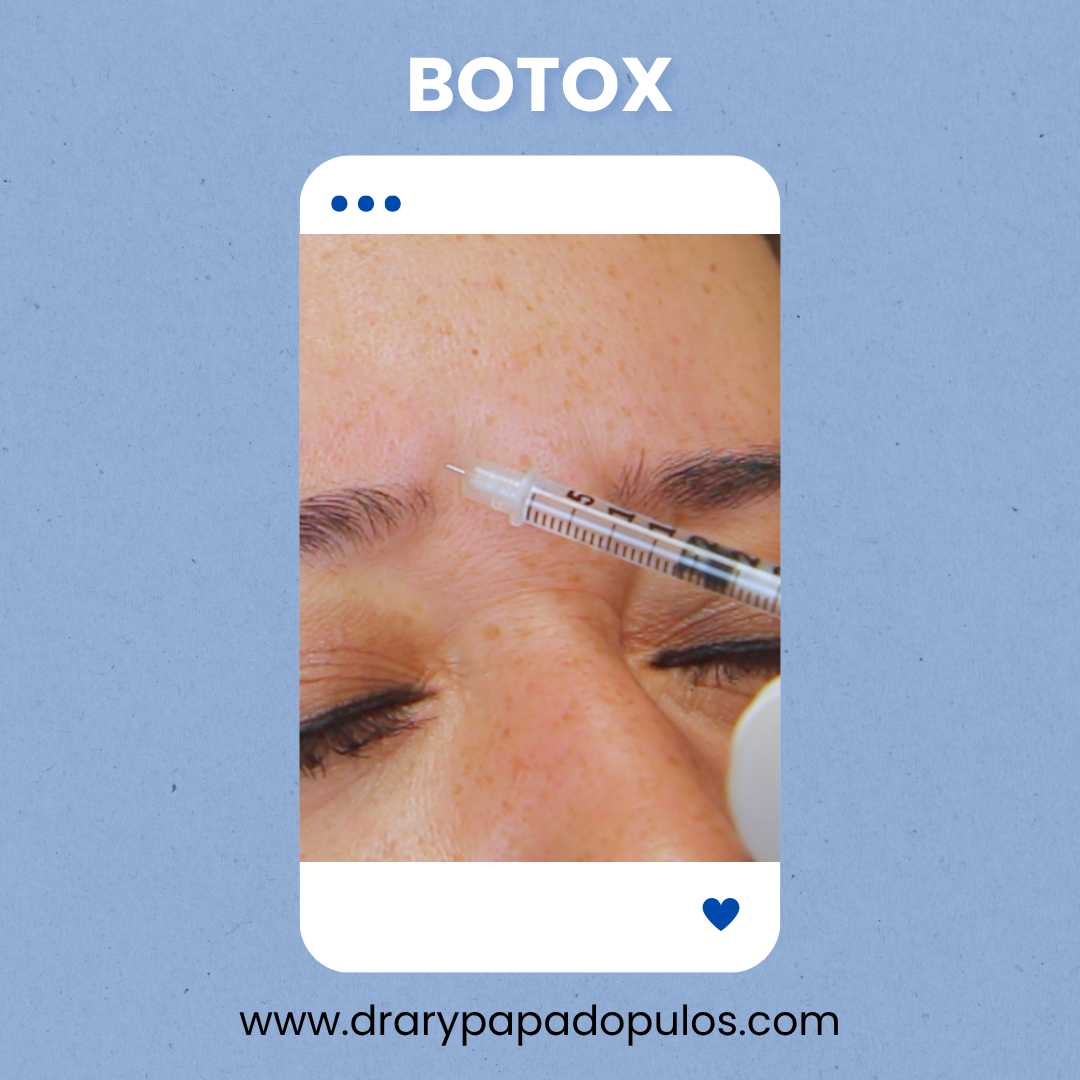
Price starting from $400
Botox Package at Dr. Ary Papadopulos - Plastic Surgery in Mexico City, Mexico City, Mexico
Dr. Ary Papadopulos - Plastic Surgery in Mexico City
- Anti Aging
Mexico City, Mexico
Anti Aging Solutions Near You: Explore Top Medical Centers
Discover how Anti Aging is transforming lives at leading medical centers in , Mexico. Dive into center profile, specialties, doctors, reviews, etc. and explore the best options tailored to your needs in this region.
Dr. Ary Papadopulos - Plastic Surgery in Mexico City
Mexico City, Mexico
Cancun Plastic Surgery Center by Dr. Víctor Sámano
Cancun,Playa Del Carmen, Mexico
RejuvStem - Stem Cell Therapy Cancun
Cancun, Mexico
Aura Regenerative Center
Monterrey, Mexico
Transformative Anti Aging Experiences: Dive into Procedure Insights
Discover the power of Anti Aging through compelling patient experiences. Uncover detailed insights into procedures, recovery journeys, and life-changing results.

Price starting from $10,000
Stem Cell Therapy for Facial Rejuvenation in Japan
- Stem Cell Facial Rejuvenation, Anti Aging
Japan

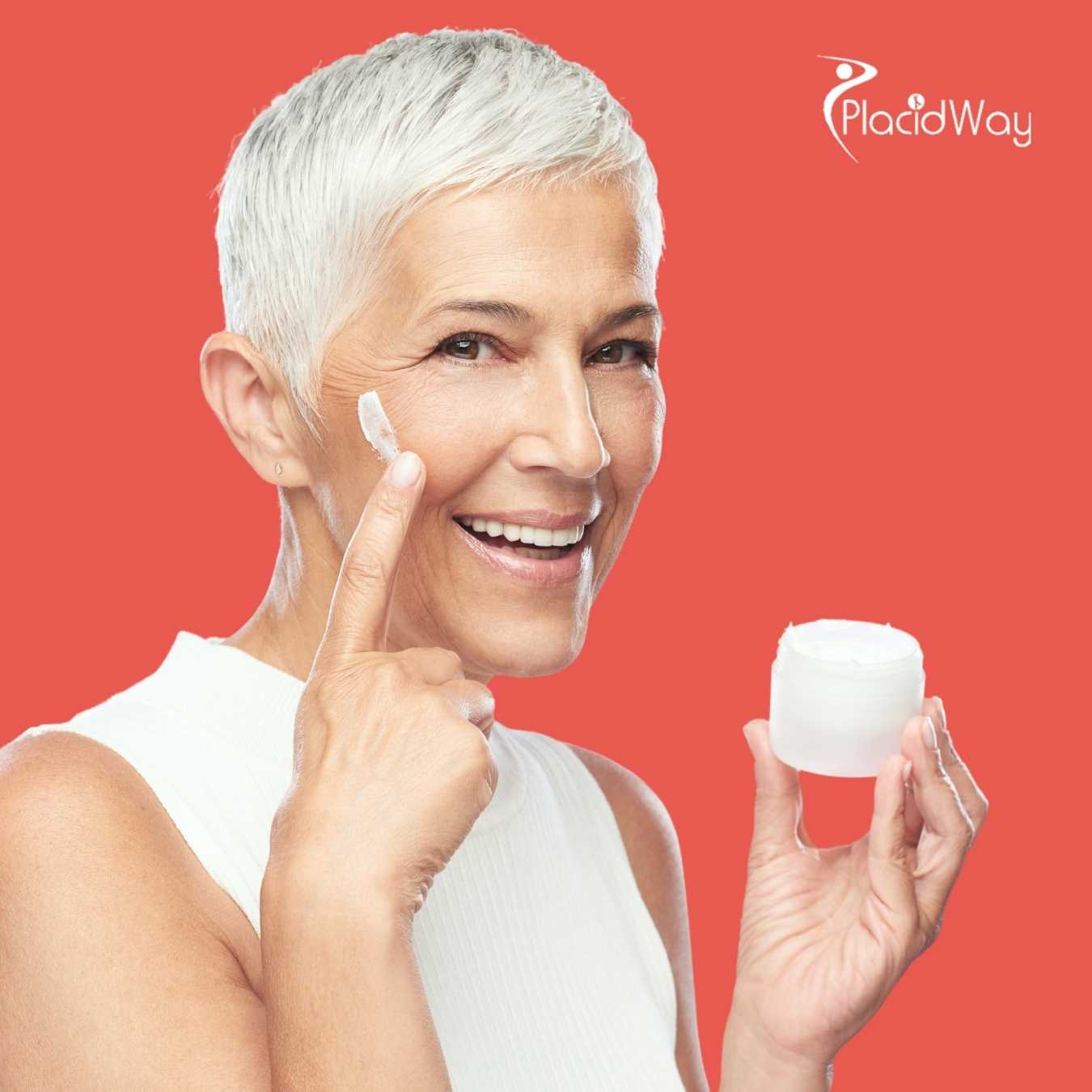

Stem Cell Therapy for Anti-Aging in India: Look Younger Without Surgery
- Stem Cell Therapy for Longevity, Anti Aging
India
Explore Anti Aging: Stories, Testimonials, and Procedures
Watch in-depth videos covering everything from Anti Aging success stories to detailed procedure explanations. Learn what to expect and hear from real patients.
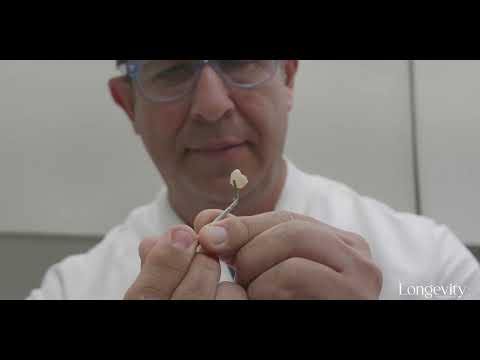
Advanced Regenerative Dentistry in Mexico: Reverse Gum Disease, Rebuild Jawbone, and Enhance Longevity
Anti Aging
Longevity Medical Institute® - Recognized as the #1 Stem Cell and Anti-Aging Clinic in Los Cabos, Mexico
Mexico
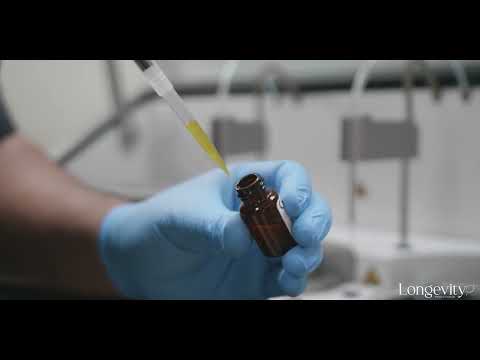
How Regenerative Therapy Mexico Is Enhanced by Advanced In-House Diagnostics at LMI
Anti Aging
Longevity Medical Institute® - Recognized as the #1 Stem Cell and Anti-Aging Clinic in Los Cabos, Mexico
Mexico

Bruce Caldwell’s Experience at Mexico Stem Cell Clinic: Mind, Body & Performance by Longevity Medical Institute®, San Jose del Cabo
Anti Aging
Longevity Medical Institute® - Recognized as the #1 Stem Cell and Anti-Aging Clinic in Los Cabos, Mexico
Mexico
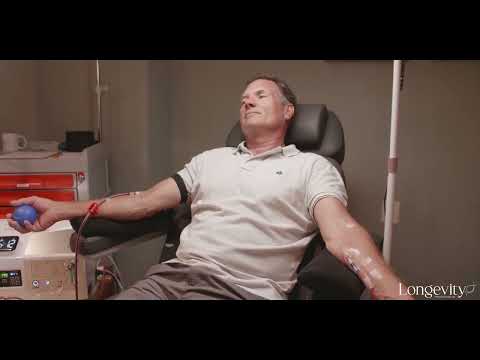
Luxury Regenerative Wellness: TriFusion Ozone Therapy Mexico for Energy, Immunity, and Longevity
Anti Aging
Longevity Medical Institute® - Recognized as the #1 Stem Cell and Anti-Aging Clinic in Los Cabos, Mexico
Mexico
Learn More with These Anti Aging Articles
Take a look at these interesting articles, stories and research that will help you learn more about Anti Aging.
New Radiance Awaits: Mexico’s Stem Cell Facial Rejuvenation for San Diego Patients
PlacidWay Medical Tourism
- Stem Cell Therapy
Mexico

Why Mexico is the New Hotspot for Affordable Stem Cell Anti-Aging Treatments
PlacidWay Mexico Medical Tourism
- Anti Aging
Mexico
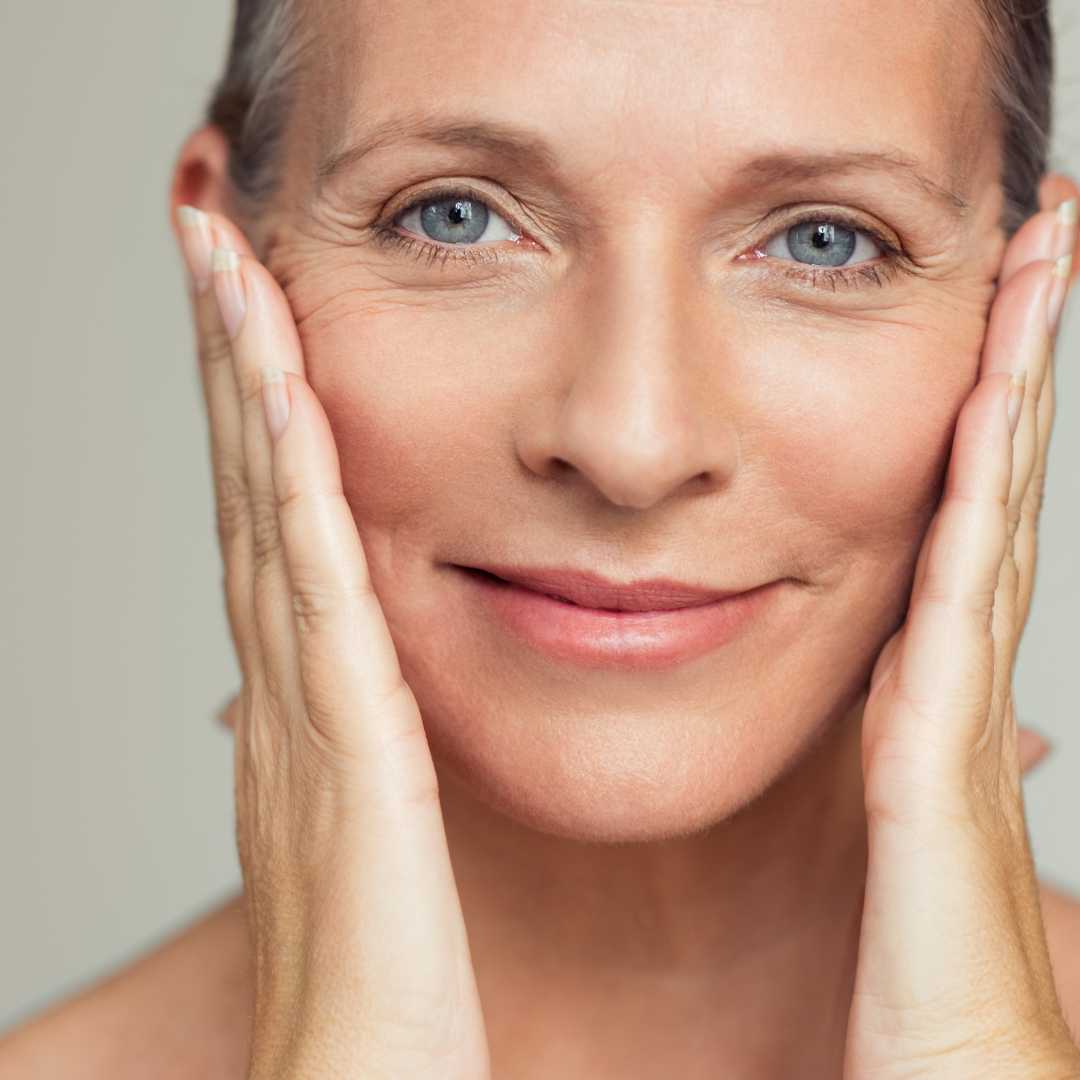
Anti-Aging Treatment in Mexico vs USA - Your Ultimate Guide
PlacidWay Medical Tourism
- Anti Aging
Mexico
Stem Cell Therapy for Anti Aging in Mexico: Questions Patients Should Ask Before Treatment
PlacidWay Mexico Medical Tourism
- Anti Aging
Mexico







