
Benefits of Getting Botox in Mexico

If you are exploring your options for facial rejuvenation abroad, you might be wondering how to find the right Botox clinic in Mexico City. The Mexican capital has grown into a major hub for high-quality, specialized healthcare, attracting thousands of international visitors each year. Seeking Botox in Mexico City allows patients to combine travel with access to experienced medical professionals who specialize in non-surgical cosmetic enhancements.
Because botulinum toxin injections require precise anatomical knowledge to ensure safety and natural-looking results, choosing the right medical environment is vital. While you can find these services in various settings, you should always prioritize medical expertise over convenience. Understanding how to evaluate a clinic, what to expect during the consultation, and how to plan your trip will help you make a confident, well-informed decision about your aesthetic care.
Key Takeaways
- Botox should only be administered by licensed medical professionals, such as board-certified dermatologists or plastic surgeons.
- Reputable clinics in Mexico City must be registered with and certified by COFEPRIS, the national health regulatory agency.
- While costs are often lower in Mexico than in the US or Canada, unusually low prices can indicate counterfeit products or unqualified providers.
- Botulinum toxin type A treatments are temporary, with results typically lasting three to four months.
- International patients should plan for adequate consultation time and brief post-treatment downtime before flying home.
What types of medical facilities offer Botox in Mexico City?
When searching for a provider, you will notice a variety of establishments offering cosmetic injectables. The safest and most reliable options are specialized dermatology and plastic surgery clinics. These facilities are staffed by physicians who have completed extensive medical training and residencies focused on the skin, facial anatomy, and aesthetic medicine. They are well-equipped to handle any rare adverse reactions and often provide a comprehensive approach to facial aging.
Medical spas (medspas) also frequently offer botulinum toxin injections. However, if you choose a medspa, you must ensure that a licensed medical doctor is on-site and actively overseeing the treatments. In many reputable medspas in Mexico City, the injections are performed directly by aesthetic medicine physicians. You should generally avoid beauty salons, hotel spas, or pop-up aesthetics bars where non-medical personnel might be administering the injections, as this significantly increases the risk of complications.
Many international patients look for clinics in established, well-connected neighborhoods known for high medical standards, such as Polanco, Roma, Condesa, or Santa Fe. Clinics in these areas frequently cater to international patients, offering bilingual staff and comfortable, modern environments that meet international healthcare standards.
How can you verify the credentials of a Botox clinic in Mexico City?
Ensuring patient safety when seeking healthcare abroad requires active research. The primary regulatory body for healthcare facilities and medications in Mexico is COFEPRIS (Comisión Federal para la Protección contra Riesgos Sanitarios). Any legitimate medical facility providing injectable treatments must have current COFEPRIS certification displayed or readily available upon request. This certification ensures the clinic meets the national standards for hygiene, emergency protocols, and medical equipment.
Beyond the clinic's certification, you need to verify the individual provider's credentials. Ask for the physician's professional license number (Cédula Profesional). You can look this number up on the official Mexican government registry to confirm their medical degree. Furthermore, check if the doctor is board-certified in their respective specialty. For example, plastic surgeons should be certified by the Consejo Mexicano de Cirugía Plástica, Estética y Reconstructiva (CMCPER), and dermatologists by the Consejo Mexicano de Dermatología.
Do not hesitate to ask questions during your initial inquiry. Reputable clinics expect international patients to ask about sterilization practices, the source of their neurotoxins, and physician qualifications. If a clinic is evasive or refuses to provide this information, it is best to look elsewhere.
What is the estimated Botox cost in Mexico City compared to the US?
Pricing for cosmetic injectables is a major factor driving medical tourism in Mexico City. In the United States, patients might pay anywhere from $12 to $25 per unit of Botox. In Mexico City, the cost per unit frequently ranges from $7 to $12. The lower cost is not a reflection of lower quality; rather, it relates to the general cost of living, lower overhead for clinics, and different pharmaceutical pricing structures in Mexico.
Clinics typically structure their pricing in one of two ways: per unit or per zone. Per-unit pricing means you pay exactly for the amount of medication used. Per-zone pricing means you pay a flat fee for a specific area (like the forehead or frown lines), regardless of the exact number of units required. Both methods are standard, but per-unit pricing often provides more transparency.
| Treatment Area | Estimated Units Required |
|---|---|
| Glabellar Lines (Frown Lines) | 15 – 25 units |
| Frontalis (Horizontal Forehead Lines) | 10 – 30 units |
| Lateral Canthal Lines (Crow's Feet) | 10 – 24 units (total for both sides) |
Please remember that these numbers are merely estimates. Only a qualified medical provider can determine your precise dosage after evaluating your muscle strength and aesthetic goals.
Who is an ideal candidate for cosmetic Botox injections?
Botulinum toxin type A is highly effective for addressing dynamic wrinkles—the lines that form when you make facial expressions, such as smiling, frowning, or squinting. Suitable candidates are typically individuals between the ages of 25 and 65 who wish to smooth out these lines for a more refreshed appearance. It is also increasingly used as a preventive measure in younger adults to stop deep static lines from forming over time.
However, the treatment is not suitable for everyone. You may not be a candidate if you:
- Are pregnant or breastfeeding, as the effects on a fetus or infant are not fully known.
- Have a neuromuscular disorder, such as myasthenia gravis or ALS (Lou Gehrig's disease).
- Have a skin infection at the planned injection site.
- Are allergic to any of the ingredients in the formulation or have had an adverse reaction to botulinum toxin in the past.
During your consultation, you must disclose your full medical history, including any over-the-counter supplements or prescription medications you are taking. Blood thinners, NSAIDs, and certain herbal supplements can increase your risk of bruising.
What should you expect during your Botox consultation in Mexico?
Your journey begins with a thorough medical consultation. Even if you have received Botox before in your home country, a reputable doctor in Mexico City will want to assess you independently. They will ask you to make various facial expressions—frowning, raising your eyebrows, smiling broadly—to observe how your facial muscles move and identify the areas that will benefit most from treatment.
The physician will explain the expected outcomes and discuss any limitations. They should explain that botulinum toxin treats dynamic wrinkles but may not fully erase deep static lines (wrinkles present when your face is at rest); in such cases, they might suggest combining the treatment with dermal fillers. The doctor will also explain the potential risks, provide a clear breakdown of the required units, and give you a final cost estimate before proceeding.
How does Botox work to reduce facial wrinkles?
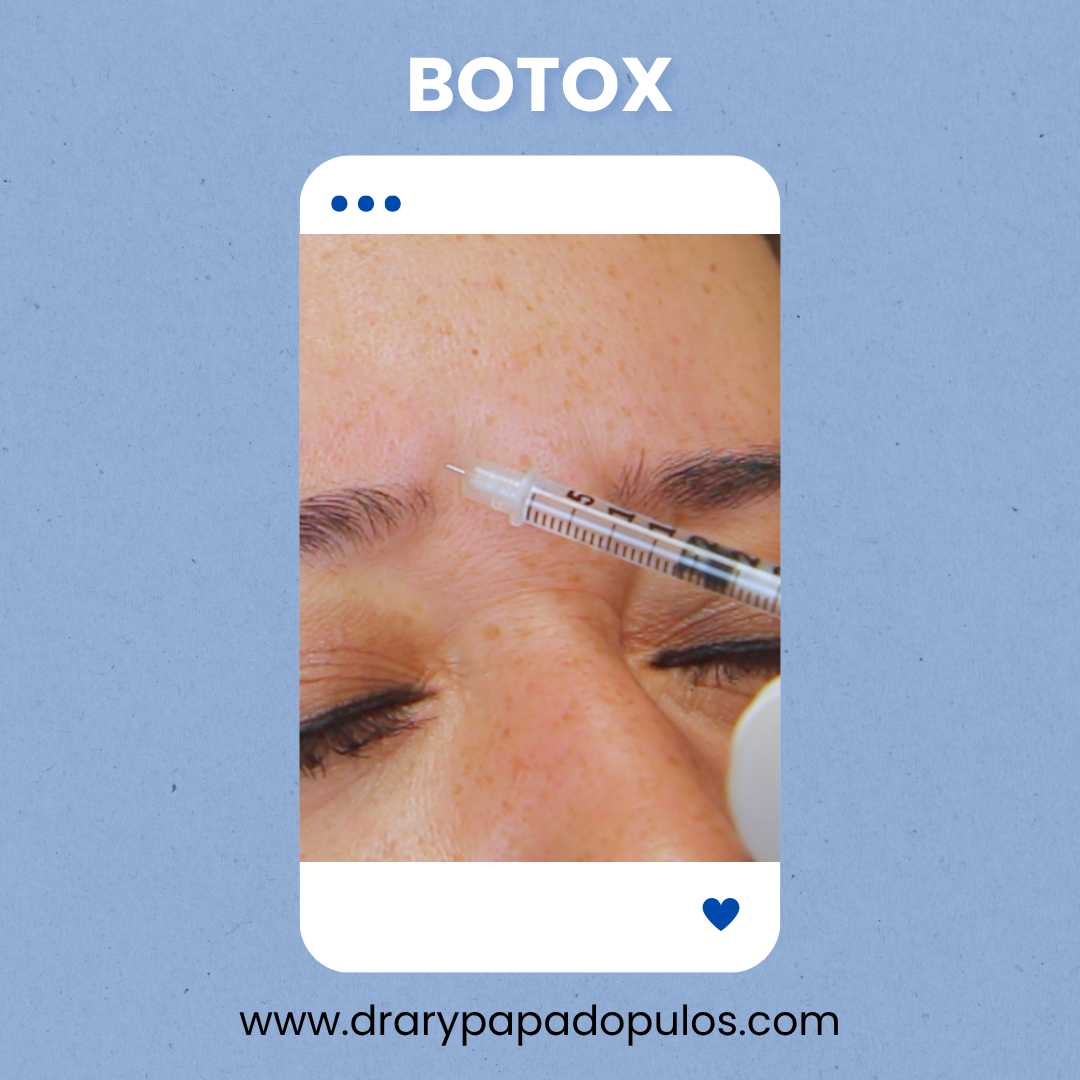
Botulinum toxin is a purified protein derived from the Clostridium botulinum bacterium. When injected in highly controlled, micro-doses into specific facial muscles, it acts as a neuromodulator. Normally, your nerves release a chemical called acetylcholine, which tells your muscles to contract. Botox intercepts this process, preventing the release of acetylcholine in the targeted area.
Because the muscle cannot contract fully, the skin above it remains smoother and less prone to creasing. It is a highly localized treatment, meaning it only affects the specific muscles injected. You will still be able to make natural facial expressions if the treatment is performed correctly by a skilled provider who understands the delicate balance of facial musculature.
The effects are not immediate. You may begin to notice a subtle change within three to four days, but it typically takes up to 14 days to see the full, final result of the neurotoxin.
What are the potential risks and side effects of Botox?
Like any medical procedure, botulinum toxin injections carry some degree of risk, though severe complications are rare in cosmetic applications. The most common side effects occur at the injection site. You might experience mild redness, swelling, pinpoint bleeding, or localized bruising. These symptoms typically resolve on their own within a few days.
Some patients report mild headaches shortly after the procedure, which usually fade within 24 to 48 hours. A more concerning, though temporary, risk is the unintended spread of the toxin to adjacent muscles. This can lead to ptosis (drooping of the eyelid or eyebrow), an asymmetrical smile, or dry eyes. These aesthetic complications usually wear off over a few weeks to months as the body metabolizes the product.
Very rarely, patients may experience an allergic reaction or symptoms of toxin spread, such as muscle weakness, difficulty swallowing, or breathing problems. If you experience these symptoms after returning home, you should seek immediate emergency medical care.
How should you prepare for Botox treatment abroad?
To minimize the risk of bruising, most doctors advise avoiding non-essential blood-thinning medications for about a week prior to your appointment. This includes aspirin, ibuprofen, naproxen, and certain supplements like vitamin E, fish oil, and ginkgo biloba. If you take prescription blood thinners, you must consult with your primary care physician before stopping them.
It is also recommended to avoid consuming alcohol for at least 24 hours before your injections, as alcohol can temporarily dilate blood vessels and increase bleeding risk. Arrive at the clinic with a clean face, free of makeup, to allow the doctor a clear view of your skin and natural lines.
When planning your travel logistics, try not to schedule rigorous tourist activities immediately following the procedure. Give yourself a relaxed afternoon to rest at your hotel in Mexico City.
What is the typical recovery process after receiving Botox?
One of the main reasons patients opt for non-surgical rejuvenation is the lack of a lengthy recovery period. You can generally resume normal, light activities right after leaving the clinic. However, to ensure the neurotoxin settles exactly where the doctor injected it, you need to follow some basic rules for the first 24 hours.
Doctors typically recommend the following aftercare guidelines:
- Do not rub, massage, or apply pressure to the treated areas.
- Remain upright for at least four hours after the injections; avoid lying flat immediately.
- Avoid strenuous exercise or heavy lifting for 24 hours to keep your blood pressure stable.
- Stay out of intense heat, including saunas, steam rooms, and direct sun exposure.
- Avoid wearing tight hats or headbands that compress the forehead.
If you experience slight swelling or bruising, applying a gentle cold compress can help, provided you do not press firmly on the skin.
How does medical tourism in Mexico City work for non-surgical treatments?
Engaging in medical tourism in Mexico City for non-surgical procedures is relatively straightforward compared to planning complex surgeries. Because there is virtually no downtime, many patients easily integrate a clinic visit into a broader vacation or business trip. Mexico City is accessible via direct flights from numerous major international airports, making it a convenient destination for a short weekend getaway.
While the procedure itself takes less than 30 minutes, it is wise to schedule your clinic appointment toward the beginning or middle of your trip. This leaves a small window for a brief follow-up or check-in with your doctor before you fly home, should you have any questions or concerns. Even though major complications are rare, knowing you are still in the same city as your provider brings added peace of mind.
Why Choose PlacidWay for Medical Tourism in Mexico City?
Navigating healthcare options in a foreign country requires careful research. PlacidWay serves as an educational resource and platform to help you explore your international medical options.
- Comprehensive Provider Profiles: PlacidWay offers detailed information on various clinics, allowing you to review facility credentials and physician specialties.
- Treatment Comparisons: The platform enables you to compare different treatment approaches and pricing estimates across multiple destinations.
- Direct Communication: You can request information and communicate directly with international medical facilities to ask specific questions before traveling.
- Informational Resources: Access articles, patient guides, and checklists to help you understand what to expect when pursuing aesthetic treatments abroad.
- Global Network: PlacidWay connects patients with a wide network of healthcare providers in Mexico and worldwide, supporting informed decision-making.
Frequently Asked Questions
Is Botox treatment in Mexico City safe for international patients?
Receiving Botox in Mexico City can be safe for international patients when performed by a licensed, board-certified medical professional in a legally registered clinical setting. Patients should always verify facility credentials and avoid unregulated spas.
How long do Botox results typically last?
The effects of botulinum toxin type A typically last between three and four months, though this varies based on individual metabolism, the area treated, and the dosage administered.
Can I fly immediately after getting Botox in Mexico City?
While air travel is usually not strictly prohibited, many medical professionals advise waiting 24 to 48 hours before flying. Cabin pressure changes and the stress of travel can occasionally increase the risk of swelling or unintended spreading of the product.
Are the Botox brands used in Mexico the same as in the US?
Yes, reputable Mexican clinics use internationally recognized, FDA-approved neurotoxin brands such as Allergan (Botox), Dysport, and Xeomin. Always ask your provider to show you the original vial before injection.
Does the Botox injection procedure hurt?
Most patients report only mild discomfort, often described as a quick pinch. Providers use very fine needles, and many apply a topical numbing cream or ice beforehand to minimize pain.
What is the difference between Botox and dermal fillers?
Botox temporarily relaxes the muscles that cause dynamic wrinkles (like frown lines), whereas dermal fillers add volume to smooth out static wrinkles and enhance facial contours (like lips and cheeks).
Can men get Botox treatments in Mexico City?
Absolutely. A growing number of men travel to Mexico City for neurotoxin treatments. Men typically require slightly higher doses due to greater muscle mass in the face.
How many units of Botox will I need?
The number of units depends on your specific goals and facial anatomy. For example, treating the forehead might require 10 to 30 units, while crow's feet typically require 10 to 24 units per side. A consultation is necessary for a precise estimate.
What happens if I decide to stop getting Botox?
If you stop treatment, your muscles will gradually regain full movement, and your wrinkles will slowly return to their pre-treatment appearance. They will not become worse simply because you stopped the injections.
Are touch-ups required after my initial Botox treatment?
Some patients may need a minor touch-up about two weeks after their initial treatment, once the full effects are visible. This allows the provider to correct any slight asymmetries or areas that need a little more relaxation.
Compare Treatment Options
Ready to learn more about aesthetic treatments in Mexico City? Request information from verified providers to evaluate your options and compare estimates.
Request Treatment InformationReferences
- FDA Approved Label – Botox (onabotulinumtoxinA) – U.S. Food and Drug Administration
- Botulinum Toxin Overview – American Academy of Dermatology Association
- Botulinum Toxin – American Society of Plastic Surgeons
- Botox Injections: About, Risks, and Results – Mayo Clinic
- Medical Tourism Guidelines – Centers for Disease Control and Prevention (CDC)
- Botulinum Toxin Injections – Cleveland Clinic
- Comisión Federal para la Protección contra Riesgos Sanitarios (COFEPRIS) – Gobierno de México
















Share this listing