
Cost of Dental Braces in Egypt: Your Complete 2026 Price Guide
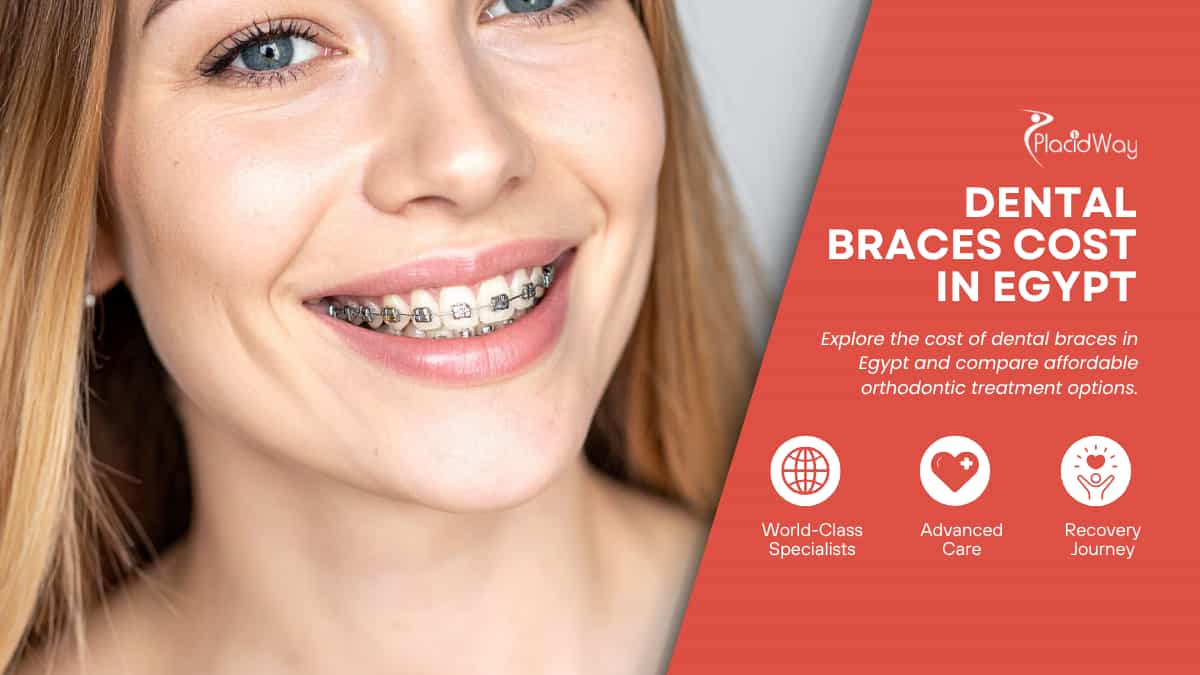
The dental braces cost in Egypt typically ranges from $700 to $1,500, depending on case complexity and materials used. Traditional metal brackets are the most affordable, while ceramic braces and clear aligners require a higher investment.
Key Takeaways
- Average savings for comprehensive orthodontic care are typically 60 to 75 percent compared to standard North American fees.
- Patients have access to a variety of globally recognized materials, including stainless steel, ceramic, and medical-grade polyurethane aligners.
- Thorough provider verification involves checking the practitioner credentials with the Egyptian Dental Syndicate.
- Traditional bracket systems require frequent in-person adjustments, making them challenging for patients who cannot travel regularly.
- Clear aligner therapy may offer a more flexible travel schedule for international patients with mild to moderate malocclusion.
What Is The Average dental braces cost in Egypt Compared To The US?
The financial investment for orthodontic care in North Africa generally falls between $700 and $1,500. This presents a significant contrast to the United States, where similar procedures range from $3,000 to over $7,000.
The overall price of orthodontic treatment depends heavily on the specific materials selected and the projected duration of the clinical intervention. Metal brackets represent the most economical pathway for bite correction, offering durable mechanics at a fraction of the cost found in domestic medical markets. These comprehensive estimates usually cover the initial application and standard diagnostic imaging.
Patients seeking discreet aesthetic options will find that ceramic components and transparent removable trays require a higher initial financial commitment. Despite this premium, the international pricing for these advanced systems remains highly competitive, allowing patients to achieve their cosmetic goals without incurring insurmountable medical debt.
It is critical to recognize that these figures represent base estimates for standard cases. Complex anatomical corrections, such as impacted canines or severe skeletal discrepancies requiring surgical intervention, will alter the final financial requirements. Geographic location within the country also plays a minor role, with central metropolitan clinics occasionally commanding slightly higher fees than suburban facilities.
| Procedure Category | Average US Estimate | Average Egypt Estimate |
|---|---|---|
| Traditional Metal Brackets | $3,000 - $7,000 | $700 - $1,000 |
| Ceramic Aesthetic Brackets | $4,000 - $8,000 | $1,000 - $1,300 |
| Clear Aligners Therapy | $4,500 - $8,000 | $1,200 - $1,500 |
Why Are Procedures At A dental braces clinic in Egypt More Affordable?
The affordability stems directly from lower regional living costs, reduced commercial real estate overhead, and highly favorable currency exchange rates, rather than a reduction in clinical quality.
The primary driver behind this pricing disparity is the broader macroeconomic environment of the region. Clinical facilities operate with substantially lower administrative overhead, including affordable commercial leasing and manageable utility costs. These operational savings enable practitioners to provide high-level care without transferring excessive operational burdens to the patient.
Additionally, dental and medical education receives significant governmental subsidies, allowing specialists to graduate without the massive student debt that burdens many North American providers. Because doctors are not required to inflate their procedural fees to manage personal educational loans, the cost savings are passed directly to the consumer.
The regulatory and legal landscape also contributes to the lower pricing structure. Malpractice insurance premiums and administrative compliance costs do not reach the exorbitant levels seen in Western healthcare systems. This permits clinics to allocate their financial resources toward acquiring advanced diagnostic technology and internationally certified biomaterials instead of paying inflated legal fees.
What Orthodontic Systems Are Used For dental braces in Egypt?
Specialists utilize FDA-cleared or internationally recognized orthodontic systems, including traditional metal brackets, aesthetic ceramic options, and modern removable clear aligners to address various clinical needs.
- Traditional Metal Brackets: Manufactured from high-grade stainless steel, these reliable systems excel at correcting severe crowding and complex bite alignment issues.
- Ceramic Aesthetic Brackets: Constructed from tooth-colored or translucent polycrystalline materials that blend with the natural enamel for a highly discreet appearance.
- Lingual Orthodontic Systems: Custom-fabricated attachments placed on the interior surface of the teeth, offering a completely invisible solution for specific clinical cases.
- Self-Ligating Brackets: Advanced mechanical designs utilizing specialized doors rather than elastic bands to hold the archwire, which may reduce friction during tooth movement.
- Clear Aligner Therapy: A sequential series of removable, transparent polyurethane trays designed to gradually shift teeth without fixed wires or brackets.
Did You Know?
Many highly rated international clinics procure their brackets, archwires, and elastomeric materials from the exact same global manufacturers that supply leading orthodontists in North America and Europe.
How Can Patients Verify Orthodontists For medical tourism in Egypt?
Prospective patients must verify clinical credentials by checking the practitioners registration with the Egyptian Dental Syndicate and confirming advanced specialty training recognized by the Egyptian Health Council.
The foundation of safe medical travel lies in rigorous provider verification before making any financial commitments. Patients should not rely on social media testimonials or flashy clinic websites alone. It is essential to request the specialists official registration numbers and verify their active status through the appropriate national medical registries.
It is also crucial to distinguish between a general practitioner offering basic alignment services and a dedicated orthodontic specialist. A qualified orthodontist has completed rigorous postgraduate university training specifically focused on the biomechanics of tooth movement and jaw alignment. Patients have the right to request proof of this specialized educational background.
Beyond evaluating the individual doctor, patients must assess the facility itself. Reputable clinics adhere to strict sterilization protocols overseen by the Ministry of Health and Population. During initial consultations, patients should ask detailed questions regarding infection control standards, cross-contamination prevention, and the specific brands of biomaterials utilized within the practice.
What Are The Potential Risks Of Traveling For Braces In Egypt?
Patients face distinct challenges regarding the logistics of regular monthly adjustments, managing unexpected mechanical breakages from afar, and navigating limited legal recourse if clinical complications arise.
The most significant hurdle in international orthodontic care is fulfilling the strict demands of the adjustment schedule. Archwire tightening and progress monitoring typically require physical clinic visits every four to eight weeks. Missing these critical appointments can severely stall treatment progress, prolong the overall timeline, and potentially compromise the final aesthetic result.
Unforeseen mechanical failures, such as a detached bracket or a snapped archwire, present immediate logistical complications. While a domestic dentist may provide temporary palliative care to alleviate physical discomfort, they will rarely perform permanent repairs on foreign mechanical systems, forcing the patient to schedule an unexpected international journey.
Additionally, patients must understand the legal complexities inherent in medical tourism. Seeking legal recourse for medical malpractice across international borders is highly complex and often financially prohibitive. Patients assume a substantial degree of responsibility for their continuity of care and must establish a clear contingency plan for managing potential clinical complications.
Important Consideration
Orthodontic movement can occasionally cause root resorption or gingival irritation. Patients traveling abroad must understand that managing these clinical risks requires open, consistent digital communication with their attending international specialist.
How Often Must Patients Travel For Braces Adjustments In Egypt?
Traditional bracket systems typically require in-person clinical adjustments every four to eight weeks, necessitating a significant commitment to frequent international travel throughout the treatment duration.
Orthodontic treatment is a prolonged process of guided anatomical change rather than a single surgical event. The specialist must regularly evaluate the movement of the dental roots and apply new directional forces via wire replacements and elastic adjustments to ensure the treatment plan remains on the correct clinical trajectory.
For patients residing across the globe, the accumulated cost of international flights, local ground transportation, and overnight hotel accommodations can quickly diminish the initial procedural savings. It is absolutely essential to calculate the total projected travel expenses across twenty or more potential clinical visits before committing to a foreign provider.
Some modern facilities are beginning to integrate tele-orthodontics for specific monitoring phases. However, remote digital evaluation is generally reserved for patients using removable clear aligner systems, as physical brackets inherently require hands-on mechanical manipulation by the attending clinical specialist.
Can You Transfer Care For Braces In Egypt Back To A US Orthodontist?
Transferring active orthodontic care is highly complex and often discouraged, as many domestic specialists hesitate to accept liability for cases initiated abroad due to differing bracket systems and treatment philosophies.
Patients occasionally begin treatment internationally with the intention of completing the final phases closer to home. However, finding a domestic orthodontist willing to accept an active international transfer case is notoriously difficult. Practitioners are naturally reluctant to assume legal and clinical liability for a comprehensive treatment plan they did not originally design or initiate.
Furthermore, the specific brands, slot sizes, and mechanical prescriptions of brackets used internationally may differ from those utilized by the local provider. If the domestic specialist lacks the compatible proprietary tools or replacement parts for that specific system, they cannot safely perform the necessary wire adjustments.
In the majority of transfer scenarios, the local orthodontist will require the complete removal of the foreign brackets and the initiation of an entirely new treatment plan from scratch. This comprehensive restart incurs full domestic clinical fees, entirely negating any financial advantages achieved during the initial medical travel experience.
Are Clear Aligners A Better Option Than Traditional Braces In Egypt?
Clear aligner therapy may offer substantial benefits for traveling patients because the custom trays can often be monitored remotely, significantly reducing the number of required physical visits to the international clinic.
For international patients, the primary advantage of clear aligner systems lies in the reduced frequency of mandatory clinic visits. Specialists can provide patients with multiple sets of sequential trays to take home, allowing the treatment to progress steadily for several months before an in-person clinical evaluation is strictly required.
While the base cost of these advanced proprietary manufacturing systems is higher than traditional metal brackets, the resulting reduction in recurring travel expenses often balances the overall project budget. However, patients must strictly adhere to the required wear time of twenty to twenty-two hours per day; failure to comply will inevitably result in teeth not tracking correctly with the trays.
It is important to note that not all malocclusions can be effectively corrected with removable transparent trays. Severe dental crowding, significant vertical discrepancies, or complex surgical jaw realignments often necessitate the sustained, rigid force provided only by fixed traditional brackets. A comprehensive clinical evaluation is mandatory to determine true aligner candidacy.
What Hidden Fees Should Patients Watch Out For When Getting Braces In Egypt?
Patients must request fully itemized treatment plans, as initial promotional quotes may intentionally exclude necessary preliminary procedures, advanced diagnostic imaging, monthly adjustment fees, and the final retention devices.
A seemingly attractive promotional rate may only cover the initial clinical application of the brackets. Patients must explicitly ask if the quoted price comprehensively includes all subsequent monthly adjustment visits, or if those routine appointments carry an additional, recurring clinic fee that will substantially inflate the total budget over time.
Preliminary dental work is frequently required before active alignment can safely begin. Undiagnosed carious lesions, active periodontal disease, or the need for strategic tooth extractions are not included in standard orthodontic packages and will be billed as entirely separate restorative procedures prior to bracket placement.
The conclusion of active treatment requires the creation and fitting of custom retainers to prevent the teeth from relapsing back to their original positions. The cost of these essential retention devices, along with the final panoramic x-rays utilized to verify root parallelism, are often billed separately at the end of the clinical journey.
Why Choose PlacidWay To Compare Providers For Braces In Egypt?
PlacidWay provides an extensive directory that allows patients to research international healthcare facilities, review provider credentials, and request detailed clinical estimates for their specific dental needs.
- Offers a comprehensive database of registered international dental professionals and modern medical clinics.
- Facilitates direct communication with clinical coordinators to request itemized pricing based on your unique anatomical case.
- Provides educational resources to help patients understand complex restorative and orthodontic procedures prior to consultation.
- Allows users to systematically compare facility profiles and specialized dental technology across various geographic regions.
- Assists patients in gathering factual clinical information to make informed, independent healthcare decisions.
Frequently Asked Questions
Do US dental insurance plans cover orthodontic procedures in Egypt?
Most domestic dental insurance policies restrict coverage to treatments performed within the United States. Patients usually pay out of pocket for international orthodontic care, though a few specialized plans may offer partial reimbursement for out-of-network foreign providers.
Are the brackets and wires used in Cairo the same as those in North America?
Reputable clinics commonly use the exact same globally recognized and FDA-cleared brands of brackets, wires, and clear aligners found in North American practices. Patients can always request the brand names and original packaging of the materials used.
Can adult patients receive cosmetic alignment treatments abroad?
Yes, adult orthodontics is highly common and widely available across international dental hubs. Specialists offer discreet options like ceramic brackets and clear aligners specifically tailored to adult patients seeking aesthetic corrections.
What happens if a bracket breaks after returning home from Cairo?
If a bracket dislodges or a wire snaps, you will need to visit a local dentist for emergency palliative care to clip the wire or secure the bracket. You must then schedule a trip back to your primary orthodontist for a permanent repair.
Is it safe to travel to major Egyptian cities for dental treatments?
Major metropolitan areas possess modern medical districts that cater to international patients, but standard travel precautions apply. Patients should stay in vetted areas, travel during daylight, and remain aware of their surroundings at all times.
How do payment installments work for international orthodontic care?
Clinics typically require a substantial upfront deposit covering thirty to fifty percent of the total cost to begin treatment. The remaining balance is often paid in monthly installments during subsequent adjustment visits.
What distinguishes an orthodontic specialist from a general dentist?
An orthodontist is a specialist who has completed standard dental school followed by several years of advanced university training specifically focused on tooth movement and jaw alignment. General dentists do not have this specialized postgraduate degree.
How long does the initial consultation for alignment treatments take?
Initial consultations usually take one to two hours. This time includes taking panoramic x-rays, performing 3D intraoral scans, capturing clinical photographs, and discussing the comprehensive treatment timeline with the specialist.
Are final retainers factored into the initial estimate provided by the clinic?
Retainers are sometimes billed separately at the end of the treatment plan. Patients should carefully review their initial itemized quote to confirm whether the final retention phase and the physical retainers are included in the base price.
Can I utilize my Health Savings Account for international dental care?
Under certain conditions, patients may use funds from a Health Savings Account or Flexible Spending Account for eligible dental expenses incurred abroad. It is essential to consult with a tax advisor and the account administrator to verify specific documentation requirements.
Compare Dental Implant Options and Orthodontic Providers
Explore verified international dental providers and receive transparent treatment estimates tailored to your specific clinical needs.
Request Treatment InformationReferences
- Clear Aligners Overview – American Dental Association
- Travelers Health: Egypt – Centers for Disease Control and Prevention
- Transferring to a New Orthodontist – American Association of Orthodontists
- Dental Braces Risks and Results – Mayo Clinic
- Dental Materials and Devices – U.S. Food and Drug Administration
- Malocclusion and Orthodontic Treatments – National Institute of Dental and Craniofacial Research



















Share this listing