
Why Choose the Dominican Republic for BBL?
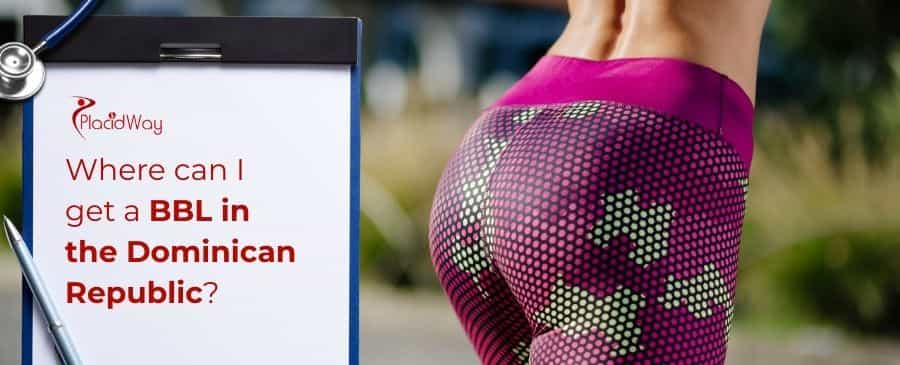
Choosing to travel for a gluteal fat transfer requires careful planning, intensive research, and a strong focus on patient safety. The Dominican Republic has emerged as a frequent destination for cosmetic procedures due to its accessible location, experienced medical professionals, and specialized recovery infrastructure. If you are considering a BBL in the Dominican Republic, understanding the geographic landscape of medical facilities is your first step.
Rather than looking for the quickest or least expensive option, patients must prioritize board certification, facility accreditation, and transparent communication. A Brazilian Butt Lift is a complex procedure with specific risk factors, making the choice of location and provider highly consequential to your health and final results.
Key Takeaways
- Santo Domingo is the primary hub for specialized plastic surgery centers, followed by Santiago and Punta Cana.
- Always verify that your prospective surgeon is an active member of SODOCIPRE.
- A BBL requires a minimum stay of 10 to 14 days in the country to monitor for complications and attend follow-up visits.
- Gluteal fat transfer carries severe risks, including fat embolism; safety should always override cost considerations.
- Post-operative care, including compression garments and avoiding sitting, is essential for a safe recovery.
Which cities in the Dominican Republic are popular for BBL surgery?
Santo Domingo, the capital city, is the undisputed center for medical procedures in the country. It houses the largest concentration of major hospitals, specialized clinics, and board-certified plastic surgeons. Because it is the capital, it also offers robust medical infrastructure, emergency services, and a wide variety of specialized post-operative recovery houses. Many international patients fly directly into Las Américas International Airport (SDQ) to access these facilities.
Santiago de los Caballeros, located in the northern region, is the second-largest city and another significant hub for healthcare. It features several well-regarded private hospitals and clinics that cater to both local and international patients. The atmosphere here is often described as slightly quieter than the bustling capital, which some patients prefer for their recovery.
Punta Cana is globally recognized as a resort destination, but it has recently developed a growing medical sector. While the concentration of surgical centers is lower than in Santo Domingo, the area appeals to patients looking for specialized medical tourism packages that combine surgical facilities with resort-style recovery amenities. Regardless of the city you choose, your primary focus should be on the clinical standards of the specific facility rather than the surrounding tourist attractions.
How do I choose a safe and reputable BBL clinic in the Dominican Republic?
Finding a safe BBL clinic in the Dominican Republic requires diligent background checks. The most critical step is verifying your surgeon's credentials. In the Dominican Republic, qualified plastic surgeons should be active members of SODOCIPRE (Sociedad Dominicana de Cirugía Plástica, Reconstructiva y Estética). Membership in this organization indicates that the doctor has completed the necessary specialized training in plastic and reconstructive surgery.
Furthermore, the clinic or hospital where the surgery takes place must be licensed by the Ministry of Public Health (Ministerio de Salud Pública). Ask prospective clinics about their emergency protocols. A reputable clinic will have an intensive care unit (ICU) on-site or a formalized, immediate transfer protocol to a nearby hospital in case of severe complications.
During your consultation, ask the surgeon about their specific technique. Medical guidelines strongly advise that fat must only be injected into the subcutaneous layer (above the muscle) using ultrasound guidance to avoid accidental injection into deep veins. A surgeon who is transparent about these safety protocols is generally a safer choice.
What is the estimated BBL cost in the Dominican Republic?
Financial considerations are a major factor for those exploring medical travel. The procedure is generally more affordable in the Caribbean compared to the United States or the United Kingdom. However, the base surgical quote is rarely the final amount you will spend.
A typical surgical quote often includes the surgeon’s fee, operating room costs, anesthesia, and sometimes standard post-operative garments. It is important to ask for an itemized list of what is covered to avoid unexpected expenses.
You must also budget for essential auxiliary costs. These include flights, a 10 to 14-day stay at a specialized recovery house or hotel, lymphatic drainage massages, pre-operative lab tests, and prescription medications. When you factor in these additional necessities, the total financial commitment will be higher than the surgical fee alone. Never select a provider based solely on the lowest price; unusually low prices may indicate compromised safety standards or hidden fees.
What exactly does the Brazilian Butt Lift procedure involve?
Despite its name, a Brazilian Butt Lift does not involve traditional lifting of the skin or the placement of silicone implants. It is a specialized form of autologous fat transfer. The surgery begins with liposuction. The surgeon makes small incisions and uses a cannula to suction fat from donor sites—commonly the stomach, lower back, waist, or thighs. This step also serves to contour the areas around the buttocks, enhancing the overall silhouette.
Once the fat is harvested, it undergoes a purification process. The medical team decants or spins the fat in a centrifuge to separate viable fat cells from blood, oil, and other fluids. Only the healthy, purified fat cells are retained for the transfer.
In the final step, the surgeon carefully injects the purified fat into the buttocks. Medical safety organizations emphasize that these injections must be placed precisely into the subcutaneous fat layer, strictly avoiding the underlying gluteal muscle to minimize the risk of severe vascular complications.
Am I a suitable candidate for gluteal fat transfer?
Not everyone who desires a BBL can safely undergo the procedure. The most fundamental requirement is having sufficient harvestable fat. Patients with very low body fat may not yield enough viable fat to achieve their desired volume, prompting surgeons to suggest alternative body contouring methods.
Your overall health profile is equally important. Ideal candidates are non-smokers, as nicotine severely restricts blood flow, which can cause the newly transferred fat cells to die (fat necrosis) and increases the risk of infection and poor wound healing. Surgeons will typically ask you to stop smoking weeks before and after the surgery.
Additionally, surgeons enforce strict Body Mass Index (BMI) limits. While guidelines vary slightly by clinic, most reputable surgeons will not perform a BBL on patients with a BMI over 30 or 32 due to the exponentially higher risk of anesthesia complications and post-operative blood clots. A thorough medical evaluation, including blood work and cardiovascular clearance, is mandatory to determine your eligibility.
What are the major risks associated with a BBL?
It is vital to understand that a Brazilian Butt Lift has historically carried a higher mortality rate than many other cosmetic procedures. The primary danger is a pulmonary fat embolism (PFE). This occurs if the cannula accidentally tears a deep vein in the gluteal muscle during injection, allowing fat to enter the bloodstream and travel to the lungs or heart. To mitigate this risk, global plastic surgery societies strongly advise that fat must never be injected into or below the muscle.
Beyond fat embolism, patients face standard surgical risks. Infection is a significant concern, especially if incisions are not kept immaculately clean. Seromas (fluid collections under the skin) and hematomas (blood collections) may require drainage.
There is also the risk of fat necrosis, where the transferred fat cells do not establish a blood supply and harden into painful lumps under the skin. Aesthetically, it is common for the body to absorb up to 40% of the transferred fat in the months following surgery, which can sometimes lead to volume loss or asymmetry that might require revision surgery.
How long is the recovery period before I can travel home?
Proper recovery time is non-negotiable when traveling for a BBL. The initial days following surgery involve significant soreness, swelling, and fluid drainage from the liposuction sites. During this period, you will need to attend multiple follow-up appointments with your surgeon to ensure incisions are healing properly and no signs of infection are present.
Flying too soon after major surgery, particularly liposuction and fat transfer, dramatically increases the risk of Deep Vein Thrombosis (DVT)—life-threatening blood clots that can form in the legs during long, stationary flights. Surgeons generally require patients to wait at least two weeks before undertaking a flight, and you will likely need official medical clearance to board the plane.
During the flight home, you will face logistical challenges. You cannot sit directly on your buttocks, so you must use a specialized BBL pillow or arrange for a flight layout that allows you to shift your weight onto your thighs. You will also be instructed to walk the aisles frequently to promote healthy circulation.
Are recovery houses necessary after a BBL?
A specialized recovery house (often called a "casa de recuperación") is a popular accommodation choice for medical tourists in the Dominican Republic. These facilities cater specifically to post-operative patients, providing tailored meals, transportation to clinic appointments, and assistance with daily tasks like bathing and putting on compression garments.
However, the recovery house industry is largely unregulated compared to hospitals. It is your responsibility to research and verify the facility. Ensure that the house employs certified nurses rather than untrained staff, maintains strict sanitation standards to prevent infections, and limits the number of patients to ensure adequate care.
Some patients prefer to rent a private apartment or stay in a hotel, hiring a private nurse to visit daily. Whichever route you choose, having dedicated, knowledgeable support during the first week of recovery is vital, as you will have limited mobility and will be managing post-operative pain and drainage.
What should I know about medical tourism in the Dominican Republic?
Medical tourism is a complex undertaking that goes far beyond booking a flight and a hotel. When traveling to the Dominican Republic for a BBL, you must manage international medical records, coordinate with facilitators, and adapt to a different healthcare system. Communication is key; ensure that you fully understand the surgical plan, consent forms, and aftercare instructions, utilizing professional medical translators if you do not speak Spanish fluently.
A common mistake patients make is treating medical tourism like a holiday. A Brazilian Butt Lift is a major trauma to the body. You will not be able to swim in the ocean, lounge on the beach, consume alcohol, or engage in typical tourist excursions. Your entire trip must be dedicated to rest, hydration, attending medical appointments, and safely recovering indoors.
Finally, you must have a plan for after you return home. Complications can arise weeks or even months after surgery. Establish a relationship with a local primary care doctor or plastic surgeon in your home country who is willing to provide follow-up care or address any delayed complications should they occur.
Why Choose PlacidWay for Medical Tourism?
Navigating international healthcare options can be overwhelming. Platforms like PlacidWay aim to provide educational resources and structured information to help patients evaluate their options abroad. Here are some factual points regarding PlacidWay’s services:
- Global Network: PlacidWay provides access to a database of medical centers and providers across dozens of countries, including the Dominican Republic.
- Provider Information: The platform allows users to view profiles of clinics, which detail their listed accreditations, facility infrastructure, and available treatments.
- Direct Communication: Patients can use the platform to request information and initiate direct contact with international healthcare facilities.
- Informational Resources: PlacidWay offers articles, guides, and comparison tools to help patients learn about different procedures and destinations.
- Customized Inquiries: Users can submit specific questions regarding treatments and receive informational responses to help guide their personal research.
Frequently Asked Questions
Can I combine a BBL with a tummy tuck in the DR?
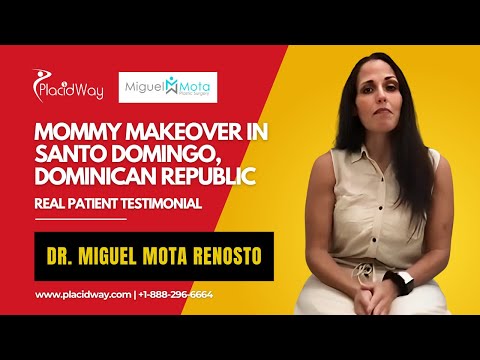
While some surgeons perform combined procedures (often called a 'mommy makeover'), combining surgeries significantly increases operating time and surgical risks. Your surgeon will evaluate your overall health, BMI, and medical history to determine if a combined procedure is safe for you.
Do Dominican clinics offer financing for international patients?
Most facilities require payment in full prior to the surgery. While some local clinics do not offer direct financing to international patients, third-party medical financing companies based in your home country may provide loans that can be used for procedures abroad.
What type of anesthesia is used for a BBL?
A Brazilian Butt Lift is typically performed under general anesthesia, though some surgeons may use epidural or intravenous sedation combined with local anesthesia. The choice depends on the extent of liposuction, the estimated surgery duration, and your specific medical profile.
How soon can I sit down after a gluteal fat transfer?
Surgeons generally advise against sitting directly on your buttocks for at least two to four weeks post-surgery to prevent damaging the newly transferred fat cells. You will likely need to use a specialized BBL pillow that places pressure on your thighs rather than your glutes.
Will I need lymphatic drainage massages in the Dominican Republic?
Yes, most plastic surgeons recommend a series of lymphatic drainage massages starting a few days after surgery. These massages can help reduce fluid retention, swelling, and the risk of fibrosis in the liposuctioned areas.
What happens if I do not have enough fat for a BBL?
If your body mass index is very low and you lack sufficient harvestable fat, a traditional fat transfer may not be viable. In such cases, a surgeon might discuss alternative options like gluteal implants, though these come with a different set of risks and recovery protocols.
How long do BBL results typically last?
The fat cells that successfully survive the transfer process can remain permanently. However, your results will fluctuate with significant weight gain or loss, and natural aging will continue to affect skin elasticity and body contour over time.
What should I pack for BBL recovery in the Caribbean?
Pack loose, comfortable clothing that is easy to put on without bending, compression garments (if not provided by your clinic), a BBL pillow, slip-on shoes, and all necessary prescribed medications. Avoid packing tight or restrictive clothing.
Are English-speaking medical staff available in Santo Domingo?
Many specialized plastic surgery facilities and international patient coordinators in Santo Domingo have bilingual staff. However, you should confirm this during your initial consultation to ensure clear communication regarding medical instructions and consent.
What medical tests are required before traveling for surgery?
You will typically need a complete blood count (CBC), cardiovascular evaluation (EKG), coagulation profile, and sometimes a chest X-ray. Surgeons usually require these tests to be completed and reviewed before you are cleared to travel for the procedure.
Explore Your Treatment Options
Gather the information you need to make an educated decision about traveling for medical care. Connect with international facilities to compare your options.
Request Treatment InformationReferences
- BBL Safety Guidelines – American Society of Plastic Surgeons (ASPS)
- Global Statistics on Aesthetic Procedures – International Society of Aesthetic Plastic Surgery (ISAPS)
- Medical Tourism Travel Information – Centers for Disease Control and Prevention (CDC)
- Official Member Directory – Sociedad Dominicana de Cirugía Plástica, Reconstructiva y Estética (SODOCIPRE)
- Surgical Care and Safety – World Health Organization (WHO)
- Gluteal Fat Grafting Safety and Complications – National Center for Biotechnology Information (NCBI)



















Share this listing