


How to Choose the Best Country for Urology Treatment Abroad
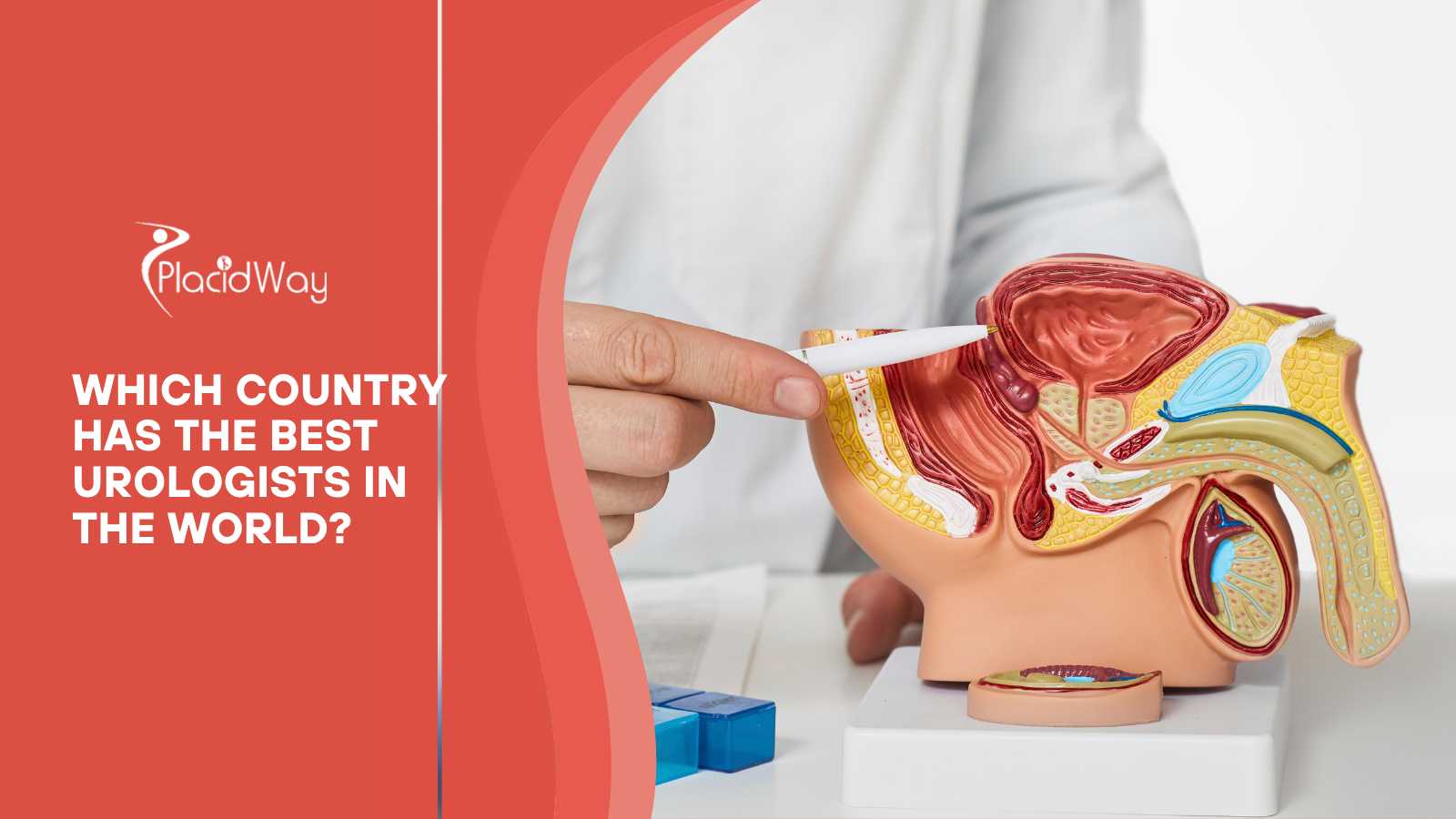
When faced with a complex diagnosis like prostate cancer, severe kidney stones, or complex reconstructive needs, patients naturally want to find the best urologists in the world. The decision to travel for medical care is significant. Understanding which global destinations offer highly specialized urological expertise can help you make an informed choice about your health. Medical tourism has expanded rapidly, allowing patients to access advanced diagnostic tools, robotic-assisted surgeries, and highly experienced specialists that might be unavailable or cost-prohibitive in their home countries.
Key Takeaways
- Determining the "best" urologist depends heavily on your specific condition, such as oncology, pediatric urology, or reconstructive surgery.
- Germany, South Korea, Turkey, and India frequently rank among the top destinations for specialized urological care.
- International hospitals often utilize the same advanced robotic surgical systems found in the US and Western Europe.
- Comprehensive pre-travel consultations and a solid plan for local post-operative care are vital for patient safety.
- Cost variations between countries are significant, but treatment decisions should prioritize medical expertise and safety standards above pricing.
1. Which countries are recognized for having top urology specialists?
The field of urology encompasses a wide range of conditions, from male infertility and enlarged prostate (BPH) to complex urinary tract cancers. Because the specialty is so broad, different countries have developed distinct areas of global recognition. For instance, European nations often lead in medical research and the implementation of new, minimally invasive prostate treatments. Meanwhile, Asian medical hubs have heavily invested in high-volume robotic surgery centers, allowing their surgeons to gain vast experience in precise, nerve-sparing techniques.
When evaluating global options, patients often look at a country's overall healthcare infrastructure, the presence of internationally accredited hospitals (such as those accredited by the Joint Commission International), and the regulatory standards governing medical practice. The volume of procedures performed is also a critical factor; surgeons who routinely perform hundreds of specific complex surgeries annually tend to have well-documented complication and success rates.
2. Why do patients choose urology treatments in Germany?
Germany holds a strong reputation in the global medical community, particularly concerning the treatment of prostate cancer. The country is home to several specialized clinics dedicated almost entirely to prostate health. Because these centers handle a massive volume of cases each year, their surgical teams possess deep, concentrated experience. This high case volume is often associated with refined nerve-sparing techniques, which are crucial for preserving urinary continence and sexual function following a radical prostatectomy.
In addition to surgical expertise, urology treatments in Germany benefit from the country's rigorous medical training and strict regulatory standards. German hospitals are known for utilizing advanced diagnostic imaging, such as PSMA PET scans, to accurately stage cancers before determining a treatment plan. While the cost of care in Germany is generally higher than in developing medical tourism destinations, many international patients feel the investment is justified by the structured, methodical approach to complex urological conditions.
3. How does the urology cost in Turkey compare to other nations?
Turkey has positioned itself as a major hub for international patients seeking quality care at a more accessible price point. The urology cost in Turkey is frequently cited as a primary reason patients travel there for procedures like HoLEP (Holmium Laser Enucleation of the Prostate), kidney stone removal, and even robotic prostatectomies. Patients can often expect estimates to be considerably lower than uninsured or out-of-pocket costs in North America or Western Europe.
The affordability of care in Turkey does not automatically imply a reduction in quality. Many private hospitals in Istanbul and Ankara are JCI-accredited and feature modern, comfortable facilities designed specifically for international patients. Many leading Turkish urologists attend international conferences and maintain memberships in professional organizations like the European Association of Urology (EAU), ensuring their practices align with current global standards.
4. What makes finding a urology clinic in South Korea appealing for robotic surgery?
South Korea is globally recognized for its technological infrastructure, and this extends directly into its medical sector. When looking for a urology clinic in South Korea, international patients often seek out facilities that specialize in robotic surgery. Korean surgeons were among the early adopters of robotic-assisted platforms for urological procedures, leading to a high concentration of experienced practitioners.
The emphasis in South Korean medical centers is often on precision and minimally invasive techniques. This approach aims to reduce recovery times, minimize blood loss, and improve overall functional outcomes for patients undergoing complex surgeries for prostate, kidney, or bladder conditions. Furthermore, South Korean hospitals often provide highly coordinated care for international patients, featuring dedicated concierge services, translation assistance, and streamlined pre-operative testing processes.
5. How has medical tourism in India impacted urological care accessibility?
Over the past two decades, medical tourism in India has grown exponentially. The country has established itself as a primary destination for patients seeking complex medical interventions, including urology, at highly competitive rates. Major hospital networks in cities like New Delhi, Mumbai, and Chennai have invested heavily in modern medical infrastructure, including the latest generation of robotic surgical systems and advanced laser lithotripsy equipment for kidney stones.
One of the defining strengths of the Indian healthcare system for international patients is the vast pool of medical talent. Many senior urologists in India have completed fellowships or specialized training in the United States, the United Kingdom, or Australia before returning to practice. This international exposure helps ensure that the treatment protocols and surgical techniques offered align with global best practices. Additionally, English is widely spoken in Indian medical institutions, which can significantly ease communication for many international travelers.
6. What qualifications should I look for when choosing a urologist abroad?
- Board Certification: Confirm that the surgeon is certified by the relevant national medical board in their practicing country.
- International Memberships: Look for affiliations with organizations like the American Urological Association (AUA), European Association of Urology (EAU), or the Société Internationale d'Urologie (SIU).
- Fellowship Training: Specialists who have completed fellowships in specific areas (e.g., endourology, urologic oncology) often possess advanced expertise.
- Case Volume: Ask directly how many times the surgeon has performed the specific procedure you need within the last year. High volume often correlates with better surgical outcomes.
- Language Proficiency: Ensure you can communicate clearly with the surgeon, either directly or through a qualified medical interpreter provided by the hospital.
7. Are there risks associated with traveling for major urological surgery?
Patient safety must always be the priority when considering medical care abroad. All surgical procedures carry inherent risks, such as bleeding, infection, or adverse reactions to anesthesia. When you add international travel to the equation, specific risks are elevated. Long flights shortly before or after surgery significantly increase the risk of developing blood clots, such as deep vein thrombosis (DVT) or pulmonary embolism. Surgeons typically impose strict waiting periods before a patient is cleared to fly home.
Another critical consideration is the continuity of care. If a complication arises after you have returned to your home country, your local doctors may not have immediate access to the surgical notes, imaging, or specific details of the procedure performed abroad. This gap in communication can delay appropriate treatment. It is essential to discuss travel-related risks with both your prospective overseas surgeon and your primary care physician at home before making any commitments.
8. How do internationally trained urologists handle post-operative care?
Effective post-operative care is just as important as the surgery itself. When you undergo treatment abroad, the immediate recovery phase takes place in the destination country. Depending on the complexity of the procedure, you may spend a few days in the hospital followed by several days or weeks recovering in a local hotel. During this time, the surgical team will monitor your progress, remove catheters or drains if necessary, and ensure you are stable enough for travel.
Before you depart, a quality medical facility will provide you with a comprehensive discharge summary. This packet should include detailed operative notes, laboratory results, imaging files, and specific instructions for ongoing care. Some international clinics also offer scheduled virtual follow-up appointments to monitor your recovery from afar. However, this does not replace the need for a local physician. You must arrange for a urologist in your home country to take over your long-term monitoring, especially for conditions like cancer that require regular PSA testing and ongoing surveillance.
9. What specific urological procedures are most common for international patients?
Patients rarely travel internationally for routine urological check-ups or easily managed conditions. Instead, they seek out specialized procedures where the surgeon's expertise or the availability of advanced technology can significantly impact the outcome.
| Procedure | Commonly Treated Condition | Why Patients Travel |
|---|---|---|
| Robotic-Assisted Radical Prostatectomy | Prostate Cancer | Access to high-volume surgeons and nerve-sparing techniques. |
| HoLEP / ThuLEP | Benign Prostatic Hyperplasia (BPH) | Seeking minimally invasive laser options that may be expensive locally. |
| Percutaneous Nephrolithotomy (PCNL) | Large or Complex Kidney Stones | Need for specialized endourology skills and rapid treatment scheduling. |
| Penile Implants / Prosthetics | Severe Erectile Dysfunction | High costs and lack of insurance coverage in home countries. |
10. How should I prepare for a medical consultation with a urologist abroad?
The initial consultation with an overseas specialist is almost always conducted virtually. To make this session productive, the surgical team will need a complete picture of your medical history. You should request digital copies of recent bloodwork (especially PSA levels if applicable), urinalysis results, ultrasound or CT scans, and any relevant biopsy pathology reports. Having these translated into English (if they aren't already) can expedite the review process.
During the consultation, be prepared to advocate for yourself. Ask the urologist about their specific experience with your condition. Inquire about the potential risks, the expected timeline for returning to normal activities, and what happens if the surgery does not go exactly as planned. A transparent, trustworthy medical provider will welcome these questions and take the time to answer them thoroughly, ensuring you have realistic expectations before you ever board a plane.
Why Choose PlacidWay for Medical Information
Navigating international healthcare options can be complex. PlacidWay provides resources to help patients research their choices:
- Global Network: PlacidWay offers access to a directory of medical centers and clinics across multiple countries.
- Provider Information: The platform allows users to review hospital accreditations and surgeon profiles.
- Direct Communication: Patients can use the platform to request information and initial estimates directly from healthcare facilities.
- Educational Resources: PlacidWay provides articles and guides to help patients understand different international medical destinations.
- Patient Choice: The service focuses on presenting options, allowing patients and their local doctors to make independent health decisions.
Frequently Asked Questions
Is it safe to travel internationally for urological surgery?
Traveling for surgery carries inherent risks, including deep vein thrombosis (DVT) from flying after a procedure. Safety depends heavily on the destination's healthcare standards, the specific clinic's accreditation, and your overall health. Always consult your local physician before making travel plans.
How long should I stay abroad after a major urological procedure?
Recovery timelines vary by procedure. For minimally invasive kidney stone treatments, patients may only need to stay a few days. For major surgeries like a robotic prostatectomy, surgeons often recommend staying in the destination country for 10 to 14 days to monitor for immediate complications.
Will my local health insurance cover urology treatments in another country?
Most domestic health insurance plans do not cover elective treatments performed overseas. However, some specialized medical tourism insurance policies or employer-sponsored plans may offer partial coverage. You should contact your provider directly to understand your specific benefits.
Do urologists in popular medical tourism destinations speak English?
Many urologists who treat international patients are fluent in English, and several have completed fellowships in the US, UK, or Australia. Additionally, hospitals catering to medical tourists typically provide dedicated translation and interpretation services.
What happens if I experience a complication after returning home?
If a complication arises after you return home, you will need to seek care from a local healthcare provider or emergency department. It is critical to establish a relationship with a local urologist before you travel so they are prepared to handle your follow-up care.
How do I transfer my medical records to an overseas urologist?
You can usually request digital copies of your medical records, including imaging (MRI, CT scans) and biopsy results, from your current provider. These are typically shared with the overseas clinic via secure, encrypted patient portals prior to your initial virtual consultation.
Are robotic urology surgeries available in most medical tourism destinations?
Yes, many leading hospitals in countries like Germany, South Korea, and Turkey are equipped with advanced robotic surgical systems. However, availability varies by facility, and patients should confirm the specific technology used during their consultation.
What is the typical recovery time for kidney stone treatments abroad?
Recovery depends on the method used. Extracorporeal shock wave lithotripsy (ESWL) often allows patients to resume light activities within a few days. More invasive procedures like percutaneous nephrolithotomy (PCNL) may require a hospital stay of a few days and several weeks of modified activity.
Can I combine a vacation with urological treatment?
While many people travel to attractive destinations for medical care, major urological surgery requires significant rest and recovery. If you wish to sightsee, it is highly recommended that you do so before your procedure, as post-operative restrictions will limit your mobility.
How do international hospitals maintain patient privacy and data security?
Reputable international hospitals comply with their country's national privacy laws, which are often modeled after strict international standards. Facilities holding international accreditations are required to maintain strict protocols for patient data security and confidentiality.
Compare Treatment Options Globally
Gather information about urological treatments, compare international facilities, and request details to discuss with your healthcare provider.
Request Treatment InformationReferences
- American Urological Association (AUA) – Clinical Guidelines
- European Association of Urology (EAU) – Treatment Guidelines
- Centers for Disease Control and Prevention (CDC) – Medical Tourism Safety Information
- Joint Commission International (JCI) – Quality and Safety Standards in Healthcare
- World Health Organization (WHO) – Quality of Care Information
- Société Internationale d'Urologie (SIU) – Global Urological Resources








.png)



















Share this listing