
Liposuction Costs and Packages in the Dominican Republic

If you are considering traveling for body contouring, you might be researching your options for liposuction in the Dominican Republic. Over the last decade, this Caribbean nation has developed a robust healthcare infrastructure aimed specifically at international patients seeking aesthetic procedures. However, deciding to undergo surgery abroad involves much more than simply picking a tropical destination; it requires careful consideration of facility standards, surgeon credentials, travel logistics, and personal health factors.
Key Takeaways
- The most established medical hubs for cosmetic surgery are Santo Domingo, Santiago, and Punta Cana.
- Liposuction is designed for localized fat removal and body contouring, not as a primary method for weight loss.
- Patients must plan to stay in the country for 10 to 14 days post-surgery to minimize the severe travel risks associated with flying too soon.
- Safety depends heavily on selecting a board-certified plastic surgeon and an accredited medical facility.
- Thoroughly arranging local aftercare in your home country is a necessary step before traveling for surgery.
What are the most popular cities for liposuction in the Dominican Republic?
Santo Domingo, the capital city, is the largest medical hub in the country. It is home to major private hospitals with intensive care units and a high concentration of board-certified plastic surgeons. Because of the established medical infrastructure, many international patients choose the capital for complex or multi-area procedures.
Santiago de los Caballeros, located in the northern region, also features modern medical centers and a strong community of experienced aesthetic professionals. It is often considered a quieter alternative to the bustling capital while still providing comparable healthcare standards.
Punta Cana is globally recognized as a resort destination, but it has increasingly developed its medical sector to cater to medical tourists. While it offers a relaxing environment for the later stages of recovery, patients must remember that their primary reason for visiting is major surgery, not a beach vacation. Sun exposure and swimming must be strictly avoided during the recovery phase to prevent severe infections and scarring.
Am I a suitable candidate for body contouring?
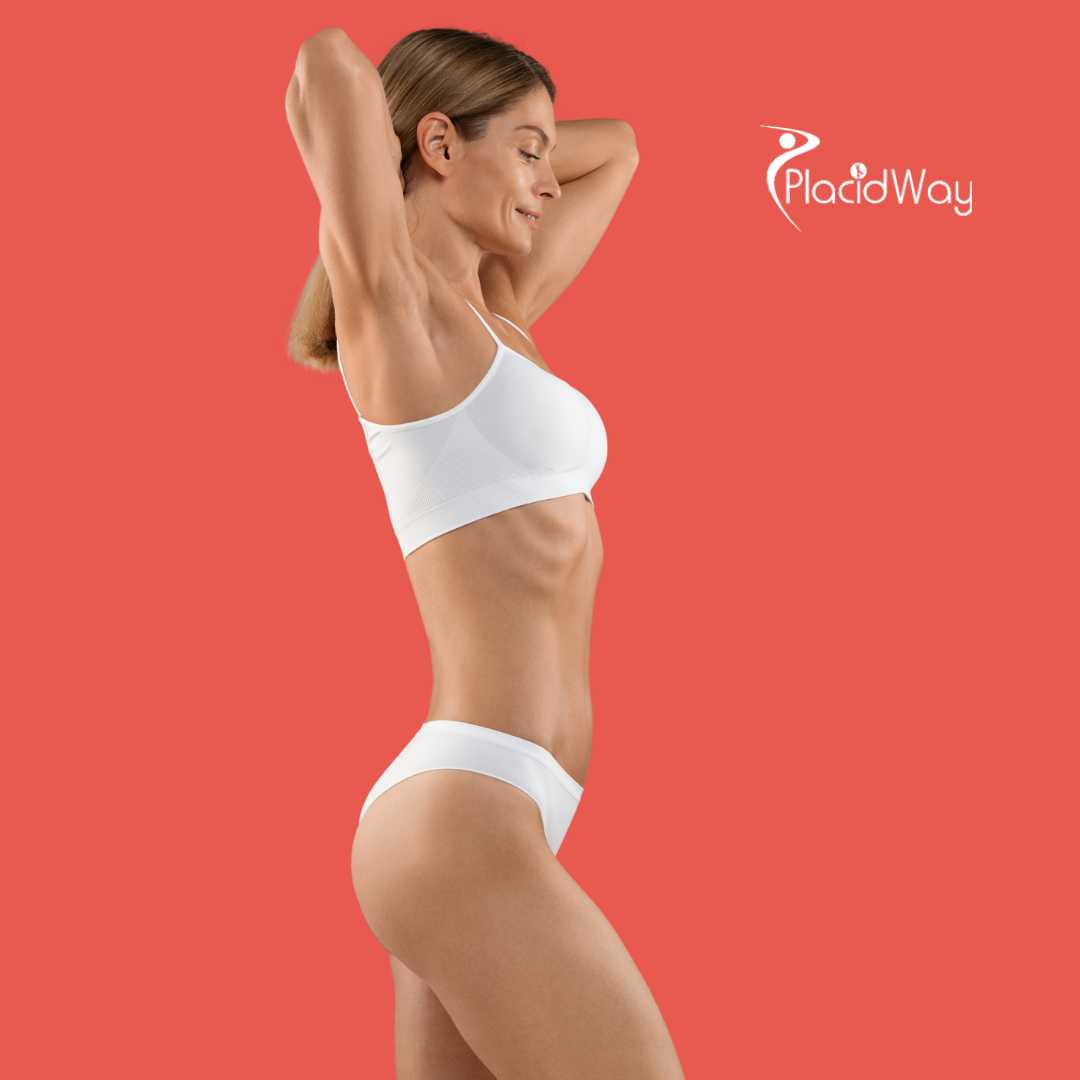
Liposuction is a body-sculpting procedure, not a treatment for obesity or metabolic disorders. Evaluating candidacy involves a comprehensive assessment by a qualified physician. You may be a suitable candidate if you meet certain criteria:
- Stable Weight: You have maintained a consistent weight for several months and are close to your goal weight.
- Good Skin Elasticity: Your skin has enough tone to retract smoothly over the newly contoured areas. Poor elasticity may result in sagging skin after fat removal.
- Overall Health: You do not have life-threatening illnesses or medical conditions that impair healing, such as uncontrolled diabetes, severe cardiovascular disease, or compromised immunity.
- Realistic Expectations: You understand the limitations of the procedure and realize that results vary by individual.
Patients who smoke will typically be required to stop using all nicotine products several weeks before and after surgery, as nicotine constricts blood vessels and significantly increases the risk of tissue death, infection, and poor wound healing.
What is the estimated liposuction cost in the Dominican Republic?
It is important to understand that there is no standard flat rate for surgery. The final price tag is influenced by several medical factors, including the number of areas being treated, the volume of fat to be removed, the specific surgical technique utilized, and the experience level of the surgeon. Facility fees and the anesthesiologist’s charges also contribute to the total cost.
When budgeting for medical tourism, you must account for expenses beyond the operating room. A comprehensive budget should include airfare, specialized medical travel insurance, 10 to 14 days of accommodation (such as a supervised recovery house), local transportation, post-operative compression garments (fajas), prescription medications, and lymphatic drainage massages, which are often prescribed during recovery.
How do I choose a safe liposuction clinic in the Dominican Republic?
The single most critical step in your medical tourism journey is vetting your provider. In the Dominican Republic, you should verify that your prospective surgeon is an active member of the Dominican Society of Plastic, Reconstructive, and Aesthetic Surgery (SODOCIPRE). This organization ensures that its members have completed the requisite medical training and specialized residency programs in plastic surgery.
Additionally, investigate the facility where the surgery will take place. Safe surgeries are performed in fully equipped clinics or hospitals, not in hotel rooms or residential houses. A properly accredited medical center will have an intensive care unit (ICU) on-site or immediate transfer protocols, an emergency backup power supply, and board-certified anesthesiologists to monitor you throughout the procedure.
What types of liposuction techniques are generally available?
The choice of technique depends on your anatomical needs, the areas being treated, and the surgeon's professional preference. Common methods include:
- Tumescent Liposuction: The standard approach where a sterile solution containing saline, local anesthetic, and epinephrine is injected into the fat layer to reduce bleeding and ease fat removal.
- Ultrasound-Assisted Liposuction (UAL): Uses sound wave energy to liquefy fat walls before removal, which can be useful for fibrous areas of the body.
- Laser-Assisted Liposuction (LAL): Utilizes targeted laser energy to melt fat cells, potentially offering some mild skin-tightening benefits.
- Power-Assisted Liposuction (PAL): Involves a vibrating cannula that allows the surgeon to break up dense fat more efficiently and with potentially less manual trauma to surrounding tissues.
What should I expect during the recovery process?
Recovery from body contouring is a gradual process. In the first few days, you can expect significant fluid drainage, soreness, swelling, and bruising. Your surgeon will likely require you to wear a specialized medical compression garment constantly to minimize swelling and help your skin conform to its new shape.
Many Dominican surgeons strongly advocate for a series of professional lymphatic drainage massages starting shortly after surgery. These gentle massages are believed to help reduce fluid retention and prevent the formation of hard lumps or scar tissue under the skin. While light, short walks are encouraged to promote blood circulation, strenuous physical activity, heavy lifting, and intense exercise must be avoided for several weeks to prevent complications.
Are there specific risks associated with traveling for surgery?
All surgical procedures carry inherent risks, including infection, bleeding, adverse reactions to anesthesia, fluid accumulation (seromas), and asymmetrical results. However, medical tourism introduces additional variables. Prolonged immobility on an airplane shortly after surgery can cause blood clots to form in the legs (DVT). If these clots break free and travel to the lungs, they can cause a potentially fatal pulmonary embolism.
To mitigate this severe risk, patients are generally instructed to stay hydrated, wear medical-grade compression stockings, and walk frequently during the flight once cleared to travel. Additionally, being far from your operating surgeon means you must have a clear plan for how to handle any delayed complications that might arise after you return to your home country.
How long should I stay in the country after my procedure?
Leaving the country too quickly is highly dangerous. The mandated 10 to 14-day recovery window serves several critical medical purposes. During this time, you will attend follow-up appointments where the medical team will assess your healing progress, remove any surgical drains or sutures, and monitor your incisions for early signs of infection.
Only your attending surgeon can medically clear you to board an airplane. Attempting to fly before you are clinically stable puts your health at severe risk. During this recovery period, many patients opt to stay in specialized recovery accommodations, though you must independently verify that these facilities meet acceptable hygienic and medical standards.
Why is medical tourism in the Dominican Republic so popular for body contouring?
For many North American patients, the Caribbean nation offers a convenient location. Direct flights from major US and Canadian cities typically take only two to four hours, which is preferable to long-haul transcontinental flights after surgery. The local healthcare industry has adapted to this influx of international patients by ensuring many clinic coordinators, nurses, and doctors are bilingual.
Furthermore, the high volume of aesthetic procedures performed in the country means that local surgeons often possess extensive practical experience. While the financial savings are a notable draw, the emphasis should always remain on the quality of care and the rigorous safety standards maintained by the top-tier medical facilities in these cities.
Why Choose PlacidWay for Medical Tourism?
Navigating the logistics of international healthcare can be a complex process. PlacidWay acts as an informational platform to assist patients in their research phase. Consider these factual aspects of utilizing PlacidWay:
1. Global Network Access
PlacidWay connects users with an extensive directory of medical providers and clinics across multiple international destinations.
2. Provider Profiles
The platform provides compiled information on clinic facilities, helping patients review their options before initiating contact.
3. Educational Resources
Patients can access articles, destination guides, and treatment overviews to better understand what medical travel entails.
4. Comparison Tools
Users can submit inquiries to receive and compare informational estimates from various providers side-by-side.
5. Direct Communication
The platform facilitates initial communication, allowing patients to ask direct questions to medical facilities abroad.
Frequently Asked Questions
Does liposuction treat cellulite or loose skin?
No, liposuction is designed exclusively to remove subcutaneous fat. It does not treat cellulite or improve skin laxity. In fact, if you have poor skin elasticity, removing the underlying fat may cause the skin to appear looser. In such cases, your surgeon might recommend a skin excision procedure, such as a tummy tuck or thigh lift, in conjunction with fat removal.
Will I need a specific medical visa to enter the Dominican Republic?
Most international patients from North America and Europe do not need a specialized medical visa for short stays. A standard tourist entry, which typically involves filling out a digital e-Ticket prior to arrival, is usually sufficient for the duration of a standard surgical trip and recovery period. Always check the current entry requirements for your specific nationality before booking travel.
Can I combine liposuction with a tummy tuck in the DR?
Many surgeons offer a combination of these procedures, often referred to as lipoabdominoplasty. While combining surgeries can reduce overall recovery time compared to having two separate operations, it also significantly increases surgical trauma, time under anesthesia, and the risk of complications. You will need a thorough medical evaluation to determine if you are healthy enough for a combined procedure.
What exactly is a "recovery house" in the Dominican Republic?
A recovery house is a specialized post-operative lodging facility designed for medical tourists. They typically provide meals, transportation to follow-up appointments, and basic assistance. However, these facilities vary widely in quality and medical oversight. It is crucial to choose a recovery facility that is properly registered and employs licensed nursing staff to monitor for early signs of infection or complications.
Is the fat removal from liposuction permanent?
The specific fat cells removed during the procedure are gone permanently and will not regenerate. However, this does not mean you cannot gain weight. If you consume a caloric surplus after surgery, the remaining fat cells in your body—both in the treated and untreated areas—can expand, potentially altering your surgical results.
How do I verify a Dominican plastic surgeon's credentials?
You can verify a surgeon's credentials by checking if they are an active, recognized member of the Dominican Society of Plastic, Reconstructive, and Aesthetic Surgery (SODOCIPRE). Membership in this organization indicates that the physician has completed appropriate residency training in plastic surgery rather than just taking a short course in cosmetic procedures.
Can I go to the beach or swim after my surgery in Punta Cana?
No. Patients are strictly advised to avoid swimming in oceans, pools, or hot tubs until all incisions are completely closed and healed, which typically takes several weeks. Exposing unhealed incisions to water increases the risk of severe bacterial infections. Additionally, sun exposure can lead to permanent hyperpigmentation (darkening) of your scars and prolonged swelling.
What happens if I experience complications after returning home?
If you experience complications such as severe pain, high fever, shortness of breath, or signs of infection after returning home, you must seek immediate medical attention at a local emergency room or from a local physician. Your overseas surgeon cannot physically treat you once you leave the country, which is why having a plan for local aftercare is a vital part of medical tourism.
Do Dominican clinics use general or local anesthesia for liposuction?
The type of anesthesia depends entirely on the volume of fat being removed and the number of areas being treated. Small, isolated areas may be treated under local anesthesia with twilight sedation. However, larger volume fat removal or procedures treating multiple areas simultaneously are almost always performed under general anesthesia administered by a board-certified anesthesiologist.
Can I get a medical consultation before booking my travel?
Yes, reputable surgeons routinely offer comprehensive virtual consultations. During this process, you will typically provide your medical history and submit secure photographs of your target areas. The surgeon will review these to determine preliminary candidacy, discuss expected outcomes, and provide an estimated treatment plan before you make any travel arrangements.
Explore Your Body Contouring Options
Request educational information and compare clinic profiles to help you make an informed decision about your medical travel journey.
Request Treatment InformationReferences
- Liposuction Safety Information – American Society of Plastic Surgeons (ASPS)
- Medical Tourism Safety Guidelines – Centers for Disease Control and Prevention (CDC)
- Patient Safety for International Travelers – International Society of Aesthetic Plastic Surgery (ISAPS)
- Verification and Safety Standards – Dominican Society of Plastic, Reconstructive, and Aesthetic Surgery (SODOCIPRE)
- Safe Surgery Guidelines – World Health Organization (WHO)
- Air Travel and the Risk of Venous Thromboembolism after Surgery – National Center for Biotechnology Information (NCBI)





















Share this listing