
Everything You Need to Know About Stem Cell Treatment Costs in Mexico
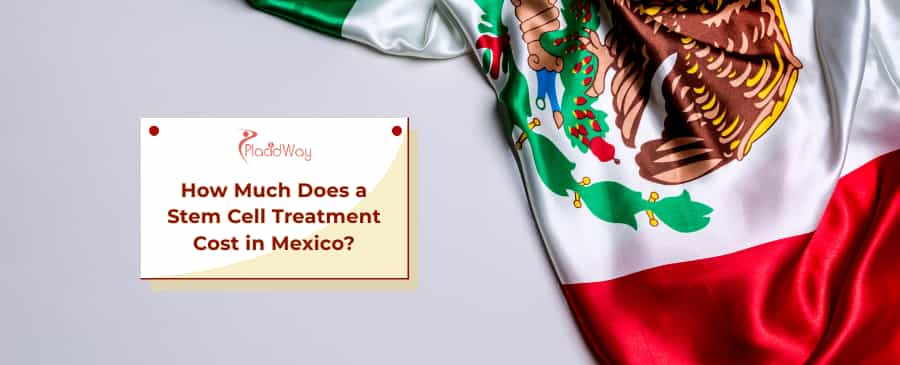
Finding the right regenerative medicine option can feel overwhelming. Many patients exploring stem cell treatment in Mexico want to understand exactly what types of cells are utilized and how they function. Clinics south of the U.S. border generally utilize adult stem cells, focusing on either autologous (your own cells) or allogeneic (donated cells) sources. By understanding the differences between these cell types, you can have more informed conversations with healthcare providers and make better decisions regarding your medical care.
Key Takeaways
- Mesenchymal stem cells (MSCs) from donated umbilical cord tissue are the most widely used allogeneic option in Mexico.
- Autologous therapies use cells harvested from the patient's own adipose (fat) tissue or bone marrow.
- Treatments rely exclusively on adult stem cells; reputable clinics do not use embryonic stem cells.
- The ability to legally culture and expand stem cells in labs is a primary reason patients seek treatment in Mexico.
- Safety, regulatory oversight, and laboratory standards can vary significantly from one clinic to another.
Where Do the Stem Cells Used in Mexico Come From?
When you undergo treatment using your own cells, the physician will perform a minor extraction procedure. For adipose-derived cells, a small liposuction procedure is performed, usually on the abdomen or flank. For bone marrow-derived cells, the physician extracts marrow from the hip bone using a specialized needle. Once collected, these tissues are processed in a laboratory to isolate and concentrate the stem cells before they are reintroduced into the patient's body.
Alternatively, many clinics use allogeneic cells, which are donated. The most common source is Wharton’s jelly, a gelatinous substance found within the umbilical cord. These cords are collected from healthy mothers who have undergone extensive medical screening and given full consent after a normal, full-term delivery. No fetuses or embryos are harmed in this process.
What Is the Difference Between Autologous and Allogeneic Stem Cells?
Choosing between autologous and allogeneic cells is a decision that should be made alongside a qualified medical doctor based on your specific health condition.
- Autologous Cells: Because these are your own cells, there is virtually zero risk of immune rejection or disease transmission from a donor. However, as we age, our stem cells also age, which may reduce their vitality and regenerative potential. Furthermore, getting autologous cells requires you to undergo an extraction procedure, which carries mild surgical risks.
- Allogeneic Cells: These donated cells (like those from an umbilical cord) are considered "day zero" cells, meaning they are young, robust, and highly active. Because they lack certain markers on their surface, they are generally considered immune-privileged, meaning they rarely trigger an immune response. They are ready to use upon arrival at the clinic, sparing the patient an extraction procedure.
Are Mesenchymal Stem Cells (MSCs) the Most Common Type Used?
MSCs are multipotent adult stem cells. This means they have the ability to develop into multiple different cell types, including bone, cartilage, muscle, and fat cells. This versatility makes them highly sought after for a variety of regenerative therapies.
Beyond their ability to become different tissues, MSCs are highly valued for their immunomodulatory properties. They naturally secrete specialized proteins and growth factors that help reduce inflammation, modulate immune system responses, and promote the natural healing of damaged tissues. In Mexico, these cells are predominantly sourced from Wharton’s jelly, though they can also be isolated from bone marrow and dental pulp.
How Much Does stem cell treatment cost in Mexico Compared to the US?
Pricing is rarely a flat fee. The final cost depends heavily on several variables, including the type of stem cells used, the necessary dosage (cell count), the method of administration, and the specific condition being addressed. For example, a localized joint injection for osteoarthritis will typically cost less than a comprehensive systemic IV infusion aimed at addressing an autoimmune condition.
It is important to understand that these prices are estimates. When receiving quotes, patients should ask exactly what is included. You need to know if the quoted price covers the laboratory blood work, medical consultations, the cells themselves, and follow-up care. Because insurance rarely covers these therapies, patients usually pay out-of-pocket.
How Are Stem Cells Administered During Treatment?
The delivery method is chosen by the physician to ensure the cells reach the areas of the body that require tissue repair or inflammation reduction.
- Intravenous (IV) Infusion: This is common for systemic issues, such as autoimmune diseases or general anti-aging protocols. The cells are introduced directly into the bloodstream, where they can circulate and home in on areas of inflammation.
- Intra-articular Injections: Used primarily for orthopedic conditions like osteoarthritis, sports injuries, or joint degeneration. The cells are injected directly into the affected knee, shoulder, or hip.
- Intrathecal Injections: Typically reserved for neurodegenerative conditions. The cells are injected into the spinal canal to bypass the blood-brain barrier and access the central nervous system. This carries higher risks and requires specialized medical expertise.
What Medical Conditions Are Stem Cells Commonly Used For?
Patients pursue regenerative medicine for a wide spectrum of health challenges. The most common applications involve orthopedic medicine, where MSCs are used to potentially reduce pain and improve mobility in patients suffering from osteoarthritis, cartilage wear, and ligament tears.
Additionally, because of the immunomodulatory effects of MSCs, clinics frequently offer treatments for autoimmune conditions like rheumatoid arthritis, lupus, and multiple sclerosis. Some facilities also attempt to address complex neurodegenerative disorders such as Parkinson's or Alzheimer's. However, it is crucial to note that many of these applications are still considered experimental by major global health organizations. Stem cells are not a guaranteed cure for any condition, and patients must have a thorough, realistic discussion with a medical provider about what benefits can reasonably be expected.
Important Consideration
Suitability for stem cell therapy depends heavily on your current health status, existing conditions, and medical history. Patients with active cancers or active infections are generally contraindicated for regenerative therapies. Always undergo a comprehensive evaluation by an independent physician before booking travel.
What Are the Risks and Safety Concerns of Stem Cell Therapy?
While adult stem cell treatments are often marketed as natural and minimally invasive, they are still medical procedures carrying inherent risks. Any injection or IV infusion carries a risk of localized infection, bleeding, or bruising. More severely, improper handling of cells in unregulated laboratories can lead to bacterial contamination, causing systemic infections.
Furthermore, because the U.S. FDA does not regulate clinics in Mexico, patients must rely on Mexican health authorities (COFEPRIS). While COFEPRIS enforces safety standards, regulatory enforcement can vary. If complications arise after you return home, your local primary care doctor may struggle to manage issues stemming from an experimental procedure performed abroad. Always discuss a post-treatment follow-up plan with both your international provider and your home physician.
How Should I Choose a stem cell treatment clinic in Mexico?
Research is your most critical tool when seeking medical care abroad. Start by asking the clinic for proof of their COFEPRIS licensing, which permits them to administer cellular therapies legally. You should also inquire about the laboratory where the cells are processed. Reputable clinics will provide a Certificate of Analysis (CoA) from a third-party lab detailing the cell count, viability, and purity of the batch being used for your treatment.
Avoid clinics that make absolute guarantees about curing a disease or those that employ high-pressure sales tactics. Your initial consultations should be with licensed medical professionals, not just marketing coordinators. Ask questions about the specific type of cells being used, how they are stored, and what protocols are in place for medical emergencies.
Why Do Patients Travel for medical tourism in Mexico?
In the U.S., the FDA heavily restricts the manipulation of stem cells. Currently, U.S. clinics are generally only allowed to extract cells, perform minimal processing (like spinning them in a centrifuge), and immediately reinject them during the same surgical visit. They are largely prohibited from culturing the cells to multiply them.
In contrast, Mexican regulations allow licensed laboratories to expand these cells over several weeks. This means a patient might receive millions of highly concentrated cells in a single dose, which many physicians believe may improve the potential therapeutic effects for chronic conditions. Combined with lower overhead costs and close geographic proximity to the U.S. and Canada, this regulatory difference makes Mexico a primary destination for regenerative medical travel.
Why Choose PlacidWay for Medical Tourism?
Navigating international healthcare requires access to clear, organized information. Here is how PlacidWay assists patients researching medical treatments abroad:
- Global Network Access: PlacidWay connects patients with a wide directory of internationally accredited medical facilities and clinics around the world.
- Educational Resources: The platform provides extensive articles, clinic profiles, and provider backgrounds to help patients understand different medical treatments abroad.
- Direct Communication: PlacidWay facilitates initial contact and communication between patients and international medical providers, allowing you to ask clinical questions directly.
- Transparent Pricing Estimates: Patients can review estimated costs for various procedures, helping them budget accurately before committing to treatment.
- Informed Decision Making: By offering a platform to compare clinics, read reviews, and verify certifications, PlacidWay supports patients in making health decisions without guaranteeing specific medical outcomes.
Frequently Asked Questions
Are embryonic stem cells used in Mexican clinics?
No, reputable clinics in Mexico do not use embryonic stem cells. Treatments rely exclusively on adult stem cells, such as those derived from bone marrow, fat tissue, or donated umbilical cords.
Is stem cell therapy in Mexico approved by the FDA?
No. The U.S. Food and Drug Administration (FDA) only has jurisdiction within the United States. In Mexico, medical treatments and biological products are regulated by COFEPRIS (Federal Commission for the Protection against Sanitary Risk).
Do umbilical cord stem cells cause immune rejection?
Mesenchymal stem cells (MSCs) from umbilical cords are considered immune-privileged, meaning they typically have a very low risk of triggering an immune response or rejection, though individual reactions can still occur.
Can I have a consultation before traveling to Mexico?
Yes. Most clinics offer telemedicine consultations where a medical professional reviews your medical history, imaging, and test results to determine if you are a suitable candidate before you travel.
How many stem cells will I receive during treatment?
The dosage varies significantly depending on the medical condition, the type of cells used, and the doctor's protocol. Dosages can range from millions to over a hundred million cells per treatment.
Are stem cells legally expanded or cultured in Mexico?
Yes. Under Mexican regulations, authorized laboratories are permitted to culture and expand stem cells in a lab to achieve higher cell counts before administering them to the patient.
How long does the actual treatment process take?
The procedure itself is typically done on an outpatient basis over one to three days, depending on whether cells need to be harvested from your body or if pre-screened allogeneic cells are being used.
Will my health insurance cover stem cell therapy in Mexico?
Generally, no. Most health insurance providers in the U.S. and Canada consider these therapies experimental or investigational and do not cover medical treatments received abroad.
What exactly is COFEPRIS?
COFEPRIS is the Mexican government’s health regulatory agency. It oversees and licenses medical facilities, laboratories, and treatments, functioning similarly to the FDA in the United States.
Can I fly home immediately after receiving stem cell injections?
Many patients can travel within a day or two after treatment. However, if you receive specialized injections like intrathecal (spinal) administration, your doctor may require you to rest locally for several days before flying.
Compare Treatment Options
Gather all the facts before making a decision about your health. Connect with licensed clinics to request detailed treatment information, verify credentials, and receive customized cost estimates for regenerative therapies.
Request Treatment InformationReferences
- FDA Warns About Stem Cell Therapies – U.S. Food and Drug Administration
- Stem cells: What they are and what they do – Mayo Clinic
- Patient Handbook on Stem Cell Therapies – International Society for Stem Cell Research (ISSCR)
- Mesenchymal Stem Cells: Clinical Applications and Biological Characterization – National Institutes of Health (NIH)
- Medical Tourism: Travel for Medical Care – Centers for Disease Control and Prevention (CDC)
- Federal Commission for the Protection against Sanitary Risk (COFEPRIS) – Government of Mexico


























Share this listing