
Understanding the Cost of Platelet-Rich Plasma (PRP) Injections
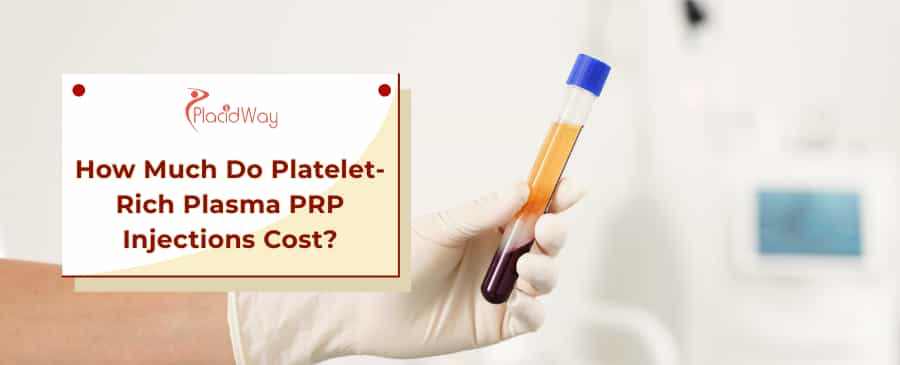
Dealing with thinning hair can be frustrating, leading many people to seek out modern regenerative treatments. If you are exploring PRP for hair loss in Turkey, you likely have questions about the treatment timeline, how the process unfolds, and what kind of commitment is required. Platelet-Rich Plasma (PRP) therapy utilizes the growth factors found in your own blood to potentially stimulate hair follicles, encourage thicker growth, and slow down excessive shedding.
Because hair grows in distinct cycles, a single treatment is rarely enough to produce visible changes. Understanding the structured timeline of multiple sessions helps manage expectations and allows you to plan your trips effectively. Below, we explore the typical session requirements, maintenance needs, and variables that might affect your personal treatment plan.
Key Takeaways
- A standard initial protocol consists of 3 to 4 sessions spaced roughly a month apart.
- Maintenance treatments are usually needed once or twice a year to preserve improvements.
- PRP is most effective for individuals in the early stages of hair thinning with active follicles.
- Results are not immediate; visible improvements typically appear 3 to 6 months after the first round.
- Individual health factors, genetics, and platelet quality influence the total number of visits required.
1. How long does a standard PRP treatment plan take to complete?
The human hair growth cycle is complex, consisting of growth, transition, and resting phases. Because follicles are not all in the same phase at the same time, spacing the injections over several months ensures that a larger percentage of follicles receives the growth factors when they are most receptive. Injecting the plasma too frequently does not necessarily speed up the results and may just lead to unnecessary discomfort.
During the first few months of this schedule, your provider will monitor how your scalp is responding. The initial goal is usually to halt excessive shedding before noticeable thickening begins. Patients traveling abroad for care must plan for either an extended stay or multiple short trips to fulfill this foundational timeline.
| Treatment Phase | Session Number | Typical Timing |
|---|---|---|
| Foundational | Session 1 | Initial visit (Month 0) |
| Foundational | Session 2 | 4-6 weeks after Session 1 |
| Foundational | Session 3 | 4-6 weeks after Session 2 |
| Maintenance | Follow-ups | Every 4-6 months thereafter |
2. Who is a suitable candidate for PRP hair therapy in Turkey?
Not everyone experiencing hair loss will benefit equally from this procedure. The treatment relies heavily on stimulating existing follicles. If an area of the scalp has been completely bald for years, the follicles there have likely shrunk and become dormant. In these cases, concentrated platelets cannot bring dead follicles back to life, and a hair transplant might be a more appropriate recommendation.
Additionally, medical history plays a crucial role in candidacy. Your doctor will likely review your overall health to ensure the treatment is safe and worthwhile. Conditions that might limit eligibility include:
- Active scalp infections or severe skin diseases.
- Underlying blood disorders or platelet dysfunction syndromes.
- Heavy smoking, which can restrict blood flow and degrade platelet quality.
- The use of blood-thinning medications that cannot be temporarily paused.
- Hair loss caused by certain medications, like chemotherapy, where PRP is usually ineffective.
3. How long after your PRP sessions will you see visible results?
Patience is heavily required when undergoing any hair restoration therapy. Hair naturally grows at a rate of roughly half an inch per month. Because the injected plasma works at the cellular level to prolong the active growth (anagen) phase of the follicle, the physical manifestation of that cellular change takes time to become visible to the naked eye.
Often, the first sign that the therapy is working is a decrease in daily hair shedding. You might notice fewer hairs on your pillow or in the shower drain after the second or third session. Increased hair density and improved shaft thickness usually follow in the subsequent months. It is highly recommended to take standardized photographs before starting the process so you and your clinician can objectively evaluate the gradual changes.
4. Do you need ongoing maintenance sessions for PRP hair treatment?
While the growth factors in the plasma stimulate the follicles, they do not alter your genetics. If you suffer from male or female pattern baldness (androgenetic alopecia), your body will continue to produce the hormones that trigger follicle miniaturization over time. Without continued support, the positive effects of the initial treatments will gradually fade, and the hair thinning will resume its natural course.
The frequency of maintenance visits depends heavily on how aggressive your hair loss is and how your body metabolizes the treatment. Some patients find that a single booster shot every six to eight months keeps their hair looking dense. Others may require a visit every four months. Your provider will help you establish a long-term schedule based on your clinical follow-ups.
5. What factors can affect the number of PRP sessions you need?
Because the therapy relies entirely on your body's own biological material, outcomes are highly individualized. The concentration of platelets and the specific growth factors present in your blood vary from person to person. A younger patient with minor thinning might achieve their desired outcome after just three sessions, while an older patient with more advanced thinning might require five or six initial sessions to see similar progress.
Lifestyle factors also play a significant part in the efficacy of the sessions. A diet rich in nutrients, adequate hydration, and a healthy cardiovascular system can improve the quality of your blood plasma. Conversely, high stress levels, poor sleep, and nutritional deficiencies can hinder the body's ability to repair and grow new tissue, potentially necessitating a longer treatment protocol.
6. Can you combine PRP sessions with hair transplants in Turkey?
In many modern clinics, these two therapies are viewed as highly complementary. A hair transplant physically moves healthy follicles to thinning areas, while the plasma injections provide a biological boost to the surrounding tissue. Surgeons often administer the first plasma injection directly into the scalp during the transplant surgery itself.
Following the surgery, patients are frequently advised to undergo a series of follow-up sessions over the next few months. This post-operative care may help reduce the severity of "shock loss"—the temporary shedding of native hair that often occurs after the trauma of surgery. Combining the therapies can offer a more comprehensive approach to scalp coverage, though it does add to the overall time and financial commitment.
7. What is the typical PRP for hair loss cost in Turkey?
Many international patients choose to travel for this procedure because the multi-session structure can become quite expensive in North America or Western Europe. In specialized medical hubs, providers often bundle the foundational three or four sessions into a comprehensive package, which can lower the per-session cost significantly compared to paying for each visit individually.
When evaluating costs, you should clarify exactly what is included in the quoted price. Some clinics use specialized centrifuge kits that yield a much higher concentration of platelets, which may cost slightly more but could potentially improve the clinical outcome. Always remember that extremely low prices may reflect the use of basic laboratory equipment rather than specialized medical-grade preparation kits.
8. How should you prepare for your PRP for hair loss clinic in Turkey?
Preparation begins a few days before you step foot in the facility. Because the procedure relies on drawing your blood, arriving well-hydrated makes the blood draw easier and can improve the volume of plasma collected. Eating a balanced meal beforehand helps prevent the lightheadedness that some people experience during blood draws.
Your doctor will provide specific guidelines regarding medications. You will typically be asked to pause non-steroidal anti-inflammatory drugs (NSAIDs) like ibuprofen, as they can interfere with normal platelet function and suppress the inflammatory response that the treatment intentionally triggers to promote healing. You should also restrict alcohol and nicotine consumption in the days leading up to your visit, as both can negatively impact blood circulation.
9. Are there any risks or side effects between PRP sessions?
Because the material being injected is autologous (derived from your own body), the risk of an allergic reaction or rejection is incredibly low. This makes it an attractive option for individuals who prefer to avoid synthetic chemicals or who have experienced adverse reactions to topical medications in the past. However, any procedure involving needles carries some minor inherent risks.
Common side effects observed between sessions include pinpoint bleeding immediately after the injections, slight bruising, or a mild headache that usually resolves within a day. A very rare risk is localized infection at the injection site. To mitigate this, treatments should always be performed in a sterile clinical environment by a trained medical professional using strict hygiene protocols.
10. What does the recovery look like after each PRP session?
The downtime is one of the most appealing aspects of this therapy. You can typically walk out of the clinic and continue your day with very few restrictions. If you are traveling, you are usually clear to enjoy sightseeing or even fly home the very next day. The scalp may feel slightly tight or numb if a local anesthetic was used, but this fades quickly.
To protect the injected plasma and avoid introducing bacteria to the tiny puncture wounds, you will be advised not to touch, rub, or massage your scalp for the rest of the day. Hot showers, saunas, heavy sweating, and the application of styling products or harsh shampoos should be paused for at least 24 to 48 hours. After this brief window, you can resume your regular hair care routine until your next scheduled session.
Why Choose PlacidWay for Medical Tourism in Turkey?
Navigating the options for medical tourism in Turkey can feel overwhelming due to the sheer number of facilities available. PlacidWay serves as a comprehensive platform to help you make informed healthcare decisions abroad.
- Extensive Global Directory: PlacidWay offers access to a large network of international healthcare providers, allowing you to view clinics side-by-side.
- Educational Resources: The platform provides detailed articles and guides to help patients understand different procedures and what to expect.
- Direct Communication: Patients can use the system to send inquiries directly to clinics, facilitating clear and straightforward communication.
- Provider Transparency: Clinic profiles display available information regarding doctor credentials, facility certifications, and spoken languages.
- Comparison Tools: You can easily compare treatment approaches and estimated costs across various international destinations.
Frequently Asked Questions
Is the PRP injection process painful?
Most patients report only mild discomfort during the injections. Clinics often apply a topical numbing cream to the scalp prior to the procedure to minimize any pain.
Can female patients receive PRP for hair thinning in Turkey?
Yes, women experiencing hair thinning, particularly female pattern hair loss, are often suitable candidates for PRP therapy, as it can help stimulate dormant follicles regardless of gender.
Will health insurance cover my PRP sessions abroad?
PRP for hair loss is typically considered a cosmetic procedure. Therefore, standard health insurance plans rarely cover the costs, whether performed domestically or internationally.
How exactly is the plasma prepared during the appointment?
A standard blood draw is taken from your arm. The blood is then placed into a centrifuge, which spins at high speeds to separate the platelet-rich plasma from the red and white blood cells.
Is it safe to fly immediately after a scalp PRP session?
Yes, flying is generally safe after a PRP session. However, you should stay hydrated, avoid touching your scalp, and follow any specific travel guidelines provided by your clinician.
Will platelet-rich plasma work on completely bald areas?
PRP relies on stimulating existing, active hair follicles. It is usually ineffective on completely bald areas where the follicles are entirely dormant or scarred.
How long do you spend in the clinic for one session?
A single session usually takes about 45 to 60 minutes from start to finish. This includes the blood draw, centrifugation process, and the scalp injections.
Are there specific age limits for receiving this treatment?
While there is no strict upper age limit, the treatment tends to be most effective for adults in the earlier stages of hair loss. A medical evaluation is necessary to determine individual suitability.
Can I continue using topical minoxidil between appointments?
Many providers encourage the continued use of topical treatments like minoxidil to support hair growth, but you should confirm the exact restart timeline with your treating professional.
What happens if I delay my scheduled maintenance session?
Delaying a maintenance session may cause the supportive effects of the plasma to diminish. You might experience a temporary increase in hair shedding until your next treatment.
Compare Treatment Options
Discover more about international hair restoration therapies, read clinic profiles, and gather the information you need to make an informed decision.
Request Treatment InformationReferences
- Thinning hair and hair loss: Could PRP help? – American Academy of Dermatology (AAD)
- Platelet-Rich Plasma (PRP) – International Society of Hair Restoration Surgery (ISHRS)
- Platelet-Rich Plasma in Androgenic Alopecia: Myth or an Effective Tool – National Center for Biotechnology Information
- Hair loss - Diagnosis and treatment – Mayo Clinic
- Platelet-Rich Plasma (PRP) – Cleveland Clinic
- The effect of platelet-rich plasma in hair regrowth: a randomized placebo-controlled trial – PubMed
- Platelet-Rich Plasma for Treating Androgenetic Alopecia: A Systematic Review – PubMed






















Share this listing