
Neurological Health Support: Stem Cell Therapy for MS in Seoul, South Korea
Receiving a diagnosis of multiple sclerosis can feel overwhelming, plunging your daily life into profound uncertainty as you watch unpredictable physical changes alter your balance, movement, vision, and overall independence. When standard disease-modifying therapies fail to halt ongoing nerve degradation or bring the symptom relief you desperately need, searching for advanced alternatives can feel exhausting yet essential for regaining hope.
Living with a chronic, progressive neurological condition takes an immense emotional and physical toll on both patients and their families, leaving many to wonder if modern regenerative medicine holds the key to restoring lost vitality. Finding specialized international medical destinations that offer compassionate, state-of-the-art neurological care is a critical step toward reclaiming quality of life and discovering new therapeutic possibilities.
Patients seeking cutting-edge neuro-regenerative options frequently explore specialized clinical destinations abroad, such as scheduling an advanced Stem Cell Therapy for Multiple Sclerosis in Seoul South Korea. This detailed guide explores how specialized physicians utilize innovative cellular approaches to support neurological wellness, manage immune responses, and provide renewed hope for individuals navigating complex chronic conditions.
Video Chapters & Quick Navigation
Explore the key topics covered in this video presentation.
Navigating the Emotional and Physical Reality of Multiple Sclerosis
Coping with a chronic neurological condition alters every facet of your everyday existence. From unexpected fatigue that makes morning routines daunting to unpredictable flare-ups that disrupt professional and family obligations, patients often feel isolated by the invisible burdens of their illness. Traditional management strategies frequently focus entirely on slowing down relapses, leaving many individuals searching for deeper healing avenues that can address the root cellular damage.
As highlighted in the video presentation at [00:00], Dr. Kim Hyun Soo introduces the vital work being performed by specialized stem cell physicians in South Korea. Recognizing the profound challenges faced by patients worldwide, expert medical teams strive to provide transparent guidance, empathetic support, and advanced clinical solutions tailored to each unique neurological profile.
Understanding How Misdirected Immune Attacks Harm Nerve Protections
To comprehend why innovative therapies are gaining global attention, it helps to understand the underlying mechanics of the disease. Multiple sclerosis is characterized by an autoimmune malfunction where the body's defense mechanisms mistakenly target the delicate myelin sheath—the protective insulating layer surrounding nerve fibers. When this vital protective coating becomes inflamed and scarred, electrical signals traveling between the brain and the body become severely disrupted.
As detailed at [00:04], multiple sclerosis is a disease in which the immune system mistakenly attacks the protective covering around the nerves. Patients pursuing dedicated clinical interventions frequently look into an expert MS Treatment in Seoul South Korea to help mitigate these aggressive immune pathways and safeguard long-term neurological health.
Coping with Progressive Shifts in Movement, Balance, and Vision
The gradual accumulation of nerve damage introduces frustrating physical barriers that impact independence and daily lifestyle satisfaction. Simple tasks like walking down a hallway, maintaining steady coordination, or focusing on reading material can become daily trials. Modern regenerative medicine aims to counter these debilitating functional declines by fostering an internal biological environment conducive to cellular repair.
Key Functional Challenges Impacted by Progressive Nerve Damage
- Profound muscle weakness and stiffness affecting mobility and physical endurance.
- Compromised coordination and balance leading to frequent instability.
- Vision disturbances including blurred vision, double vision, or optic neuritis flare-ups.
- Persistent cognitive fatigue and sensory processing hurdles during work tasks.
- Disrupted daily routines that necessitate comprehensive, multi-disciplinary care solutions.
As explained at [00:12], over time, this can affect movement, balance, vision, and other daily functions. Individuals seeking specialized international medical support often coordinate comprehensive care packages, such as a specialized Stem Cell Treatment for MS in Seoul South Korea, to address these multifaceted symptoms comprehensively.
Contrasting Conventional Disease Control with Regenerative Science
Traditional pharmaceutical approaches for multiple sclerosis have historically concentrated on suppressing or modifying overall immune system activity to decrease relapse frequency. While these standard medications play an important role in disease management, researchers continue exploring forward-thinking modalities that go beyond mere suppression to actively support tissue preservation and nervous system resilience.
As observed at [00:18], current treatments aim to control the immune system and reduce disease activity, while researchers are also studying whether stem cell therapy may help support nerve health and regulate immune responses. Evaluating these therapeutic options side-by-side helps patients make informed, confident choices regarding their long-term care plans.
| Therapeutic Approach | Primary Clinical Mechanism | Primary Patient Objective |
|---|---|---|
| Conventional Disease-Modifying Drugs | Broad immune system suppression to decrease inflammatory relapses. | Reduce frequency of acute flare-ups and slow disability progression. |
| Regenerative Cell Research | Cellular modulation, immunoregulatory signaling, and tissue support. | Promote neural protection, reduce chronic inflammation, and enhance recovery. |
| Integrative Rehabilitation Support | Physical therapy, nutritional guidance, and functional re-training. | Maximize daily mobility, muscle strength, and independent functioning. |
Examining the Therapeutic Potential of Mesenchymal Stem Cells
In the realm of modern regenerative medicine, mesenchymal stem cells have garnered significant clinical interest for their unique biological properties. These specialized cells secrete various growth factors and signaling molecules that interact harmoniously with the body's internal environment, helping to modulate overactive immune reactions and create favorable conditions for tissue preservation.
Key Mechanisms of Mesenchymal Cells in Neurological Care
- Secretion of anti-inflammatory cytokines that calm chronic neural inflammation.
- Release of trophic factors that nourish stressed neurons and glial cells.
- Immunomodulatory action helping to rebalance aberrant immune cell behavior.
- Support for endogenous repair mechanisms within damaged nervous tissues.
- Enhancement of overall cellular resilience against ongoing oxidative stress.
As highlighted at [00:31], some studies have investigated mesenchymal stem cells for their potential to reduce inflammation and protect damaged nerve tissue. This scientific foundation provides a compelling rationale for patients seeking advanced clinical pathways abroad.
Unlocking New Horizon Possibilities Through Regenerative Medicine
The continuous evolution of cellular therapies offers an inspiring lens through which to view chronic neurological disease management. By looking beyond standard palliative care, patients can explore personalized treatment programs designed to harness the body's innate healing capacities under the direct supervision of expert clinicians.
As noted at [00:38], regenerative medicine may offer additional possibilities for some patients. Dr. Kim’s Stem Cell Clinic in Seoul, South Korea, remains dedicated to rigorous patient evaluation, customized treatment protocols, and compassionate, individualized medical guidance.
Consulting Directly with Dr. Kim to Discuss Your Care Options
Taking the first step toward exploring advanced therapeutic options requires a trusted medical partner who listens closely to your history and answers your questions with absolute clarity and honesty. Expert clinical consultations ensure that every patient receives a realistic assessment of potential benefits, treatment requirements, and customized care steps.
What to Expect During Your Specialized Medical Consultation
- Thorough review of your previous neurological records and treatment history.
- Detailed discussion regarding your current symptoms, mobility, and functional goals.
- Comprehensive overview of how regenerative protocols are administered.
- Transparent communication addressing safety standards, expected timelines, and follow-up care.
- Empathetic guidance helping you and your family make an informed healthcare decision.
As warmly concluded at [00:42], if you are living with multiple sclerosis and would like to learn more about regenerative medicine, Dr. Kim invites you to discuss your options directly. Connecting with experienced specialists in Seoul opens up new avenues for managing your condition with renewed confidence and hope.
Arrange Your Specialized Consultation in Seoul, South Korea
PlacidWay Medical Tourism helps international patients connect with leading neurological experts and specialized medical centers offering advanced care for Stem Cell Treatment for MS in Seoul South Korea. Let our compassionate team guide you toward exceptional international healthcare solutions tailored to your unique wellness goals.
GET A FREE QUOTE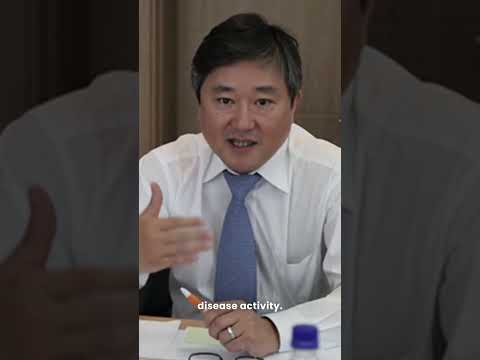
























Share this listing